
REVIEW · SUMO EXPERIENCES
Sapporo: Sumo Show Experience with Japanese food & Photo
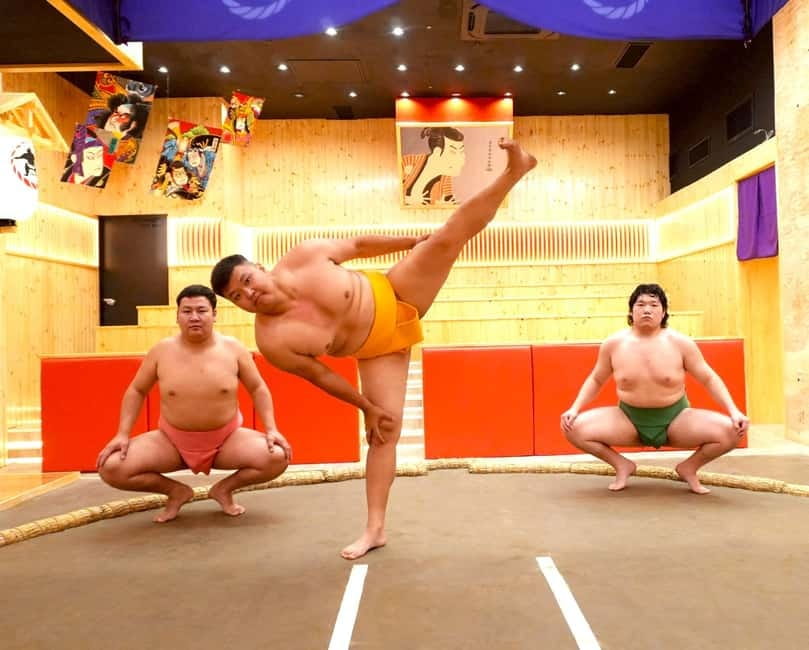
The big draw here is simple: you sit close to the dohyo while retired sumo wrestlers demonstrate the sport, explain its rituals, and then collide in a real best-of-three contest. This is not a morning-practice visit at an active beya. It is a polished, playful two-hour dinner show built for adults and children.
I like the bilingual commentary, which turns unfamiliar gestures and rules into something you can follow. I also like the audience participation, from mochi-making to the chance to challenge a wrestler in the ring. It gives you more to do than simply watch a performance.
The main consideration is that the sumo matches occupy only part of the evening, and the format is entertainment rather than serious professional competition. Food quality can vary, too, so you should choose your meal carefully and request special diets in advance.
In This Review
- Key Points
- What Kind of Sumo Experience Is This?
- From Japanese Dinner to the Dohyo
- Maiko Dance, Mochi, and Sumo Lessons
- The Main Match: Serious Enough to Impress
- Your Turn in the Ring
- Seating, Venue, and Arrival in Central Sapporo
- Is the $77 Price Fair?
- Food Choices and Dietary Planning
- Who Will Enjoy This Most?
- Booking Details Worth Knowing
- Should You Book the Sapporo Sumo Show?
- FAQ
- How long does the Sapporo Sumo Show Experience last?
- What meal choices are available?
- Is the sumo competition a professional tournament?
- Can I wrestle a former sumo wrestler?
- Is food included in the ticket?
- Is the venue accessible to wheelchair users?
Key Points
- Former Yokozuna backing: The Sapporo venue is endorsed by 63rd Yokozuna Asahifuji and 70th Yokozuna Harumafuji.
- A full dinner-show format: Expect food, a drink, explanations, demonstrations, audience activities, matches, and souvenirs within two hours.
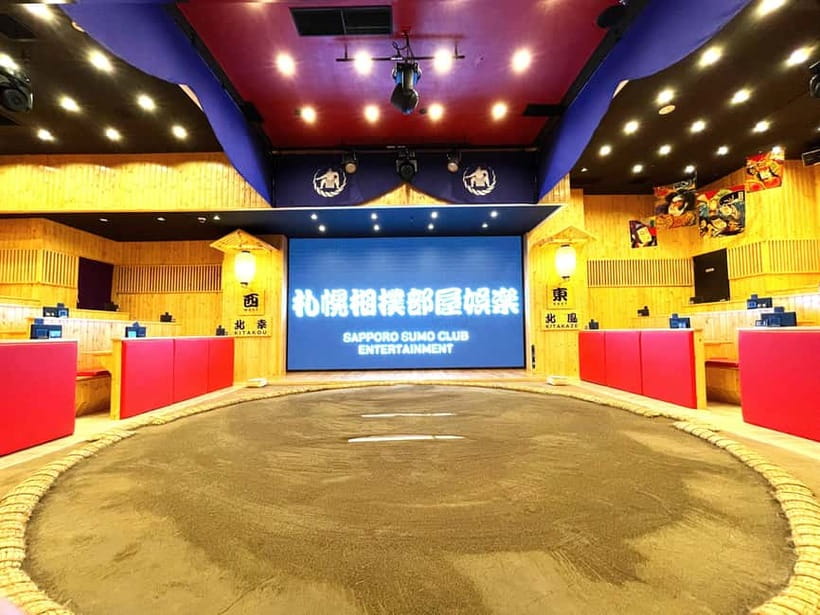
- Close views from every seat: Front-row seating is available if you want the strongest connection to the dohyo.
- Audience sumo is a highlight: You may enter the ring or watch another participant take on a former wrestler, but places can be limited or decided by lottery.
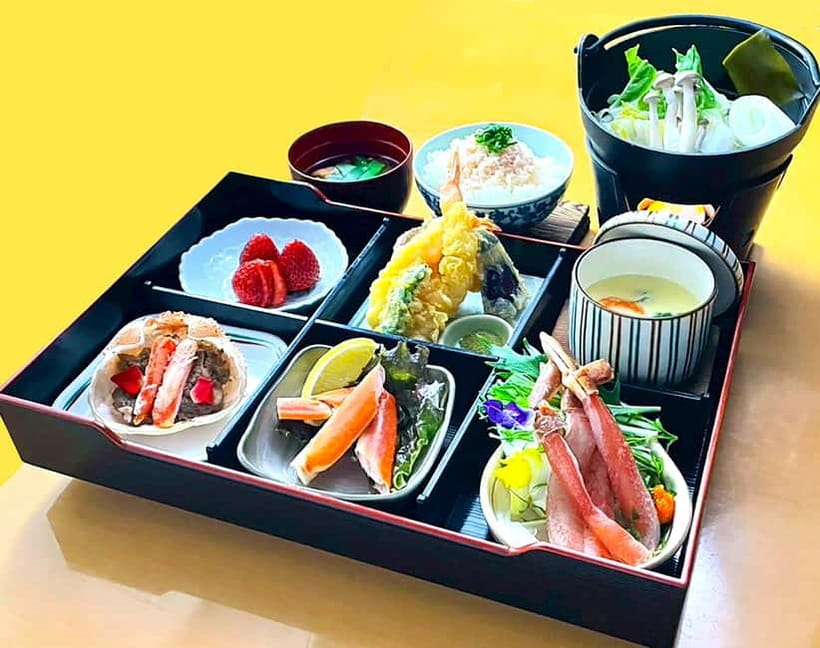
- Meal choices matter: Beef sukiyaki, crab shabu-shabu, and vegetarian options are available by reservation. Vegan meals must be requested ahead of time.
- The experience ends with a keepsake: Adults receive a printed group photo with a former wrestler, along with a gift bag of souvenirs.
What Kind of Sumo Experience Is This?
Sapporo Sumo Club Entertainment presents sumo as a lively cultural show rather than a formal tournament. The venue was scheduled to open in Sapporo on August 17, 2025, and its connection with Asahifuji and Harumafuji gives the presentation a strong sumo pedigree.
Still, you should set your expectations correctly. The wrestlers are retired from competition, and the show is designed for fun, explanation, and audience contact. If you want to observe the quiet routine of a working stable or see top-ranked professionals in a sanctioned tournament, this is not the right substitute.
If you want an approachable introduction to sumo during a Sapporo visit, the format makes good sense. You receive context before the action, you can ask questions through the bilingual moderator, and you do not need to know the difference between a tachiai and a kimarite before arriving. The evening teaches you as it entertains you.
More sumo experiences in Sapporo:
- Tokyo: Sumo Show Experience with Chicken Hot Pot and a Photo
★ 4.8 · 6,678 reviews - Tokyo: Sumo Show and Dining Experience
★ 4.8 · 2,742 reviews - the SUMO show
★ 5.0 · 1,960 reviews
From Japanese Dinner to the Dohyo
The program begins with the meal and other cultural elements, then builds toward the wrestling. That order works well. You can settle in, eat, and learn the basic ideas of sumo before the wrestlers take center stage.
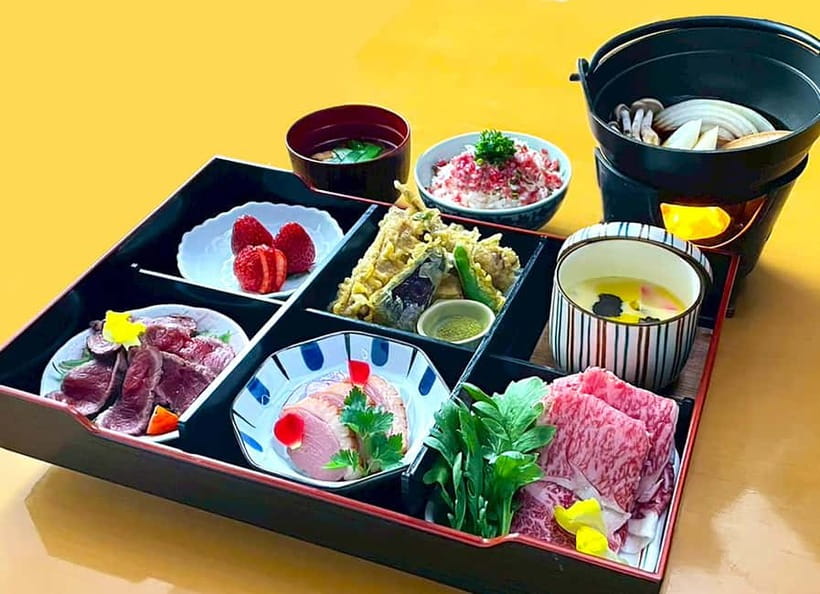
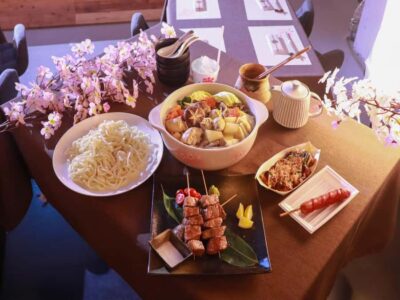
The meal normally includes a Japanese set dinner with wagyu beef sukiyaki and tempura. Depending on the option you reserve, you can instead select crab shabu-shabu or a vegetarian meal. One drink is included, while additional drinks cost extra.
The food has received mixed impressions. Some diners found the crab shabu-shabu delicious and the meal generous enough to feel satisfying without being excessive. Others found certain dishes lukewarm, including tempura, and one meal with crab rice was described as overcooked. I would treat the food as an important part of the package, but not the sole reason to book.
The timing of service may affect your impression. Since much of the dinner is served before the main wrestling, hot dishes matter. If you are particular about meal quality, crab shabu-shabu appears to be a popular choice, but vegetarian and vegan meals must be requested at least two days before your visit. Gluten-free and halal meals are not available, though you may bring your own food.
Maiko Dance, Mochi, and Sumo Lessons
The show is not only two wrestlers entering the ring. A traditional maiko dance has opened some performances, adding a graceful change of pace before the noisy, physical humor of the matches.
You may also see mochi being made with a traditional hammering demonstration. Audience members can take part, and a sample of the mochi may appear in the final gift bag. These smaller activities give the evening a broader Japanese cultural frame instead of reducing it to a single wrestling routine.
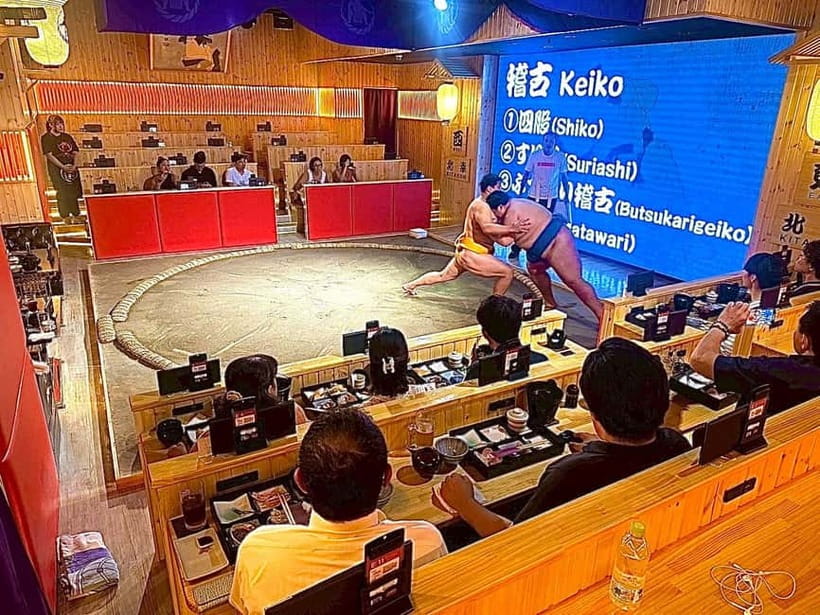
The bilingual moderator explains the stretches, morning exercises known as asa geiko, ring etiquette, rules, and types of winning techniques called kimarite. This explanation is especially useful if you have only seen short clips of sumo and do not know why wrestlers throw salt, stamp their feet, or spend time facing each other before the charge.
The educational material seems lively rather than academic. If you already follow professional sumo closely, you may wish for more historical detail or more video of past bouts during dinner. If you are new to the sport, the amount of information should be enough to make the action easier to understand without turning dinner into a lecture.
The Main Match: Serious Enough to Impress
After the demonstrations, the former wrestlers face one another in a best-of-three competition. The match is presented seriously, even though the wider event has a comic and interactive tone.
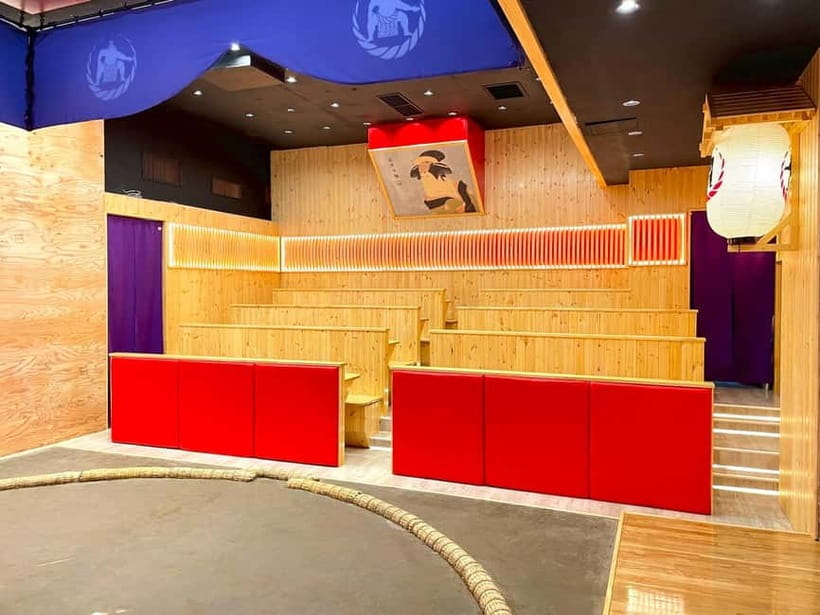
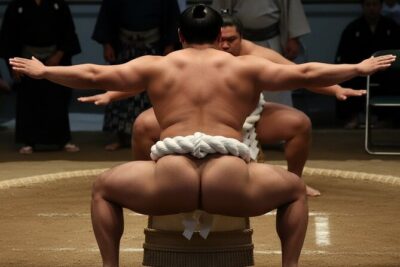
This is where the physical scale of sumo becomes clear. A video or television broadcast shows the impact, but sitting near the dohyo lets you see the footwork, balance, pushing, and sudden changes in position at close range. All seats are arranged for an intimate view, while front-row seating is offered for those who want to feel especially close to the action.
One useful point: do not expect a long tournament card. The main contest lasts roughly 40 minutes within the larger two-hour program, and the number of bouts may feel limited if you came mainly to watch wrestling. The value comes from the entire package, including explanations and audience segments.
The wrestlers also make room for humor. Their personalities, along with the moderator’s interaction with the room, help keep the pace moving. This matters for families, since younger children may not want to sit quietly through a formal sporting event.
A few more Sapporo trips to weigh up
- Sapporo Bar Hopping Food Tour
★ 5.0 · 232 reviews - Tokyo: Shinjuku Food Tour (13 Dishes at 4 Local Eateries)
★ 5.0 · 6,603 reviews - Tokyo Tsukiji Fish Market Food and Culture Walking Tour
★ 5.0 · 3,184 reviews - Osaka: Shinsekai Food Tour with 13-15 Dishes at 5 Eateries
★ 4.8 · 2,204 reviews
Your Turn in the Ring
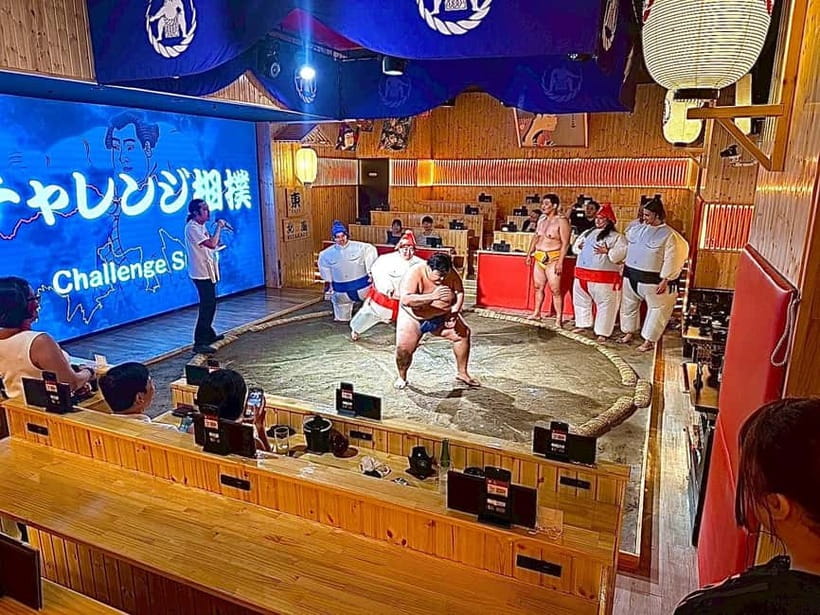
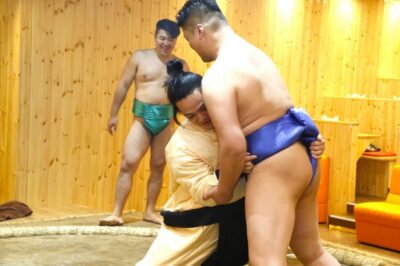
The audience challenge is probably the most memorable part for many people. Selected participants can enter the dohyo and try sumo against a former wrestler. Some performances use an inflatable suit or other playful setup, making the contest safer and more comic than a genuine professional bout.
You should not assume that everyone who volunteers will participate. Places are limited, and if interest is high, each group may be assigned one representative or challengers may be chosen by lottery. That system is fair, but it can disappoint a child or adult who arrives determined to wrestle.
The best approach is to volunteer if you want to join in, while treating participation as a bonus rather than a promise. Even when you remain in your seat, watching an audience member attempt to move a former wrestler can be hilarious. Children have been selected, and the experience can become a family highlight when someone from your group reaches the ring.
This is also the point where the show feels least like a passive dinner. You are encouraged to respond, laugh, and take part. If you prefer quiet observation, you can still enjoy the demonstrations and matches, but the evening rewards an outgoing mood.
Seating, Venue, and Arrival in Central Sapporo
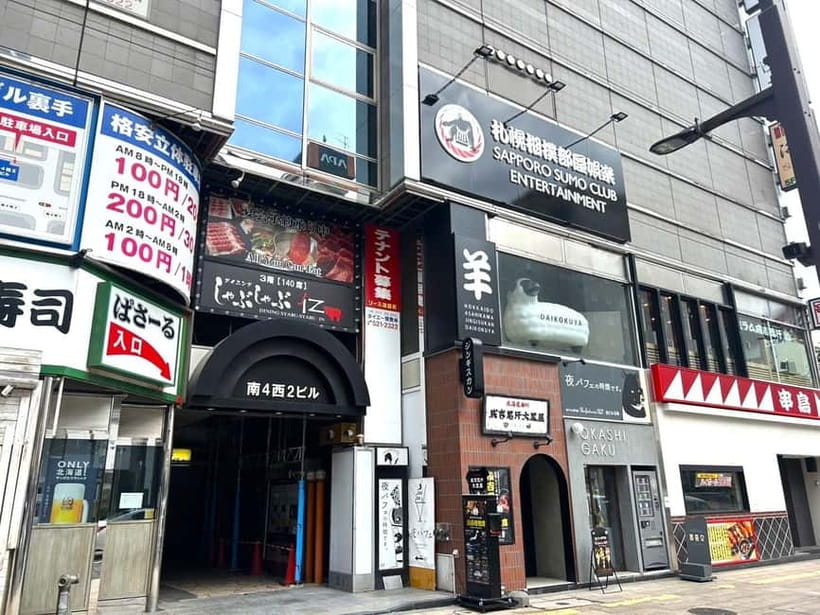
The meeting point is on the basement floor of the Minami 4-Nishi 2 building. You will need to find the building and then go downstairs, so allow a little time rather than arriving at the last minute.
The seating arrangement keeps the dohyo visible from every position. Front-row seats are an upgrade, not a requirement, and standard seating should still let you follow the action. If seeing the wrestlers at the closest possible range is central to your decision, front row is worth considering.
The venue is described as intimate, with a new ring and clean amenities. That small scale helps the moderator involve people directly, though it also means the atmosphere may depend on how full your particular show is. One early evening performance had a light crowd, which allowed more direct contact but felt slightly unusual to the people attending.
This is not suitable for wheelchair users, and babies under one year are not accepted. Hotel pickup and drop-off are not included, so you make your own way to the Sapporo meeting point.
Is the $77 Price Fair?
At $77 per person, this is not a cheap dinner. It becomes easier to justify when you count what is included: a two-hour hosted program, bilingual explanations, a Japanese meal, one drink, live demonstrations, the main matches, a possible audience challenge, a printed photo for adults, and a souvenir bag.
The photo and gift bag add real value for families and first-time visitors. The souvenirs have included items such as stickers, a pin, and mochi made during the program. They are modest keepsakes, but they help the evening feel like an event rather than simply a meal with entertainment.
I would compare the price with your alternatives. A real professional tournament offers greater sporting importance but is seasonal and usually requires more planning. A morning-practice visit gives you a closer look at daily sumo discipline but does not offer dinner, a stage host, or the same family-friendly interaction.
The price feels fair if you want one convenient evening that combines food and Japanese culture. It feels less compelling if you are already a serious sumo follower who mainly wants many competitive bouts. In that case, spend your budget on a tournament when the schedule allows, and choose this show for its access and entertainment.
Food Choices and Dietary Planning
Choose your meal when you reserve. The stated options include wagyu beef sukiyaki, crab shabu-shabu, and vegetarian food. Vegan meals are also available with advance notice.
Vegetarian and vegan requests must be made at least two days before the reservation date. Gluten-free and halal meals cannot be provided, although bringing your own food is allowed. Infants do not receive meals, seating, or souvenirs as part of the package.
The most practical advice is to avoid treating the food choice as a minor booking detail. The dinner takes up a good portion of the evening, and the difference between a meal that suits you and one that does not will affect the whole experience.
Some diners praised the food as generous and high quality, while another found hot dishes served too cool. That suggests you should book for the sumo and cultural program first, with dinner as a useful part of the value rather than a stand-alone fine-dining experience.
Who Will Enjoy This Most?
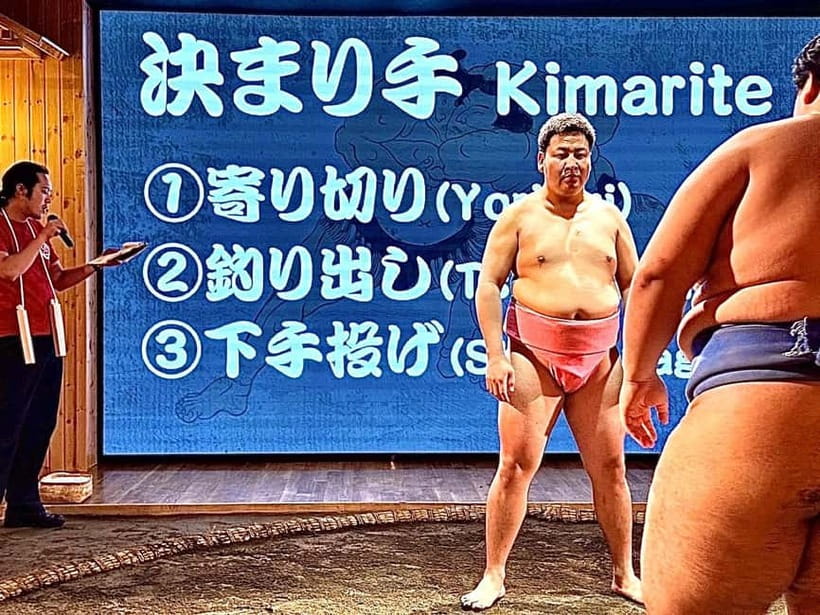
I would recommend this show to families, first-time sumo viewers, and adults who want a social evening with plenty of audience contact. Children can understand the basic demonstrations, see the wrestlers up close, and perhaps take part in the challenge.
It also suits visitors who could not fit a major tournament into their Hokkaido plans. The bilingual commentary removes much of the guesswork, and the moderator keeps the rules simple enough for people with no prior sumo background.
Fans of Japanese cultural performances may appreciate the mix of maiko dance, mochi-making, food, and wrestling. The combination is unusual, and it gives you more variety than a straightforward sports presentation.
I would be more cautious if you dislike audience participation, want a quiet meal, or expect an official sporting event. The show uses humor, volunteers, and interaction. That is its strength, but it is not for someone seeking the strict atmosphere of a professional bout.
Booking Details Worth Knowing
The activity lasts two hours, with starting times that vary by availability. English and Japanese are supported, and small-group arrangements are available.
You can cancel up to 24 hours in advance for a full refund, and a reserve-now, pay-later option helps if your Sapporo schedule is still changing. These terms are useful in a city where weather can affect plans, especially during winter.
The venue is endorsed by two former Yokozuna, but the wrestlers appearing in the show are retired competitors. Keep that distinction clear: you are buying a hosted entertainment experience featuring former rikishi, not access to current professional training.
Should You Book the Sapporo Sumo Show?
Book it if you want an easy, social introduction to sumo with dinner, explanations, audience games, and a souvenir photo. The strongest parts are the close seating, funny and interactive hosting, the chance to enter the ring, and the sense that the staff want you involved.
Think twice if you mainly want a long series of serious matches or a look at how a modern sumo stable operates. The wrestling is only one part of the evening, and the food has not been equally consistent for everyone.
For most families and first-time visitors, I would call the $77 price reasonable, especially when the photo, drink, meal, and gift bag are included. Volunteer for the challenge, request dietary meals early, and choose front-row seating if the physical spectacle is your main reason for going.
FAQ
How long does the Sapporo Sumo Show Experience last?
The experience lasts two hours. Starting times vary, so check availability when booking.
What meal choices are available?
The usual meal includes wagyu beef sukiyaki and tempura. Crab shabu-shabu and vegetarian options are also available if selected during reservation. Vegan meals require a request at least two days ahead.
Is the sumo competition a professional tournament?
No. The show features wrestlers who are retired from competition and is intended for entertainment. It is different from visiting a stable to watch serious morning practice.
Can I wrestle a former sumo wrestler?
You may volunteer for a sumo challenge, but participation is limited. If many people apply, each group may receive one representative or participants may be selected by lottery.
Is food included in the ticket?
Yes. A chicken hot pot and Japanese set meal are included according to the option selected, along with one drink. Extra drinks are available for purchase.
Is the venue accessible to wheelchair users?
No. The experience is not suitable for wheelchair users. Babies under one year are also not accepted.
More Show in Sapporo
- Mt Fuji & Hakone Cruise, Drum Show Bullet Train 1 Day from Tokyo
★ 4.0 · 7,413 reviews - Tokyo Shinjuku Sumo Show & Experience with Photo
★ 5.0 · 1,750 reviews - Tokyo: Samurai Restaurant Show Ticket with 2 Drinks
★ 4.5 · 1,307 reviews - Mt Fuji & Hakone Cruise, Drum Show Bus 1 Day from Tokyo
★ 4.0 · 1,287 reviews
More Food in Sapporo
- Osaka Food Tour: 13 Dishes at 5 Local Eateries
★ 5.0 · 2,149 reviews - Tokyo: Shinjuku Food Tour (15 Dishes and 4 Eateries)
★ 4.9 · 2,033 reviews - Best of Shinjuku: Izakaya Food Tour (4 Stops, 14+ Tastings)
★ 5.0 · 1,863 reviews - Kyoto Night Foodie Tour in Gion (9+ dishes + 6 Sake tastings)
★ 5.0 · 1,762 reviews
Just added around Sapporo
- Sapporo Winter : Asahiyama Zoo (Penguin Fun & Snowmobile)★ 5.0 · 28 reviews
- Sapporo: The Indigenous Ainu People & Jozankei walking tour★ 4.9 · 25 reviews
- Sapporo: Otaru Asarigawa Ski Resort Day Trip with Gear★ 4.9 · 27 reviews
- Sapporo Walking Tour★ 4.9 · 17 reviews
- Sapporo: Furano Lavender & Biei Blue Pond Tour with Lunch★ 4.6 · 13 reviews
- Sapporo Highlights: Golden Route Morning Guided Walking Tour★ 4.9 · 16 reviews
- Sapporo TV Tower Admission Ticket★ 4.7 · 21 reviews
- Sapporo: Furano Flower Sea & Biei Blue Pond Tour w/ Pickup★ 4.0 · 40 reviews
Sumo Experiences, compared.
Sumo Show Experience with Chicken Hot Pot and a Photo
Read our review →
Tokyo Shinjuku Sumo Show & Experience with Photo
Read our review →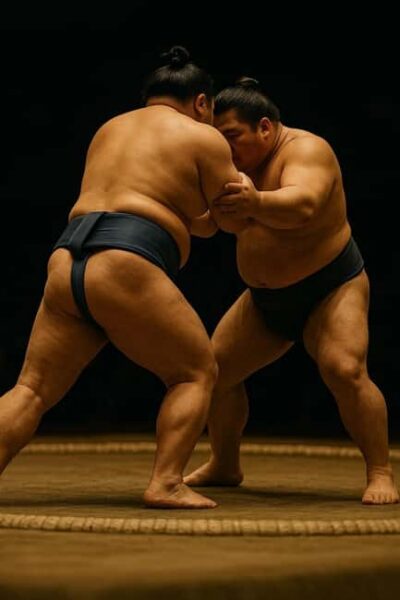
Sumo Show & Experience w/ Optional Kimono & Hot Pot
Read our review →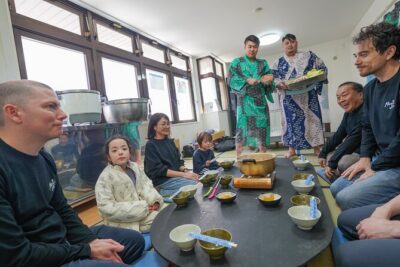
Authentic Sumo Experience in Tokyo: Enter the Sanctuary
Read our review →Browse the lists this tour appears in