
REVIEW · WORKSHOPS
Wagashi traditional japanese sweets class
Sapporo’s only dedicated wagashi-making class takes you beyond the usual food tour. At Yuki’s home, you’ll learn to shape nerikiri, the soft bean-paste sweets designed to resemble flowers and other seasonal forms. The work is small, careful, and surprisingly absorbing. Then you get to eat what you make with Japanese green tea.
I like two things right away: Yuki’s warm, personal teaching style and the setting away from central Sapporo. She has picked guests up at Makomanai Station, shared local restaurant and café ideas, and made the class feel like a friendly visit rather than a formal workshop. The quiet area, mountain views on the drive, and nearby river add a pleasant change of pace.
The main consideration is location. Makomanai is not in the center, and the class takes place in a private home, so this is not a drop-in activity or a quick stop between Odori Park and Susukino. Allow time for the trip to the meeting point, and confirm pickup details before you go.
In This Review
- Key points to know before you book
- Why nerikiri makes this class different
- Meeting at Makomanai Station
- Arriving at Yuki’s home
- Shaping two kinds of Japanese sweets
- Tasting the finished wagashi with matcha
- A quiet alternative to central Sapporo
- Price, group size, and overall value
- Who should take this class
- Practical details before booking
- Should you book the wagashi class?
- FAQ
- Where does the wagashi class begin?
- Where does the activity end?
- How long does the class last?
- Is pickup available?
- What type of Japanese sweets will I make?
- How many people can join?
- Is the class suitable for English speakers?
- What is the cancellation policy?
Key points to know before you book
- Learn nerikiri, not basic candy making: This is a delicate Japanese confectionery lesson focused on shaping bean paste into beautiful seasonal sweets.
- Meet host Yuki at Makomanai Station: Pickup has been offered from the station, making the suburban location easier to manage.
- Expect a home-based class: Matcha, conversation, written English instructions, and a look at everyday Japanese life are part of the appeal.
- Plan for about two hours: The class is compact enough for a morning or afternoon, but the station transfer adds time.
- Small-group setting: The maximum group size is 12, though the home setting may feel especially comfortable with a smaller booking.
- Good value for a hands-on cultural activity: At $59.31 per person, you receive instruction, a finished edible craft, and a personal introduction to wagashi traditions.
Why nerikiri makes this class different
Wagashi is the broad name for traditional Japanese sweets, a tradition that has continued for more than 1,000 years. These sweets are not simply snacks. Their colors, shapes, and names often reflect the season, a flower, or a familiar part of Japanese life.
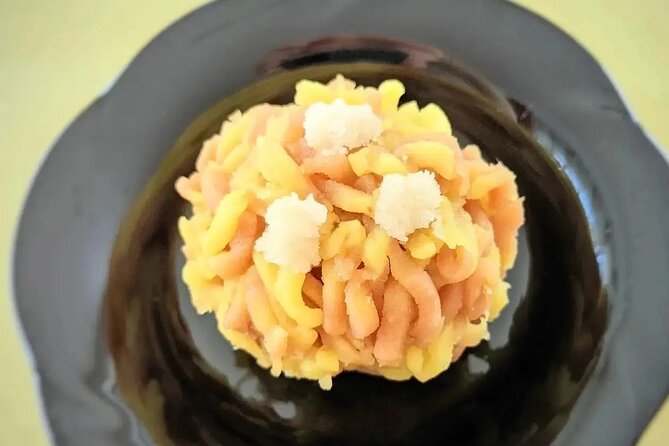
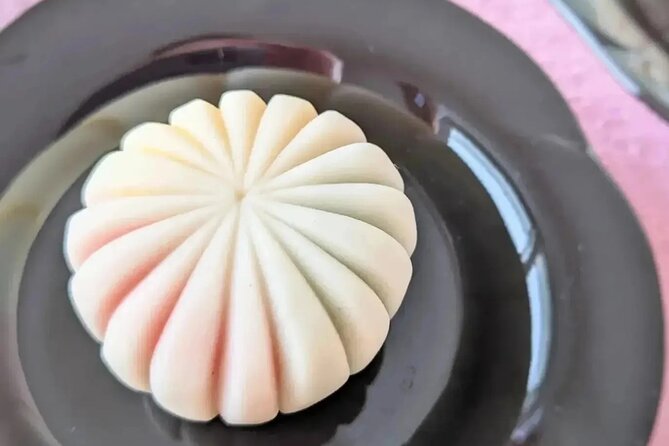
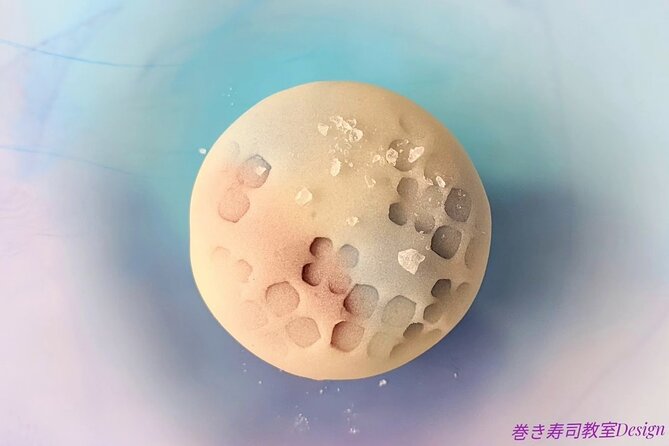
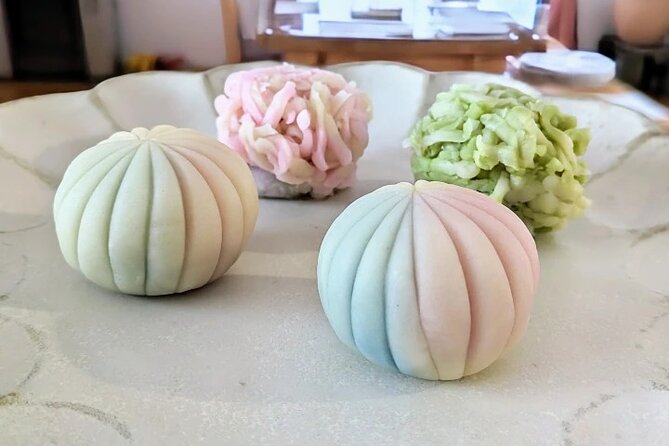
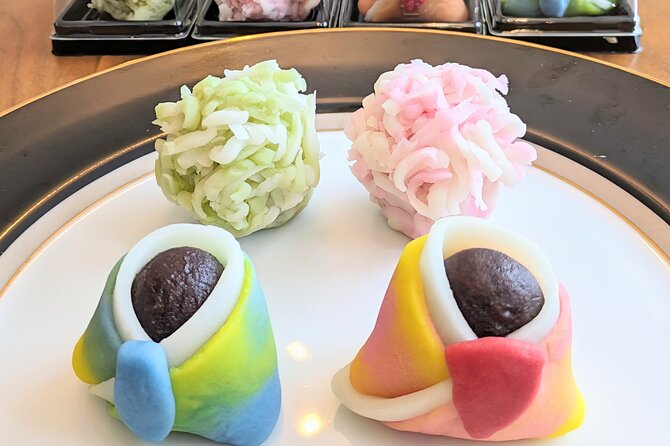
Nerikiri is one of the most refined forms. It is made from a soft sweet bean paste, then worked into shapes that can look almost too pretty to eat. That beauty is part of the lesson. You are not just mixing ingredients and waiting for something to bake. You are learning how pressure, color, and tiny changes in shape create a finished design.
I like this kind of food class because it gives you a reason to slow down. Sapporo is easy to fill with markets, museums, shopping, and hearty meals. Nerikiri asks for a different pace. You focus on your hands, listen to Yuki’s instructions, and see how a plain piece of paste becomes a small flower-like sweet.
The sweets also offer a useful introduction to Japanese ideas about presentation. In wagashi, the appearance matters almost as much as the flavor. The sweetness is elegant rather than aggressive, and the finished pieces are meant to be enjoyed with tea and attention.
A few more Sapporo trips to weigh up
- Matcha Making Class in Tokyo with Authentic Japanese Sweets Set
★ 5.0 · 744 reviews - Matcha Making Class in Osaka with Authentic Japanese Sweets Set
★ 5.0 · 509 reviews - Tokyo: Matcha Making Experience with Mochi Sweets in Asakusa
★ 4.9 · 388 reviews
Meeting at Makomanai Station
The official meeting point is Makomanai Station in Sapporo’s Minami Ward. This is the detail to plan around. If you are staying near Sapporo Station, Odori, or Susukino, you will need to make your way south before the class begins.
Pickup is offered, and Yuki has collected people from the station in the past. Confirm the exact arrangements after booking, since the experience requires advance coordination and confirmation is provided within 48 hours, subject to availability.
The trip is part of the change in mood. Instead of heading to another central attraction, you move toward a quieter part of Sapporo. Some people have described the drive from the station as scenic, with mountain country and a river near the house. That makes the outing feel more like a short local visit than a workshop placed in a commercial district.
Do not treat Makomanai as an inconvenient flaw, but do not ignore it either. The distance is precisely why the class feels removed from the city center. If you have only a few hours in Sapporo and want to stay close to the main sights, this may not fit your schedule. If you have a spare morning or afternoon, the setting is one of the class’s strongest features.
Arriving at Yuki’s home
The class takes place in Yuki’s cozy Japanese home. That changes the tone at once. You are not sitting in a large cooking studio with a long counter and a steady stream of groups. You are entering a more personal space where conversation and local advice are part of the experience.
The welcome has included hot matcha served in Japanese teacups before the practical work begins. This small ritual helps explain how wagashi is traditionally enjoyed. The tea is not only a drink to accompany dessert. It balances the sweetness and gives you a reason to pause and appreciate the presentation.
Yuki has also shared details about Sapporo, Hokkaido, places to eat, and cafés worth seeking out. This is useful if you have already seen the obvious city sights and want ideas beyond the busiest areas. Take a note in your phone, or ask her to repeat the name of a place if you are planning to visit later.
A cat may also be part of the home atmosphere. That detail will delight many people, though anyone with allergies should keep the private-home setting in mind. The class is best suited to you if you enjoy a relaxed social visit as much as the food lesson itself.
Shaping two kinds of Japanese sweets
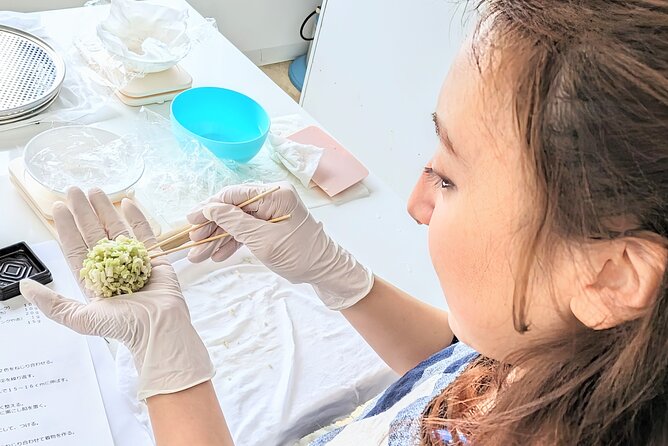
Once the table is ready, Yuki guides you through the wagashi process. The class has included two kinds of sweets, two of each, giving you enough practice to understand the technique without turning the lesson into a long production session.
The designs are delicate, and the task is more challenging than it first appears. The paste must be shaped with care, and small changes in pressure can affect the final form. You may begin with confidence after seeing Yuki’s example, then discover that making a neat petal or smooth surface takes concentration.
That challenge is a plus. A class where everything works instantly can feel like assembly. Here, your hands have to learn the method. You will likely end with sweets that are attractive, even if your flowers are not identical to Yuki’s. She is there to guide your technique and help you correct the shape without taking over.
The atmosphere is patient. Yuki speaks English well and has provided clear English instructions, including written directions to keep. That matters because the lesson involves visual details that can be hard to remember after one demonstration. The printed notes also let you try making wagashi again at home, assuming you can find the needed ingredients.
Hygiene is another practical strength. The preparation is organized, and the work area has been kept notably clean. For a food class in a private home, that kind of care helps you relax and focus on the craft.
Same city, a completely different kind of day:
- Sapporo Bar Hopping Food Tour
★ 5.0 · 232 reviews - Hokkaido Seasonal: Lake Toya & Noboribetsu Jigokudani Valley
★ 4.7 · 173 reviews - Sapporo Private Tour with a Local – Highlights & Hidden Gems
★ 5.0 · 91 reviews - Sapporo: Sumo Show Experience with Japanese food & Photo
★ 4.9 · 81 reviews
Tasting the finished wagashi with matcha
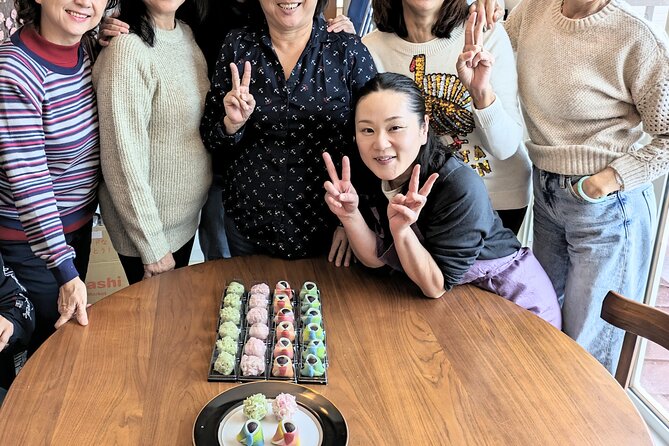
The best moment comes after the shaping is complete. You can look at your finished sweets, take photographs, and taste them with tea. Nerikiri is soft and mildly sweet, with a texture quite different from Western pastries, cakes, or cookies.
Do not expect a large dessert meal. This is a tasting of small, carefully made confections. The value is in understanding the relationship between sweet, tea, shape, and season. You have made the food yourself, so even a modest bite has more meaning than something picked up in a shop.
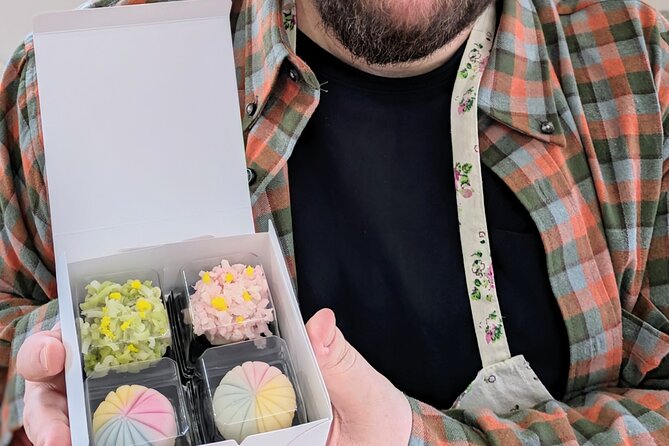
Yuki has packed finished sweets in containers for people to take along. That is handy if you are heading to another activity or want to save one for later. Keep in mind that wagashi is delicate. A packed sweet is a souvenir to handle with care, not something to toss into the bottom of a full day bag.
The class also makes a thoughtful birthday activity. One family used it as a birthday present for a daughter interested in Japanese culture, and the hands-on format worked well for children. Younger participants will need to concentrate, but the shaping process gives them something real to do rather than asking them to watch a demonstration.
A quiet alternative to central Sapporo
Sapporo is famous for its food and city life, but you do not need to spend every hour downtown. This class gives you a look at a quieter part of the city and a chance to see how a local person lives.
That does not make it a formal home-stay or a broad tour of Hokkaido culture. It is a two-hour sweets lesson held in a home. The cultural value comes through ordinary conversation, the tea service, the setting, and the traditions behind the sweets.
I especially like this for a repeat visit to Sapporo. On a first visit, you may want to prioritize the fish market, Odori Park, the historic village, or the city’s food specialties. On a longer stay, this class helps break up the standard sightseeing pattern.
The setting can also work well in cold weather. A warm home, tea, and a focused indoor activity offer a pleasant break from winter conditions. You still need to get to Makomanai Station, but the class itself is not dependent on good weather.
Price, group size, and overall value
The price is $59.31 per person for roughly two hours. That is more than you would pay for a few wagashi from a shop, but that comparison misses the point. You are paying for instruction, the chance to make several sweets, tea, cultural explanation, local conversation, and the setting of a private home.
The value is strongest if you want participation rather than a sample. You could buy traditional sweets anywhere in Japan. You cannot easily reproduce the careful shaping lesson or the personal contact with Yuki without booking a class.
The maximum group size is 12. That gives the activity room to accommodate families and organized groups, but the experience may feel different depending on the number booked. A small party should expect more direct attention and a quieter conversation. Larger groups should contact the provider in advance, as group arrangements can be discussed.
The average booking time is 46 days ahead. That is a useful sign for planning, especially if your Sapporo dates are fixed. The class has a perfect 5.0 rating from 49 ratings, and the recommendation rate is listed at 100 percent. Those figures point to consistently strong satisfaction, but you should still match the class to your own interests. If you dislike crafts, sweets, or home-based activities, a high rating will not change the basic nature of the experience.
Who should take this class
I would recommend this class to you if you want:
- A hands-on introduction to Japanese food culture
- A calm break from Sapporo’s main sightseeing areas
- A small personal activity with a local host
- An indoor plan for a cold day
- A family activity connected to Japanese traditions
- A useful way to learn about wagashi rather than only taste it
It is particularly good for couples, families with older children, and anyone who enjoys making things with their hands. The activity has also suited people who wanted local food and café suggestions after the class.
You may want to skip it if your Sapporo schedule is very tight. The class itself lasts about two hours, but the trip to Makomanai Station and the pickup arrangement require planning. It is also not the right choice if you want a large professional kitchen, a full meal, or a fast-paced activity.
The sushi roll option from the same provider is worth noting. Yuki offers a flower sushi roll class, and that activity is described as easier than the wagashi lesson. If you want a simpler food craft, or you prefer savory food to sweets, ask about that alternative. There are also other sushi roll instructors connected with the provider.
Practical details before booking
Your confirmation should arrive within 48 hours, subject to availability. Because the experience takes place in a private home and pickup may be arranged, read the meeting instructions carefully and contact the provider if anything is unclear.
The activity ends back at the meeting point. If Yuki returns you to Makomanai Station, plan your next stop from there rather than assuming you will finish downtown.
Mobile tickets are offered, and group discounts may be available. Free cancellation applies when you cancel at least 24 hours before the start time. A cancellation made inside that window is not refundable, and changes are not accepted within 24 hours. All cutoffs use local Sapporo time.
Dress for the season and wear something that lets you work comfortably at a table. The class is indoors, but the journey to and from the station can be cold in winter. If you have food allergies or dietary concerns, ask before booking, since the supplied information does not specify ingredient substitutions.
Should you book the wagashi class?
Book it if you want a personal, cultural activity with a real sense of place. Yuki’s patient instruction, the matcha welcome, the chance to shape nerikiri, and the quiet home setting make this more memorable than simply buying a box of sweets.
I would choose it for a relaxed morning or afternoon, especially on a longer Sapporo stay. Just allow time for Makomanai, confirm pickup, and understand that the reward is a careful craft lesson, not a quick downtown attraction. At $59.31, it is fair value for a two-hour experience that gives you something to eat, something to remember, and a more local view of Sapporo.
FAQ
Where does the wagashi class begin?
The activity begins at Makomanai Station in Minami Ward, Sapporo, Hokkaido, Japan.
Where does the activity end?
The class ends back at the meeting point.
How long does the class last?
The experience lasts approximately two hours.
Is pickup available?
Pickup is offered. Yuki has picked people up from the station, but you should confirm the exact pickup arrangements after booking.
What type of Japanese sweets will I make?
You will learn to make nerikiri, a delicate traditional Japanese sweet made from sweet bean paste and shaped into attractive seasonal designs.
How many people can join?
The maximum group size is 12 people.
Is the class suitable for English speakers?
Yes. Yuki speaks English well, gives clear instructions in English, and has provided written English instructions for participants to keep.
What is the cancellation policy?
You can cancel for a full refund up to 24 hours before the experience begins. Cancellations or changes made less than 24 hours before the start time are not accepted for a refund.
Just added around Sapporo
- Snowshoe Hike Tour from Sapporo include hotel p/up & drop off★ 5.0 · 16 reviews
- Sapporo Sumo Show Experience with Japanese Food and Photo★ 4.5 · 38 reviews
- Full Day Private Skiing / Snowboarding Tour in Sapporo★ 5.0 · 30 reviews
- Snowshoeing and Onsen Adventures in a Winter Wonderland -Sapporo.★ 5.0 · 30 reviews
- Sapporo 6hr Private Tour with Government Licensed Guide★ 5.0 · 57 reviews
- Authentic Sapporo: Nijo Market Seafood Lunch & Local History Tour★ 5.0 · 13 reviews
- Sapporo 4hr Private Tour with Government Licensed Guide★ 5.0 · 42 reviews
- Hokkaido Asahiyama Zoo Ningle Terrace Day trip★ 5.0 · 14 reviews
Workshops, compared.

Sushi Making Tokyo Roll and Authentic Japanese Sushi Class
Read our review →

Roll and Authentic Sushi Making Class in Asakusa
Read our review →
Ramen Cooking Class at Ramen Factory in Kyoto
Read our review →
Sushi Making Class in a Happi Coat near a Famous Spot
Read our review →

Sushi Making Osaka Roll and Authentic Japanese Sushi Class
Read our review →
Tokyo Sushi Making Class in Tsukiji with Professional Chef
Read our review →Browse the lists this tour appears in