
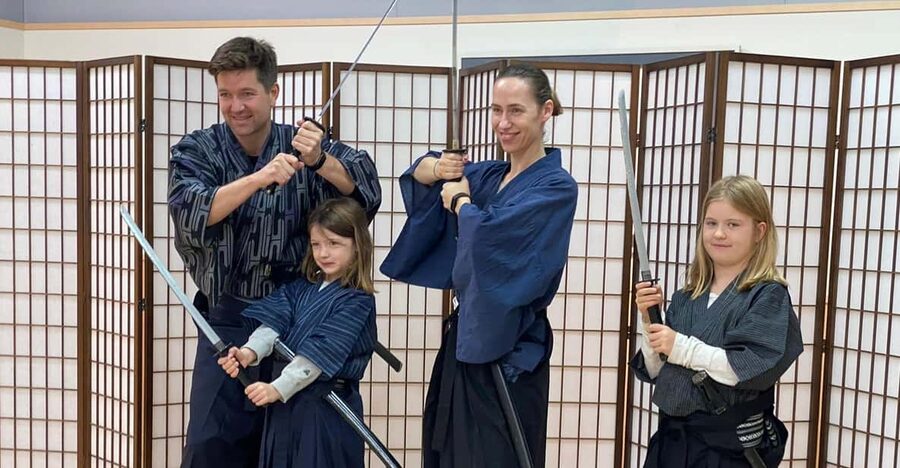
REVIEW · KIMONO & CULTURE EXPERIENCES
SAMURAI EXPERIENCE in Tokyo(Harajuku)【SAMURAI’ve】
The best part of this one-hour samurai workshop is that it gets you into the role quickly. You put on a kitsuke kimono, learn the manners called Reigi sahou, and practice sword movements before trying Tachimawari, the stylized combat used in stage and screen scenes. It is less a history lecture than a lively lesson in how samurai are presented through movement, dress, and discipline.
I like the small group limit of 10, which should give you room to follow the instructor rather than simply watch. I also like the clear finish: you get to pose with a sword in your kimono, giving you a useful souvenir beyond a quick look inside a dojo. The main consideration is time. At only one hour, this is a compact introduction, not a full martial arts course.
In This Review
- Key points at a glance
- From Harajuku streets to a samurai dojo
- Putting on the kitsuke kimono
- Reigi sahou, the manners of a samurai
- Learning basic sword movements
- Trying Tachimawari, the stage-fight sequence
- The sword-and-kimono photo session
- Who gets the best value at $70
- Families, first-timers, and language options
- What the high praise tells you
- A few things to know before booking
- Should you book SAMURAI’ve?
- FAQ
- Where does the samurai experience take place?
- How far is the dojo from the nearest stations?
- How long does the activity last?
- How much does the experience cost?
- What languages are available?
- What happens during the class?
- Is a samurai kimono included?
- Are photos included?
- Can children participate?
- Is the activity wheelchair accessible?
Key points at a glance
- Kimono dressing comes first: Learn how to put on a kitsuke kimono before handling the sword.
- Samurai etiquette has a real place: Reigi sahou introduces the manners and posture expected of a samurai.
- Tachimawari adds stage flair: Practice stylized sword-fighting movements used in productions.
- A working stage instructor leads the class: Your guide is active in video and stage productions.
- The photo session is included: Finish dressed as a samurai, sword in hand.
- Harajuku access is easy: The dojo is about five minutes from Kitasandou Station and eight minutes from Harajuku Station.
From Harajuku streets to a samurai dojo
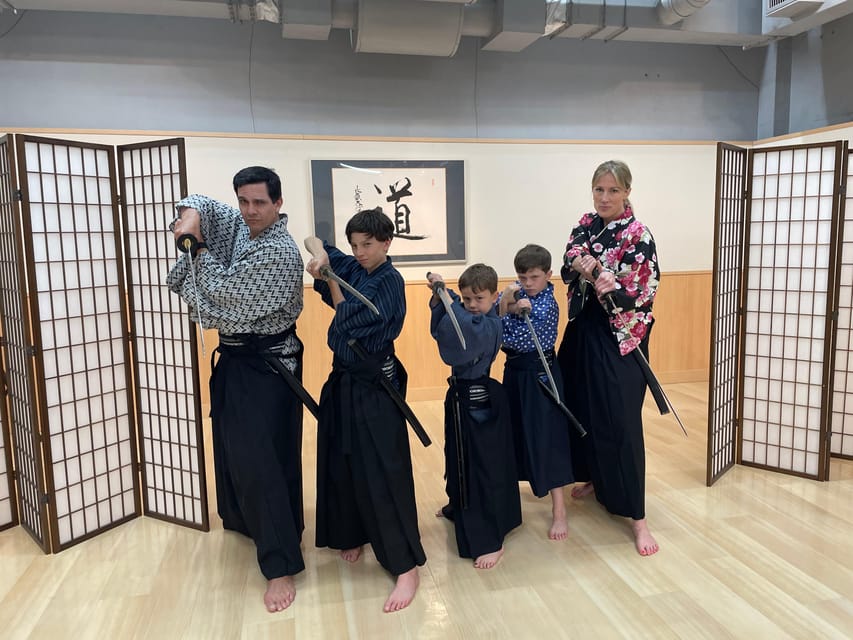
The meeting point is easy to miss if you are rushing. Look for the red door, then go through to the second-floor basement dojo. It is about a five-minute walk from Kitasandou Station and an eight-minute walk from Harajuku Station, so you can fit the class into a day around Harajuku, Meiji Jingu, or nearby shopping streets.
There is no hotel pickup. You make your own way to the dojo, and food and drinks are not included. That is hardly a problem for a one-hour activity, but it does mean you should arrive ready rather than expecting a longer half-day outing.
Wear comfortable clothes. You will be changing into a kimono and moving through basic sword positions, so practical clothing is more useful than a carefully styled Tokyo outfit. The experience is indoors at the dojo, with the main focus on instruction and participation.
More Kimono & Culture Experiences in Tokyo
- Tokyo: Samurai Ninja Museum Guided tour and Experience
★ 4.6 · 1,010 reviews - Tokyo: Samurai Sword & Archery Class from Samurai Descendant
★ 5.0 · 603 reviews - Best Samurai Experience in Tokyo
★ 5.0 · 458 reviews
Putting on the kitsuke kimono
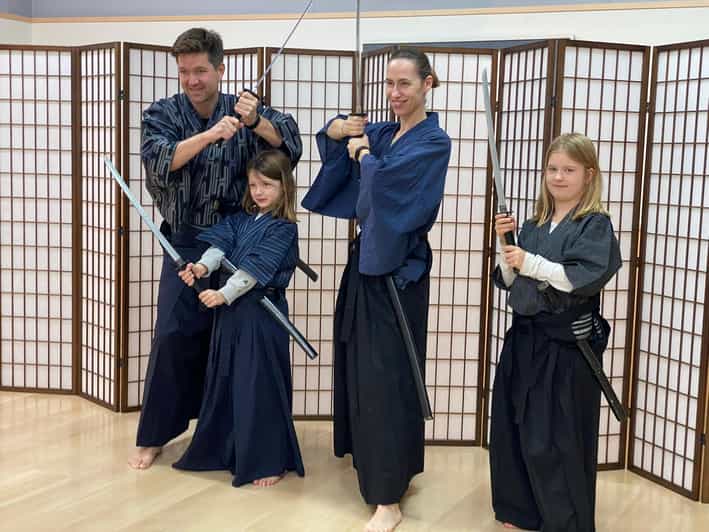
The session begins with the kimono. You learn how to put on a kitsuke kimono and how the clothing helps create the samurai appearance. This part matters because the outfit is not just for the final photograph. It changes how you stand, walk, and hold yourself.
Do not expect a long costume lecture. The schedule is short, so the dressing lesson is designed to get you ready for the rest of the class. You will likely appreciate having this introduction before the etiquette and sword work, since the clothing gives the later movements more character.
The kimono also makes the activity feel different from a basic photo rental. You are not simply handed an outfit and sent in front of a backdrop. The clothing is part of the lesson, then part of the staged sword work, and finally part of the photos.
Reigi sahou, the manners of a samurai
Next comes Reigi sahou, the etiquette and manners associated with samurai conduct. This gives the workshop some substance beyond the obvious fun of holding a sword. You learn that looking the part involves posture, behavior, and controlled movement as well as clothing.
The class is presented in English, Japanese, or Chinese, depending on the instructor available. That makes the central instructions accessible to many international visitors, though one piece of feedback noted that the session was conducted in English and was still considered very interesting and well presented. If your English is limited, the physical demonstrations should help, but the exact amount of explanation may vary with the group.
This etiquette section should suit families and first-time participants because it gives everyone a common starting point. You do not need previous sword training. The activity welcomes people of any age and gender, provided they bring what the organizers call the samurai spirit.
Learning basic sword movements
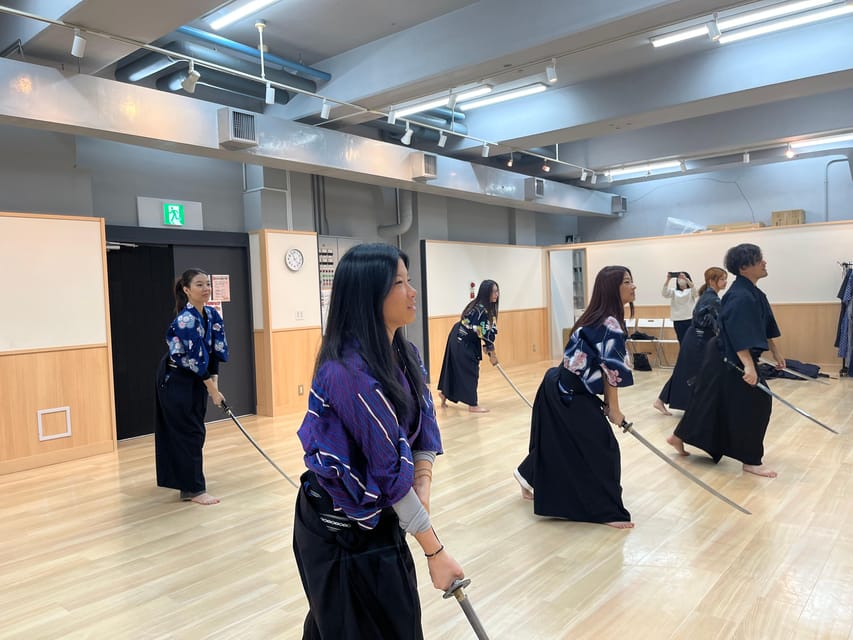
Once dressed and oriented, you move into basic samurai sword-fighting techniques. The supplied information does not promise a particular school, named kata, or advanced weapons training, so you should think of this as a beginner workshop. The goal is to learn a few movements, understand how they fit together, and perform them with control.
That distinction helps set the right expectation. At $70 per person, you are paying for a guided cultural activity with costume, instruction, and photos, not a long course that will teach you practical swordsmanship. For someone seeking a memorable Tokyo activity, the price is reasonable because several elements are combined into one short visit.
The instructor is active in video and stage productions. That is useful here. The class includes not only basic movements but also the presentation required for a sword-fighting scene. Expect attention to gestures and timing, rather than a hard physical workout.
The instructors have been praised for being friendly, smiling, and clear when explaining the movements. That is important in a quick class. A rushed or overly stern teacher could make beginners feel awkward, while an approachable instructor lets children and adults join in without worrying about getting every motion perfect.
Same city, a completely different kind of day:
- Mt Fuji and Hakone 1-Day Bus Tour Return by Bullet Train
★ 5.0 · 26,383 reviews - 1-Day Tokyo Bus Tour
★ 5.0 · 14,250 reviews - Tokyo: TOKYO SKYTREE® Admission ticket
★ 4.5 · 11,192 reviews - Tokyo: teamLab Planets TOKYO Digital Art Museum Entry Ticket
★ 4.6 · 9,779 reviews
Trying Tachimawari, the stage-fight sequence
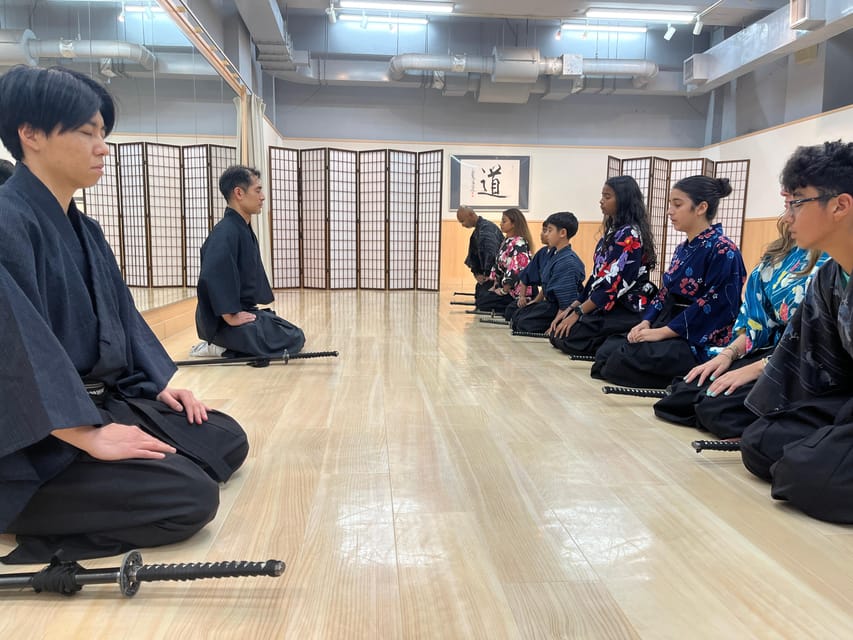
The most theatrical portion is Tachimawari, stylized movement used in sword-fighting scenes. This is where the workshop shifts from learning individual actions to performing a sequence with more drama.
Tachimawari is not presented as a real fight. It is a controlled form of stage movement, designed to look convincing while remaining organized for performers. That makes it a good fit for families, couples, and friends who want to try something unusual together. You get the thrill of swordplay without the experience being framed as combat training.
This is also the part you can take home in a practical sense. The session aims to give you new sword movements that you can show friends and family later. You will not leave as a samurai expert, but you may remember enough of the positions and gestures to recreate the fun in a casual demonstration.
The class has a maximum of 10 participants. That is small enough to make the group feel manageable, though the actual experience may depend on how many people book your time. A full group could make the final sequence more social and entertaining, while a smaller group may allow more direct correction from the instructor.
The sword-and-kimono photo session
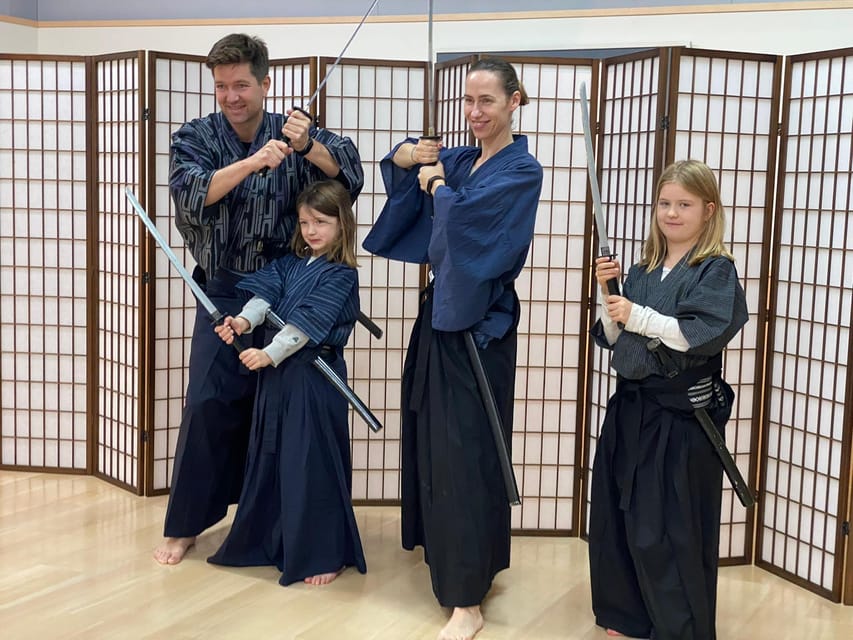
The class ends with photos. You pose wearing the samurai kimono and holding a sword, which gives the activity a clear payoff for visitors who want a picture from Tokyo that is more personal than a shrine snapshot.
The photo session is included, but the supplied details do not specify the number of photographs, delivery method, or whether every participant receives individual and group pictures. If the images matter greatly to you, ask the provider for current details before booking.
I like the way the photo session comes at the end. You have already learned the etiquette and practiced the movements, so the pictures can reflect what you did during the class instead of looking like a completely separate costume stop. It also gives children a simple goal to work toward, which may help hold their attention during the earlier explanations.
Families have found the activity especially enjoyable, and the format works for adults too. You can treat the pictures as a lighthearted souvenir, a family record, or a playful way to mark a first visit to Japan. Just remember that the workshop is built around participation, not a professional studio shoot.
Who gets the best value at $70
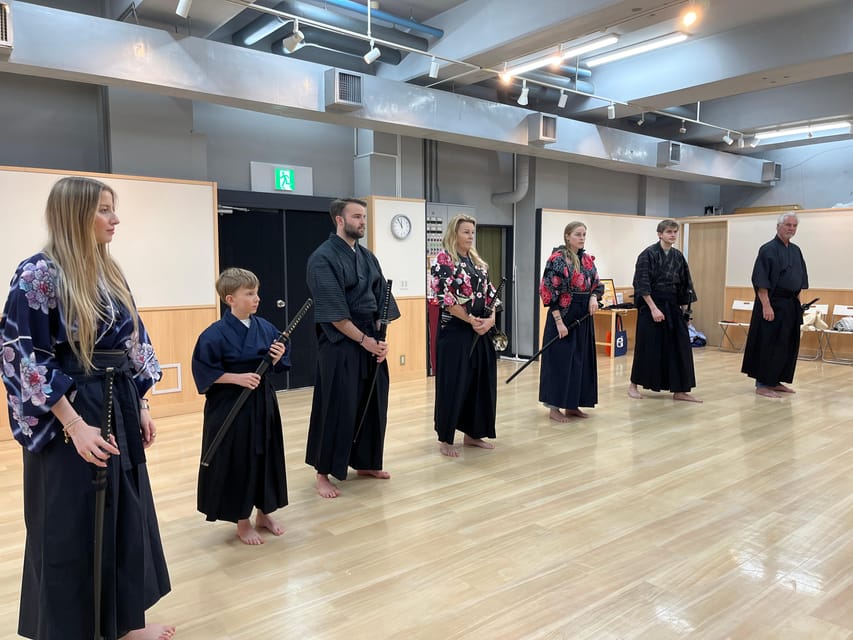
At $70, this is strongest for visitors who want several small experiences in one booking: Japanese clothing, etiquette, stage movement, sword handling, and photos. If you priced those ideas separately, you might spend more time and effort arranging them, even if you prefer a more formal cultural lesson.
The one-hour length also has value. You can place it between other Tokyo plans without giving up half a day. Harajuku makes that especially convenient, since the dojo is close to major sightseeing areas and two train stations.
The price may feel less worthwhile if you are looking for serious martial arts instruction. There is no indication of extended practice, historical study, or a take-home certificate. You are paying for a polished introduction and a fun memory, not technical mastery.
The flexible booking terms help reduce the risk. You can cancel up to 24 hours before the activity for a full refund, and the reserve-now, pay-later option lets you hold a place without paying immediately. Check the available starting times, since the duration is fixed at one hour and the class may need to fit around your wider Tokyo schedule.
Families, first-timers, and language options
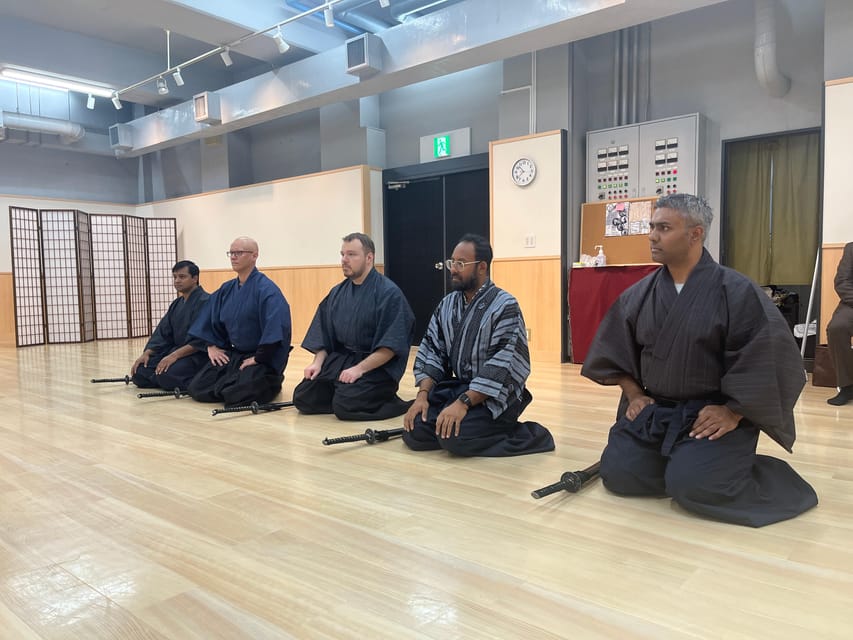
Children under five cannot join, but older children can take part. One family with children had a particularly enjoyable time, and the friendly teaching style should make the activity approachable for young participants who can follow instructions.
The activity is also open to adults of any age and gender. You do not need to present yourself as a martial arts fan. The phrase samurai spirit is broad enough to cover curiosity, willingness to participate, and a sense of humor when your first sword pose feels less than heroic.
Instruction is available in English, Japanese, and Chinese. That is a practical advantage for mixed-language groups. Still, language availability can depend on the instructor assigned to your session, so confirm the language you need when selecting a time.
The dojo is not suitable for wheelchair users. The route includes a basement level reached after entering through the red door, so visitors with mobility concerns should take this limitation seriously rather than assuming the short station walk tells the whole story.
What the high praise tells you
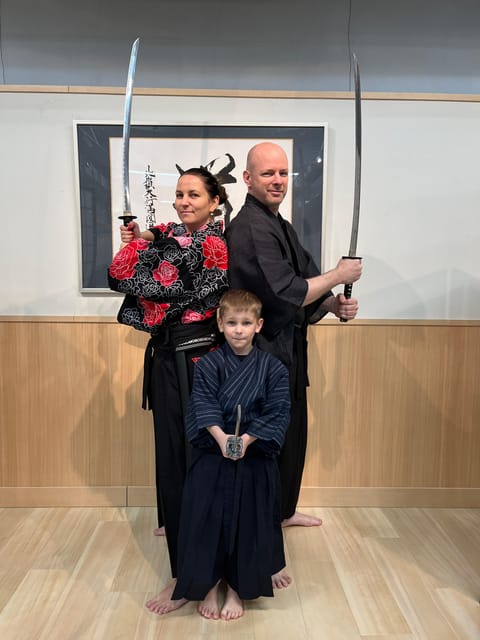
The strongest pattern in the feedback is simple: people enjoy the activity because it is fun, different, and friendly. The perfect rating from 25 reviews supports that the format is meeting its main promise, and the most repeated praise centers on the instructors and the pleasure of taking part.
The clearest practical signal is the praise for explanation. Two guides were described as kind, smiling, and good at showing the movements. That tells you the class is not relying only on costume appeal. The teaching matters, especially when the schedule allows little time for confusion.
The activity also appeals across age groups and nationalities. Participants from the United States, France, and India have enjoyed it, and one French-language comment specifically found the experience interesting and well delivered even with English instruction. You should still book it for the activity itself, not for a guaranteed language match unless that is confirmed.
A few things to know before booking
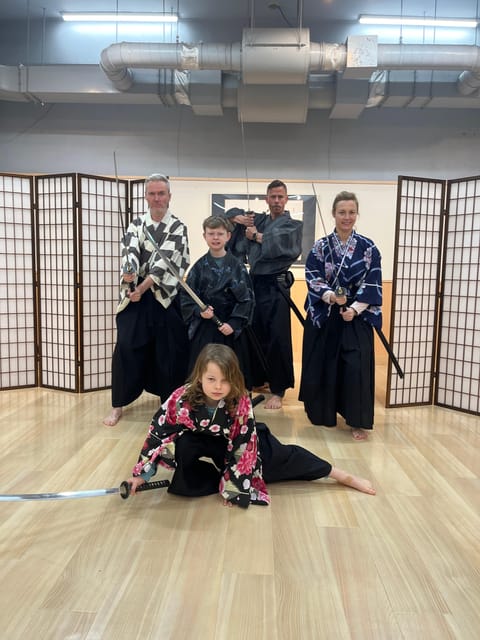
Bring comfortable clothes and arrive knowing that transportation, food, and drinks are your responsibility. The dojo is close enough to stations that you should not need a taxi from central Harajuku, but allow time to find the red door and the basement entrance.
Do not expect a quiet museum-style presentation. You will be asked to dress, move, handle a sword, and take part in staged action. That is the appeal, but it may not suit someone who prefers passive sightseeing.
The class is not suitable for children under five or wheelchair users. Everyone else can join regardless of age or gender, with the proviso that you should be comfortable following physical demonstrations and participating in a small group.
Should you book SAMURAI’ve?
Book it if you want a short, social Tokyo activity that gives you something to do rather than simply something to see. The combination of kimono dressing, Reigi sahou, beginner sword moves, Tachimawari, and photos is well suited to families, friends, couples, and first-time visitors seeking a memorable hour near Harajuku.
Skip it if you want advanced sword training, a long historical lecture, or a private photo shoot with detailed image service. For most people, $70 is fair when the instructor, costume, lesson, sword experience, and photos are all included. The best reason to choose it is not that you will become a samurai in an hour. It is that you will leave with a few new movements, a better sense of samurai presentation, and a picture that proves you gave it a try.
FAQ
Where does the samurai experience take place?
It takes place at a dojo in Tokyo, in the Harajuku area of Honshu, Japan. Enter through the red door and continue to the second-floor basement.
How far is the dojo from the nearest stations?
The dojo is about a five-minute walk from Kitasandou Station and about an eight-minute walk from Harajuku Station.
How long does the activity last?
The experience lasts one hour.
How much does the experience cost?
The listed price is $70 per person.
What languages are available?
Instruction is available in English, Japanese, and Chinese.
What happens during the class?
You learn how to put on a kitsuke kimono, study samurai etiquette called Reigi sahou, practice basic sword movements, try Tachimawari stage-fighting movements, and pose for photos with a sword.
Is a samurai kimono included?
Yes. A samurai kimono to wear is included in the activity.
Are photos included?
Yes. The experience includes a photoshoot while you wear the kimono and hold a sword.
Can children participate?
Children under five cannot participate. Anyone else can join regardless of age and gender, as long as they have the samurai spirit.
Is the activity wheelchair accessible?
No. The activity is not suitable for wheelchair users.
Just added around Tokyo
- Tokyo: Customizable Private Guided Walking Tour★ 4.5 · 129 reviews
- Private Harajuku Omotesando Architecture Tour★ 4.9 · 18 reviews
- Tokyo: Guided Walking Tour of Tsukiji Market with Lunch★ 4.4 · 24 reviews
- Tokyo: Private Personalized Local Food Tour★ 4.5 · 101 reviews
- Tokyo: Guided Helicopter Ride★ 4.9 · 24 reviews
- Tokyo GINZA: KONPARU Japanese Cabaret Show with Drink★ 4.8 · 38 reviews
- Tokyo: Guided Walking Tour of Tsukiji Market with Breakfast★ 4.4 · 134 reviews
- Tokyo: Gotokuji Cat Temple, Shinjuku Cat Cafe & 3D Cat Tour★ 4.9 · 38 reviews
Kimono & Culture Experiences, compared.
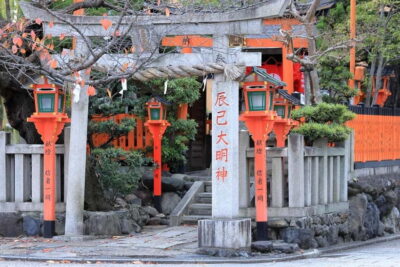
Kyoto Geisha Walking Tour: Gion District & Hidden Gems
Read our review →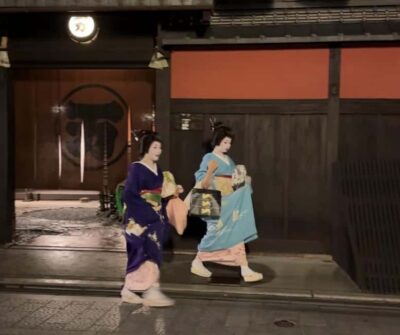
Gion Magical Night Walking Tour with Geisha Trivia
Read our review →
Gion Geisha District Walking Tour – Stories of Geisha
Read our review →
Best of Kyoto: Gion, Geisha, Pagodas & Cobblestones
Read our review →
Kyoto Gion Geisha District Walking Tour – The Stories of Geisha
Read our review →
Browse the lists this tour appears in