
REVIEW · TEA CEREMONY EXPERIENCES
Privately visit local home for relax tea ceremony &music, Tokyo
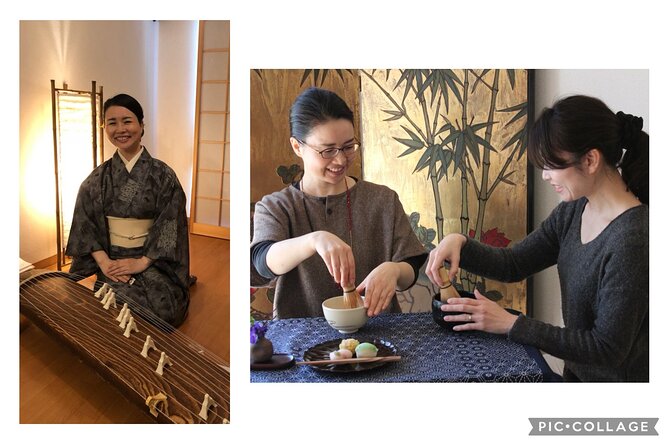
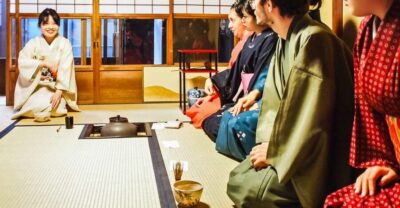
The best part of this experience is its setting: you enter a real Japanese home, not a staged cultural center, and sit down with Noriko for a relaxed matcha ceremony. There are no strict rules to memorize, so you can ask direct questions about tea, music, customs, and daily life. I especially like the chance to make your own bowl of matcha and then try the koto after Noriko performs two pieces.
I also like the small scale. This is a private activity for your group alone, which gives the visit a personal rhythm and lets you focus on conversation. The main consideration is location: Shin-Urayasu is easy to reach from Tokyo Station, but the meeting point is in Urayasu, Chiba, not central Tokyo, and the optional yukata adds time and 3,500 yen to the price.
In This Review
- Key points at a glance
- A warm welcome near Shin-Urayasu Station
- Matcha without the pressure of perfect manners
- Hearing the koto, then trying it yourself
- The optional yukata experience
- What the private format changes
- Planning the two-hour visit
- Who will enjoy this home visit most
- Is $81 a fair price?
- Practical details before you book
- Should you book this Japanese home experience?
- FAQ
- Where does the experience begin?
- How far is Shin-Urayasu Station from Tokyo Station?
- How far is the host’s home from the station?
- How long does the standard experience last?
- Is this a private activity?
- What happens during the tea ceremony?
- Do I get to play the koto?
- How much does the yukata option cost?
Key points at a glance
- A private Japanese home visit: Meet host Noriko at Shin-Urayasu Station and walk about three to four minutes to her home.
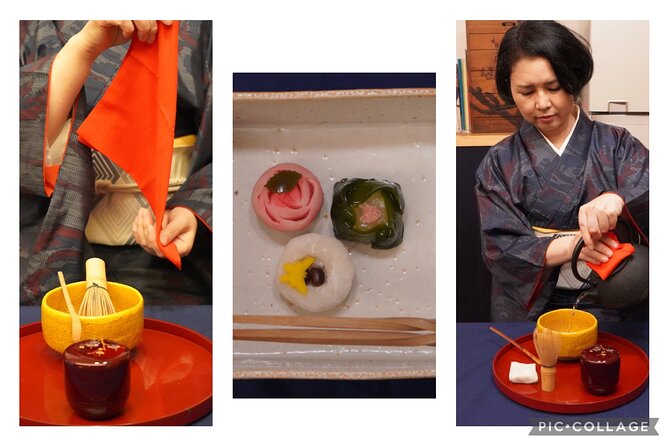
- A relaxed matcha lesson: Learn a little about tea history, watch the first bowl being prepared, then make your own with step-by-step help.
- Three small sweets: Enjoy two small sweets and one seasonal sweet with the tea.
- Live koto music: Hear Noriko play two pieces, then try the traditional instrument yourself.
- Optional yukata dressing: Pay 3,500 yen extra for traditional cotton clothing, a simple hairstyle for women, and help with photos.
- Short and easy to reach: The visit lasts about two hours and takes roughly 20 minutes from Tokyo Station to Shin-Urayasu.
A warm welcome near Shin-Urayasu Station
Your meeting point is Shin-Urayasu Station, marked JE08, about 20 minutes from Tokyo Station. Noriko meets you there and walks with you to her home, a short three to four minute walk away. That handoff matters. You do not need to search for a private address on your own or wonder if you have found the right building.
The area is in Urayasu, Chiba, although the experience is sold as a Tokyo cultural activity. For your sightseeing plans, think of it as an easy side trip from central Tokyo rather than something located in the middle of the Ginza or Asakusa sightseeing zone.
Once inside, the tone is informal. You are not joining a large class or watching a performance from the back of a room. Since only your group participates, the visit can adapt to your questions and pace. One past participant described Noriko as generous with her time and able to discuss tea, music, history, and many questions about Japan. That is a good clue to the experience’s real strength: conversation is part of the activity, not an afterthought.
More Tea Ceremony Experiences in Tokyo
- Matcha Making Class in Tokyo with Authentic Japanese Sweets Set
★ 5.0 · 744 reviews - Tokyo: Traditional Tea Ceremony with a Tea Master
★ 5.0 · 528 reviews - Tokyo: Matcha Making Experience with Mochi Sweets in Asakusa
★ 4.9 · 388 reviews
Matcha without the pressure of perfect manners
The tea portion begins with a short explanation of the ceremony’s background. Noriko prepares the first bowl of matcha while explaining what she is doing, then guides you through making the second bowl yourself.
This is a smart format for beginners. You get to see the process before handling the tools, then practice while someone is close by to help. You do not need to arrive knowing the formal rules of a traditional tea gathering. The relaxed approach makes it easier to concentrate on the taste, the movements, and the meaning behind the ritual.
The ceremony still gives you a feel for Japanese hospitality and attention to detail. Matcha is not simply served as a drink here. The preparation creates a pause in the day, and the act of making your own cup gives you something to do rather than just watch.
Your tea comes with two small sweets and one seasonal sweet. These details matter because Japanese sweets often balance the bitter edge of matcha, and the seasonal item adds a small connection to the time of year. The information provided does not specify the exact sweets, so do not book expecting a particular flavor or type.
I would view this as an introduction to tea culture, not a formal school lesson. If you want strict etiquette, historic utensils, or an extended ceremony conducted according to every traditional rule, this relaxed home visit may feel too casual. If you want to understand the basics and enjoy a friendly exchange, the format is a better fit.
Hearing the koto, then trying it yourself
After the tea, Noriko introduces you to the koto, a traditional Japanese stringed instrument. She performs two pieces before inviting you to play.
The order is helpful. You hear the instrument in skilled hands first, then get a chance to discover how it feels to produce a sound. You may be surprised by how quickly you can play a melody, according to the experience description, but the point is not to become a musician in one afternoon. It is to move from passive listening to direct participation.
That small change can make the music easier to remember. Instead of treating the koto as a museum object, you learn through your own hands. You also have a natural opening for questions about the instrument, music, and Japanese culture.
The performance is not presented as a long concert. Noriko plays two pieces, then gives you a turn. I like that balance for a two-hour visit. You receive a cultural explanation, a performance, and an activity without the music section taking over the entire afternoon.
The koto portion may be especially appealing to families and anyone who enjoys hands-on experiences. It also gives you a change of pace after the quiet concentration of matcha preparation.
The optional yukata experience
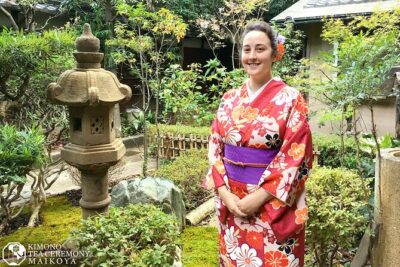
For an extra 3,500 yen, you can request a yukata, a light cotton kimono commonly associated with casual summer wear and festivals. This is an add-on, not part of the standard 81 dollar price.
Noriko dresses men in about 10 minutes. For women, the process takes around 20 to 30 minutes, including choosing the garment, and includes a simple hairstyle. Afterward, Noriko helps you take photographs.
This option can turn a pleasant cultural visit into a more visual keepsake. The photos are taken after you have experienced the tea and music, so the clothing can become part of the memory rather than the sole reason for coming.
Plan for extra time. The yukata option extends the visit, and you need to request it when booking. Payment is accepted in cash, by card, or through PayPal. The supplied details do not state which styles, sizes, or colors are available, so ask Noriko in advance if clothing selection is important to you.
I would add the yukata if you want photos, enjoy traditional clothing, or are marking a special occasion. I would skip it if you prefer a compact two-hour visit or are mainly interested in tea and music. The basic experience already has a full program.
Same city, a completely different kind of day:
- Mt Fuji and Hakone 1-Day Bus Tour Return by Bullet Train
★ 5.0 · 26,383 reviews - 1-Day Tokyo Bus Tour
★ 5.0 · 14,250 reviews - Tokyo: TOKYO SKYTREE® Admission ticket
★ 4.5 · 11,192 reviews - Tokyo: teamLab Planets TOKYO Digital Art Museum Entry Ticket
★ 4.6 · 9,779 reviews
What the private format changes
Private tours can be expensive compared with a large group class, but privacy has a clear benefit here. At $81 per person, you are paying for direct attention, a home setting, tea preparation, sweets, a koto performance, and time for questions. The value improves when two or more people in your party are genuinely interested in Japanese culture, since the host can speak directly to your group rather than dividing attention among strangers.
The private format also makes the activity more comfortable for people who feel uncertain about etiquette. You can ask why something is done, request a repeat explanation, or admit that you have never tried matcha before. That kind of open conversation is harder in a crowded class.
On the other hand, the price may feel high if you want only a quick cup of matcha. This is not a cafe visit. You are paying for a guided cultural exchange and two different forms of participation. I would compare it with other private cultural activities rather than with the price of tea at a shop.
The host’s personal involvement is central to the value. One especially positive account praised Noriko for going beyond the planned material and answering questions about tea, music, history, and Japan more broadly. That suggests you should arrive with a few questions ready. Ask about the customs you have seen during your trip, or about the difference between a formal ceremony and this relaxed version.
Planning the two-hour visit
The standard experience lasts about two hours. That is long enough to include the tea introduction, your own matcha preparation, sweets, the koto performance, and your chance to play.
Allow extra time around the activity if you are adding the yukata. Men need about 10 minutes for dressing, while women should allow 20 to 30 minutes for garment selection, dressing, and the simple hairstyle. The exact total extension is not stated, so keep your schedule flexible afterward.
The meeting and ending point are the same: Shin-Urayasu Station. That makes the return straightforward and avoids the need to arrange a separate pickup. The station is near public transportation, and the activity is also listed as allowing service animals.
Mobile tickets are available, and confirmation is received when you book. Group discounts are listed as a feature, so check the current rate for your party rather than assuming every group receives the same reduction.
Since the experience is often booked about 20 days ahead, I would not leave it until the last moment if your Tokyo dates are fixed. That lead time also makes sense for a home-based private activity, where capacity is naturally limited.
Who will enjoy this home visit most
I would recommend this experience to you if you want a quiet cultural activity with personal contact. It suits first-time visitors who are curious about Japanese customs but do not want a stiff, rule-heavy ceremony.
It is also a good choice for:
- Couples looking for a private cultural activity
- Families who enjoy trying instruments and making things
- Visitors who want to ask detailed questions about Japan
- People interested in traditional clothing and photographs
- Anyone who prefers a local home setting to a large tourist venue
The koto lesson gives the visit extra appeal for children, but the supplied information does not state a minimum age. If you are booking for young children, confirm age suitability with the provider.
You may want something else if you are seeking a full formal tea ceremony, a long concert, or a major historic site. This experience is personal and informal. Its appeal comes from the host, the home setting, and the chance to participate.
Is $81 a fair price?
The $81 per person cost is reasonable for a private two-hour activity if you value personal attention. The price includes more than tea: you receive an introduction to matcha culture, your own preparation, three small sweets, two koto pieces, and a chance to play the instrument.
The private format is the key factor. A cheaper group class may give you a similar basic lesson, but it is less likely to offer the same amount of open conversation or the same quiet home setting. Here, the cultural exchange is as important as the activities themselves.
The value is strongest for a small group that will use the question time. If you simply want to watch a ceremony, you may not get as much from the cost. If you want to understand what you are seeing and try it yourself, the program gives you several distinct parts in a short visit.
The yukata is a separate decision. At 3,500 yen, it is a modest addition compared with the base price, but it is useful mainly if you want clothing, hairstyling, and photographs. It is not needed to enjoy the tea or koto portions.
Practical details before you book
The activity has free cancellation if you cancel at least 24 hours before the start time. Cancellations or changes made less than 24 hours before the start are not refunded or accepted, and the cut-off uses local time.
I would wear comfortable clothing for the standard visit. If you choose the yukata, allow time for dressing and follow any instructions Noriko gives you when arranging the add-on.
The service is private, so only your group takes part. Service animals are allowed. The activity ends back at Shin-Urayasu Station, making it easy to continue your day from there.
Most important, request the yukata when booking. It is not simply something to add at the last minute if Noriko needs time to prepare the clothing and schedule.
Should you book this Japanese home experience?
I would book it if you want a friendly, hands-on look at Japanese culture and prefer a personal setting over a polished tourist show. The combination of matcha, seasonal sweets, koto music, and a chance to play gives you more variety than a tea-only class, while the private format leaves room for real questions.
I would choose the standard two-hour version if your schedule is tight. Add the yukata if photographs and traditional dress matter to you, and remember that it adds 3,500 yen and extra time.
The main tradeoff is the trip to Shin-Urayasu and the higher price than a basic group lesson. In return, you get Noriko’s direct attention in her home, a relaxed approach to tea, and a personal introduction to the koto. For many visitors, that human contact is the part they remember.
FAQ
Where does the experience begin?
It begins at Shin-Urayasu Station, station code JE08, at 1 Chome-1 Irifune, Urayasu, Chiba 279-0012, Japan.
How far is Shin-Urayasu Station from Tokyo Station?
Shin-Urayasu Station is about 20 minutes from Tokyo Station.
How far is the host’s home from the station?
Noriko’s home is about a three to four minute walk from Shin-Urayasu Station.
How long does the standard experience last?
The standard activity lasts approximately two hours.
Is this a private activity?
Yes. Only your group participates.
What happens during the tea ceremony?
Noriko explains some of the history, prepares the first bowl of matcha, and guides you as you make the second bowl yourself. You also receive two small sweets and one seasonal sweet.
Do I get to play the koto?
Yes. Noriko performs two pieces, then gives you the chance to try playing the koto yourself.
How much does the yukata option cost?
The optional yukata experience costs 3,500 yen. It includes traditional cotton clothing, and women also receive a simple hairstyle. The option must be requested when booking and extends the activity time.
Just added around Tokyo
- Private Memorable Tokyo Tour with English Speaking Driver★ 5.0 · 30 reviews
- Private Tokyo Custom Full-Day Tour by Chartered Vehicle★ 5.0 · 16 reviews
- Private Sightseeing to Mt Fuji and Hakone with English Driver★ 5.0 · 51 reviews
- Tokyo Photography Masterclass – Private Photography Lesson★ 5.0 · 25 reviews
- 4 Day Tour – Mount. Fuji, Tokyo, Hakone, Kamakura and Yokohama★ 5.0 · 19 reviews
- Private Mt. Fuji Day Trip from Tokyo with English-Speaking Driver★ 5.0 · 33 reviews
- Private Unforgettable Mt Fuji Tour with English Speaking Driver★ 5.0 · 142 reviews
- Private Tokyo Food Tour – A Journey Through Time Through Food★ 5.0 · 36 reviews
Tea Ceremony Experiences, compared.
Tea Ceremony in a Traditional Tea House in Kiyomizu
Read our review →

World Heritage Kyoto & Nara Uji Authentic Matcha Experience
Read our review →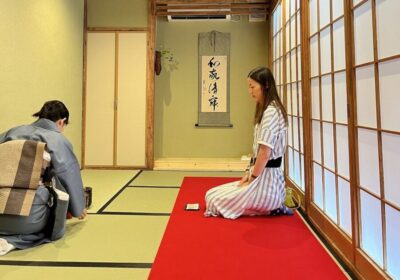
Browse the lists this tour appears in