
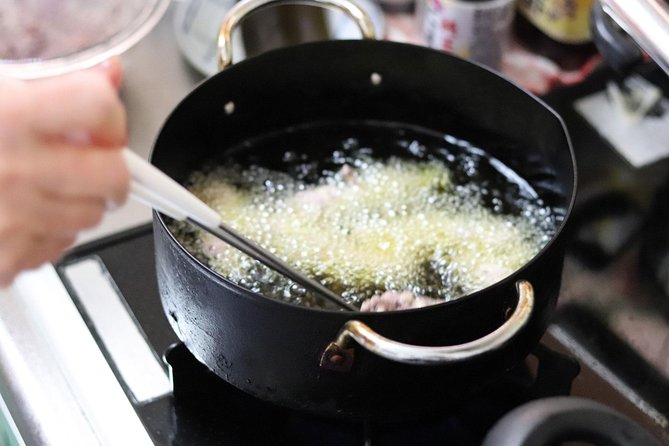
REVIEW · JAPANESE COOKING CLASSES
Private Japanese Home Cooking Class in Kyoto with Michiyo
The best part of this experience is not simply learning a recipe. It is walking into Michiyo’s home, meeting her husband, and seeing how Japanese food fits into an ordinary household. You make dashi, prepare sushi rice, and build chirashi sushi in a traditional wooden bowl before sitting down to eat it together.
I like the hands-on focus and the chance to learn techniques you can repeat at home. I also like the small, private setting, with pickup at Otsukyo Station and a short three-minute drive to the house. The main consideration is location: you meet in Otsu, not at a central Kyoto hotel, and the class includes a dog named El.
In This Review
- Key Points
- A Japanese Cooking Class That Begins in a Real Home
- Meeting Michiyo at Otsukyo Station
- Preparing Dashi, the Base of Japanese Cooking
- Building Chirashi Sushi in a Wooden Bowl
- An Hour and a Half of Hands-On Cooking
- Sitting Down With Michiyo and Her Husband
- Drinks That Match the Meal
- A Small Dog and a Personal Household Setting
- Who Will Get the Most From This Experience
- Booking Timing, Schedule, and Cancellation
- Should You Book Michiyo’s Home Cooking Class?
- FAQ
- Where does the cooking class begin?
- How do I get from the station to Michiyo’s home?
- How long does the experience last?
- What will I learn to cook?
- Is food and drink included?
- Can I request dietary accommodations?
- Is the activity private?
- Does the home have any pets?
- Is hotel pickup included?
Key Points
- Cook dashi and chirashi sushi: Learn two central Japanese food skills rather than simply watching a demonstration.
- Share a local home: Michiyo and her husband host you in their own kitchen and dining space.
- Use seasonal ingredients: The menu changes with the season and features fresh vegetables sourced locally.
- Private three-hour format: Only your group participates, making the class personal and easy to tailor.
- Choose lunch or dinner: The timing can fit different sightseeing plans, with one or two local alcoholic drinks included.
- Start at Otsukyo Station: Michiyo picks you up on the JR Kosei line and drives you to her home.
A Japanese Cooking Class That Begins in a Real Home
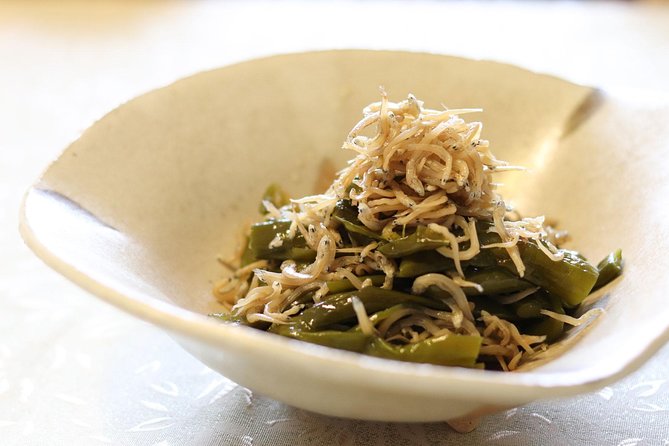
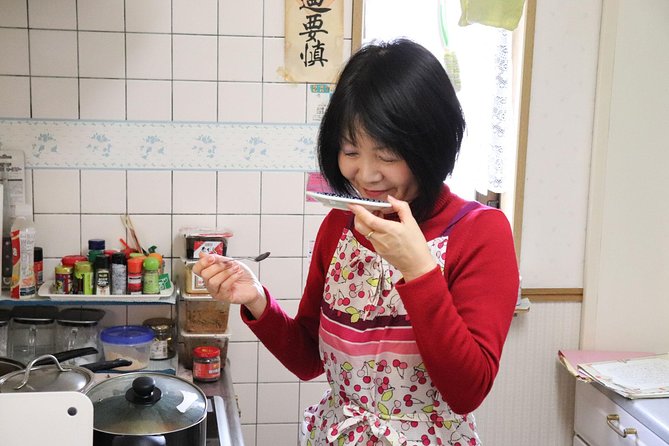
Many food classes give you a recipe, a workstation, and a quick meal. This one gives you a household setting. Michiyo and her husband welcome you into their home, explain the day’s menu, and cook alongside you. That changes the mood from a formal lesson to a shared meal with practical instruction.
The experience lasts about three hours. Around an hour and a half is devoted to cooking, followed by time at the table. That balance matters. You get enough kitchen time to understand the process, but you are not left standing over a cutting board for the entire afternoon or evening.
The class is private, so your group does not share the kitchen with strangers. That is useful if you want to ask basic questions, take your time, or focus on specific dietary needs. You should still list those requirements in the booking form, since the menu changes with the season and advance notice helps Michiyo plan.
More japanese cooking classes in Japan:
- Sushi Making Tokyo Roll and Authentic Japanese Sushi Class
★ 5.0 · 3,971 reviews - Tokyo: Roll and Authentic Sushi Making Class in Asakusa
★ 4.9 · 1,957 reviews - Ramen Cooking Class at Ramen Factory in Kyoto
★ 5.0 · 1,937 reviews
Meeting Michiyo at Otsukyo Station
Your meeting point is Otsukyo Station, at 2 Chome-8 Ojigaoka, Otsu, Shiga. Michiyo picks you up there in her car. From the station, the drive to her home takes about three minutes.
This arrangement is simple once you reach the station, but it is important to plan around it. Hotel pickup and drop-off are not included. The activity also ends back at the same meeting point, so you should allow time to return there before arranging your next reservation.
The meeting point is on the JR Kosei line. The experience is presented as a Kyoto home cooking class, but the actual start and end point is in Otsu. Check your train plan carefully and avoid scheduling a tight connection immediately afterward. The short car ride is convenient, but the station transfer is your responsibility.
I like this setup because it avoids a long drive and lets Michiyo meet you at a clear public place. It also gives the experience a more local shape than a class in a cooking school near a major sightseeing street. You are not being collected from a chain hotel and brought to a commercial kitchen. You are heading to a private home.
Preparing Dashi, the Base of Japanese Cooking
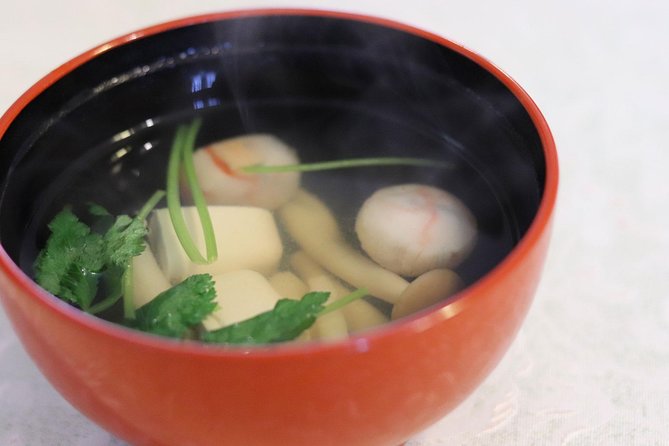
The first important lesson is dashi, the fish broth that forms the base of many Japanese dishes. This is a useful subject for a cooking class because dashi is easy to treat as a mystery when you encounter it in restaurants. Here, Michiyo shows you the process directly.
You learn how this foundational stock is made as part of the meal. The lesson is not only about tasting broth. It helps you understand why Japanese food can have such a clear, savory flavor without relying on heavy sauces.
The exact menu may change with the season. That is a plus for freshness, but it means you should not expect every visit to follow an identical sequence. The listed focus on dashi and chirashi sushi gives you a good idea of the core lesson, while the vegetables and supporting dishes may vary.
Michiyo values fresh seasonal vegetables from local sources. For you, that means the class connects technique with the time of year. It also makes the meal less like a fixed cooking script. You may see ingredients that are common in Japan but less familiar in your own kitchen, and you can ask how they are used.
Building Chirashi Sushi in a Wooden Bowl
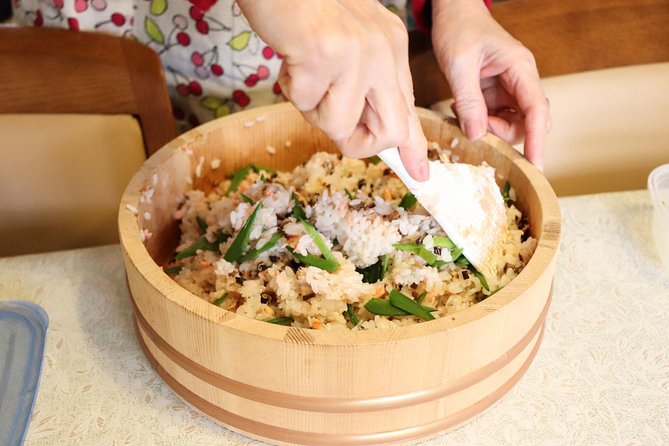
The second main lesson is chirashi sushi. Unlike rolled sushi, chirashi sushi is arranged in a bowl, with seasoned sushi rice topped and garnished with other ingredients. Michiyo teaches you how to prepare the rice properly, then how to finish the dish in a traditional wooden bowl.
Rice is where many home cooks need help. The quality of the finished dish depends on its texture and seasoning, not just on the toppings. A lesson that covers sushi rice gives you a skill you can use again, even if you do not recreate the entire meal.
The wooden bowl adds a cultural detail without turning the class into a museum display. You are using a serving style tied to the dish, then eating what you made. The result is direct and practical: learn, assemble, sit down, and taste.
The class seems especially useful for anyone who has tried Japanese cooking at home but struggled with the basics. Dashi and sushi rice are building blocks. Once you understand them, you have a better starting point for other Japanese dishes.
A few more Japan trips to weigh up
- Ramen & Gyoza Cooking Class in Tokyo with Local Supermarket Visit
★ 5.0 · 823 reviews - Kyoto: Ramen Cooking Class at a Ramen Factory with Souvenir
★ 4.9 · 532 reviews - Kyoto: Ramen, Gyoza, and Onigiri Cooking Class
★ 5.0 · 445 reviews - Kyoto: Japanese Washoku Bento Small Group Cooking Class
★ 5.0 · 380 reviews
An Hour and a Half of Hands-On Cooking
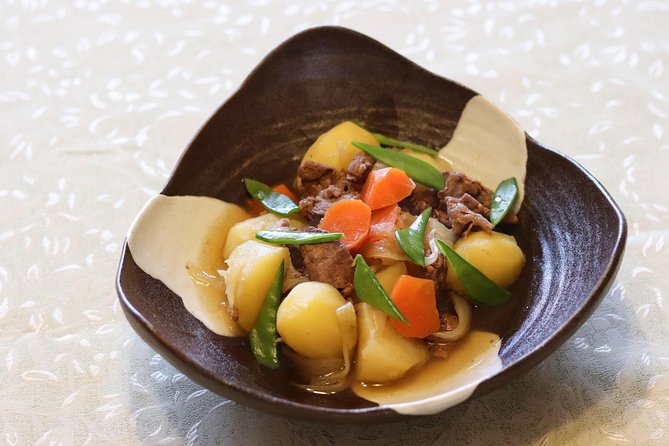
The cooking portion takes about one and a half hours. That is long enough for a real lesson, though you should not expect a full culinary-school course. The value comes from doing the work with guidance rather than collecting a printed recipe after watching someone else cook.
Michiyo has spent years refining her cooking techniques and shares practical tips as she leads you through the kitchen. The instruction is likely to feel most useful when you ask questions as you go. If you are interested in preparation methods, ingredient choices, or how to repeat a dish at home, bring those questions with you.
Two past comments about the experience point to this practical strength. One visitor described learning useful tips connected with the dinner, while another looked forward to using the recipes at home. That is the right way to judge this class. You are paying for food and company, but also for techniques that can continue to serve you after Japan.
English support is another benefit. Michiyo and her husband are described as speaking excellent English, so you can expect the meal and cooking instruction to be accessible to English-speaking visitors. The information does not promise a formal language lesson, but communication should not be the main barrier.
Sitting Down With Michiyo and Her Husband
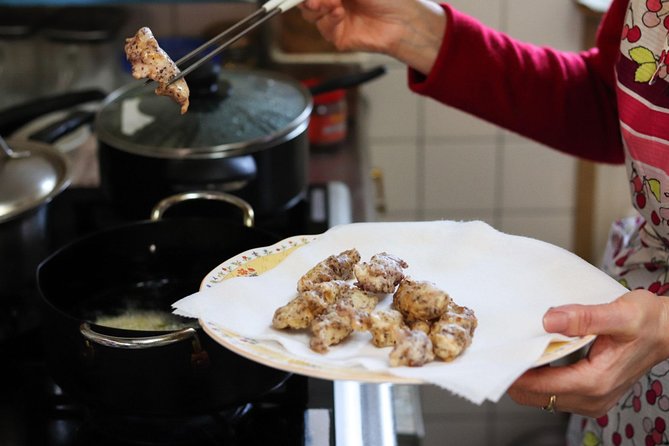
After cooking, you sit down with Michiyo and her husband to eat the meal you helped prepare. This is the point where the class becomes more than a kitchen activity. You get time to talk, eat at a relaxed pace, and ask about Japanese food and household traditions.
The setting also gives you a closer look at Japanese hospitality. You are not dining anonymously in a restaurant. Your hosts have opened their home, prepared the space, and made time to cook with your group. That personal exchange is the strongest reason to choose this experience over a standard food tour.
The price is $86 per person. For roughly three hours, that includes a private cooking class, the meal, station pickup, and one or two glasses of local alcohol. Non-alcoholic drinks are available, so you are not required to drink.
I consider that a fair price if you value personal contact and instruction. A restaurant meal alone might cost less, and a casual cooking lesson in a larger group may also be cheaper. But this price includes a private host, a home setting, hands-on preparation, and dinner or lunch. For couples or small groups looking for one special food experience, the personal format makes the cost easier to justify.
Group discounts are available, which could improve the value for a larger private party. Since the activity is private, you should check the final per-person price for your group before booking.
Drinks That Match the Meal
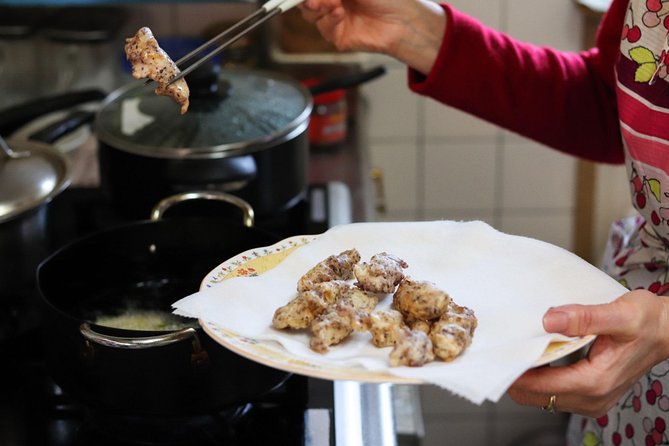
The experience includes local alcohol, generally one or two glasses. The description also allows alcoholic or non-alcoholic drinks, making the meal workable for people who do not drink.
The drinks are meant to accompany the food rather than turn the class into a tasting event. Do not book this expecting a detailed lecture about sake or Japanese beverages. The focus remains cooking, conversation, and the meal.
Still, pairing a local drink with food adds a useful cultural note. Japanese dining is not only about individual dishes. The drink, the serving style, and the pace of the meal all shape the experience. You can enjoy that part without making it the center of the evening.
If you have dietary or beverage restrictions, write them in the special requirements box when you book. The menu changes by season, and clear information ahead of time is the best way to avoid confusion.
A Small Dog and a Personal Household Setting
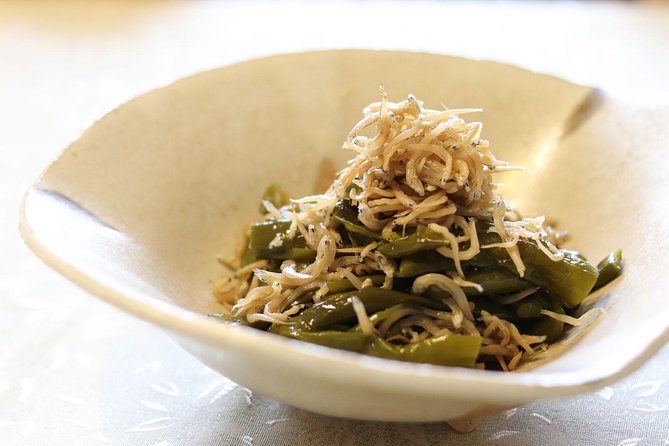
Michiyo and her husband share their home with El, a well-behaved dachshund. This is a small but important detail. If you have allergies, fear of dogs, or other concerns, you should take it seriously before booking.
For most people, El will simply be part of the home setting. Still, this is not a neutral commercial venue where pets are absent by default. Ask about any concern when arranging the experience rather than discovering it at the door.
The home setting also means the atmosphere may be quieter and more personal than a busy restaurant. That suits you if you enjoy conversation and cultural exchange. It may be less appealing if you prefer a highly structured class, a large professional kitchen, or a place designed entirely for tourists.
Who Will Get the Most From This Experience
I would recommend this class to couples, families, and small groups who want to meet a local host and cook a meal from start to finish. It is a particularly good choice if you want recipes and methods you can use after returning home.
Food lovers will appreciate the focus on dashi, seasonal vegetables, sushi rice, and chirashi sushi. The class also fits people who want a quieter cultural activity after visiting major sights. The lunch or dinner choice gives you some control over the day.
It is less suitable for anyone who wants a central Kyoto activity with no planning beyond walking from a hotel. You need to reach Otsukyo Station, and you need to return there afterward. It may also be a poor fit if you dislike dogs, have dietary needs you have not disclosed, or want a broad survey of many Japanese dishes rather than a focused lesson.
The experience is private, which helps families and groups with different skill levels. A beginner can learn the basics without feeling out of place, while a more experienced home cook can ask about technique and seasoning.
Booking Timing, Schedule, and Cancellation
This experience is often booked about 67 days ahead. That suggests you should reserve early if your Japan itinerary has fixed dates, especially if you want a particular lunch or dinner time.
Confirmation arrives within 48 hours of booking, subject to availability. The menu can vary by season, and special dietary requirements should be submitted when you book.
You can cancel for a full refund up to 24 hours before the local start time. Cancellations or changes made inside that 24-hour window are not accepted for a refund. Keep the station meeting point and local time in mind when adjusting your plans.
Should You Book Michiyo’s Home Cooking Class?
Book it if you want a private meal with a local family, hands-on instruction, and a chance to learn two important Japanese techniques. The combination of dashi, chirashi sushi, seasonal vegetables, shared drinks, and dinner at the same table gives the experience real substance.
The strongest reasons to choose it are the personal home setting and the practical cooking lessons. The main tradeoff is the Otsu meeting point, plus the need to be comfortable with a dog in the home.
For a first visit to Japan, I would choose this over a generic cooking demonstration if you have room in your schedule for the station transfer. You leave with more than a meal. You get a better sense of how food, hospitality, and conversation work together in a Japanese household.
FAQ
Where does the cooking class begin?
The experience begins at Otsukyo Station, 2 Chome-8 Ojigaoka, Otsu, Shiga 520-0025, Japan.
How do I get from the station to Michiyo’s home?
Michiyo picks you up at Otsukyo Station in her car and drives you about three minutes to her home.
How long does the experience last?
The activity lasts approximately three hours, including about one and a half hours of cooking and time to share the meal.
What will I learn to cook?
The class focuses on making dashi and preparing sushi rice for chirashi sushi, which you garnish in a traditional wooden bowl. The rest of the menu may change with the season.
Is food and drink included?
Yes. The private class and meal are included, along with one or two glasses of local alcohol. Non-alcoholic drinks are also available.
Can I request dietary accommodations?
You should provide any specific dietary requirements in the Special Requirements box when booking.
Is the activity private?
Yes. Only your group participates in the activity, and the experience is designed as a private, personalized class.
Does the home have any pets?
Yes. Michiyo and her husband share their home with El, a well-behaved dachshund dog.
Is hotel pickup included?
No. Hotel pickup and drop-off are not included. The activity ends back at the Otsukyo Station meeting point.
More Workshops in Japan
- Kyoto: 45-Minute Tea Ceremony Lesson Experience
★ 4.3 · 2,378 reviews - Tokyo Shinjuku Chopsticks Making Class
★ 5.0 · 1,763 reviews - Tokyo: Sushi Making Class in a Happi Coat near a Famous Spot
★ 4.9 · 1,377 reviews - Chopstick Making Workshop in Ginza
★ 4.8 · 1,366 reviews
Just added around Japan
- Private Memorable Tokyo Tour with English Speaking Driver★ 5.0 · 30 reviews
- Private Tokyo Custom Full-Day Tour by Chartered Vehicle★ 5.0 · 16 reviews
- Private Sightseeing to Mt Fuji and Hakone with English Driver★ 5.0 · 51 reviews
- Tokyo Photography Masterclass – Private Photography Lesson★ 5.0 · 25 reviews
- 4 Day Tour – Mount. Fuji, Tokyo, Hakone, Kamakura and Yokohama★ 5.0 · 19 reviews
- Private Mt. Fuji Day Trip from Tokyo with English-Speaking Driver★ 5.0 · 33 reviews
- Private Unforgettable Mt Fuji Tour with English Speaking Driver★ 5.0 · 142 reviews
- Private Tokyo Food Tour – A Journey Through Time Through Food★ 5.0 · 36 reviews
Japanese Cooking Classes, compared.
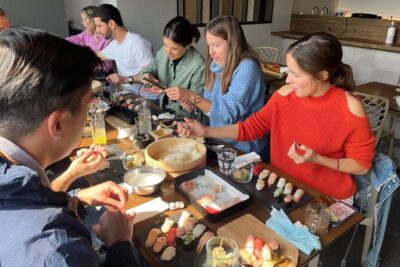
Sushi Making Tokyo Roll and Authentic Japanese Sushi Class
Read our review →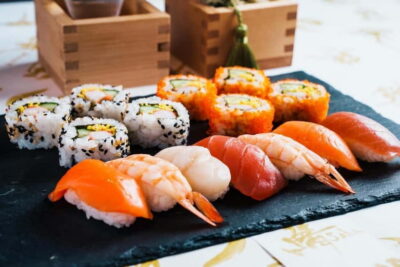
Roll and Authentic Sushi Making Class in Asakusa
Read our review →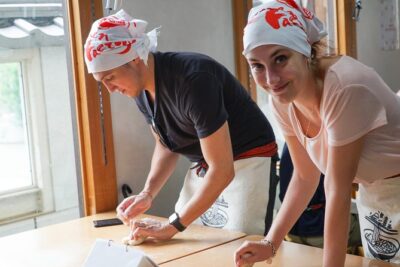
Ramen Cooking Class at Ramen Factory in Kyoto
Read our review →
Sushi Making Class in a Happi Coat near a Famous Spot
Read our review →
Sushi Making Osaka Roll and Authentic Japanese Sushi Class
Read our review →
Tokyo Sushi Making Class in Tsukiji with Professional Chef
Read our review →
Ramen & Gyoza Cooking Class in Tokyo with Local Supermarket Visit
Read our review →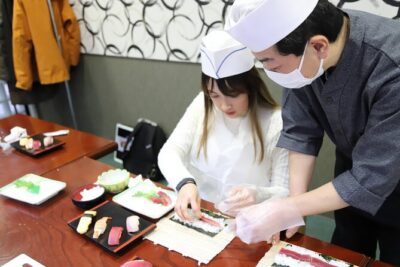
Tsukiji Fish Market Guided Tour and Sushi Making with Pro Chef
Read our review →Browse the lists this tour appears in