
REVIEW · KIMONO & CULTURE EXPERIENCES
Osaka: Samurai Training Experience KENDO in Osaka
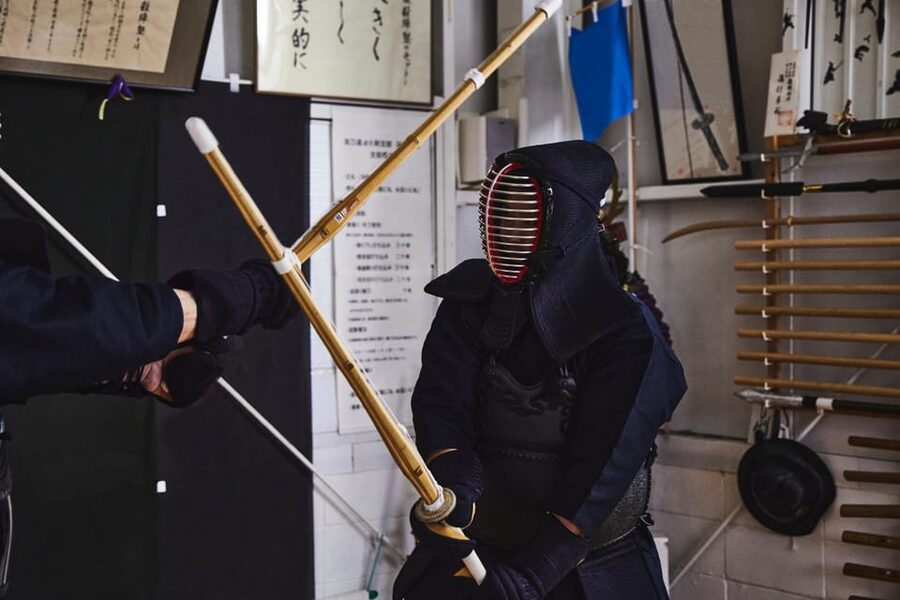
Full Kendo armour changes this from a staged Samurai photo opportunity into a real physical lesson. You learn how to hold a shinai, follow dojo etiquette, move your feet, and face an opponent under the guidance of Toshi, an experienced English-speaking instructor. You then suit up in men, kote, do, and tare for match-style practice.
I like the mix of culture and action. The opening lesson connects Kendo with Bushido, respect, and self-control, while the later sparring gives you something active to remember. I also like the patient, personal teaching style, with Toshi and assistants such as Kumiko, Vicky, and Nao helping with clothing, photos, explanations, and questions.
The main consideration is the workout. Kendo looks simple until you try the footwork, shouting, armour, and repeated strikes. You may leave sweaty and tired, and the two-hour programme is best approached as a genuine beginner martial arts session, not a relaxed photo stop.
In This Review
- Key details of the Osaka Kendo experience
- Why this is more than a Samurai photo session
- Arriving at the Osaka dojo
- Learning Samurai values before picking up the shinai
- Getting dressed in Dōgi, Hakama, and protective armour
- Basic stance, footwork, and Shinai practice
- Paired drills and the final match
- Samurai photographs inside the dojo
- The teaching style and English support
- Is $127 a fair price for two hours?
- Who should book this Osaka activity?
- Practical advice before you go
- Should you book the Osaka Samurai Kendo experience?
- FAQ
- How long does the Osaka Kendo experience last?
- How much does the experience cost?
- Do I need previous Kendo or martial arts experience?
- Is the instruction available in English?
- What equipment do I wear?
- Can children take part?
- Can older people participate?
- What should I bring?
- Can I cancel for a refund?
Key details of the Osaka Kendo experience
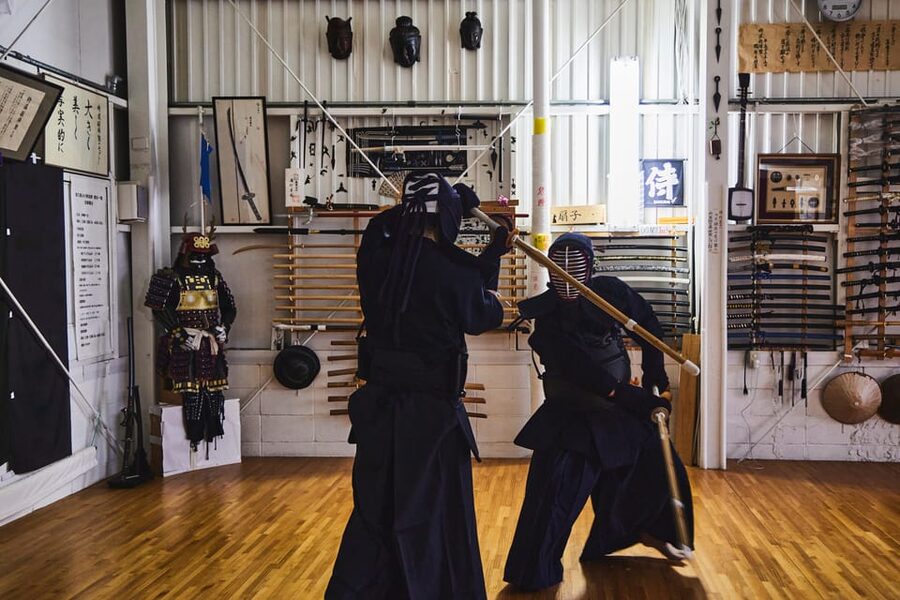
- Full protective armour: Wear the traditional Kendo equipment used for training and match practice.
- Instruction by Toshi: Learn from an experienced, patient teacher who can teach in English, with Japanese also available.
- Real dojo setting: Train inside a genuine Samurai and Kendo facility in Osaka City.
- History before practice: Learn about Samurai traditions, Bushido, Kendo, and Reiho etiquette before picking up the shinai.
- Sparring at the end: Practise strikes, blocks, counters, and match rules before facing another participant or an instructor.
- Samurai photographs: Pose in Kendo clothing and armour with swords and other props inside the dojo.
Why this is more than a Samurai photo session
Osaka has plenty of costume activities, but this one gives you a clearer sense of how a Japanese martial art is practised. You are not simply handed a sword and told to pose. The session begins with the ideas that shape Kendo: discipline, sincerity, harmony, respect, and control.
That distinction matters. Kendo developed from Japanese sword traditions, but modern Kendo is a disciplined sport and method of personal training. The shinai is a bamboo sword, and the armour is designed to protect the body during practice. You will learn that the point is not raw force. Timing, posture, spirit, and correct technique matter just as much.
The teaching also places Reiho, or martial arts etiquette, at the centre. You learn how to behave in the dojo, how to show respect to an opponent, and why certain movements are performed in a formal way. For me, this cultural context gives the activity more substance than a quick introduction to Samurai weapons.
You should still keep your expectations sensible. Two hours cannot turn you into a Kendo practitioner. It can, however, show you why the discipline takes years to master and give you a safe, lively introduction to its basic movements.
More Kimono & Culture Experiences in Osaka
- Osaka: Sumo Show & Experience w/ Optional Kimono & Hot Pot
★ 4.5 · 609 reviews - Samurai Training Experience KENDO in Osaka
★ 5.0 · 515 reviews - OSAKA NIGHT FUSION Japanese Taiko Kabuki Samurai Dance Show
★ 4.8 · 155 reviews
Arriving at the Osaka dojo
The activity takes place at a genuine dojo in Osaka City. Your booking information provides a Google Maps meeting point, so check the location carefully before leaving and allow time to arrive without rushing.
The training space has been described as bright, spacious, and clean. That is useful when you are choosing an active experience, since armour, footwork, and paired practice need room. Clean equipment and a tidy practice area also make a difference when you are trying on protective gear.
The programme lasts two hours, although changing clothes may affect the total time. One family was asked to arrive 30 minutes early so changing did not reduce the lesson. I would follow that advice if it is offered for your booking.
The instructors speak English and Japanese. Toshi is the main teacher, while assistants help with translation, clothing, photographs, and practical support. Several sessions have received especially warm praise for patient explanations and friendly humour, which is important when you are learning unfamiliar terms and movements.
Group size can vary. Some bookings have been small or even semi-private, giving the instructor plenty of time to adjust the lesson. A larger group may give you more people to practise with, but the exact size is not fixed in the information provided.
Learning Samurai values before picking up the shinai
The first teaching section covers the background of Kendo and its link to Samurai culture. You learn about Bushido, often translated as the way of the warrior, along with the importance of respect and self-control.
This part is short enough to keep the activity moving, but it gives meaning to what follows. The shouting, bowing, formal posture, and careful handling of equipment are not random theatrical touches. They belong to a system where mental focus and behaviour matter as much as physical ability.
You will also learn Kendo etiquette, known as Reiho. Do not treat this as a decorative extra. Understanding how to enter the practice, greet a partner, and show respect helps you take part properly rather than simply swing a bamboo sword.
The cultural lesson is particularly useful if you have seen Samurai films or enjoy Japanese history. Films often focus on dramatic sword fights, while Kendo training is more controlled and repetitive. The contrast helps you understand the gap between entertainment and a real martial discipline.
Getting dressed in Dōgi, Hakama, and protective armour
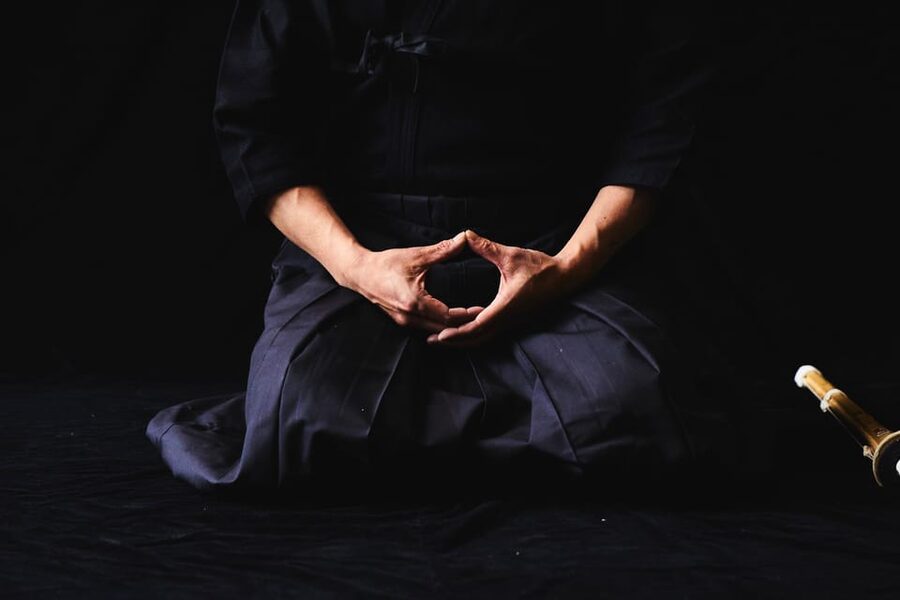
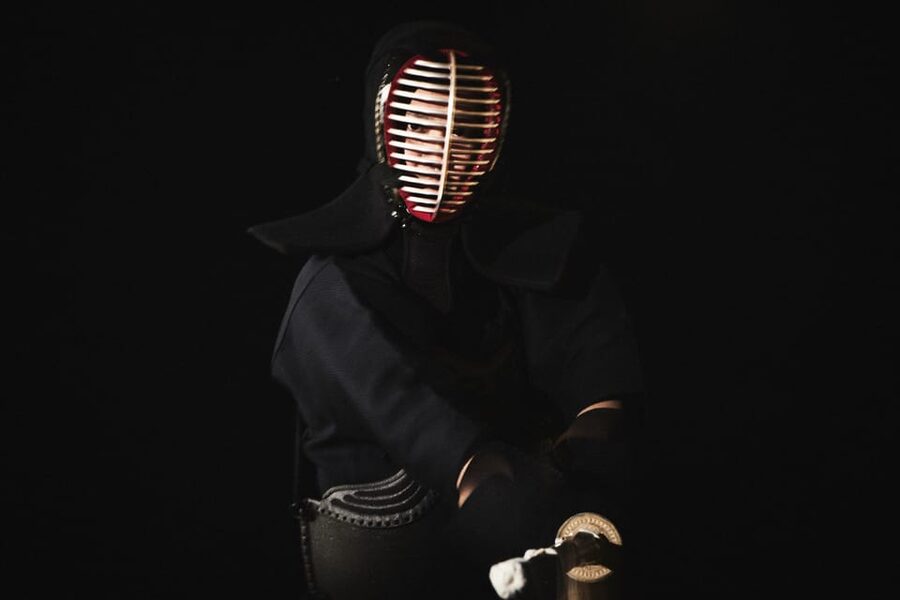
Next comes the costume and equipment change. You wear a Dōgi and Hakama, the traditional Kendo uniform, followed by the protective armour known as Bogu.
The armour includes:
- Men, the helmet and face protection
- Kote, the padded gloves
- Dō, the chest protector
- Tare, the waist and lower-body protection
You also receive a shinai. The equipment gives you the appearance of a Samurai practitioner, but it is not just for photographs. It lets you practise strikes and paired exercises with a degree of protection.
Getting dressed may take time, especially if this is your first encounter with Kendo gear. Provide your height, weight, and gender when booking so the team can prepare a better fit. That small step can make the armour more comfortable and safer to use.
The equipment is substantial. You may feel warm, restricted, or awkward at first. That is part of the lesson. Kendo movement must be precise even when the body is covered in protective gear, and the weight helps you understand why posture and footwork are so important.
Children aged three to five mainly wear the clothing and armour for photographs. They do not receive the same adult training session. Children under two cannot try Kendo, and people over 75 cannot participate physically, although viewing is allowed for people over 76.
Same city, a completely different kind of day:
- Osaka Go Karting Tour with Funny Costume
★ 5.0 · 2,658 reviews - Osaka Castle: Museum and Tower Entry Ticket
★ 4.5 · 2,380 reviews - Osaka: Shinsekai Food Tour with 13-15 Dishes at 5 Eateries
★ 4.8 · 2,204 reviews - Osaka Food Tour: 13 Dishes at 5 Local Eateries
★ 5.0 · 2,149 reviews
Basic stance, footwork, and Shinai practice
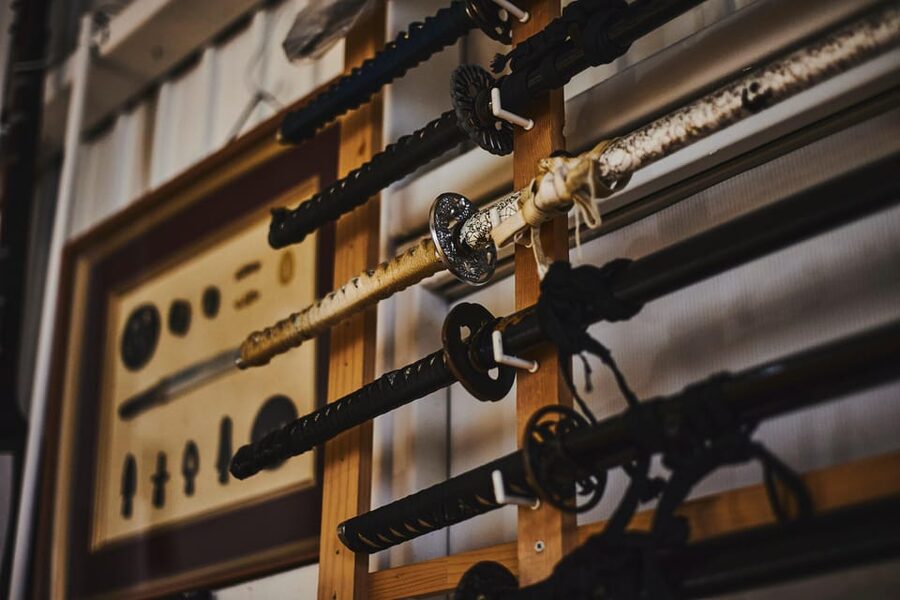
Once dressed, you learn how to stand and move. The instructor shows you the correct grip, basic posture, footwork, and safety rules before allowing the session to become more active.
You may practise the basic strikes, including the main target areas of Kendo, along with blocks and counters. One useful feature is the gradual build-up. You start with simple movements, then add techniques as you become more comfortable.
This is where the activity becomes a workout. Kendo footwork is not ordinary walking, and striking correctly takes more coordination than it first appears. You need to watch your distance, keep your balance, and respond to instructions while wearing armour.
The instructor adjusts the pace to the group. Beginners are not expected to know how to attack or defend immediately. Toshi has been praised for repeating explanations, giving clear corrections, and allowing people to work at their own ability. If you are nervous about having no martial arts background, this is one of the strongest reasons to consider the session.
You should still bring a drink. Several people have described leaving sweaty or feeling the work in their feet and legs later in the day. Schedule a quieter activity afterward if you know you tire easily.
Paired drills and the final match
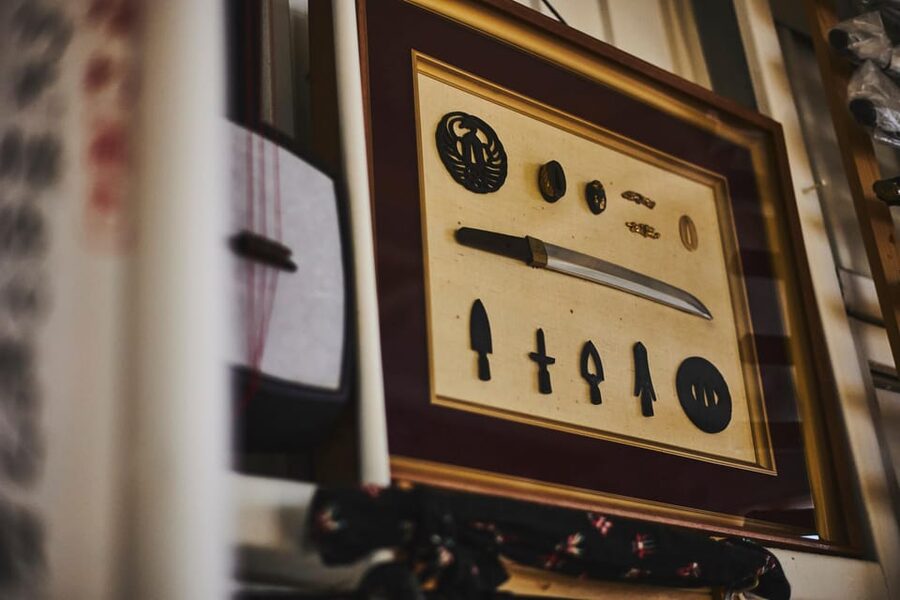
After the basic practice, you work with another participant. The paired drills give you a chance to apply the techniques instead of simply copying the instructor.
The final match-style section is the part many people remember most. You follow real Kendo rules and face another participant, with some sessions also including a bout against Toshi. The goal is not to overpower someone. You are practising timing, spirit, distance, and concentration.
The match can feel intense, even for beginners. That does not mean it is intended to be reckless. You wear protective gear, and the instructor controls the session. Still, you should be ready for noise, movement, and a burst of competitive energy.
If you book with a partner or friend, you may enjoy having someone familiar to face. It can also help if both of you have a similar level of fitness and enthusiasm. In a very small session, you may receive considerable individual attention, but you should also expect the instructor to work directly with you rather than watch from the side.
People with previous Kendo or martial arts experience are welcome. The practice can be adapted to your level, and you may find the sparring more rewarding if you already understand basic combat movement. Beginners should not feel out of place, since the session is designed to teach from the ground up.
Samurai photographs inside the dojo
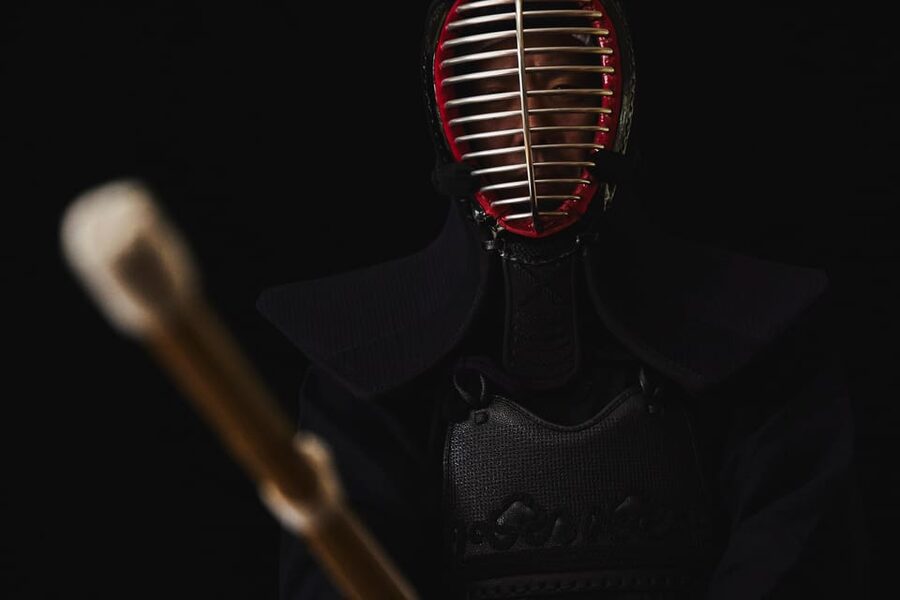
The photo session usually forms a lighter part of the experience. You can take photographs wearing the Kendo uniform and armour, using swords and other Samurai props inside the dojo.
I like that the photos come after you have learned something. You are not just wearing borrowed clothing for a few minutes. You have already handled the shinai, practised etiquette, and completed basic movements, so the photographs record a real activity.
Assistants such as Kumiko or Vicky may help with clothing and pictures. Some sessions have included posed and action photographs, giving you more than a single formal portrait. Ask about the available photo arrangements on the day if you want a particular style.
The photo session is also a good pause between the more demanding sections. Armour can feel hot, and a few minutes for pictures gives you a chance to reset before or after the sparring.
The teaching style and English support
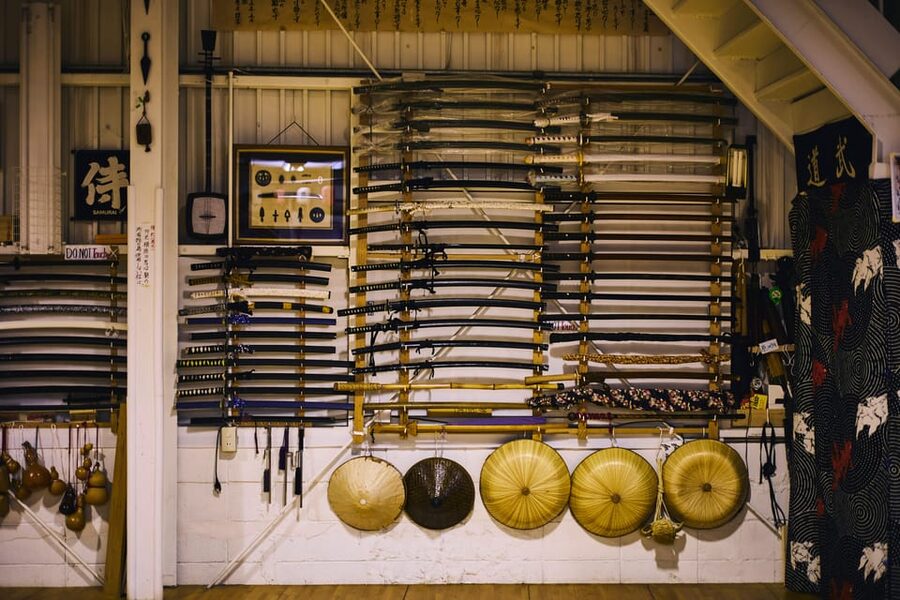
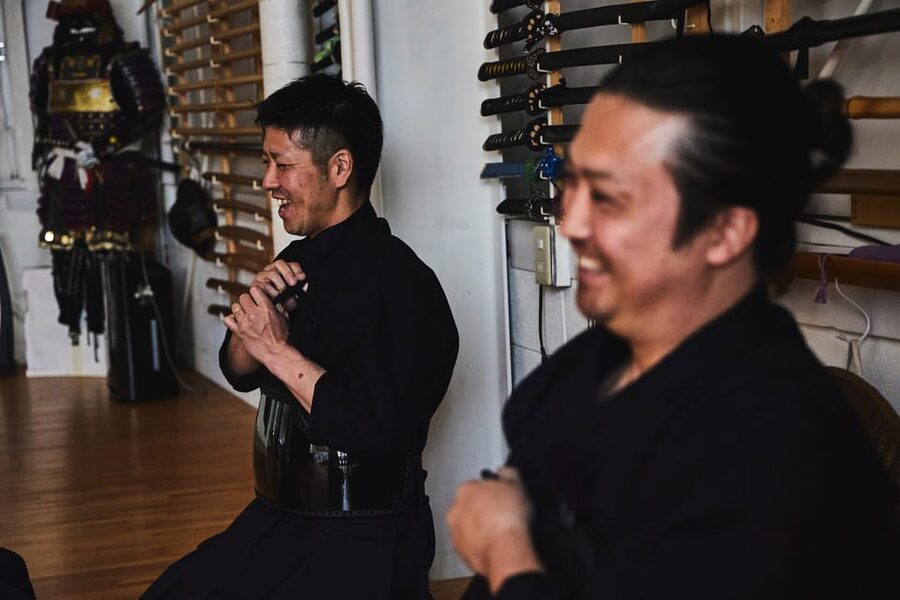
The instructors are one of the main reasons this activity works for first-time participants. Toshi is described as patient, encouraging, humorous, and attentive, while the support team helps with explanations, translation, fitting, and photographs.
English is available, and Japanese is also spoken. You should be able to follow the main instructions without needing previous Kendo vocabulary. The teaching is hands-on, so you can watch a movement as well as hear the explanation.
The tone appears friendly but respectful. That balance suits Kendo. You can laugh and enjoy yourself, but the dojo rules and the relationship between teacher and student remain important.
The level of personal attention may depend on the number of people booked. With only one or two participants, you may receive a nearly private lesson and more time with the instructor. With a larger family or group, the social energy may be higher, though each person may have less individual practice time.
Is $127 a fair price for two hours?
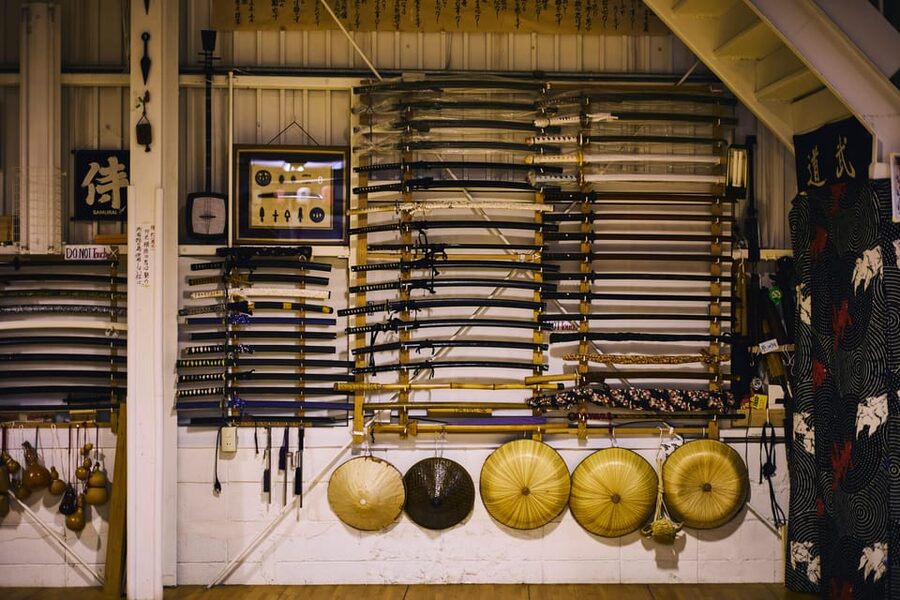
At $127 per person, this is not a cheap quick activity. The price makes more sense when you consider what is included: the cultural lecture, Kendo uniforms, full protective armour, instruction, paired practice, match-style combat, and Samurai photographs.
You are also paying for specialist equipment and an instructor who must supervise physical practice safely. A simple costume photo would cost less, but it would not provide the same lesson or sparring section.
The value is strongest if you want an activity that combines history, movement, and personal attention. It is also useful for a family or couple looking for something different from Osaka’s food, shopping, and sightseeing.
The price may feel high if you only want a Samurai photograph or a short cultural demonstration. It may also feel less worthwhile if you dislike exercise, competition, or wearing heavy protective equipment.
Some small groups have received almost three hours on site because of early changing time and post-session refreshments. Do not assume that every booking will last that long, but the extra time can improve the overall value when provided.
Who should book this Osaka activity?
I would recommend it most strongly to:
- First-time visitors who want hands-on Japanese culture
- People interested in Samurai history or Bushido
- Anime and martial arts fans
- Couples, families, and friends who enjoy active activities
- People who want an English-supported lesson
- Experienced martial artists who would like a respectful Kendo introduction
You do not need previous Kendo experience or a high level of athletic ability. The lesson begins with the basics, and the instructor can adjust the pace.
Families should read the age rules carefully. A 10-year-old can take part in a child-friendly session, but children aged three to five mainly receive a clothing, armour, and photo experience. Children under two cannot participate, and people over 75 are limited to viewing.
Wheelchair access is listed as available, but the activity itself involves wearing armour, holding a shinai, and moving during practice. If you use a wheelchair, contact the provider before booking to discuss which parts you can take part in comfortably.
Practical advice before you go
Wear comfortable clothing underneath the uniform and bring a drink. Provide accurate height and weight details in advance to help with equipment fitting.
Arrive early if changing time is not included in the two hours. Keep alcohol and drugs out of the activity, as both are prohibited.
Do not plan the session as a passive cultural talk. You will learn history, but you will also shout, move, strike, block, and spar. Comfortable shoes and a reasonable level of readiness will help, even though no special equipment is required.
The activity offers free cancellation up to two days in advance for a full refund. Check the available starting times when booking, since the exact schedule is not fixed.
Should you book the Osaka Samurai Kendo experience?
Book it if you want to do more than look at Japanese culture from the outside. The combination of a real dojo, full armour, clear English instruction, Samurai history, photographs, and controlled sparring gives you a memorable two-hour introduction to Kendo.
I would be cautious if you want a quiet, low-effort activity, or if the $127 price is beyond your budget for a single experience. The armour and match section demand more energy than the word photo session might suggest.
For most active visitors, though, this is a strong choice in Osaka. You learn the etiquette, feel the weight of the equipment, practise the basic movements, and finish with a taste of competition. That physical connection is what makes the session worth considering.
FAQ
How long does the Osaka Kendo experience last?
The scheduled activity lasts two hours. Changing clothes may take additional time, and some participants have been asked to arrive 30 minutes early so changing does not reduce lesson time.
How much does the experience cost?
The listed price is $127 per person.
Do I need previous Kendo or martial arts experience?
No. The programme is designed mainly for beginners and first-time participants. People with previous martial arts or Kendo experience are also welcome.
Is the instruction available in English?
Yes. Instruction is available in English and Japanese. Toshi leads the training, and assistants can help with explanations and translation.
What equipment do I wear?
You wear a Dōgi and Hakama, along with protective armour including Men, Kote, Dō, and Tare. A shinai, or bamboo sword, is provided for practice.
Can children take part?
Children under two cannot try Kendo. Children aged three to five mainly wear the uniform and armour and take photographs, so they do not receive the same adult training. Children aged 10 have taken part in the child-friendly activity.
Can older people participate?
People over 75 are not permitted to try Kendo physically. People over 76 may attend for viewing only.
What should I bring?
Bring drinks. You may work up a sweat during the footwork, practice, and match section.
Can I cancel for a refund?
You can cancel up to two days in advance for a full refund. Check the booking conditions and starting times when selecting your session.
Just added around Osaka
- (Ticket Included) Explore Osaka Castle & Museum of History★ 4.8 · 21 reviews
- Hidden Osaka – Yukaku Red Light Tour & Culinary Adventure★ 4.8 · 96 reviews
- Osaka: Walking Tour and Top Highlights★ 4.8 · 104 reviews
- Osaka: Private Ceramic Painting Workshop★ 5.0 · 13 reviews
- Pickleball in Osaka, Kobe & Kyoto with Locals!★ 4.7 · 80 reviews
- Eat Like a Local in Osaka – Private Custom Street Food Tour★ 4.3 · 33 reviews
- Osaka:SUMO BEATS SHOWCASE: Taiko Drum and Wagyu burger!★ 4.2 · 37 reviews
- Kimono photoshoot-Includes 100 photo data★ 5.0 · 21 reviews
Kimono & Culture Experiences, compared.
Kyoto Geisha Walking Tour: Gion District & Hidden Gems
Read our review →
Gion Magical Night Walking Tour with Geisha Trivia
Read our review →
Gion Geisha District Walking Tour – Stories of Geisha
Read our review →
Best of Kyoto: Gion, Geisha, Pagodas & Cobblestones
Read our review →
Kyoto Gion Geisha District Walking Tour – The Stories of Geisha
Read our review →
Browse the lists this tour appears in