
REVIEW · WALKING TOURS
Osaka: Main Sights and Hidden Spots Guided Walking Tour
Osaka’s story comes into focus when you move from the stone walls of Osaka Castle to Tsuruhashi’s narrow Korean market streets, then on to neon-soaked Dotonbori. I like that this four-hour route connects old, modern, and everyday Osaka instead of treating the city as one big food district. I also like the high city view from Harukas and the chance to see neighborhoods most first-time visitors would likely miss.
The tradeoff is pace. You cover a lot of ground, often by train or subway, and several people found their legs tired by the end. You won’t enter Osaka Castle, and food is not included, so bring comfortable shoes, some yen for snacks, and a subway day pass.
In This Review
- Key points at a glance
- Why this route gives you a useful first look at Osaka
- Starting at Tanimachiyonchome and reaching Osaka Castle
- Tsuruhashi brings a different Osaka into view
- Harukas 300 trades street scenes for a wide city view
- Shinsekai shows Osaka’s older entertainment side
- Namba, Dotonbori, and the city’s loudest welcome
- Kuromon Market and the practical side of food culture
- Doguyasuji finishes with giant kitchen curiosities
- How much walking and public transport should you expect?
- Is $59 a fair price for four hours?
- The guide can shape the whole experience
- Who should book this Osaka walking tour?
- Final verdict: a smart first half-day in Osaka
- FAQ
- How long does the Osaka walking tour last?
- Where does the tour start?
- Where does the tour finish?
- Does the tour enter Osaka Castle?
- Is transportation included in the price?
- Are food and drinks included?
- Which languages are available?
- Is hotel pickup available?
- Can I cancel the tour?
Key points at a glance
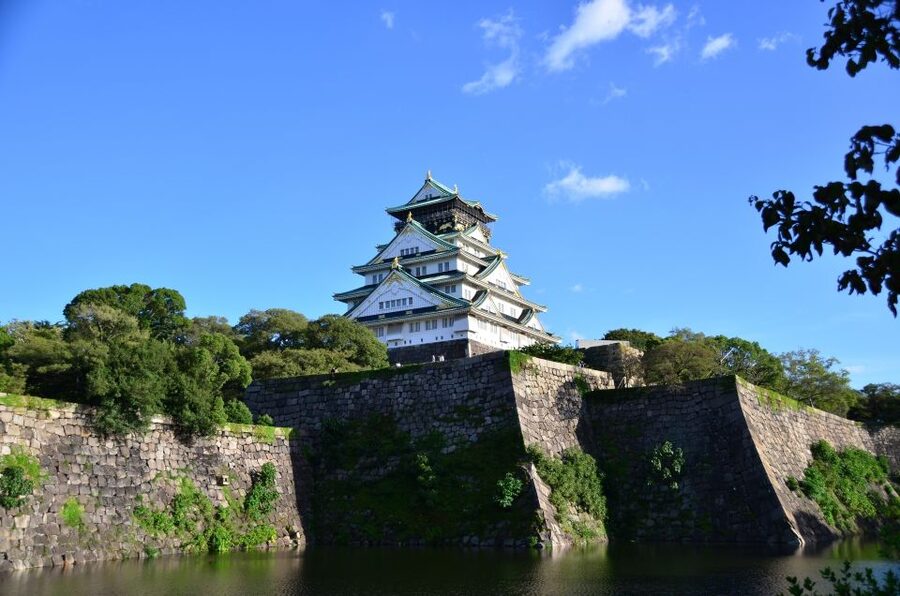
- Osaka Castle Park: Spend about 75 minutes around the castle exterior while your guide explains the power struggles that shaped Osaka.
- Tsuruhashi Korea Town: Walk narrow pre-war commercial lanes with a very different feel from Osaka’s polished shopping centers.
- Harukas and Shinsekai: Pair a high-floor city view with a look at an older entertainment district that feels frozen in another era.
- Dotonbori and Kuromon Market: See Osaka’s famous signs, food culture, fresh fish market, and quirky side streets.
- Doguyasuji: Browse kitchen shops filled with wax food models, noren curtains, giant pottery, and restaurant supplies.
- A guide-led introduction: Guides including Kevin, Ferdinand, Oisin, Bryan, and Jamie have been praised for clear history, cultural context, photo help, and practical Osaka advice.
Why this route gives you a useful first look at Osaka
This is not a quiet walking tour confined to one compact neighborhood. It is a city sampler, with public transport doing some of the work between major stops. That lets you see how sharply Osaka changes from one district to the next, but it also means you should expect stations, transfers, pavement, crowds, and a fairly full four hours.
I especially like the route for a first or short visit. You get the city’s best-known images, such as Osaka Castle and Dotonbori, but also see Tsuruhashi, Shinsekai, and Doguyasuji. That mix gives you more than a checklist of sights. It helps explain Osaka as a merchant city shaped by commerce, food, entertainment, migration, and constant reinvention.
The guides are central to the experience. The strongest feedback repeatedly points to guides who explain the larger story without drowning you in dates. Kevin is praised for cultural and social context, Ferdinand for storytelling and Japanese history, Oisin for showing less obvious areas, and Bryan for helping families navigate the city and take photos. The guide assigned to you can vary, and the available languages are English, French, and Spanish.
More Walking Tours in Osaka
- Osaka Kickstart: Hotspots & Hidden Gems Tour
★ 5.0 · 1,306 reviews - Osaka: Hotspots & Hidden Gems Walking Tour Private or Group
★ 4.9 · 1,300 reviews - Osaka Local Foodie Walking Tour in Dotonbori and Shinsekai
★ 5.0 · 985 reviews
Starting at Tanimachiyonchome and reaching Osaka Castle
Meet above ground at Exit 2 of Tanimachiyonchome Station. If you arrive by taxi, use the intersection known as Tanimachi 3-chome, written 谷3交差点. This detail matters because the meeting point is not a hotel lobby, and Osaka’s station exits can be confusing if you are searching while underground.
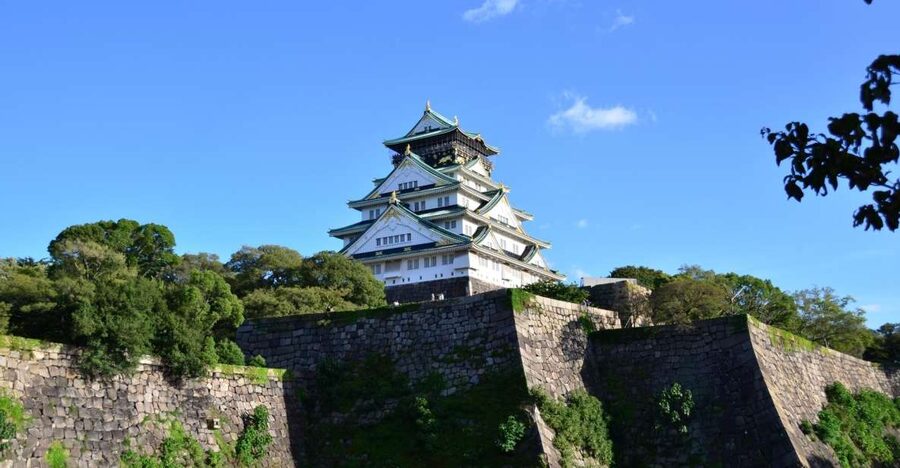
The first major stop is Osaka Castle Park, with about 75 minutes set aside for guided sightseeing. You will admire the castle from outside rather than go into the building. That is important if entering the castle museum is a priority for you. This tour gives you the exterior, the park, and the story around it, not the interior exhibits.
The park gives your guide room to explain Osaka’s political importance and the struggle surrounding the castle roughly 400 years ago. The history is more than a quick photo stop. You learn how close Osaka came to being taken from Japanese control, and why the castle remains such a powerful city symbol.
I like beginning here because it gives the rest of the day a frame. The polished towers and huge stone walls represent power and ambition. Later stops show the commercial and popular side of Osaka, where food, shopping, local identity, and entertainment take over.
Tsuruhashi brings a different Osaka into view
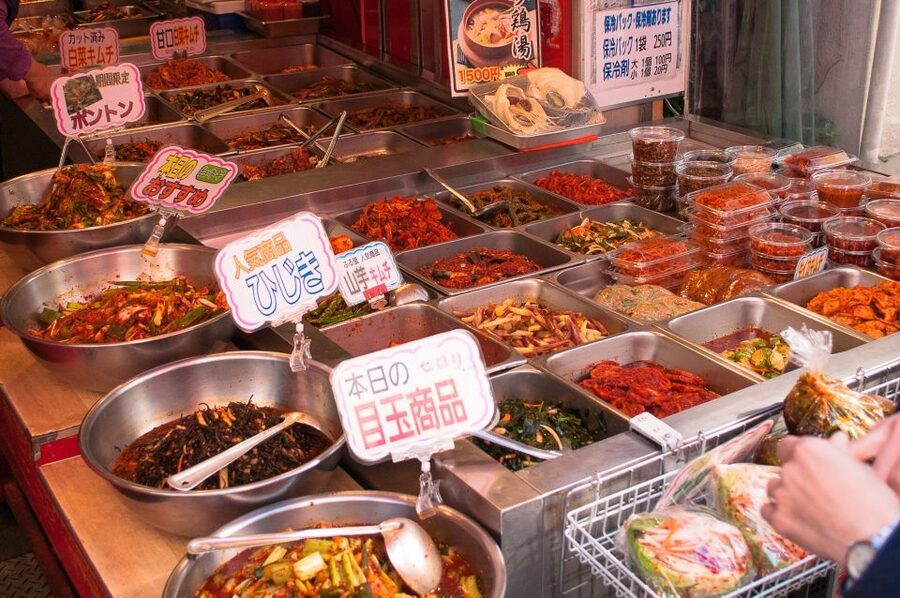
After Osaka Castle Park, a short train ride takes you to Tsuruhashi. The 45-minute visit focuses on the maze of Korea Town, especially its tight lanes and pre-war commercial streets.
This is one of the tour’s more distinctive stops. Tsuruhashi does not offer the grand visual punch of the castle or Dotonbori’s giant signs. Its value is in the details: narrow alleys, small businesses, market-style shops, and the sense of a neighborhood shaped by Korean and Japanese cultural connections.
A guide makes a real difference here. Without local context, you might simply see a maze of streets and move on. With explanation, the area becomes part of Osaka’s larger story, including the way different communities have influenced food, language, commerce, and daily life.
There may be chances to buy snacks, but this is not a food tour and there are no planned food stops. One useful detail from the experience is that some people have enjoyed small bites such as kimchi pancakes along the way. Treat food purchases as optional and spontaneous, not as a promised meal.
Harukas 300 trades street scenes for a wide city view
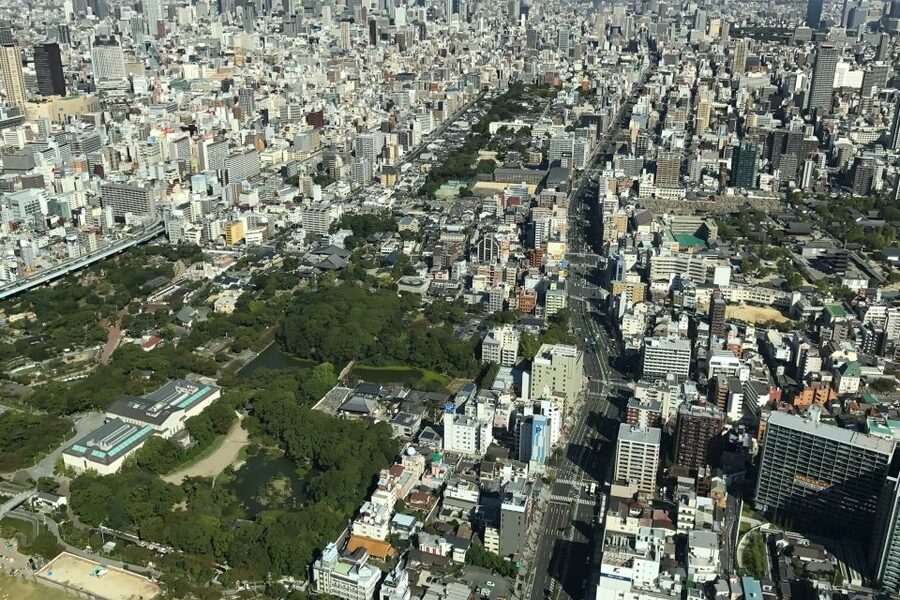
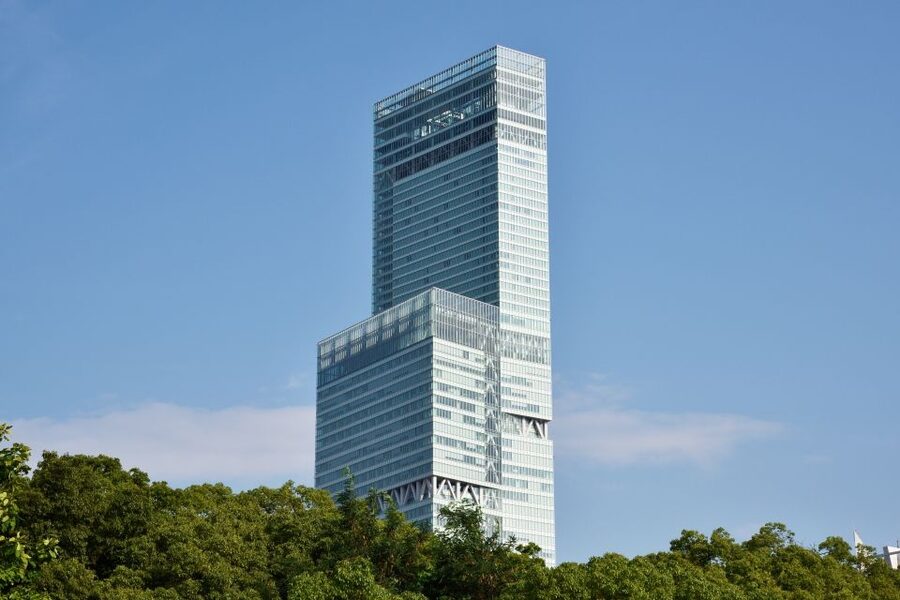
The next public transport journey takes you to Abeno Harukas 300. You spend about 30 minutes in the building, enjoying a view from one of its high floors before going underground to the department store food hall.
This pairing works well. First, you look over Osaka from above. Then you return to street level and see how much care goes into the city’s food trade. The food hall is a chance to browse premium Japanese products, including puffer fish and Kobe beef. You are looking rather than receiving a tasting, since food and drink are not included.
The view also gives you a useful sense of scale. After walking through old lanes in Tsuruhashi, you can see the city as a huge connected urban area rather than a series of isolated sights. On a clear day, this should be one of the tour’s best photo opportunities, though visibility depends on conditions.
The Harukas stop is brief. If you want a long observation-deck visit, time for a meal, or a slow department-store shopping session, this tour will not provide it. Its purpose is to give you a quick high point and an introduction to Osaka’s food retail culture.
Same city, a completely different kind of day:
- Osaka Go Karting Tour with Funny Costume
★ 5.0 · 2,658 reviews - Osaka Castle: Museum and Tower Entry Ticket
★ 4.5 · 2,380 reviews - Osaka: Shinsekai Food Tour with 13-15 Dishes at 5 Eateries
★ 4.8 · 2,204 reviews - Osaka Food Tour: 13 Dishes at 5 Local Eateries
★ 5.0 · 2,149 reviews
Shinsekai shows Osaka’s older entertainment side
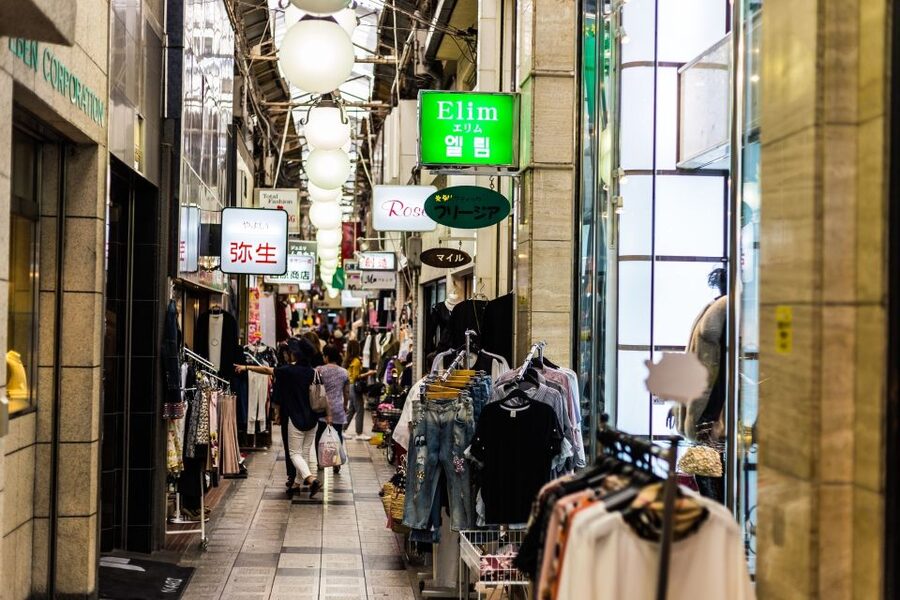
Not far from Harukas is Shinsekai, visited for roughly 30 minutes. The district is known here for older, slightly worn local highlights and an atmosphere that feels preserved from another period.
Shinsekai provides a useful contrast with Harukas. One stop is a symbol of modern height, polished retail, and big-city scale. The next turns you toward older entertainment streets and local character. The difference is exactly why the route works: Osaka’s appeal is not just clean modern architecture or famous food signs.
You should come ready for a visual change rather than a formal museum experience. Your guide will point out what makes the neighborhood distinctive and explain its place in Osaka’s urban culture. The area may appeal most to you if you enjoy places with a little roughness and personality.
The half-hour timing keeps the tour moving, but it also limits lingering. If Shinsekai catches your interest, ask your guide for suggestions for returning later. Several guides have offered practical ideas for the rest of the day, which is one reason this tour works well near the start of an Osaka stay.
Namba, Dotonbori, and the city’s loudest welcome
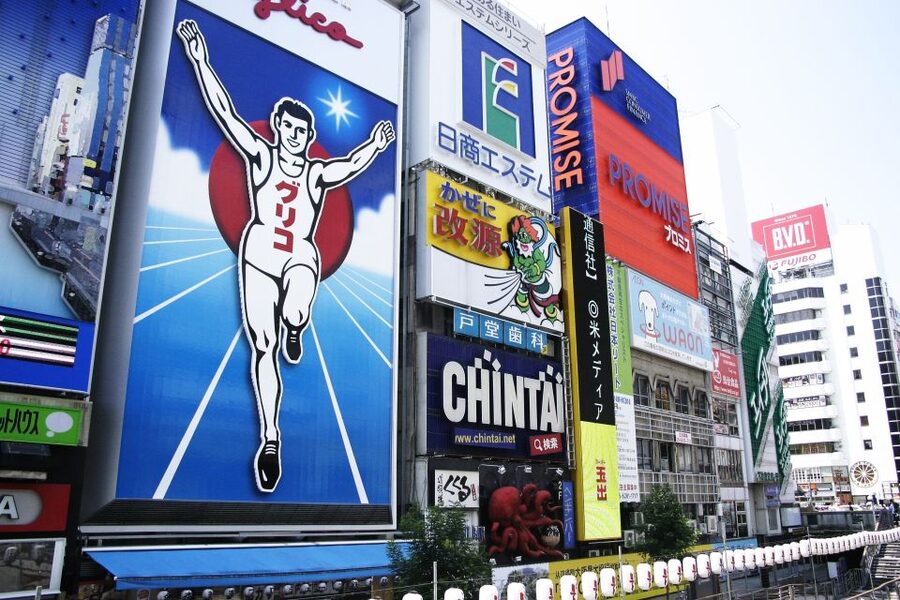
The route then reaches Namba, the center of present-day shopping, dining, and entertainment culture. From there, you enter Dotonbori, often compared with Times Square because of its huge signs, bright lights, and constant visual noise.
Dotonbori is the most instantly recognizable part of the tour. You will see the canal-side district, famous food advertising, and side streets where each lane has its own look. Your guide can help you read the area beyond the obvious photo spots, pointing out quirky corners and explaining how Namba became such a major center for Osaka life.
This is a good place for photos, and several guides have been praised for helping with family and group pictures. If you want a particular shot, ask. A guide who knows the route can often position you more effectively than a rushed snapshot taken at arm’s length.
Dotonbori can also be the tour’s most crowded section. Stay close to your guide and keep your belongings secure. The route ends nearby, so you can continue exploring Namba, eat, shop, or return to a favorite spot after the formal tour finishes.
Kuromon Market and the practical side of food culture
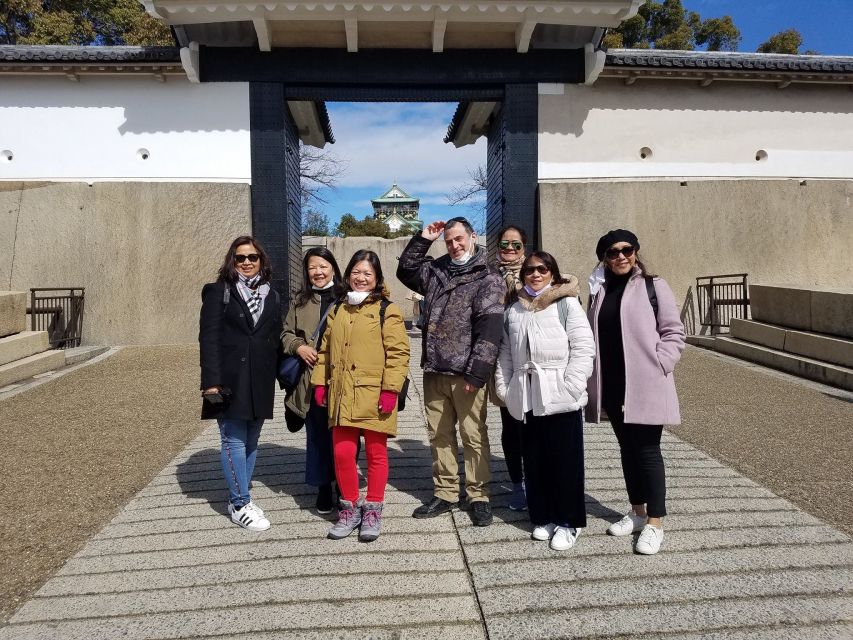
Kuromon Ichiba is a fresh fish market with more than 150 years of importance to Osaka’s food trade. It is near Namba and fits the city’s reputation as a place where food is part of daily life, business, and local pride.
You will see market stalls and food products rather than receive a set tasting menu. The market can be a useful place to buy a snack, but prices and availability vary, so look before purchasing. The guide can help you understand what you are seeing and may point out foods that would be easy to overlook on your own.
I like this stop because it shifts the focus from restaurant spectacle to ingredients and selling. Dotonbori shows you how Osaka markets itself through food. Kuromon shows you the products and trading culture behind that image.
The market is another place where the route’s pace matters. You may want to stop at every stall, but the tour has to keep moving toward its final area. If you already know you want a full market meal, plan to return after the tour or ask your guide where to eat later.
Doguyasuji finishes with giant kitchen curiosities
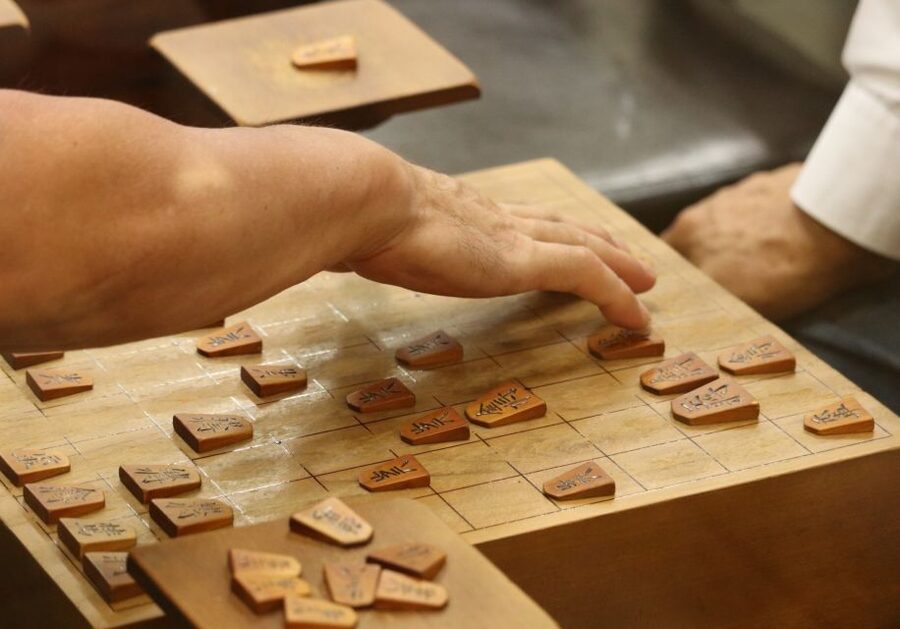
The final area is Doguyasuji, a kitchen and cooking district near the tour’s finish at 1-chōme-4-2 Nanba. This is a particularly good closing stop because it gives you something to do with your eyes and hands after a day of monuments and city views.
Look for wax food models, Japanese noren curtains, large pottery pieces, and the supplies used by restaurants and home cooks. The shops give you a look at the practical side of Osaka’s food culture. You are not only seeing meals advertised or ingredients sold. You are seeing the tools and display traditions that help restaurants function.
Doguyasuji can also be a good place for a small souvenir, though the tour does not include shopping and you should check any store’s rules before photographing. Its unusual merchandise makes it more memorable than a standard shopping street.
The walk finishes in the Namba area, not back at the original station. That is convenient if you want to continue with dinner or more sightseeing. It also means you should plan your return route before you set off, especially if you are unfamiliar with Osaka’s train system.
How much walking and public transport should you expect?
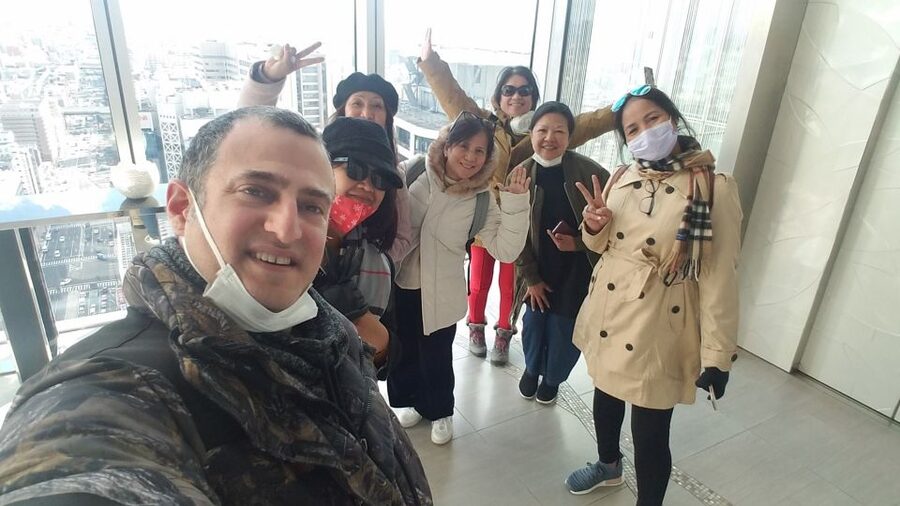
The tour lasts four hours, but not all of that time is walking. You move between districts by public transport, with walking at each stop and through connecting streets. One detailed account describes more than 10,000 steps, while another notes that legs can feel tired by the end.
That makes comfortable shoes essential. Summer heat can also affect the pace. A guide has adjusted the route and timing for groups whose energy dropped in hot weather, but you should still carry water and dress for the forecast. The tour runs rain or shine, so a compact rain layer is sensible even though it is not listed as required equipment.
You are asked to buy a subway day pass and use it to reach the meeting point and during the tour. Transportation is not included in the $59 price, so factor the pass into your budget. The public transport is not a flaw in the design. It is what allows you to see several widely separated parts of Osaka in one half-day.
The tour is advertised as wheelchair accessible, but it is also listed as unsuitable for people with mobility impairments. I would treat that as a reason to confirm your exact needs before booking, especially given the station travel, changing neighborhoods, and long day on your feet.
Is $59 a fair price for four hours?
At $59 per person, the value comes from the amount of city you cover and the guide’s interpretation, not from included admissions or meals. You do not pay for hotel transport, subway fares, food, drinks, or entry to the castle interior. If you want a low-cost sightseeing walk in one neighborhood, this is not the leanest option.
For a first day in Osaka, I think the price is reasonable. You see major sights, learn how to connect districts by train, get suggestions for later meals and activities, and avoid spending half a day working out the route yourself. Several people used it as an introduction to Osaka and found it useful for planning the rest of their stay.
Private and small-group options are available, which can improve the value for families or friends who want a more flexible pace. The operator also tries not to add a solo fee, but if the minimum of two people is not met, you may be offered a different date, asked to pay a 4,000-yen solo supplement, or given a full refund.
The guide can shape the whole experience
The common thread in the strongest experiences is not a single attraction. It is the guide’s ability to connect the stops and answer questions in plain English or another offered language.
Kevin has been especially effective with cultural context, Japanese social differences, food suggestions, and family support. One family appreciated that he helped them use a ramen shop vending machine after the tour. Ferdinand has been praised for clear storytelling around Osaka Castle, Japanese history, and modern culture. Oisin has been noted for balancing facts with the larger picture and showing places outside a standard sightseeing route.
Bryan has helped families navigate the city, keep teenagers interested, and take useful photos. Other named guides include Jamie, Hugo, Ethan, Andrew, Joshua, Lito, and others. Your guide may be different, but the repeated strength of the guiding team is its mix of history, local customs, practical advice, and conversation.
If you enjoy asking questions, this tour should suit you well. If you prefer to move silently at your own speed and stop for long meals, you may find the group format restrictive.
Who should book this Osaka walking tour?
I would choose this tour if you have one day in Osaka, are visiting for the first time, or want a clear introduction before exploring independently. It is also a strong fit if you like history but do not want a full museum lecture, and if you want famous sights mixed with neighborhoods that feel less packaged for sightseeing.
Families can benefit from the guide’s help with photos, trains, food choices, and cultural questions. The route also works for people who want to finish near Namba, since you can continue directly into dinner and evening plans.
I would hesitate if you have limited stamina, dislike public transport, need long meal breaks, or specifically want to enter Osaka Castle. You should also budget for the subway pass and snacks, and confirm mobility arrangements before booking.
Free cancellation is available up to 24 hours before the start time, and you can reserve now and pay later. That gives you some flexibility while planning a Japan trip, but check the available starting times because the tour schedule can vary.
Final verdict: a smart first half-day in Osaka
I like this tour because it shows Osaka as a collection of working neighborhoods, not just a set of postcard sights. The castle gives you the old power center, Tsuruhashi adds cross-cultural history, Harukas provides scale, Shinsekai adds grit, and Namba, Kuromon, Dotonbori, and Doguyasuji explain why food and commerce remain so central here.
Book it if you want a fast, guided introduction with strong historical and cultural commentary. Skip it if you want a slow food crawl or a single-district walk. For most first-time visitors who can handle a busy four hours and roughly a full day’s worth of steps, this is a useful way to get your bearings and leave with a better plan for the rest of Osaka.
FAQ
How long does the Osaka walking tour last?
The tour lasts four hours.
Where does the tour start?
Meet above ground at Exit 2 of Tanimachiyonchome Station. If arriving by taxi, use the Tanimachi 3-chome intersection, written 谷3交差点.
Where does the tour finish?
It finishes at 1-chōme-4-2 Nanba, Chūō-ku, Osaka, near the Namba area.
Does the tour enter Osaka Castle?
No. You visit Osaka Castle Park, see the exterior, and learn about the castle’s history, but entry inside the castle is not included.
Is transportation included in the price?
No. Transportation is not included. You are asked to buy a subway day pass and use it to reach the meeting point and travel during the tour.
Are food and drinks included?
No. There are no planned food stops, but you have opportunities to buy snacks along the way.
Which languages are available?
The tour is available with live guides speaking English, French, or Spanish.
Is hotel pickup available?
Hotel pickup in central Osaka and port pickup at the Tempozan Ferris wheel are available for an additional 5,000 yen. This can be paid in cash to the guide or through a secure payment link.
Can I cancel the tour?
You can cancel up to 24 hours in advance for a full refund. You can also reserve now and pay later.
Just added around Osaka
- (Ticket Included) Explore Osaka Castle & Museum of History★ 4.8 · 21 reviews
- Hidden Osaka – Yukaku Red Light Tour & Culinary Adventure★ 4.8 · 96 reviews
- Osaka: Walking Tour and Top Highlights★ 4.8 · 104 reviews
- Osaka: Private Ceramic Painting Workshop★ 5.0 · 13 reviews
- Pickleball in Osaka, Kobe & Kyoto with Locals!★ 4.7 · 80 reviews
- Eat Like a Local in Osaka – Private Custom Street Food Tour★ 4.3 · 33 reviews
- Osaka:SUMO BEATS SHOWCASE: Taiko Drum and Wagyu burger!★ 4.2 · 37 reviews
- Kimono photoshoot-Includes 100 photo data★ 5.0 · 21 reviews
Walking Tours, compared.
Kyoto Geisha Walking Tour: Gion District & Hidden Gems
Read our review →
Tokyo Tsukiji Fish Market Food and Culture Walking Tour
Read our review →
Gion Magical Night Walking Tour with Geisha Trivia
Read our review →
Imperial Palace and Shogun Historical Walking Tour
Read our review →
Gion Geisha District Walking Tour – Stories of Geisha
Read our review →
Asakusa Walking Tour with Sensoji Temple Visit
Read our review →
Kyoto Gion Geisha District Walking Tour – The Stories of Geisha
Read our review →Browse the lists this tour appears in