
REVIEW · TEA CEREMONY EXPERIENCES
Making Japanese desserts Nerikiri & drinking matcha in Tokyo
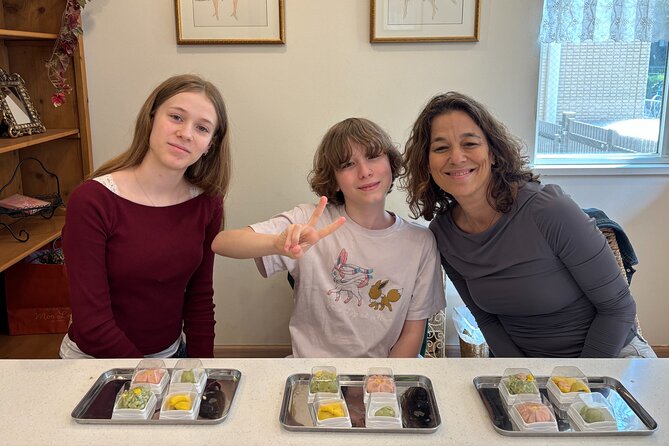
The best part of this Tokyo class is that you do not just eat a pretty Japanese sweet. You shape three seasonal nerikiri, learning how the dough, colors, and forms change through the year. Then you sit down with matcha and taste what you made.
I like the small group of no more than eight, since a beginner can get hands-on help without being lost at the back of a room. I also like the practical touch of take-home packets, so your sweets do not have to disappear after one cup of tea.
The main thing to watch is the meeting location. The class is usually in Shimokitazawa, but a rental-space change may move it to Toritsudaigaku Station. You receive the exact details by email, so check them before setting out.
In This Review
- Key points to know before booking
- Why nerikiri is worth making in Tokyo
- A 90-minute class with plenty of hands-on time
- Seasonal designs, plus an unusual request option
- Matcha gives the class a proper finish
- Why the small group changes the experience
- The Shimokitazawa setting and what to do afterward
- Is $65.69 a fair price?
- Practical details that affect your day
- Who should book this nerikiri class?
- Should you book it?
- FAQ
- How long does the nerikiri and matcha class last?
- Where does the class meet?
- How will I receive the exact meeting location?
- How many people can join the class?
- What will I make during the class?
- Can I request the owl and needle mouse designs?
- Is matcha included?
- Can I take the sweets home?
- How much does the experience cost?
- Can I cancel for a refund?
Key points to know before booking
- You make three seasonal nerikiri: The designs depend on the time of year unless you request the owl and needle mouse designs.
- The class is capped at eight people: That keeps the lesson personal and manageable for first-time cooks.
- Matcha is part of the experience: After shaping the sweets, you enjoy them with powdered green tea prepared by the instructor.
- Everything is supplied: Ingredients, tools, and packets for taking sweets home are included.
- Shimokitazawa adds an easy afternoon plan: The class ends where it starts, leaving you free to explore Setagaya-ku.
- The price is $65.69 per person: For 90 minutes of instruction, materials, tea, and a hands-on cultural activity, it offers solid value for the right kind of visitor.
Why nerikiri is worth making in Tokyo
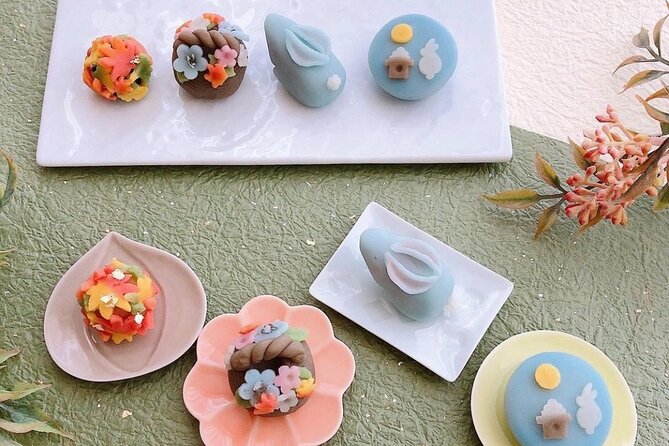
Nerikiri is a Japanese wagashi confection, made from a kneaded dough that can be shaped into flowers, animals, and other seasonal forms. It is not simply a sugary snack. Its appearance matters, and the design often reflects the season.
That makes this class different from a standard cooking demonstration. You are not watching someone else finish a perfect sweet while you take photographs. You handle the dough yourself and see how much care goes into producing a small, polished piece.
The class focuses on three types of seasonal kneaded dough. The exact forms depend on when you visit, which is a useful reason to book at a particular time of year if you care about seasonal Japanese culture. Spring, summer, autumn, and winter can bring different colors and shapes, although the exact designs are not specified in advance.
You should arrive ready to follow instructions rather than expecting free-form pastry making. The instructor explains the process, then guides you as you work with your hands. Since the group is limited to eight, you have a fair chance to ask for help when a shape is not behaving as planned.
More Tea Ceremony Experiences in Tokyo
- Matcha Making Class in Tokyo with Authentic Japanese Sweets Set
★ 5.0 · 744 reviews - Tokyo: Traditional Tea Ceremony with a Tea Master
★ 5.0 · 528 reviews - Tokyo: Matcha Making Experience with Mochi Sweets in Asakusa
★ 4.9 · 388 reviews
A 90-minute class with plenty of hands-on time
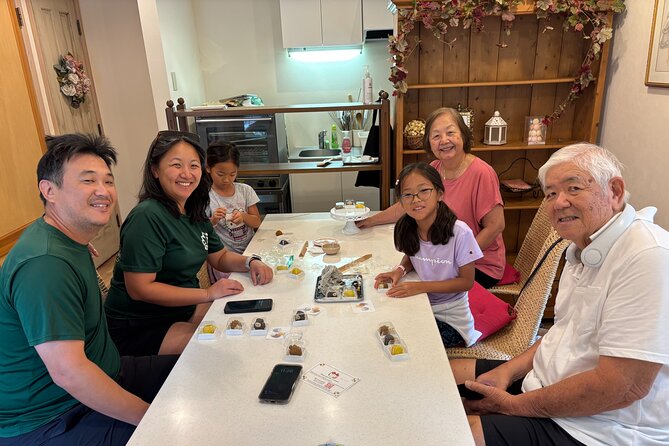
The experience lasts about one hour and 30 minutes. That is long enough to learn the basic method and make several sweets, but short enough to fit neatly into a Tokyo sightseeing day.
After your reservation, the instructor emails the event details. The usual meeting point is at 3-chome-20-4 Kitazawa in Setagaya City, near Shimokitazawa. Because the class uses a rental kitchen, the location can change to the Toritsudaigaku Station area if the usual space is unavailable.
That location detail matters. Do not rely only on the first address you see when planning your route. Read the instructor’s email close to the date of the class and use the confirmed meeting point.
Once you arrive, the instructor provides the ingredients and tools. You do not need to shop for special materials or bring cooking equipment, which keeps the activity simple for visitors staying in a hotel or apartment.
The lesson begins with an explanation of nerikiri and the method used to make it. You then prepare and shape three kinds of seasonal sweets. The class is designed for beginners, so you do not need previous Japanese cooking or confectionery experience.
The work is likely to require patience more than strength. Small changes in pressure, color, and shape affect the final result. That is part of the appeal. You get a clearer sense of the craft by making an imperfect sweet yourself than by buying a flawless one from a department-store food hall.
Seasonal designs, plus an unusual request option
The standard plan is to make seasonal kneaded rice balls, with designs chosen according to the time of year. This gives repeat visitors a reason to return in another season, though you should not book expecting a particular flower or animal unless the instructor confirms it.
There is also an option to request an owl and a needle mouse. You must mention this by email after booking, and the request is not guaranteed. The timing of your application may affect whether the instructor can meet it, so ask early and treat it as a preference rather than a promise.
This is a nice feature for families and friends who want a particular theme. Still, the seasonal designs are likely the better choice if your goal is to learn how Japanese sweets connect with the calendar.
The activity also makes a good comparison point with a regular food tour. A food tour gives you more variety and often covers a wider part of the city. This class gives you less food but more participation. You spend the time learning one traditional craft instead of moving from one tasting stop to another.
Matcha gives the class a proper finish
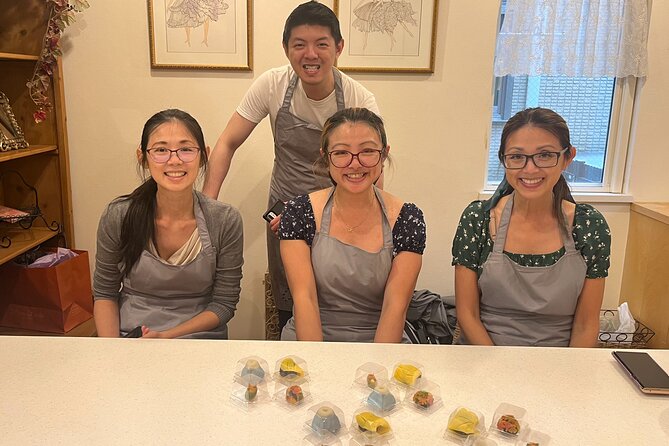
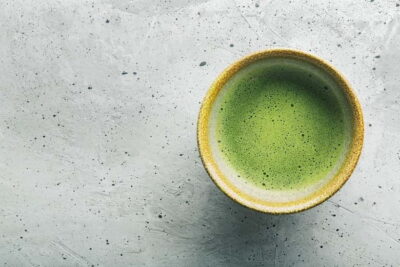
After you finish shaping the nerikiri, the instructor prepares popular matcha, or powdered green tea. You can eat the sweets on the spot with the tea, or pack them to take home.
This final step gives the class a clear rhythm. First, you work. Then you pause and taste. The matcha is not an unrelated drink added to the schedule. It helps show how Japanese confectionery is traditionally enjoyed, with the sweet balancing the tea’s stronger, slightly bitter flavor.
The take-home packets are especially useful if you are already full from lunch or dinner. You can save the sweets for later, although the activity does not provide specific advice about shelf life or storage. If you plan to carry them around Tokyo, ask the instructor what is best for keeping them in good condition.
Do not expect a full tea ceremony. The information provided describes matcha being prepared after the cooking portion, not a formal ceremony with an extended etiquette lesson. Think of it as a practical introduction to the pairing of handmade wagashi and green tea.
Same city, a completely different kind of day:
- Mt Fuji and Hakone 1-Day Bus Tour Return by Bullet Train
★ 5.0 · 26,383 reviews - 1-Day Tokyo Bus Tour
★ 5.0 · 14,250 reviews - Tokyo: TOKYO SKYTREE® Admission ticket
★ 4.5 · 11,192 reviews - Tokyo: teamLab Planets TOKYO Digital Art Museum Entry Ticket
★ 4.6 · 9,779 reviews
Why the small group changes the experience
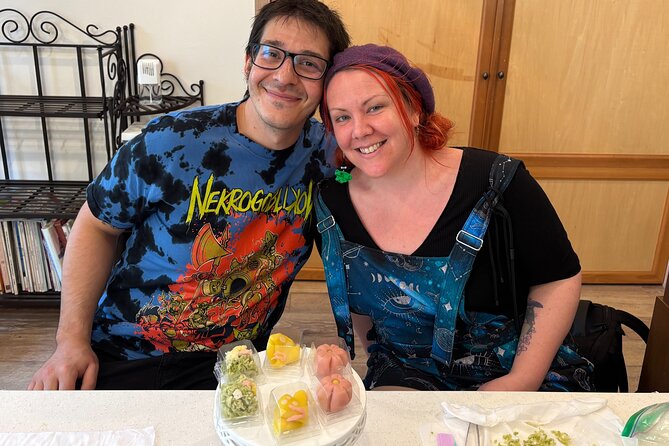
A maximum of eight people is one of the strongest reasons to choose this activity. Nerikiri is detailed work, and a large class would make it harder for the instructor to see what each person is doing.
For you, the small size means more useful correction when a piece starts to lose its shape. It also makes the class a better fit for people who are shy about asking questions in a large group.
The experience is suitable for friends, families, and solo visitors who enjoy learning a skill. One participant described it as beginner-friendly and a good cultural activity for friends and family. That matches the format: the class gives you something to do together, and the finished sweets create an easy topic of conversation.
The class is not aimed at expert pastry makers. If you already make Japanese confectionery, you may find the introduction basic. For most visitors, that is a benefit. You can concentrate on the shapes and the story behind the food without needing specialist knowledge.
Because the event is small and held in a kitchen, the setting is more personal than a polished attraction with a large production team. The tradeoff is that the experience depends more on the instructor’s teaching style and the specific room being used. No instructor name is provided, so you cannot choose a particular teacher.
The Shimokitazawa setting and what to do afterward
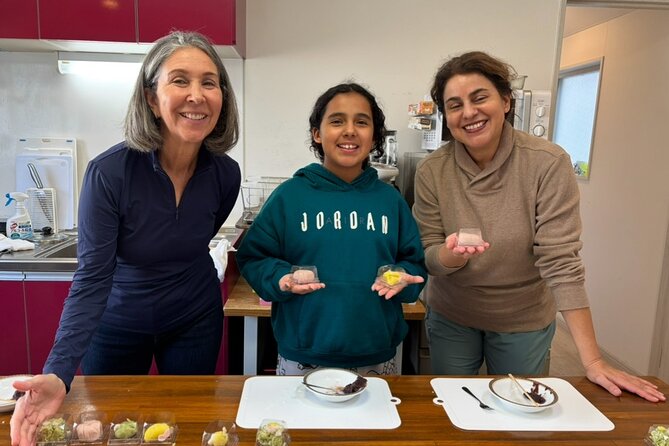
The usual class location is in Kitazawa, within Setagaya-ku, close to the Shimokitazawa area. The activity itself ends back at the meeting point, so you are free to continue exploring afterward.
That makes the timing useful. A 90-minute class can fit before an afternoon walk, shopping, or a meal in the district. The experience does not include a guided neighborhood tour, so plan your own activities after class.
If the class moves to Toritsudaigaku Station, your follow-up plans may need adjusting. The organizer contacts you by email when the location is different. This is not a major problem, but it means you should avoid booking a tight connection immediately afterward.
Public transportation is nearby, according to the activity details. Exact route advice is not provided, so use the confirmed station and address from the instructor’s message rather than assuming every class takes place near Shimokitazawa.
Is $65.69 a fair price?
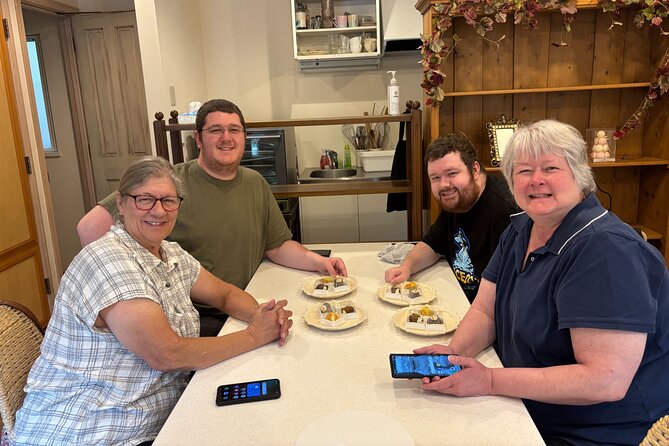
At $65.69 per person, this is not a bargain snack stop. You are paying for a guided 90-minute activity, three types of handmade sweets, all ingredients and tools, matcha, and packaging for anything you take home.
The value is strongest if you want an activity rather than a purchase. Buying a box of nerikiri would cost less time and might produce prettier results, but it would not show you how the sweets are made. Here, the point is the process, the seasonal connection, and the chance to create something with your own hands.
The small group also supports the price. A private lesson would normally cost more, while a large workshop might offer less personal help. With no more than eight people, this sits in a useful middle ground.
Group discounts are available, though the discount amount is not specified. If you are booking with friends or family, check the final price before paying. For a solo visitor, the standard per-person cost is easier to judge: it is reasonable for a short, hands-on cultural class, especially if you value local food traditions over a long list of sightseeing stops.
The 100 percent recommendation rate and 4.9 rating from 20 published ratings point to a strong record, but the sample is small. I would use those numbers as reassurance, not as the only reason to book. The format itself is the better test: if shaping sweets and learning about matcha sounds appealing, the price makes sense.
Practical details that affect your day
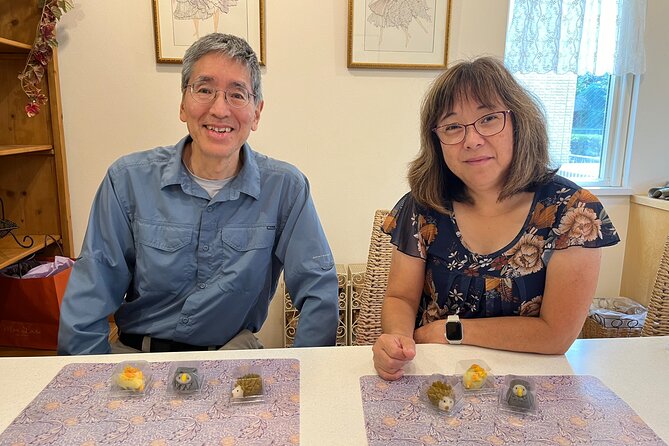
Confirmation arrives within 48 hours of booking, subject to availability. Do not assume the reservation is final until you receive that confirmation.
The exact location comes by email from the instructor. Since the kitchen may be at Shimokitazawa or, if needed, near Toritsudaigaku Station, check your inbox before leaving your hotel.
You can cancel for a full refund up to 24 hours before the start time. Cancellations or changes made less than 24 hours before the experience are not accepted for a refund. The cut-off uses Tokyo local time, so keep that in mind if you are arranging the class from another country.
The activity has a maximum of eight participants. A mobile ticket is available, which is handy when you are moving around Tokyo and do not want another paper document to manage.
No special equipment is listed as necessary. Ingredients and tools are supplied, and take-home packets are provided. The available details do not specify dietary substitutions, allergy handling, wheelchair access, or language arrangements, so contact Shuminavi Inc. before booking if any of those points affect you.
Who should book this nerikiri class?
I would choose this experience if you want a calm, focused break from Tokyo’s busy streets. It suits people who enjoy food, crafts, and small cultural lessons more than people who want a fast-paced sightseeing program.
It is also a strong choice for families and friends. The work is beginner-friendly, the group is small, and everyone leaves with handmade sweets to eat or carry away. The owl and needle mouse request may appeal to children, but confirm it early because it is not guaranteed.
Solo visitors can also fit in easily. The class does not require a private booking, and the limited group size should make it easier to meet other participants without the forced energy of a large group activity.
I would think twice if you need a fixed location, have a very tight Tokyo schedule, or want a formal tea ceremony. The possible move from Shimokitazawa to Toritsudaigaku Station adds a little uncertainty, and the matcha portion is described as a tea service rather than a full ceremony.
Should you book it?
Book this class if you want to make something traditional, not just photograph it. The combination of three seasonal nerikiri, personal instruction, matcha, and take-home packaging gives you a real activity in a manageable 90-minute window.
Before paying, make sure you are comfortable with the price and the possible location change. Check the instructor’s email, request the owl or needle mouse early if you want one, and leave some space after class in case the meeting point is Toritsudaigaku Station. For a hands-on introduction to Japanese sweets near Shimokitazawa, this is a well-priced and thoughtfully sized choice.
FAQ
How long does the nerikiri and matcha class last?
The class takes approximately 1 hour and 30 minutes.
Where does the class meet?
It is basically held at a kitchen at 3-chome-20-4 Kitazawa, Setagaya City, Tokyo, near Shimokitazawa. If that rental space is unavailable, the class may be held near Toritsudaigaku Station.
How will I receive the exact meeting location?
After you book, the instructor sends the event details by email. Confirmation is provided within 48 hours, subject to availability.
How many people can join the class?
The maximum group size is eight participants.
What will I make during the class?
You will make three types of seasonal kneaded dough used for nerikiri sweets. The designs depend on the season.
Can I request the owl and needle mouse designs?
You can request those designs by email, but the request is not guaranteed. Ask as soon as possible after booking because the instructor may not be able to meet the request depending on when you apply.
Is matcha included?
Yes. After you make the sweets, the instructor prepares powdered green tea for you to enjoy with them.
Can I take the sweets home?
Yes. You can eat the nerikiri at the class or take them home. Packets are provided.
How much does the experience cost?
The listed price is $65.69 per person. Group discounts are available, but the amount is not specified.
Can I cancel for a refund?
You can cancel up to 24 hours before the start time for a full refund. Cancellations or changes made less than 24 hours before the start time are not accepted for a refund.
More Drinking Tours in Tokyo
- Tokyo Bar Hopping Tour in Shinjuku (All-You-Can-Drink + Dinner)
★ 5.0 · 3,587 reviews - Best of Shinjuku: Izakaya Food Tour (4 Stops, 14+ Tastings)
★ 5.0 · 1,863 reviews - Tokyo: Shinjuku Local Bar and Izakaya Guided Walking Tour
★ 4.9 · 1,794 reviews - Shibuya Meltdown Nightlife Tour: All-You-Can-Drink Bar Hopping
★ 5.0 · 1,058 reviews
Just added around Tokyo
- Private Memorable Tokyo Tour with English Speaking Driver★ 5.0 · 30 reviews
- Private Tokyo Custom Full-Day Tour by Chartered Vehicle★ 5.0 · 16 reviews
- Private Sightseeing to Mt Fuji and Hakone with English Driver★ 5.0 · 51 reviews
- Tokyo Photography Masterclass – Private Photography Lesson★ 5.0 · 25 reviews
- Private Mt. Fuji Day Trip from Tokyo with English-Speaking Driver★ 5.0 · 33 reviews
- 4 Day Tour – Mount. Fuji, Tokyo, Hakone, Kamakura and Yokohama★ 5.0 · 19 reviews
- Private Unforgettable Mt Fuji Tour with English Speaking Driver★ 5.0 · 142 reviews
- Private Tokyo Food Tour – A Journey Through Time Through Food★ 5.0 · 36 reviews
Tea Ceremony Experiences, compared.
Tea Ceremony in a Traditional Tea House in Kiyomizu
Read our review →

World Heritage Kyoto & Nara Uji Authentic Matcha Experience
Read our review →
Browse the lists this tour appears in