
REVIEW · NARA DAY TRIPS
Kyoto: Nara, Todaiji, Kasuga Taisha Shrine Private Full Day
Nara’s appeal is wonderfully direct: sacred deer wander through open parkland, while Todaiji holds one of Japan’s most imposing Buddhist statues. This private day also adds Kasuga Taisha and Naramachi, so you get famous sights plus a quieter look at old Nara.
I like the easy structure and the personal guide. Akiko, Naoki, Gustavo, Alex, and Vincent have each been praised for clear explanations, flexibility, warmth, and strong knowledge of Japanese culture. I also like that the train ride begins at Kyoto Station, rather than requiring a hotel pickup. The catch is cost: at $183 per person, you still pay for the train and lunch separately.
In This Review
- Key points to know before you book
- Why this private Nara day works from Kyoto
- Meeting at Kyoto Station and riding to Nara
- Kofukuji and the story of Nara’s imperial capital
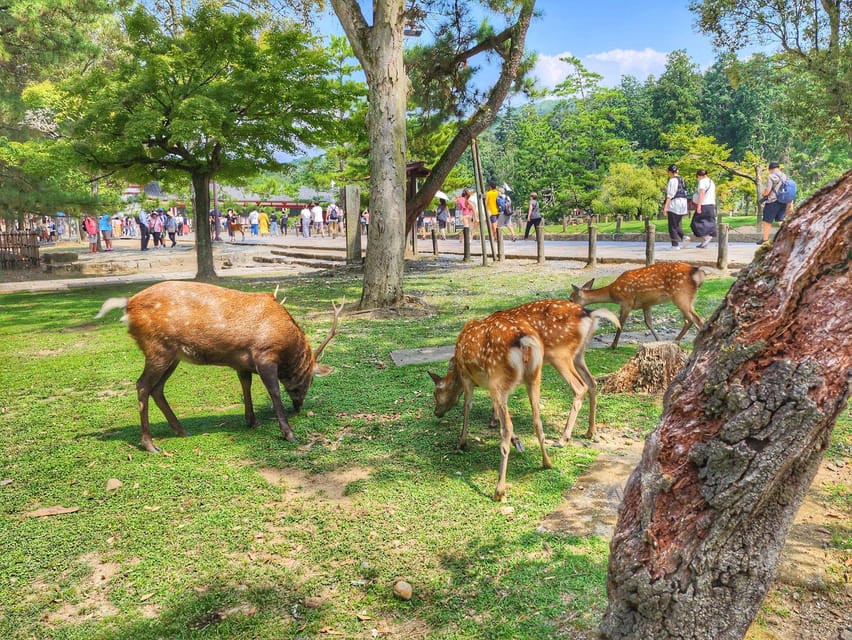
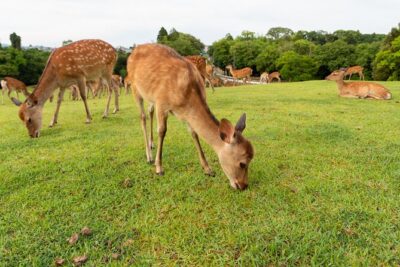
- Meeting Nara’s free-roaming Sika deer
- Todaiji and the Great Buddha
- A local lunch at Kotoya Restaurant
- Kasuga Taisha and its rows of lanterns
- Naramachi’s old merchant streets
- The guide makes the difference
- What $183 includes, and what it does not
- Who should book this Nara experience
- Should you book it?
- FAQ
- How long does the Nara tour last?
- Where does the tour begin and end?
- Is transportation from Kyoto to Nara included?
- Is lunch included?
- Which languages are available?
- Are entrance fees included?
- Can I cancel the booking?
Key points to know before you book
- Sacred deer in Nara Park: See free-roaming Sika deer, a symbol of Nara and part of Shinto tradition.
- Todaiji’s Great Buddha: Enter a UNESCO World Heritage Site built around one of Japan’s largest bronze Buddha statues.
- Private guiding: Ask questions freely and adjust the pace within the day’s fixed schedule.
- Four distinct Nara stops: Combine Kofukuji, Todaiji, Kasuga Taisha, and Naramachi instead of visiting only the park.
- Lunch costs extra: The optional traditional meal at Kotoya Restaurant is about JPY 2,500 per person.
- Train travel is not included: Budget about JPY 1,280 each way, unless you can use a JR Pass.
Why this private Nara day works from Kyoto
Nara is close enough to visit from Kyoto but full enough to deserve a planned day. The express train takes about one hour each way, and the meeting point is the 7-Eleven Heart-In near the central entrance of Kyoto Station. Your guide helps buy the Nara ticket on the day, which takes some pressure off if Japanese rail travel feels unfamiliar.
The private format is the main advantage. You are not tied to a large group’s questions, photo stops, or walking pace. If your guide is Akiko, Naoki, Gustavo, Alex, Vincent, or another member of the multilingual team, you can ask about temples, Shinto customs, Japanese history, or practical details as you go.
This is not a light sightseeing stroll. The day includes temples, park paths, shrine grounds, old streets, and train connections. You should be comfortable walking for several hours and wearing supportive shoes. The activity is not suitable for people with mobility impairments, heart problems, respiratory issues, or pregnancy.
More Nara Day Trips in Kyoto
- Kyoto/Osaka: Nara, Fushimi Inari Taisha, Arashiyama Bus Tour
★ 4.7 · 1,275 reviews - Osaka/Kyoto: Arashiyama, Nara & Fushimi Inari Shrine w/Lunch
★ 4.4 · 754 reviews - Kyoto and Nara Day Trip from Kyoto
★ 4.5 · 445 reviews
Meeting at Kyoto Station and riding to Nara
The day begins at 7-Eleven Heart-In near the central entrance of JR Kyoto Station. Look for a guide wearing a TripGuru shirt or holding a TripGuru sign. Since the station is large, allow enough time to find the central entrance without rushing.
The guide assists with buying the train ticket. Transportation is not included in the listed price, so plan for approximately JPY 1,280 each way. A JR Pass can be used, which may change the calculation for pass holders.
The one-hour train ride is useful transition time. You leave Kyoto’s dense sightseeing circuit and arrive in a city shaped by temples, shrines, deer, and older streets. The return journey also gives you a clear end point at Kyoto Station, rather than leaving you to arrange a late transfer back to your hotel.
Kofukuji and the story of Nara’s imperial capital
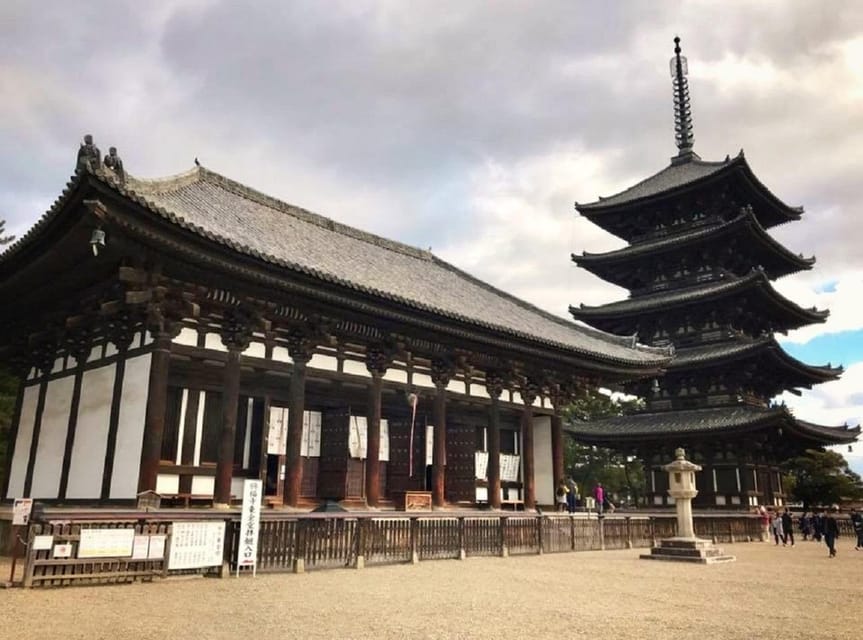
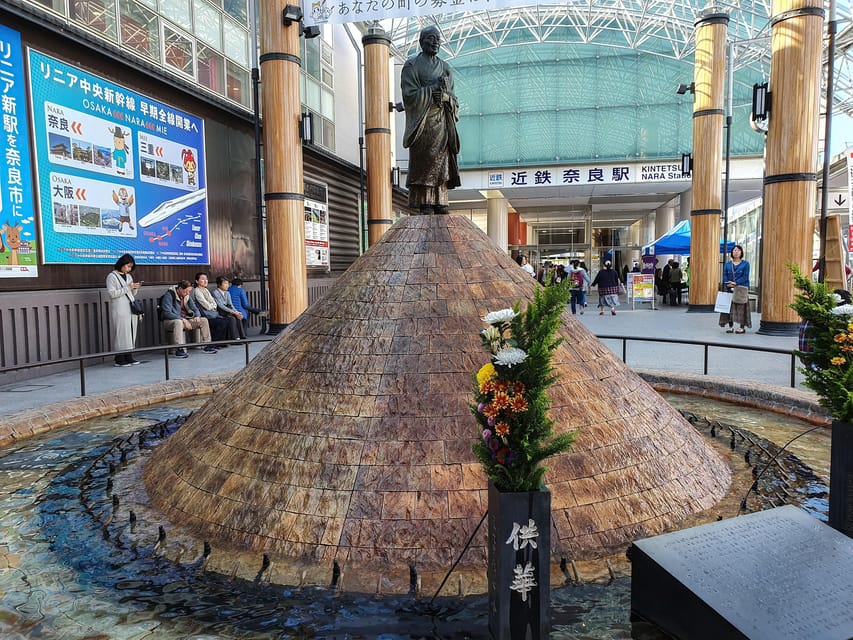
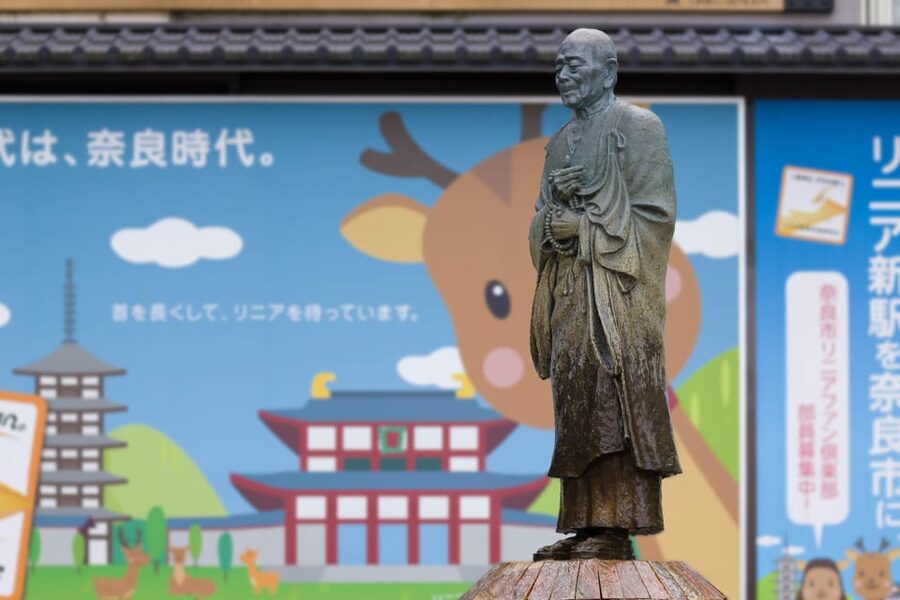
The first sightseeing stop is Kofukuji, with about 30 minutes for a guided visit. You also pass the Gyoki Statue, an important marker near the station area, before learning about the founding of Heijo-kyo, the imperial capital associated with ancient Nara.
This opening stop gives the rest of the day some context. Nara is not simply a park with deer and one enormous Buddha. Its temples and public spaces reflect the period when the city served as Japan’s political and cultural center.
Thirty minutes is enough for an introduction and a look around, but not enough for a slow, detailed study of every building. That is worth knowing if Kofukuji is your top priority. Here, the guide’s explanation matters more than a long independent visit, especially if you want the historical pieces connected rather than viewed as isolated monuments.
Meeting Nara’s free-roaming Sika deer
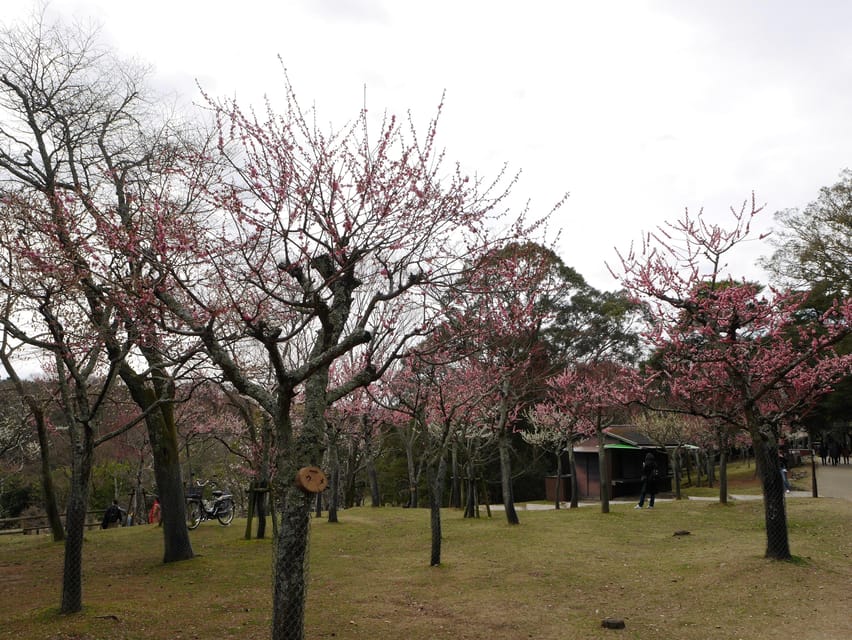
Nara Park is the day’s most playful stop. The deer move freely through the open green spaces, and you will have time to walk and take photographs before entering Todaiji.
The deer are considered sacred messengers of the gods in Shinto tradition and are widely seen as Nara’s symbol. Their presence changes the feel of the visit. You move through a large public park while watching for animals instead of simply walking from one gate to another.
You should carry cash because personal expenses are not included, and deer-related purchases may tempt you. Keep your attention on the animals and your belongings, especially while taking photos. The listed visit time is about 15 minutes, though the deer also form part of the walk toward Todaiji.
That short formal stop may feel brief if you want lots of photos. The good news is that Nara Park also appears naturally between the temple areas, so the deer are not limited to one tightly timed photo session.
More Temple & Shrine Tours in Kyoto
- Kyoto: Fushimi Inari, Kinkakuji, Bamboo Grove 1 Day Bus Tour
★ 4.8 · 4,316 reviews - Kyoto: Tea Ceremony in a Traditional Tea House in Kiyomizu
★ 4.9 · 3,519 reviews - Kyoto: Tea Ceremony Ju-An at Jotokuji Temple
★ 4.9 · 3,207 reviews - Fushimi Inari Hidden Hiking Tour (Private Option Available)
★ 5.0 · 1,750 reviews
Todaiji and the Great Buddha
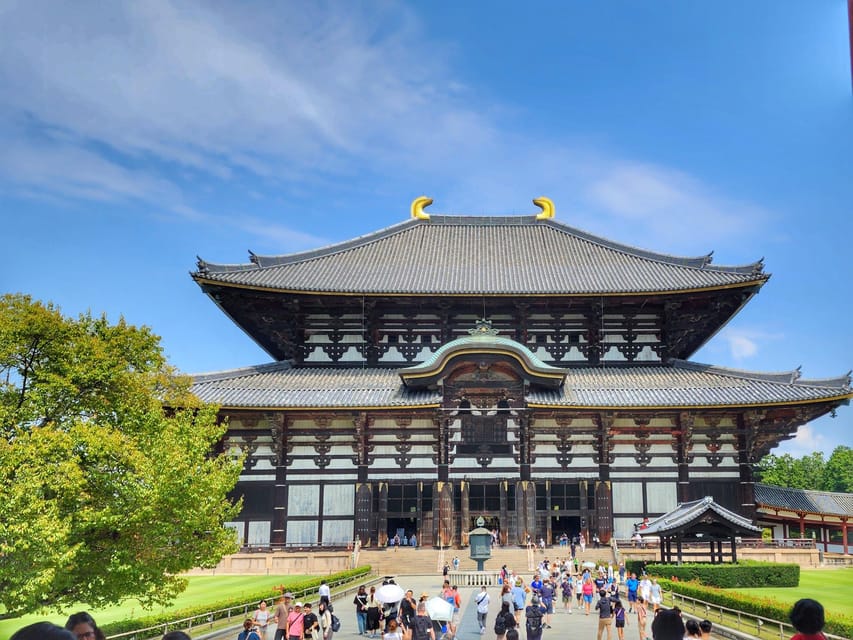
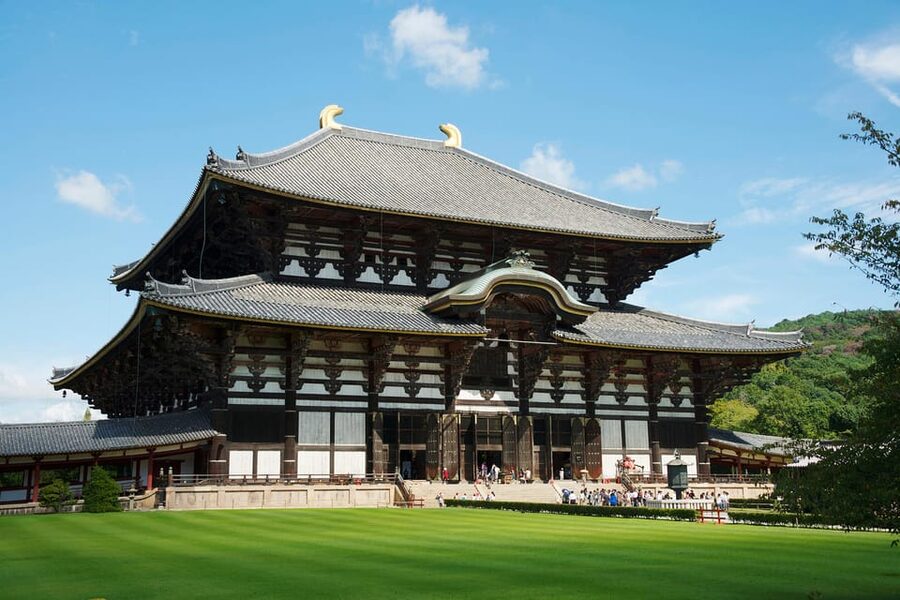
Todaiji is the day’s major landmark. This UNESCO World Heritage Site houses the Great Buddha, or Daibutsu, one of Japan’s largest bronze Buddha statues. You spend about an hour here with the guide.
The scale is the point. Todaiji is not a quick roadside temple visit. The building, grounds, and statue create a strong sense of ceremony, and a guide can explain why the site matters rather than leaving you to absorb only its size.
I would set aside mental room for this stop. The Great Buddha is visually powerful, but the value of the visit also comes from learning how Buddhism, imperial power, and Nara’s early development fit together. The supplied entrance fee covers Todaiji, so there is no separate temple admission to arrange during the day.
Because Todaiji is a major attraction, the schedule keeps the visit to about one hour. That is a sensible balance for a full-day tour, though travelers who want long periods for sketching, quiet observation, or detailed photography may prefer more independent time.
A local lunch at Kotoya Restaurant
Lunch is planned for about one hour at Kotoya Restaurant, where you can choose an optional traditional meal featuring local Nara specialties. The cost is around JPY 2,500 per person and is not included in the tour price.
This arrangement gives you flexibility. You can accept the traditional lunch for a simple, organized break, or bring your own food if you prefer to control the cost and menu. You should not assume the $183 price includes a meal.
The lunch stop also helps the day’s rhythm. After the crowds, open park, and enormous temple, a seated meal gives you time to rest and continue the conversation with your guide. Bring cash, since personal expenses and the optional lunch are paid separately.
If you are comparing this experience with cheaper group tours, add the lunch and rail fares before deciding. The total cost can rise, but you are paying for a private guide and a full day rather than only admission to a single attraction.
Kasuga Taisha and its rows of lanterns
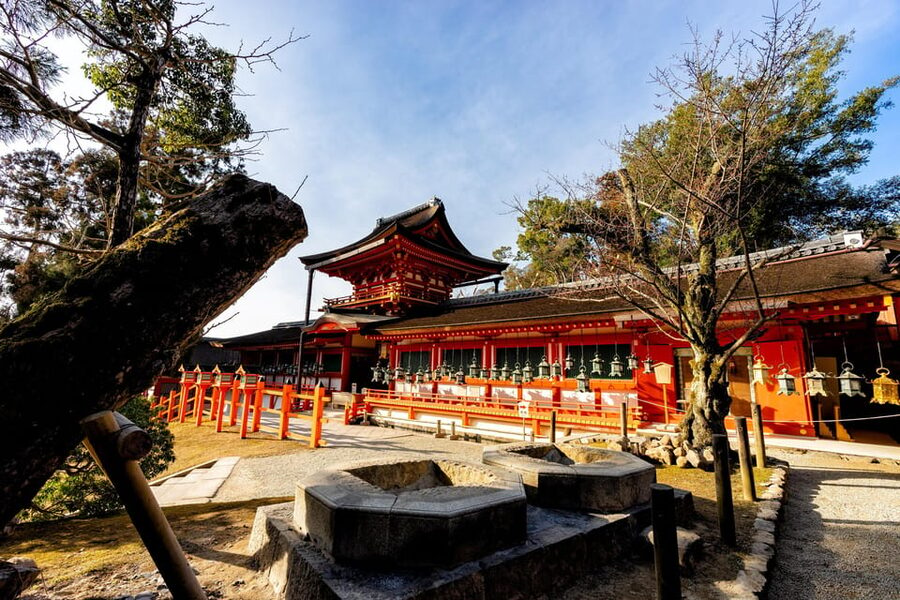
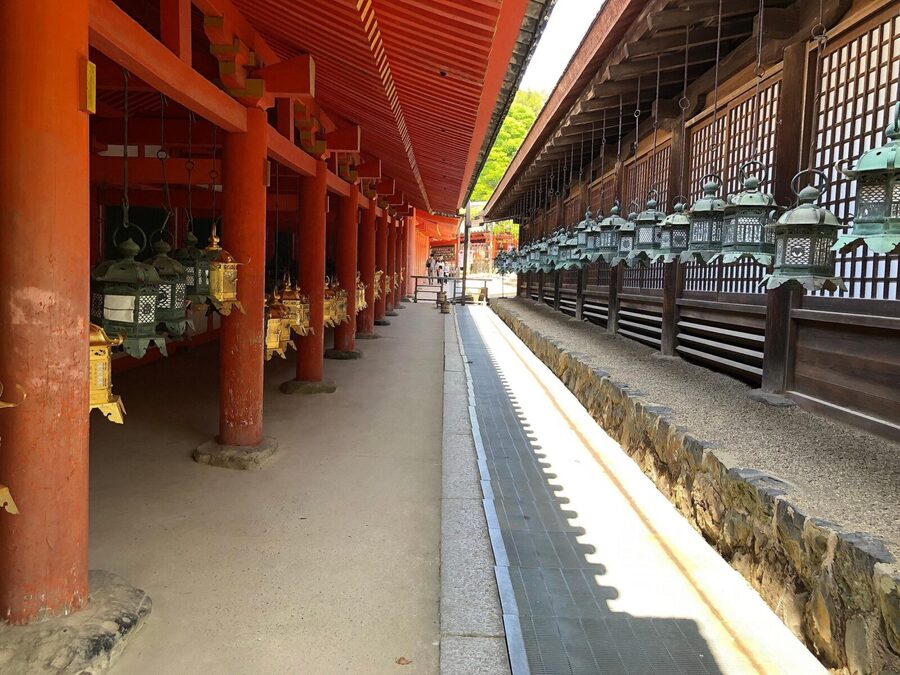
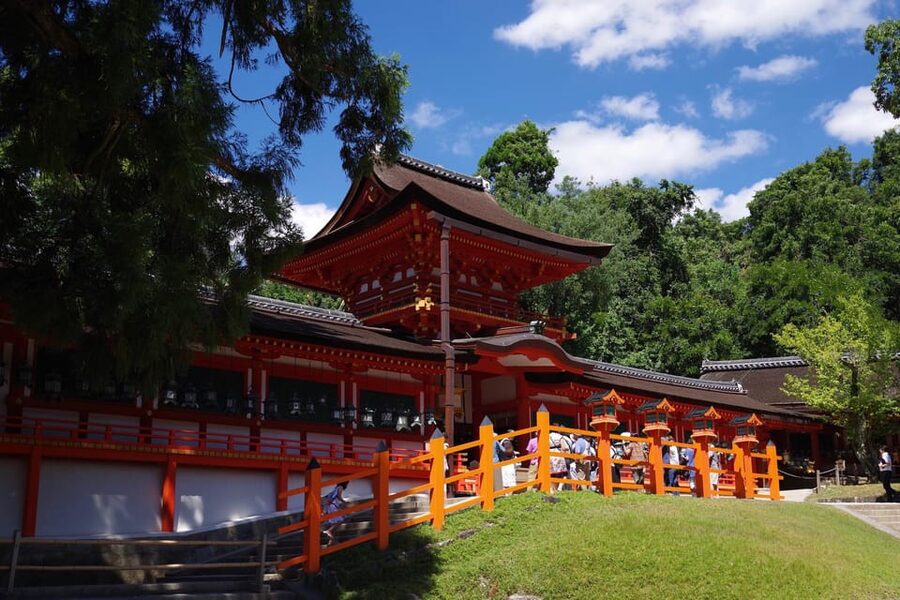
Kasuga Taisha brings a different mood from Todaiji. The shrine is known for thousands of hanging lanterns and a setting that feels more closely tied to Shinto worship and woodland paths.
Your guide leads a visit of about one hour. This is a useful contrast: Todaiji centers on a huge Buddhist statue, while Kasuga Taisha offers shrine architecture, lanterns, and Shinto traditions. Seeing both in one day helps you understand that Nara’s sacred identity is not limited to one faith or one monument.
The entrance fee for Kasuga Shrine is included. You can focus on the grounds and explanations without stopping to sort out another admission payment.
As with the other major sites, the fixed schedule has a tradeoff. You get a broad, well-chosen survey of Nara, but not unlimited time at every lantern, gate, or building. If you prefer a slow shrine visit, tell your guide early and see what can be adjusted.
Naramachi’s old merchant streets
The final major stop is Naramachi, where narrow lanes are lined with well-preserved traditional merchant houses. The area offers a change from grand religious sites and wide park paths.
This is where the day turns toward ordinary urban life. The old houses and tight streets give you a glimpse of the Edo period, when commerce and daily routines shaped the neighborhood. I like this stop because it rounds out the day: you see royal, religious, natural, and residential sides of Nara.
The visit lasts about an hour. You can walk at an easier pace, notice the house fronts, and ask your guide how the district fits into Nara’s past. It is also a good place to judge how much of the city survives beyond its best-known temples.
Naramachi is not presented as a long shopping session, so set your expectations accordingly. The value is the atmosphere and the preserved street pattern, not a long list of included shops or activities.
The guide makes the difference
The strongest part of this experience is the human element. Several guides have received especially warm praise for friendly service, clear explanations, flexibility, and the ability to answer questions about Nara and Japan.
Akiko has been described as helpful and flexible. Naoki is noted for attentive, warm guiding and explanations that connect the sights. Gustavo has been praised for explaining history, traditions, and culture clearly, as well as showing both familiar and less obvious points of interest. Alex is described as personable and well prepared, while Vincent receives praise for clear explanations.
Guide quality can vary from one departure to another, but the structure gives the guide plenty to do. This is not merely a ride to a set of gates. You need someone who can explain why deer are sacred, how Nara developed, and how Todaiji and Kasuga Taisha represent different religious traditions.
The available languages are English, French, and Spanish. If you have specific interests, such as Buddhist art, Shinto practice, architecture, or Japanese history, raise them early. A private format is most useful when you take advantage of the chance to ask.
What $183 includes, and what it does not
At $183 per person, this is a premium day trip from Kyoto. The price includes an English, French, or Spanish-speaking guide, admission to Todaiji and Kasuga Shrine, and snacks.
It does not include the train, lunch, hotel pickup, hotel drop-off, or personal expenses. The rail cost is about JPY 1,280 each way, and the optional Kotoya lunch is around JPY 2,500. That means the final cost is noticeably higher than the advertised price once the essential add-ons are counted.
Still, value depends on how you like to travel. If you want someone to handle the Nara rail connection, explain the sites, answer questions, and keep a private group moving through a full day, the added cost can make sense. If you already know Nara, speak Japanese comfortably, and prefer to set your own pace, independent travel will likely be cheaper.
The included entrance fees are useful, but they are not the main reason to book. The real purchase is time, structure, and personal guidance.
Who should book this Nara experience
I would recommend it to first-time visitors staying in Kyoto who want to see Nara’s main sights without planning every transfer. It is also a strong fit for couples, families with older children, and small private groups who value questions and flexible conversation.
You should book it if you want all four main experiences in one day: Kofukuji, Nara Park, Todaiji, Kasuga Taisha, and Naramachi. You should think twice if you dislike full sightseeing days, need long rests, or want to spend most of your time with the deer or inside one temple.
Wear comfortable shoes and bring a camera and cash. The schedule is a reference and may change, so keep some flexibility. Free cancellation is available up to 24 hours before the activity, and you can reserve now and pay later.
Should you book it?
Book this tour if a private guide and a tidy full-day plan are worth paying extra for. Nara’s deer, Todaiji, lanterns, and old merchant lanes make a strong day from Kyoto, and the route offers more range than a temple-only visit.
Skip it if your priority is the lowest possible price or complete control over timing. Remember to add train fares and lunch to the advertised cost. For an easy first visit with cultural context and a guide who can make the history feel approachable, this is a well-rounded choice.
FAQ
How long does the Nara tour last?
The experience lasts 8 hours, including the train journey from Kyoto to Nara and the return trip to Kyoto Station.
Where does the tour begin and end?
It begins and ends at the 7-Eleven Heart-In near the central entrance of JR Kyoto Station.
Is transportation from Kyoto to Nara included?
No. The train fare is not included. The guide assists with buying the ticket, and the stated fare is about JPY 1,280 each way. A JR Pass can be used.
Is lunch included?
No. You can choose a traditional lunch at Kotoya Restaurant for about JPY 2,500 per person or bring your own food.
Which languages are available?
The tour is offered with a live guide speaking English, French, or Spanish.
Are entrance fees included?
Admission to Todaiji Temple and Kasuga Shrine is included.
Can I cancel the booking?
You can cancel up to 24 hours in advance for a full refund. The activity also offers a reserve now and pay later option.
More Full-Day in Kyoto
- 5 Top Highlights of Kyoto Full Day Bike Tour (E-bike option)
★ 5.0 · 511 reviews - Full Day Biking Tour Exploring the Best of Kyoto
★ 5.0 · 498 reviews - Full Day Guided Tour to Kyoto and Nara from Osaka by Van
★ 5.0 · 420 reviews - Kyoto: Private Full-Day Tour by Car
★ 4.9 · 109 reviews
Just added around Kyoto
- Taste of Nishiki Market Walking Food Tour with Local guide★ 5.0 · 17 reviews
- Kyoto: Sushi Making Class with Sushi Chef★ 4.8 · 64 reviews
- Kyoto: City Secrets eBike Tour★ 4.9 · 196 reviews
- Sacred Pathways: Discover the Philosopher’s Path of Kyoto★ 4.9 · 20 reviews
- Private Tour to Monkey Park and Arashiyama Highlights★ 5.0 · 22 reviews
- Private Nara Tour from Osaka – Meet at Your Hotel★ 5.0 · 22 reviews
- Private Sake Tasting in Central Kyoto with Sake Sommelier★ 5.0 · 13 reviews
- Kyoto : Private Custom Walking Tour With A Local Guide★ 4.6 · 144 reviews
Nara Day Trips, compared.
World Heritage Kyoto & Nara Uji Authentic Matcha Experience
Read our review →
Kyoto/Osaka: Nara, Fushimi Inari Taisha, Arashiyama Bus Tour
Read our review →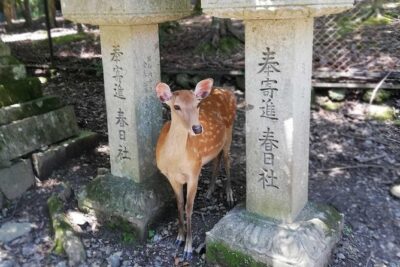
Nara Half Day Trip Walking Tour (Private Option Available)
Read our review →
Osaka/Kyoto: Arashiyama, Nara & Fushimi Inari Shrine w/Lunch
Read our review →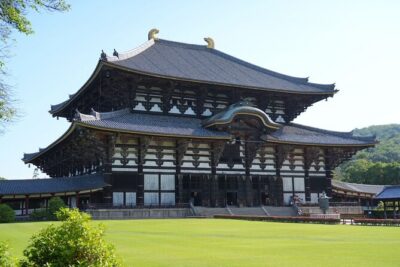
Nara Early Morning Tour (Kyoto or Osaka Departure Available)
Read our review →
Full Day Guided Tour to Kyoto and Nara from Osaka by Van
Read our review →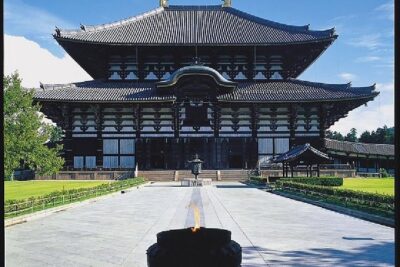
Browse the lists this tour appears in