
REVIEW · MUSEUMS
Kyomai Dance by Maiko Geiko and Visits of Gion Art Museum Kyoto
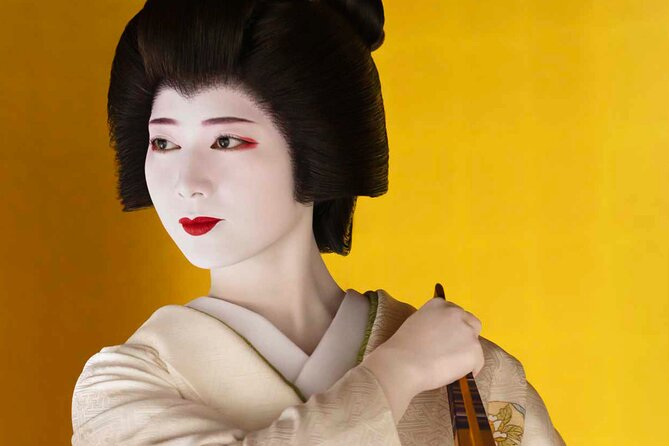
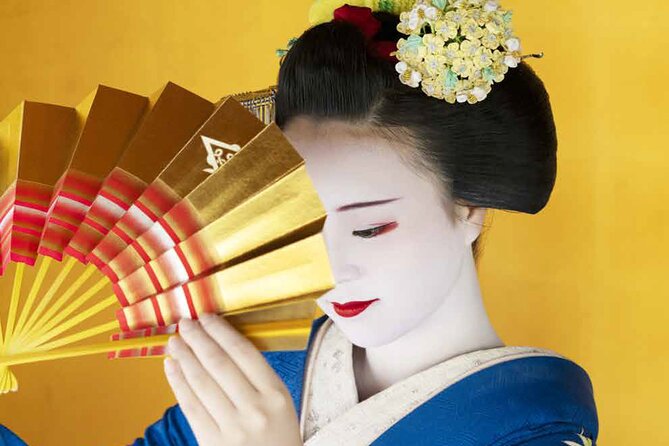
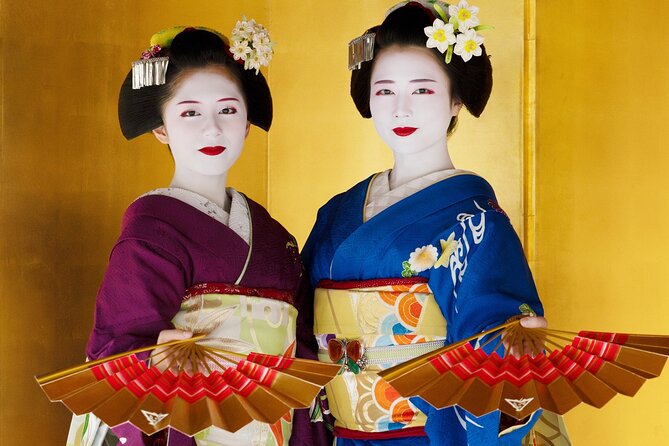
The main event here is a live Kyomai dance by a maiko or geiko, performed in the traditional Inoue style. The dance lasts about 15 minutes and includes two songs, but the visit also gives you time to see the Gion Kagai Art Museum and its displays of formal kimono, obi, hair ornaments, and maiko cosmetics.
I like the compact format and the setting. You can fit this into a busy Kyoto day, and the museum gives useful context before or after the performance. At $20, it is a fair way to get a close look at Gion culture without booking an expensive dinner or private entertainment.
The main drawback is the short running time. The dance is restrained and ceremonial, not a lively stage show, so you may find it too simple if you expect a long performance. The venue also asks you to remove your shoes, and you cannot photograph the dance unless you pay for the separate photo session.
In This Review
- Key points to know before booking
- A short window into Gion’s geiko culture
- Entering the Gion Kagai Art Museum
- The permanent exhibits: kimono, obi, and seasonal ornaments
- Watching the 15-minute Kyomai performance
- Why the museum should come before the dance
- Is $20 good value for Kyoto?
- How this compares with a larger cultural show
- Practical details that shape the visit
- Who will enjoy this most?
- Should you book the Gion Kagai Art Museum experience?
- FAQ
- How long does the experience last?
- What kind of dance will I see?
- Is museum admission included?
- Where does the activity begin and end?
- Can I take photographs during the dance?
- Can I cancel for a full refund?
Key points to know before booking
- The dance lasts about 15 minutes: You will see two songs performed by one maiko or geiko.
- The museum adds useful context: Exhibits explain geiko and maiko customs through kimono, obi, kanzashi, makeup, and personal items.
- The setting is part of the appeal: The experience takes place at the Gion Kagai Art Museum near Yasaka Club in Gion.
- The group is limited to 25 people: This helps keep the performance fairly intimate.
- Plan to arrive early: The museum is worth seeing before the dance, and several time slots are available during the day.
- Photography costs extra: Dance photography is not allowed, but a photo session costs 2,000 yen per group of up to five people.
A short window into Gion’s geiko culture
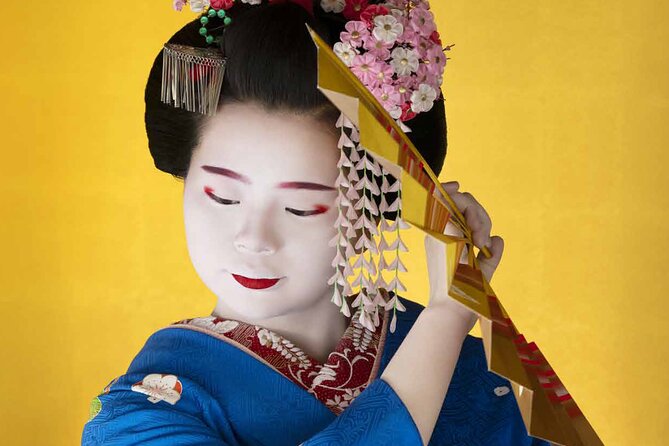
Kyoto’s Gion district is closely linked with geiko and maiko, the professional entertainers trained in music, dance, conversation, and traditional arts. The Gion Kagai Art Museum presents this world in a setting designed to help you understand the customs rather than simply watch a costumed performer pass by.
The performance is called Kyomai, or Kyoto Mai. It follows the Inoue style, a school associated with Gion Kobu. You will see one geiko or maiko perform two dances with singing, lasting about 15 minutes in total.
That timing matters. This is not a full evening of theater, and it does not attempt to recreate a private banquet entertainment session. Instead, it offers a brief, formal introduction that works well for visitors with limited time in Kyoto.
I think the best way to view it is as a cultural sample. You get the visual details, the music, and the controlled movement of the dance, then the museum helps explain what you have seen. If you approach it as a short traditional presentation rather than a dramatic show, the format makes more sense.
A few more Kyoto trips to weigh up
- Kyoto: Tea Museum Tickets and Matcha Grinding Experience
★ 4.9 · 739 reviews - Skip the lines Basic Ticket at SAMURAI NINJA MUSEUM KYOTO
★ 4.5 · 632 reviews - Kyoto : Geiko Maiko Dance of Kyoto & Visits of Gion Museum
★ 4.6 · 415 reviews
Entering the Gion Kagai Art Museum
The meeting point is the Gion Kagai Art Museum at Yasaka Club, 570-2 Gionmachi Minamigawa, in Kyoto’s Higashiyama Ward. The activity begins and ends at this same location, so you do not need to follow a guide through several parts of the district.
The museum admission is included, along with all fees and taxes for the performance. You receive a mobile ticket, which is handy if you are fitting the visit between Gion’s shrines, lanes, and restaurants.
Allow yourself enough time to find the entrance and settle in. One useful tip is to explore the permanent exhibit before the dance. That gives you a better frame of reference for the costume details, gestures, and objects you are about to see.
You should also expect to remove your shoes before entering the building. Wear socks if that matters to you, and avoid treating the entrance like a quick outdoor attraction. This is a traditional indoor setting, and the shoe-free rule is part of the visit.
The experience is near public transportation, and most people can take part. Service animals are allowed. The advertised maximum is 25 people, a manageable size for a small cultural presentation.
The permanent exhibits: kimono, obi, and seasonal ornaments
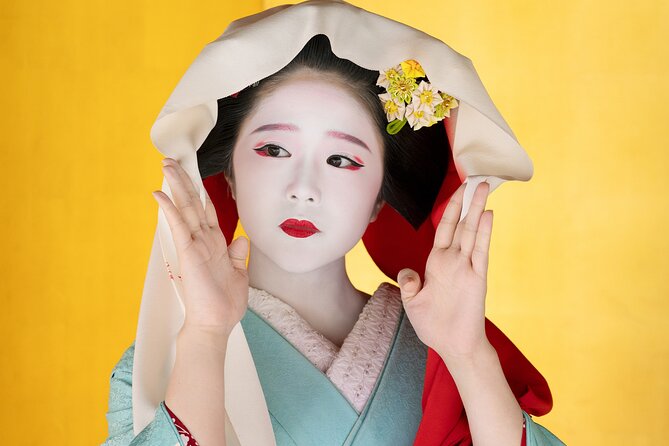
The permanent exhibit focuses on Kagai culture, the world of geiko and maiko districts. It uses objects rather than a long lecture to show how much work goes into the appearance and daily practice of these performers.
You can see hand-painted Yuzen kimono, Nishijin brocade obi sashes, and formal black crested kimono. These are not just attractive costumes. Their patterns, fabrics, and styling help show the care given to different seasons and occasions.
The museum also displays kanzashi, the decorative hair ornaments worn by maiko. Seasonal kanzashi are especially interesting because the ornaments change through the year. They offer a small but clear example of how traditional Japanese aesthetics connect clothing, nature, and the calendar.
Other items include personal belongings and makeup used by maiko. These displays make the subject more practical. Instead of seeing a maiko only as a distant figure in a busy street, you get a look at the tools and objects connected with her work.
The museum also has a beautiful garden. It is not the main reason to book this activity, but it gives you a quiet place to pause and look around. It can also help younger children stay interested for a little longer, though the exhibit itself may not hold the attention of small children for very long.
Watching the 15-minute Kyomai performance
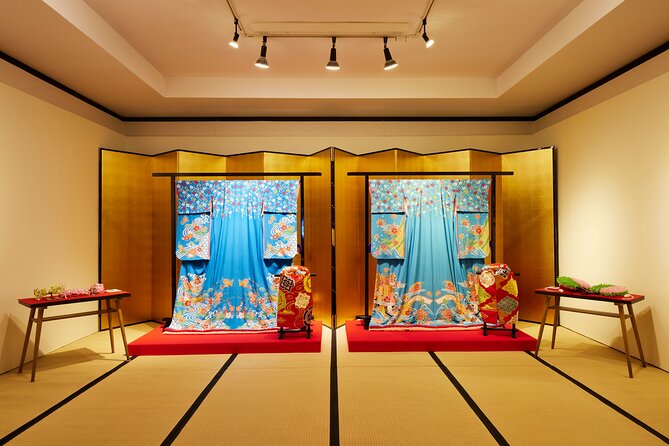
The dance takes place in an atmospheric banquet room. Seating and viewing arrangements can vary, but the limited group size means you should have a reasonable chance to see the performer up close.
The maiko or geiko performs two songs in the Inoue style. Expect careful gestures, controlled footwork, formal posture, and a measured pace. The appeal is in the precision and restraint, not in large movements or rapid changes.
This is an important expectation to set. If you want a flashy performance with a long story, this may feel brief and understated. One performance can seem simple, especially if you have never seen Kyomai before and do not know what details to watch.
For me, the short length is also a strength. You can pay attention without fatigue, and the presentation does not take over your day. It is especially useful on a first night in Kyoto, when you want a cultural activity but still plan to walk through Gion afterward.
Children can attend, but quiet behavior is expected during the dance. The performance is not built around audience participation, so younger children may enjoy the costumes and music more than the formal choreography. The garden provides a useful break before or after the show.
Photography during the dance is not allowed. If you want a posed photo with the maiko, the separate session costs 2,000 yen per group, with a maximum of five people. That can be a worthwhile extra for a family or small group, but it changes the price calculation.
Same city, a completely different kind of day:
- PERFECT KYOTO 1-Day Bus Tour
★ 5.0 · 13,518 reviews - Kyoto: Fushimi Inari, Kinkakuji, Bamboo Grove 1 Day Bus Tour
★ 4.8 · 4,316 reviews - Kyoto: Tea Ceremony in a Traditional Tea House in Kiyomizu
★ 4.9 · 3,519 reviews - Kyoto Geisha Walking Tour: Gion District & Hidden Gems
★ 4.7 · 3,273 reviews
Why the museum should come before the dance
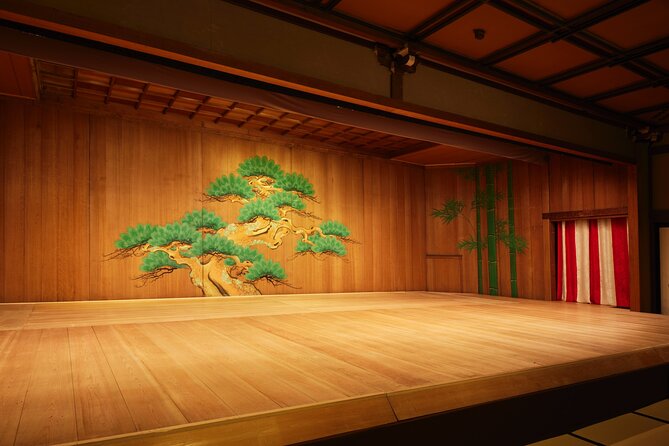
You can see the performance first and then visit the exhibits, but I would reverse that order whenever possible. The objects in the museum help you notice more during the dance.
Look at the shape of the kimono, the obi, the hair ornaments, and the makeup displays. Then watch for how the performer’s clothing affects her movement. The heavy fabric, long sleeves, hairstyle, and formal posture all become easier to understand when you have just seen the related items in the museum.
This approach also keeps the dance from feeling detached from the rest of the experience. Without context, you may see a graceful figure performing a short routine. With the museum first, you get a clearer sense of the training, clothing, and traditions behind the presentation.
The museum is not huge, so you do not need several hours. Arriving early gives you time to read the displays, look at the garden, and enter the performance room without rushing. Several performance times are offered during the day, according to the available schedule.
Is $20 good value for Kyoto?
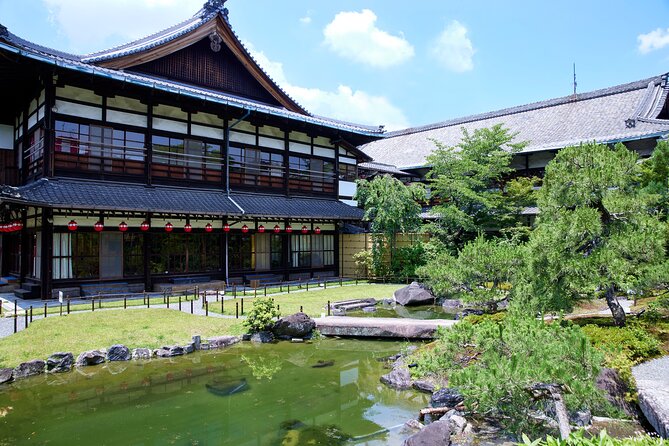
At $20, this experience is priced below many longer organized cultural activities in Kyoto. You are paying for two things: admission to the museum and the live dance.
The value is strongest if you want a direct introduction to geiko and maiko culture. A short dance alone might feel expensive if it lasts only 15 minutes, but the museum gives you a second part to explore. The included admission also saves you from buying separate entry.
The optional photo session requires a separate 2,000 yen payment. If you skip it, the $20 price remains straightforward. If you add it, the cost makes more sense for a group that really wants a keepsake rather than a casual snapshot.
You should also remember what this price does not buy. It does not include a meal, a private conversation, a long explanation from a personal guide, or an extended stage performance. You are purchasing a brief public cultural program in a museum setting.
That makes it a good budget choice for first-time visitors, families, and people who want to add one traditional activity to a day in Gion. It is less suitable if you are looking for an in-depth study of the arts or a full evening of entertainment.
How this compares with a larger cultural show
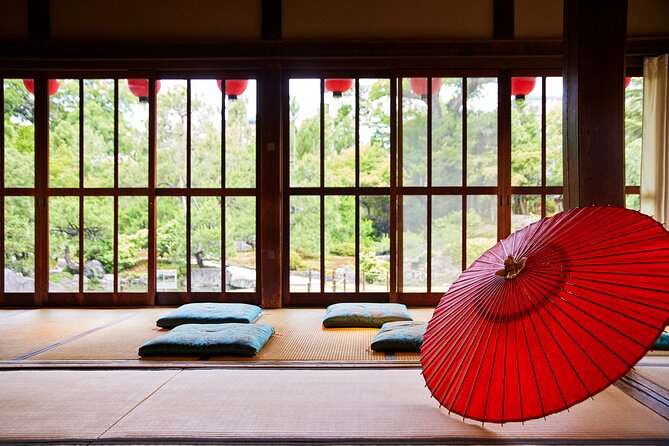
Kyoto has several seasonal dance performances and larger theater programs. Those can offer more dancers, longer running times, and a broader production.
This museum visit gives you something different. The group is smaller, the performance is close, and the museum puts attention on everyday objects and clothing. You will not get the scale of a theater production, but you may get a more personal sense of the performer and her costume.
The compact format is also easier to fit into your schedule. You can combine it with a walk through Gion, nearby temples, or dinner. Since the activity returns to the meeting point, you are free to continue exploring on your own afterward.
I would choose this experience for a first taste. If you already know Kyomai well or have attended a longer traditional dance program, the brief presentation may feel limited.
Practical details that shape the visit
The entire activity lasts approximately 20 minutes, with the dance itself taking about 15 minutes. That leaves only a short amount of time for entry and the museum unless you arrive early.
Your confirmation is provided at booking, and the mobile ticket helps keep the process simple. The group limit is 25 people, though the exact room arrangement determines how close you sit to the performer.
The activity starts and finishes at the Gion Kagai Art Museum. There is no separate transport between stops. You should plan your own route to Yasaka Club and allow time to locate the entrance in Gion.
Free cancellation is available if you cancel at least 24 hours before the local start time. Cancellations within 24 hours are not refunded, and late changes are not accepted.
Who will enjoy this most?
I would recommend it to you if you have a clear interest in Japanese traditional arts, costume, or Gion’s entertainment culture. It is also a good choice if you want something structured but short.
Families can make it work, especially if children enjoy gardens, colorful clothing, or brief performances. Younger children may lose interest during the exhibit, and everyone should be prepared to remain quiet during the dance.
It also suits photographers and design-minded visitors, with one warning: you cannot photograph the performance itself. You can pay for the separate photo session, but casual phone photography is not part of the show.
The experience may not satisfy you if you expect to meet or speak at length with a geiko or maiko. The focus is watching the performance and viewing the museum, not personal interaction.
Should you book the Gion Kagai Art Museum experience?
Book it if you want an affordable, well-contained introduction to Kyoto’s geiko and maiko traditions. The combination of museum exhibits, a garden, and a live Inoue-style dance gives you more than a quick street sighting, while the 20-minute format leaves plenty of time for the rest of your day.
I would arrive early, visit the permanent exhibit first, and treat the dance as a quiet formal art rather than a big show. That approach gives the experience its best chance to work.
Skip it if you need a long performance, a meal, or extensive personal explanation. For everyone else, especially first-time visitors to Kyoto, this is a sensible way to see a small but meaningful part of Gion culture at a reasonable price.
FAQ
How long does the experience last?
The full activity lasts approximately 20 minutes. The Kyomai dance performance itself lasts about 15 minutes and includes two songs.
What kind of dance will I see?
A maiko or geiko performs Kyomai in the Inoue style, a traditional Kyoto dance style associated with Gion Kobu.
Is museum admission included?
Yes. Admission to the Gion Kagai Art Museum and the dance performance are included, along with all fees and taxes.
Where does the activity begin and end?
It begins and ends at the Gion Kagai Art Museum, Yasaka Club, located at 570-2 Gionmachi Minamigawa, Higashiyama Ward, Kyoto.
Can I take photographs during the dance?
No. Photography during the dance is not allowed. A separate photo session costs 2,000 yen per group of up to five people.
Can I cancel for a full refund?
Yes, if you cancel at least 24 hours before the experience start time. Cancellations or changes made within 24 hours are not accepted, and the amount paid is not refunded.
Just added around Kyoto
- Private Guided Traditional Buddhist Cooking in Japan★ 5.0 · 16 reviews
- Kyoto: Gion Geisha District & Sake-in-Hand Walking Tour★ 5.0 · 37 reviews
- Your Private Vacation Photography Session In Kyoto★ 5.0 · 110 reviews
- Kyoto: Zen Meditation at a Private Temple with a Monk★ 5.0 · 25 reviews
- Traditional Japanese Washi Papermaking- Kyoto morning★ 5.0 · 77 reviews
- Kyoto Wagashi(Japanese sweets) Cooking Class near Fushimiinari★ 5.0 · 60 reviews
- Private Pewter Sake Cup Experience with a Kyoto Artisan★ 5.0 · 31 reviews
- Kyoto Private 6 hour Tour: English Speaking Driver Only, No Guide★ 5.0 · 88 reviews
Museums, compared.

teamLab Planets TOKYO Digital Art Museum Entry Ticket
Read our review →
Samurai Ninja Museum Guided tour and Experience
Read our review →
Tea Museum Tickets and Matcha Grinding Experience
Read our review →
Skip the lines Basic Ticket at SAMURAI NINJA MUSEUM KYOTO
Read our review →
Ninja Experience (Family Friendly) at Samurai Ninja Museum TOKYO
Read our review →
Tokyo Studio Ghibli Museum and Ghibli Film Appreciation Tour
Read our review →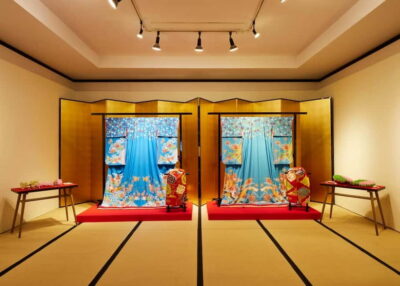
Geiko Maiko Dance of Kyoto & Visits of Gion Museum
Read our review →
Tokyo Sword Experience – includes Museum Ticket/Ninja Experience
Read our review →Browse the lists this tour appears in