
REVIEW · WALKING TOURS
Hiroshima: Private Walking Tour with a Local
Hiroshima is a city where a local companion can change the whole feel of a visit. Instead of following a fixed script, you walk privately with a Lokafyer who shapes the day around your questions, from the Peace Memorial Park to a favorite okonomiyaki lunch or a quiet garden.
I like the one-to-one format, which makes it easy to ask about difficult history without holding up a group. I also like the practical local advice: guides such as John, Nora, Ram, Sriram, and Shinichi have helped visitors find food, gardens, and useful places beyond the main sights. The main drawback is that this is not a set sightseeing route, so the experience depends on your guide, your communication before the tour, and how clearly you explain what you want.
In This Review
- Key points to know before you book
- A private introduction to Hiroshima
- Starting near the Peace Memorial Museum
- What a 3 to 6 hour walk can cover
- Hiroshima through personal stories
- Food, gardens, and everyday places
- The value of paying $82 per person
- Walking demands and accessibility
- How to get the best guide match
- Who should book this Hiroshima walk?
- Should you book it?
- FAQ
- How long does the private Hiroshima walking tour last?
- Where can the Lokafyer meet me?
- Is transportation included?
- Is the tour private?
- Is the tour offered in English?
- Are entrance fees included?
- Are meals and drinks included?
- Is the tour suitable for children and wheelchair users?
Key points to know before you book
- Your route is built around you: Choose history, food, gardens, neighborhoods, shopping, street culture, or a broad first look at Hiroshima.
- The Peace Memorial area can anchor the walk: Pickup may be arranged at the Hiroshima Peace Memorial Museum, with the day continuing through nearby sights and scenic streets.
- Local guides bring personal stories: Shinichi once shared family insight into Hiroshima’s difficult rebuilding period after 1945.
- Food can be part of the plan: Past outings included okonomiyaki and a one-pot restaurant, though meals are paid separately.
- Plan for a real walk: The tour lasts 3 to 6 hours, includes no car transport, and calls for comfortable shoes.
- You get privacy and flexibility: It is a private English-language tour, wheelchair accessible, with free cancellation up to 24 hours before the start.
A private introduction to Hiroshima
The strongest idea here is simple: you do not get a standard Hiroshima tour. You get time with one local person who can help you decide what matters most.
That difference is useful in Hiroshima. The city has major sites that deserve quiet attention, but it also rewards small detours. You may want a serious morning around the Peace Memorial Park, a meal of local food, a garden you would not have found alone, or practical advice for the rest of your stay. A fixed route cannot easily handle all of that. A private walk can.
The format is relaxed rather than academic. Your Lokafyer is described as a passionate local, not a traditional licensed guide delivering a memorized speech. That means the best parts may come through conversation: asking how a neighborhood feels today, learning about everyday Japanese customs, or hearing a personal connection to Hiroshima.
The tradeoff is worth understanding. You are not buying a guaranteed list of monuments or a specialist lecture. You are paying for a flexible local introduction. If you want exact historical coverage, precise dates, and a formal museum-style presentation, you may prefer a conventional guided tour.
More Walking Tours in Hiroshima
- Hiroshima Historical Walking Tour – Why A-Bomb was Dropped
★ 4.8 · 893 reviews - Hiroshima Peace (Heiwa) Walking Tour at World Heritage Sites
★ 5.0 · 872 reviews - Hiroshima City 4hr Private Walking Tour with Licensed Guide
★ 5.0 · 437 reviews
Starting near the Peace Memorial Museum
Two suggested meeting points are Ristorante Mario and the Hiroshima Peace Memorial Museum. You can also request a meeting at your hotel, Airbnb accommodation, an iconic landmark, or a quiet café, provided it is in or near the city center.
Starting at the museum makes sense for a first visit. The Peace Memorial Park gives you a clear way into Hiroshima’s past, and a local companion can help you understand how the individual monuments and open spaces fit together. One earlier outing moved through the park and finished at the museum, while another used the park as an easy first look at the city after arrival.
You should tell your guide in advance how you want to handle this area. Some people want a careful walk through the memorial sites before visiting the museum. Others prefer to see the museum on their own and use the walking time for discussion afterward. Since entrance fees are not included, you pay your own admission and also cover the Lokafyer’s entrance if you ask the guide to join you inside an attraction.
That last detail matters for budgeting. The private guiding fee covers the walk, not admission tickets. If your plan includes several paid sights, the total cost will rise.
What a 3 to 6 hour walk can cover
The advertised duration is broad, from three to six hours. That is a benefit if your schedule is flexible, but it also means you should confirm the length you want when booking.
A three-hour version works well as an orientation. You can focus on the central sights, ask questions, and get recommendations for meals and later sightseeing. This is a sensible choice if you arrive in Hiroshima with only a day and want help using your time well.
Four to six hours allows more breathing room. You can spend longer around the memorial area, stop for food, visit a garden, or add a neighborhood walk. Past outings included a beautiful garden that one visitor would not have found alone, as well as a tasty okonomiyaki lunch. Another guide, Sriram, showed visitors a one-pot restaurant and joined them for dinner.
Meals and drinks are not included, so treat those stops as optional additions rather than part of the basic price. It is also wise to say if you want to eat during the walk. A food stop changes the pace and uses part of your tour time, but it can be one of the most useful ways to understand Hiroshima as a lived-in city rather than only a place of memorials.
Hiroshima through personal stories
The most praised feature of this experience is the human connection. Several guides received strong marks for being easy to talk with, approachable, and attentive. Nora, for example, was appreciated for discussing both Hiroshima and Japan more broadly, while Yumi helped create an easy, comfortable atmosphere.
That kind of exchange can be especially valuable in Hiroshima, where the subject matter is heavy. A local guide who listens can adjust the tone. You can ask direct questions, pause when you need to, or shift toward daily life and food if the memorial sites become emotionally tiring.
Shinichi offered a particularly personal angle during one outing, sharing a family story connected to the period of rebuilding after the 1945 bombing. You should not assume your assigned guide will have the same family connection, but this example shows what the private format can make possible. You have room for a conversation that would rarely fit into a large group tour.
John was praised for moving at a relaxed pace between sites while explaining Hiroshima’s history. That is a useful quality in a walking tour. You want enough information to make the places meaningful, but not so much that the day becomes a race from one explanation to the next.
Same city, a completely different kind of day:
- Peaceful Hiroshima & Miyajima UNESCO 1 Day Bus Tour
★ 5.0 · 5,309 reviews - Hiroshima: Hiroshima and Miyajima UNESCO Sites 1-Day Tour
★ 4.9 · 2,330 reviews - Hiroshima / Miyajima Full-day Private Tour with Government Licensed Guide
★ 5.0 · 1,298 reviews - Hiroshima in a Nutshell: Morning Bike Adventure
★ 5.0 · 524 reviews
Food, gardens, and everyday places
A good local walk should give you more than a list of famous sights. This one can be shaped around the parts of Hiroshima you are most curious about.
Food is an obvious choice. Okonomiyaki appeared in one outing, and another included a one-pot restaurant. These meals are not included, and the exact restaurant depends on your guide and your preferences. Still, asking for local food advice can give you a practical payoff long after the tour ends.
Gardens and quieter places are another possible focus. One guide took a visitor to a beautiful garden that was not part of their original plan. That is exactly where a local companion can help: not by promising a secret attraction, but by noticing what fits your pace and interests.
You can also ask about street art, local culture, shopping, or cafés. The experience description specifically allows for a hidden courtyard café, neighborhood stories, and suggestions for where to wander. These details may sound small, but they help you see Hiroshima outside its best-known memorial sites.
Keep your expectations measured. The tour does not promise a particular café, garden, or restaurant. It promises a customized walk. The quality of the match between your interests and the guide’s local knowledge will shape the result.
The value of paying $82 per person
At $82 per person, this is not the cheapest way to see Hiroshima. You can visit much of the central area independently, especially if you are comfortable using a map and doing your own reading.
The price makes more sense for two reasons. First, the group is private, so the cost buys personal attention rather than a place in a large group. Second, the route can serve several purposes at once: orientation, historical context, food advice, neighborhood suggestions, and help with the rest of your itinerary.
For a solo visitor, the price may feel high. For a couple or small private group, it can be easier to justify because the experience is shared while remaining tailored. Families may also value the flexibility, especially since children younger than three go free and children aged 3 to 12 receive a 50 percent discount.
Remember to add possible entrance fees, meals, drinks, personal expenses, and local transport if you use any outside the walking route. The tour itself includes no city transportation. If you request a museum or other paid attraction, you also cover the Lokafyer’s admission.
I see the best value for someone with limited time, a strong interest in conversation, or a need for a gentle first orientation. If you already know Hiroshima well and only want a formal expert lecture, the price may not suit your priorities.
Walking demands and accessibility
This is a walking tour, and the duration can reach six hours. Comfortable shoes are essential. You should also tell the provider about your preferred pace and any mobility needs when arranging the meeting.
The activity is listed as wheelchair accessible, but the actual comfort of a route can depend on the streets, stops, and attractions you choose. Ask for a route suited to your needs rather than accepting a broad plan without discussion.
Pickup is included within or near the city center. That can remove one small travel headache at the start of the day. You might meet at your hotel, an Airbnb, Ristorante Mario, the Hiroshima Peace Memorial Museum, a landmark, or a café.
No transport is supplied during the walk. If you want to cover widely separated parts of Hiroshima, you need to discuss how realistic that is on foot or arrange local transport separately.
How to get the best guide match
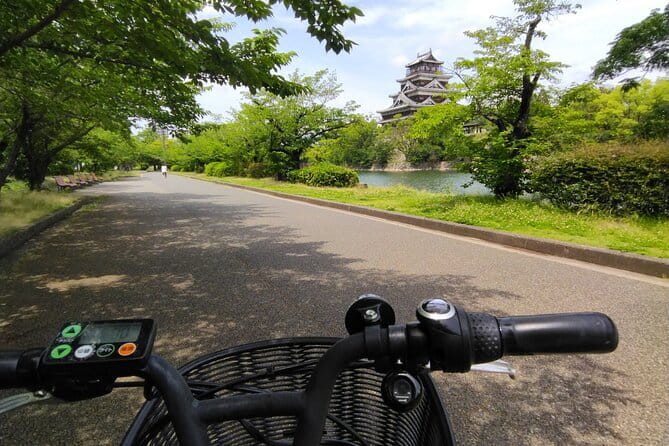
The tour becomes better when you give the provider useful information before you arrive. You can request a specific start time, and you should also state your interests clearly.
Tell them if you want:
- A serious focus on the Peace Memorial Park and Hiroshima’s past
- Food recommendations and a meal during the walk
- Gardens and quieter scenic places
- Japanese customs and everyday life
- Shopping, cafés, street art, or local culture
- A broad first-day orientation
- A slower, wheelchair-friendly route
The guide roster varies. Past assignments have included John, Nora, Ram, Sriram, Shinichi, and Yumi, with different strengths and styles. Nora was praised for her interest in Japanese culture, Ram for knowing the city and surrounding areas, and Shinichi for careful attention to detail. Those names are useful examples, but they do not guarantee who will lead your tour.
I would also prepare a short list of questions. Ask where to eat after the walk, which sights deserve more time, how to spend your remaining day, or what local habit you have noticed but do not understand. A private guide is most useful when the conversation has somewhere to go.
Who should book this Hiroshima walk?
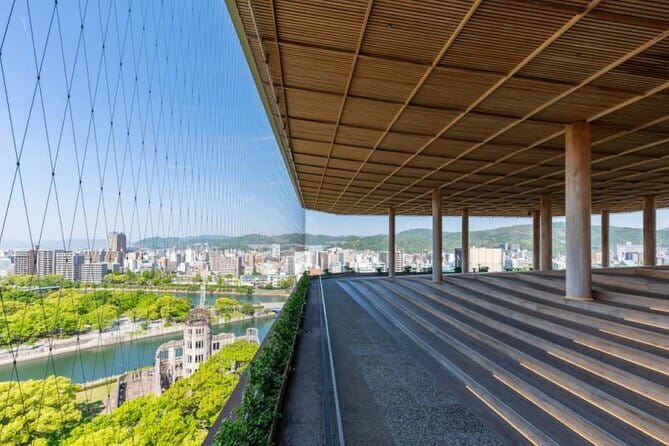
This experience suits a first-time visitor who wants help getting oriented without joining a large group. It is also a good match for someone who values personal stories and practical advice more than a tightly timed checklist.
Families can benefit from the private pace. Couples and friends may enjoy shaping the day around food or neighborhoods. Solo visitors get a local conversation partner and can ask as many questions as the time allows.
You may want a different tour if you need guaranteed stops, a fixed historical curriculum, or included admissions and meals. You should also think twice if you dislike walking or want transport between sights.
The overall rating is 4.6 from 70 reviews, with especially strong praise for approachable guides, useful historical explanation, relaxed pacing, and flexible planning. A few comments also point to the limits: one meeting had difficulties, and one visitor wanted more time on local history. Those are reminders to confirm the meeting details and state your depth of interest before the day begins.
Should you book it?
Book this tour if you want Hiroshima to feel personal and if you are willing to help shape the day. It is a strong choice for a first visit, a short stay, or anyone who wants local food and neighborhood advice alongside the memorial sites.
I would choose the three-hour option for a focused orientation and the longer version if you want time for a garden or meal. Give the guide clear priorities, budget separately for admissions and food, and wear shoes suited to a long walk. If you prefer a fixed route with guaranteed sights, this flexible format may frustrate you. If you want a thoughtful local introduction, it can be money well spent.
FAQ
How long does the private Hiroshima walking tour last?
The tour lasts between 3 and 6 hours. You should check available starting times and request the duration that fits your schedule.
Where can the Lokafyer meet me?
The Lokafyer can meet you at a preferred location in or near Hiroshima’s city center. Options include your hotel, Airbnb accommodation, an iconic landmark, or a quiet café. Suggested meeting points include Ristorante Mario and the Hiroshima Peace Memorial Museum.
Is transportation included?
No. This is a walking tour, and car transportation is not included. Local transportation used outside the walking route is also not included.
Is the tour private?
Yes. The activity is for a private group and has no fixed shared route.
Is the tour offered in English?
Yes. The live tour guide language is English.
Are entrance fees included?
No. Entrance fees are not included. If you ask the Lokafyer to enter an attraction with you, you must also cover the guide’s entrance cost.
Are meals and drinks included?
No. Meals and drinks are not included. You may be able to include a food stop, such as okonomiyaki or another local meal, but you pay for it separately.
Is the tour suitable for children and wheelchair users?
The activity is listed as wheelchair accessible. Children under 3 are free, and children aged 3 to 12 receive a 50 percent discount. Comfortable shoes are recommended because the experience takes place on foot.
Just added around Hiroshima
- The Journey of Hiroshima from Tragedy to Peace★ 4.8 · 44 reviews
- Miyajima: Private Rickshaw Tour to Itsukushima Shrine★ 4.9 · 45 reviews
- Hiroshima: Miyajima Half-day Historical Walking Tour★ 4.7 · 100 reviews
- Hiroshima:Guided Virtual Tour/PEACE PARK TOUR VR★ 5.0 · 29 reviews
- Hiroshima/Miyajima Private Custom Tour with Local Guide★ 5.0 · 134 reviews
- Hiroshima: Saijo Sake Tasting at 7 Breweries Guided Tour★ 4.8 · 29 reviews
- Hiroshima: Tour of Atomic Bomb Dome & Peace Memorial Museum★ 5.0 · 20 reviews
- Hiroshima to Miyajima: Private Custom Tour with Ferry Ride★ 4.9 · 77 reviews
Walking Tours, compared.
Kyoto Geisha Walking Tour: Gion District & Hidden Gems
Read our review →
Tokyo Tsukiji Fish Market Food and Culture Walking Tour
Read our review →
Gion Magical Night Walking Tour with Geisha Trivia
Read our review →
Imperial Palace and Shogun Historical Walking Tour
Read our review →
Gion Geisha District Walking Tour – Stories of Geisha
Read our review →
Asakusa Walking Tour with Sensoji Temple Visit
Read our review →
Kyoto Gion Geisha District Walking Tour – The Stories of Geisha
Read our review →Browse the lists this tour appears in