
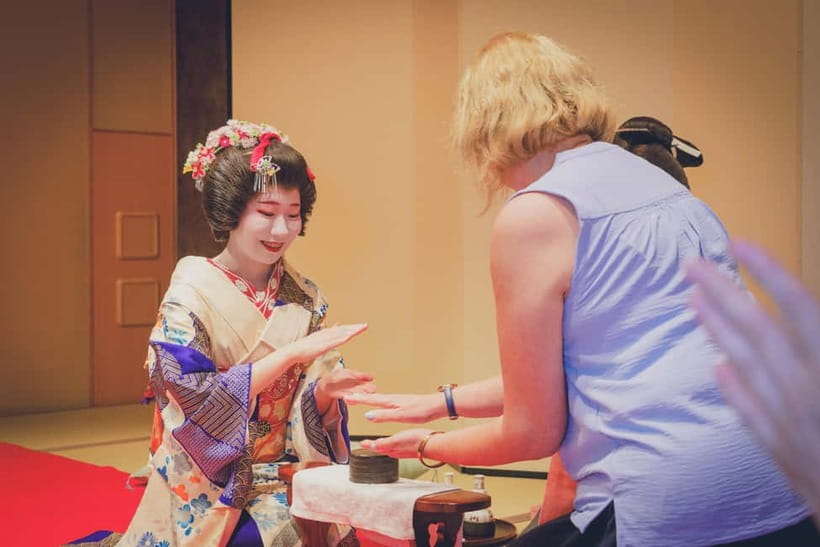
REVIEW · KIMONO & CULTURE EXPERIENCES
Asakusa: Geisha Performance and Tea House Experience
The rare treat here is direct contact with real geisha in an Asakusa tea house, not a staged photo stop. You watch a formal dance with live shamisen music, then move into the cheerful world of ozashiki-asobi, where a traditional game gets everyone laughing.
I especially like the blend of polished performance and easy conversation. I also like that the 75-minute visit includes matcha, seasonal sweets, and a photo, so you leave with both a cultural memory and a keepsake. The main consideration is the extra drink charge: each person must order one alcoholic or non-alcoholic drink beyond the complimentary matcha.
In This Review
- Key points to know before booking
- Meeting geisha in Asakusa
- The dance and shamisen performance
- Asking questions about geisha life
- Playing Konpira Fune Fune
- Matcha, seasonal sweets, and the final photo
- What the $106 price means
- Timing, transport, and planning
- Who will enjoy this experience most
- Should you book the Miyakodori geisha experience?
- FAQ
- Where does the geisha experience take place?
- How long does the experience last?
- What performances are included?
- Can I speak with the geisha?
- What is Konpira Fune Fune?
- Is matcha included?
- Do I have to buy a drink?
- Is transportation included?
- Can I cancel or pay later?
Key points to know before booking
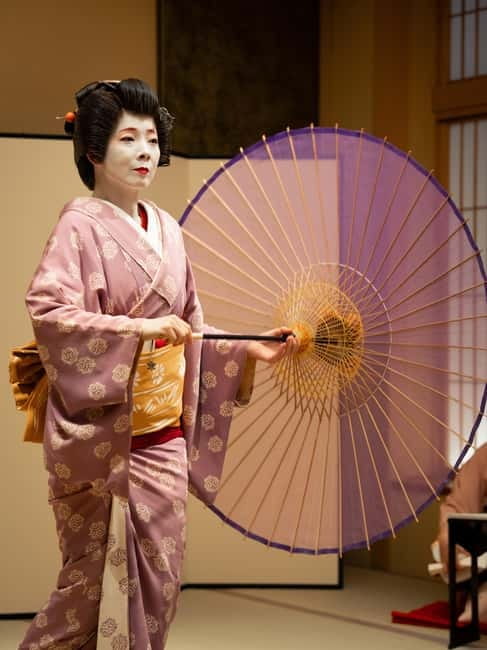
- Real performers, not costumed entertainers: Meet geiko Chizuru and maiko Tamaaki when they are scheduled to appear, with shamisen accompaniment by Shisa.
- A compact 75-minute format: The visit gives you performance, conversation, a game, sweets, tea, and a photo without taking up half a day.
- Konpira Fune Fune adds fun: This traditional ozashiki-asobi game turns a formal cultural setting into a friendly group activity.
- English support is available: An English-speaking host or greeter and translator help you follow the presentation and ask questions.
- Expect one paid drink order: Matcha is included, but every person must order another drink, alcoholic or non-alcoholic.
- A small group can feel personal: One booking described a group of about 16, though the size may vary by session.
Meeting geisha in Asakusa
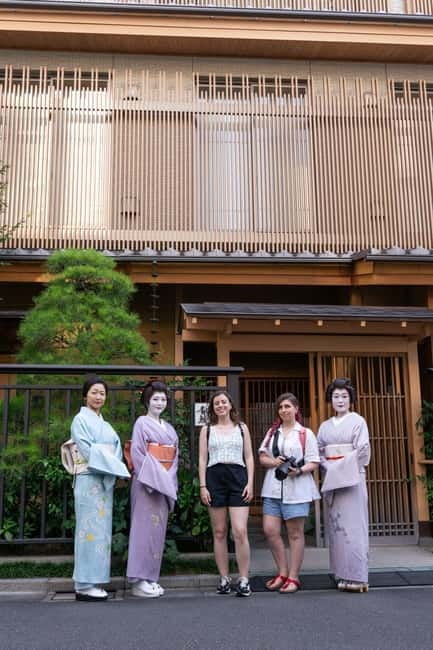
Asakusa is one of Tokyo’s best places for traditional culture, and this experience gives you a more focused look at it than a quick walk past Senso-ji. At Miyakodori’s Ozashiki Tea House, you enter a setting built around hospitality, performance, and conversation.
The appeal is simple: you are not only watching a dance from a distance. You are introduced to the performers, hear live music, take part in a game, and have a chance to ask questions about geisha life. That personal exchange is a major part of the value.
The welcome is designed to ease you into the setting. You may first meet the owner or host, choose your required drink, and then move into the banquet area. One detailed account describes entering through a less obvious door before being shown inside, so keep your eyes open and arrive early enough to find the meeting point without rushing.
Seating can include low stools, which may feel different from a standard theater chair. The arrangement helps create the traditional tea house mood, but it may not suit everyone for a full 75 minutes. The supplied details do not state specific accessibility arrangements, so you should ask the provider if low seating or the venue layout could be a concern.
More Kimono & Culture Experiences in Tokyo
- Tokyo: Samurai Ninja Museum Guided tour and Experience
★ 4.6 · 1,010 reviews - Tokyo: Samurai Sword & Archery Class from Samurai Descendant
★ 5.0 · 603 reviews - Best Samurai Experience in Tokyo
★ 5.0 · 458 reviews
The dance and shamisen performance
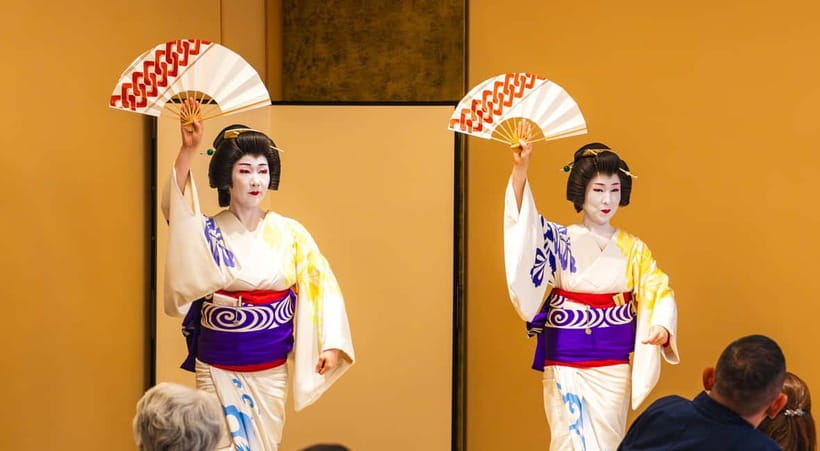
The formal performance is the heart of the visit. Geisha dance with controlled, deliberate movement, and the effect comes from precision rather than speed. Costumes, gestures, music, and pauses work together to create a quiet kind of drama.
The accompaniment is live shamisen music, with singing included in the performance. Shisa has been specifically noted as the shamisen musician, while geiko Chizuru and maiko Tamaaki have appeared in the dance program. Names and performers can vary, but these details give you a useful sense of the standard of artistry involved.
I like this part because it gives context to the conversation that follows. You first see the skill, concentration, and discipline involved, then you meet the people behind the performance. That order helps you understand geisha as trained artists and hosts, rather than reducing the experience to costumes and photographs.
Do not expect a long theater production. The full activity lasts 75 minutes and also includes several other elements. The performance is one part of a compact cultural program, so the appeal is variety rather than an extended concert.
Young children may enjoy the color, music, and movement, but the formal opening requires some quiet attention. A family with children as young as 3 has attended successfully, though children who need constant activity may find the opening section less engaging than the game later on.
Asking questions about geisha life
After the performance, the mood becomes more relaxed. You can speak with the geisha and ask personal questions about their work and daily life. An English translator helps bridge the language gap, which matters because a question-and-answer session loses much of its value if you cannot communicate easily.
This is one of the strongest reasons to book the experience. You get a chance to move past surface images and learn about the people, training, and customs connected with the profession. The conversation also gives you a better understanding of Japan’s living cultural heritage in a way a museum display cannot.
The tone is friendly and social. The host and translator help guide the exchange, and the geisha are presented as approachable performers rather than distant figures. Still, good manners matter. Ask thoughtful questions, listen carefully, and remember that a personal conversation is part of the hospitality, not an invitation to treat the performers like photo props.
The small-group format can help here. A group of about 16 was described in one account, which is intimate enough for some direct interaction without making the room feel empty. Group size is not fixed in the supplied details, so you should not book on the assumption that every session will have exactly that number.
Playing Konpira Fune Fune
Konpira Fune Fune is the most playful part of the visit. It is an ozashiki-asobi game, a traditional form of entertainment associated with tea house gatherings. The host explains how it works, then participants take turns or play along as the activity builds speed and laughter.
You do not need special cultural knowledge to join in. The point is participation, not winning a serious contest. The game gives you a way to interact with the geisha and the other people in the room, and it breaks up the formality of the dance.
This is also where the activity feels least like a performance for an audience. You become part of the room. That makes the experience especially suitable for couples, solo visitors who want a social evening, and small groups looking for something more active than simply sitting through a show.
The game may include drinking in the traditional party-game spirit, but you are not required to choose alcohol. The rules require one drink order per person, and the available drink can be alcoholic or non-alcoholic. If you prefer not to drink alcohol, simply choose the non-alcoholic option when ordering.
Same city, a completely different kind of day:
- Mt Fuji and Hakone 1-Day Bus Tour Return by Bullet Train
★ 5.0 · 26,383 reviews - 1-Day Tokyo Bus Tour
★ 5.0 · 14,250 reviews - Tokyo: TOKYO SKYTREE® Admission ticket
★ 4.5 · 11,192 reviews - Tokyo: teamLab Planets TOKYO Digital Art Museum Entry Ticket
★ 4.6 · 9,779 reviews
Matcha, seasonal sweets, and the final photo
The tea portion includes freshly whisked matcha and seasonal Japanese sweets. It is a small serving rather than a meal, so plan to eat beforehand if you need dinner. Meals other than the sweets are not included.
I like that the tea is served after the performance and game. By then, you have seen the formal side of the tea house and taken part in something lighthearted. Matcha and sweets provide a calm finish, and the seasonal element connects the food to Japanese attention to time and presentation.
Matcha has a strong, earthy taste that some people love and others find challenging. The sweets help balance it, but you should not expect a café-style dessert course. This is a tasting within a cultural visit, not a full tea ceremony or a meal replacement.
The activity ends with a commemorative photo with the geisha. This is a practical touch for anyone marking a honeymoon, birthday, anniversary, or special trip. It also means you do not need to spend the whole visit worrying about getting the perfect picture during the performance.
Photography rules are not detailed in the supplied information, so follow the host’s instructions. The final group or individual photo is the clearly included photo opportunity.
What the $106 price means
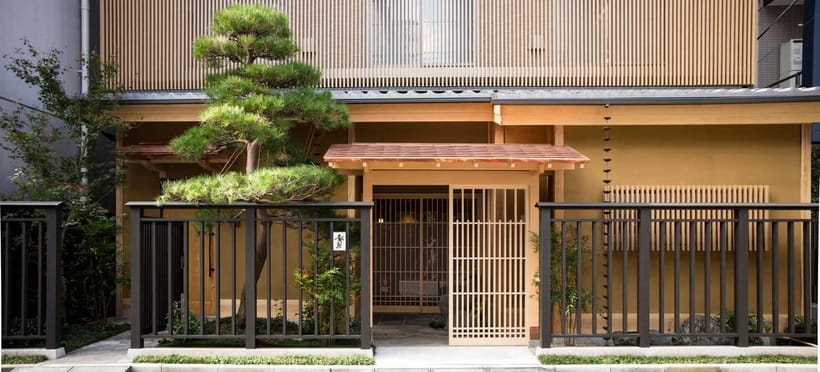
At $106 per person, this is not a cheap entertainment stop. You are paying for access to a specialized setting, live performance, host support, translation, participation in a traditional game, tea, sweets, and a photo.
The value depends on what you want from Tokyo. If you only want a quick cultural show, the price may feel high for 75 minutes. If you want personal contact, live music, and a chance to ask questions, the combination is harder to replicate through ordinary sightseeing.
The required extra drink affects the final cost. Matcha is included, but each person must buy one additional drink, alcoholic or non-alcoholic. Factor that into your budget before booking, especially if you are traveling as a family or group.
I see the best value for people who care about traditional performance and direct conversation. The experience is short enough to fit around sightseeing in Asakusa, but substantial enough to feel like a main activity rather than a five-minute cultural add-on.
Timing, transport, and planning
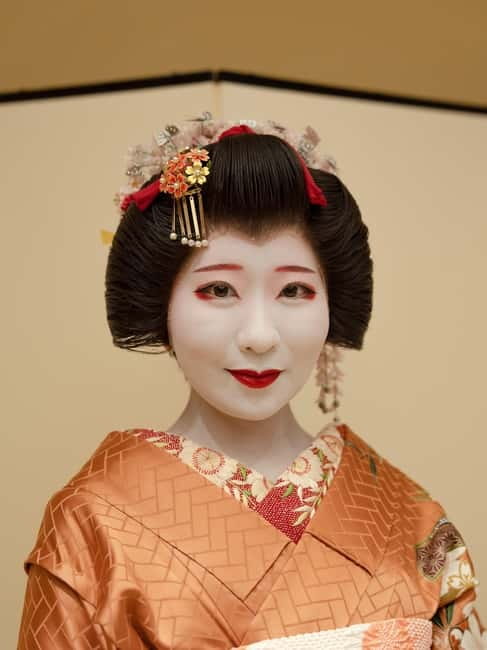
The duration is 75 minutes, with starting times dependent on availability. Transportation to the venue is not included, so you need to make your own way to the Asakusa meeting point.
Arrive early. This is useful for finding the entrance, handling the drink order, and settling into the setting before the performance begins. One account specifically recommends arriving earlier, and that is sensible advice for any appointment held at a tea house rather than a clearly marked major attraction.
An English-speaking host or greeter is available, and translation support helps with questions. The experience is offered in English, but the performance itself remains Japanese in sound and tradition. That is part of its appeal, not a language problem.
Cancellation is flexible if your schedule is uncertain. You can cancel up to 24 hours in advance for a full refund, and the reserve-now, pay-later option lets you hold a place without paying today. Check the available start times before building the rest of your Asakusa plans around it.
Who will enjoy this experience most
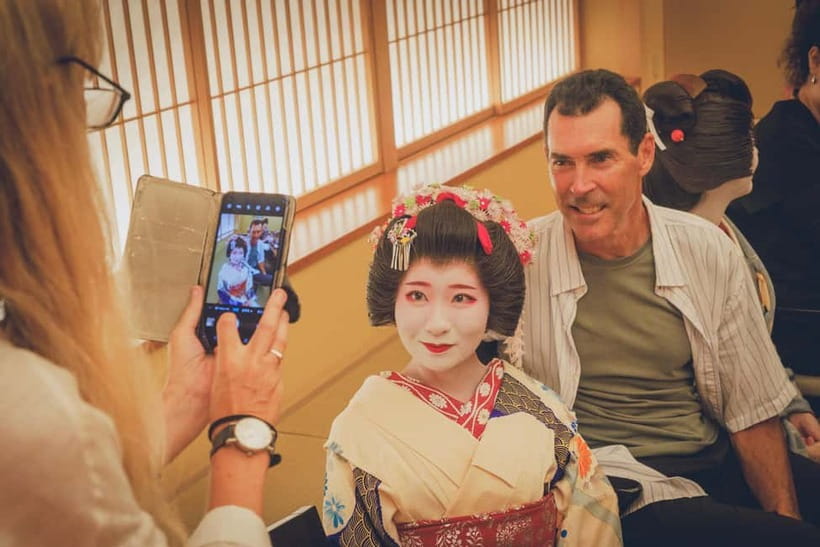
I would recommend this for solo visitors who want a welcoming cultural activity, couples seeking a memorable evening, and small groups that enjoy taking part rather than simply observing. It also suits honeymooners and families whose children can sit quietly during the dance and music.
It is a strong choice if you have wondered about geisha life but want more than a staged explanation. The conversation, translator, and game make the subject approachable, while the performance keeps the visit rooted in the art itself.
You may want to choose another activity if you need a full meal, dislike group participation, or want a long, formal tea ceremony. This visit includes matcha and sweets, but it is not dinner. The game is central to the program, so you should be comfortable joining in at least a little.
The atmosphere is refined but not stiff. The dance and music provide elegance, while the game and conversation bring warmth. That balance is why the experience works for people with different expectations.
Should you book the Miyakodori geisha experience?
Book it if you want a compact, personal look at traditional Japanese performance in Asakusa. The strongest reasons are the live shamisen music, skilled dance, direct questions with geisha, and the chance to join Konpira Fune Fune instead of sitting silently for the whole visit.
The $106 price is fair for a specialized 75-minute encounter, provided you understand the extra drink charge and the fact that food is limited to seasonal sweets. Arrive early, allow for your own transport, and treat the performers with the same care and respect they bring to the room.
For a first visit to Tokyo, this gives you something that a standard sightseeing route usually cannot: a close look at a living performance tradition, delivered through art, hospitality, and a little good-natured silliness.
FAQ
Where does the geisha experience take place?
It takes place at Miyakodori’s Ozashiki Tea House in Asakusa, a district of Tokyo on Honshu, Japan.
How long does the experience last?
The cultural experience lasts 75 minutes.
What performances are included?
You watch a graceful geisha dance accompanied by live shamisen music. Singing may also be part of the live musical presentation.
Can I speak with the geisha?
Yes. You have an opportunity to ask questions and speak with the geisha, with English support and translation available.
What is Konpira Fune Fune?
Konpira Fune Fune is a traditional ozashiki-asobi game. The host guides you through it, and the activity is designed to be lighthearted and participatory.
Is matcha included?
Yes. Freshly whisked matcha and seasonal Japanese sweets are included.
Do I have to buy a drink?
Yes. Each person must order one drink in addition to the complimentary matcha. The drink can be alcoholic or non-alcoholic.
Is transportation included?
No. You are responsible for getting to the venue in Asakusa.
Can I cancel or pay later?
You can cancel up to 24 hours before the experience for a full refund. A reserve-now, pay-later option is also available.
Just added around Tokyo
- Tokyo: Customizable Private Guided Walking Tour★ 4.5 · 129 reviews
- Private Harajuku Omotesando Architecture Tour★ 4.9 · 18 reviews
- Tokyo: Guided Helicopter Ride★ 4.9 · 24 reviews
- Tokyo: Guided Walking Tour of Tsukiji Market with Lunch★ 4.4 · 24 reviews
- Tokyo: Private Personalized Local Food Tour★ 4.5 · 101 reviews
- Tokyo GINZA: KONPARU Japanese Cabaret Show with Drink★ 4.8 · 38 reviews
- Tokyo: Guided Walking Tour of Tsukiji Market with Breakfast★ 4.4 · 134 reviews
- Tokyo: Gotokuji Cat Temple, Shinjuku Cat Cafe & 3D Cat Tour★ 4.9 · 38 reviews
Kimono & Culture Experiences, compared.
Kyoto Geisha Walking Tour: Gion District & Hidden Gems
Read our review →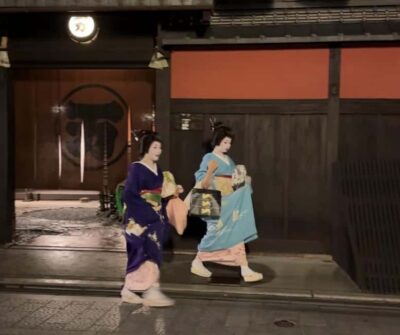
Gion Magical Night Walking Tour with Geisha Trivia
Read our review →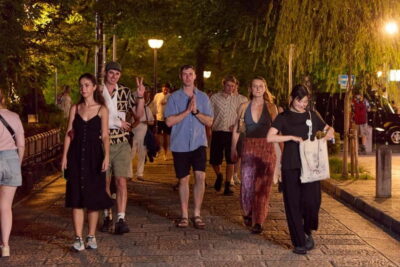
Gion Geisha District Walking Tour – Stories of Geisha
Read our review →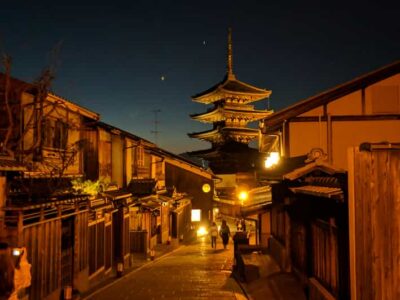
Best of Kyoto: Gion, Geisha, Pagodas & Cobblestones
Read our review →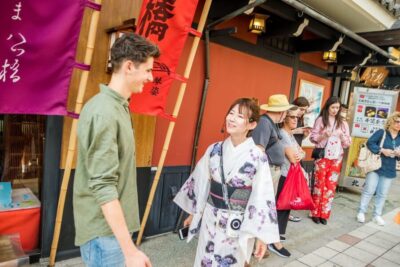
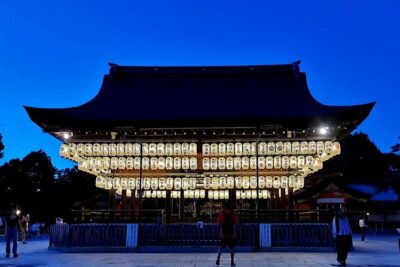
Kyoto Gion Geisha District Walking Tour – The Stories of Geisha
Read our review →
Browse the lists this tour appears in