
REVIEW · WALKING TOURS
4 Hour Private Hiroshima City Walking Tour
Hiroshima is best understood through contrast: the hard remains of the Atomic Bomb Dome, the quiet weight of the Peace Memorial Museum, then the graceful calm of Hiroshima Castle and Shukkeien Garden. This private four-hour walk brings those four very different places into one thoughtful route.
I like the private format, which lets guides such as Masa, Yuki, Yoshiko, and Yui adjust the pace, answer personal questions, and sometimes add a small extra stop. I also like the ending at Shukkeien Garden, a peaceful change of mood after the serious memorial sites.
The main concern is time. Four hours is enough for the headline sights, but not for a slow, detailed visit everywhere. One account found the castle portion rushed, so you should tell your guide what matters most before you begin.
In This Review
- Key points to know before booking
- Hiroshima in four hours, with a local guide beside you
- The Atomic Bomb Dome, Hiroshima’s stark opening
- Ninety minutes at the Peace Memorial Museum
- Hiroshima Castle, rebuilt tradition and a time warning
- Shukkeien Garden, the tour’s quiet finish
- What the private format is really worth
- Guides who shape the experience
- Walking, weather, and how to pace your day
- How to make the four hours work for you
- Who should book this Hiroshima walking tour?
- Should you book it?
- FAQ
- How long is the Hiroshima city walking tour?
- Is the tour private?
- Which attractions are included?
- Is a guide included?
- Are admission fees included?
- Where does the tour start?
- Where does the tour end?
- Is transportation by private vehicle included?
- Is Hiroshima Castle open throughout the tour season?
- What happens if the weather is poor?
Key points to know before booking
- Four major sights in one walk: The route covers the Atomic Bomb Dome, Peace Memorial Museum, Hiroshima Castle, and Shukkeien Garden.
- A genuinely private experience: Only your group takes part, making it easier to ask questions and change the pace.
- Strong guide feedback: Masa, Yuki, Yoshiko, and Yui are praised for clear explanations, warmth, flexibility, and local suggestions.
- A serious first half: Allow emotional space for the Peace Memorial Museum and Hiroshima Peace Memorial Park.
- A calm finish: Shukkeien Garden provides a beautiful, quieter final hour in the middle of Hiroshima.
- Bring sun protection: August temperatures can exceed 35 degrees Celsius, and the tour involves substantial time outdoors.
Hiroshima in four hours, with a local guide beside you
This tour works as a compact introduction to Hiroshima. You move from the city’s wartime memory to its traditional architecture and garden design, while a local English-speaking guide helps connect the places.
That private setup matters here. The Peace Memorial Museum can raise difficult questions, and a guide gives you someone to ask about context, customs, and what you are seeing. At the castle and garden, the conversation shifts toward Japanese culture and design.
The format also gives you some control. Masa has adjusted a start time for an early-arriving group, and guides have helped with dinner plans, lunch ideas, eki stamps, and restaurant areas after the walk. Those extras are not guaranteed parts of the tour, but they show the practical value of having a local person with you for four hours.
The standard meeting point is the 7-Eleven at 1-chōme-1-21 Ōtemachi in Naka Ward. You meet on foot, and the listed end point is Shukkeien-Mae Station at 4 Kamihatchobori. A private vehicle is not included.
Some guide arrangements described by participants involved meeting at a hotel or station. Since the official details specify an on-foot meeting point, confirm any alternate pickup directly before the tour.
More Walking Tours in Hiroshima
- Hiroshima Historical Walking Tour – Why A-Bomb was Dropped
★ 4.8 · 893 reviews - Hiroshima Peace (Heiwa) Walking Tour at World Heritage Sites
★ 5.0 · 872 reviews - Hiroshima City 4hr Private Walking Tour with Licensed Guide
★ 5.0 · 437 reviews
The Atomic Bomb Dome, Hiroshima’s stark opening
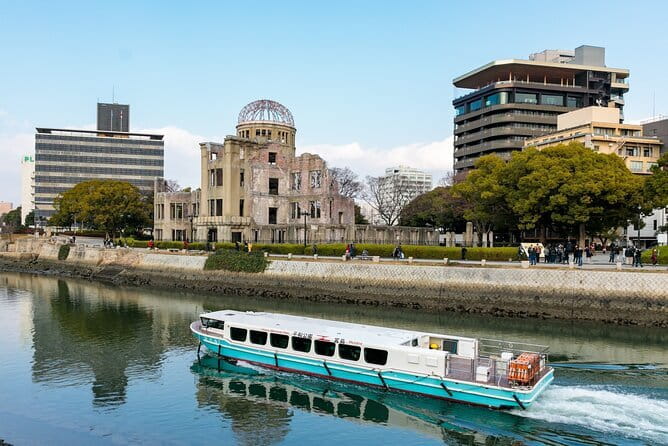
The Atomic Bomb Dome is the tour’s most immediate reminder of what happened to Hiroshima at the end of World War II. The building was hit by the first nuclear weapon used in war and remains close to its bombed condition.
You spend about 30 minutes here, with no admission charge. That short stop is enough to look carefully, hear the basic account, and understand why the structure has been preserved. The exposed framework and damaged walls are difficult to take in, but the site does not rely on spectacle. Its force comes from the plain fact that the building is still there.
Your guide can help place the Dome within the surrounding Peace Memorial area. This is useful because the site can feel visually simple at first. The meaning comes from understanding its former use, its location, and the decision to leave the remains in place.
I would not rush this opening stop, even though it is the shortest. Take a moment before moving on. The tour is not merely a checklist of famous places, and this first look sets the tone for the museum.
Ninety minutes at the Peace Memorial Museum
The Peace Memorial Museum receives the longest scheduled visit, about one hour and 30 minutes. Admission is included.
This is the emotional center of the tour. The museum was established in 1955 to convey the effects of the atomic bombing and support the goal of abolishing nuclear weapons. Expect a serious visit, with exhibits focused on the human damage and the reality of the attack.
A guide can make this part more useful by explaining details you might otherwise pass without context. Yoshiko and Masa receive especially warm praise for their museum explanations, while Yui has adapted a tour to include a small school museum connected with the bombing. That kind of adjustment is one reason a private tour can be worth considering.
Still, you should set your own pace. The museum may be too much to absorb quickly, and four hours must also cover two later sights. Tell the guide if you want more time here and less time elsewhere. If the museum is your main reason for booking, it makes sense to protect this 90-minute block rather than trying to give every stop equal attention.
The Peace Memorial Museum and the nearby park can leave you subdued. That is not a flaw in the tour, but it is something to plan for. You may want a quiet meal or a slower afternoon afterward instead of stacking another demanding activity immediately after the walk.
Hiroshima Castle, rebuilt tradition and a time warning
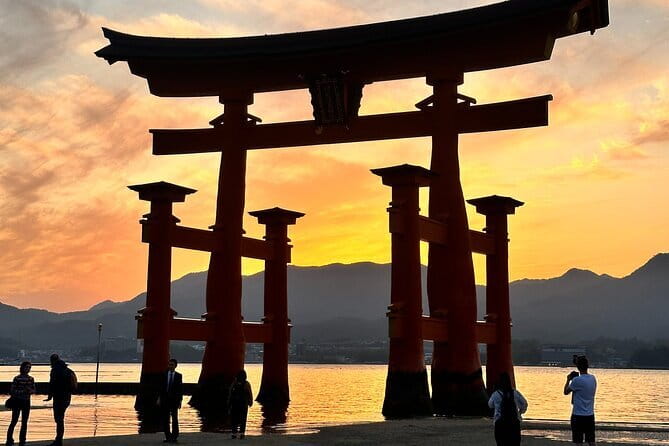
The next scheduled stop is Hiroshima Castle, with about one hour and admission included. The castle was built during Japan’s Warring States period and offers a different view of the city from the memorial sites.
The appeal here is architectural and cultural. You move from a preserved bomb-damaged structure to a traditional Japanese castle setting, including the building’s distinctive design and surrounding grounds. The change helps show that Hiroshima is not defined only by 1945.
The practical problem is time management. One account found the castle visit too rushed, with a fast run through the exhibits to stay on schedule. That is useful advice, especially if you prefer to read displays carefully.
You have two good options. Ask the guide to keep the castle visit focused on the main points, or ask to shorten it if the museum and garden matter more to you. A private tour should make that conversation possible. If the castle is your priority, say so early and avoid spending too long at the first two stops.
There is also an important date issue. Hiroshima Castle is listed as closed for renovation from March 23, 2026. If your visit falls on or after that date, confirm how the tour handles the closure before paying. The supplied tour information does not specify a replacement stop or revised route.
Same city, a completely different kind of day:
- Peaceful Hiroshima & Miyajima UNESCO 1 Day Bus Tour
★ 5.0 · 5,309 reviews - Hiroshima: Hiroshima and Miyajima UNESCO Sites 1-Day Tour
★ 4.9 · 2,330 reviews - Hiroshima / Miyajima Full-day Private Tour with Government Licensed Guide
★ 5.0 · 1,298 reviews - Hiroshima in a Nutshell: Morning Bike Adventure
★ 5.0 · 524 reviews
Shukkeien Garden, the tour’s quiet finish

Shukkeien Garden receives about one hour and is included in the admission price. It is a traditional Japanese garden known for carefully arranged scenery and seasonal views.
This is a smart final stop. After the Dome and museum, you may want a place that lets you breathe and look rather than process more difficult material. The garden offers ponds, planting, paths, and composed views that reward a slower pace.
The garden also gives your guide room to explain Japanese ideas about cultivated nature, seasonal beauty, and garden design. Several guide accounts single out this stop as a favorite, and one describes it as a calming space in the middle of the city.
Because the tour ends here, you can leave directly for Shukkeien-Mae Station. Guides have also helped arrange dinner suggestions or dropped groups near food areas when timing allowed. Those arrangements vary, but it is worth asking for advice before you say goodbye.
If you want photographs, garden time may feel short. Tell your guide at the start that you would like a leisurely hour here. The private format is most useful when you make your priorities clear.
What the private format is really worth
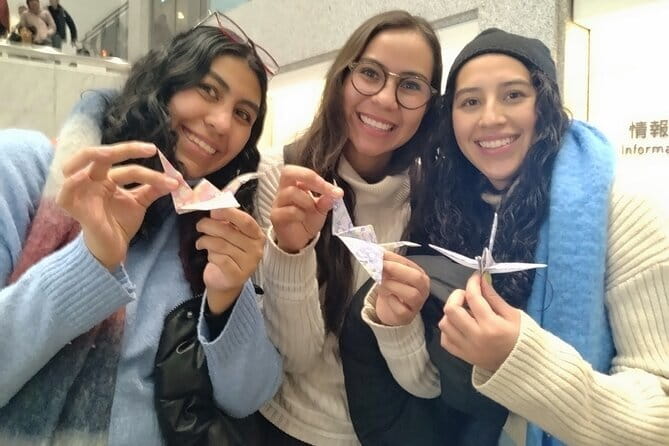
At $104.10 per person, this is not Hiroshima’s cheapest way to see the main sights. The value depends on your group size, your time in the city, and how much you want interpretation rather than simple entry.
You are paying for a private English-speaking guide, the three listed admission fees, and a planned route through four major places. You are also buying flexibility. Guides have changed pacing, adjusted start times, suggested meals, helped with personal interests, and added occasional stops when practical.
For a couple or family with only one day in Hiroshima, that can be worthwhile. You avoid spending time working out the order of the sights and can ask questions throughout the walk. A small group also makes the per-person price easier to justify than it would be for a solo visitor.
The value drops if you prefer to explore museums alone, read every display at length, or use public transportation independently. The route is compact enough to organize yourself, and the tour cannot give every site unlimited time.
I would think of this as a guide service with included admissions, not simply a four-hour walk. Its strongest feature is the human explanation and the ability to tailor the day. If you only want entrance tickets and a map, save your money.
Guides who shape the experience
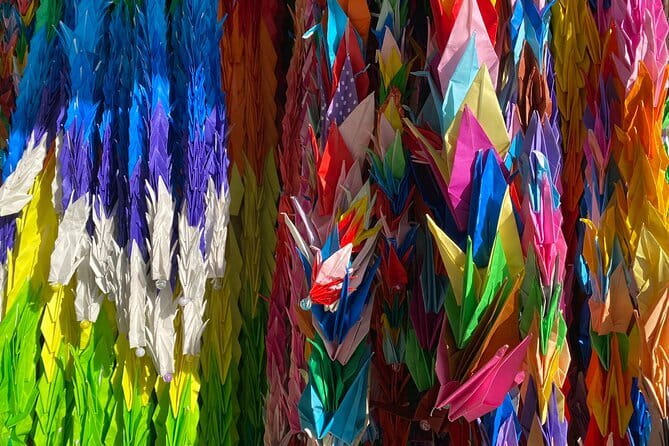
The guide matters greatly on a tour that moves between grief, history, architecture, and beauty. The available guide names include Masa, Yuki, Yoshiko, and Yui.
Masa is repeatedly praised for thoughtful explanations, good communication before the tour, and attention to practical needs. She has helped groups adjust their start time, find lunch, choose dinner, collect eki stamps, and reach an okonomiyaki area after the walk.
Yoshiko is praised for combining clear historical explanations with a friendly, humorous manner. She has also adjusted the pace to match personal interests and included a department-store lunch stop during one tour.
Yuki is described as flexible and well informed, while Yui adjusted a route to include a school museum connected with the atomic bombing. These details point to the main benefit of a private guide: the day does not have to feel exactly the same for every group.
English ability and guide assignment can vary, so you should not assume you will receive a particular person. If you have a strong preference for Masa, Yuki, Yoshiko, or Yui, ask the provider before booking. Confirmation is sent within 48 hours, subject to availability.
Walking, weather, and how to pace your day
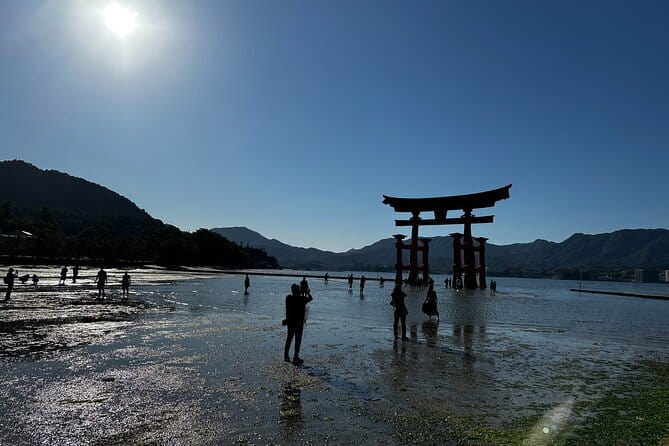
This is a walking tour with no private vehicle included. You should be comfortable spending four hours moving between outdoor sites and indoor exhibits. The activity is near public transportation, and the tour ends at Shukkeien-Mae Station.
Hiroshima summers can be very hot. August temperatures often rise above 35 degrees Celsius. Carry water, use sun protection, and consider a parasol for shade. Heat can make the route feel harder than the timetable suggests, especially if you are also carrying luggage or traveling with children.
Wear comfortable shoes. The tour is not presented as difficult, and most people can participate, but the schedule is full. Build in time for pauses if you need them.
Weather matters beyond comfort. The experience requires good weather, and poor conditions may lead to a different date or a full refund. You can cancel for a full refund up to 24 hours before the start time. Changes or cancellations inside that window are not accepted for a refund.
The tour has a mobile ticket, and service animals are allowed. Most people can participate, but the on-foot format means you should consider your own walking needs before booking.
How to make the four hours work for you
Before the start, decide which stop matters most. If the museum is your focus, protect the full 90 minutes and accept a shorter castle visit. If gardens and traditional culture matter more, ask the guide to keep the memorial portion respectful but efficient and save time for Shukkeien.
You can also ask about the meeting point. The stated start is at the 7-Eleven in Ōtemachi, while some arrangements described by participants involved hotels or stations. Do not assume hotel pickup is included. Confirm it.
Ask your guide for food suggestions at the end. Past arrangements have included lunch near the meeting area, dinner recommendations, and a drop-off near an alley with okonomiyaki stalls. These are helpful local pointers, but they should be treated as possible advice rather than guaranteed tour stops.
Finally, leave emotional breathing room. Hiroshima’s museum is not a light attraction to squeeze between unrelated appointments. The garden at the end helps, but I would still avoid scheduling a tightly timed activity immediately afterward.
Who should book this Hiroshima walking tour?
I would recommend it most strongly to first-time visitors with limited time, families who want a flexible schedule, and anyone who prefers a guide to explain difficult historical subjects with care. The combination of memorial sites, castle architecture, and a Japanese garden gives you a broad first look at Hiroshima.
It is also a good match for cruise passengers or rail passengers who have only part of a day, provided the timing works with your arrival. The private format can help you make better use of a short stay.
I would hesitate if you dislike walking, want a private car, or plan to spend several hours reading every museum display. I would also check the castle situation carefully if you visit from March 23, 2026, when renovation closure is listed.
Should you book it?
Book this tour if you want Hiroshima explained by a local guide and need four major sights organized into one private morning or afternoon. The strongest reasons are the flexible pacing, included admissions, thoughtful guide support, and the satisfying shift from the Peace Memorial area to the calm of Shukkeien Garden.
Skip it if you are comfortable planning the route yourself or want an unhurried museum visit. For most first-time visitors with a tight schedule, though, $104.10 per person is a fair price for a private introduction, provided you set priorities clearly and confirm the castle arrangements.
FAQ
How long is the Hiroshima city walking tour?
The tour lasts approximately four hours.
Is the tour private?
Yes. Only your group participates in the private tour.
Which attractions are included?
The route includes the Atomic Bomb Dome, Hiroshima Peace Memorial Museum, Hiroshima Castle, and Shukkeien Garden.
Is a guide included?
Yes. A local English-speaking guide is included.
Are admission fees included?
Yes. Admission to the Hiroshima Peace Memorial Museum, Hiroshima Castle, and Shukkeien Garden is included.
Where does the tour start?
The stated meeting point is the 7-Eleven at 1-chōme-1-21 Ōtemachi, Naka Ward, Hiroshima.
Where does the tour end?
The listed end point is Shukkeien-Mae Station at 4 Kamihatchobori, Naka Ward, Hiroshima.
Is transportation by private vehicle included?
No. This is a walking tour, and private vehicle transportation is not included.
Is Hiroshima Castle open throughout the tour season?
Hiroshima Castle is listed as closed for renovation from March 23, 2026. Confirm the planned route if you are visiting on or after that date.
What happens if the weather is poor?
The experience requires good weather. If it is canceled because of poor weather, you can choose a different date or receive a full refund.
Just added around Hiroshima
- The Peace Memorial to Miyajima : Icons of Peace and Beauty★ 4.5 · 31 reviews
- Hiroshima & Miyajima All-Inclusive Tour w/Licensed guide Pancho★ 5.0 · 54 reviews
- Private Full Day Hiroshima Tour★ 4.5 · 29 reviews
- Okunoshima Rabbit Island Cycling Tour with Local Guide★ 4.5 · 17 reviews
- Shore Excursion from Hiroshima Port : Private Tour in Hiroshima★ 5.0 · 17 reviews
- Hiroshima Saijo Sake Tasting Tour with visit to 7 Breweries★ 5.0 · 104 reviews
- Miyajima Guided Tour and Fresh Oyster Farm Tour★ 5.0 · 20 reviews
- Hiroshima Country Cycling: Explore Rural Life 1 HR from City★ 5.0 · 22 reviews
Walking Tours, compared.
Kyoto Geisha Walking Tour: Gion District & Hidden Gems
Read our review →
Tokyo Tsukiji Fish Market Food and Culture Walking Tour
Read our review →
Gion Magical Night Walking Tour with Geisha Trivia
Read our review →
Imperial Palace and Shogun Historical Walking Tour
Read our review →
Gion Geisha District Walking Tour – Stories of Geisha
Read our review →
Asakusa Walking Tour with Sensoji Temple Visit
Read our review →
Kyoto Gion Geisha District Walking Tour – The Stories of Geisha
Read our review →Browse the lists this tour appears in