
REVIEW · GARDEN & PALACE TOURS
Tokyo: Imperial Palace East Gardens Walking Tour
Tokyo: Imperial Palace East Gardens Walking Tour
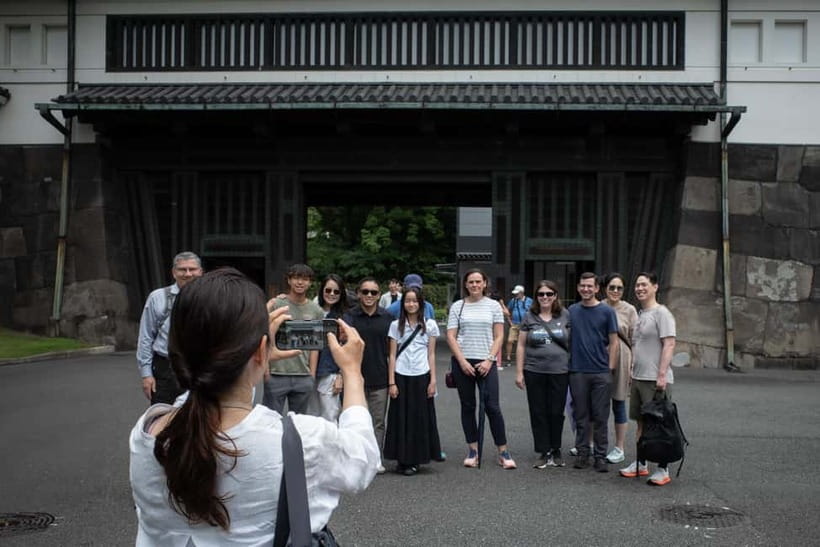
The most rewarding part of this walk is the sharp contrast between modern Tokyo and the remains of Edo Castle. Within minutes of the city’s office towers, you are looking at massive stone foundations, old gates, guard houses, and carefully shaped trees that once formed part of the Tokugawa shoguns’ home.
I like the way the tour connects military architecture with garden design, instead of treating the gardens as a pretty park with no story. I also like the practical human touch from guides such as Mei, Kei, Wakana, and Tatsie, who use maps, photographs, humor, and time for questions to make the scattered ruins easier to understand. The main consideration is simple: you do not go inside the Imperial Palace, and the advertised entry fee does not include admission to the gardens.
In This Review
- Key points to know before you book
- Starting near Wadakura Fountain Park
- Seeing Old Tokyo beside the modern city
- Walking through the Honmaru remains
- Finding peace in Ninomaru Garden
- Why the guide makes the difference
- Seasonal timing and what you will see
- Who should book this walk?
- Practical details that affect your day
- Should you book the Imperial Palace East Gardens walk?
- FAQ
- Does the tour go inside the Imperial Palace?
- How long does the walking tour last?
- What language is the tour offered in?
- Where does the tour meet?
- Is entry to the Imperial Palace included?
- Can I cancel the booking?
Key points to know before you book
- Edo Castle beneath today’s gardens: Walk through the former Honmaru and Ninomaru areas, once central parts of the shogun’s castle.
- Ruins that need explanation: Stone walls, foundations, gates, watch towers, and guard houses make much more sense with a guide and visual aids.
- A calm break from central Tokyo: Ponds, bridges, clipped trees, bonsai, and traditional planting create a quiet change of pace.
- Best seasonal appeal: Cherry blossoms bring spring color, while late November and fall offer striking foliage.
- English-speaking guidance: Guides including Mei, Kei, Wakana, Loc, Midori, Fuku, and Tatsie have been praised for clear explanations and warm, engaging styles.
- A long but manageable walk: The 150-minute route returns to the Starbucks near Wadakura Fountain Park, so plan for comfortable shoes and weather protection.
Starting near Wadakura Fountain Park

The meeting point is near Starbucks Coffee at Kokyo Gaien Wadakura Fountain Park, at approximately 35.6829933, 139.7611971. Your guide waits nearby rather than at an entrance deep inside the grounds, so give yourself enough time to find the fountain park and identify the correct meeting spot.
This location is useful for a first look at the area. Tokyo’s polished central district is close by, yet the gardens offer a much quieter setting. That change is part of the appeal. You are not being whisked from one isolated sight to another. You begin by seeing how the Imperial Palace area fits into the modern city.
The experience lasts 150 minutes, or two and a half hours. That gives your guide time to explain the castle’s past, point out surviving structures, and leave room for photographs and questions. It also means this is not a quick photo stop. You will be on your feet for most of the visit, so comfortable walking shoes are a good idea.
The tour is offered in English and is listed as wheelchair accessible. Since the route is outdoors, weather still matters. Guides have handled rain and less-than-perfect conditions, but a light rain jacket and suitable shoes will make the afternoon more pleasant.
More Garden & Palace Tours in Tokyo
- Tokyo: Imperial Palace and Shogun Historical Walking Tour
★ 5.0 · 2,251 reviews - Tokyo Castle & Imperial PalaceーShogun Walking Tour
★ 4.7 · 1,068 reviews - Tokyo: Imperial Palace Japanese History Walking Tour
★ 4.9 · 987 reviews
Seeing Old Tokyo beside the modern city
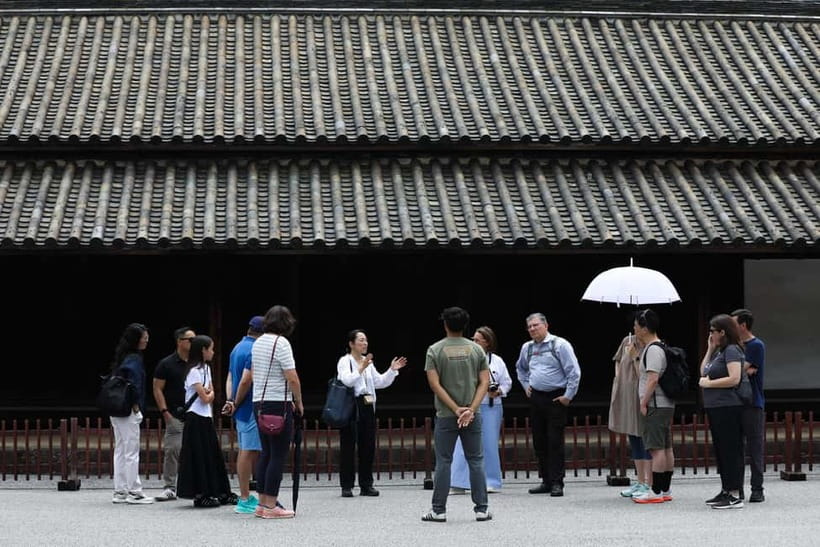
The East Gardens occupy part of the former Edo Castle grounds. During the Edo period, the Tokugawa shoguns lived and governed from this enormous fortified site. After the political order changed, much of the castle disappeared, but the gardens preserve enough walls, foundations, gates, and defensive features to show how the complex once worked.
This is where a guide adds real value. Large stretches of stone can look abstract if you do not know what they marked. A good explanation turns a wall into part of a controlled entrance, a foundation into the base of a major structure, and a high point into a place connected with observation and defense.
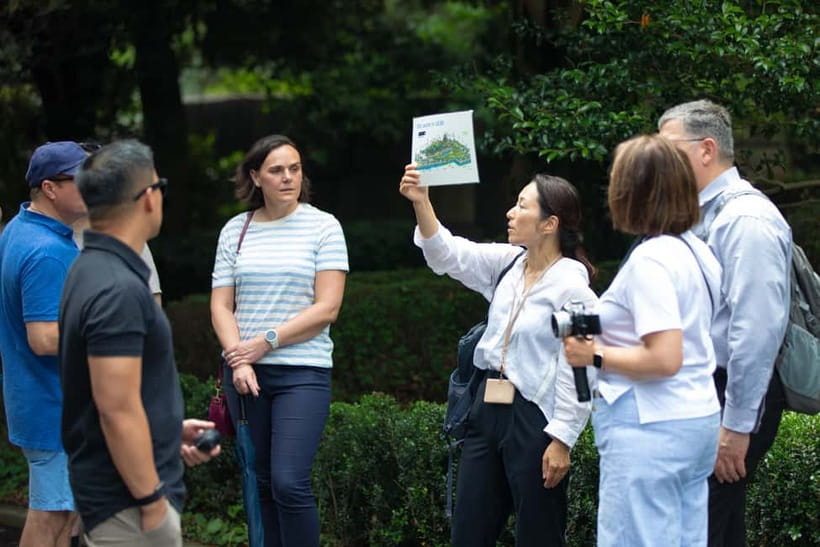
Several guides have used printed maps or laminated historical photographs to show how Edo Castle was arranged. I find that especially useful here because the original buildings are largely gone. You are asked to imagine a vast castle compound from fragments, and a visual comparison helps you place those fragments in context.
The strongest guides also keep the subject from becoming a dry lecture. Mei, for example, has been praised for mixing clear history with humor and modern cultural observations. Tatsie has a gentle, conversational style, while Wakana and Kei have been described as friendly, patient, and easy to approach. Your guide will vary, but the format gives you a better chance of understanding the site than a solo stroll with only a few signs.
Walking through the Honmaru remains
The Honmaru area was once the main compound of Edo Castle. This was the heart of the complex, not simply an ornamental garden. Today, you see remnants such as castle foundations, gates, and defensive structures rather than a complete palace or keep.
That partial state is both the strength and limitation of the stop. You gain a genuine sense of the castle’s scale and position, but you will not be touring preserved rooms filled with original furnishings. If you want intact interiors, this walk may feel spare. If you enjoy piecing together a place from its remaining evidence, it is much more satisfying.
Your guide explains the layout and defensive thinking behind the site. The walls and gates were not random decoration. Their scale, placement, and relationship to the surrounding grounds helped control movement and protect the castle. This military side of the East Gardens gives the visit more substance than a standard park walk.
I particularly like the way this section brings shogun-era Japan into focus without requiring a specialist background. You do not need to arrive knowing the difference between a shogun and an emperor. The guide introduces the political and social setting as you walk, then links it to what you can actually see.
The open Honmaru grounds also provide room to pause and take photographs. A guide who keeps the group moving at a comfortable pace can explain a feature, allow time to look around, and then continue without turning the visit into a rushed march. That balance has been a repeated strength of the experience.
Finding peace in Ninomaru Garden
Ninomaru Garden offers a very different mood. Here, the focus shifts from fortification to traditional Japanese garden design, with arranged trees and shrubs, stone lanterns, ponds, bridges, and quiet corners for contemplation.
The garden is meticulously maintained, but it does not feel like a display case. The design invites you to slow down and notice how the elements work together. A pond changes the view as you cross a bridge. A stone lantern gives a small focal point among the plants. Carefully pruned trees show the patience and control that shape traditional Japanese gardens.
This is likely the prettiest part of the walk, especially during seasonal changes. Spring brings cherry blossoms, while fall brings colorful foliage. Late November can be an excellent time for autumn color, though exact conditions naturally vary from year to year. The gardens also provide beauty outside those peak periods, with greenery, water, and carefully placed plantings carrying the experience through the seasons.
You may see bonsai trees and distinctive koi in the garden area. One unusual detail highlighted by a guide is a special breed of koi developed by a member of the imperial family. Small facts like this help turn a quiet pond into a place with a human story.
At times, the group may have a little personal time to appreciate the garden. Guides have also suggested good picture locations and offered to take photographs. That is a small but useful courtesy, especially for couples or families who want a picture together without handing a phone to a stranger.
More Walking Tours in Tokyo
- Tokyo Tsukiji Fish Market Food and Culture Walking Tour
★ 5.0 · 3,184 reviews - Tokyo: Shinjuku Local Bar and Izakaya Guided Walking Tour
★ 4.9 · 1,794 reviews - Tokyo: Tsukiji Fish Market Food and Walking tour
★ 5.0 · 1,724 reviews - Tokyo: Asakusa Walking Tour with Sensoji Temple Visit
★ 4.8 · 1,583 reviews
Why the guide makes the difference
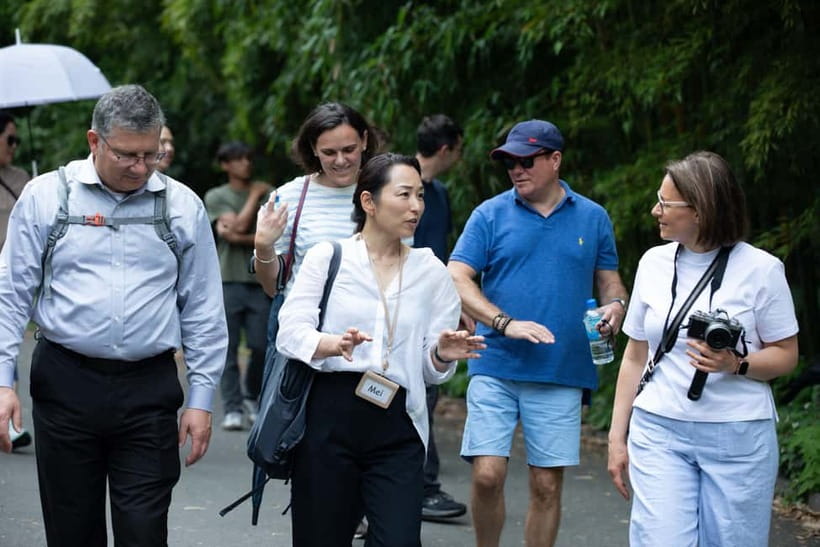
At $19 per person, this is a low-cost guided walk for two and a half hours. The value depends less on admission savings and more on how much context you want. You are paying for an English-speaking guide who can connect the ruins, gardens, shoguns, emperors, and present-day Japan.
Without guidance, the East Gardens can still be attractive, but the castle remains may be hard to read. You might see a large stone base and move on. With a map or old photograph in front of you, you can picture the buildings that once stood there and understand why the walls were built as they were.
The strongest practical benefit is the question time. Guides such as Midori, Mei, and Loc have been praised for taking questions patiently and offering extra suggestions for other parts of a Tokyo trip. That can be valuable early in your visit, when you are still working out how Japanese history, customs, and the imperial family fit together.
The cost also makes this a reasonable choice for families and first-time visitors. The walk is educational without being designed only for history specialists. Several guides have used jokes, modern references, and simple explanations to keep the subject lively. If your group includes children or adults who lose interest during long lectures, that human style matters.
Still, keep expectations sensible. This is not a private tour with a custom route, and the experience is centered on outdoor ruins and gardens. You should not book it expecting access to royal interiors or an elaborate palace tour. The Imperial Palace itself is off limits on this route.
Seasonal timing and what you will see
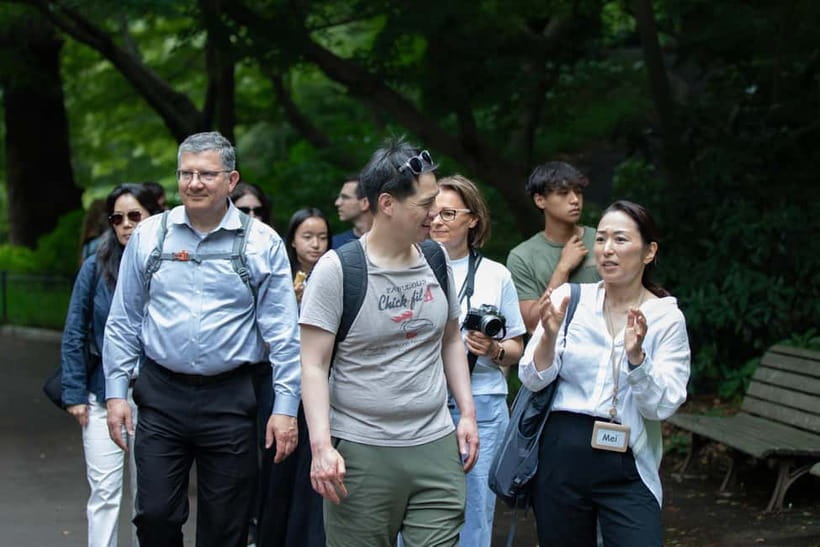
Spring is an obvious choice if cherry blossoms are a priority. The gardens provide a historic setting for the flowers, with old stonework and water features adding more interest than a simple urban row of trees.
Fall offers a different reward. Red, orange, and yellow foliage can transform the garden paths and ponds, and late November has been noted as a particularly attractive period. Autumn conditions are not guaranteed on a precise date, so treat the foliage as a bonus rather than a promise.
Winter and early spring can still work well if history is your main reason for booking. With less seasonal color, the castle foundations, walls, gates, and defensive structures take center stage. You may also find it easier to concentrate on the guide’s explanation when the gardens are not at their most decorative.
Rain does not automatically ruin the walk. Guides have kept groups engaged in wet weather and adjusted their approach with humor and patience. I would still choose a dry day if you can, since the garden’s visual appeal is strongest when you can linger beside the ponds and take photographs comfortably.
Who should book this walk?
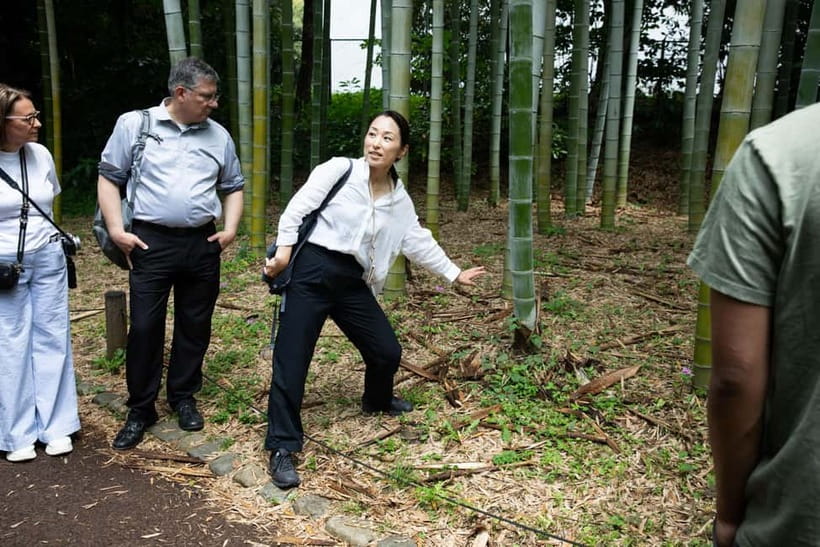
I would recommend it to first-time visitors who want a clear introduction to Tokyo’s imperial and shogun-era past. It is also a good fit if you have already seen temples and shopping districts and want two quieter hours in central Tokyo.
History fans will appreciate the focus on Edo Castle’s layout, military structures, and the relationship between shoguns and emperors. Garden lovers will enjoy Ninomaru Garden, bonsai, bridges, ponds, and seasonal planting. Families can benefit from a guide who turns ruins into a story rather than leaving everyone to decode them alone.
The tour may be less suitable for you if you dislike walking, want a fully preserved castle interior, or prefer to explore silently at your own pace. Although there may be personal time in the garden, the main experience follows a guided route with explanations along the way.
English ability is another reason to consider it. The tour is offered in English, and guides such as Wakana, Kei, Mei, and Loc have been praised for clear communication. The exact personality varies by guide, but the format is built around conversation and questions rather than a one-way audio recording.
Practical details that affect your day
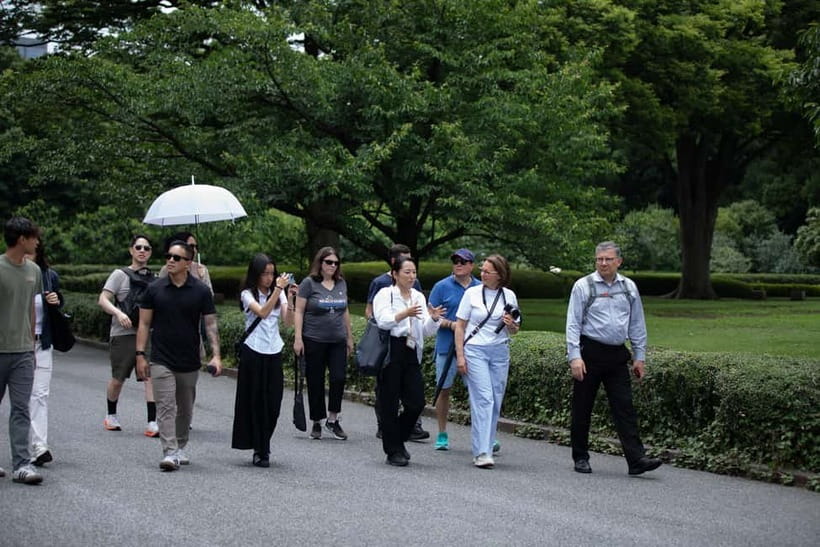
The walk begins and ends near the same Starbucks by Wadakura Fountain Park. That makes it easy to plan before another central Tokyo activity, and you do not need to arrange separate transportation between stops.
The tour does not go inside the Imperial Palace. The listed price is $19 per person, and entry to the Imperial Palace is not included. Since the experience is specifically a walk through the East Gardens, read the access details carefully when booking so you know what you are paying for.
Cancellation is flexible up to 24 hours before the start time for a full refund, and you can reserve now while paying later. That is useful when you are building a Tokyo schedule around weather and seasonal viewing.
The tour is wheelchair accessible, though you should still consider the length of the outdoor walk and conditions on the day. I would bring water, sun protection in warmer months, and rain protection when the forecast looks uncertain.
Should you book the Imperial Palace East Gardens walk?
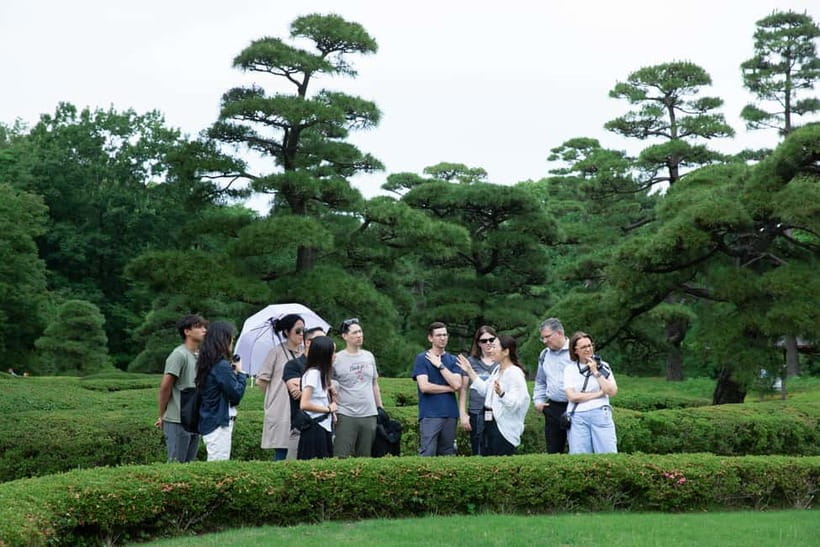
Book it if you want meaning behind the scenery. The gardens are pleasant on their own, but the castle foundations, stone walls, and gates become far more interesting when a guide shows you how they fit into Edo Castle.
At $19, the tour offers good value for a 150-minute English walk, especially for first-time visitors and anyone curious about Japan’s feudal past. Choose it in spring for cherry blossoms or fall for foliage, but do not dismiss winter, when the ruins and explanations can carry the visit.
Skip it if entering the Imperial Palace is essential to your plans. For everyone else, this is a sensible, easy-to-fit-in way to see a quieter side of central Tokyo and understand why this particular patch of gardens matters.
FAQ
Does the tour go inside the Imperial Palace?
No. The tour explores the Imperial Palace East Gardens and former Edo Castle grounds, but it does not go inside the Imperial Palace.
How long does the walking tour last?
The guided tour lasts 150 minutes, or two and a half hours.
What language is the tour offered in?
The tour is offered in English with a live guide.
Where does the tour meet?
Your guide waits nearby Starbucks Coffee at Kokyo Gaien Wadakura Fountain Park. The listed coordinates are 35.6829933, 139.7611971.
Is entry to the Imperial Palace included?
No. Entry to the Imperial Palace is not included, and the tour itself does not enter the palace.
Can I cancel the booking?
Yes. You can cancel up to 24 hours in advance for a full refund. You can also reserve now and pay later.
Just added around Tokyo
- Tokyo: Customizable Private Guided Walking Tour★ 4.5 · 129 reviews
- Private Harajuku Omotesando Architecture Tour★ 4.9 · 18 reviews
- Tokyo: Guided Helicopter Ride★ 4.9 · 24 reviews
- Tokyo: Guided Walking Tour of Tsukiji Market with Lunch★ 4.4 · 24 reviews
- Tokyo: Private Personalized Local Food Tour★ 4.5 · 101 reviews
- Tokyo GINZA: KONPARU Japanese Cabaret Show with Drink★ 4.8 · 38 reviews
- Tokyo: Guided Walking Tour of Tsukiji Market with Breakfast★ 4.4 · 134 reviews
- Tokyo: Gotokuji Cat Temple, Shinjuku Cat Cafe & 3D Cat Tour★ 4.9 · 38 reviews
Garden & Palace Tours, compared.

Imperial Palace and Shogun Historical Walking Tour
Read our review →
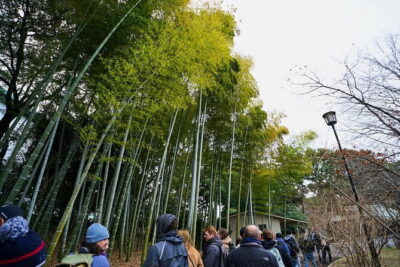
Tokyo Castle & Imperial PalaceーShogun Walking Tour
Read our review →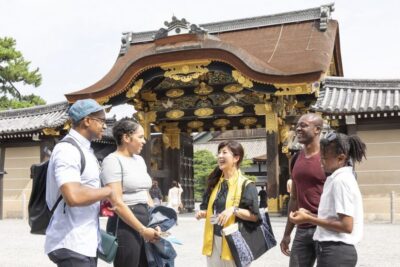
Nijo-jo Castle and Ninomaru Palace Guided Tour
Read our review →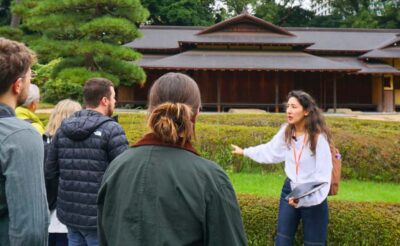

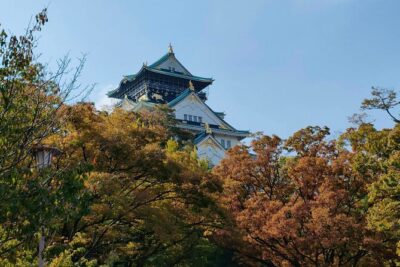
Ultimate Osaka Walking Tour: Castle, Dotonbori & Hidden Gems
Read our review →Tokyo Castle & Imperial PalaceーShogun Walking Tour
Read our review →Browse the lists this tour appears in