
REVIEW · DESSERT TOURS
Tokyo: Hama-rikyu Gardens tour with Japanese Tea & Sweets
Hama-rikyu Gardens gives you two very different Tokyo pleasures in one compact outing: a guided walk through an Edo-period garden and a quiet bowl of matcha beside the scenery. The garden’s dry garden and circular walking design make more sense once someone explains how they were planned.
I like the small group of four, which leaves room for questions and keeps the walk personal. I also like that the matcha and Japanese sweets are included, so the $85 price covers more than a quick stroll and a guide.
The main consideration is time. Ninety minutes is enough for a focused introduction, but not a slow, all-day visit to every corner of the gardens. You’ll also want comfortable walking shoes, since the experience takes place on foot.
In This Review
- Key points to know before booking
- Why Hama-rikyu works so well for a short Tokyo tour
- Starting at Otemon Bridge
- Reading the Karesansui dry garden
- Following the Kaiyushiki circular garden
- The one-hour matcha and sweets experience
- What the guides add to the visit
- Is $85 a fair price?
- Timing, walking, and practical details
- Who will like this experience most?
- How the experience compares with visiting alone
- Should you book Hama-rikyu Gardens with tea?
- FAQ
- How long does the Hama-rikyu Gardens tour last?
- What is included in the price?
- Is the tour conducted in English?
- How many people can join the group?
- Where does the tour begin?
- Where does the tour finish?
- What garden features will the guide explain?
- Do I need to bring money for the matcha and sweets?
- Can I cancel the booking?
Key points to know before booking
- Edo-period setting: Hama-rikyu Gardens introduces you to a Japanese garden shaped by the culture and tastes of the Edo period.
- Two garden styles: Your guide explains the Karesansui dry garden and the Kaiyushiki circular garden.
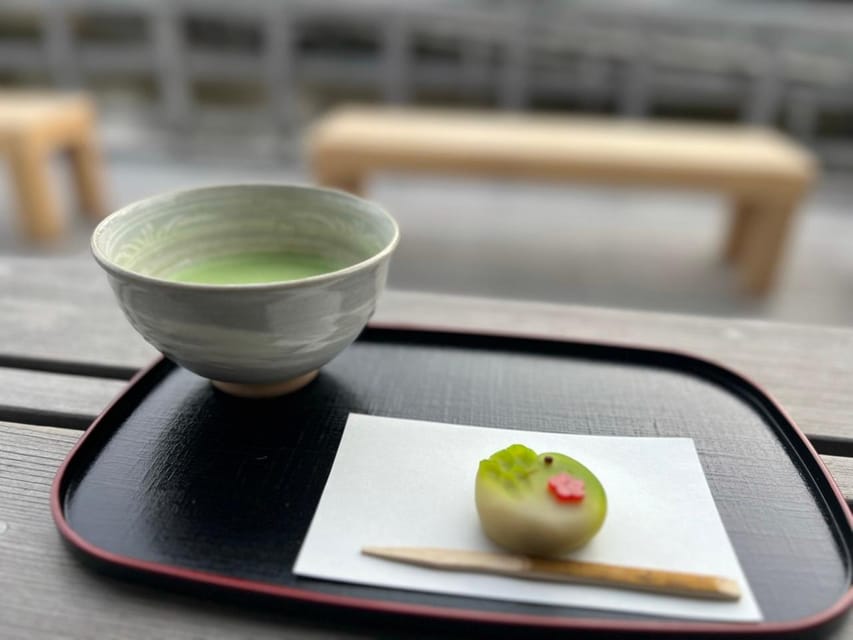
- A proper tea-room pause: Matcha green tea and Japanese sweets are served in a tea ceremony room inside the gardens.
- Small English-speaking group: The group is limited to four people, with a live guide in English.
- Convenient finish: The experience ends at Shiodome Station, while the starting point is Otemon Bridge.
- Flexible booking: You can cancel up to 24 hours before the start for a full refund and reserve without paying immediately.
Why Hama-rikyu works so well for a short Tokyo tour
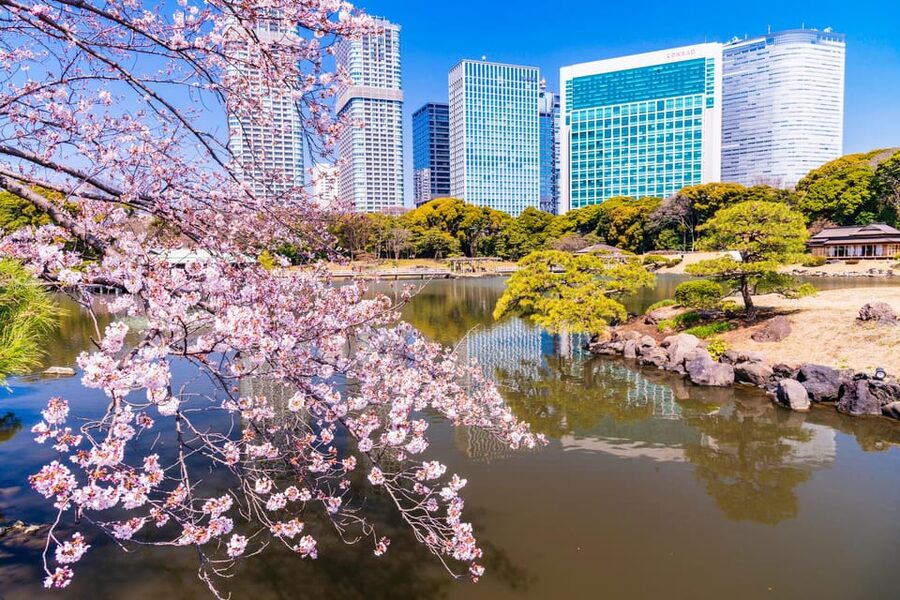
Tokyo can make traditional Japan feel hard to find. Trains, tall buildings, bright signs, and busy streets fill much of the city. Hama-rikyu Gardens offers a sharp change of pace without asking you to leave central Tokyo.
The setting is valuable because the garden is not simply a patch of green space. Its layout reflects Japanese ideas about balance, movement, seasonal beauty, and the relationship between carefully shaped nature and open views. You see the garden, but a guide helps you understand why it looks the way it does.
That extra explanation is the point of booking this rather than walking in alone. You could certainly take photographs by yourself, but you might miss the meaning behind the dry garden, the circular design, and the way plants change the character of the grounds during the year.
The experience also avoids trying to do too much. It is not a long city sightseeing program with several unrelated stops. You spend the full 90 minutes in one historical garden, then sit down for tea. For many people, that narrower focus will feel like a relief.
A few more Tokyo trips to weigh up
- Matcha Making Class in Tokyo with Authentic Japanese Sweets Set
★ 5.0 · 744 reviews - Tokyo: Matcha Making Experience with Mochi Sweets in Asakusa
★ 4.9 · 388 reviews - Make Traditional Nerikiri Sweets & Matcha experience in Shibuya
★ 5.0 · 130 reviews
Starting at Otemon Bridge
The meeting point is Otemon Bridge, one of the listed starting options. This gives the outing a clear beginning: you enter the gardens and then move through them with your guide rather than trying to find your way between several distant Tokyo sights.
Because the exact meeting point can vary with the option you book, check your confirmation carefully before setting out. The practical advantage is that the tour does not leave you guessing about where the walk begins.
Once inside, expect the first part to last about 30 minutes. That is a short introduction, so the guide will focus on the garden’s main ideas rather than attempting to explain every tree, path, and feature.
This works best if you arrive ready to pay attention. The garden walk is not only a photo stop. Your guide explains the background of Hama-rikyu Gardens, the period in which it originated, and the thinking behind its design.
Reading the Karesansui dry garden
One of the main features is the Karesansui, or dry garden. This style uses arranged elements to suggest natural scenery without relying on a conventional pond or lush planting.
A guide is especially useful here because the attraction is not just visual. Without some context, a dry garden can look simple at first glance. With an explanation of its design, you begin to notice placement, empty space, and the way the garden asks you to look rather than merely pass through.
The short walking portion is enough to introduce the idea without turning the visit into a lecture. You can listen, ask questions, and take photographs along the way. If garden design interests you, this section may be the most intellectually rewarding part of the tour.
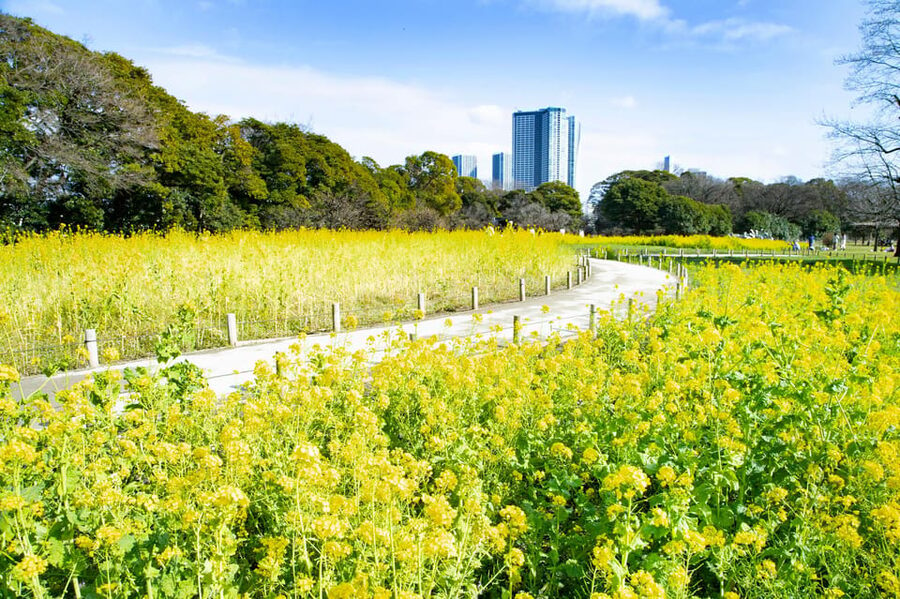
It is also a good reminder that Japanese gardens are not meant to look identical throughout the year. Plants and trees change with the seasons, so the same paths can offer a different mood in spring, summer, autumn, or winter.
Following the Kaiyushiki circular garden
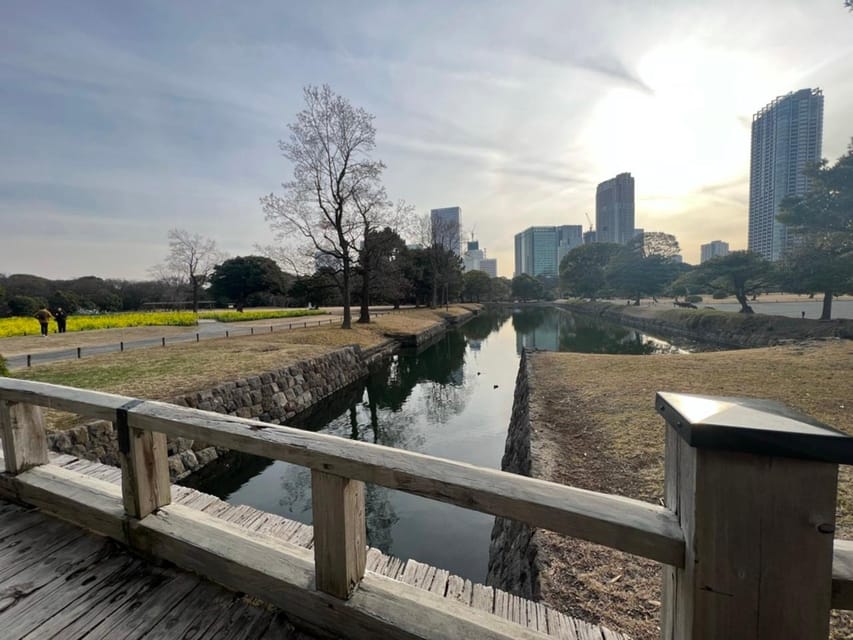
The second major style is the Kaiyushiki garden, a circular walking garden designed to reveal different views as you move around it. Instead of presenting everything from one fixed viewpoint, this approach makes walking part of the experience.
Your guide explains the garden’s design and shows you how the route shapes what you see. That is a useful distinction for first-time visitors. You are not simply looking at a pretty park. You are moving through a planned sequence of views.
The route also gives the tour a gentle rhythm. You walk, stop, listen, look, and continue. Since the group is limited to four, the guide can keep the pace manageable and respond to questions without trying to control a large crowd.
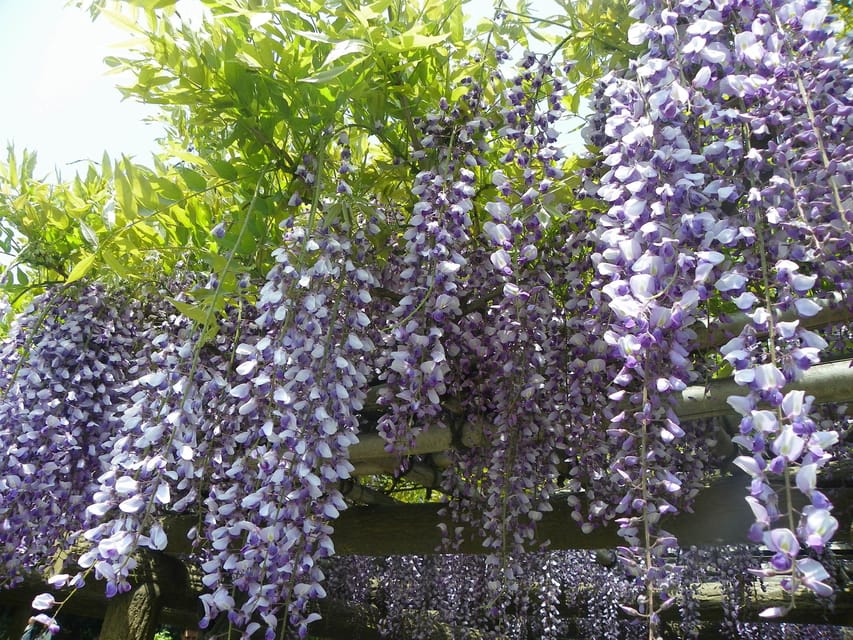
The garden’s beauty depends partly on timing. Seasonal flowers and changing foliage affect what you see, so no single visit captures the garden permanently. One past participant specifically looked forward to returning in spring to see the flowers in bloom. If seasonal plants matter to you, consider the time of year when choosing your date.
Same city, a completely different kind of day:
- Mt Fuji and Hakone 1-Day Bus Tour Return by Bullet Train
★ 5.0 · 26,383 reviews - 1-Day Tokyo Bus Tour
★ 5.0 · 14,250 reviews - Tokyo: TOKYO SKYTREE® Admission ticket
★ 4.5 · 11,192 reviews - Tokyo: teamLab Planets TOKYO Digital Art Museum Entry Ticket
★ 4.6 · 9,779 reviews
The one-hour matcha and sweets experience
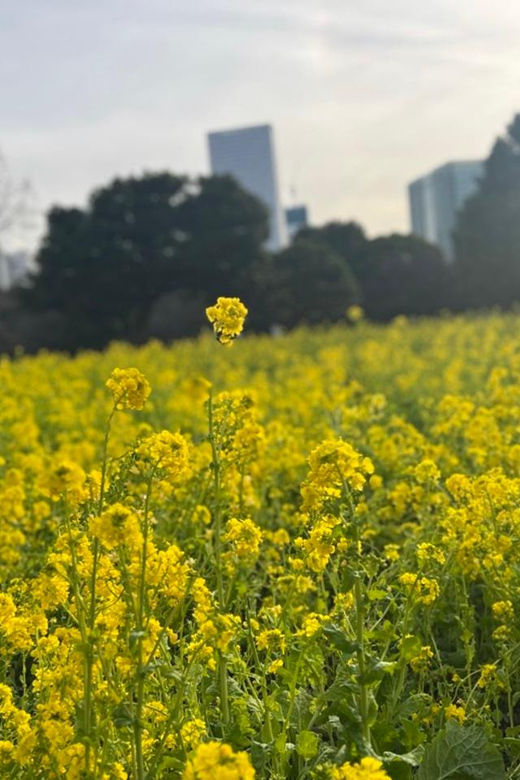
After the garden walk, the tour moves to a tea ceremony room within Hama-rikyu Gardens. This part lasts about one hour, making it the larger portion of the experience.
You receive matcha green tea and Japanese sweets as part of the $85 fee. The sweets are an important pairing, not just an extra snack. Traditional Japanese sweets help balance the strong, grassy taste of matcha and make the tea stop feel like a cultural activity rather than a standard café break.
The tea room also changes the pace. After walking and listening, you have time to sit, look back toward the garden, and enjoy the setting. The experience does not require you to rush through the tea before moving to another Tokyo attraction.
The supplied details call this a tea ceremony, but they do not specify the exact level of formality or list each step of the preparation. You should therefore expect a guided matcha experience in a tea room, while avoiding assumptions about a lengthy formal ceremony.
For some people, this will be the most memorable part. Mei described the combination of matcha and wagashi as unforgettable, while another participant particularly enjoyed the matcha. Those details point to the tour’s strongest pairing: quiet scenery, a traditional drink, and a sweet made for the occasion.
What the guides add to the visit
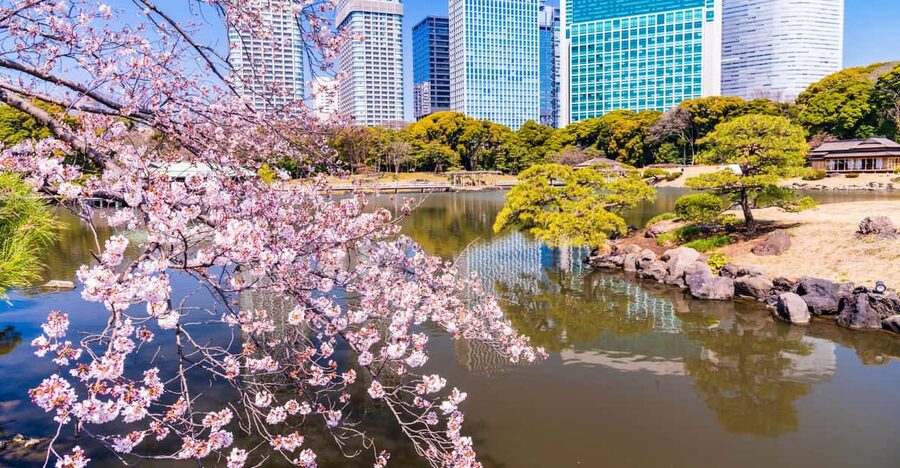
The guide is the reason to choose this experience over a self-guided garden visit. Your English-speaking host explains the garden’s history, its design, and the place of the two major garden styles within Japanese garden culture.
Past hosts named in participant feedback include Ayaku, Hiro, and Mr. Ito. Their individual style may differ, but the useful common thread is the personal explanation. Ayaku was noted for her kindness and enthusiasm, Hiro for taking the group to several interesting spots, and Mr. Ito for making Japanese history easy to enjoy.
Those comments also suggest that the quality of the outing depends partly on the person leading it. A good guide turns a pleasant walk into a lesson you can carry to other Japanese gardens. The small-group format helps here because four people give the guide a better chance to answer questions and adjust the pace.
The tour is offered in English only. If you want detailed explanations in another language, this is not the right match based on the information available.
Is $85 a fair price?
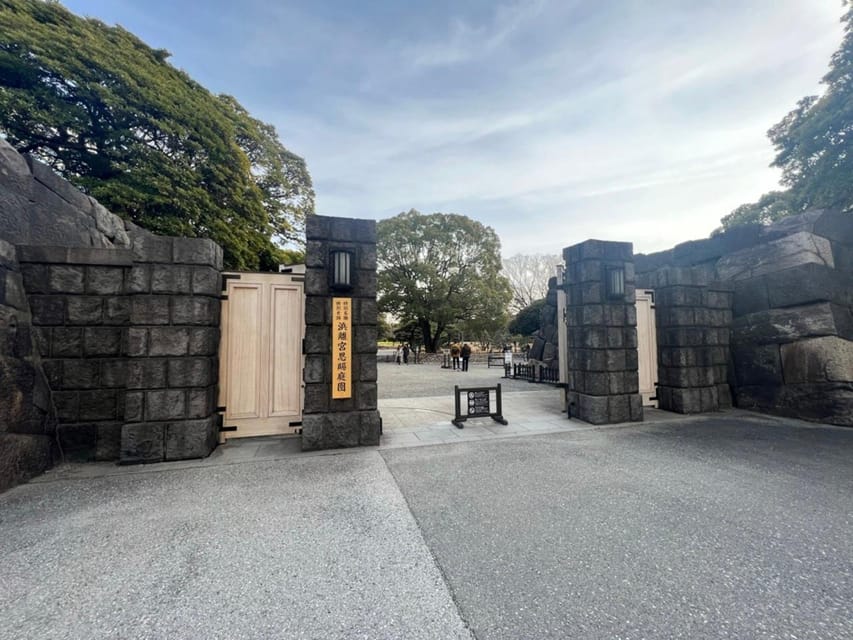
At $85 per person, this is not the cheapest way to enter a Tokyo garden. You are paying for a 90-minute private-feeling format, an English-speaking guide, and matcha with Japanese sweets in the garden tea room.
The group limit matters. With no more than four participants, you are not paying for a large bus-style explanation delivered to a crowd. You also avoid having to research the garden’s design beforehand or spend time sorting out which features deserve attention.
The value is strongest if you want context and a cultural pause. If you only want to stroll through the gardens and take photographs, visiting independently may cost less and let you stay longer. If you want someone to explain what you are seeing and then connect it with tea culture, the price is easier to justify.
The hour in the tea room also makes the cost more reasonable than a basic 30-minute guided walk. Matcha and sweets are included, so there should not be a separate charge for the advertised tea experience.
Timing, walking, and practical details
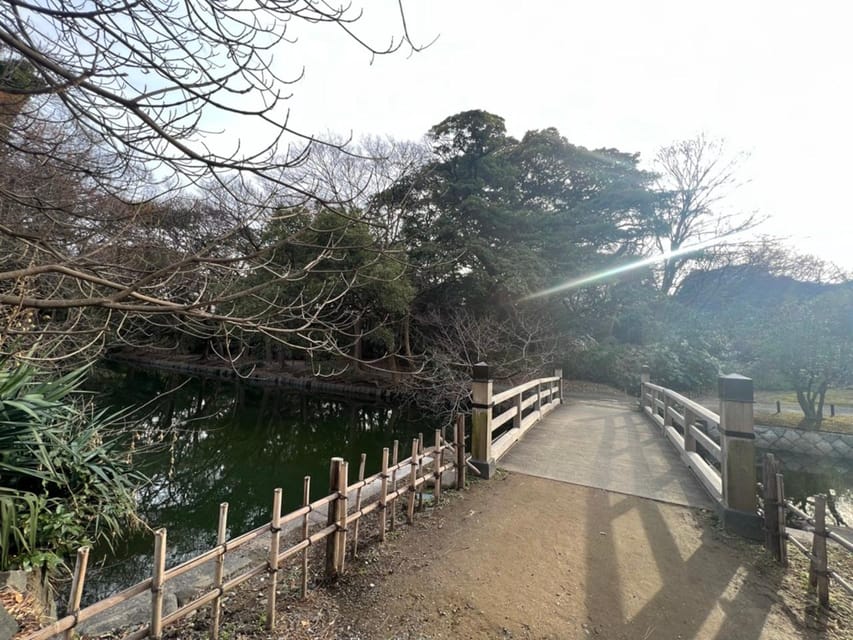
The total duration is 90 minutes. The planned structure is about 30 minutes of guided garden walking followed by about one hour in the tea ceremony room.
Wear comfortable walking shoes. The route is a walking tour, and even a short garden visit is more pleasant when you are not thinking about sore feet.
The listed finish is Shiodome Station. That is useful if you want to continue sightseeing or connect with the rest of Tokyo after tea. The starting point is Otemon Bridge, so you should plan around a walk that begins and ends at different places.
The meeting point may vary depending on the option booked. Confirm the selected option and meeting instructions before the day of the tour.
The booking terms are friendly for uncertain schedules. You can cancel up to 24 hours in advance for a full refund, and the reserve-now, pay-later option lets you hold a place without paying at the time of booking. Starting times vary, so you need to check availability for your chosen date.
Who will like this experience most?
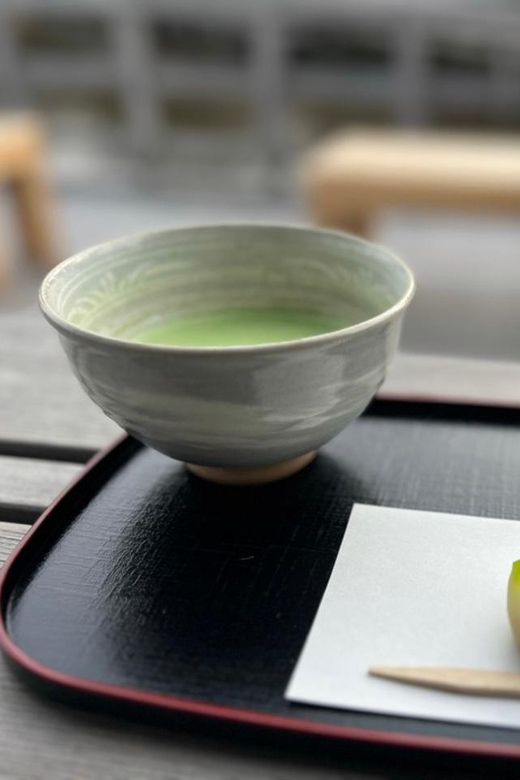
I would recommend this tour to first-time visitors who want a manageable introduction to Japanese garden culture. It gives you enough explanation to understand the basic ideas without taking half a day from a busy Tokyo schedule.
It also suits anyone who enjoys quiet cultural experiences more than fast sightseeing. The garden walk is gentle in spirit, and the tea-room hour gives you time to slow down.
Matcha fans have an obvious reason to book. The tea is not an incidental refreshment, and Japanese sweets are included. If you already enjoy matcha-flavored drinks or sweets, the pairing will likely feel like a natural highlight.
This is also a good choice for a small family group, a couple, or solo visitors who prefer a guide but do not want a large party. The four-person limit keeps the experience personal.
You may want to skip it if you dislike guided explanations, have very little time, or want a much longer garden visit. The 30-minute walk introduces the main points, but it is not designed as an exhaustive tour of every part of Hama-rikyu Gardens.
How the experience compares with visiting alone
A self-guided visit gives you freedom. You can set your own pace, linger as long as you like, and return to a favorite view. That flexibility is useful for photographers or anyone already familiar with Japanese garden design.
This tour gives you structure and meaning instead. You do not have to arrive with background knowledge, and you can ask about details that would otherwise pass unnoticed.
The best choice depends on what you want from the gardens. Choose independent entry if the setting itself is enough. Choose this tour if you want the garden’s design explained and like the idea of finishing with matcha and sweets in the same peaceful setting.
The small group is a particularly useful middle ground. You receive more attention than on a large group walk, while still having the reassurance of a planned route and a live guide.
Should you book Hama-rikyu Gardens with tea?
Book it if you want a short, focused cultural experience that combines Edo-period garden design with matcha and Japanese sweets. The guide gives the scenery context, and the tea-room hour adds a calm finish that a standard garden visit does not provide.
At $85, it makes the most sense for people who value explanation, a small group, and a planned tea experience. It is less compelling if your priority is saving money or wandering freely for several hours.
For a first visit to Hama-rikyu Gardens, I think the format is well judged. You see the main design ideas, learn how the garden works, and have time to enjoy tea without hurrying. Just wear comfortable shoes, check your meeting point, and choose the tour when you want understanding and atmosphere rather than a quick photo stop.
FAQ
How long does the Hama-rikyu Gardens tour last?
The experience lasts 90 minutes. The schedule includes about 30 minutes of guided garden touring and about one hour in the tea ceremony room.
What is included in the price?
The tour fee includes an English-speaking tour guide, matcha green tea, and Japanese sweets.
Is the tour conducted in English?
Yes. The listed live tour language is English.
How many people can join the group?
The tour is limited to four participants.
Where does the tour begin?
One listed starting location is Otemon Bridge, or Otemon Bridge in Japanese. The exact meeting point may vary depending on the option you book.
Where does the tour finish?
The listed drop-off location is Shiodome Station.
What garden features will the guide explain?
The guide explains the Karesansui dry garden, the Kaiyushiki circular garden, the garden’s Edo-period origins, and the ideas behind its design.
Do I need to bring money for the matcha and sweets?
No. Matcha green tea and Japanese sweets are included in the tour fee.
Can I cancel the booking?
Yes. You can cancel up to 24 hours in advance for a full refund. The reserve-now, pay-later option is also available.
Just added around Tokyo
- Private Memorable Tokyo Tour with English Speaking Driver★ 5.0 · 30 reviews
- Private Tokyo Custom Full-Day Tour by Chartered Vehicle★ 5.0 · 16 reviews
- Private Sightseeing to Mt Fuji and Hakone with English Driver★ 5.0 · 51 reviews
- Tokyo Photography Masterclass – Private Photography Lesson★ 5.0 · 25 reviews
- Private Mt. Fuji Day Trip from Tokyo with English-Speaking Driver★ 5.0 · 33 reviews
- 4 Day Tour – Mount. Fuji, Tokyo, Hakone, Kamakura and Yokohama★ 5.0 · 19 reviews
- Private Unforgettable Mt Fuji Tour with English Speaking Driver★ 5.0 · 142 reviews
- Private Tokyo Food Tour – A Journey Through Time Through Food★ 5.0 · 36 reviews
Dessert Tours, compared.
Matcha Making Class in Tokyo with Authentic Japanese Sweets Set
Read our review →
Matcha Making Class in Osaka with Authentic Japanese Sweets Set
Read our review →
Matcha Making Experience with Mochi Sweets in Asakusa
Read our review →
Japanese Traditional Sweets Making and Tea Ceremony
Read our review →
Make Traditional Nerikiri Sweets & Matcha experience in Shibuya
Read our review →
Japanese Traditional Sweets Making and Tea Ceremony
Read our review →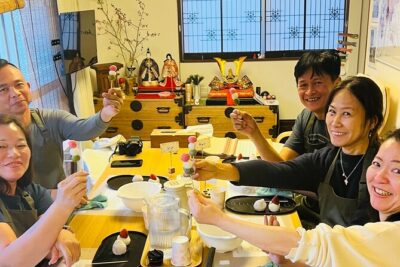
Private Mochi Sweets Making class near Shibuya area
Read our review →Browse the lists this tour appears in