
REVIEW · SUMO EXPERIENCES
the SUMO show with Dinner
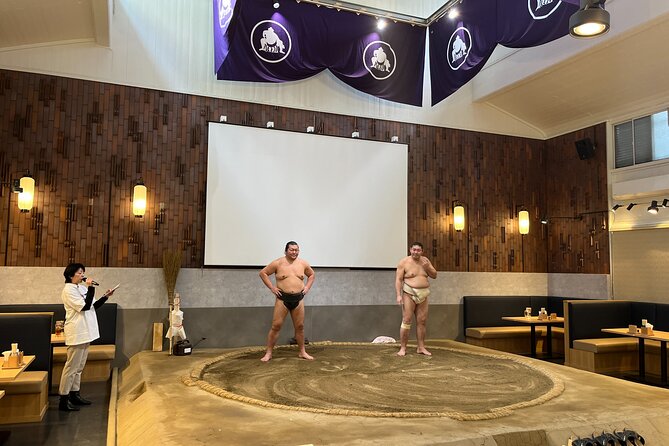
The best part of this Tokyo evening is the chance to see sumo at arm’s length. You’ll watch retired professional wrestlers explain the sport, demonstrate its rituals and techniques, compete in three matches, and then invite willing audience members into the ring. It’s much more hands-on than simply watching a tournament from the stands.
I like two things right away: the sumo-style dinner gives the evening a real cultural focus, and the show is built for participation rather than quiet observation. The food arrives at your table, cooking in front of you, and the English explanations make the sport easier to follow.
The main consideration is value. At $118.89 per person, this is not a cheap dinner, and one person found the program short and the food only average. Seating is shared and assigned by reservation order, so the experience works best if you want an entertaining cultural show, not a formal meal or a serious tournament.
In This Review
- Key points to know before booking
- Why this sumo show feels different from a tournament
- Arriving in Ryogoku for the 7:00 pm start
- The sumo lesson comes before the comedy
- Three exhibition matches with retired wrestlers
- Trying sumo yourself in a prepared costume
- Sukiyaki, chanko soup, rice, and ice cream
- Photos, questions, and meeting the wrestlers
- What the $118.89 price really covers
- Who will enjoy this evening most
- Practical details that can affect your night
- Should you book the sumo dinner show?
- FAQ
- Where does the sumo dinner show take place?
- What time does the experience start?
- What food is included?
- Are the wrestlers active professional sumo wrestlers?
- Can I try sumo with the wrestlers?
- Is the show suitable for children?
- How far in advance can I cancel for a full refund?
Key points to know before booking
- Three live exhibition bouts: Retired wrestlers demonstrate sumo techniques and compete in three matches.
- A real chance to enter the ring: Audience members can put on a prepared costume and try sumo against a wrestler.
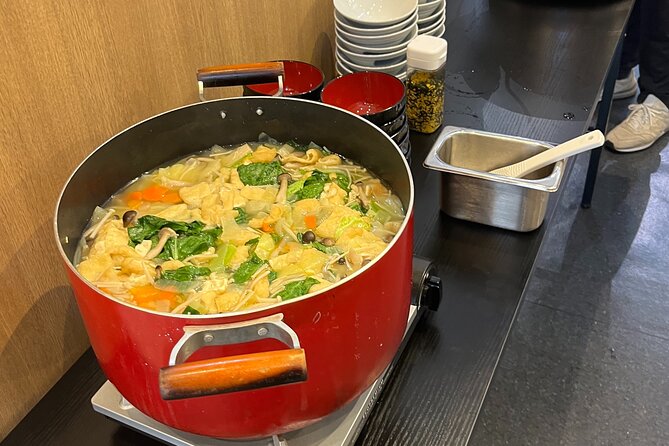
- Dinner cooks at your table: The meal includes sukiyaki, chanko-style soup, rice, and ice cream.
- English explanations throughout: Learn about sumo history, manners, training, basic actions, and illegal techniques.
- Family-friendly participation: Children as young as four and five have enjoyed the show, and kids may be invited to wrestle.
- One fixed evening visit: Meet at 7:00 pm in Ryogoku, with the 90-minute activity ending at the same location.
Why this sumo show feels different from a tournament
A Tokyo sumo tournament is a sporting event. This is a cultural dinner show with a sporting demonstration at its center. That difference matters.
At a tournament, you sit among thousands of spectators and watch highly trained wrestlers compete under strict rules. Here, the retired wrestlers slow things down and explain what you are seeing. You learn the fundamental actions, hear about training and daily life, see several techniques, and get a closer look at the rituals that make sumo more than a simple pushing contest.
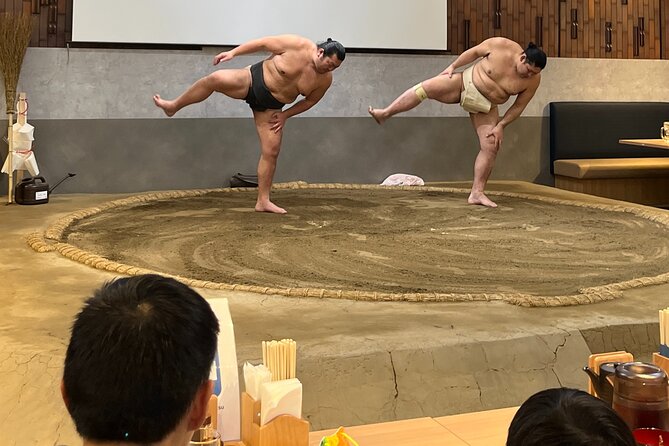
The format is light and funny. The host keeps the pace moving, explains the action in English, and brings people into the program. You’ll see demonstrations of permitted and prohibited techniques, followed by three exhibition matches. The wrestlers are not competing in an official tournament, but the size, force, and physical control of the bouts still make a strong impression.
I think this approach is especially useful if you know little about sumo. Without an explanation, the sport can seem slow or mysterious. Once you understand the purpose of the stance, the foot stamping, the pushing, the grip, and the way a match ends, you watch with a much better eye.
More Sumo Experiences in Tokyo
- Tokyo: Sumo Show and Dining Experience
★ 4.8 · 2,742 reviews - the SUMO show
★ 5.0 · 1,960 reviews - Tokyo Shinjuku Sumo Show & Experience with Photo
★ 5.0 · 1,750 reviews
Arriving in Ryogoku for the 7:00 pm start
The meeting point is Yokozuna Tonkatsu, also identified as Sumo lunch, at 3-chome-1-11 Tatekawa in Sumida City. The activity takes place in Ryogoku, Tokyo’s best-known sumo district, and ends back at the same point.
The start time is 7:00 pm, and the total visit lasts about 90 minutes. That makes it an easy evening addition after a day of sightseeing. You do not need to give up a full day, and you can plan a later night around it, though the fixed start time means you should allow enough time to reach the venue.
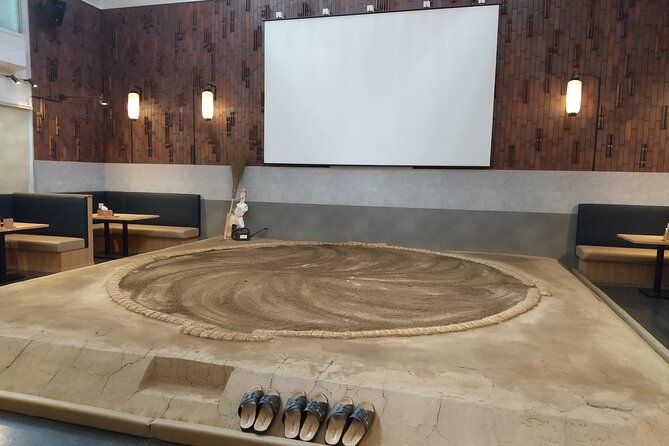
Arriving early is sensible, but do not expect it to guarantee a preferred table. Seating is assigned according to when reservations are received, and you may share a table with another group. The room can hold up to 60 people, so this is a group event rather than a private encounter.
One useful detail from the evening format is that most people have a view of the performance area, but tables and bodies can affect sightlines. One person arrived first and still found a table blocking the view, requiring some standing during the show. That appears to be an exception rather than the normal experience, but it is a reminder that this is a busy dinner hall, not a theater with individually assigned seats.
The sumo lesson comes before the comedy
The program begins with an English explanation of sumo basics. The host covers history, manners, training, daily life, and the structure of a match. The two retired wrestlers demonstrate fundamental movements and show how different techniques work.
This teaching section is one of the most useful parts of the evening. You learn why a wrestler’s balance matters, how a bout can be won without simply throwing an opponent, and which techniques are not allowed. The explanations also give you a glimpse into the discipline behind the sport.
The tone is deliberately friendly. The show is not presented as a lecture, and the host uses humor to keep children and adults involved. Several parts of the evening are interactive, so you are not sitting through a long speech before dinner and entertainment begin.
The retired wrestlers are a major part of the appeal. They can explain the sport from personal experience, then switch into performance mode for the matches. Their humor and friendly manner help soften what can otherwise look like an intimidating sport.
Three exhibition matches with retired wrestlers
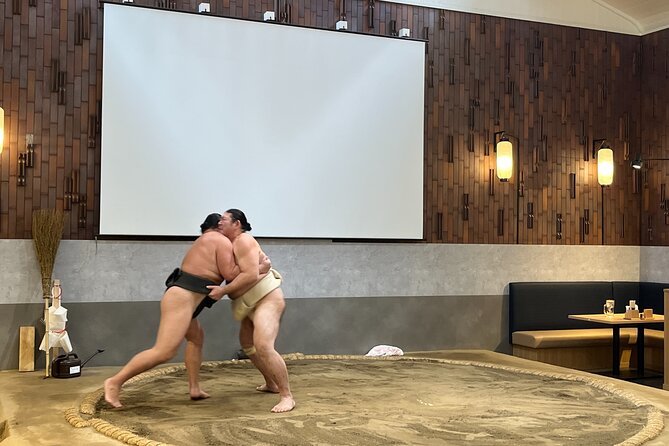
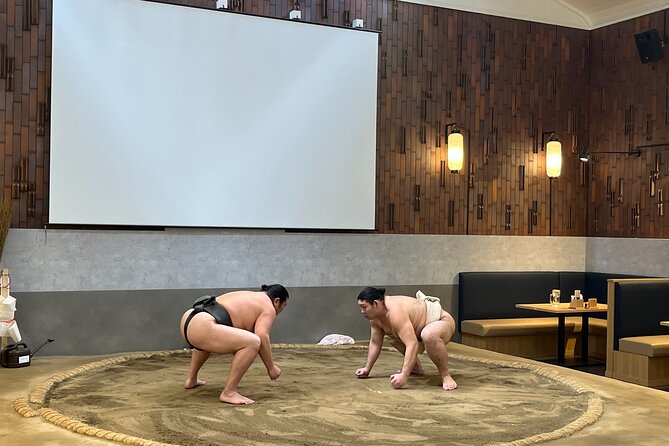
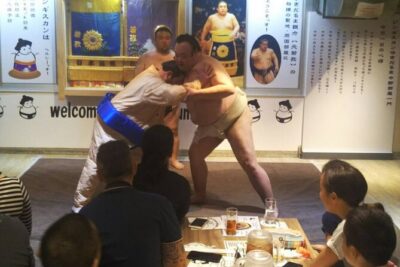
After the demonstrations, the wrestlers compete in three real exhibition bouts. These are not official tournament matches, so you should not book this expecting the formal atmosphere or competitive stakes of the professional sumo calendar. You are getting a close, explained presentation of the sport.
Still, the matches provide the evening’s strongest visual moment. Sumo wrestlers are powerful, but the show also reveals the control needed to perform safely in a small venue. The contrast between their size and their calm, good-natured manner is part of the fun.
The host keeps the audience informed as the bouts unfold. You’ll understand more about the initial charge, the use of force, the search for position, and the ways a wrestler can win. The three-match structure gives the program a clear rhythm and helps prevent the show from becoming a single long demonstration.
The comedy is not separate from the sumo. The wrestlers joke with the host and audience, react to the action, and make room for playful challenges. If you enjoy polished stage entertainment, you’ll likely appreciate the easy pace. If you want a quiet, traditional presentation, the audience participation may feel like too much.
Same city, a completely different kind of day:
- Mt Fuji and Hakone 1-Day Bus Tour Return by Bullet Train
★ 5.0 · 26,383 reviews - 1-Day Tokyo Bus Tour
★ 5.0 · 14,250 reviews - Tokyo: TOKYO SKYTREE® Admission ticket
★ 4.5 · 11,192 reviews - Tokyo: teamLab Planets TOKYO Digital Art Museum Entry Ticket
★ 4.6 · 9,779 reviews
Trying sumo yourself in a prepared costume
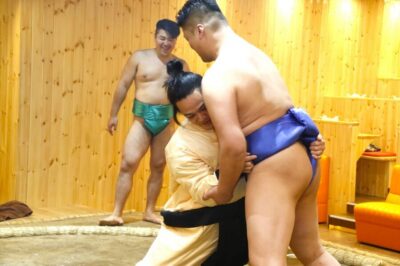
The most memorable feature for many families is the chance to try sumo against one of the retired wrestlers. Participants wear a costume supplied for the activity, so you should not expect to wrestle in your own clothes.
You do not have to participate. Watching other people attempt to move a retired wrestler is entertaining enough, and the show makes room for different comfort levels. Children often enjoy this part because the match feels playful rather than threatening. Several family groups have had children take part, including young children.
For adults, the lesson is usually humbling. A wrestler does not need to make a dramatic effort to stop an ordinary person, which gives you a quick sense of the sport’s physical demands. The humor comes from the harmless mismatch, while the wrestler’s control keeps it suitable for a broad audience.
If you have mobility concerns or simply do not want to take part, you can watch instead. The supplied information says most people can participate in the activity, but it does not promise that every visitor will wrestle. Treat the challenge as an optional extra, not the reason to book if you are unable or unwilling to join in.
Sukiyaki, chanko soup, rice, and ice cream
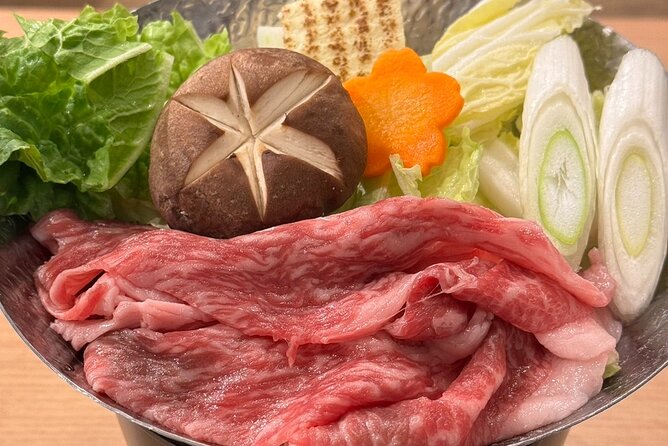
Dinner is more than a snack between bouts. The meal centers on sukiyaki and chanko-style soup, the hearty food associated with the sumo world, and includes rice and ice cream.
The sukiyaki cooks at the table, which adds a small bit of theater to the meal. You see the food heat up in front of you rather than receiving a fully plated dinner from the kitchen. The meal has been described as fresh, filling, and simple, with enough food to make it feel like a proper dinner.
Chanko is closely linked with sumo training meals. It is commonly understood as a substantial shared hot-pot style dish, and here it helps connect the food with the subject of the show. You are not just eating a generic Japanese dinner while watching entertainment. The menu is designed to fit the sumo theme.
Expectations should stay realistic. Most people find the food good, and some describe it as delicious, but one person found it mediocre and another did not care for it much. The dessert is a basic serving of vanilla ice cream, not an elaborate final course. I would judge the dinner as part of the overall experience, not as a reason to pay the full price by itself.
Drinks are not clearly included in the listed dinner package. Budget separately for them. The available information indicates that drinks are available and have been considered reasonably priced, but the cost is not specified.
Photos, questions, and meeting the wrestlers
The program includes time for questions and souvenir photos with the wrestlers. This is valuable because the evening shifts from watching a staged presentation to having a direct exchange with people who spent part of their lives in professional sumo.
The question period gives you a chance to ask about training, life in the sumo world, match rules, or the wrestlers’ careers. The exact questions depend on the audience, so the discussion may vary from one night to another.
Photo time is organized table by table. That helps everyone get a picture, but it also means the evening can feel tightly scheduled. One positive feature is that the staff keeps the program moving, which prevents long stretches of waiting. The tradeoff is that you may not get unlimited one-on-one time.
Take the photo opportunity seriously if it matters to you. It is one of the few included moments where your whole group can pose with the wrestlers. Larger groups may not fit comfortably at one table, and seating is not guaranteed to keep a large party together.
What the $118.89 price really covers
At $118.89 per person, the cost is high for a 90-minute dinner. The value comes from combining several things that would otherwise require separate planning: an English-language introduction to sumo, live demonstrations, three exhibition matches, a traditional-style meal, audience participation, and photos with retired wrestlers.
If you are already planning to attend a professional tournament, this show may feel less essential. A tournament gives you authentic competition and a much larger sense of sumo as a national sport. This experience gives you access and explanation that a tournament ticket does not.
For a family, the price can make more sense because children and adults share the same program. The opportunity to wrestle a retired professional, laugh with the host, and eat dinner in one evening creates a clear memory rather than simply filling a restaurant reservation.
For a couple who cares mainly about food, I would choose a good local restaurant instead. The dinner is well regarded overall, but it is not a luxury meal. You are paying for the presentation, the personal contact, and the entertainment as much as for what is on the table.
The strong response to the event is understandable: the show combines education and comedy without requiring previous sumo knowledge. Still, the one-hour-thirty-minute length and basic dessert mean you should decide based on the whole package.
Who will enjoy this evening most
I would recommend the show to:
- Families with children who enjoy seeing and trying things, not just listening.
- First-time visitors who want an accessible introduction to sumo.
- Adults looking for a relaxed evening with food, humor, and Japanese culture.
- People who could not obtain tickets for a Tokyo tournament.
- Groups that enjoy audience participation and group photos.
I would hesitate to recommend it to anyone seeking a formal sporting event, a quiet dinner, or an in-depth study of professional sumo. The show simplifies the subject for a broad audience, and the comedy is central to the format.
The event can suit a wide age range. Children around four and five have enjoyed it, while adults also get useful information about rules and traditions. The main question is not age, but willingness to join a shared, interactive evening.
Practical details that can affect your night
You should list dietary restrictions or allergies when booking. Requests made fewer than five days before the event may not receive a response, so do not leave this until the last minute. Vegetarian arrangements have been provided, but you should state your needs clearly in advance rather than assume a substitute will be ready.
The activity is near public transportation, and it begins and ends at the same location. Confirmation is sent within 48 hours, subject to availability. Since the group can reach 60 people, book ahead if this is an important part of your Tokyo plan. The experience had been booked more than five times in the previous week, which suggests that popular dates can fill.
The operator requires you to follow staff instructions and behave considerately. Anyone causing trouble can be asked to leave without a refund. This is worth noting because the event is playful, but the wrestlers and staff still need a safe, orderly room.
Cancellation terms are strict close to the date. Cancel at least six full days before the start time for a full refund. A cancellation two to six full days ahead receives a 50 percent refund, while cancellations fewer than two full days before the event are not refunded. Date changes are not accepted within three days, including for flight delays or illness.
Should you book the sumo dinner show?
Book it if you want an easy, entertaining way to meet retired sumo wrestlers, learn the basics in English, eat a themed Japanese dinner, and let your family take part. The three exhibition bouts, optional wrestling challenge, and group photos make this more personal than watching a sport from a distant seat.
Think twice if $118.89 feels high for a short program or if food quality is your main concern. The meal is filling and usually well received, but it is simple, and the seating arrangement can occasionally affect your view.
My call: book this for the experience, not the dinner alone. It is especially strong for families and first-time visitors to Tokyo. If you accept the shared seating, the basic dessert, and the show-style presentation, you’ll get a lively introduction to sumo with plenty of laughs and a memorable chance to meet the wrestlers.
FAQ
Where does the sumo dinner show take place?
The meeting point is Yokozuna Tonkatsu, also identified as Sumo lunch, at 3-chome-1-11 Tatekawa, Sumida City, Tokyo 130-0023, Japan. The activity takes place in the Ryogoku area and ends back at the meeting point.
What time does the experience start?
The show starts at 7:00 pm. The total duration is approximately 1 hour and 30 minutes.
What food is included?
Dinner includes sukiyaki and chanko-style soup, along with rice and ice cream. Food and drinks are not included unless specified, so confirm drink arrangements and budget separately for them.
Are the wrestlers active professional sumo wrestlers?
The wrestlers are retired professional sumo wrestlers. They explain sumo, demonstrate techniques, perform three exhibition matches, answer questions, and pose for photos.
Can I try sumo with the wrestlers?
Yes. Audience members have the opportunity to try sumo with the retired wrestlers. Participants must wear a costume prepared for the activity, and taking part is optional.
Is the show suitable for children?
Yes. Most people can participate, and the show has been enjoyed by families with children as young as four and five. Children may also be invited to try wrestling with the wrestlers.
How far in advance can I cancel for a full refund?
You must cancel at least six full days before the experience start time for a full refund. Cancelling two to six full days ahead provides a 50 percent refund, while cancelling fewer than two full days ahead is nonrefundable.
More Dining Experiences in Tokyo
- Tokyo Dinner Cruise & Tradition Show & Drinks & Tokyo Tower
★ 4.7 · 315 reviews - Professional Ramen & Gyoza with Ramen Chef in a restaurant!
★ 5.0 · 223 reviews - Experience all of Japanese culture and Japanese food experience classes “origami, udon, Japanese food, green tea, calligraphy” in 4 hours
★ 5.0 · 105 reviews - Authentic Geisha Performance with Dinner in Tokyo
★ 4.5 · 101 reviews
More Dinner Experiences in Tokyo
- Tokyo Bar Hopping Tour in Shinjuku (All-You-Can-Drink + Dinner)
★ 5.0 · 3,587 reviews - Sumida River: Japanese Traditional Yakatabune Dinner Cruise
★ 4.6 · 779 reviews - Tokyo Bay Yakatabune Dinner/Day Cruise with Japan Show and Drinks
★ 4.5 · 473 reviews - Tokyo: Shinjuku Bar Hopping with All-You-Can-Drink & Dinner
★ 4.9 · 440 reviews
Just added around Tokyo
- Private Memorable Tokyo Tour with English Speaking Driver★ 5.0 · 30 reviews
- Private Tokyo Custom Full-Day Tour by Chartered Vehicle★ 5.0 · 16 reviews
- Private Sightseeing to Mt Fuji and Hakone with English Driver★ 5.0 · 51 reviews
- Tokyo Photography Masterclass – Private Photography Lesson★ 5.0 · 25 reviews
- Private Mt. Fuji Day Trip from Tokyo with English-Speaking Driver★ 5.0 · 33 reviews
- 4 Day Tour – Mount. Fuji, Tokyo, Hakone, Kamakura and Yokohama★ 5.0 · 19 reviews
- Private Tokyo Food Tour – A Journey Through Time Through Food★ 5.0 · 36 reviews
- Private Tokyo Custom Half-Day Tour by Chartered Vehicle★ 4.5 · 13 reviews
Sumo Experiences, compared.
Sumo Show Experience with Chicken Hot Pot and a Photo
Read our review →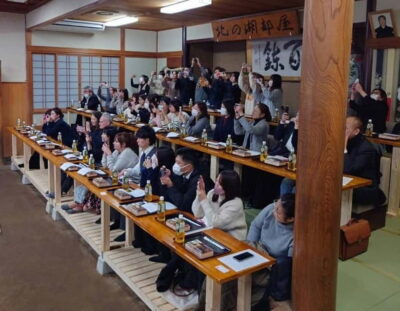
Tokyo Shinjuku Sumo Show & Experience with Photo
Read our review →
Sumo Show & Experience w/ Optional Kimono & Hot Pot
Read our review →
Authentic Sumo Experience in Tokyo: Enter the Sanctuary
Read our review →Browse the lists this tour appears in