
REVIEW · WALKING TOURS
Sapporo: The Indigenous Ainu People & Jozankei walking tour
Jozankei gives you two very different Hokkaido experiences in one long day: a thoughtful look at the Ainu people, followed by hot springs, forest paths, and a soak at Hotel Shika no Yu. Guide Scott is a strong part of the experience, adding clear explanations and easy conversation during the travel time.
I especially like the Ainu center’s hands-on approach, where traditional objects and crafts are made to be felt as well as viewed. I also like the way the Jozankei walk combines small cultural sites with a footbath and a proper two-hour onsen visit, rather than treating the hot spring village as a quick photo stop.
The tradeoff is time and transport. At 570 minutes, this is a full day, and some of the travel uses public trains and buses. Winter bus schedules can mean long waits, while snow and uneven paths call for sensible shoes and warm clothing.
In This Review
- Key points to know before booking
- Why this Sapporo day trip feels different
- Meeting Scott at Myomu in Sapporo
- Meeting the Ainu people through objects and craft
- The road to Jozankei and what the schedule means
- Jozankei Shrine, Temple, and Gesen Park
- Futami Park and the suspension bridge
- Two hours at Hotel Shika no Yu
- Is $170 a fair price?
- Who should book this full-day outing?
- Should you book it?
- FAQ
- Where does the tour meet in Sapporo?
- How long does the tour last?
- What language is the tour conducted in?
- How do I reach the Ainu Cultural Center?
- How much time is spent at the Ainu center?
- What places are visited in Jozankei?
- How long is the hot spring visit?
- What should I bring?
- Is lunch included?
- Can I cancel the booking?
Key points to know before booking
- Ainu culture comes first: Spend about 90 minutes at the Sapporo Ainu Culture Promotion Center, with traditional crafts and objects you can experience up close.
- Scott leads in English: His explanations about Ainu culture and Hokkaido add useful context during both the museum visit and the quieter travel stretches.
- Jozankei packs in several stops: The walk includes Jozankei Shrine and Temple, Gesen Park, a footbath, Futami Park, and the Futami Tsuribashi Suspension Bridge.
- The final reward is a real onsen visit: Hotel Shika no Yu provides a two-hour day-bath experience, with guidance on Japanese bathing etiquette.
- Public transportation shapes the day: Plan for an 80-minute train ride, a one-hour bus journey, and a 75-minute return bus trip.
- The price covers the moving parts: At $170 per person, transportation and listed admission fees are included, but lunch is not.
Why this Sapporo day trip feels different
Many day trips from Sapporo chase scenery or food. This one puts Ainu culture and Jozankei’s hot springs side by side, giving you a better sense of Hokkaido as both a place with an Indigenous identity and a popular mountain retreat.
The order works well. You begin with an indoor cultural visit while you are fresh, then spend the afternoon outside in Jozankei before ending in warm water. That final bath is not just a pleasant extra. It gives the day a clear finish after several hours of walking and transport.
You should also understand the pace. This is not a slow, private drive with every minute under the guide’s control. The route includes train and bus travel, and the schedule can stretch in winter. In exchange, you get a day that uses ordinary public transport and lets you see how these places connect to Sapporo.
More walking tours in Sapporo:
- Sapporo Private Tour with a Local – Highlights & Hidden Gems
★ 5.0 · 91 reviews - Sapporo: Custom Highlights and Hidden Gems Tour with a Local
★ 4.9 · 21 reviews - Sapporo Walking Tour
★ 4.9 · 17 reviews
Meeting Scott at Myomu in Sapporo
The meeting point is Myomu, the circular white stone structure near the South Exits of Sapporo Station. After leaving the main JR gates, turn left and walk a short distance toward the South Exits. Your guide is scheduled to meet you there at 9 a.m., wearing a Snow Monkey Resorts tour tag.
This detail matters because Sapporo Station is large and busy. Do not wait deep inside the station or near an unrelated ticket counter. Head toward the South Exits and look for the white stone structure.
From there, the first train ride takes about 80 minutes. That is a sizable stretch of the day, but it also gives Scott time to explain the places ahead and answer questions. His conversational style is repeatedly singled out in the supplied feedback, so this is not a tour where the guide simply delivers a speech at each stop and disappears.
If you like asking questions, use the travel time well. The Ainu visit benefits from context, and Jozankei makes more sense when you know it is shaped by volcanic activity and hot spring water.
Meeting the Ainu people through objects and craft
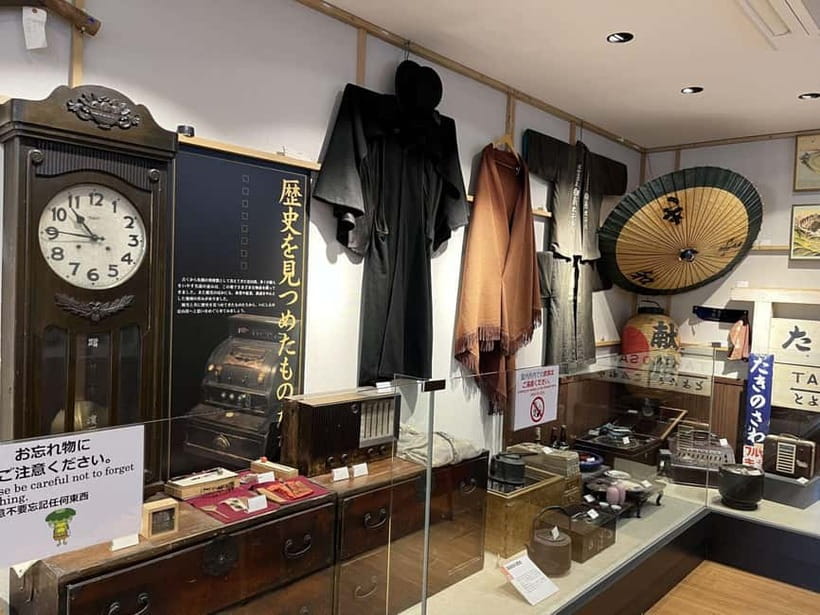
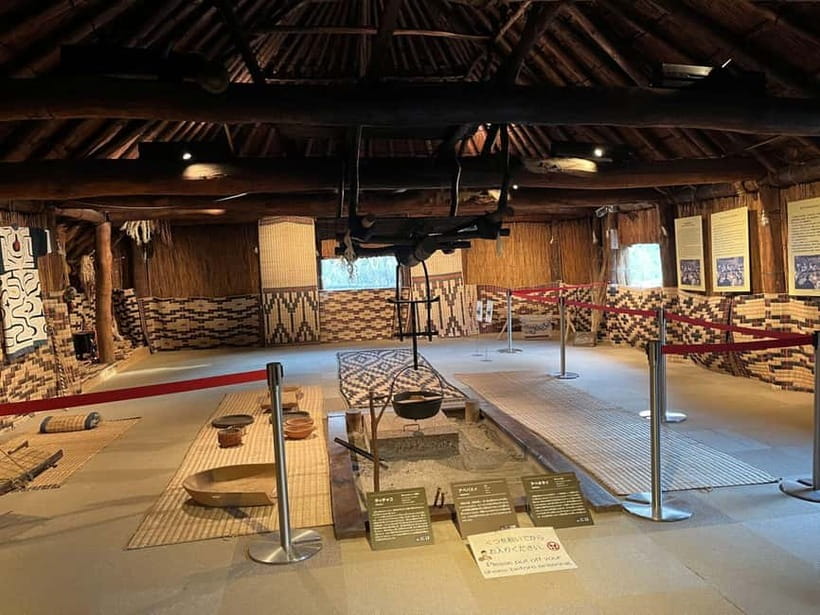
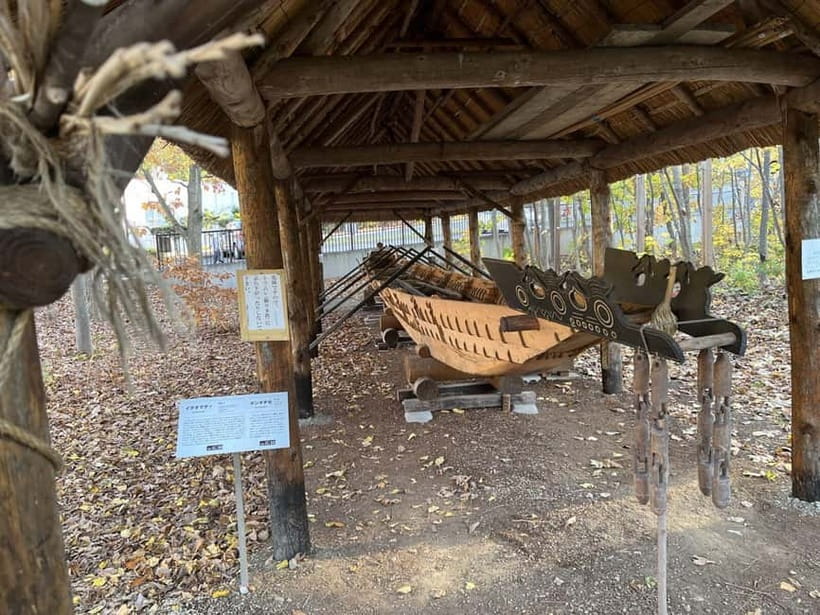
The Sapporo Ainu Culture Promotion Center is the first major stop, with about 90 minutes set aside for the visit. The center focuses on the Ainu, the Indigenous people of Hokkaido, and presents their lifestyle, history, and art.
The most useful feature is the chance to experience traditional craftwork made by Ainu artisans. You are not limited to looking at items behind glass. The center allows visitors to feel and handle certain objects, which makes the visit more direct and memorable.
That hands-on element is important. A museum can give you dates and labels, but craft shows how a culture expresses itself through materials, patterns, tools, and daily use. You may find that this visit stays with you longer than a display-heavy museum because you are encouraged to pay attention to texture and construction.
Scott’s role is especially valuable here. The information can be unfamiliar, and a guide who can explain what you are seeing in plain English helps turn a collection of objects into a connected story. Mikko’s experience with Scott at the center specifically praised his explanations of the items on display, while another visit described the center as a place where you can touch things rather than only view them.
Give this stop your full attention. It is not a quick introduction to be brushed aside before the hot springs. The Ainu portion is the cultural core of the outing, and it gives the rest of the day more meaning.
The road to Jozankei and what the schedule means
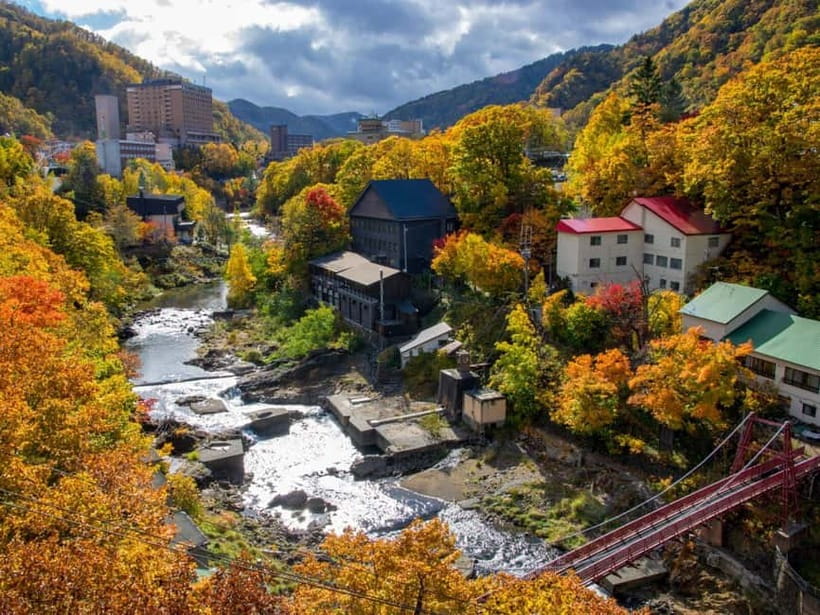
After the center, you travel by bus or coach for about an hour to Jozankei. The village lies within Shikotsu-Toya National Park, an area shaped by centuries of volcanic activity.
The total time in Jozankei is listed as about 4 hours and 15 minutes, including sightseeing and free time. That sounds generous, but the village has several stops, a walking route, time for a footbath, and the two-hour onsen visit. You should expect a steady day rather than a long period of unstructured relaxation.
The transport is one of the tour’s practical compromises. One participant preferred private transportation, and another noted that winter bus waits could be long because of the seasonal timetable. That does not make the route a poor choice, but it does mean you should bring water, dress for the weather, and accept that the day may not run with the precision of a private car tour.
The good side is that public transport keeps the price below what a private vehicle and driver would usually cost. It also means you are not shut inside a car all day. You move through the region in a more ordinary way, with the guide helping you make sense of the connections.
Same city, a completely different kind of day:
- Sapporo Bar Hopping Food Tour
★ 5.0 · 232 reviews - Hokkaido Seasonal: Lake Toya & Noboribetsu Jigokudani Valley
★ 4.7 · 173 reviews - Sapporo: Sumo Show Experience with Japanese food & Photo
★ 4.9 · 81 reviews - From Sapporo: Hokkaido Highlights Day Trip
★ 4.6 · 56 reviews
Jozankei Shrine, Temple, and Gesen Park
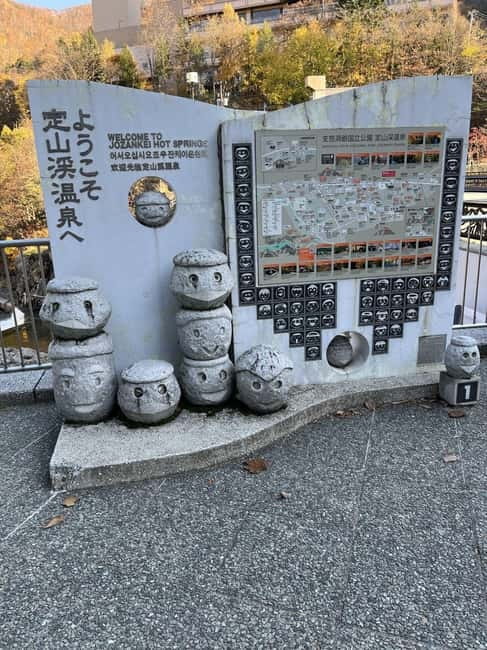
The Jozankei portion begins with several compact sights rather than one large attraction. You visit Jozankei Shrine and Temple, then continue to Gesen Park and its footbath.
The shrine and temple add a quiet cultural layer to the village. They are useful stops for understanding how Japanese religious sites fit into a hot spring community, especially one shaped by mountain water and volcanic ground. Do not expect a huge complex that takes half a day. The value is in seeing these places as part of Jozankei’s everyday identity.
Gesen Park brings the hot spring theme into the open air. The footbath is a simple pleasure, and it gives you a chance to rest your feet before the longer walk and the final bath. I would treat it as a preview rather than a replacement for the onsen later.
The walking surfaces can be uneven, and seasonal conditions matter. In winter, snow and ice may make the route slower and more demanding. In spring and autumn, the colors and temperatures may be easier for some people, while winter offers the striking sight of Jozankei under snow. The right season depends on how much cold and slippery ground you are comfortable handling.
Futami Park and the suspension bridge
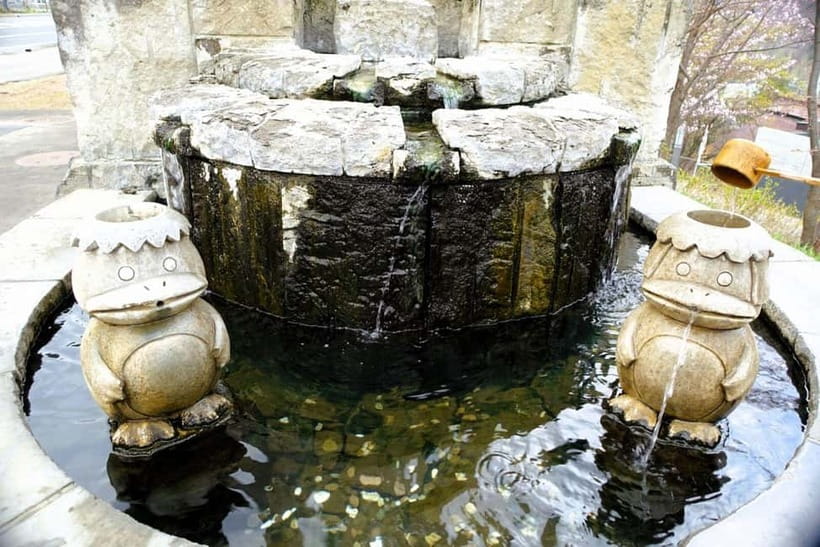
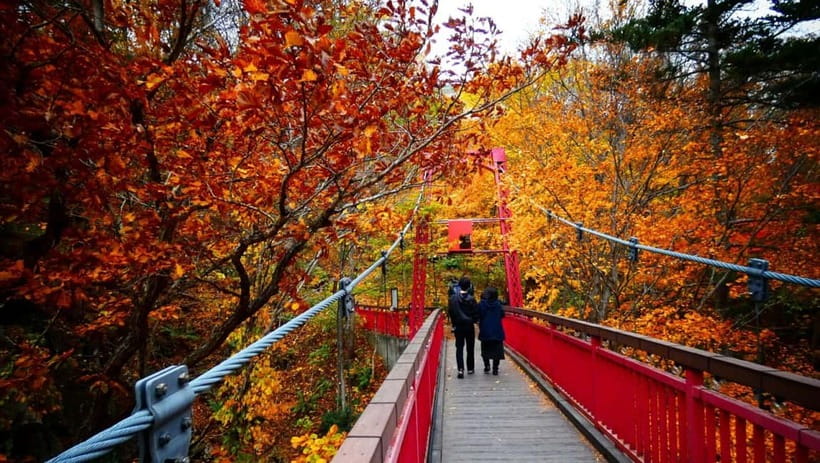
Futami Park takes you farther into Jozankei’s natural setting, and the Futami Tsuribashi Suspension Bridge is one of the day’s most distinctive landmarks. Crossing a suspension bridge adds a little excitement without turning the outing into an adventure activity.
You should be ready for movement underfoot and changing conditions. The tour is not suitable for wheelchair users, and people with back problems are advised not to book. Even if you are generally fit, comfortable walking shoes are essential.
This section also benefits from having a guide. Scott can point out the relationship between the river, forest, hot spring village, and volcanic forces that shaped the area. You get more from the walk when you understand what you are looking at instead of simply moving between photo stops.
The bridge and parks may look very different by season. Winter photographs can be especially striking, but cold weather also shortens the time many people want to spend outdoors. One participant enjoyed the unusual winter views but suggested spring or autumn for people who do not handle cold well. That is sound advice.
Two hours at Hotel Shika no Yu
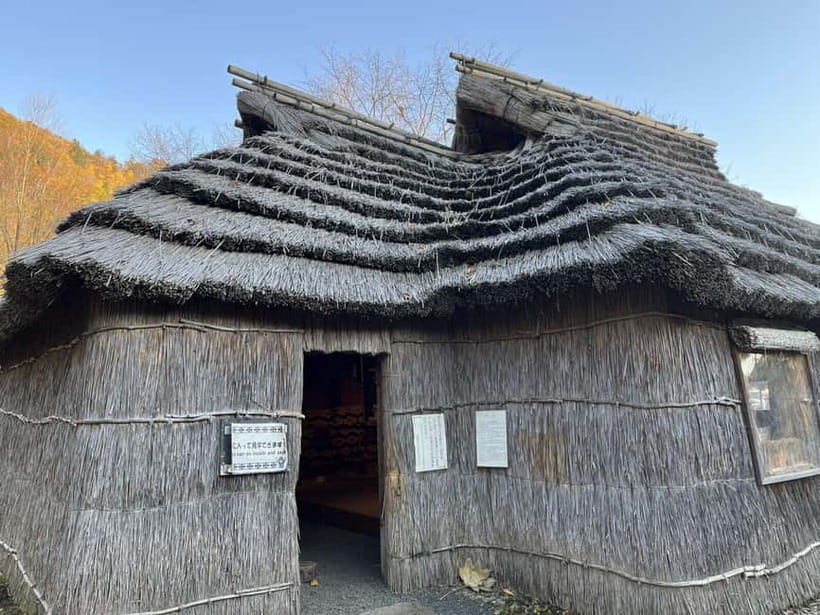
The last major stop is Hotel Shika no Yu, where you have a two-hour day-bath experience. This is a proper Japanese hot spring visit, not merely a quick dip after the walk.
Scott explains the bathing rules and etiquette, which is helpful if you have never used an onsen. You need to follow the established routine and bring a towel and a change of clothes. The supplied information also recommends carrying water, a sensible precaution after walking and soaking.
You should pack light but deliberately:
- Comfortable shoes for uneven surfaces
- A towel
- A change of clothes
- Water
The two-hour allocation gives you time to settle in rather than rush through the bath. It also gives the day a restorative ending. After the Ainu center, the transport, the parks, and the bridge, warm water feels well earned.
A footbath option is also available, according to the tour information. That may suit you if a full bath is not appealing, though you should confirm the exact arrangements with the guide on the day. The key point is that the tour explains onsen etiquette instead of assuming you already know it.
Remember that bathing etiquette must be followed. This is part of the experience, not an inconvenience to ignore. The guide’s instruction helps you enter the bath with confidence and respect for the local custom.
Is $170 a fair price?
The cost is $170 per person. That is not a low-cost Sapporo outing, but the day lasts 570 minutes and includes transportation from Sapporo Station through the listed destinations, admission fees, an English-speaking guide, and the onsen visit.
The value depends on what you would otherwise arrange yourself. You would need to coordinate the train and buses, find the Ainu center, plan a route through Jozankei, understand the bathing process, and manage the return to Sapporo. The tour bundles those pieces and gives you Scott’s explanations along the way.
Lunch is not included, so leave room in your budget for food. No accommodation is included either, though this is a same-day outing returning to Sapporo.
I see the price as reasonable for someone who wants both cultural interpretation and a guided hot spring day. It is less compelling if you only want a short soak or prefer to travel entirely by private vehicle. The public transportation is part of the bargain, but it also creates the main source of delay.
Who should book this full-day outing?
I would choose this tour if you want more than Sapporo’s city center and are interested in Hokkaido’s Indigenous culture. It suits visitors who appreciate a guide’s explanations, can manage a long day, and want a structured introduction to an onsen.
It is also a good fit if you are visiting Japan for the first time and want help with bathing etiquette. The tour removes much of the uncertainty without turning the bath into a staged performance.
You may want to skip it if you dislike public transport, have limited time in Sapporo, or need an easy-access route. The day includes walking on uneven surfaces, long transfers, and a full schedule. People with back problems and wheelchair users should not book based on the stated restrictions.
Season is another factor. Winter gives Jozankei a special look, but cold and snow can affect walking and bus timing. Spring or autumn may be more comfortable if you want to spend more time outdoors without severe cold.
Should you book it?
Book this tour if you want a well-rounded Hokkaido day that joins Ainu culture, village walking, and onsen bathing in one plan. Scott’s clear, personable guiding is a major benefit, especially at the cultural center where objects and crafts deserve explanation.
Choose another option if private transport is essential or if you want a short, relaxed spa visit with no long transfers. For most visitors who can handle the pace, $170 buys a useful mix of access, transport, instruction, and local context. Bring warm layers in winter, arrive at Myomu before 9 a.m., and save your energy for the final soak.
FAQ
Where does the tour meet in Sapporo?
Meet at Myomu, the circular white stone structure near the South Exits of Sapporo Station. After leaving the main JR gates, turn left and walk toward the South Exits. The meeting time is 9 a.m.
How long does the tour last?
The tour lasts 570 minutes, or about 9 hours and 30 minutes. The listed schedule begins in the morning and returns to Sapporo later the same day.
What language is the tour conducted in?
The tour is conducted in English with a live English-speaking guide. Scott is identified as the guide in the supplied tour information and feedback.
How do I reach the Ainu Cultural Center?
The itinerary includes an approximately 80-minute train journey from Sapporo Station to the Sapporo Ainu Culture Promotion Center.
How much time is spent at the Ainu center?
The visit to the Sapporo Ainu Culture Promotion Center lasts about 1.5 hours. You learn about Ainu lifestyle, history, art, and traditional craftwork.
What places are visited in Jozankei?
The Jozankei walk includes Jozankei Shrine and Temple, Gesen Park and its footbath, Futami Park, and the Futami Tsuribashi Suspension Bridge.
How long is the hot spring visit?
The day-bath experience at Hotel Shika no Yu lasts two hours. The guide explains the bathing rules and etiquette before or during the visit.
What should I bring?
Bring comfortable shoes, a towel, a change of clothes, and water. The route can include uneven surfaces, and the towel and clothing are useful for the onsen.
Is lunch included?
No. Lunch is not included in the $170 price.
Can I cancel the booking?
You can cancel up to 24 hours in advance for a full refund. The reserve-now-and-pay-later option allows you to hold a place without paying immediately.
Just added around Sapporo
- Sapporo Winter : Asahiyama Zoo (Penguin Fun & Snowmobile)★ 5.0 · 28 reviews
- Sapporo: Otaru Asarigawa Ski Resort Day Trip with Gear★ 4.9 · 27 reviews
- Sapporo Walking Tour★ 4.9 · 17 reviews
- Sapporo: Furano Lavender & Biei Blue Pond Tour with Lunch★ 4.6 · 13 reviews
- Sapporo Highlights: Golden Route Morning Guided Walking Tour★ 4.9 · 16 reviews
- Sapporo TV Tower Admission Ticket★ 4.7 · 21 reviews
- Sapporo: Furano Flower Sea & Biei Blue Pond Tour w/ Pickup★ 4.0 · 40 reviews
- Sapporo: Private Customized Guided Tour★ 4.9 · 30 reviews
Walking Tours, compared.
Kyoto Geisha Walking Tour: Gion District & Hidden Gems
Read our review →
Tokyo Tsukiji Fish Market Food and Culture Walking Tour
Read our review →
Gion Magical Night Walking Tour with Geisha Trivia
Read our review →
Imperial Palace and Shogun Historical Walking Tour
Read our review →
Gion Geisha District Walking Tour – Stories of Geisha
Read our review →
Asakusa Walking Tour with Sensoji Temple Visit
Read our review →
Kyoto Gion Geisha District Walking Tour – The Stories of Geisha
Read our review →Browse the lists this tour appears in