
REVIEW · SAPPORO TOURS
Popular in SapporoExperience authentic hand-made soba at a real soba shop!
Making soba by hand at a working neighborhood restaurant is the heart of this Sapporo experience. You mix buckwheat flour, stretch the dough, cut the noodles with a kitchen knife, and then sit down to eat your own lunch. Chef Taku teaches through short English explanations and clear demonstrations, so you learn by doing rather than sitting through a long lecture.
I especially like two things here: you use the shop’s real tools and carefully selected Hokkaido buckwheat flour, and the class is private for your own group. The best moment comes at the table, when imperfect handmade noodles become your meal. The main drawback is that the active instruction lasts only about 30 minutes, while the full visit takes roughly 1 hour to 1 hour 15 minutes, so this is a compact introduction rather than a full cooking course.
In This Review
- Key points at a glance
- Why this soba class feels different from a tourist cooking show
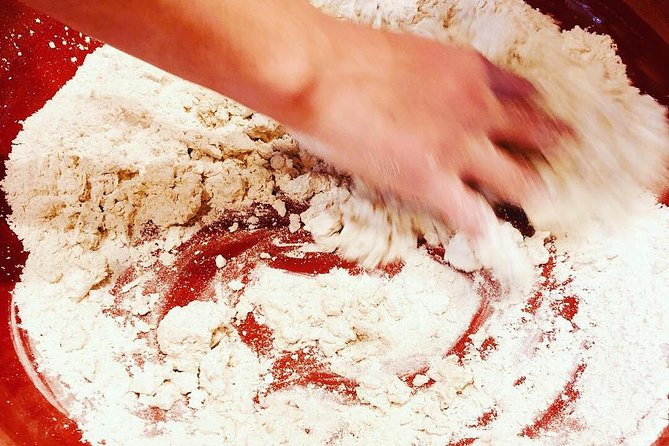
- Mixing Hokkaido buckwheat flour and water
- Stretching the dough with a soba chef
- Cutting the noodles with a kitchen knife
- Eating the soba you made
- Timing, group size, and the pace of the visit
- Getting to the shop from Miyazawa Station
- Who will enjoy this experience most
- What the strongest feedback tells me
- Booking, cancellation, and small practical details
- Should you book this Sapporo soba experience?
- FAQ
- Where does the soba-making experience take place?
- How long does the activity last?
- What steps will I learn?
- Is the experience private?
- Is the class suitable for beginners and children?
- Do I need to bring anything?
- What is the cancellation policy?
Key points at a glance
- Make every stage yourself: Mix the flour, knead the dough, stretch it thin, cut the noodles, and taste the result.
- Learn inside a real soba shop: The restaurant has operated in Sapporo for more than 10 years and uses its everyday equipment.
- Private and beginner-friendly: Only your group participates, with patient guidance for first-time cooks and children.
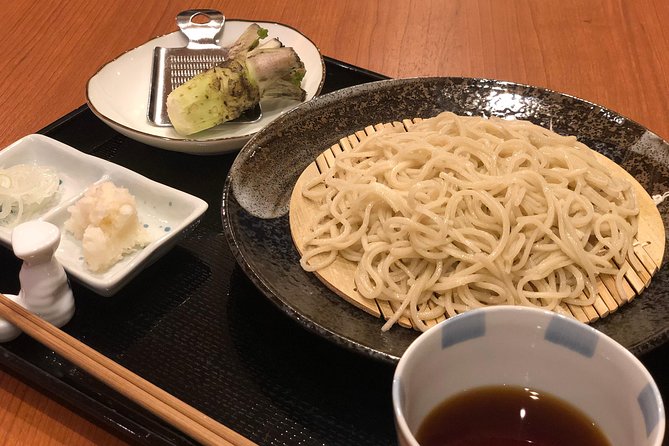
- Eat what you make: Freshly cut noodles are prepared for tasting after the hands-on portion.
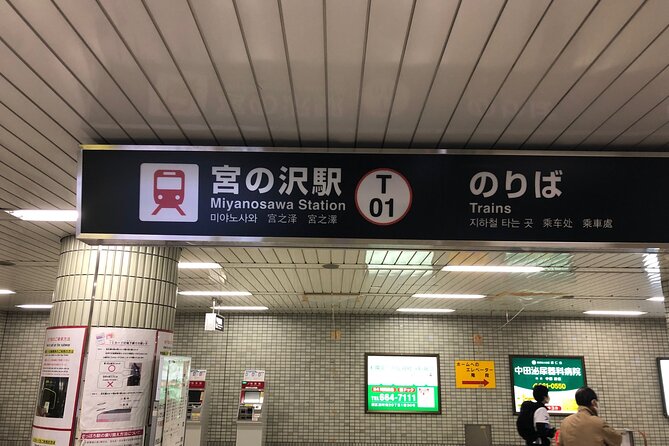
- Easy subway access: The shop is about three to five minutes on foot from Miyazawa Station on the Tozai Line.
- Allow extra time for arrival: The experience has a firm start time, and the address and map pin should be checked carefully before departure.
Why this soba class feels different from a tourist cooking show
Many Japanese food classes are built around a demonstration. You watch a specialist perform the difficult parts, then copy a simplified version at your station. This experience takes a more direct route. You work through the basic soba process yourself, with the chef stepping in to explain, correct, and keep the dough on track.
That matters because soba is not as forgiving as ordinary wheat pasta. Buckwheat flour has little gluten, so the dough can crack or become hard to handle if the mixture is wrong or the stretching is uneven. Even in a short session, you get a better sense of why handmade soba requires practice.
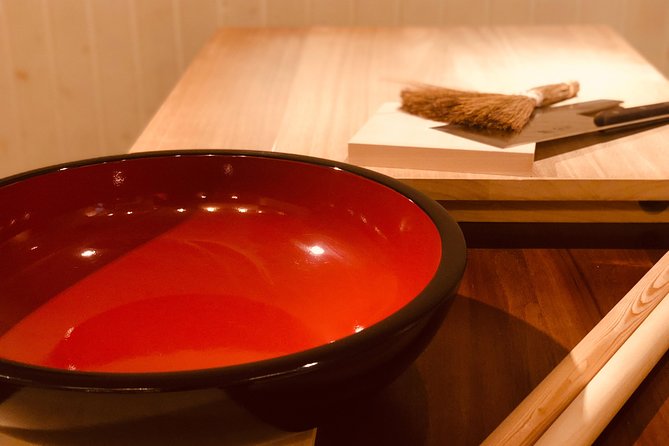
The setting also gives the activity some weight. This is a handmade soba restaurant that serves local customers during lunch hours, not a purpose-built attraction with a staged kitchen. You use the same type of utensils used in the shop and work with selected buckwheat flour. The result is a glimpse of an everyday Japanese craft that is usually done behind the scenes.
The English guidance is concise. You should not expect a long presentation on farming, noodle chemistry, or Japanese dining etiquette. Instead, Chef Taku explains the task in simple terms and shows you what to do. For many people, especially families and anyone who prefers practical learning, this is the right balance.
Other Sapporo days people book alongside this one:
- Sapporo Bar Hopping Food Tour
★ 5.0 · 232 reviews - Hokkaido Seasonal: Lake Toya & Noboribetsu Jigokudani Valley
★ 4.7 · 173 reviews - Sapporo Private Tour with a Local – Highlights & Hidden Gems
★ 5.0 · 91 reviews
Mixing Hokkaido buckwheat flour and water
The first step is mixing the buckwheat flour with water. It sounds easy, but the feel of the dough matters. You begin to see how a loose mixture gradually becomes something that can be kneaded and shaped.
Hokkaido is Japan’s leading soba-producing region, and the local climate helps explain why. Cold weather, clean water, and mineral-rich soil create good conditions for growing buckwheat. The finished noodles are prized for a firm bite and a clear buckwheat flavor.
You do not need prior cooking experience. The chef guides you carefully, and the visual demonstrations help if your English is limited or if you are cooking with children. The hands-on format also leaves room for small mistakes, which is useful. You are not being judged on perfect noodles. You are learning how much pressure and care the dough needs.
This part is especially good for families. Children can take part in the process rather than simply waiting for the meal, although children under two years old are free only as visiting companions and cannot participate in the activity.
Stretching the dough with a soba chef
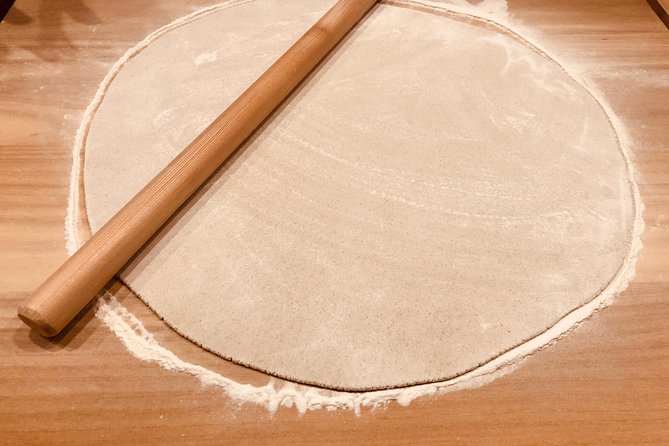
Once the dough is ready, you stretch it into a thin sheet. This is where the craft becomes more obvious. The dough needs to be even enough to produce noodles with a pleasant texture, but it must also be handled gently.
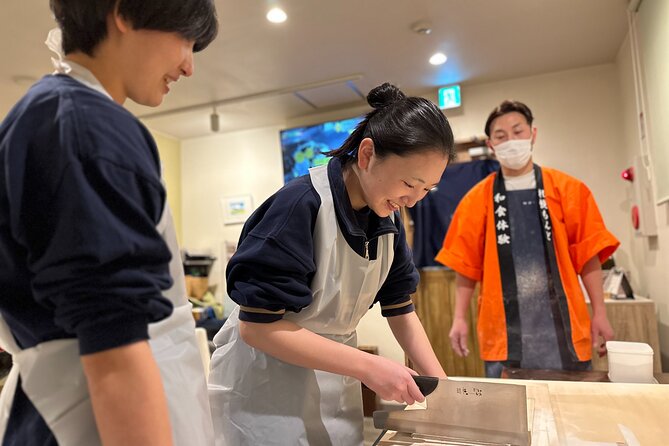
The chef’s role is important here. You receive direct advice instead of following a printed recipe alone. A skilled soba maker can show you how to work the dough, where to apply pressure, and how to avoid tearing it.
I like this stage because it gives you a proper appreciation for the work behind a bowl of soba. In a restaurant, the noodles arrive looking simple: pale strands, a dipping sauce or broth, and perhaps a garnish. Stretching the dough shows you that the simplicity on the plate depends on careful technique.
The lesson remains short and practical. You will gain a basic feel for the method, not master the trade in one visit. That is a fair expectation, and the format works best if you treat it as a cultural food experience rather than professional training.
Cutting the noodles with a kitchen knife
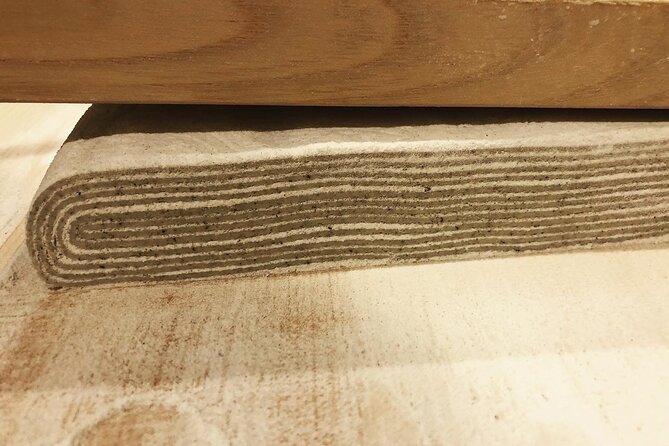
The final making step is cutting the sheet of dough into small noodle strands. You use a kitchen knife under the chef’s guidance. This is the part most likely to produce uneven pieces, and that is part of the fun.
Uniform noodles cook at the same speed, so experienced soba makers pay close attention to width. Your first batch may not look like the restaurant’s noodles. That does not make it a failure. The point is to understand the hand movement and see how the raw dough becomes a recognizable Japanese staple.
The process also connects the class to the restaurant’s daily work. You are not simply assembling a souvenir food item. You are following the same broad sequence used in handmade soba production, with the tools and flour chosen by a working chef.
If you are nervous about using a knife, ask for guidance before you begin. The experience is described as suitable for beginners and children, with careful instruction, but normal kitchen awareness still applies.
Same city, a completely different kind of day:
- Sapporo: Sumo Show Experience with Japanese food & Photo
★ 4.9 · 81 reviews - Mondo’s most popular plan! Experience making soba noodles and the king of Japanese cuisine, tempura, in Sapporo!
★ 5.0 · 71 reviews - 【Private Car】Asahiyama Zoo, Blue Pond, Shirahige Falls, Ningle Terrace (from Sapporo)
★ 5.0 · 60 reviews - Sapporo 6hr Private Tour with Government Licensed Guide
★ 5.0 · 57 reviews
Eating the soba you made
After the hands-on work, you taste your noodles. This is the payoff, and it is more meaningful than a separate meal because you have handled the ingredients from the start.
The final dish lets you notice the texture and flavor of fresh soba in a different way. You may also see small variations in thickness from your cutting technique. Those imperfections are useful: they show why restaurant soba makers spend years refining the same motions.
Several meal additions are available at extra cost. Tempura vegetables, shrimp, and kakiage are popular choices, and duck soup is another suggestion. The base experience includes tasting your handmade soba, but you should budget extra if you want to turn it into a larger meal.
I would consider the tempura if you are hungry or want a fuller lunch. It pairs naturally with soba and gives you another way to enjoy the meal. If you have a tight budget, the handmade noodles alone are the central experience, so the add-ons are optional rather than necessary.
Timing, group size, and the pace of the visit
The active soba-making section takes around 30 minutes. The entire visit, including the tasting, is listed at roughly one hour to one hour 15 minutes. The difference depends on how quickly the group moves through the process and meal.
The experience is private, meaning only your party takes part. That is a useful advantage if you are a family, a couple, or a small group with different confidence levels. You can ask questions and work at a comfortable pace without being placed beside a large class.
The private format also makes the $72.67 per-person price easier to assess. It is not a cheap bowl of noodles, and you should not book it simply to save money on lunch. You are paying for instruction, access to a working restaurant setting, ingredients, equipment, and the chance to make the noodles yourself.
For someone who only wants to eat excellent soba, ordering at a local restaurant will cost less and take less time. For someone who values a practical cultural activity and a meal in one visit, the price is reasonable, especially when shared with family or friends. Group discounts may also be available, so larger parties should check the terms directly.
The activity is popular enough that it is booked about 29 days ahead on average. I would reserve early if your Sapporo schedule is fixed, particularly during a busy Hokkaido trip.
Getting to the shop from Miyazawa Station
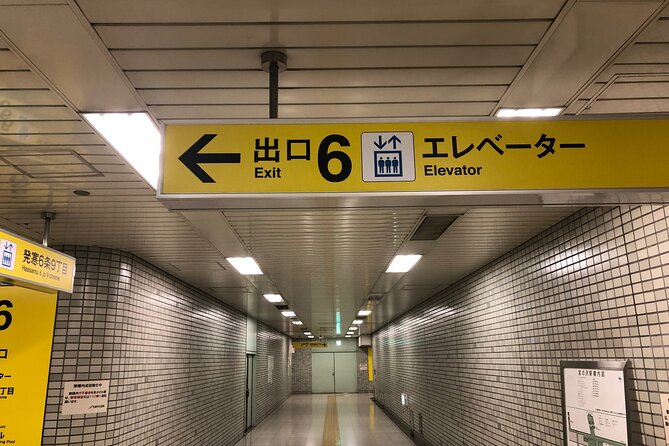
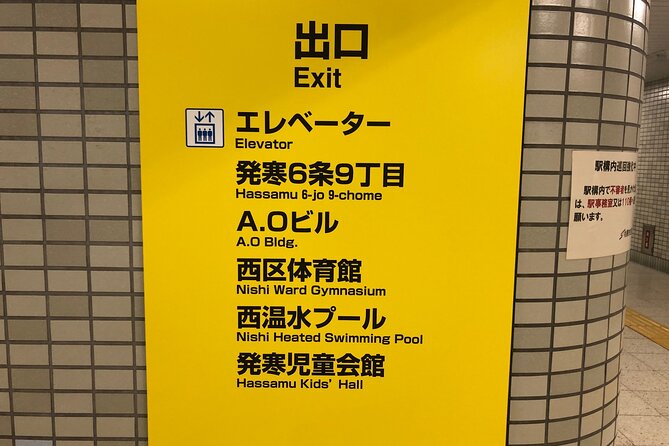
The meeting point is 9-chome-17-28 Hassamu 6 Jo, Nishi Ward, Sapporo, Hokkaido 063-0826. The shop is described as about three to five minutes on foot from Miyazawa Station on the Sapporo subway Tozai Line.
It is also within walking distance of Sapporo Shiroi Koibito Park, which makes the activity easy to combine with a visit there. Four parking spaces are available in front of the shop, although you should not assume they will be free at your arrival time.
Give yourself extra time. The start time is firm because the restaurant also operates during lunch hours. Arriving late can disrupt another group, and missing the start may be treated as a no-show.
One practical warning deserves attention: an address problem has caused at least one person to abandon the activity after arriving in the wrong place. Before leaving your hotel, compare the address, map pin, and meeting instructions. If anything looks unclear, contact the provider in advance rather than waiting until the day of the class, when the restaurant may be busy and unable to answer inquiries promptly.
Who will enjoy this experience most
I would choose this for you if you want an activity that connects food with craft. It works particularly well for:
- Families seeking a rainy-day activity in Sapporo
- Couples who prefer a private lesson to a large group class
- First-time visitors interested in everyday Japanese food culture
- Buckwheat noodle fans who want to understand the process
- Small groups looking for a shared activity near Miyazawa Station
- People who like eating the result of a hands-on lesson
The class is also a good fit if you prefer visual instruction and simple English explanations. You do not need to prepare ingredients, bring equipment, or study a recipe before arriving.
I would think twice if you want a long, detailed cooking seminar. The instruction is focused and efficient. You will learn the main steps, but you will not spend hours comparing flour types, practicing several batches, or studying the chef’s career in depth.
One person wanted more personal background from the soba master and a demonstration of his own noodles before the group began. That is a fair limitation to keep in mind. The emphasis is on your participation, not on watching a lengthy masterclass.
What the strongest feedback tells me
The most consistent praise centers on the instructor’s patience and clarity. Chef Taku is described as friendly, encouraging, and good with children. That matters in a food class because the dough can feel unfamiliar, and a patient teacher keeps mistakes from becoming frustrating.
The second strong point is the meal itself. You eat the soba you made on the spot, and the fresh result gives the class a clear ending. Several people also found the meal especially good with tempura, kakiage, or duck soup.
The experience has a smaller but important weakness: transportation and arrival need careful planning. The shop is easy to reach by subway when the address is correct, but a wrong map point or late arrival can spoil the appointment. Treat the directions as part of your preparation, not an afterthought.
The overall score is 4.8 out of 5, with 95 percent recommending the activity. I would read those figures as support for the core idea, not as a promise of a flawless visit. The class succeeds because it is friendly, direct, private, and delicious. It is less suitable for someone seeking a deep professional study of soba.
Booking, cancellation, and small practical details
Confirmation is provided at booking, and mobile tickets are available. You do not need to bring supplies or prepare anything before arriving.
Free cancellation is available up to 24 hours before the local start time. Changes or cancellations inside that window are not refunded. The activity also requires a minimum number of participants, and if that minimum is not reached, you will be offered another date or experience, or a full refund.
If you are booking for a group or as a travel agency, contact the shop directly. Group discounts may apply, and direct communication can help settle the meeting point and timing before the day.
Should you book this Sapporo soba experience?
Book it if you want more than a meal and like the idea of learning through your hands. The private setting, real restaurant tools, Hokkaido buckwheat, patient instruction, and final tasting give you a compact but genuine connection to one of Japan’s classic foods.
I would especially recommend it for families, couples, and small groups with a free morning or lunch period near Miyazawa Station. Add tempura if you want a more substantial meal, and plan your route carefully.
Skip it if your priority is the lowest-cost soba lunch or a long technical cooking course. At $72.67 per person, the value comes from the activity and private teaching, not from the noodles alone. With that expectation, this is a memorable and practical way to spend about an hour in western Sapporo.
FAQ
Where does the soba-making experience take place?
It takes place at 9-chome-17-28 Hassamu 6 Jo, Nishi Ward, Sapporo, Hokkaido 063-0826, Japan. The shop is about three to five minutes on foot from Miyazawa Station on the Tozai Line.
How long does the activity last?
The hands-on soba-making portion takes around 30 minutes. The full visit, including tasting your noodles, takes approximately one hour to one hour 15 minutes.
What steps will I learn?
You will mix buckwheat flour, knead and stretch the dough, cut the noodles with a kitchen knife, and taste the soba you made.
Is the experience private?
Yes. Only your own group participates in the activity.
Is the class suitable for beginners and children?
Yes. Beginners and children can participate, and the chef provides careful guidance with English explanations and visual demonstrations. Children under two years old are free, but they may only visit and cannot take part.
Do I need to bring anything?
No. You do not need to bring equipment or prepare anything before arriving.
What is the cancellation policy?
You can cancel up to 24 hours before the local start time for a full refund. Cancellations or changes made less than 24 hours before the start are not refunded.
Just added around Sapporo
- Snowshoe Hike Tour from Sapporo include hotel p/up & drop off★ 5.0 · 16 reviews
- Wagashi traditional japanese sweets class★ 5.0 · 49 reviews
- Sapporo Sumo Show Experience with Japanese Food and Photo★ 4.5 · 38 reviews
- Full Day Private Skiing / Snowboarding Tour in Sapporo★ 5.0 · 30 reviews
- Snowshoeing and Onsen Adventures in a Winter Wonderland -Sapporo.★ 5.0 · 30 reviews
- Sapporo 4hr Private Tour with Government Licensed Guide★ 5.0 · 42 reviews
- Sapporo 6hr Private Tour with Government Licensed Guide★ 5.0 · 57 reviews
- Authentic Sapporo: Nijo Market Seafood Lunch & Local History Tour★ 5.0 · 13 reviews
Sapporo Tours, compared.

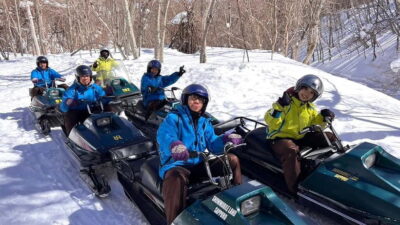
Hokkaido Seasonal: Lake Toya & Noboribetsu Jigokudani Valley
Read our review →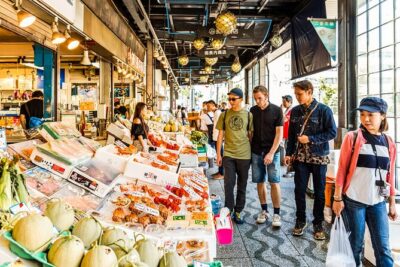
Sapporo Private Tour with a Local – Highlights & Hidden Gems
Read our review →
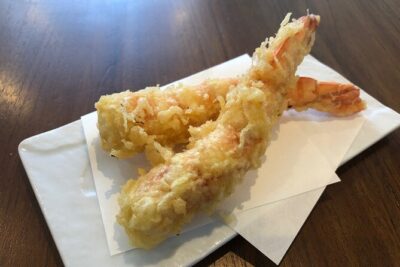
Mondo’s most popular plan! Experience making soba noodles and the king of Japanese cuisine, tempura, in Sapporo!
Read our review →
Sapporo 6hr Private Tour with Government Licensed Guide
Read our review →
Browse the lists this tour appears in