
REVIEW · WALKING TOURS
Sapporo: Custom Highlights and Hidden Gems Tour with a Local
Sapporo is much easier to understand when someone local helps you connect its wide streets, parks, food spots, and scattered sights. This private tour lets you shape the day around your interests, from Odori Park and Hokkaido Shrine to seafood markets, Ramen Alley, or places most guidebooks skip.
I like the flexible length, with 2, 4, 6, or 8 hours available, and I like the chance to ask for practical advice you can use after the tour. Guides such as Shiunn, Ryo, and Ryuki have tailored walks around personal interests, including a fish market, Hokkaido University, and favorite ramen shops.
The main consideration is cost control. The $67 price covers the host and private experience, but not food, transport, or attraction tickets. Since Sapporo is spread out, a longer route may require public transit or a taxi at your own expense.
In This Review
- Key points to know before booking
- Why a local-led Sapporo walk works
- Starting at JR Sapporo Station
- Odori Park and Sapporo’s central sights
- Shrines, parks, and the Hokkaido Shrine
- Mount Okura and Sapporo’s Olympic connection
- Seafood, miso ramen, and Ramen Alley
- What the private format changes
- Choosing between 2, 4, 6, and 8 hours
- Value at $67 per person
- Language, pace, and practical limits
- Who should book this Sapporo experience
- Should you book it?
- FAQ
- Where does the tour start?
- Where does the tour end?
- How long can I book the experience?
- Is the itinerary fixed?
- Can the host meet me at my hotel?
- Are food, drinks, transport, and attraction tickets included?
- What languages are available, and when will the host contact me?
Key points to know before booking
- Your route is built around you: Share your interests after booking, then adjust the plan while you walk.
- Sapporo sights can include Odori Park, Hokkaido Shrine, Mount Okura Ski Jump, and Ramen Alley: Your final route depends on your chosen focus and available time.
- The tour is private: You can move at your own pace without being tied to a large group or fixed schedule.
- Food can shape the day: Ask about miso ramen, fresh seafood, and kaisen-don, but budget separately for meals.
- The meeting point is easy to find: Your host waits near the tourist information center inside JR Sapporo Station.
- You get advice for later: Use the host as a local sounding board for the rest of your Hokkaido trip.
Why a local-led Sapporo walk works
Sapporo is a young city by Japanese standards, and its layout can feel broad and spread out. The main sights are not all packed into one compact old center, so a local host can help you make sensible choices instead of losing time crossing town.
That matters most if you have only a short stay. A two-hour experience can help you get your bearings around the center. A four-hour walk gives you room for a few sights and a meal stop. Six or eight hours makes more sense if you want to combine central Sapporo with a shrine, Olympic site, food market, or another area that needs extra travel.
I like this format because it is not simply a standard sightseeing circuit. You can ask for food, parks, religious sites, local neighborhoods, or reminders of the 1972 Winter Olympics. Your host can then suggest a route that fits the day rather than forcing every visitor through the same list.
The strongest part is the conversation. You can ask where to eat after the tour, how to spend another day in Hokkaido, or which places are worth the time. That kind of advice often has more long-term value than one extra landmark.
More walking tours in Sapporo:
- Sapporo Private Tour with a Local – Highlights & Hidden Gems
★ 5.0 · 91 reviews - Sapporo: The Indigenous Ainu People & Jozankei walking tour
★ 4.9 · 25 reviews - Sapporo Walking Tour
★ 4.9 · 17 reviews
Starting at JR Sapporo Station
The standard meeting place is in front of the tourist information center at JR Sapporo Station. This is a practical start, especially if you have just arrived by train or are staying in central Sapporo.
A central station meeting point also makes the tour easy to combine with other plans. You do not need to find a small café in an unfamiliar neighborhood, and the tour ends back at the same meeting point. If your hotel is in a central location, a hotel meet-up can be arranged on request.
Before the day, your host contacts you within 24 hours of booking to learn about your personality and interests. Give useful details rather than a vague request for the best of Sapporo. Tell the host if you care most about food, architecture, parks, shrines, shopping, local life, or Olympic history.
Also mention your walking comfort and how much structure you want. The information provided does not promise a fixed route, so your answers help shape the experience.
Odori Park and Sapporo’s central sights
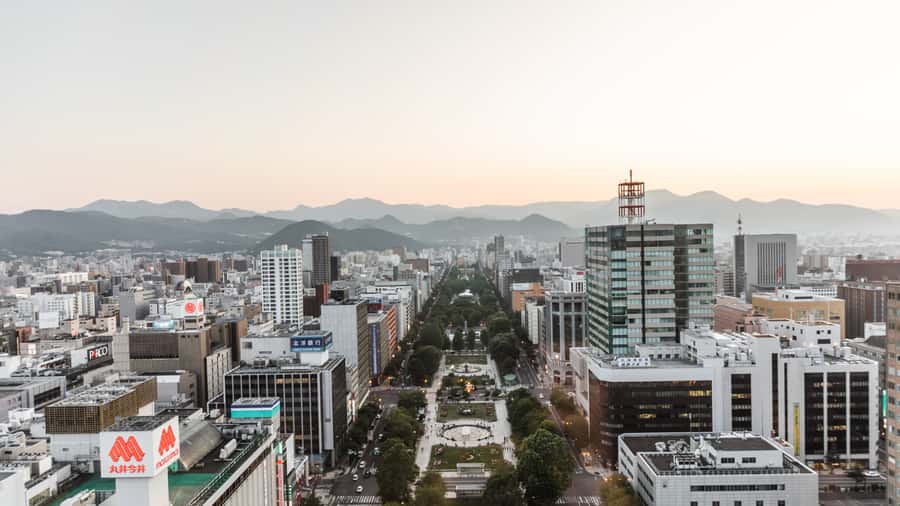
Odori Park is a natural choice for a first look at Sapporo. It runs through the center and gives you a clear sense of the city’s open, planned character. A host can use the park as a starting point for explaining what lies around it and how the central districts fit together.
I would especially consider this stop if you are new to Sapporo. It is a simple way to begin with a major city feature before shifting into smaller streets, food stops, or neighborhood corners.
The drawback is that Odori Park alone will not fill a full day. It is best treated as part of a wider route. If you book only two hours, ask your host to pair it with a nearby interest rather than spending the whole time on a single open space.
Your host may also guide you toward neon-lit districts and local streets. These areas can show you another side of Sapporo after the formal sightseeing is over. The point is not to collect landmarks, but to see how the city changes from public park to entertainment area to everyday neighborhood.
Shrines, parks, and the Hokkaido Shrine

If you want culture and a quieter setting, ask about Hokkaido Shrine. It is one of the named sights your host may include, along with Sapporo’s parks and gardens.
A shrine visit gives the walk a different pace from central streets and food stops. You can ask your host about local customs and how the site fits into Sapporo life. The tour description does not promise a formal religious explanation or a specific amount of time there, so treat it as a possible stop rather than a guaranteed part of every booking.
This is a good example of why the pre-tour conversation matters. If you are mainly interested in sacred sites, say so. If you would rather spend your limited hours eating and exploring central streets, your host can focus elsewhere.
The route can also change during the walk. You may decide you want more time in one area, or your host may suggest a nearby place that suits your interests. Weather can also lead to a new route, which is useful in a city known for cold winters and changing conditions.
Same city, a completely different kind of day:
- Sapporo Bar Hopping Food Tour
★ 5.0 · 232 reviews - Hokkaido Seasonal: Lake Toya & Noboribetsu Jigokudani Valley
★ 4.7 · 173 reviews - Sapporo: Sumo Show Experience with Japanese food & Photo
★ 4.9 · 81 reviews - From Sapporo: Hokkaido Highlights Day Trip
★ 4.6 · 56 reviews
Mount Okura and Sapporo’s Olympic connection
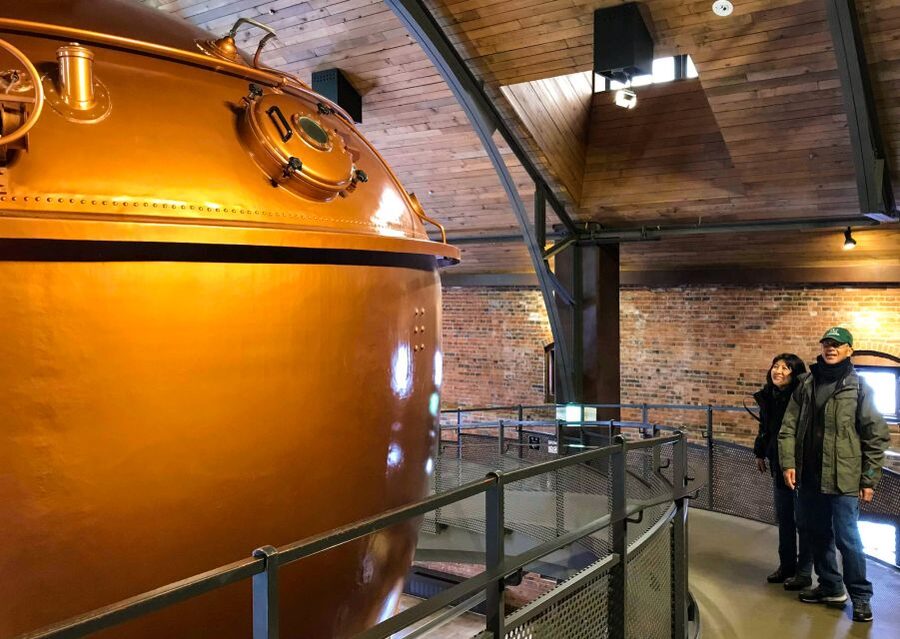
Mount Okura Ski Jump is another possible stop. It connects Sapporo with the Winter Olympics and offers a different view of the city’s identity than its food streets or gardens.
Ask your host how practical it is to include this site within your chosen time. The experience is primarily a walking tour, and transportation is not included. If the route requires public transit or a private taxi, you pay those costs separately.
That point is important. A six or eight-hour option gives you more freedom, but it does not mean every distant sight is automatically covered. Tell your host about Mount Okura early so the route and travel time can be considered.
For travelers interested in sports history, this may be a stronger choice than adding another central landmark. For food-focused visitors with a short booking, the travel time may not offer the best value. The private format lets you make that tradeoff openly.
Seafood, miso ramen, and Ramen Alley
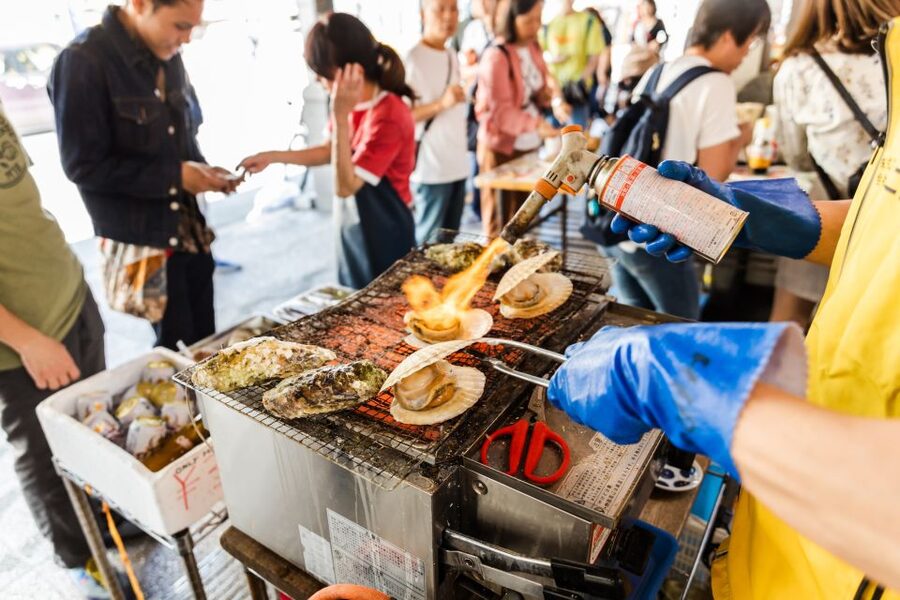
Food is one of the clearest reasons to choose this experience. Sapporo is known for miso ramen and seafood, and a local host can help you decide how to fit eating into the walk.
Ramen Alley is a named possibility. It is associated with Hokkaido-style ramen made with a deep miso-based broth, a fitting meal in cold weather. The experience does not include food or drinks, so you should plan to pay directly for anything you order.
One useful tip is to ask your host about ramen early in the conversation. Ryuki has been singled out for giving advice about a good ramen place in Sapporo, so a food-centered route may be especially worthwhile if you enjoy local specialties.
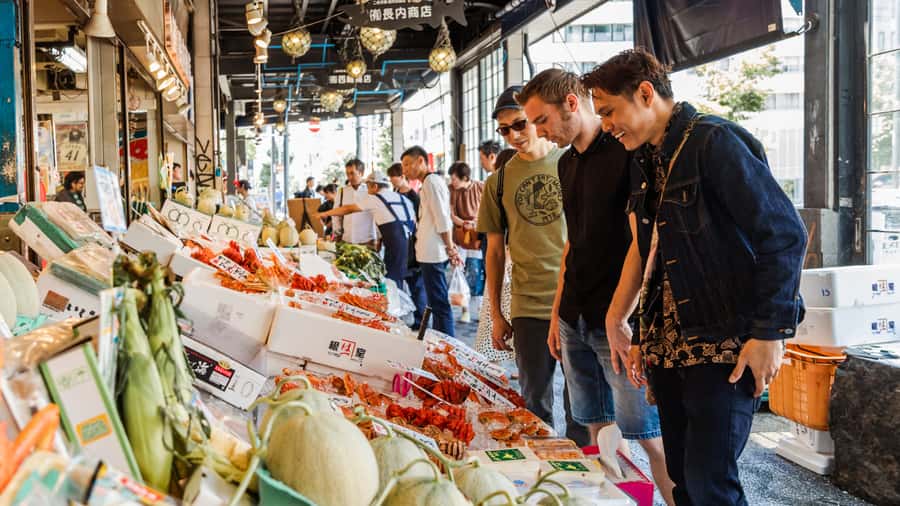
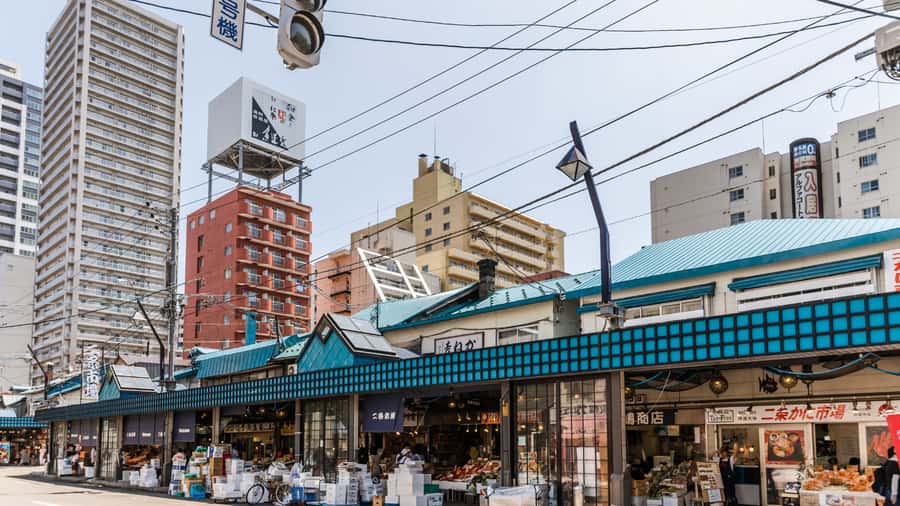
Seafood gives you another route. A fish market may be included, and one guide, Ryo, has taken visitors to a fish market and Hokkaido University during a personalized day. You may also want to ask about kaisen-don, raw seafood served over white rice.
I like that food stops can be part of the route instead of an afterthought. You can learn what to order, where to return, and how local dishes differ from the meals you may find elsewhere in Japan.
Still, keep expectations practical. The tour does not include tastings, reservations, or a food allowance. Your host can suggest places, but you remain responsible for the bill and any transport.
What the private format changes
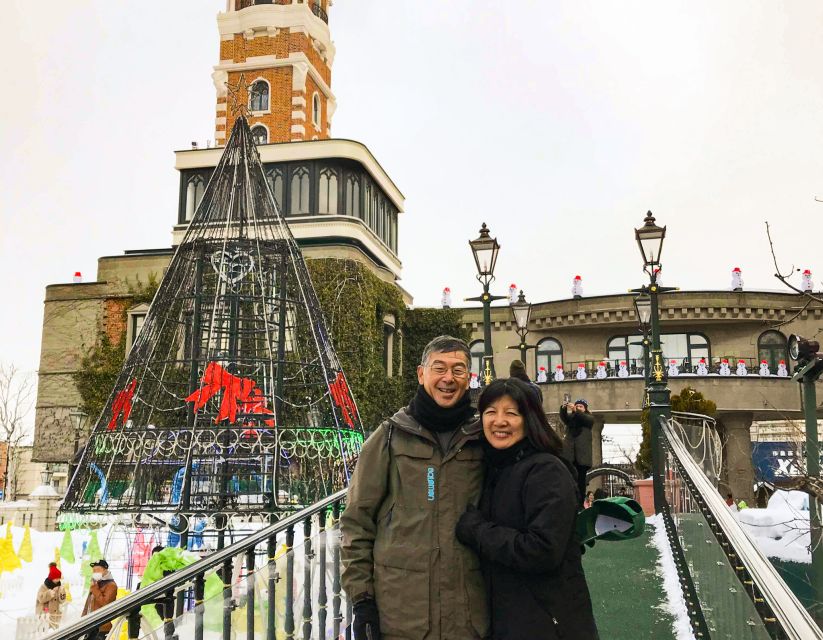
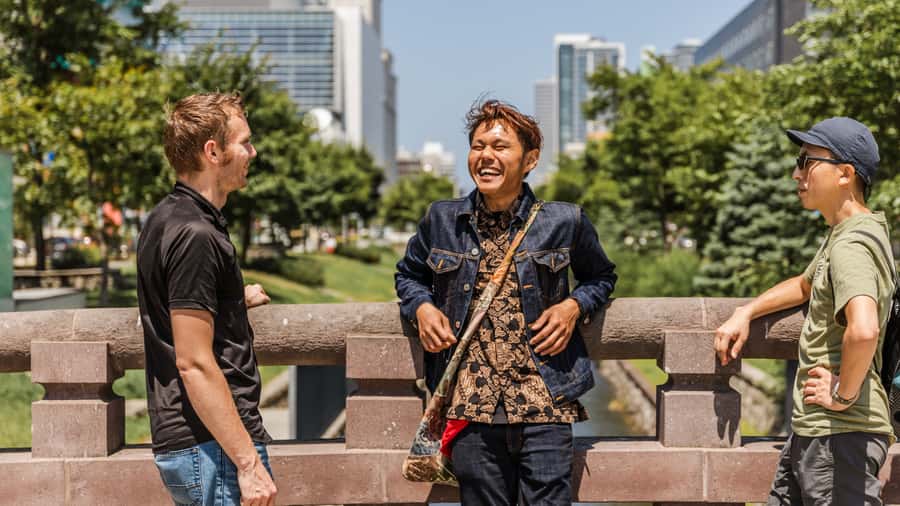
The private setup is the heart of this experience. You are not being asked to keep pace with a large group or spend equal time at sights that do not interest you.
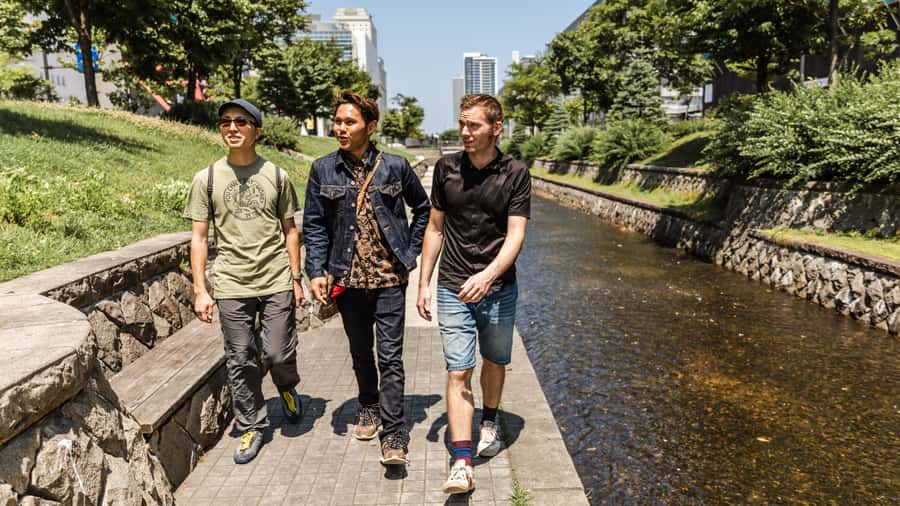
If you are curious about daily life, you can ask your host to focus on local streets and ordinary places. One guide, Shiunn, has led a route centered on places outside the usual tourist circuit. That does not guarantee the same route for you, but it shows what the format can do when you clearly state your preferences.
If you prefer major sights, you can request the city’s better-known landmarks. If you want a mix, combine one or two icons with a food stop and a less formal neighborhood walk.
The flexible plan also helps when your energy changes. You can alter your choice during the experience rather than forcing yourself through a schedule. This is especially useful during winter, when long outdoor walks may be less appealing.
The tradeoff is that flexibility requires participation. You need to communicate. If you arrive without any interests or questions, the day may feel less personal than it could. Think of the host as a local companion and problem solver, not a guide delivering a fixed lecture.
Choosing between 2, 4, 6, and 8 hours
The two-hour option is best for a first orientation. Use it for central Sapporo, Odori Park, a nearby neighborhood, or a quick introduction to local food. It is also the least risky choice if you are unsure how much walking you want.
Four hours gives you a more useful balance. You can combine central sights with one clear theme, such as ramen and seafood, shrines and parks, or city landmarks and local streets.
Six hours suits travelers who want a fuller day without trying to see all of Sapporo. You may have time for a meal, several stops, and more conversation about what to do afterward.
Eight hours is the most flexible choice, but only if you have strong interests to fill it. It can work for a full food day, a mix of central sights and a farther stop, or a relaxed route with plenty of time to change plans.
Remember that the listed price is $67 per person, while the experience length depends on the option selected. Check the exact duration and price for your chosen option before paying. Since transportation, food, drinks, and attraction tickets are extra, your total spending can rise on a longer route.
Value at $67 per person
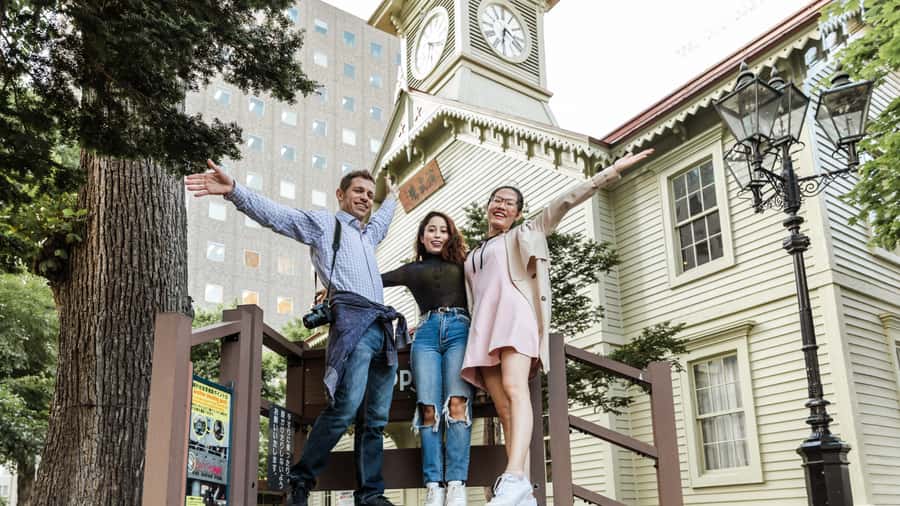
At $67 per person, the value comes from the private planning and local guidance rather than from included admissions or meals. You are paying for time with a host who can shape the route around you and help you avoid wasting part of your stay.
That is a fair proposition if you are new to Sapporo, have limited time, or care about food and local recommendations. The advice can continue to help after the tour, especially if you ask for suggestions for the rest of your Hokkaido trip.
The price is less compelling if you want a low-cost walk with guaranteed attractions and no added expenses. You will still pay for transport, meals, and entry tickets. A tour that includes Mount Okura or another outlying sight may also need a separate transit or taxi budget.
I would compare the price with your own planning time. If researching ramen shops, seafood markets, shrines, and routes feels easy, you may prefer to explore alone. If you want a thoughtful first day with someone who can adjust the plan as you go, the private format earns its keep.
Language, pace, and practical limits
The available guide languages are English and Japanese. That makes the experience suitable for visitors seeking help in either language, though the exact host is matched after booking.
The experience is primarily on foot. Public transport or a private taxi can be suggested when needed, but those costs are not included. Wear comfortable shoes and tell your host if you want to limit walking or keep the route close to the station.
The itinerary can change if the weather does not cooperate. That is a useful feature rather than a problem, since it prevents the whole day from depending on one outdoor plan.
Cancellation is allowed up to 24 hours before the experience for a full refund, and you can reserve now and pay later. Those terms give you some room to adjust a Sapporo itinerary that may still be changing.
Who should book this Sapporo experience
I would choose this tour for a first visit, a short stay, or a return visit when you want a different side of the city. It suits solo visitors, couples, families, and small private parties who enjoy conversation and do not want a rigid schedule.
It is also a good match for food lovers. Ask for seafood, kaisen-don, miso ramen, and Ramen Alley, then request practical dining advice for later.
Culture-minded visitors can request Hokkaido Shrine, parks, and local neighborhoods. Sports fans can ask about the Mount Okura Ski Jump and Sapporo’s Olympic connection.
I would be more cautious if you want a fully fixed itinerary, all admissions included, or a tour built around detailed historical commentary at every stop. The experience is designed around personal contact and local suggestions, not a guaranteed checklist.
Should you book it?
Book it if you want to shape the day around your own interests and value local advice more than included tickets. The strongest potential combination is a central walk with Odori Park, a food stop, and one less familiar area, with your host helping you decide what fits.
Choose the two- or four-hour option for orientation and food advice. Pick six or eight hours only if you have enough interests to justify the time and are ready to budget for transport and meals.
The high 4.9 rating from 21 reviews fits the experience’s main strengths: kind hosts, unhurried pacing, and personal routes. Guides including Shiunn, Ryo, and Ryuki have helped create days that feel tailored rather than standard. If that sounds more useful than ticking off a fixed list, this is a strong first-day choice in Sapporo.
FAQ
Where does the tour start?
The host waits in front of the tourist information center located inside JR Sapporo Station.
Where does the tour end?
The experience ends back at the meeting point at JR Sapporo Station.
How long can I book the experience?
You can choose a 2, 4, 6, or 8-hour option, depending on the selection available when you book.
Is the itinerary fixed?
No. The itinerary is flexible and can change during the experience. Your host may suggest a different route based on your interests, nearby places, or weather conditions.
Can the host meet me at my hotel?
A hotel meet-up is available on request if your hotel is in a central location.
Are food, drinks, transport, and attraction tickets included?
No. The experience includes the private host and personalized walk. You pay separately for transportation, food, drinks, and tickets to attractions.
What languages are available, and when will the host contact me?
The experience is available in English and Japanese. Your host contacts you within 24 hours after booking to learn about your interests and personality.
Just added around Sapporo
- Sapporo Winter : Asahiyama Zoo (Penguin Fun & Snowmobile)★ 5.0 · 28 reviews
- Sapporo: Otaru Asarigawa Ski Resort Day Trip with Gear★ 4.9 · 27 reviews
- Sapporo Walking Tour★ 4.9 · 17 reviews
- Sapporo: The Indigenous Ainu People & Jozankei walking tour★ 4.9 · 25 reviews
- Sapporo TV Tower Admission Ticket★ 4.7 · 21 reviews
- Sapporo: Furano Lavender & Biei Blue Pond Tour with Lunch★ 4.6 · 13 reviews
- Sapporo Highlights: Golden Route Morning Guided Walking Tour★ 4.9 · 16 reviews
- Sapporo: Furano Flower Sea & Biei Blue Pond Tour w/ Pickup★ 4.0 · 40 reviews
Walking Tours, compared.
Kyoto Geisha Walking Tour: Gion District & Hidden Gems
Read our review →
Tokyo Tsukiji Fish Market Food and Culture Walking Tour
Read our review →
Gion Magical Night Walking Tour with Geisha Trivia
Read our review →
Imperial Palace and Shogun Historical Walking Tour
Read our review →
Gion Geisha District Walking Tour – Stories of Geisha
Read our review →
Asakusa Walking Tour with Sensoji Temple Visit
Read our review →
Kyoto Gion Geisha District Walking Tour – The Stories of Geisha
Read our review →Browse the lists this tour appears in