
REVIEW · ARASHIYAMA BAMBOO TOURS
Private Tour to Monkey Park and Arashiyama Highlights
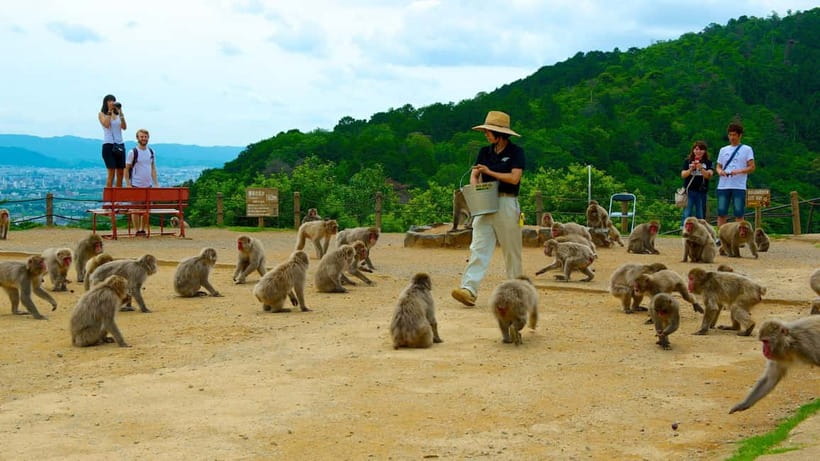
Arashiyama’s monkeys are the main event here. You hike uphill to Iwatayama Monkey Park, then feed Japanese macaques from inside a rest area while Kyoto spreads out below. Afterward, guide Masahiko, usually called Masa, leads you through the bamboo forest, Tenryuji Temple, and toward Togetsukyo Bridge.
I like the private format, since Masa can set the walking pace and stop for photos or questions. I also like the mix of animal life, Zen gardens, bamboo, and river views in one outing. The drawback is clear: the climb to the monkey park takes about 20 minutes uphill, and the advertised three-hour schedule may feel tight for every listed stop.
- Feed macaques safely from inside the park rest area, with the feeding fee included.
- Take a steady uphill walk to a viewpoint over Kyoto and the surrounding mountains.
- Visit Tenryuji Temple, a UNESCO World Heritage Site with a carefully composed Zen garden.
- Walk the famous Arashiyama Bamboo Forest Path, open from 9:00 to 17:00.
- See Togetsukyo Bridge and the Oi River, with time for photos and riverside views.
- Travel with an English-speaking private guide, meeting at Hankyu-Arashiyama Station.
In This Review
- The Monkey Park Climb Comes First
- Feeding the Japanese Macaques the Right Way
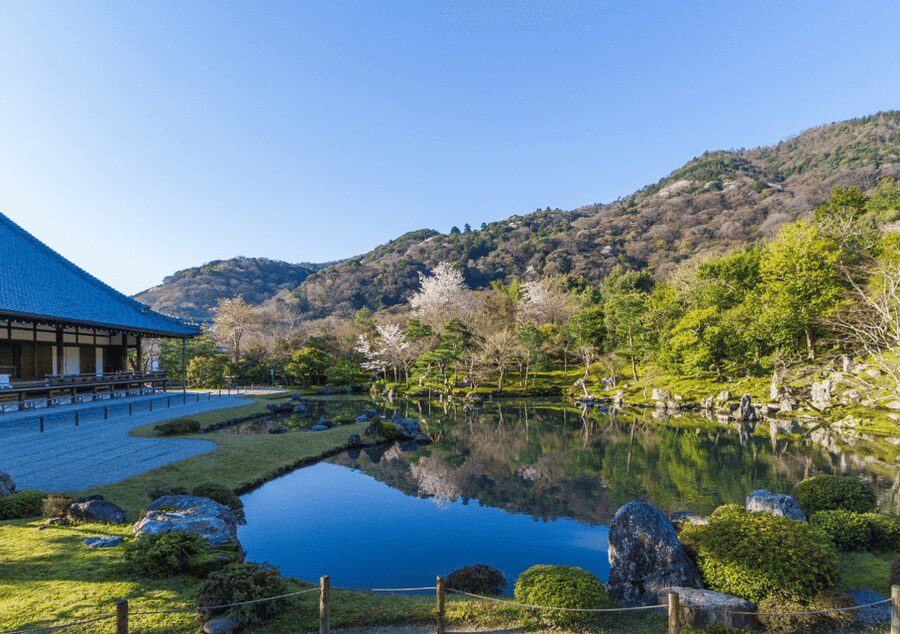
- Tenryuji Temple and Its Zen Garden
- Walking Through Arashiyama’s Bamboo
- Togetsukyo Bridge and the Oi River
- How the Three-Hour Schedule Works
- Why a Private Guide Adds Value at $38
- Who Will Enjoy This Arashiyama Tour
- Small Details That Make the Day Easier
- Should You Book It?
- FAQ
- Where does the tour meet?
- How long does the tour last?
- Is the tour private?
- Is transportation included?
- Is monkey park admission included?
- Where can I feed the monkeys?
- How difficult is the walk to the monkey park?
- Is admission to Tenryuji Temple included?
- Is the boat trip on the Oi River included?
The Monkey Park Climb Comes First
The tour begins outside the ticket gates at Hankyu-Arashiyama Station, not Randen or JR Arashiyama Station. Masa waits in the plaza with a sign bearing your name, which makes the first meeting simple even if you are new to Kyoto.
From the station, you make your way toward Arashiyama Monkey Park Iwatayama. The approach is not a flat stroll. Expect roughly 20 minutes of uphill walking before you reach the main monkey area. Comfortable shoes are essential, and you should bring water. If hills tire you quickly, this is the part to consider most carefully.
The climb is also part of the appeal. Japanese macaques live freely in the park, so you may see them along the path rather than only at a fixed viewing point. The supplied experience describes Masa using quizzes and short explanations along the way, turning the walk into a gentle introduction to macaque behavior and social life.
At the top, you get a very different Kyoto view from the one found among temples and city streets. The park looks across the Oi River toward Kyoto and the surrounding mountains. The exact view changes with weather and season, but the high vantage point is one of the strongest reasons to make the climb.
Feeding the Japanese Macaques the Right Way
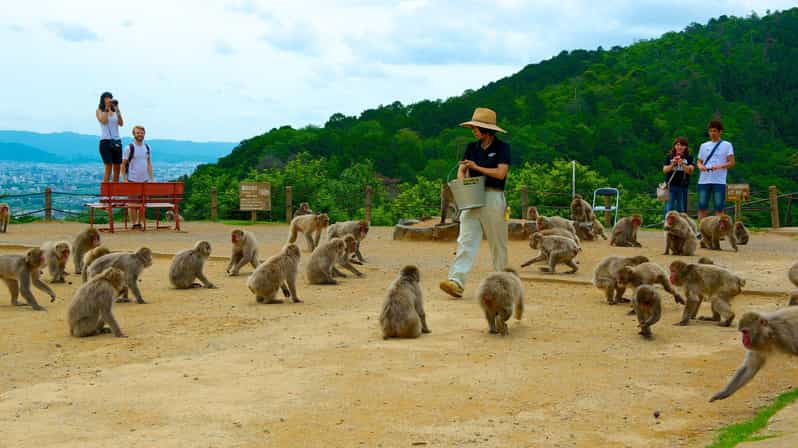
Feeding the monkeys is carefully controlled. You do not walk around with food in your hand. Instead, you feed them from inside the rest area, keeping a barrier between you and the animals. That is safer for both you and the macaques, and it helps prevent visitors from treating them like tame pets.
The feeding fee is included in the tour, though the practical details in the experience indicate that food bags can involve a small 100-yen payment. Bring a few 100-yen coins just in case. One specific food example provided is small pieces of coconut and apple.
You should not bring food into the rest area. Follow the park’s instructions, keep your hands where staff direct you, and avoid reaching toward the animals outside the feeding point. The monkeys may come close on the paths, climb through trees, or move around the huts, but close does not mean domesticated.
This stop suits animal lovers especially well. You get to watch natural behavior at close range while still following clear rules. It is also a good photo opportunity, although you should keep your attention on the macaques and the guide’s instructions rather than trying to force a perfect picture.
More arashiyama bamboo tours in Kyoto:
- Kyoto: Fushimi Inari, Kinkakuji, Bamboo Grove 1 Day Bus Tour
★ 4.8 · 4,316 reviews - Osaka/Kyoto:Kinkakuji,Arashiyama,FushimiInariShrine,NaraPark
★ 4.1 · 1,596 reviews - Kyoto/Osaka: Nara, Fushimi Inari Taisha, Arashiyama Bus Tour
★ 4.7 · 1,275 reviews
Tenryuji Temple and Its Zen Garden
After the monkey park, the tour turns from wildlife to one of Arashiyama’s major cultural sights: Tenryuji Temple. Admission is included, which matters because the temple is more than a quick exterior photo stop.
Tenryuji is a UNESCO World Heritage Site and one of Japan’s important Zen temples. The grounds are valued for the way the garden, pond, trees, hills, and temple buildings work together. I find this sort of place rewarding after the noisy energy of the monkey park because the pace changes at once.
Masa explains the temple’s past, its architecture, and the Zen ideas connected with the site. The exact amount of time inside depends on the walking pace and the day’s schedule, but a guide adds useful context to details you might otherwise pass without noticing.
The garden is the strongest part for many people. It gives you a place to sit, look, and let the setting settle. If you prefer quiet cultural sights to busy attractions, Tenryuji may become your favorite stop.
Walking Through Arashiyama’s Bamboo
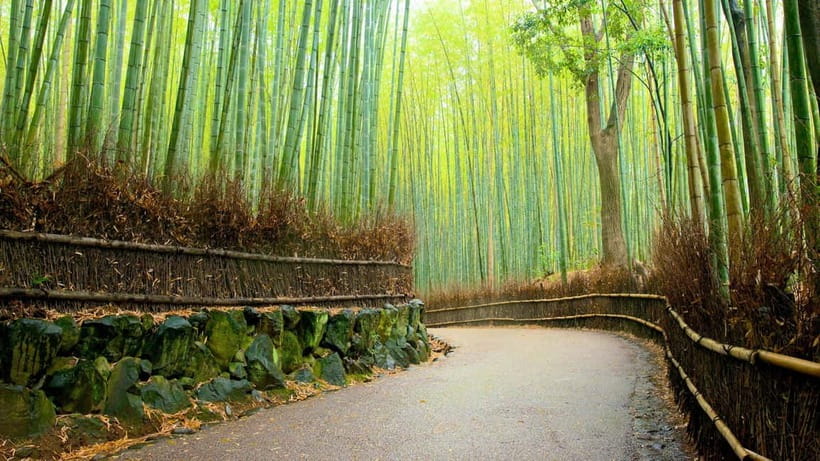
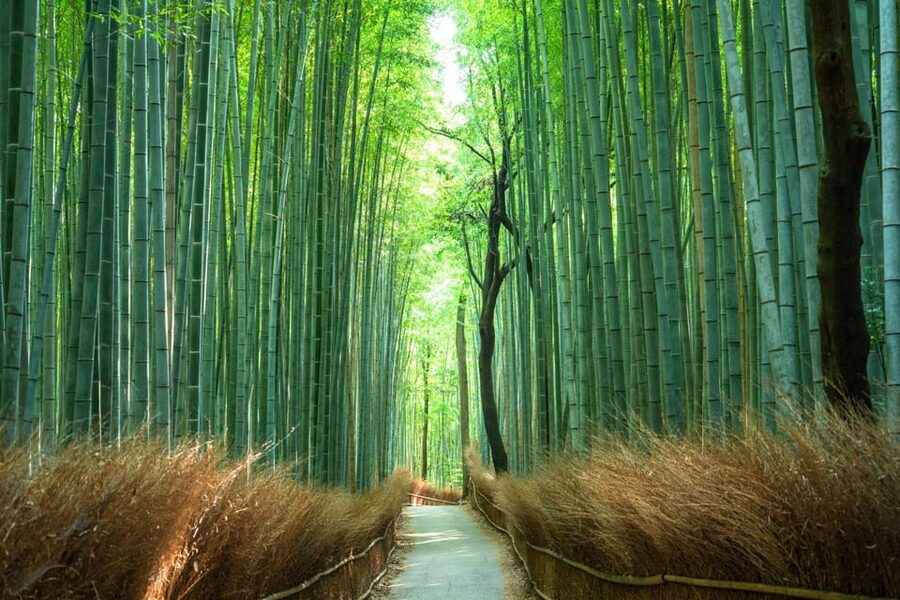
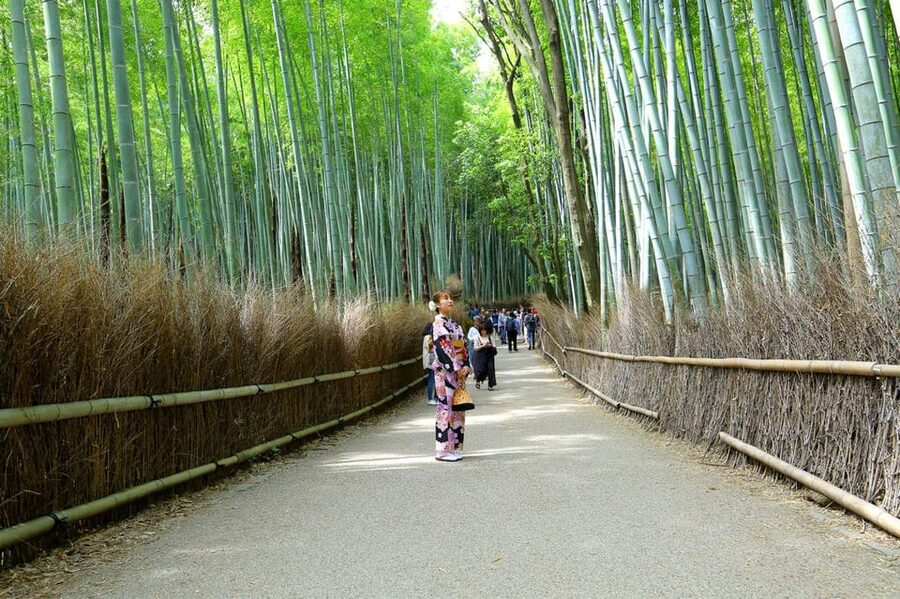
The bamboo path is Arashiyama’s best-known walk, and its popularity is easy to understand. Tall bamboo stalks rise on both sides, with light filtering through the leaves and the stems moving in the breeze. The path has a cool, enclosed feel that differs from the open riverfront and temple garden.
The Bamboo Forest Path is free and open from 9:00 to 17:00. That timing is important. If your tour starts late or the earlier stops take longer, your guide may need to keep the walk moving so you reach it during opening hours.
Do not expect a private forest. This is one of Kyoto’s famous sights, so the path can be busy. The experience works best if you focus on the height of the bamboo, the sound of the leaves, and the short walk itself instead of waiting for an empty path.
Masa can also help with photographs. That small service matters on a private tour, particularly if you are traveling as a couple or family and want pictures with everyone in them. Still, set realistic expectations: the bamboo walk is a scenic passage, not a long wilderness hike.
Togetsukyo Bridge and the Oi River
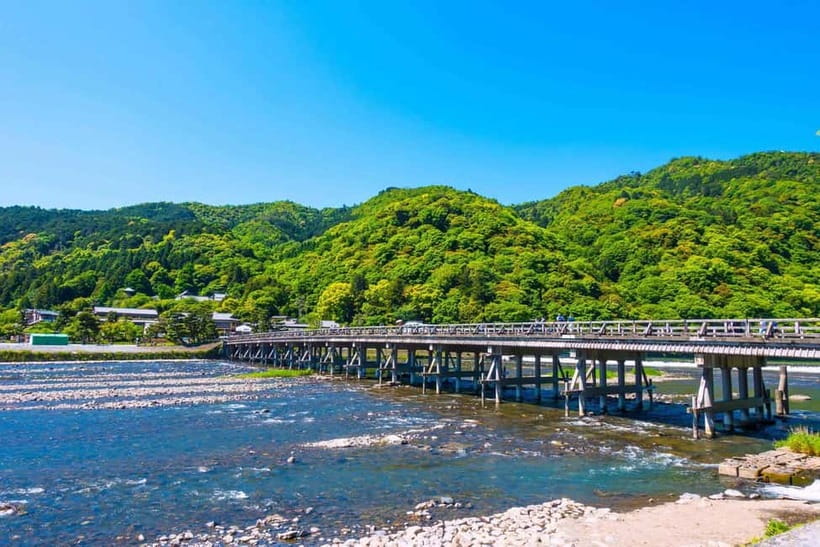
The final major Arashiyama stop is Togetsukyo Bridge, a familiar symbol of the district. The bridge crosses the Oi River, described here as the Hozu River in parts of the itinerary, and opens the view toward the surrounding hills.
This is a good place to slow down. You can take pictures from the bridge, look along the river, or pause near the bank. Seasonal color is a major part of the scene, with cherry blossoms in spring and autumn leaves later in the year.
The bridge gives the tour a broad finish after the close spaces of the monkey park, temple garden, and bamboo path. You see the river, mountains, and traditional Arashiyama setting together.
The listed highlights also mention a leisurely boat trip on the Oi River. However, the stated inclusions do not list a boat ride, and the practical details describe the bridge and riverside visit rather than a confirmed cruise. I would ask the provider directly before booking if the boat trip is important to you. Do not assume it is included in the $38 price.
A few more Kyoto trips to weigh up
- Fushimi Inari Hidden Hiking Tour (Private Option Available)
★ 5.0 · 1,750 reviews - Private Kyoto Tour with a Local, Highlights & Hidden Gems, Personalised
★ 5.0 · 1,543 reviews - Kyoto 6hr Private Tour with Government-Licensed Guide
★ 5.0 · 1,369 reviews - 10 Must-see Spots in Kyoto One Day Private Tour (up to 7 people)
★ 5.0 · 1,108 reviews
How the Three-Hour Schedule Works
The advertised duration is three hours, but the detailed outline assigns one hour to the monkey park and three hours to the Arashiyama highlights. Those figures do not fit neatly together. The walking time between stops, the 20-minute monkey park climb, temple viewing, photo pauses, and any river activity could easily push the outing beyond three hours.
That does not make the tour poor value, but it does mean you should clarify the timing before you reserve. A private guide can adjust the pace, yet there is still only so much ground you can cover in a short visit.
If the three-hour duration is firm, expect an efficient overview rather than a slow day in Arashiyama. If you want time for the temple garden, bamboo path, riverfront, and possible boat ride, ask how the provider handles the difference between the advertised duration and the longer breakdown.
The meeting location is convenient for this route, but transportation to and from the attractions is not included. You make your own way to Hankyu-Arashiyama Station, and the tour ends in the Arashiyama area unless the provider tells you otherwise. Build extra time into your day for getting back to Kyoto or continuing to another sight.
Why a Private Guide Adds Value at $38
At $38 per person, this is a modest price for a private English-language experience that includes entry to Iwatayama Monkey Park and Tenryuji Temple, plus the monkey feeding fee. You also get a guide who can explain local customs, answer questions, keep the walk at a sensible pace, and take photos at good spots.
The value improves for couples, families, or small groups that would rather not follow a fixed large-group pace. Masa has been praised for making the walk educational and light, using quizzes on the way to the monkey park and offering advice about food and the local area after the formal sightseeing.
The price does not cover transportation or personal spending. You may want money for drinks, snacks, coffee, or small purchases around Arashiyama. Bring water and snacks from the start, especially because the uphill walk comes early.
The private format is not automatically the best deal for every person. If you only want to walk through the bamboo and take a bridge photo, you can visit Arashiyama independently. You are paying here for the combination of access, structure, interpretation, and personal attention.
Who Will Enjoy This Arashiyama Tour
I would choose this tour if you want several of Arashiyama’s key sights arranged into one guided outing. It is especially suited to first-time visitors who want help finding the monkey park, understanding Tenryuji, and getting photos without planning every turn.
It also works well for families with older children who are excited about monkeys. The animals are the emotional hook, while the temple and bamboo forest give the day more depth than a wildlife visit alone.
Fitness matters. The route includes a sustained uphill section, and the activity is not suitable for people with low fitness, mobility impairments, wheelchair users, or those who are afraid of heights. Baby strollers and carriages are not allowed, and high-heeled shoes are a poor choice.
The supplied restrictions also exclude pregnant women, people over 75, people over 287 pounds, and people with animal allergies or lactose intolerance. The lactose restriction is unusual for this activity, so if it affects you, confirm the reason and suitability with the provider before booking.
Wear walking shoes and carry rain gear. Weather can change the feel of the river view, bamboo path, and mountain lookout, but a wet day does not remove the need for the uphill climb.
Small Details That Make the Day Easier
Meet at Hankyu-Arashiyama Station, specifically outside the ticket gates in the plaza. Do not go to the Randen or JR station by mistake.
Keep 100-yen coins handy for monkey food. The feeding opportunity is supervised and takes place only from inside the rest area.
The bamboo path is free, but its stated opening hours are 9:00 to 17:00. A later start could make the schedule more rushed.
The experience is private and guided in English. Masahiko, or Masa, is the named guide associated with the tour, and the supplied details describe him as friendly, funny, and attentive to walking pace.
Free cancellation is available up to 24 hours before the start, and you can reserve now and pay later. Those terms are useful if your Kyoto plans are still shifting, but they do not solve the schedule question, so clarify the actual length and boat inclusion first.
Should You Book It?
Book this tour if you want a compact, personal introduction to Arashiyama and you are comfortable with a steep walk. The strongest combination is the supervised monkey feeding, Kyoto view, Tenryuji garden, and Masa’s help with explanations and photos.
Think twice if you have mobility limits, dislike uphill walks, need a fully relaxed schedule, or are booking mainly for a boat trip. The boat is mentioned among the highlights but not clearly included, and the three-hour duration conflicts with the longer stop breakdown.
For most active visitors, the $38 price is fair because admissions, monkey food, and private English guidance are included. Ask two questions before paying: Is the boat ride part of this exact booking, and is the tour truly three hours from meeting to finish? If the answers suit your plans, this is a practical way to see several sides of Arashiyama without turning the day into a navigation exercise.
FAQ
Where does the tour meet?
The meeting point is Hankyu-Arashiyama Station, outside the station ticket gates in the plaza. The guide holds a sign with your name. Do not go to Randen or JR Arashiyama Station.
How long does the tour last?
The stated duration is three hours. The detailed stop description assigns one hour to the monkey park and three hours to the Arashiyama highlights, so you should confirm the exact timing with the provider.
Is the tour private?
Yes. This is a private group experience with an English-speaking live guide.
Is transportation included?
No. Transportation to and from the attractions is not included.
Is monkey park admission included?
Yes. Admission to Iwatayama Monkey Park and the listed monkey feeding fee are included.
Where can I feed the monkeys?
You may feed the monkeys only from inside the monkey park rest area. Do not bring food into the rest area.
How difficult is the walk to the monkey park?
You should expect about 20 minutes of uphill walking. Comfortable walking shoes, water, and snacks are recommended.
Is admission to Tenryuji Temple included?
Yes. Admission to Tenryuji Temple is included.
Is the boat trip on the Oi River included?
The boat trip is mentioned among the tour highlights, but it is not listed among the included items. Ask the provider to confirm whether a boat ride is part of your booking.
Just added around Kyoto
- Taste of Nishiki Market Walking Food Tour with Local guide★ 5.0 · 17 reviews
- Kyoto: Sushi Making Class with Sushi Chef★ 4.8 · 64 reviews
- Kyoto: City Secrets eBike Tour★ 4.9 · 196 reviews
- Sacred Pathways: Discover the Philosopher’s Path of Kyoto★ 4.9 · 20 reviews
- Private Nara Tour from Osaka – Meet at Your Hotel★ 5.0 · 22 reviews
- Private Sake Tasting in Central Kyoto with Sake Sommelier★ 5.0 · 13 reviews
- Kyoto : Private Custom Walking Tour With A Local Guide★ 4.6 · 144 reviews
- Osaka/Kyoto: Katsuoji, Kinkakuji, Arashiyama 1-Day Bus Tour★ 4.6 · 33 reviews
Arashiyama Bamboo Tours, compared.
Osaka/Kyoto:Kinkakuji,Arashiyama,FushimiInariShrine,NaraPark
Read our review →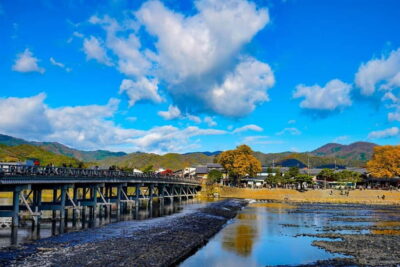
Kyoto/Osaka: Nara, Fushimi Inari Taisha, Arashiyama Bus Tour
Read our review →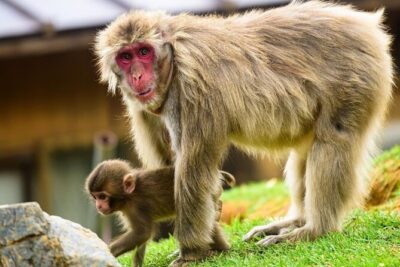
Kyoto Arashiyama Walking Tour: Bamboo, Monkeys, Gardens & Secrets
Read our review →
Arashiyama Bamboo, Temple, Monkeys, or Secret Sake Brewery
Read our review →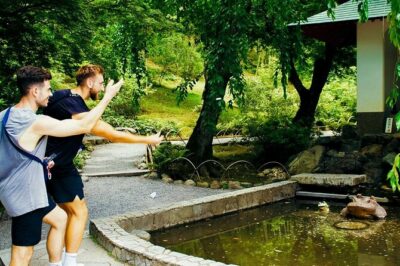
Arashiyama Bamboo Forest, Monkeys, Matcha & Temple Tour
Read our review →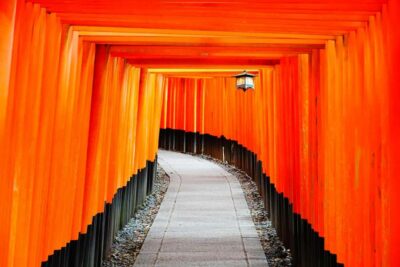
Osaka/Kyoto: Arashiyama, Nara & Fushimi Inari Shrine w/Lunch
Read our review →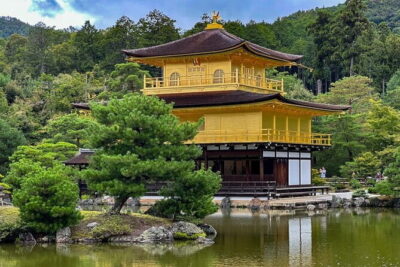
Nijo, Kinkaku-ji, Arashiyama, Kiyomizu & Fushimi Inari
Read our review →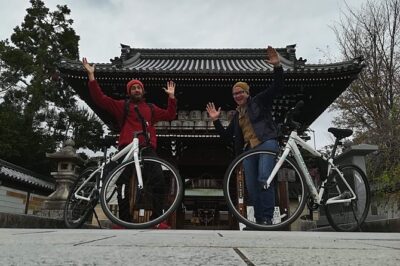
Arashiyama Bamboo Forest & Hidden Gems Bike Tour (Early Bird)
Read our review →Browse the lists this tour appears in