
REVIEW · WORKSHOPS
Osaka: Sashiko Japanese Craftsmanship Workshop
Sashiko turns simple running stitches into neat geometric art, and this Osaka workshop lets you learn the craft by making something useful. I like the small groups of up to eight, which give June time to help beginners, and I like that you take home your own handmade coaster rather than just watching a demonstration.
The calm pace suits anyone who wants a quieter break from Osaka’s busy streets. The main consideration is that the class needs at least two participants, or a solo booking may require a 3,000-yen supplement, a different date, or a full refund.
In This Review
- Key points at a glance
- What Sashiko means before you pick up a needle
- Your two hours, from history to first stitches
- Why the geometric coaster works so well
- June’s teaching style and the small-group setting
- The old house adds a sense of place
- A calm break from Osaka sightseeing
- The JunAle shopping corner
- Is $67 a fair price?
- What makes this experience memorable
- Who should book this Sashiko workshop?
- Should you book it?
- FAQ
- How long does the Sashiko workshop last?
- How much does the workshop cost?
- What will I make during the class?
- Do I need previous sewing experience?
- Which languages are available?
- What materials and tools are provided?
- How many people are in the group?
- Can a solo participant book?
- Is transportation to the workshop included?
Key points at a glance
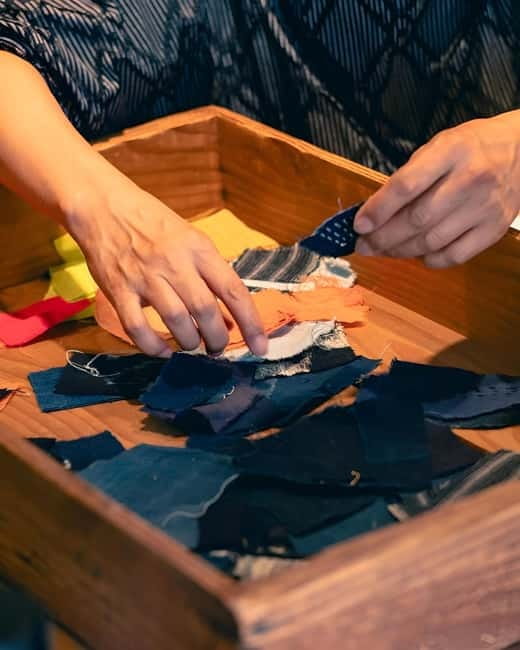
- Make a practical souvenir: Create Sashiko coasters with geometric patterns and take home your finished piece.
- Learn with June: English and Japanese instruction covers basic stitches, pattern meaning, and technique.
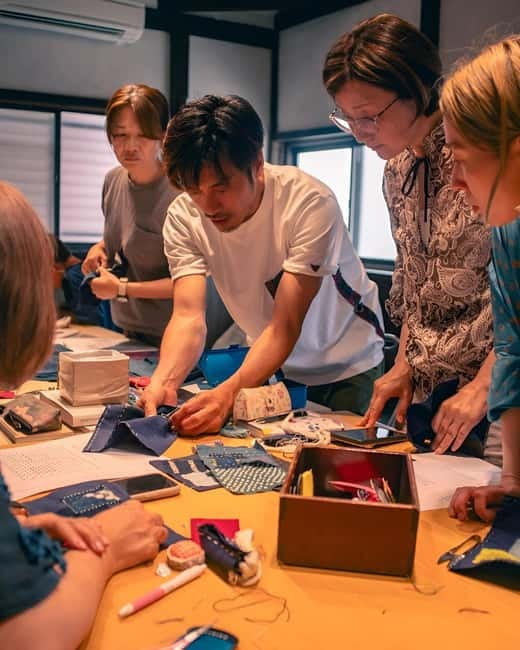
- Work in a tiny group: The maximum of eight keeps the class personal and manageable for first-timers.
- See craft in context: Learn how Sashiko grew from clothing repair and insulation into a respected Japanese art.
- Enjoy a historic setting: The workshop takes place in an old house with wooden stairs and visible framework.
- Browse local craft goods: The adjacent shopping corner sells JunAle items, sewing kits, hand-dyed threads, and clothing.
What Sashiko means before you pick up a needle
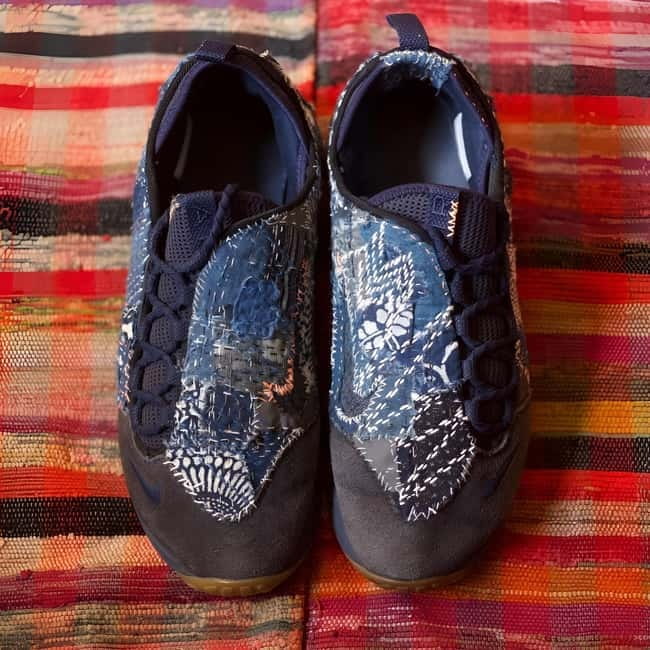
Sashiko means little stabs, a plain name for a stitch that has become one of Japan’s best-known textile crafts. The technique uses repeated running stitches to create tidy patterns on fabric. Its beauty comes from order, spacing, and patience rather than expensive materials.
The craft began during the Edo period, from 1603 to 1868. Rural families used it to mend worn clothing and add warmth to garments worn by farmers and fishermen. Repeated layers of fabric and thread helped clothes last longer through hard work and cold winters.
That practical beginning matters. You are not simply copying a decorative design. You are learning a method born from thrift, care, and everyday use. Over time, different parts of Japan developed their own patterns, with designs carrying links to local culture and symbolic ideas.
The workshop keeps that background short enough to leave plenty of time for stitching. You receive an introduction to Sashiko’s past, then see how the old method works in your own hands. For me, that balance is important. A craft class should explain why the object matters, not bury you in a long lecture before the fun starts.
A few more Osaka trips to weigh up
- Sushi Making Osaka Roll and Authentic Japanese Sushi Class
★ 5.0 · 1,220 reviews - Matcha Making Class in Osaka with Authentic Japanese Sweets Set
★ 5.0 · 509 reviews - Osaka: Ramen and Gyoza Cooking Class in Dotonbori
★ 5.0 · 378 reviews
Your two hours, from history to first stitches
The session begins with a short explanation of Sashiko and its place in Japanese craft. June then demonstrates the basic stitching method, showing you how to form the regular lines that make up the pattern.
You do not need previous sewing or embroidery experience. The materials, needles, thread, fabric, and other required tools are supplied, so you can arrive without building a craft kit in advance. That makes this an easy addition to an Osaka trip, especially if you want an activity that does not require much preparation.
After the demonstration, you practice on small items, including coasters. The project is a smart choice for a two-hour session. A coaster is large enough to show a pattern clearly, but small enough that you have a good chance of finishing it during the class.
Your work will not need to look factory-perfect. Sashiko depends on repeated stitches, and small differences are part of learning. June provides hands-on help as you work, and the group size gives the instructor room to correct technique or answer questions.
The class has a quiet, focused rhythm. You spend much of the time watching the thread pass through the cloth, checking spacing, and building a pattern one stitch at a time. If you are used to rushing from one Osaka sight to the next, this slower pace can feel like a welcome change.
Experienced sewers may finish the basic project quickly. In that case, June can show an additional stitch, as happened for one fast-moving participant. Still, the main project is designed as an introduction, not an advanced masterclass, so experienced textile artists should set their expectations accordingly.
Why the geometric coaster works so well

The coaster gives you a clear goal and a finished object you can use at home. It also lets you see how individual stitches become a larger design. The geometric patterns are not random decoration. Their repetition is the heart of Sashiko.
For a first project, a small textile has several advantages:
- You can concentrate on stitch length and spacing without managing a large piece of fabric.
- You have a realistic chance of completing the project in two hours.
- The finished item packs easily in your luggage.
- You leave with a useful reminder of the activity rather than a disposable trinket.
The class does not promise that you will master every Sashiko pattern in one sitting. Instead, it gives you a foundation you can continue at home. The fabric, tools, and thread are supplied for the workshop, while the skills become yours to use again.
That distinction affects the value. You are paying not only for a coaster, but for instruction, cultural background, and a method you can repeat. If you only want to buy a finished Sashiko object, a shop will be faster. If you want to understand how the object is made, this class offers more.
June’s teaching style and the small-group setting
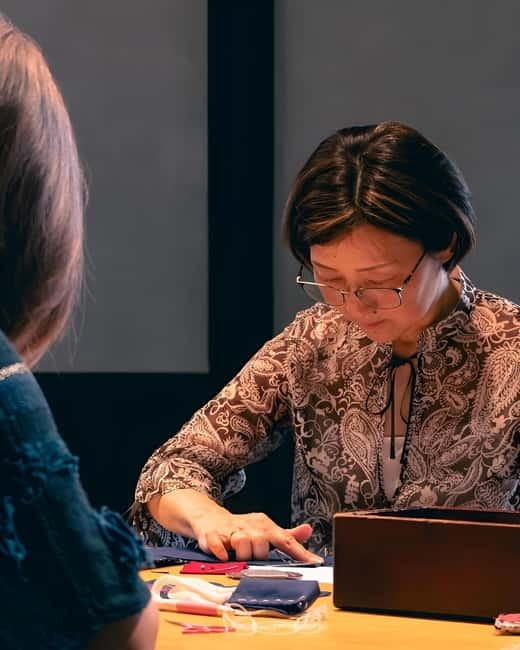
June teaches in English and Japanese, and the class is limited to eight people. Those details matter more than they might at first appear. Hand sewing is a close-up activity. You need to see the fabric, thread, and stitch line clearly, and you may need a quick correction when your spacing goes off.
The teaching style is patient and encouraging. June explains the process for beginners while making room for people with sewing experience. The atmosphere is friendly rather than formal, which helps if you feel nervous about making a mistake.
The international mix can add to the appeal. You may share the table with other people who are also keen to learn a Japanese craft, making the class social without turning it into a loud group tour.
The small size does not guarantee private instruction every minute. You still work independently for stretches of the class. But with a maximum of eight people, you have a better chance of getting direct help than in a large craft demonstration.
One practical point deserves attention. The standard arrangement aims to avoid charging extra to solo participants, but the class requires a minimum of two people. If that minimum is not met, you may be offered another date, asked to pay a 3,000-yen solo supplement, or given a full refund. Solo visitors should check this before treating the class as a fixed part of a tight itinerary.
Same city, a completely different kind of day:
- Osaka Go Karting Tour with Funny Costume
★ 5.0 · 2,658 reviews - Osaka Castle: Museum and Tower Entry Ticket
★ 4.5 · 2,380 reviews - Osaka: Shinsekai Food Tour with 13-15 Dishes at 5 Eateries
★ 4.8 · 2,204 reviews - Osaka Food Tour: 13 Dishes at 5 Local Eateries
★ 5.0 · 2,149 reviews
The old house adds a sense of place
The workshop takes place in an old house, and the setting is part of the appeal. Wooden stairs and exposed framework give the space a character that a modern classroom would not provide.
The available details do not identify the building’s exact age or architectural history, so do not book this as a formal heritage tour. Think of the house as a pleasant backdrop for the craft. Its timber details help connect the handwork to a more traditional side of Japan without requiring a separate museum visit.
The venue is reachable by train, and with advance notice you can be met at Kyobashi Station. Transportation to the workshop is not included, so you are responsible for getting there and returning afterward.
That arrangement keeps the price down, but it means you should allow time to find the venue. Confirm the meeting details when booking, particularly if you plan to use the Kyobashi Station pickup option. The class lasts two hours, and start times depend on availability.
The activity is wheelchair accessible. Since the information does not give detailed measurements or explain every feature of the route from the station, it is sensible to confirm any specific access needs in advance.
A calm break from Osaka sightseeing
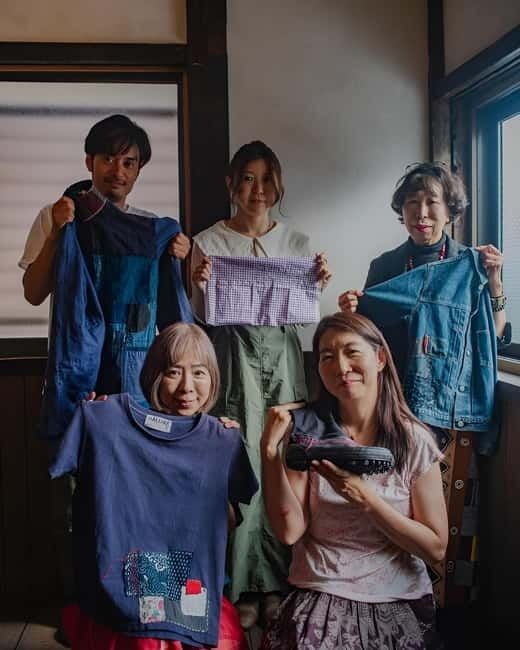
Osaka is easy to fill with food stops, shopping, and major sights. Sashiko offers a different kind of afternoon. You sit down, focus on a repeated motion, and spend time making something with your hands.
I would especially consider this workshop if you are traveling with a teenager, a friend celebrating a birthday, or someone who enjoys sewing and embroidery. It also works for complete beginners who want a cultural activity with a clear result.
The craft can feel meditative, but that does not mean it is effortless. You need to pay attention to the direction of your stitches and keep a steady rhythm. Anyone hoping for a fast, high-energy attraction may find two hours at a sewing table too quiet.
The activity also suits people who prefer meaningful souvenirs. A finished coaster has a personal story: you chose the pattern, handled the materials, and learned the technique in Osaka. It may not be a perfect professional piece, but that is part of its charm.
The JunAle shopping corner

Next to the workshop area is a small shopping corner with JunAle original goods, sewing kits, hand-dyed threads, and clothing. This is useful if the class sparks an interest in continuing Sashiko after you return home.
The sewing kits can help you practice without searching for supplies later. Hand-dyed threads and original goods also give you a chance to see related work beyond the basic coaster project.
Cash payments receive discounts, according to the activity details. The amount of the discount is not specified, so ask before buying if you want to compare the price. You are not required to shop, and the class remains complete without an additional purchase.
For me, the shopping corner works best as an optional extra, not the reason to book. The main value comes from learning the stitch and finishing your own piece. Still, it is convenient to find supplies in the same place, especially if you want to keep working on Sashiko at home.
Is $67 a fair price?

At $67 per person, this is not the cheapest way to spend two hours in Osaka. You could buy a small souvenir for less. The question is what you want from the outing.
The price includes fabric, thread, needles, tools, instruction, cultural background, and a completed Sashiko project. It also covers the chance to ask questions and receive hands-on help in a group capped at eight. For someone who values learning a craft, that is a reasonable package.
The value is strongest if you plan to use the skill again. You leave with enough understanding to continue practicing, and the adjacent shop gives you an immediate place to find kits or thread. If your only goal is to collect a finished Japanese textile, purchasing one may make more sense.
Transportation and insurance are not included. You also need to arrange your own way to the venue, though advance notice may allow a meeting at Kyobashi Station. Build those costs and your travel time into your calculation.
Free cancellation is available up to 24 hours before the activity for a full refund, and you can reserve now and pay later. Those policies help if your Osaka plans are still shifting. Solo participants should also account for the possible 3,000-yen supplement if the minimum group size is not reached.
What makes this experience memorable
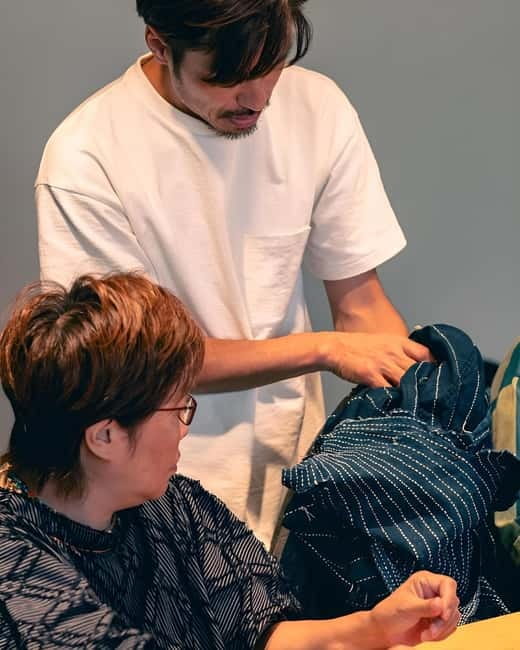
The best part is the combination of a small finished project and a larger cultural lesson. You learn that Sashiko was once a way to repair and strengthen clothing, then see how the same basic idea can become an elegant pattern on a coaster.
The setting helps, too. The old house, wooden stairs, and framework give the class more personality than a generic craft room. You are not only sitting at a table with supplies. You are working in a place that feels connected to Japanese domestic craft.
The atmosphere is another strong point. The class is designed to be friendly and relaxed, with June offering support rather than expecting polished results. English instruction makes the activity practical for international visitors, while the Japanese setting keeps the lesson rooted in place.
I also like that the project is small enough to finish. Many creative workshops send you home with an incomplete object or a promise to finish later. Here, you should leave with a Sashiko piece in hand, plus a technique you can keep developing.
Who should book this Sashiko workshop?
Book it if you enjoy handcraft, embroidery, textiles, or Japanese design. It is also a good choice if you want a quieter cultural activity and prefer doing something active rather than simply looking at exhibits.
Families with teenagers can find a shared project here, and the birthday group experience shows how well it can work as a small celebration. You do not need prior skill, so do not let a lack of sewing experience stop you.
Think twice if you dislike detailed handwork, have very little patience for repetition, or want a major sightseeing attraction with a packed schedule. Two hours of stitching requires a willingness to slow down.
I would also check the group minimum if you are alone. The possibility of a date change, supplement, or refund is clearly stated, but it could matter if this is your only free afternoon.
Should you book it?
I would book this Osaka workshop if you want a personal souvenir and a genuine introduction to a Japanese craft. The small group, English and Japanese instruction, old-house setting, and patient guidance from June make it more useful than a quick craft demonstration.
At $67, it earns its price through instruction and context rather than the material cost of one coaster. Book it for the experience of learning, not simply for the finished object. If that sounds like your kind of afternoon, this is a thoughtful way to spend two hours in Osaka.
FAQ
How long does the Sashiko workshop last?
The workshop lasts two hours.
How much does the workshop cost?
The listed price is $67 per person.
What will I make during the class?
You will make Sashiko coasters using geometric patterns and take home your completed textile piece.
Do I need previous sewing experience?
No. The workshop is designed for complete beginners as well as people with craft experience.
Which languages are available?
Instruction is available in English and Japanese.
What materials and tools are provided?
Fabric, needles, thread, and other Sashiko-specific tools are provided. Your completed project is also included.
How many people are in the group?
The group is limited to eight participants.
Can a solo participant book?
Solo bookings are possible, but the activity requires a minimum of two participants. If that minimum is not reached, you may attend on another date, pay a 3,000-yen solo supplement, or receive a full refund.
Is transportation to the workshop included?
No. You arrange your own transportation. With advance notice, you can be met at Kyobashi Station.
Just added around Osaka
- (Ticket Included) Explore Osaka Castle & Museum of History★ 4.8 · 21 reviews
- Hidden Osaka – Yukaku Red Light Tour & Culinary Adventure★ 4.8 · 96 reviews
- Osaka: Walking Tour and Top Highlights★ 4.8 · 104 reviews
- Osaka: Private Ceramic Painting Workshop★ 5.0 · 13 reviews
- Pickleball in Osaka, Kobe & Kyoto with Locals!★ 4.7 · 80 reviews
- Eat Like a Local in Osaka – Private Custom Street Food Tour★ 4.3 · 33 reviews
- Osaka:SUMO BEATS SHOWCASE: Taiko Drum and Wagyu burger!★ 4.2 · 37 reviews
- Kimono photoshoot-Includes 100 photo data★ 5.0 · 21 reviews
Workshops, compared.
Sushi Making Tokyo Roll and Authentic Japanese Sushi Class
Read our review →

Roll and Authentic Sushi Making Class in Asakusa
Read our review →
Ramen Cooking Class at Ramen Factory in Kyoto
Read our review →
Sushi Making Class in a Happi Coat near a Famous Spot
Read our review →

Sushi Making Osaka Roll and Authentic Japanese Sushi Class
Read our review →
Tokyo Sushi Making Class in Tsukiji with Professional Chef
Read our review →Browse the lists this tour appears in