
REVIEW · KIMONO & CULTURE EXPERIENCES
Osaka: Private Samurai Experience – Train with Sword Master
The most unusual part of this Osaka experience is the setting: you train with sword master Tatsuya Watanabe inside a secluded area of Ryuan-ji or Saiko-ji Temple, a space normally closed to the public. This is not a costumed photo stop. You work through basic sword movements, posture, strikes, and discipline with a modern heir to classical Japanese sword traditions.
I like two things right away. First, the private temple setting gives the lesson a quiet, serious feel that a studio in central Osaka could not match. Second, your guide and translator help bridge the language gap between you and Watanabe Sensei, whose instruction is in Japanese. The main consideration is time: three hours sounds generous, but the actual sword practice is around 1.5 hours, with the rest used for the walk, temple visit, explanations, and demonstrations.
In This Review
- Key points
- Why this temple sword lesson feels different
- Meeting Watanabe Sensei and his sword tradition
- The 1.5-hour training session
- The special sword performance
- Exploring Ryuan-ji or Saiko-ji Temple
- What the guide adds to the experience
- Is $158 a fair price?
- Who should book this Osaka experience?
- Practical details before you go
- Should you book it?
- FAQ
- Where does the experience begin?
- Where does the experience take place?
- How long does the experience last?
- Which languages are available?
- Is this a private group activity?
- What is included in the price?
- Can I cancel or pay later?
Key points
- Train with Tatsuya Watanabe: He began with kendo, later studied Yagyū Shinkage-ryu, and became headmaster of Suishin-ryu at a notably young age.
- Enter a restricted temple area: Ryuan-ji or Saiko-ji opens private training grounds for this program.
- Expect translation: English, Japanese, and French guides are available, with guides such as Benoit, Ben, Aimu, and Claire helping explain the lesson.
- See more than sword drills: The program includes a special sword performance, temple background, and insight into the mental side of swordsmanship.
- Practice with a wooden sword: The core lesson uses a bokken, while some sessions have included handling real swords and cutting paper.
- Meet at Minoh Station: The experience begins and ends in front of the station, making the meeting point simple to find.
Why this temple sword lesson feels different
Osaka has no shortage of food tours, neon streets, and easy sightseeing. This experience takes you in another direction, toward Minoh and a quieter corner of Japanese culture. You meet in front of Minoh Station, where your guide holds a yellow DeepExperience sign, then continue toward the temple grounds.
That walk matters. It gives the experience a gradual change of pace, from a railway station to a wooded religious site with a calmer atmosphere. Your guide may explain details about Minoh and the temple along the way. The temple visit is not just a backdrop for sword practice. It helps explain why the lesson places such weight on restraint, concentration, and disciplined movement.
The secluded training area is normally closed to the public. That private access is one of the strongest reasons to choose this program instead of a standard martial arts class. You are not simply learning a few moves in a rented room. You are practicing in a space connected to religious tradition and historical sword culture.
Still, keep your expectations sensible. Three hours will not turn you into a samurai, and you will not master a classical school in one afternoon. The value is in meeting a serious practitioner, learning the logic behind the movements, and seeing how swordsmanship connects the body, mind, and surroundings.
More Kimono & Culture Experiences in Osaka
- Osaka: Sumo Show & Experience w/ Optional Kimono & Hot Pot
★ 4.5 · 609 reviews - Samurai Training Experience KENDO in Osaka
★ 5.0 · 515 reviews - OSAKA NIGHT FUSION Japanese Taiko Kabuki Samurai Dance Show
★ 4.8 · 155 reviews
Meeting Watanabe Sensei and his sword tradition
Tatsuya Watanabe’s background gives the session more substance than a basic tourist demonstration. He first took up kendo as a teenager, then studied Yagyū Shinkage-ryu during university. This is one of Japan’s recognized classical schools of kenjutsu, or traditional swordsmanship.
He later trained in several lineages, including Suishin-ryu. His dedication led to his appointment as soke, or headmaster, while he was still in his twenties. In that role, he carries responsibility for preserving the school’s techniques as well as its philosophy, spirit, and sense of form.
That background is worth understanding before you arrive. Watanabe is not presented as a historical samurai from centuries ago. He is a present-day master working to preserve old sword traditions and explain their meaning to modern audiences. The experience works best if you approach it as cultural instruction, not fantasy role-play.
His daily practice also shapes the tone of the session. The focus is not simply on hitting a target. The movements are controlled and deliberate. One especially useful idea is the emphasis on fluidity and the meditative quality of the strikes. You may find that the lesson asks for more patience than force.
The 1.5-hour training session
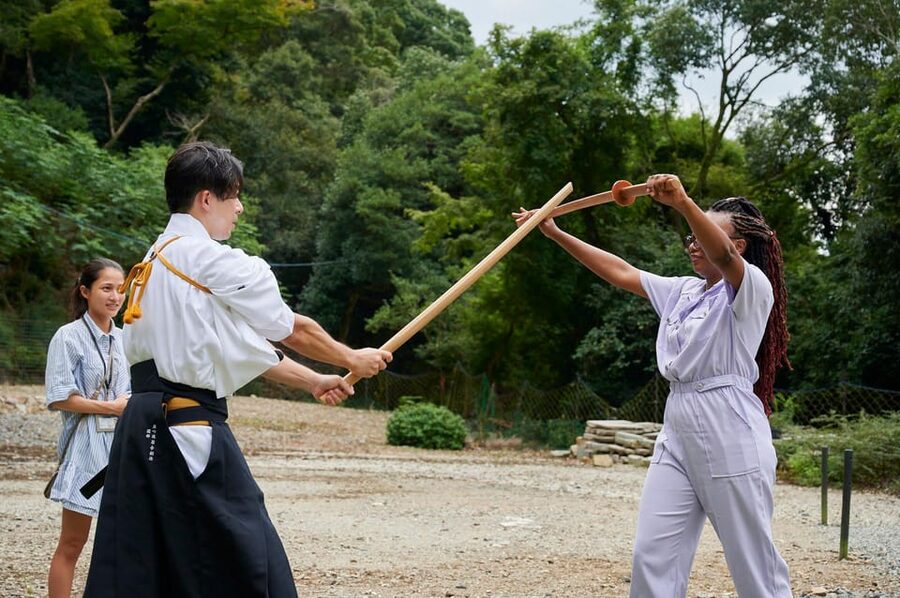
The main practical portion lasts about 1.5 hours. You begin with basic instruction using a wooden sword, or bokken. The session covers how to hold it, how to stand, how to strike, and how to coordinate the movement of your body.
Translation is important here. Watanabe Sensei speaks Japanese, so the guide explains his comments in English or French when needed. Benoit and Ben have served as translators on sessions, while Aimu and Claire have also guided participants. The exact guide depends on the date and language selected, but the activity provides live guiding in English, Japanese, and French.
I would pay close attention to the translation rather than treating it as background chatter. Small points about posture and timing are easy to miss when you are watching a demonstration. A translated explanation can also help you understand why a movement is performed in a certain way, not just copy its shape.
The lesson is suitable for beginners because the program is built around basic techniques. You do not need previous sword training to take part. At the same time, the instruction is not watered down into a quick theatrical routine. The master corrects posture and strikes, and you work on repeating movements with greater control.
Some sessions have included a chance to handle actual swords and cut paper after the wooden-sword practice. That sounds exciting, and it is certainly one of the most memorable possibilities, but I would not treat it as the guaranteed core of every booking. The confirmed activity is traditional sword training, with the wooden sword forming the central practice.
The physical demands appear manageable for most people who can take part in a guided class, but the details provided do not specify fitness or mobility requirements. Wear clothing that allows comfortable movement, and remember that the temple setting calls for respectful behavior.
The special sword performance
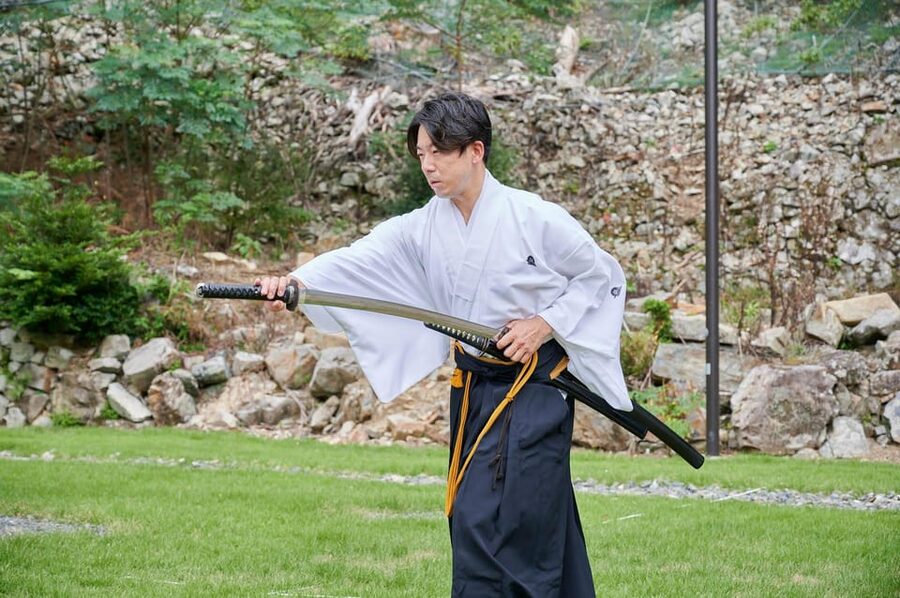
Before or during the lesson, Watanabe Sensei gives a special sword performance reserved for this program. This is more than a quick flourish. It lets you see the control, timing, and precision that the exercises are meant to develop.
A demonstration also gives you a useful reference point. When the master performs a movement, it may look effortless. When you attempt the same action with a wooden sword, you begin to understand how much balance and focus sit behind that apparent simplicity.
The performance is one reason the experience works for people who are interested in Japanese culture but are not sure they want a full martial arts class. You can watch, listen, and learn even if the physical drills are not the main reason you booked.
I especially like the contrast between the quiet temple surroundings and the sharp energy of the performance. There is no need for a crowded stage or loud presentation. The setting does much of the work.
Same city, a completely different kind of day:
- Osaka Go Karting Tour with Funny Costume
★ 5.0 · 2,658 reviews - Osaka Castle: Museum and Tower Entry Ticket
★ 4.5 · 2,380 reviews - Osaka: Shinsekai Food Tour with 13-15 Dishes at 5 Eateries
★ 4.8 · 2,204 reviews - Osaka Food Tour: 13 Dishes at 5 Local Eateries
★ 5.0 · 2,149 reviews
Exploring Ryuan-ji or Saiko-ji Temple

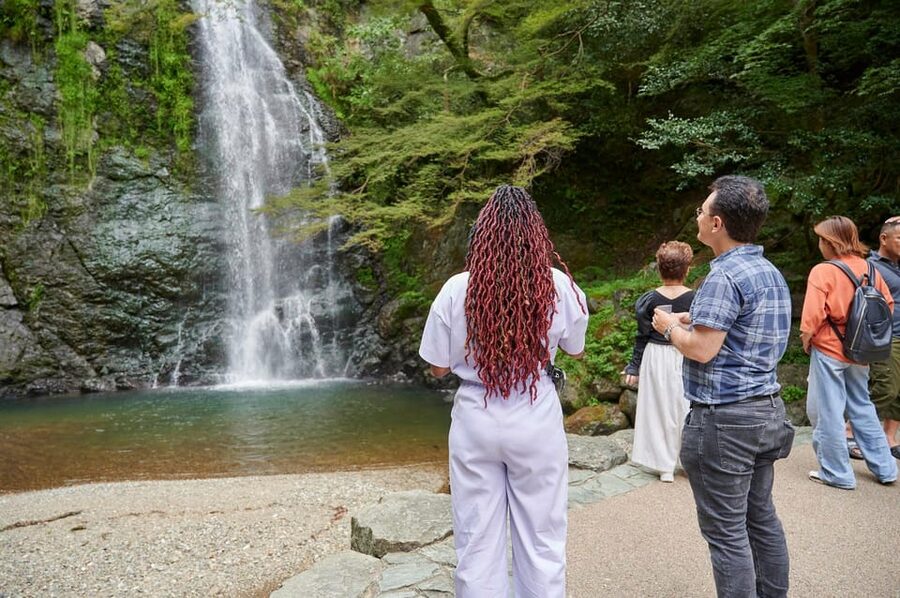
The temple portion adds a second layer to the outing. Ryuan-ji in Minoh is described as a sacred site with spiritual and historical importance, while the program may also use secluded areas at Saiko-ji. The exact temple depends on the scheduled experience.
Your guide leads you through the grounds and explains the area before you reach the private training space. That introduction helps you see the temple as a living religious place rather than a decorative set.
The restricted access is the key feature. Because the training area is closed to ordinary public visits, you receive a quieter experience than you would at a major sightseeing temple. You can focus on the lesson without the usual stream of unrelated foot traffic.
There is a tradeoff. A secluded temple area may not offer the grand scale or famous landmarks associated with Kyoto’s major temples. If you want a long list of architectural highlights, this is not the best use of your afternoon. If you want a small-scale cultural encounter with a strong sense of place, it makes much more sense.
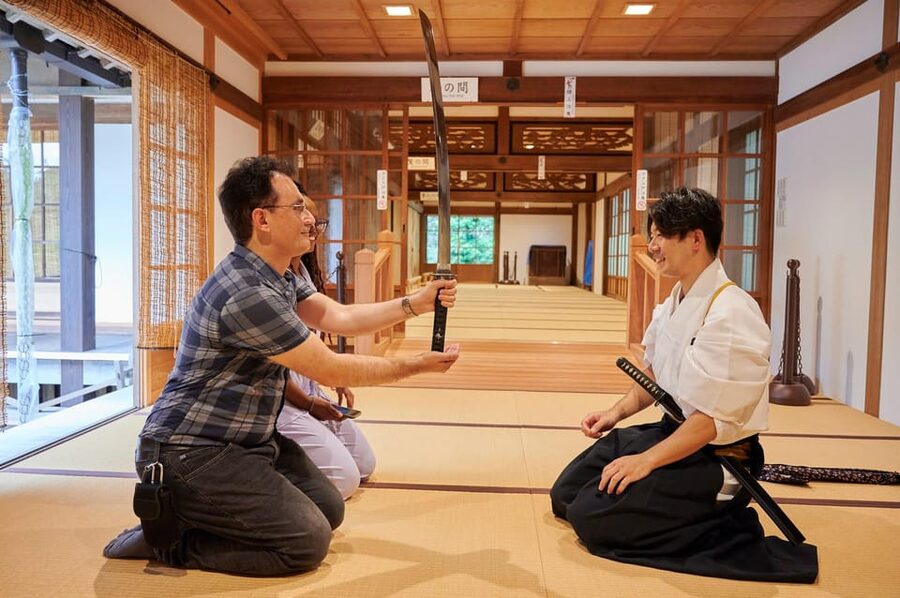
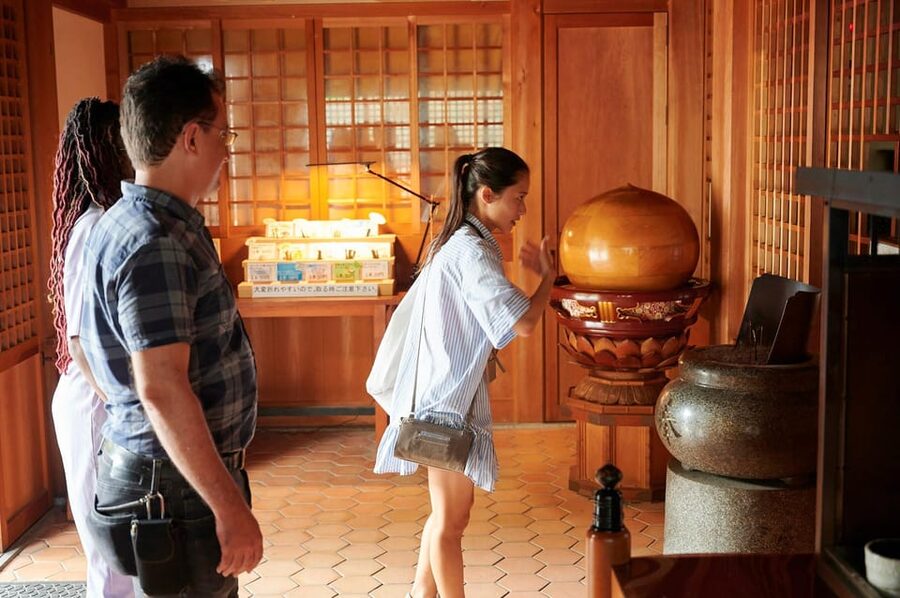
The schedule also includes time inside the temple house. Participants have been able to see personal swords and, on one occasion, a sword dating to 1370. Access to such objects is a rare part of the experience, though the exact items shown can vary. Treat them as part of the master’s collection and teaching, not as a promised museum display.
What the guide adds to the experience
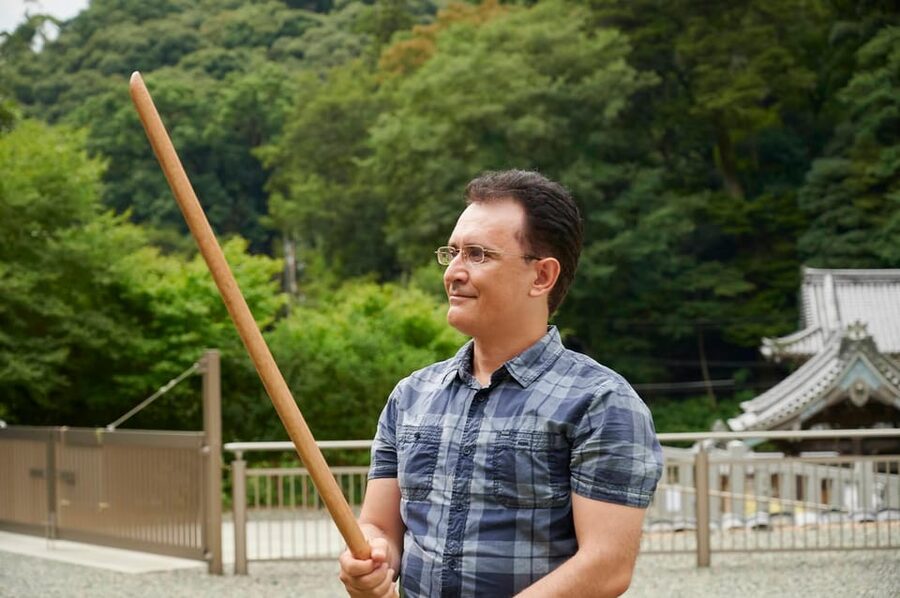
The guide is more than a person who points out the meeting place. Since Watanabe Sensei teaches in Japanese, the guide makes the lesson workable for English and French speakers. The best guides also explain local details, temple customs, and the meaning behind the movements.
Benoit and Ben have been singled out for clear translation and friendly help. Aimu has provided background about the area, and Claire has helped adjust arrangements when weather or timing changed. These names reflect guides who have led sessions, but you should check the language option and guide details for your own date.
Translation can affect the rhythm of a class. You may watch a demonstration, hear the explanation, then try the movement. That pause is useful rather than wasteful. It gives you time to absorb the instruction before picking up the sword again.
The private-group format is another advantage. You are not placed in a large public class with strangers moving at different speeds. The information provided does not give a fixed maximum group size, so I would not assume the group is limited to only two or three people. Still, the private format should make the session more personal than a standard group attraction.
Is $158 a fair price?
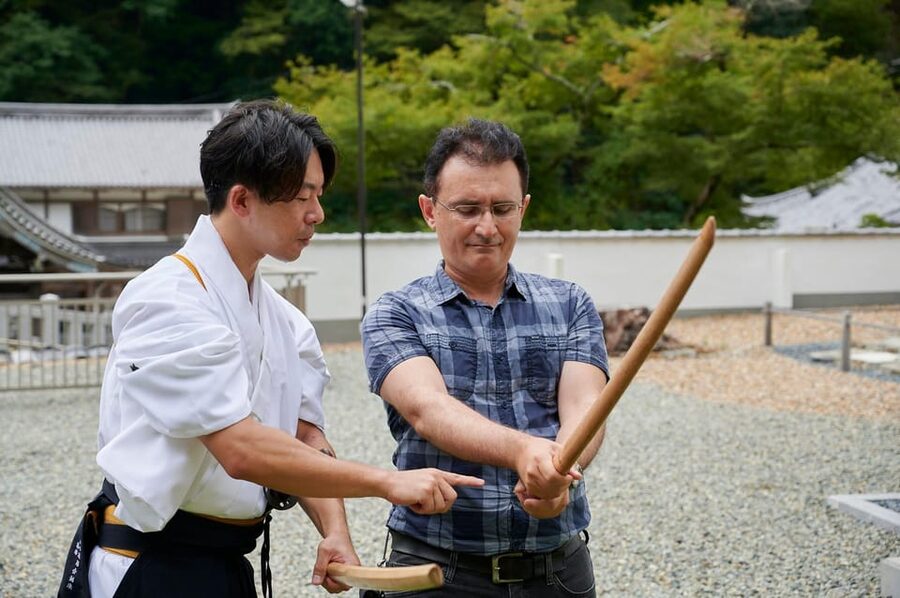
At $158 per person, this is not a bargain activity. You are paying for a private cultural program, a specialist instructor, a translator, access to a restricted temple area, and a three-hour schedule. The sword experience fee and guide fee are included.
The price makes the most sense if you value access and instruction more than a checklist of sights. A regular temple visit costs far less, but it will not put you in a private training area with a sword master. A basic martial arts class may also cost less, but it will not necessarily include temple access, a special performance, or historical weapons.
For a family, the experience may be especially worthwhile if one or two members are fascinated by samurai culture. A parent and child have described it as the best part of their Japan trip, and the lesson can give a shared focus that is more memorable than another sightseeing stop.
For solo visitors or couples on a tight budget, the calculation is harder. Ask yourself if meeting a specialist and receiving translated instruction is worth the premium. If you mainly want to hold a sword for a photograph, this program is probably too expensive. If you want context, technique, and a serious presentation, the price is easier to justify.
The free-cancellation policy also reduces some booking risk. You can cancel up to 24 hours in advance for a full refund, and the reserve-now, pay-later option lets you hold a place without paying at once. Starting times vary, so check availability before building the rest of your day around it.
Who should book this Osaka experience?
I would recommend it most strongly to people who want an activity away from Osaka’s standard sightseeing route. It suits you if you enjoy history, martial arts, traditional crafts, or quiet religious sites.
It is also a good choice for families with older children or teenagers who are excited by samurai culture. The lesson gives them something active to do, while the temple tour and sword collection add cultural depth.
It may not be right for you if you dislike translated instruction. Even with an excellent interpreter, the class will not have the same direct flow as a lesson taught in your first language. You should also skip it if you want a polished stage show with elaborate costumes and theatrical effects. The appeal here is disciplined practice and tradition.
People who have only one free afternoon in Osaka should weigh the travel time and the three-hour schedule against other priorities. The meeting point and return point are both Minoh Station, which keeps the outing organized, but this is still a dedicated half-day plan rather than a quick stop between central Osaka attractions.
Practical details before you go
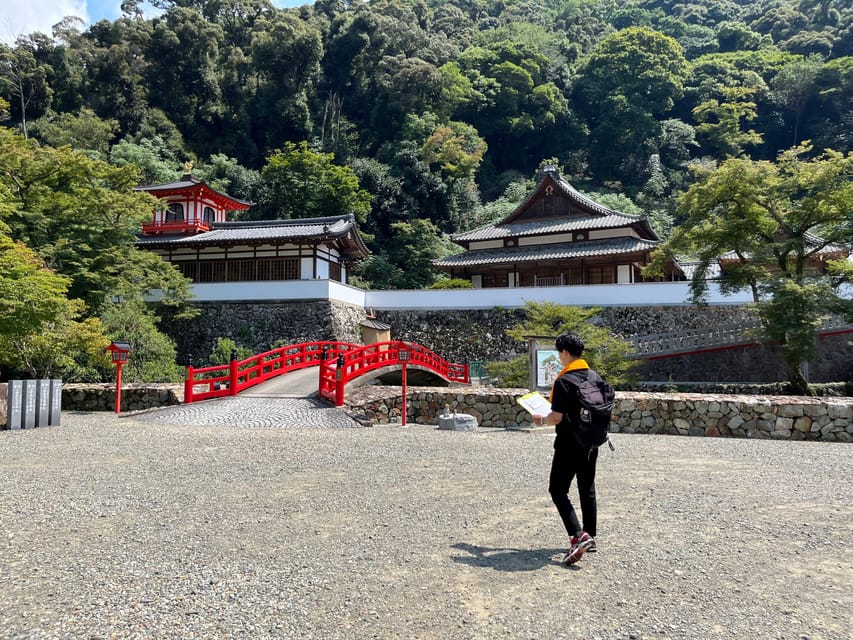
Meet your guide in front of Minoh Station. Look for the yellow sign with the DeepExperience logo. The program returns you to the same station after the temple visit and lesson.
The advertised duration is three hours, also shown as 270 minutes. Within that time, plan for the station meeting, the walk, temple explanations, the special performance, and roughly 1.5 hours of sword instruction.
Guiding is offered in English, Japanese, and French. Confirm your preferred language when booking, especially because translation is central to understanding Watanabe Sensei’s teaching.
The activity is private, and the fee includes both the sword experience and guide. The program uses a wooden sword for the main practice. Some sessions have also included real swords and paper cutting, but I would regard that as a possible addition rather than the promise that defines the booking.
Respect the temple setting. You are visiting a religious site that opens a normally restricted area for this program. The quiet atmosphere is part of the value, so arrive ready to listen and follow the guide’s instructions.
Should you book it?
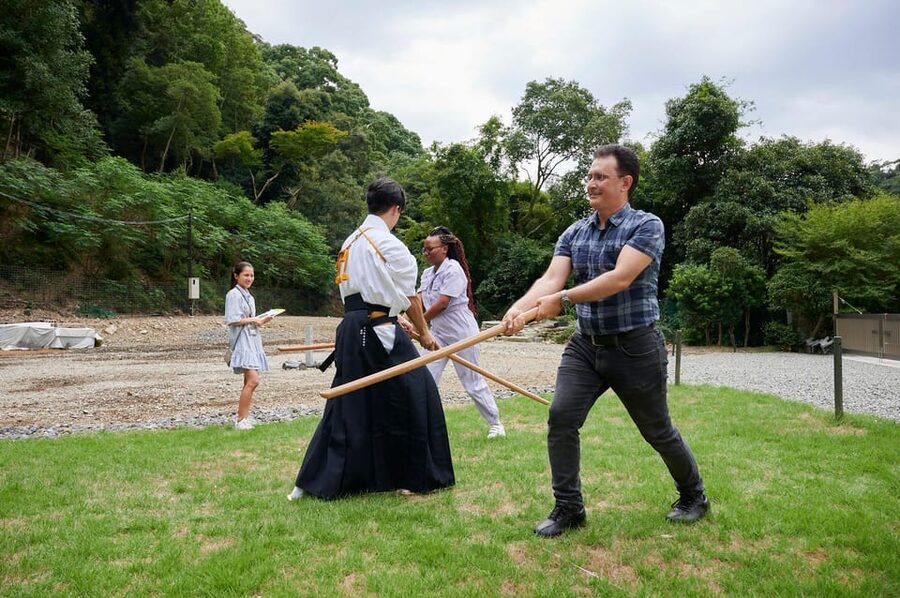
Book this experience if you want a personal introduction to Japanese sword culture in a serious, peaceful setting. The strongest reasons are Watanabe Sensei’s unusual background, the private temple access, the translated instruction, and the chance to connect technique with discipline and spiritual practice.
Skip it if your budget is very tight, if you want a large-scale attraction, or if your interest ends with a quick samurai photo. For everyone else, $158 buys something difficult to arrange independently: time with a living sword tradition, a secluded temple visit, and a lesson you can remember long after the wooden sword is put away.
FAQ
Where does the experience begin?
Meet your guide in front of Minoh Station. The guide will hold a yellow sign with the DeepExperience logo.
Where does the experience take place?
The program uses secluded areas at Ryuan-ji or Saiko-ji Temple in Minoh, Osaka. The exact temple can depend on the scheduled session.
How long does the experience last?
The activity lasts three hours, or 270 minutes. The sword training portion is about 1.5 hours, with the remaining time used for the walk, temple visit, explanations, and performance.
Which languages are available?
Live guiding is available in English, Japanese, and French.
Is this a private group activity?
Yes. The activity is offered as a private group experience.
What is included in the price?
The price includes the sword experience fee and the guide fee.
Can I cancel or pay later?
You can cancel up to 24 hours in advance for a full refund. The reserve-now, pay-later option lets you book without paying immediately.
More Train Experiences in Osaka
- Sagano Romantic Train & Arashiyama, Kiyomizudera, Fushimi Inari Taisha Day Tour
★ 4.5 · 171 reviews - From Osaka: Hiroshima and Miyajima Day Trip by Bullet Train
★ 4.6 · 83 reviews - Mt Fuji and Hakone 1-Day Bus Tour Return by Bullet Train
★ 5.0 · 26,383 reviews - Mt Fuji & Hakone Cruise, Drum Show Bullet Train 1 Day from Tokyo
★ 4.0 · 7,413 reviews
Just added around Osaka
- (Ticket Included) Explore Osaka Castle & Museum of History★ 4.8 · 21 reviews
- Hidden Osaka – Yukaku Red Light Tour & Culinary Adventure★ 4.8 · 96 reviews
- Osaka: Walking Tour and Top Highlights★ 4.8 · 104 reviews
- Osaka: Private Ceramic Painting Workshop★ 5.0 · 13 reviews
- Pickleball in Osaka, Kobe & Kyoto with Locals!★ 4.7 · 80 reviews
- Eat Like a Local in Osaka – Private Custom Street Food Tour★ 4.3 · 33 reviews
- Osaka:SUMO BEATS SHOWCASE: Taiko Drum and Wagyu burger!★ 4.2 · 37 reviews
- Kimono photoshoot-Includes 100 photo data★ 5.0 · 21 reviews
Kimono & Culture Experiences, compared.
Kyoto Geisha Walking Tour: Gion District & Hidden Gems
Read our review →
Gion Magical Night Walking Tour with Geisha Trivia
Read our review →
Gion Geisha District Walking Tour – Stories of Geisha
Read our review →
Best of Kyoto: Gion, Geisha, Pagodas & Cobblestones
Read our review →
Kyoto Gion Geisha District Walking Tour – The Stories of Geisha
Read our review →
Browse the lists this tour appears in