
REVIEW · KIMONO & CULTURE EXPERIENCES
Osaka: Private Japanese Calligraphy Experience
Japanese calligraphy becomes much more personal here than simply copying a few characters. In a private 90-minute session in Namba, you choose a word or theme, learn the basic brush movements, and create a finished piece that can include your name in kanji, selected to suit your personality. Wa No Ma offers calm, patient instruction, and the session works well for couples, families, and small groups.
I especially like the chance to ask questions at your own pace and the fact that your final artwork is made by you, not picked from a souvenir shop. I also like the thoughtful extras: colored paper, a personal stamp, and photographs during the work. The main consideration is that the class takes place upstairs or inside a building that is not suitable for wheelchair users, and beginners should expect a little hand shaking before the brush starts to feel natural.
In This Review
- Key points at a glance
- Choosing a kanji theme that feels like yours
- From writing systems to the first brush strokes
- Making the final artwork on colored paper
- Why the private format matters
- A good Osaka location for a short cultural break
- What children and cautious beginners should know
- Photographs, pacing, and the finished keepsake
- How the 90 minutes usually unfold
- Who should book this Osaka calligraphy class?
- Should you book it?
- FAQ
- How long does the Japanese calligraphy experience last?
- Where is the meeting point?
- How will I recognize the instructor?
- Is the calligraphy class private?
- Can I write my name in Japanese characters?
- Is the class available in English?
- Are materials included in the price?
- Can children take part?
Key points at a glance
- Private 90-minute lesson: Your group receives individual attention rather than sharing the room with strangers.
- Personal kanji artwork: Choose a theme or ask for a kanji interpretation of your name and personality.
- Patient English guidance: The instructor teaches in English or Japanese and explains both technique and cultural meaning.
- Calm creative pace: You can request extra photos, slower instruction, or adjustments for children.
- Family-friendly option: Young children can use water calligraphy, which helps prevent stains on hands and clothing.
- Central Namba setting: The meeting point is about 30 seconds west of New Osaka Hotel Shinsaibashi, near Shinsaibashi-suji.
Choosing a kanji theme that feels like yours
The session begins with a small but important choice: what do you want to write? You can bring a favorite word, letter, or idea, or ask the instructor to suggest kanji that express your personality. This makes the class feel less like a standard craft lesson and more like a small piece of personal design.
You might choose a word connected with happiness, connection, strength, peace, or another idea that matters to you. The useful part is the explanation behind the characters. You are not simply copying attractive symbols. You learn what they mean and why a particular choice may suit your name or theme.
If you are visiting Japan with children, this opening discussion also gives them a simple way into the subject. They can choose a word they understand and see it transformed into Japanese characters. For adults, the name conversion can make a particularly good keepsake because the finished work connects your own identity with Japanese writing.
The instructor can help you settle on an appropriate character if you arrive without a plan. That is useful because Japanese kanji are not just a direct letter-for-letter translation of an English name. The class presents the result as an artistic and personal interpretation, so you should be ready for meaning and sound to guide the choice.
More Kimono & Culture Experiences in Osaka
- Osaka: Sumo Show & Experience w/ Optional Kimono & Hot Pot
★ 4.5 · 609 reviews - Samurai Training Experience KENDO in Osaka
★ 5.0 · 515 reviews - OSAKA NIGHT FUSION Japanese Taiko Kabuki Samurai Dance Show
★ 4.8 · 155 reviews
From writing systems to the first brush strokes
Before you create the final work, you receive an introduction to Japanese writing systems and the basic practices used in calligraphy. The lesson has been praised for making this part clear without turning it into a long lecture.
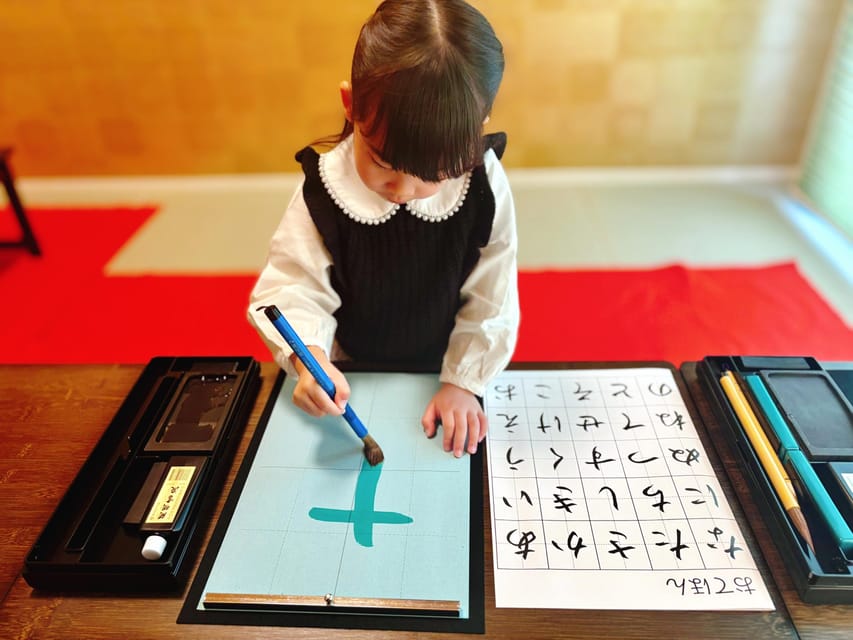
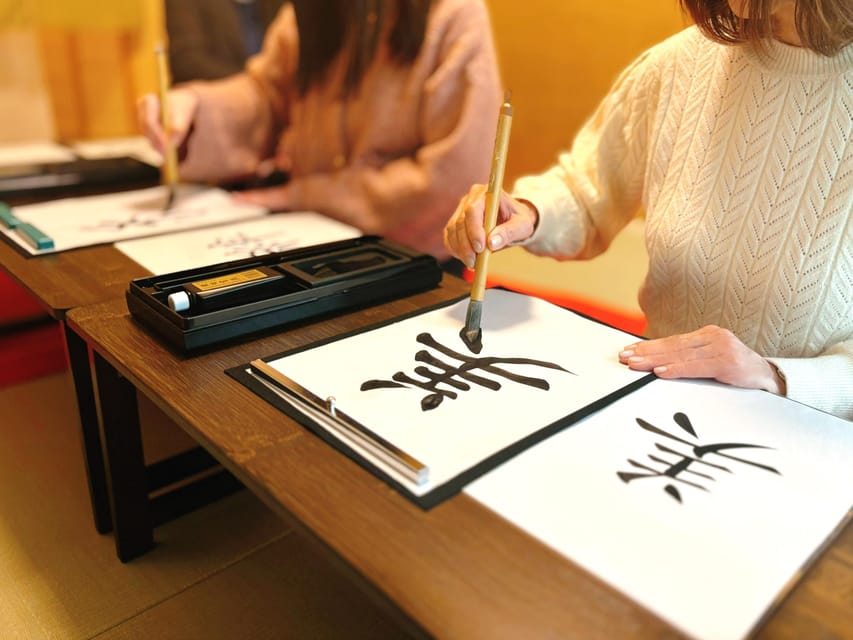
You then practice the strokes. This is where the class earns its keep. Calligraphy looks simple when an expert makes a single confident mark, but controlling the brush, pressure, angle, and speed is harder than it appears. A short practice period lets you make mistakes on ordinary paper before committing to the artwork you will keep.
I like that the instructor gives hands-on help when a movement feels awkward. You can ask questions about a particular stroke, the language, or the cultural background. The teaching style is encouraging rather than rigid, which matters in a private class where a nervous beginner cannot hide at the back of a group.
Several people have found the process calming, almost meditative. That does not mean the lesson is silent or overly formal. The instructor remains social and available, but the slow brush movements naturally ask you to breathe, focus, and stop rushing. In a city day filled with shopping and crowds, that change of pace is part of the value.
Making the final artwork on colored paper
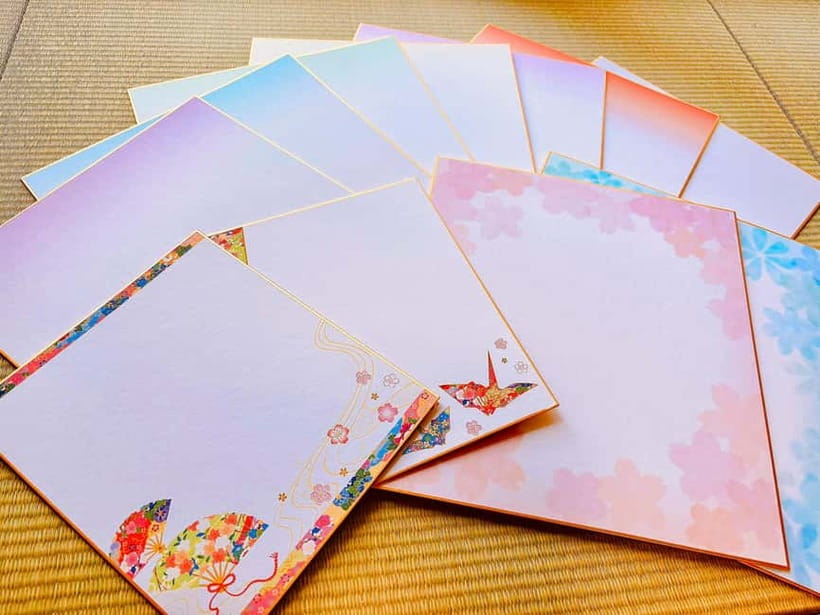
Once you have practiced, you choose a favorite sheet of colored paper from the available selection. This small decision gives the final piece a more finished look and lets you make the souvenir feel personal before you even begin writing.
The instructor guides you as you create the final kanji. You will not be expected to produce perfect work without help. The point is to learn the basic movement and then make your own piece with enough guidance to feel proud of it.
The work is a one-of-a-kind souvenir in the practical sense that your brush marks belong to you. It may not look like a professional calligrapher’s piece, and that is part of its charm. You can see the process in the finished lines, rather than buying something mass-produced in a shop.
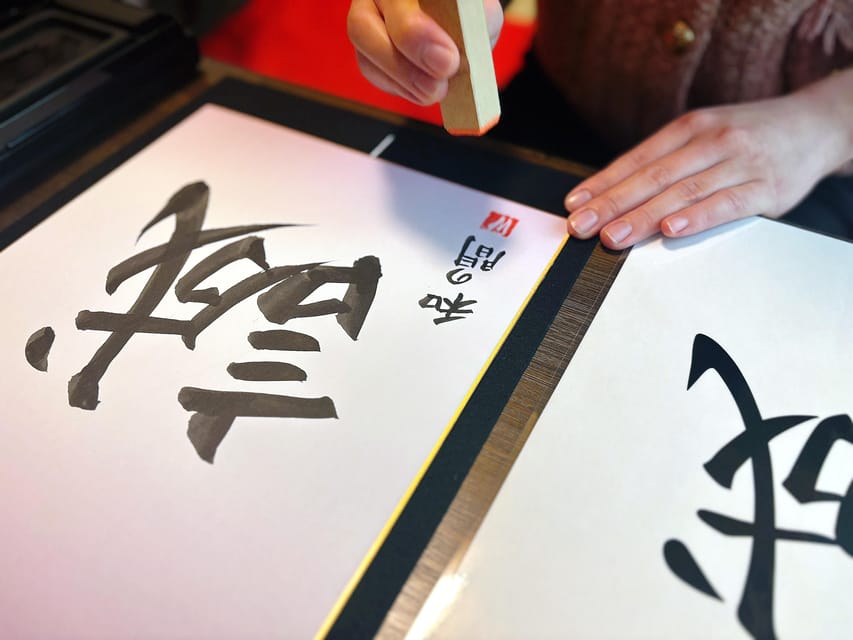
You finish by writing your name in Japanese characters and adding your initials with a stamp. That final mark gives the artwork a clear connection to the person who made it. Take care with the last stage, since your hands may still shake a little. The practice sheets are there for a reason.
The colored paper and all standard fees are included in the $51 per person price. For a private session for two, I consider that a fair value, especially when you count the instruction, the materials, the personal kanji choice, and the finished artwork. It is more costly than a quick public demonstration, but it offers far more involvement and a souvenir you actually helped create.
Why the private format matters
The private group setup is the strongest practical feature of this experience. You can ask for photos at any point, repeat a movement, or slow the lesson down for a child without worrying about holding up an unrelated group.
You can also tell the instructor what kind of session you want. If you would like lots of photographs while creating the final kanji, that can be arranged. If your child needs a slower pace, the schedule can be adjusted. The activity is designed around your group rather than a fixed performance.
This format suits a couple particularly well. You can compare your chosen words, help take photographs, and leave with two different pieces. It also suits families because the instructor can give more direct attention to children who are still learning how to hold the brush.
The class is not only for people who already like Japanese art. Beginners receive basic instruction, and the teacher explains the meaning behind the strokes and characters. One 13-year-old reportedly considered it a favorite part of a Japan trip, while children aged seven and ten also enjoyed the lesson. That makes it a useful choice when you want a cultural activity that does not depend on long walks or advanced language skills.
Same city, a completely different kind of day:
- Osaka Go Karting Tour with Funny Costume
★ 5.0 · 2,658 reviews - Osaka Castle: Museum and Tower Entry Ticket
★ 4.5 · 2,380 reviews - Osaka: Shinsekai Food Tour with 13-15 Dishes at 5 Eateries
★ 4.8 · 2,204 reviews - Osaka Food Tour: 13 Dishes at 5 Local Eateries
★ 5.0 · 2,149 reviews
A good Osaka location for a short cultural break
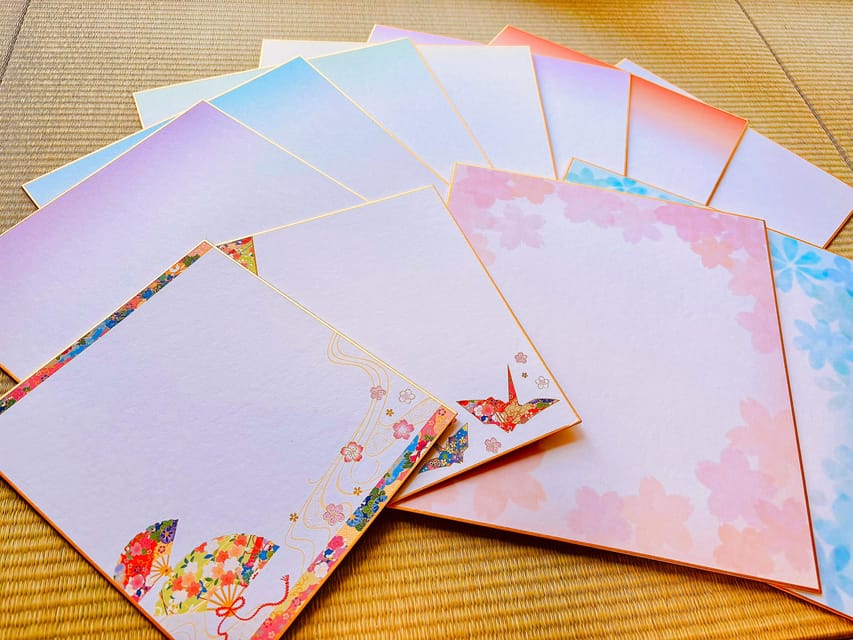
The studio is in Namba, one of Osaka’s main tourism areas, close to Shinsaibashi-suji shopping street. This makes the activity easy to pair with shopping, food, or an afternoon around central Osaka.
The meeting point is outside the main entrance of New Osaka Hotel Shinsaibashi. Continue west for about 30 seconds, and look for the blue vending machine near the entrance. The instructor waits outside about five minutes before your scheduled start and wears a kimono, so the meeting should be easy to spot.
I would still allow a few extra minutes to find the hotel and gather your group. Namba and Shinsaibashi can feel confusing when you are following signs from a station, and arriving early is better than starting a quiet art lesson in a rush.
The central setting is convenient, but it also means this is not a countryside studio or a temple visit. You come for the focused calligraphy lesson, not for a large traditional building or a broad sightseeing program. If your main goal is a hands-on cultural activity in the middle of Osaka, the location works very well.
What children and cautious beginners should know
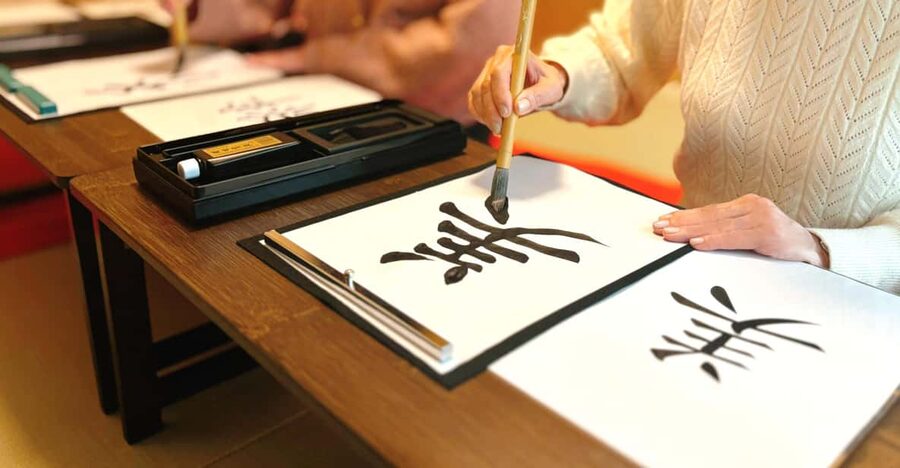
Calligraphy requires more control than many people expect. Your first lines may wobble, and the brush can seem too soft or too quick. That is normal. The instructor’s patience is important here, especially for children and anyone who worries about making a poor-looking final piece.
Young children can use water calligraphy. This option avoids dirty hands and clothing, which makes it easier for families to relax during the practice stage. The supplied information does not promise a particular age limit, so if you are booking for very young children, it is sensible to discuss their pace with the instructor in advance.
Socks are required, so wear a pair that you will not mind showing. Smoking is not allowed. The activity is not suitable for wheelchair users, an important limitation to check before booking.
The class is taught in English and Japanese. You do not need to speak Japanese to take part, and the English instruction has been praised for being clear. Still, the activity is about brush work and visual demonstration, so you may find the movements easier to understand by watching carefully as well as listening.
Photographs, pacing, and the finished keepsake
Many cultural classes give you a few rushed photographs at the end. Here, you can request photographs throughout the session, including while you create the final kanji. That is useful because the process itself is part of the memory: choosing the character, holding the brush, and making the first committed stroke.
If you are booking as a couple, ask for photos of both people at work. If you are bringing children, the private format allows the instructor to wait for the right moment instead of pushing everyone through the same step.
The final piece is compact and easy to carry compared with ceramics, kitchen goods, or framed art. You can take it home as a reminder of Osaka and the effort you put into learning the form. Since you choose the color and theme, it should feel more personal than a standard name souvenir.
The artwork will reflect beginner work, not flawless professional calligraphy. I see that as a benefit, but perfection-minded visitors should know what they are booking. The instructor helps you produce something attractive and meaningful, yet the experience is about learning and making, not receiving a perfect piece made for you.
How the 90 minutes usually unfold
The schedule can be adjusted, but you can expect a clear sequence:
- You meet the instructor outside New Osaka Hotel Shinsaibashi and walk to the studio.
- You discuss a theme, favorite letters, or words.
- You receive an introduction to Japanese writing and basic calligraphy practice.
- You work through practice strokes with correction and hands-on guidance.
- You select colored paper for the final piece.
- You write your chosen kanji, add your name in Japanese characters, stamp your initials, and take the artwork home.
Ninety minutes is a sensible length. It gives you enough time to understand the basics and make a final piece without turning the class into a full-day art course. The private setup also means the time can be used where you need it most. A beginner may want more practice, while a child may need short breaks or a slower explanation.
The activity does not include a tea ceremony. If you want both calligraphy and tea, you need to reserve the separate private tea ceremony and calligraphy plan.
Who should book this Osaka calligraphy class?
I would recommend it most strongly to couples, families with school-age children, and first-time visitors who want a cultural activity with something tangible to take home. It is also a good choice if you need a quieter break from central Osaka’s shopping streets.
You should book it if you like personal instruction, want to ask plenty of questions, or enjoy making rather than simply watching. The class also suits people who want a name souvenir with some meaning behind it.
I would think twice if you are looking for a large-scale traditional performance, a formal tea ceremony, or a sightseeing tour with several stops. This is a single creative activity, and the setting is practical rather than grand. The wheelchair restriction is another clear reason to check suitability before paying.
Cancellation is free up to 24 hours before the start, and you can reserve now and pay later. Those terms make it easier to fit the lesson into a changing Osaka schedule, though you still need to arrive with socks and avoid smoking during the activity.
Should you book it?
At $51 per person, this is a strong pick for a private Osaka cultural experience. You receive patient instruction, personal kanji guidance, colored paper, your own finished artwork, and the freedom to set the pace. The central Namba location also makes it easy to fit into a day around Shinsaibashi.
Book it if you want a calm, hands-on lesson and a souvenir that carries your own brush marks. Skip it only if you need wheelchair access, want a tea ceremony included, or prefer to watch rather than practice. For most couples and families, the private format makes this a thoughtful and good-value use of 90 minutes.
FAQ
How long does the Japanese calligraphy experience last?
The experience lasts 90 minutes. The exact starting time depends on availability.
Where is the meeting point?
Meet outside the main entrance of New Osaka Hotel Shinsaibashi. Walk west for about 30 seconds and look for the blue vending machine near the entrance.
How will I recognize the instructor?
The instructor waits outside the building about five minutes before your booking time and wears a kimono.
Is the calligraphy class private?
Yes. The activity is provided for a private group, so only your group takes part in the session.
Can I write my name in Japanese characters?
Yes. The lesson includes writing your name in Japanese characters. The instructor can also help convert your name into kanji based on your personality.
Is the class available in English?
Yes. Instruction is available in English and Japanese.
Are materials included in the price?
Yes. All fees and taxes, colored paper for the calligraphy work, and the instructor are included.
Can children take part?
Yes. Children can take part, and water calligraphy is available for young children to help prevent dirty hands and clothing.
Just added around Osaka
- (Ticket Included) Explore Osaka Castle & Museum of History★ 4.8 · 21 reviews
- Hidden Osaka – Yukaku Red Light Tour & Culinary Adventure★ 4.8 · 96 reviews
- Osaka: Walking Tour and Top Highlights★ 4.8 · 104 reviews
- Osaka: Private Ceramic Painting Workshop★ 5.0 · 13 reviews
- Pickleball in Osaka, Kobe & Kyoto with Locals!★ 4.7 · 80 reviews
- Eat Like a Local in Osaka – Private Custom Street Food Tour★ 4.3 · 33 reviews
- Osaka:SUMO BEATS SHOWCASE: Taiko Drum and Wagyu burger!★ 4.2 · 37 reviews
- Kimono photoshoot-Includes 100 photo data★ 5.0 · 21 reviews
Kimono & Culture Experiences, compared.
Kyoto Geisha Walking Tour: Gion District & Hidden Gems
Read our review →
Gion Magical Night Walking Tour with Geisha Trivia
Read our review →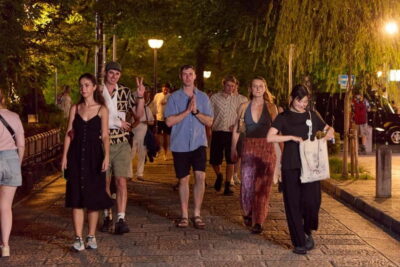
Gion Geisha District Walking Tour – Stories of Geisha
Read our review →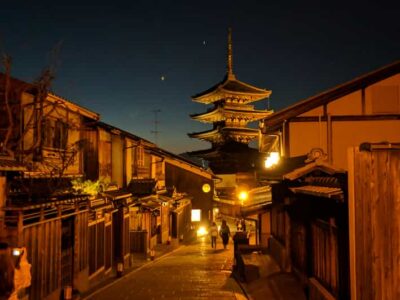
Best of Kyoto: Gion, Geisha, Pagodas & Cobblestones
Read our review →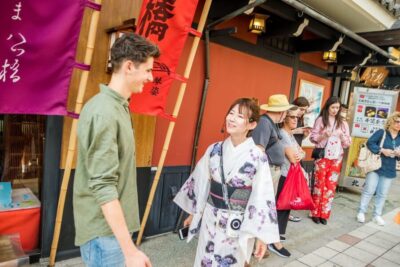
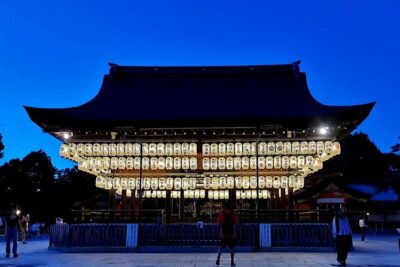
Kyoto Gion Geisha District Walking Tour – The Stories of Geisha
Read our review →
Browse the lists this tour appears in