
REVIEW · TEA CEREMONY EXPERIENCES
Osaka; Japanese Tea ceremony experience, Macha and Sencha
A Japanese tea ceremony is not simply a matter of drinking green tea. It is a careful sequence of movements, quiet attention, and respect for the guest. In this one-hour Osaka experience, an English-speaking tea master explains the customs, prepares matcha in front of you, and then lets you make tea yourself in a traditional tatami room.
I like two things in particular. First, you get both matcha and sencha, which lets you compare a formal tea ceremony with the tea many people in Japan drink today. Second, the lesson is hands-on rather than a show from across the room. You learn how to follow the etiquette, taste Japanese sweets, and take part in the preparation.
The main consideration is the short one-hour format. You will receive a clear introduction, not a full study of every tea school and ritual. The experience also is not suitable for wheelchair users, and people with food allergies should avoid the sweets and confectionery.
In This Review
- Key points to know before booking
- What this one-hour Osaka tea experience is really about
- Finding the meeting point near Exit 3
- Entering the tatami room
- Watching matcha being prepared
- Making matcha yourself
- Tasting sencha, the everyday contrast
- Adding a yukata for photographs
- Is $25 a good value in Osaka?
- Who will enjoy this experience most?
- Final verdict: book it for a clear first lesson
- FAQ
- How long does the Osaka tea ceremony experience last?
- How much does the tea ceremony cost?
- Where is the meeting point?
- Which languages are available?
- Do I make tea myself?
- Are matcha and sencha included?
- Are Japanese sweets included?
- Is a meal included?
- Can I wear a yukata?
- Is the experience wheelchair accessible?
- Can I cancel the booking?
Key points to know before booking
- Two different teas: Prepare and taste ceremonial matcha, then enjoy sencha with a more current Japanese confectionery.
- English-speaking instruction: Tea masters teach in English and Japanese, with Yuko receiving particular praise for her friendly explanations and strong English.
- Hands-on etiquette lesson: You do not only watch. You learn how to make tea according to the customs of the ceremony.
- Traditional tatami setting: The activity takes place in a Japanese-style tatami room, giving the lesson a calm and formal setting.
- Optional yukata: You can rent a yukata separately and wear it during the ceremony for photographs.
- Convenient Osaka meeting point: Meet on the ground floor at Exit 3 of the underground Midosuji Line.
What this one-hour Osaka tea experience is really about
I see this activity as a compact introduction to Japanese tea culture. It gives you enough background to understand what you are doing, then moves quickly into practice. That balance matters because tea ceremony etiquette can seem mysterious if you only watch it without explanation.
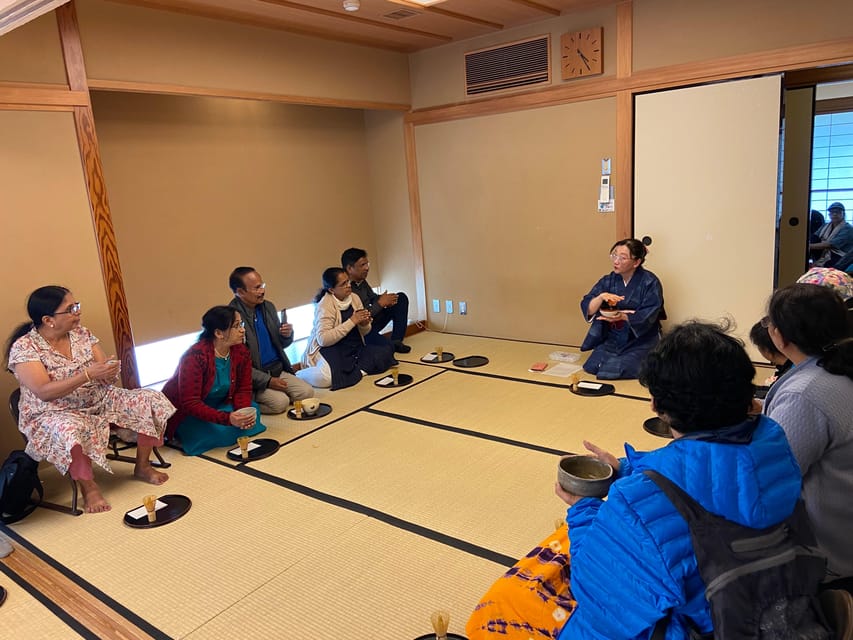
The lesson is held in a traditional tatami room. Tatami changes the feel of the experience at once. You sit and move in a more deliberate way, and the room encourages you to pay attention to small actions. The setting is not just decoration. It helps you understand why posture, handling, and silence matter during the ceremony.
The instructor speaks English and Japanese. Yuko is named in several especially positive comments, and her role appears to combine historical explanation with a warm, approachable teaching style. I would book this for someone who wants clear guidance without needing prior knowledge of tea ceremony customs.
You should also keep your expectations sensible. This is a one-hour activity for visitors, so it offers a focused lesson rather than an advanced course. You will learn the main ideas and take part in the process, but you will not become a tea master in sixty minutes. That is perfectly fine for a first encounter.
More Tea Ceremony Experiences in Osaka
- Osaka: Tea Ceremony Experience
★ 4.9 · 1,426 reviews - Tea Ceremony Experience in Osaka Doutonbori
★ 5.0 · 754 reviews - Matcha Making Class in Osaka with Authentic Japanese Sweets Set
★ 5.0 · 509 reviews
Finding the meeting point near Exit 3
The meeting point is at the ground floor of Exit 3 for the underground Midosuji Line. This is useful for planning because the location is tied to a specific subway exit rather than a broad neighborhood name.
I suggest allowing enough time to find Exit 3 before the start time. Underground stations in Osaka can have several passages and exits, so checking your route in advance will make the experience calmer. The activity begins at set starting times, and the total duration is one hour.
The location also makes this a practical addition to an Osaka sightseeing day. You can place it between other city activities without losing an entire afternoon. Still, the ceremony itself rewards a slower mood, so avoid arriving breathless after racing across the city.
The experience provider is Do co., Ltd. The available language options are English and Japanese. If you need instruction in another language, this activity may not suit you.
Entering the tatami room
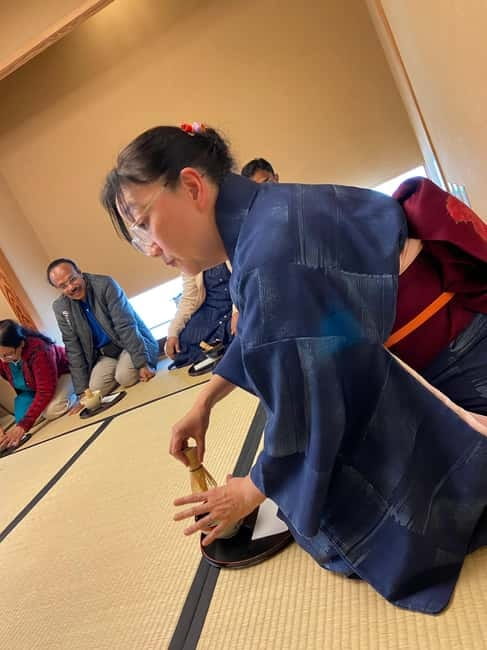
Once inside, you will be welcomed by the tea master and introduced to the basic spirit of the ceremony. The room’s traditional style gives the activity a stronger sense of place than a casual tea tasting in a modern café.
You will likely notice that the ceremony is built around respect and order. The instructor explains what happens and why, so you are not left guessing when to bow, handle the tea, or receive the sweets. This explanation is important because many customs are not obvious to a first-time participant.
The tea ceremony has a spiritual role as well as a practical one. The instructor discusses its history and the ideas behind the ritual while showing you the movements. You are given context, but the lesson remains accessible rather than overly academic.
I like this approach because it connects the physical actions to the culture behind them. Making a bowl of tea becomes more meaningful when you understand why the process is careful and why the guest is expected to respond in a certain way.
Watching matcha being prepared
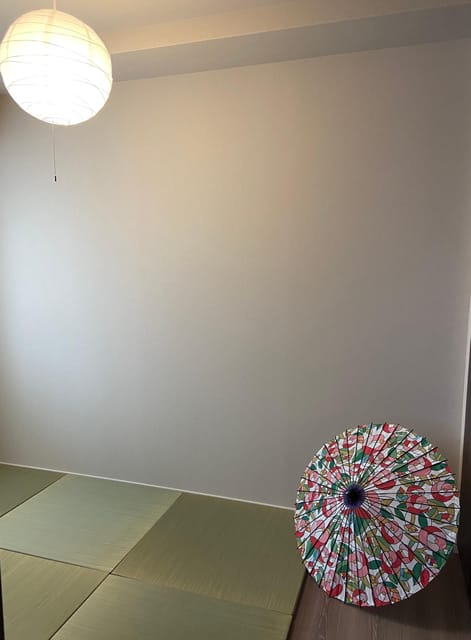
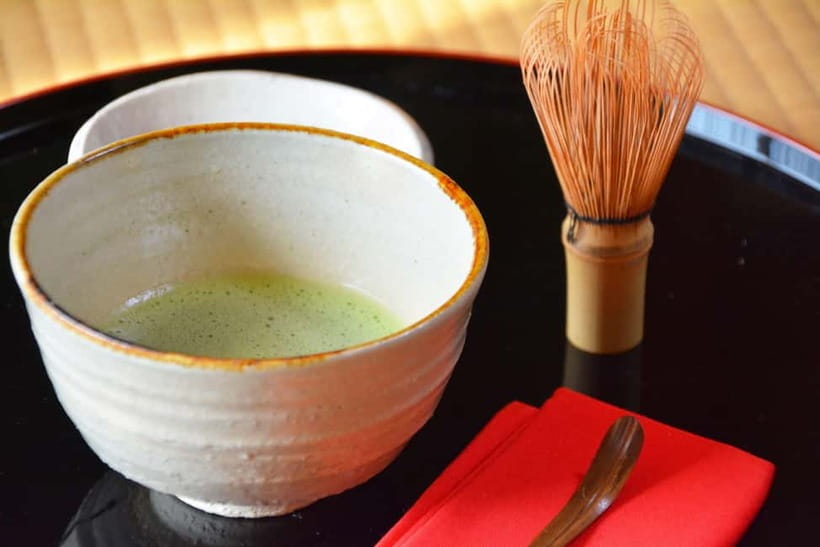
The first main part focuses on matcha green tea. You watch the tea master prepare it according to tea ceremony etiquette. The preparation is deliberate, and the lesson gives you time to notice the order of the actions.
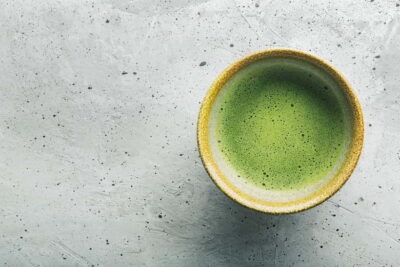
Matcha is finely powdered green tea. It is prepared differently from sencha, which you will taste later. That contrast is one of the best reasons to choose this experience instead of a simple tea drink in Osaka. You learn that Japanese tea is not one single drink with one single set of customs.
The instructor explains the spirit and history of the ceremony as the matcha is prepared. This is where the activity feels most formal. You are not simply sampling a beverage. You are being shown a traditional way of welcoming and serving a guest.
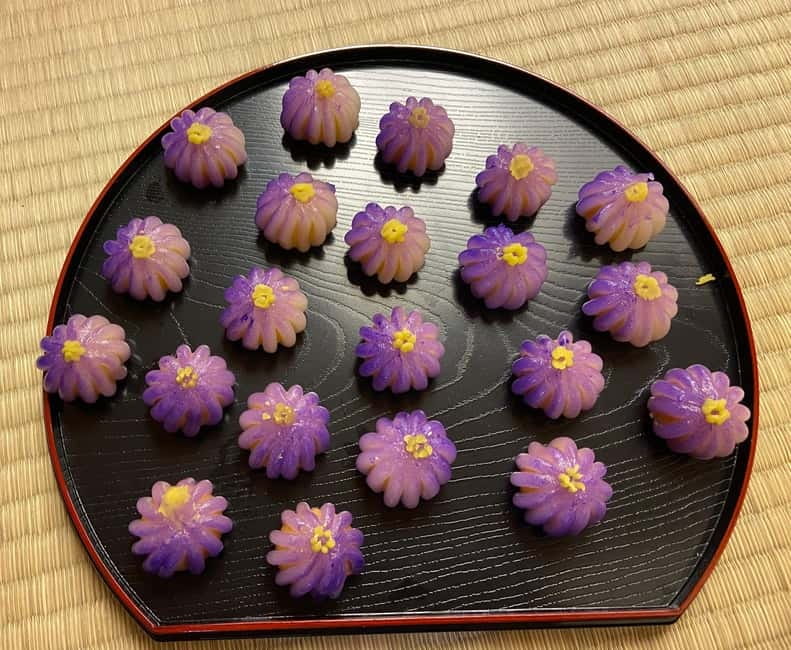
The traditional Japanese sweets served with matcha are part of the experience. They provide a small taste of confectionery made to accompany tea, rather than a separate dessert course. The food is included in the price, but it is limited to tea sweets, not a meal.
People with food allergies need to take this seriously. The activity specifically warns that Japanese sweets and confectionery should not be eaten by anyone with food allergies. If that applies to you, the ceremony may not be a good choice.
Same city, a completely different kind of day:
- Osaka Go Karting Tour with Funny Costume
★ 5.0 · 2,658 reviews - Osaka Castle: Museum and Tower Entry Ticket
★ 4.5 · 2,380 reviews - Osaka: Shinsekai Food Tour with 13-15 Dishes at 5 Eateries
★ 4.8 · 2,204 reviews - Osaka Food Tour: 13 Dishes at 5 Local Eateries
★ 5.0 · 2,149 reviews
Making matcha yourself
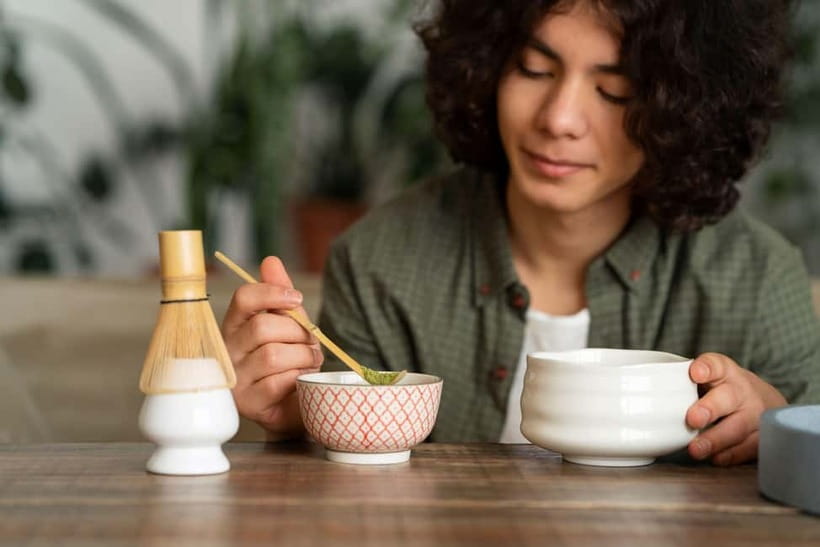
After watching the tea master, you have the chance to make tea yourself. This hands-on part is the heart of the activity for me. You move from observer to participant, following the instructor’s directions and trying to respect the correct etiquette.
You do not need to arrive knowing the procedure. The point is to learn under guidance. The instructor explains what to do, so you can concentrate on the movements instead of worrying about getting every detail right.
This also makes the experience more memorable than a standard demonstration. You may forget some of the historical dates later, but you are more likely to remember the feeling of preparing your own matcha in a tatami room.
The ceremony has rules, but the teaching style appears friendly. Yuko is specifically praised for explaining the tradition with kindness and humor, while other comments describe the meeting as friendly and informative. I would expect a lesson that takes etiquette seriously without making a beginner feel uncomfortable.
Keep in mind that sitting and moving on tatami may not work for everyone. The activity is not suitable for wheelchair users, and electric wheelchairs, non-folding wheelchairs, and scooters are specifically excluded. If you have mobility concerns, confirm that the physical format works for you before booking.
Tasting sencha, the everyday contrast
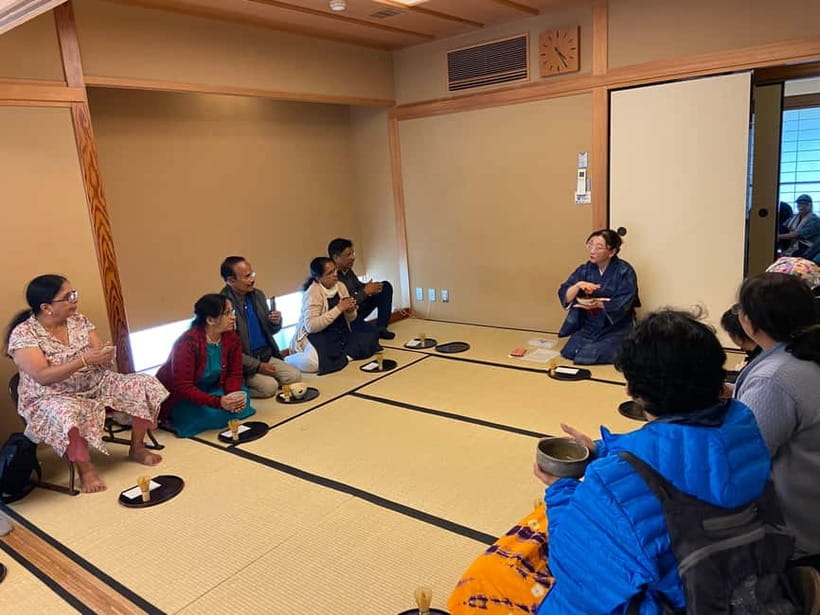
The second tea is sencha. The instructor explains the history of sencha and discusses other parts of its place in Japan while you taste it with current Japanese confectionery.
This change from matcha to sencha gives the hour a useful rhythm. Matcha represents the formal ceremony you have just studied. Sencha is commonly drunk in Japan today, so it offers a look at a more everyday tea tradition.
I especially like this pairing because it stops the activity from presenting tea ceremony as the whole story of Japanese tea. You get a formal ritual and a more familiar style in the same visit. The contrast helps you understand the difference in preparation, setting, and social use.
The sencha portion is still guided. You taste the tea and sweets while the instructor continues to explain the background. It is less about memorizing technical terms and more about understanding how Japanese tea culture has more than one side.
Again, the included food is confectionery rather than a meal. Come having eaten if you need something substantial. The $25 price covers the tea, sweets, and instruction, but it should not be treated as a lunch stop.
Adding a yukata for photographs
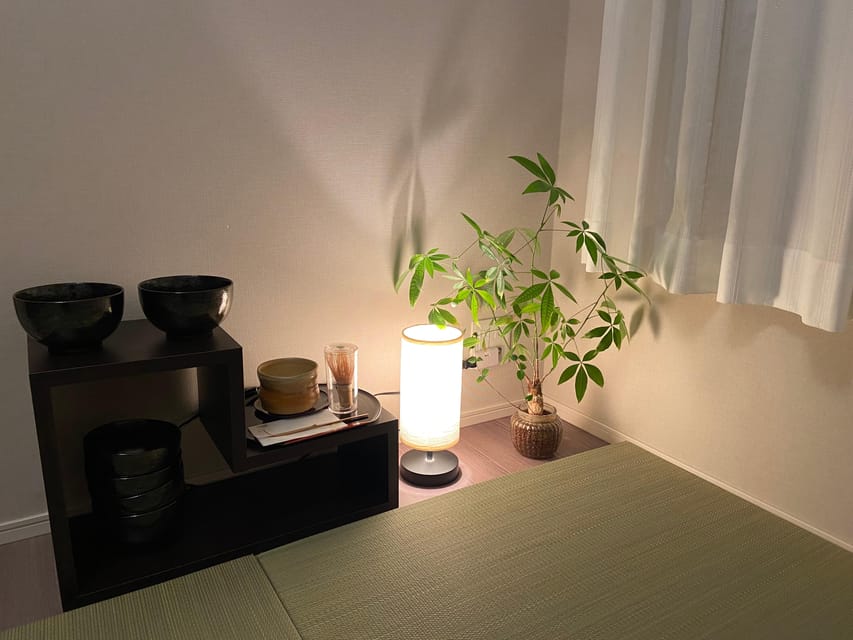
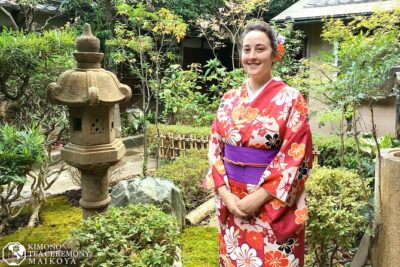
A yukata can be added separately when you book. You wear this light Japanese garment during the tea ceremony and have your photograph taken afterward or during the experience.
This option is best for visitors who want a stronger visual memory of the activity. A yukata fits the traditional setting and can make the photographs more special than ordinary phone snapshots. It is not included in the base price, so check the booking choices carefully if you want it.
I would not add the yukata simply because you think it is required. The tea ceremony lesson itself does not depend on wearing one. Choose it if dressing up and having a photograph are important parts of your Osaka plans.
The photograph opportunity is also useful for couples, families, and friends who want a shared keepsake. The supplied information does not promise a professional photography package, so you should understand this as an opportunity to have your photo taken rather than a dedicated photo shoot.
Is $25 a good value in Osaka?
At $25 per person, this is a fair price for a one-hour cultural activity. The fee includes matcha, traditional Japanese sweets, sencha, current Japanese confectionery, and the tea ceremony instructors.
The value comes from the personal instruction. You are paying for more than two cups of tea. You receive an explanation of the ceremony’s history and spiritual role, a demonstration, a chance to prepare matcha, and a second tea experience for comparison.
The price is especially reasonable if you want a structured introduction and do not have time to attend a longer cultural program. The one-hour duration fits neatly into a busy Osaka schedule.
There are limits. Meals are not included, and the yukata costs extra. The short length also means the lesson must stay focused. If you already have a serious background in Japanese tea ceremony, you may find the introduction too basic. For a first visit, though, the combination of demonstration, participation, and tasting gives you good value.
The free cancellation policy adds practical flexibility. You can cancel up to 24 hours before the activity for a full refund, and the reserve-now, pay-later option lets you hold a place without paying at the time of booking. Check the exact availability and starting time for your date before making plans.
Who will enjoy this experience most?
I would recommend this activity to first-time visitors who want a direct introduction to Japanese customs. You do not need specialist knowledge, and the English-speaking instruction makes the ceremony easier to follow.
It also suits people who enjoy participating rather than simply taking photographs. The chance to prepare your own matcha is a real advantage. If you like learning by doing, this is more satisfying than a short demonstration with no audience participation.
The experience works well for:
- Couples who want a calm cultural activity in Osaka
- Solo visitors who enjoy guided lessons
- Families with participants who can sit and move comfortably on tatami
- Visitors interested in Japanese history, etiquette, and food culture
- Anyone curious about the difference between matcha and sencha
- People who want the optional yukata and photograph experience
I would be cautious about booking if you have food allergies, since Japanese sweets and confectionery are part of the activity and should not be eaten by people with allergies. I would also avoid it if you use a wheelchair, electric wheelchair, or scooter, since the activity is listed as unsuitable for wheelchair users and excludes those forms of mobility equipment.
The rules are fairly strict. Pets, smoking, alcohol and drugs, intoxication, chewing gum, noise, fire-making, weapons, and sharp objects are not allowed. Bachelor and bachelorette party groups are also excluded. This is a quiet cultural lesson, not a party stop.
Final verdict: book it for a clear first lesson
I would book this Osaka tea ceremony if you want an affordable, well-organized introduction to matcha, sencha, and Japanese etiquette. The strongest features are the traditional tatami setting, the hands-on tea preparation, and the chance to compare ceremonial matcha with everyday sencha.
The instruction appears to be a major strength, especially when Yuko is leading the session. Her English explanations and friendly approach make the history and customs easier to follow. You also get enough cultural background to understand the ceremony instead of simply copying movements.
Skip it if you need a full meal, cannot sit and move in the traditional setting, or have food allergies. The optional yukata is a nice extra, but the basic activity offers the main value on its own. At one hour and $25, it is a sensible choice for a first taste of Japanese tea culture in Osaka.
FAQ
How long does the Osaka tea ceremony experience last?
The experience lasts one hour.
How much does the tea ceremony cost?
The listed price is $25 per person.
Where is the meeting point?
Meet at the ground floor of Exit 3 of the underground Midosuji Line.
Which languages are available?
The tea ceremony is taught in English and Japanese.
Do I make tea myself?
Yes. After watching the tea master prepare matcha, you have the opportunity to make tea yourself according to the etiquette of the ceremony.
Are matcha and sencha included?
Yes. Matcha green tea and sencha green tea are included.
Are Japanese sweets included?
Yes. The activity includes traditional Japanese sweets with the matcha and current Japanese confectionery with the sencha.
Is a meal included?
No. Meals are not included.
Can I wear a yukata?
Yes. A yukata can be rented separately as an additional option when booking. You can wear it during the ceremony and have your photograph taken.
Is the experience wheelchair accessible?
No. The activity is not suitable for wheelchair users, and electric wheelchairs, non-folding wheelchairs, and scooters are not allowed.
Can I cancel the booking?
You can cancel up to 24 hours in advance for a full refund. The reserve-now, pay-later option is also available.
Just added around Osaka
- (Ticket Included) Explore Osaka Castle & Museum of History★ 4.8 · 21 reviews
- Hidden Osaka – Yukaku Red Light Tour & Culinary Adventure★ 4.8 · 96 reviews
- Osaka: Walking Tour and Top Highlights★ 4.8 · 104 reviews
- Osaka: Private Ceramic Painting Workshop★ 5.0 · 13 reviews
- Pickleball in Osaka, Kobe & Kyoto with Locals!★ 4.7 · 80 reviews
- Eat Like a Local in Osaka – Private Custom Street Food Tour★ 4.3 · 33 reviews
- Osaka:SUMO BEATS SHOWCASE: Taiko Drum and Wagyu burger!★ 4.2 · 37 reviews
- Kimono photoshoot-Includes 100 photo data★ 5.0 · 21 reviews
Tea Ceremony Experiences, compared.
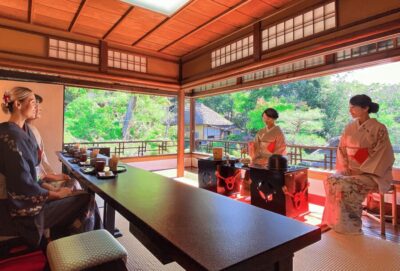
Tea Ceremony in a Traditional Tea House in Kiyomizu
Read our review →
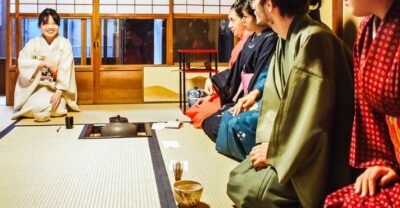
World Heritage Kyoto & Nara Uji Authentic Matcha Experience
Read our review →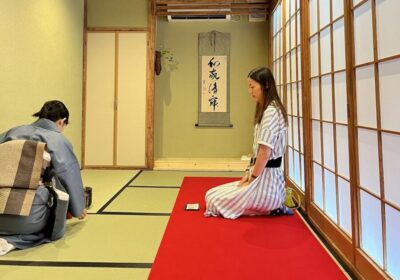
Browse the lists this tour appears in