
REVIEW · GARDEN & PALACE TOURS
Osaka Castle & Dotonbori Lively One-Day Walking Tour
Osaka’s appeal comes from its sharp change of mood, and this tour puts that contrast in one long day. You begin with castles, ancient palace grounds, and model streets from old Osaka, then finish among food stalls, neon signs, and the canal-side restaurants of Dotonbori. It is a useful first look at both the city’s past and its appetite for fun.
I like the maximum five-person group, which gives a guide room to answer questions and adjust the pace. I also like the practical use of public transportation. You do not just move between sights in a private vehicle, you get a feel for how Osaka works. The catch is simple: this is a real walking day, not a coach tour. Wear comfortable shoes, and expect a fairly full schedule.
In This Review
- Key points to know before booking
- Why this one-day Osaka tour works
- Osaka Museum of History and the first view of the castle
- Osaka Castle and its samurai story
- Tenjinbashi-suji, Osaka’s everyday shopping street
- Osaka Museum of Housing and Living: a walk through old Osaka
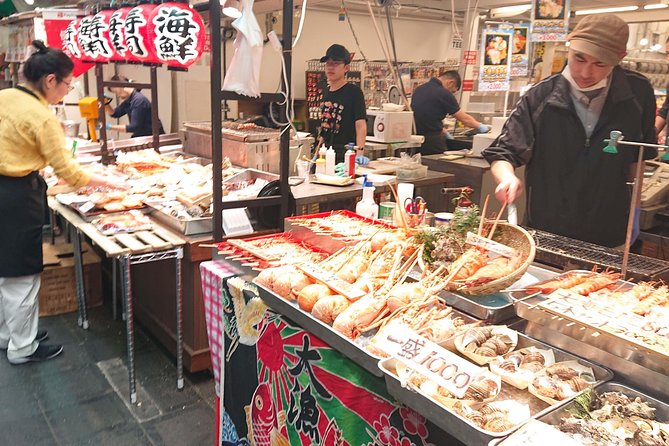
- Kuromon Market and Osaka’s food culture
- Dotonbori, the colorful finish
- Public transportation makes the city easier to understand
- Guide quality and the small-group format
- Who will get the most from this tour
- Practical details for a smoother day
- Should you book Osaka Castle and Dotonbori in one day?
- FAQ
- How long does the Osaka Castle and Dotonbori tour last?
- Where does the tour start?
- How many people can join the tour?
- Is public transportation included?
- Are admission fees included?
- Are food and drinks included?
- How much walking is involved?
- Can I cancel for a full refund?
Key points to know before booking
- Six distinct Osaka stops: You see a history museum, Osaka Castle, a long shopping arcade, an old-town museum, a food market, and Dotonbori.
- Small-group attention: The group is limited to five people, with the possibility of a more personal pace and conversation.
- Public transportation is part of the experience: Fares are included, and the subway helps you understand the city beyond its tourist sights.
- Hotel pickup reduces morning stress: Pickup from your Osaka hotel is offered, while Osaka Station is listed as the start point.
- Food costs extra: Kuromon Market is for browsing and eating, but snacks, lunch, and drinks are not included.
- Plan for seven hours on foot: The schedule includes about five hours of listed sightseeing, plus walking and transit between stops.
Why this one-day Osaka tour works
Many Osaka day tours gather a few famous sights and call it a city tour. This one has a clearer idea behind it. It moves from political power to daily life, then from shopping and food to entertainment. That sequence helps you understand why Osaka feels less formal than Tokyo and why food plays such a large role in the city’s identity.
The day starts at 9:00 a.m. The listed meeting point is Osaka Station at 3-chōme-1-1 Umeda, though hotel pickup is also offered. Confirm the pickup details when you book, especially if you are staying outside the central Osaka area. Guides have also met participants at a ship, so the operator appears to handle more than one starting arrangement when agreed in advance.
With a price of $141.23 per person, this is not the cheapest way to sightsee in Osaka. You are paying for a guide, public transportation, and admission fees, not just entry to one attraction. The value is strongest if you want someone to explain what you are seeing, manage the route, and help with trains, tickets, questions, and the city’s many layers.
The group limit matters here. A group of five can move through stations and museum spaces more easily than a large tour party. Several guides, including Tomoko, Noriko, Taka, Mizuho, Leo, and Saori, have been praised for clear explanations, patience, and adapting the pace. That personal attention is a major reason to choose this tour instead of assembling the same route alone.
More Garden & Palace Tours in Osaka
- Osaka Castle: Museum and Tower Entry Ticket
★ 4.5 · 2,380 reviews - Ultimate Osaka Walking Tour: Castle, Dotonbori & Hidden Gems
★ 5.0 · 862 reviews - Osaka Castle Walking Tour and Castle Tower Admission
★ 5.0 · 561 reviews
Osaka Museum of History and the first view of the castle
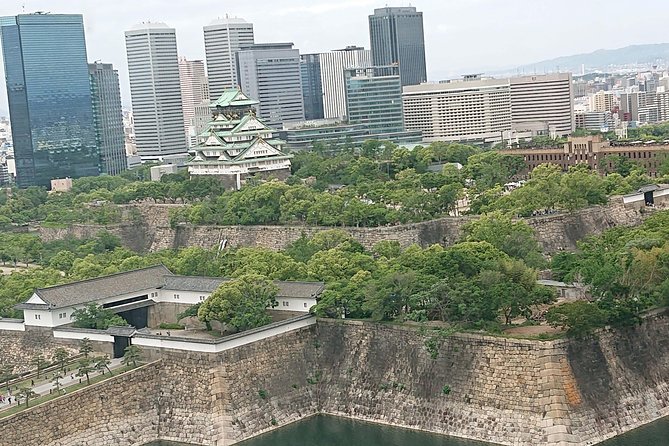
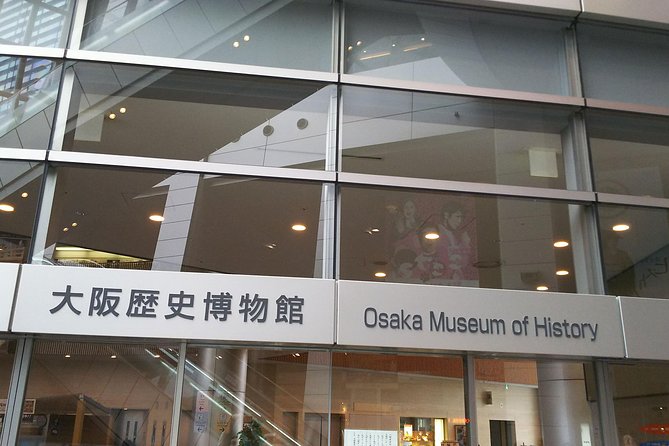
The Osaka Museum of History is a smart opening stop because it gives context before you enter Osaka Castle. The building sits in front of the castle on the site of an ancient palace, and its upper floor offers a useful view across to the castle grounds.
You have about an hour here. The museum uses displays to explain Osaka across different periods, helping you see the city as more than a modern shopping destination. The 10th-floor view is especially useful at the start of the day. It lets you take in the castle from a distance before walking toward it.
I like this beginning because it gives the castle a setting. You are not simply shown a famous building and told to take a picture. You first see where it sits in relation to the city and learn why the area mattered.
The drawback is time. One hour is enough for an introduction, not a slow museum visit. If you enjoy reading every display, you may wish the schedule allowed longer. The guide can help you focus on the most useful parts.
Osaka Castle and its samurai story
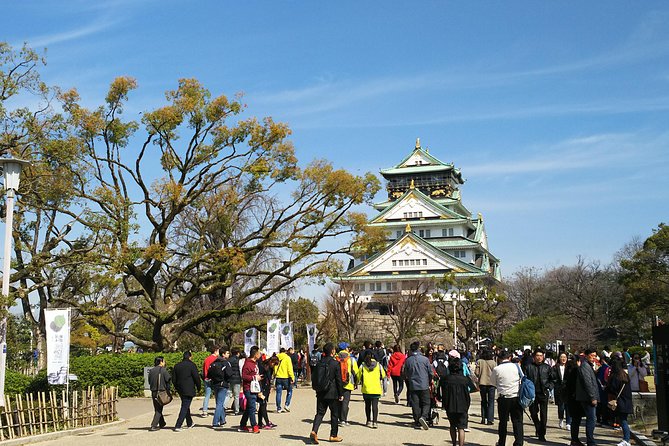
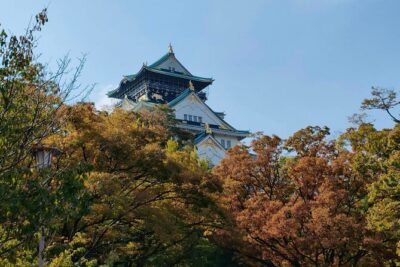
Osaka Castle receives about 90 minutes, including admission. Its stone walls, moats, turrets, and broad grounds show why the site mattered as a seat of power. The castle is tied to the samurai leader Toyotomi Hideyoshi and to the later Tokugawa period, making it one of the key places for understanding Osaka’s political past.
The castle is also one of the day’s most recognizable sights. Its scale makes an impression, but the surrounding defenses are just as important. Look at the massive stonework and the water-filled moats, which explain how the original stronghold was protected.
A guide adds real value here. Mizuho was praised for giving a thorough explanation of the castle, while Satomi helped connect the site’s details to wider questions about Osaka and Japan. If you are curious about samurai government, rebuilding, or the city’s role in Japanese history, this is the stop where questions can turn a quick visit into a useful lesson.
Some participants have been able to go directly into the castle with the guide, helping the visit run smoothly. Still, do not assume every moment will be free of lines or crowds. The tour includes admission, but it cannot change the fact that Osaka Castle is a major city attraction.
You should also expect walking across large grounds. The castle visit is not just an indoor museum stop. Comfortable shoes matter, especially because the castle comes early and several more walking areas follow.
Tenjinbashi-suji, Osaka’s everyday shopping street
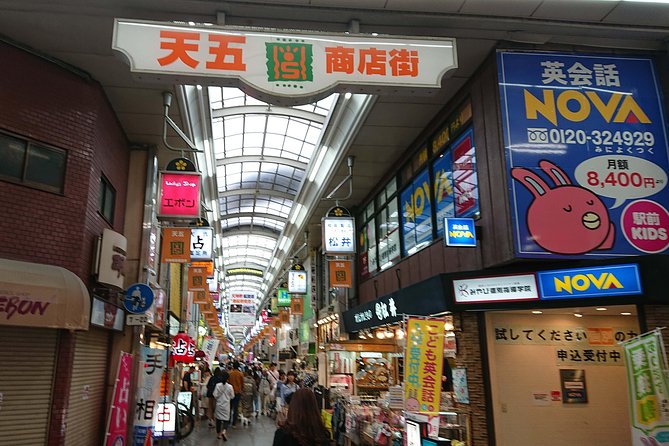
After the castle, the tour shifts from rulers to ordinary city life. Tenjinbashi-suji Shopping Street stretches for 2.6 kilometers and contains about 600 shops. You spend roughly an hour here, walking through Japan’s longest covered shopping arcade.
This is one of the more useful stops for seeing Osaka as a lived-in city. The arcade is not only a place for souvenirs. It includes the kind of shops and services used by local residents, along with food, clothing, and small businesses. You can look around without paying an admission fee, and the guide can point out what makes the district different from a purpose-built tourist area.
The covered arcade is also practical in uncertain weather, though the overall activity requires good weather and may be moved or canceled if conditions are poor. You might find this portion more rewarding if you enjoy browsing rather than rushing from landmark to landmark.
One hour gives you a taste, not a chance to cover the full 2.6 kilometers. That is a sensible choice in a seven-hour day, but shoppers who want to stop often will need discipline. Tell your guide what interests you, since the small group format makes it easier to shape the walk around your priorities.
More Walking Tours in Osaka
- Osaka Kickstart: Hotspots & Hidden Gems Tour
★ 5.0 · 1,306 reviews - Osaka: Hotspots & Hidden Gems Walking Tour Private or Group
★ 4.9 · 1,300 reviews - Osaka Local Foodie Walking Tour in Dotonbori and Shinsekai
★ 5.0 · 985 reviews - Osaka Bar Hopping Night Walking Tour in Namba (3 bars, 6 tastes)
★ 5.0 · 958 reviews
Osaka Museum of Housing and Living: a walk through old Osaka
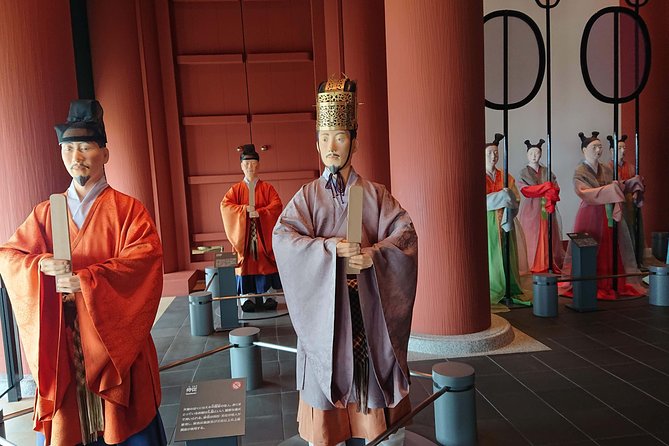
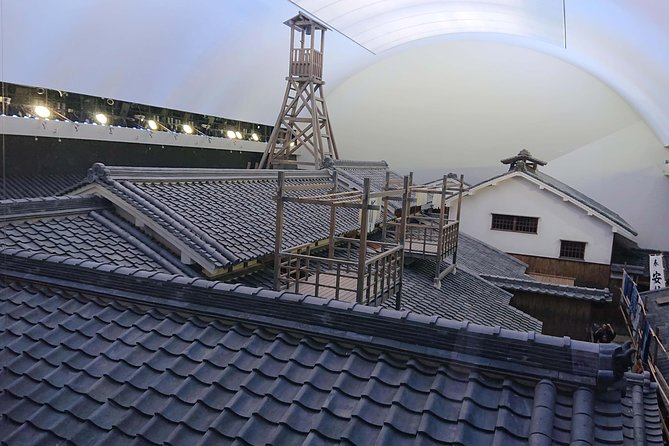
The Osaka Museum of Housing and Living offers a different kind of history lesson. Inside, a full-size recreation of Osaka from about 180 years ago allows you to walk through an old townscape rather than simply view objects in glass cases.
You have about 40 minutes here. That is enough to see the reproduced streets, examine house structures, and get a sense of the products sold in the period. The museum is designed to be experienced directly. You can see and touch elements of the old setting, which makes the visit more immediate than a standard historical display.
I find this stop important because it fills a gap left by Osaka Castle. The castle shows power at the top of society. This museum gives you a look at homes, shops, and daily routines. Together, the two stops make the day feel more rounded.
The short visit is again the main limitation. Forty minutes passes quickly, especially if the recreated town catches your interest. It is best to treat this as a focused introduction rather than a complete museum visit.
Kuromon Market and Osaka’s food culture
Kuromon Market receives about 30 minutes and has no admission fee. It is a lively food market where you can see why Osaka has long been associated with eating well. The market includes many shops and food sellers, so this is the natural point in the day to consider a snack or an early lunch.
Food and drinks are not included in the tour price. That is worth planning for. Bring extra yen or a payment method accepted by the sellers, and use the short stop wisely. You may want to ask the guide what looks appealing, what is in season, or where to find a reasonably priced meal.
Thirty minutes is enough to sample the atmosphere and perhaps buy something small, but it is not a long market crawl. If you want a full meal, the schedule may feel tight. One participant appreciated a guide who found a reasonably priced lunch, but lunch arrangements are not listed as part of the included service, so treat that kind of help as guide-dependent rather than guaranteed.
Kuromon also breaks up the museums and monuments. You get a sensory change, with food shops and market activity replacing quiet exhibits. It is a short stop, but it gives the day a strong Osaka flavor.
Dotonbori, the colorful finish
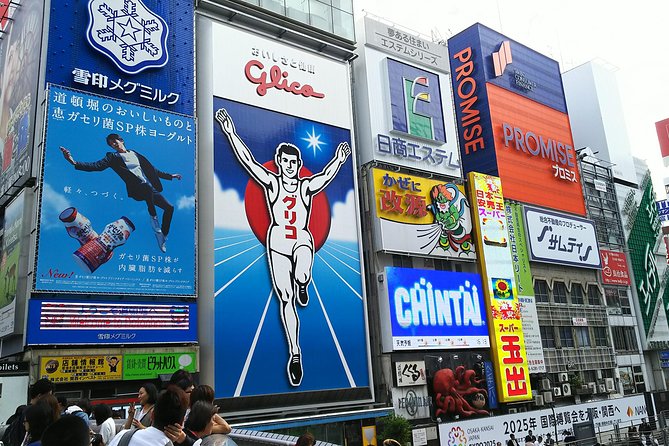
The final stop is Dotonbori, where the tour spends about 30 minutes. This canal-side district began as an entertainment area lined with theaters and is now one of Osaka’s best-known visitor zones. Restaurants, bright signs, and large displays fill the streets around the water.
The short visit works as a finale because Dotonbori is easy to absorb in quick bursts. You can see the canal, take in the signs, and get a first look at Osaka’s nightlife district. The guide can also help you understand how this area changed from local theater quarter to major food and entertainment center.
Do not expect 30 minutes to cover Dotonbori in depth. It is enough to orient you, not enough to eat a full meal, shop widely, and explore every side street. Since the tour ends back at the meeting point, you can return later on your own if the district interests you.
That is one of the best features of the route. The tour gives you a map in your head. Afterward, you know which parts of Osaka deserve a longer visit.
Public transportation makes the city easier to understand
Public transportation fares are included, and using the subway is more than a practical way to save time. It shows you the scale of Osaka and gives you a lesson in moving around the city.
One participant specifically valued learning how the subway system works from the guide. That can be a major benefit if Osaka is your first stop in Japan or if you find large stations confusing. Guides such as Noriko and Satomi have also helped participants feel more comfortable with routes and local movement.
The tradeoff is that you must walk through stations, use stairs or platforms as required, and stay with the group. This is not a private car tour. The experience suits you best if you want active sightseeing and a real sense of the city rather than a sealed-off ride between attractions.
The physical demand is moderate, but the day is long. One participant arrived expecting a vehicle tour and was surprised by the amount of walking. Take that warning seriously. Wear supportive shoes, carry water, and leave heavy luggage behind.
Guide quality and the small-group format
The guide is central to the value of this experience. The strongest praise has focused on guides who explain clearly, listen to questions, keep a comfortable pace, and help with practical needs.
Tomoko has been described as organized, easy to understand, and helpful with questions. Noriko has been praised for hotel pickup, subway guidance, patience, and keeping the day enjoyable even in rain. Taka Sakai was appreciated for humor and conversation, while Saori adjusted the pace for a three-generation family.
Other guides named during the experience include Chuji, Yoko, Mizuho, Leo, Satomi, Nick, and Toshi. Toshi was noted for clear English and for matching the group’s pace. Nick was praised for speaking clearly, and Leo for responding carefully to questions and interests.
You may not receive a particular guide, so do not book solely because one name appeals to you. The consistent pattern is more useful: the service is built around a personal guide who can explain, organize, and respond. With no more than five people, you have a better chance to ask about food, history, transport, or neighborhood life than on a large group outing.
Who will get the most from this tour
I would choose this for a first full day in Osaka, especially if you want the major sights explained rather than simply photographed. It suits solo visitors, couples, and small families who value a guide and want to learn the subway system while seeing a range of districts.
It is also a good match for families with mixed interests. Children may respond to the castle, recreated streets, market, and giant Dotonbori signs, while adults can focus on history and local life. Saori’s ability to adjust the pace for a three-generation family suggests the format can work well for different ages, though everyone should be able to manage a moderate amount of walking.
I would hesitate if you want a slow museum day, a food-focused tour, or a private vehicle. The six stops are varied, but several receive only 30 to 60 minutes. You will see a lot, yet you will not explore every place in depth.
The $141.23 cost makes sense when you use the guide’s help. Admission, transit, hotel pickup, and route planning are included, but food is not. If you are comfortable navigating Osaka alone and prefer to linger, you can likely spend less by visiting selected sights independently. If you want a well-planned introduction with human guidance, the price is easier to justify.
Practical details for a smoother day
Confirmation arrives at booking, and the tour starts at 9:00 a.m. Osaka Station is the listed meeting point, while hotel pickup is offered. Clarify the exact pickup arrangement before the morning of your tour.
The activity lasts about seven hours and ends back at the meeting point. Service animals are allowed, and the route is near public transportation. You should have moderate physical fitness and wear comfortable walking shoes. Boots, in particular, may feel tiring over a full day.
The tour requires good weather. If poor weather cancels the experience, you are offered another date or a full refund. You can also cancel for a full refund up to 24 hours before the start time. Cancellations or changes inside that window are not accepted.
The tour is often booked about 65 days ahead. That does not guarantee it will sell out on your dates, but the small five-person limit makes early planning sensible, especially if you need hotel pickup or are traveling during a busy season.
Should you book Osaka Castle and Dotonbori in one day?
Book it if you want a guided introduction to Osaka that connects history, daily life, food, and nightlife. The route is thoughtfully varied, the group is small, and the public transit component gives you useful confidence for the rest of your stay.
Skip it if your ideal day means lingering over every museum display, eating your way through Kuromon Market, or spending an entire evening in Dotonbori. This is a brisk overview, not a slow neighborhood study. For most first-time visitors with one open day, though, it offers a strong mix of landmarks and real city texture, with a guide to make the movement and meaning easier to follow.
FAQ
How long does the Osaka Castle and Dotonbori tour last?
The tour lasts approximately seven hours and starts at 9:00 a.m. It ends back at the listed meeting point.
Where does the tour start?
Osaka Station at 3-chōme-1-1 Umeda, Kita Ward, Osaka, 530-0001, Japan, is listed as the meeting point. Hotel pickup from your Osaka hotel is also offered, so confirm the exact arrangement when booking.
How many people can join the tour?
The tour has a maximum of five participants.
Is public transportation included?
Yes. Public transportation fares are included, and the tour uses public transit to move between parts of Osaka.
Are admission fees included?
Yes. Admission fees and the professional guide fare are included in the tour price.
Are food and drinks included?
No. Food and drinks are not included. You can purchase food at Kuromon Market, and lunch arrangements are not guaranteed as part of the tour.
How much walking is involved?
You should expect a moderate amount of walking across museum visits, castle grounds, shopping streets, the market, Dotonbori, and public transportation connections. Comfortable walking shoes are strongly recommended.
Can I cancel for a full refund?
Yes. You can cancel at least 24 hours before the local start time for a full refund. If poor weather cancels the tour, you are offered another date or a full refund.
Just added around Osaka
- Samurai dress-up and shows, plus Tea Ceremony & Calligraphy★ 5.0 · 27 reviews
- Kyoto & Nara Private customized tour with English speaking Guide★ 4.5 · 99 reviews
- Well-balanced BENTO (lunch box) Cooking Class★ 5.0 · 35 reviews
- Urban Canvas: Osaka Street Art Bike Tour★ 5.0 · 47 reviews
- OSAKA:Feel the Power! Learn Taiko Drum from Professionals★ 5.0 · 28 reviews
- Volleyball in Osaka & Kyoto with Locals!★ 5.0 · 21 reviews
- 1.5〜2 Hours Traditional Kintsugi Work Shop in Namba Osaka★ 5.0 · 75 reviews
- Umami Town Street Food Tour★ 5.0 · 120 reviews
Garden & Palace Tours, compared.

Imperial Palace and Shogun Historical Walking Tour
Read our review →
Tokyo Castle & Imperial PalaceーShogun Walking Tour
Read our review →
Nijo-jo Castle and Ninomaru Palace Guided Tour
Read our review →

Ultimate Osaka Walking Tour: Castle, Dotonbori & Hidden Gems
Read our review →Tokyo Castle & Imperial PalaceーShogun Walking Tour
Read our review →Browse the lists this tour appears in