
REVIEW · 3-HOUR EXPERIENCES
Kyoto: Private Flexible 3 hours tour with a local guide
Kyoto’s best feature is also its biggest challenge: the city has far more worthwhile sights than you can fit into a short visit. This private, flexible tour lets you pick one to three places, then leaves the route and local context to a guide. I like the freedom to choose Fushimi Inari, Kiyomizu-dera, Gion, Arashiyama, a market, or another interest instead of following a fixed script.
I also like the personal help. Guides such as Steven, Toshiki, Teppei, Nanako, and Kyoichi, also called Mark, have helped families manage trains and walking routes, explained shrine customs, arranged food stops, translated, and even assisted with photos. The main catch is that transportation, food, and admission fees are extra, and two or three hours is not enough to cover Kyoto’s major sights in one sweep.
In This Review
- Key points to know before booking
- A Kyoto tour that lets you set the priorities
- Fushimi Inari and its thousands of red gates
- Kiyomizu-dera and the view over Kyoto
- Gion, where the old city feels close at hand
- Arashiyama, markets, and a route built around you
- What the guides add to the outing
- Getting around without a private car
- Families, heat, and walking pace
- Is $131.38 per person a fair price?
- How to plan your three hours well
- Who should book this Kyoto experience?
- FAQ
- How long does the Kyoto private tour last?
- Is this a private tour?
- Which places can I visit?
- Is transportation included?
- Are food and drinks included?
- Is admission to Kiyomizu-dera included?
- Can the guide help with other travel needs?
- What is the cancellation policy?
Key points to know before booking
- Choose one to three Kyoto locations: Build the outing around Fushimi Inari, Kiyomizu-dera, Gion, Arashiyama, markets, temples, shrines, or another stated interest.
- Private time with your own guide: Only your party takes part, so the pace and questions can be shaped around your group.
- Walking and public transport are central: A private car and driver are not included, and transportation fees are paid separately.
- Strong family appeal: Guides have adapted routes for children, including ages 8 and 11, and adjusted walking and train segments when needed.
- Expect local help beyond sightseeing: Assistance may include taxi bookings, SIM card purchases, translation, food suggestions, and advice on customs.
- Allow for a realistic plan: Fushimi Inari, Kiyomizu-dera, and Gion are each presented as about one hour, so choosing all three fills the available time quickly.
A Kyoto tour that lets you set the priorities
This experience works best when you already know what kind of Kyoto day you want. You can request classic sights, traditional neighborhoods, food, markets, photography, family-friendly pacing, or help understanding local customs. The guide then helps turn that wish list into a route that can actually fit the time.
That matters in Kyoto. Fushimi Inari, Kiyomizu-dera, Gion, and Arashiyama sit in different parts of the city, and each can absorb much more time than a map suggests. A private guide cannot erase distance or crowds, but can help you avoid an impractical plan.
The advertised duration is about two to three hours. The sample stops are each listed at roughly one hour, so you should think of the outing as a focused introduction rather than a full-day tour. If you choose three major stops, travel between them will reduce the time available at each place.
The tour is for your party alone. That gives you room to ask basic questions, pause for photographs, change the pace, or adjust the route when children or older family members need a break. It also means you are not waiting for strangers who want a different style of visit.
A few more Kyoto trips to weigh up
- 3-Hour Kyoto Insider Sake Brewery Tour with Tastings & Pairings
★ 5.0 · 917 reviews - Kyoto: 3-Hour Fushimi Inari Shrine Hidden Hiking Tour
★ 4.9 · 270 reviews - Kyoto Imperial Palace & Nijo Castle Guided Walking Tour – 3 Hours
★ 4.5 · 106 reviews
Fushimi Inari and its thousands of red gates
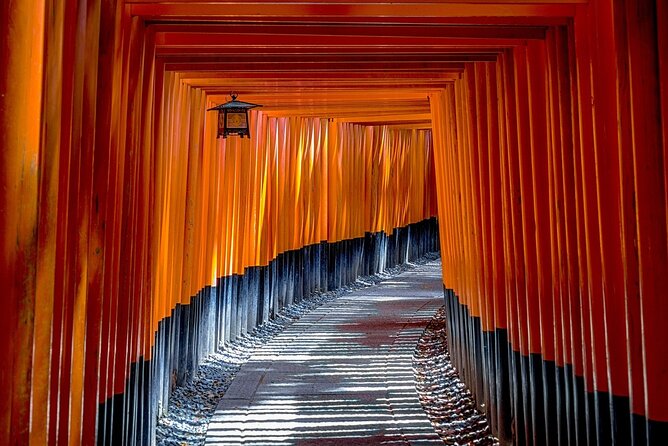
Fushimi Inari-taisha is one of Kyoto’s most recognizable sights. Its mountain path runs beneath thousands of red torii gates, creating the classic corridor seen in photographs of the city.
The important practical point is that this is not a flat shrine visit. The path climbs the mountain, so even a short stop involves walking uphill. You can enjoy the lower section without committing to the entire route, but the tour description specifically presents the shrine as a mountain hike through the gates.
A guide is useful here for more than directions. You can ask about shrine etiquette, how to behave at worship areas, and what you are seeing as you move through the complex. The admission charge is listed as free, which helps keep the cost focused on your guide and time rather than entrance tickets.
I would choose Fushimi Inari if you want one powerful Kyoto image and do not mind walking. It is also a sensible choice for a short visit because the torii gates provide an immediate sense of place. Just be clear with the guide about how far you want to climb.
Kiyomizu-dera and the view over Kyoto
Kiyomizu-dera gives you a very different experience. The temple is known for its large wooden structure and views across Kyoto, with traditional streets around it before and after your temple visit.
The area deserves more than a quick look at the main building. Walking around the approach lets you see older-style buildings, shops, and the setting that makes this part of Kyoto feel distinct from the city’s newer districts. If you choose Kiyomizu-dera, ask for enough time to enjoy the surrounding streets, not only the temple itself.
Admission is not included, so budget separately for the entry ticket. The tour price covers the local guide and customization, not temple fees.
Kiyomizu-dera suits you if you want architecture, a city view, and traditional streets in one compact area. It may be less suitable if you want to cover several distant districts in only two hours. The approach can involve significant walking, so tell the guide about mobility needs and your preferred pace when planning.
Gion, where the old city feels close at hand
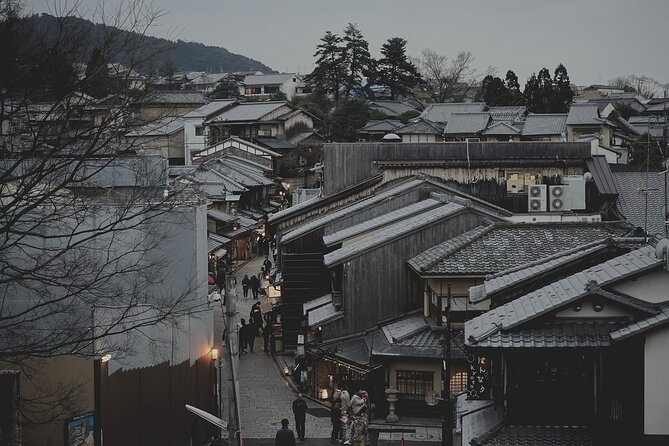
Gion is one of Kyoto’s oldest districts, with traditional buildings, shops, and streets made for slow walking. It is a good choice when you want to see the city’s historic character without committing to a mountain climb.
Your time here is likely to focus on walking, looking at the architecture, taking photographs, and visiting shops. The district is not a single ticketed attraction, so there is no admission charge listed for the stop.
A guide can add useful context by explaining local customs and helping you understand how to behave respectfully in a traditional neighborhood. The support included with this experience also covers practical help such as translation, which can make a difference when you want to ask questions in shops or restaurants.
Gion is especially sensible for families, visitors with limited time, and anyone who wants a gentler route. It can also pair well with Fushimi Inari if you want one major shrine followed by traditional streets. The two areas are not next door, however, so the train or other transport will count against your short tour.
Same city, a completely different kind of day:
- PERFECT KYOTO 1-Day Bus Tour
★ 5.0 · 13,518 reviews - Kyoto: Fushimi Inari, Kinkakuji, Bamboo Grove 1 Day Bus Tour
★ 4.8 · 4,316 reviews - Kyoto: Tea Ceremony in a Traditional Tea House in Kiyomizu
★ 4.9 · 3,519 reviews - Kyoto Geisha Walking Tour: Gion District & Hidden Gems
★ 4.7 · 3,273 reviews
Arashiyama, markets, and a route built around you
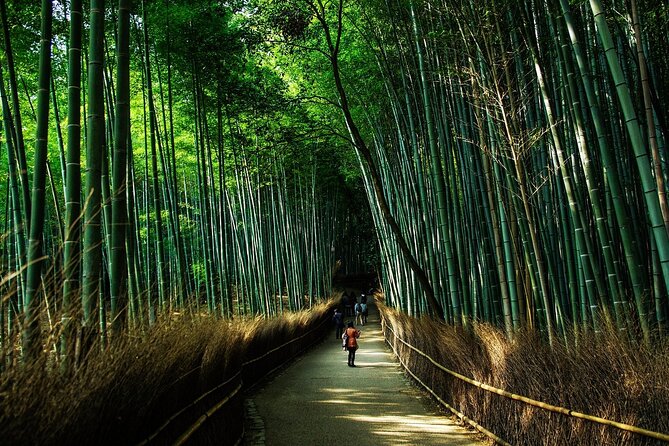
Arashiyama Bamboo Forest is offered as one possible choice, along with markets and other Kyoto sights. The bamboo grove is a strong pick if you want a famous natural setting and photographs. It is not listed as a guaranteed stop, so you need to request it when arranging your route.
The same applies to a food or market focus. One guide helped create a market and food outing, selecting dishes that were approachable rather than overly unusual. Another guided group to a ramen restaurant during a city tour. Food and drinks are not included, but the guide can help with suggestions and, based on the stated inclusions, general travel support.
This flexibility is most useful when you explain what you actually care about. Saying I want temples is less helpful than saying I want two major shrines, traditional streets, and a place where children can eat. The more specific you are, the easier it is to create a route that fits.
A guest who wanted to see everything in Kyoto found that the available time simply could not cover it all. That is not a flaw unique to this tour. It is the basic math of Kyoto. Use the private format to choose your top priorities, not to attempt the entire city.
What the guides add to the outing
The strongest part of this experience is the human guidance. Several named guides receive praise for being friendly, patient, flexible, and easy to communicate with. Steven is described as adapting routes to family interests and fitting major sights into a short stay. Toshiki is praised for answering questions before and during the tour, explaining local customs, helping with photographs and translation, and shaping visits around personal interests.
Teppei is noted for warmth and professionalism. Nanako led a straightforward walking tour of key Kyoto spots. Kyoichi, also called Mark, brought cooling wipes to a visitor coping with extreme summer heat. That small act says something useful about the format: you have someone paying attention to how the day is going, not simply reciting facts.
You should not assume you will receive a particular guide unless the booking process confirms it. The guide names show the kind of support available, but the actual person may vary.
The guides can also help with more than temple explanations. Included support may cover booking a taxi, buying a SIM card, or handling other travel needs. These tasks are not the main tour, but they can save time when you have just arrived and are still finding your way around Japan.
Getting around without a private car
A private car and driver are not included. Transportation fees are also separate, so the normal plan may involve walking and public transport. The guide handles navigation, but you still pay the train, bus, taxi, or other transport costs required by your chosen route.
This is important when comparing the price with a vehicle-based sightseeing tour. At $131.38 per person, the fee pays for a private local guide and a customized experience, not a chauffeured vehicle or an all-inclusive day out.
Public transport can be part of the value. A guide can show you how to move around Kyoto and help you avoid wasting time on wrong trains or confusing transfers. One poor experience in the feedback involved missed trains and weak tour delivery, which is a reminder to confirm the route and meeting details clearly before setting out.
If you want to save time by using a private vehicle, ask the operator about availability and cost before booking. A separate comment describes selecting a private vehicle option, but the standard inclusions clearly exclude a private car and driver. Treat vehicle service as an extra arrangement, not something guaranteed by the base price.
Families, heat, and walking pace
This can be a good match for families because the guide can adjust the pace and route. One family with children aged 8 and 11 managed train rides and walking segments that suited the group. Another family found the tour friendly and shaped around its preferences.
Still, flexible does not mean effortless. Fushimi Inari includes uphill walking, Kiyomizu-dera has a walking approach, and Kyoto’s sights may require transfers between districts. Tell the guide at the start if you need shorter walks, more breaks, or fewer stops.
Summer heat deserves serious attention. A visitor toured Kyoto in conditions around 98 degrees with a heat index of 103 and found the day punishing, even with a guide who brought cooling wipes. If you visit in hot weather, keep the route modest, carry water, and avoid treating the three-hour option as a race.
Most people can participate, and service animals are allowed. The experience is near public transportation. Specific accessibility details beyond that are not provided, so ask the operator before booking if you have a particular mobility requirement.
Is $131.38 per person a fair price?
The price makes the most sense for a small private party that values time, questions, and local help. If you are traveling with several people, the private format can be easier to justify because one guide serves your group rather than placing you in a large shared outing.
For one person or a couple on a tight budget, the cost is harder to defend if you only want directions to one shrine. You could use public information and pay only for transport and entrance fees. The guide earns the fee when you want a route built around your interests, help with Japanese customs, family pacing, translation, food choices, or local problem solving.
Remember the extras: transport, food and drinks, Kiyomizu-dera admission, and any private vehicle are not included. The listed price also covers only a short outing. You are paying for focused assistance, not a full-day sweep of Kyoto.
The overall rating is 4.8 out of 5, with 94 percent recommending it, based on 18 ratings. That is a strong result, but the small sample and one very poor experience make it wise to communicate clearly about the itinerary and guide expectations.
How to plan your three hours well
I would start by choosing a theme. Here are practical combinations:
- Fushimi Inari and Gion: One major shrine, then traditional streets. Allow for transport between them.
- Kiyomizu-dera and Gion: A natural pairing centered on temple architecture, views, shops, and old Kyoto streets.
- One major sight only: Best if you want a slower pace, more questions, or a family-friendly route.
- Arashiyama alone: Sensible for a short visit focused on the bamboo forest and that area.
- Market and food focus: A good option if eating and local shopping matter more than checking off famous sights.
Send your priorities before the start if possible. Ask how many locations are realistic, which transport will be used, what admission fees apply, and how much walking each stop involves. Also clarify the meeting point in Kyoto, since the information gives Kyoto as both the starting point and ticket redemption location but does not name a specific station, hotel, or landmark.
Free cancellation is available if you cancel at least 24 hours before the local start time. Cancellations or changes inside that window are not refunded or accepted. Confirmation is normally provided when you book, though bookings made within one day of travel are subject to availability and may be confirmed as soon as possible.
Who should book this Kyoto experience?
I would choose this tour if you have only a few hours, are visiting Kyoto for the first time, or want someone to connect the sights with local customs and daily life. It is also a good fit for families, food-focused visitors, and people who dislike rigid group schedules.
I would hesitate if you want a private vehicle included, a full-day sightseeing program, or guaranteed visits to every famous Kyoto attraction. The short duration demands sensible choices, and the extra transport and admission costs can add up.
Book it when you can name your priorities and want a local person to make the day work. Skip it when you only need a map and have plenty of time to plan your own route.
FAQ
How long does the Kyoto private tour last?
The experience lasts approximately two to three hours.
Is this a private tour?
Yes. Only your own group participates, so you do not share the tour with other parties.
Which places can I visit?
Possible locations include Fushimi Inari-taisha Shrine, Kiyomizu-dera Temple, Gion, Arashiyama Bamboo Forest, markets, and other places based on your requested interests. You can choose one to three locations.
Is transportation included?
No. Transportation fees are not included, and a private car and driver are also excluded.
Are food and drinks included?
No. Food and beverages are not included, although the guide can provide travel support and help with food planning.
Is admission to Kiyomizu-dera included?
No. Admission to Kiyomizu-dera is not included. Fushimi Inari-taisha Shrine and Gion are listed without admission charges.
Can the guide help with other travel needs?
Yes. Included support can cover tasks such as booking a taxi, buying a SIM card, and other travel-related assistance.
What is the cancellation policy?
You receive a full refund if you cancel at least 24 hours before the experience start time. Cancellations and changes made less than 24 hours before the start are not accepted, and the amount paid is not refunded.
Just added around Kyoto
- Private Guided Traditional Buddhist Cooking in Japan★ 5.0 · 16 reviews
- Kyoto: Gion Geisha District & Sake-in-Hand Walking Tour★ 5.0 · 37 reviews
- Your Private Vacation Photography Session In Kyoto★ 5.0 · 110 reviews
- Kyoto: Zen Meditation at a Private Temple with a Monk★ 5.0 · 25 reviews
- Traditional Japanese Washi Papermaking- Kyoto morning★ 5.0 · 77 reviews
- Kyoto Wagashi(Japanese sweets) Cooking Class near Fushimiinari★ 5.0 · 60 reviews
- Private Pewter Sake Cup Experience with a Kyoto Artisan★ 5.0 · 31 reviews
- Kyoto Private 6 hour Tour: English Speaking Driver Only, No Guide★ 5.0 · 88 reviews
3-Hour Experiences, compared.
3-Hour Kyoto Insider Sake Brewery Tour with Tastings & Pairings
Read our review →

3h Tokyo E-Bike Tour: Hidden Gems, and Local Life with guide
Read our review →
3-hour Guided E-Bike Tour of the City’s Hidden Gems
Read our review →
3-Hour Bike/E-Bike Tour of the City’s Highlights
Read our review →
Browse the lists this tour appears in