
REVIEW · NARA DAY TRIPS
Kyoto: Nara & Traditional Matcha Experience Bus Tour
Nara’s deer, Todaiji’s giant Buddha, and Uji’s matcha make a fine trio for one busy day. This tour links three World Heritage sites with a hands-on tea session, so you get more than temple photographs. You also get the useful background that turns each stop into a story.
I like the easy transport from Kyoto and the human touch of the guides. Guides such as At-chan, Nanami, Mai, Yuta, and Tsubasa have helped visitors with Japanese phrases, directions, shopping tips, and even heat relief. I also like the contrast between Nara’s grand religious sites and Uji’s quieter tea-town feel.
The trade-off is time. You cover a lot in 510 minutes, but each stop has a firm schedule, and Nara involves stairs, hills, and plenty of walking. The tour is not suited to wheelchair users or people with mobility limits.
In This Review
- Key points at a glance
- Why this Nara and Uji combination works
- Starting at Kyoto Station before 8 a.m.
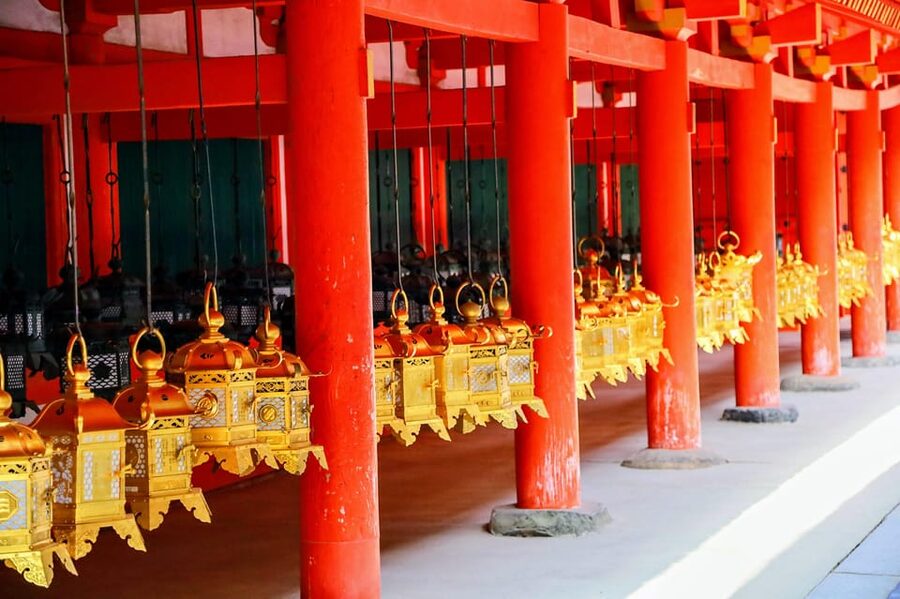
- Kasuga Taisha and the lantern-lined approach
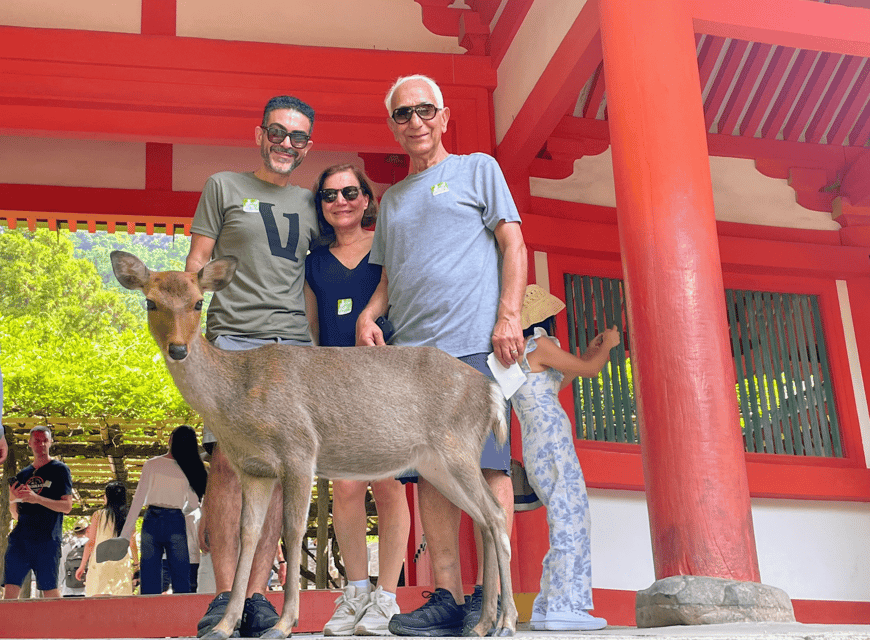
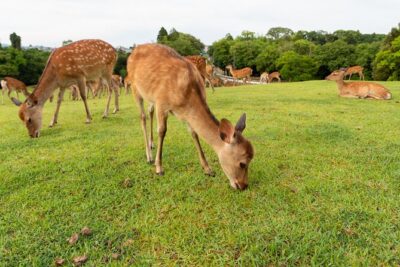
- Nara Park and the famously polite deer
- Todaiji and the Great Buddha
- Lunch and the choice that affects the budget
- Byodoin Temple and the Phoenix Hall
- Making Uji matcha from green tea leaves
- The guides are a major part of the value
- Walking, weather, and the pace of the day
- Who should book this tour
- Should you book it?
- FAQ
- How long does the Kyoto, Nara, and Uji tour last?
- Where does the tour meet?
- Is hotel pickup included?
- Is lunch included?
- Can vegetarian meals be arranged?
- Which languages are available?
- Does the tour include temple admission?
- Can I feed the deer in Nara Park?
- Is the tour suitable for wheelchair users?
Key points at a glance
- Three major heritage sites in one day: Visit Todaiji, Kasuga Taisha, and Byodoin Temple.
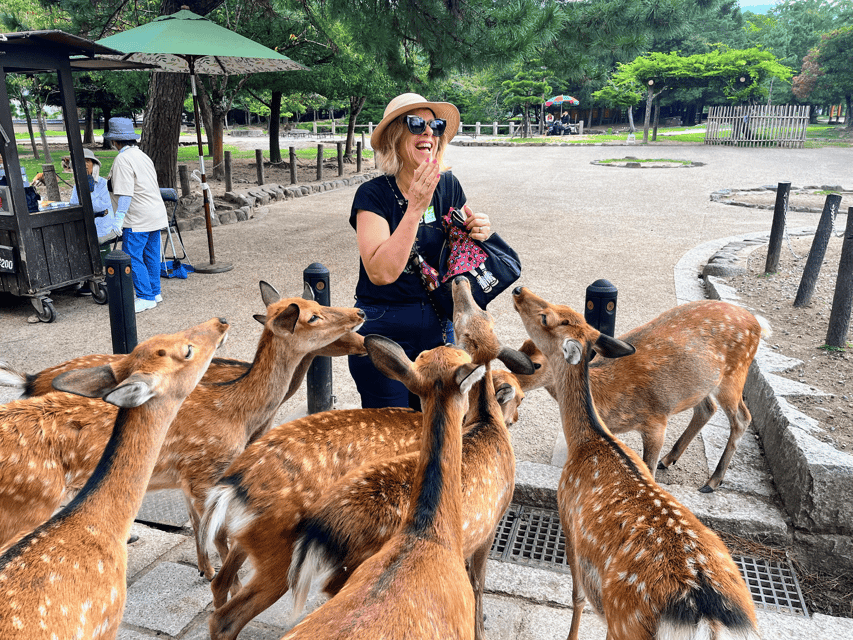
- The deer are close, not decorative: Nara Park’s wild deer may bow for rice crackers, but they can also nip.
- Matcha is made by hand: Learn how Uji green tea becomes the finely ground powder used in tea, sweets, and cooking.
- A guide-led day with practical help: English commentary is paired with multilingual audio, and guides often teach simple Japanese.
- Comfortable long-distance transport: The air-conditioned coach has free Wi-Fi, regular ventilation, and an antibacterial coating.
- Lunch is optional: Choose the Japanese lunch in advance, or arrange your own food during the lunch break.
Why this Nara and Uji combination works
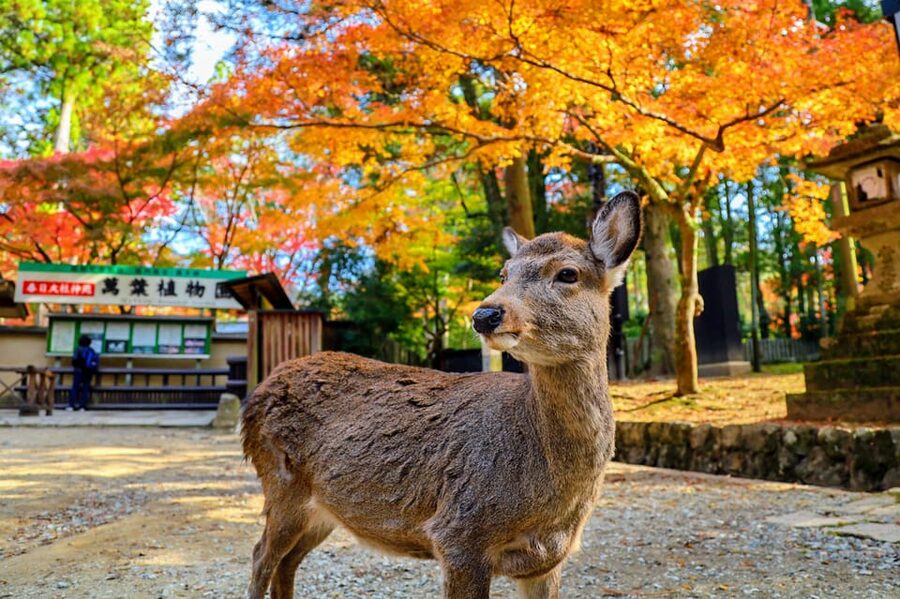
Kyoto can fill several days on its own, but Nara and Uji give you two different sides of the Kansai region. Nara brings early Buddhist monuments, shrine paths, and deer wandering through a public park. Uji brings tea shops, riverside scenery, and a more relaxed look at Japanese food culture.
I like the way the day moves from grand to personal. At Todaiji, you look up at one of Japan’s most famous religious buildings. At Nara Park, you deal with curious animals at eye level. In Uji, you sit down and make something with your own hands.
The $122 price deserves a practical look. It covers coach transport, an English-speaking guide, admission to Todaiji and Byodoin, and the matcha activity. That is useful value if you want a structured day and would otherwise need to arrange several train journeys, local buses, entrance tickets, and a tea experience yourself.
Lunch is the main extra choice. The Japanese meal is included only if you select the lunch option. Food and drinks bought during the day are not included, so carry cash and water.
More Nara Day Trips in Kyoto
- Kyoto/Osaka: Nara, Fushimi Inari Taisha, Arashiyama Bus Tour
★ 4.7 · 1,275 reviews - Osaka/Kyoto: Arashiyama, Nara & Fushimi Inari Shrine w/Lunch
★ 4.4 · 754 reviews - Kyoto and Nara Day Trip from Kyoto
★ 4.5 · 445 reviews
Starting at Kyoto Station before 8 a.m.
The meeting point is in front of Tully’s Coffee at the Kyoto Avanti Store, 31 Higashikujo Nishisannocho, Minami Ward. Check-in is at 7:50 a.m., with departure at 8:00 a.m. Look for the green and white Japan Panoramic Tours flag.
This location is close to Kyoto Station, but Kyoto Station is large and can be confusing. Give yourself time to cross the station area and find the Avanti side. One person found the meeting point difficult to locate and needed to call the tour company, so this is not the morning to cut things fine.
Latecomers and no-shows do not receive refunds or changes. That rule matters because the coach leaves on a fixed schedule.
Once aboard, you have air conditioning, free Wi-Fi, and guide commentary. The bus also uses regular ventilation and an antibacterial coating. Those details will matter during hot weather or on a full coach, though no bus can remove the basic reality of a long day on the road.
The drive toward Nara takes about an hour. Along the way, the coach passes Fushimi Castle and the former Heijokyo Palace area. These are passing views rather than full sightseeing stops, but the guide can give you useful context before the main visits begin.
Kasuga Taisha and the lantern-lined approach
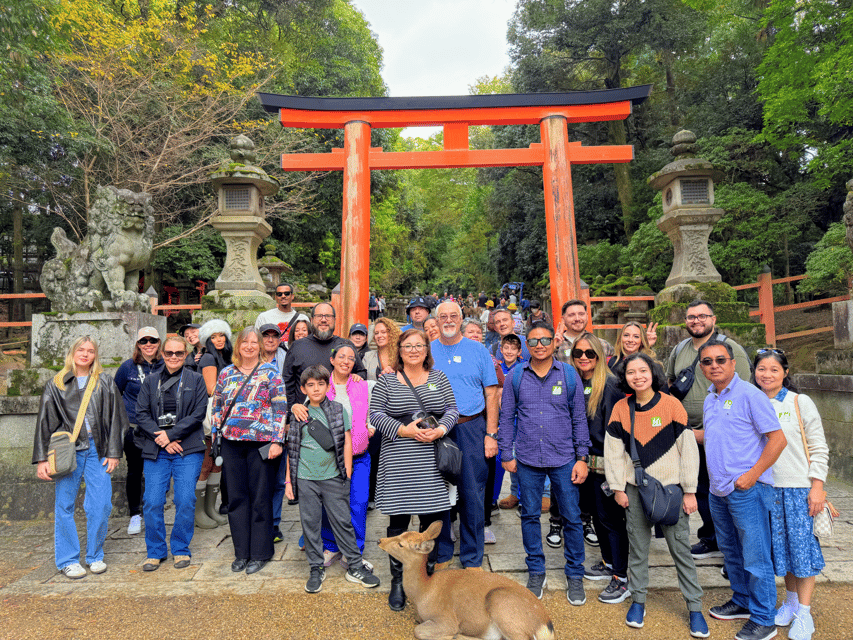
Kasuga Taisha is the first proper stop, with about 30 minutes to look around. This is one of Nara’s best-known Shinto shrines, famous for its long approach and thousands of stone lanterns.
The short visit means you should focus. Notice the lanterns, the forested setting, and the feel of the shrine approach rather than trying to inspect every corner. The route includes hills and stairs, so wear shoes with a solid grip.
This stop also gives you a helpful contrast with Todaiji. Kasuga Taisha is a shrine connected to Shinto practice, while Todaiji is a Buddhist temple. You see both traditions in the same morning, without needing a separate lecture on religious history.
The guide-led format helps here. Several guides, including Mai and Nanami, have used simple Japanese lessons and visual aids during the day. That sort of explanation is especially useful at a shrine, where a visitor may otherwise notice gates, lanterns, and worship rituals without knowing what they mean.
Nara Park and the famously polite deer
Nara Park receives about 30 minutes. That may sound brief, but it is enough to meet the deer and take photographs if you move with purpose.
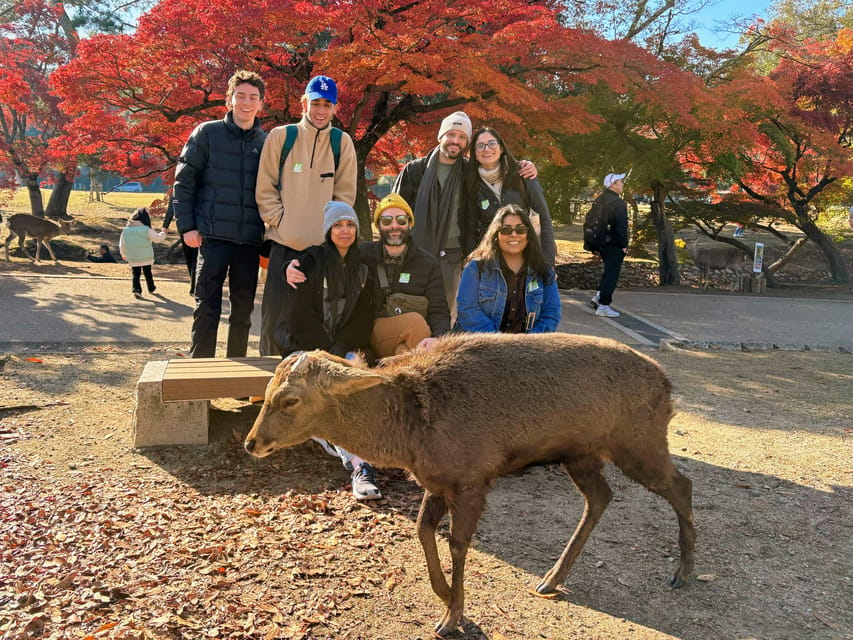
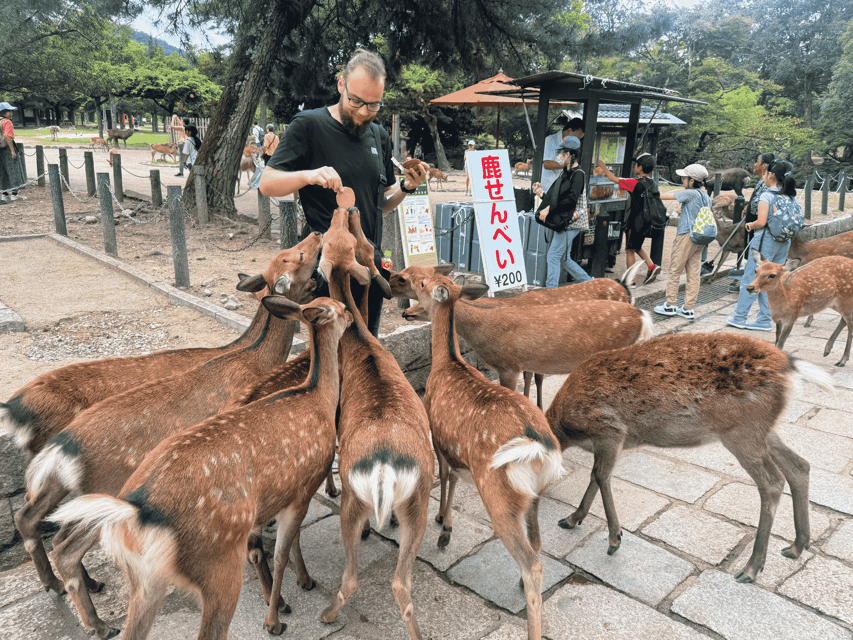
The deer are wild, though they are accustomed to people. Roadside stalls sell rice crackers, known as shika senbei. If you buy them, hold them out carefully, feed the deer one by one, and show empty hands when the crackers are gone. Some deer may bow, but do not assume every animal will wait politely.
A practical warning: deer can bite. Keep maps, food, and loose items away from their mouths. Their friendly appearance is part of the fun, but they are still animals with strong appetites.
Nara Park is beside Todaiji, so the two experiences fit naturally together. You get an open park setting before entering the enormous temple complex. The deer stop is also one of the most memorable parts of the day for families and first-time visitors to Japan.
Thirty minutes is not enough for a broad walk across all of Nara Park. You will need to stay near the meeting instructions and keep an eye on the time. The benefit is that you do not lose energy wandering far from the coach route.
More Tea Ceremony Experiences in Kyoto
- Kyoto: Tea Ceremony in a Traditional Tea House in Kiyomizu
★ 4.9 · 3,519 reviews - Kyoto: Tea Ceremony Ju-An at Jotokuji Temple
★ 4.9 · 3,207 reviews - Kyoto: 45-Minute Tea Ceremony Lesson Experience
★ 4.3 · 2,378 reviews - Kyoto: Table-Style Tea Ceremony at a Kyo-Machiya
★ 4.9 · 1,211 reviews
Todaiji and the Great Buddha
Todaiji receives about 50 minutes, including admission. The main prize is Daibutsuden Hall, home of the Great Buddha of Nara.
The hall is one of the world’s largest wooden buildings. Its scale is hard to grasp in photographs, so use your first moments inside to look at the building itself, not only the bronze Buddha. The Great Buddha is the emotional center, but the structure around it is part of the achievement.
A guide can help you read the scene, explain the temple’s place in Nara, and point out details you might otherwise miss. The site is busy and imposing, yet the visit remains fairly simple: enter, see the hall and Buddha, take in the surrounding grounds, then return to the meeting point.
The 50-minute window is reasonable for a focused visit. It is less suitable if you want a slow, detailed study of every building in the Todaiji complex. This is a highlights tour, not an archaeological field day.
After Nara, the bus takes about an hour toward Uji. That ride gives your feet a break, but it is also why comfortable shoes and water matter. The schedule packs several major places into one day.
Lunch and the choice that affects the budget
The lunch break lasts about 50 minutes at a local restaurant. If you choose the lunch option, you receive a Japanese meal. One person described the traditional meal as tasty, but individual preferences vary, especially if you have dietary restrictions.
Vegetarian arrangements can be made up to two days before the tour date. Last-minute bookings receive the regular meal, so do not wait until the morning of the tour to raise food concerns.
If you skip the lunch option, you pay for your own food and drinks. Carry cash because the tour specifically recommends it, and do not count on every small shop accepting your preferred card or payment method.
The lunch stop is not just fuel. It breaks up the temple visits before Byodoin and the tea activity. Still, the schedule is fixed, so this is a practical meal rather than a long restaurant experience.
Byodoin Temple and the Phoenix Hall
Byodoin receives about an hour. Its most famous building is Phoenix Hall, the elegant structure shown on Japan’s 10-yen coin.
This is one of the day’s best photo stops, but it rewards more than a quick picture. Look at the balance of the hall, its position beside the water, and the way the building is framed from the temple grounds. The setting feels calmer than the large Nara sites.
Byodoin is part of the Historic Monuments of Ancient Kyoto UNESCO World Heritage designation. That gives the day a strong historical arc: Nara’s Todaiji and Kasuga Taisha in the morning, then one of Uji’s signature monuments in the afternoon.
An hour should let you see the main grounds without rushing badly. As always, traffic or operational changes can alter the order or timing. If a listed site closes, the operator may substitute another location.
Making Uji matcha from green tea leaves
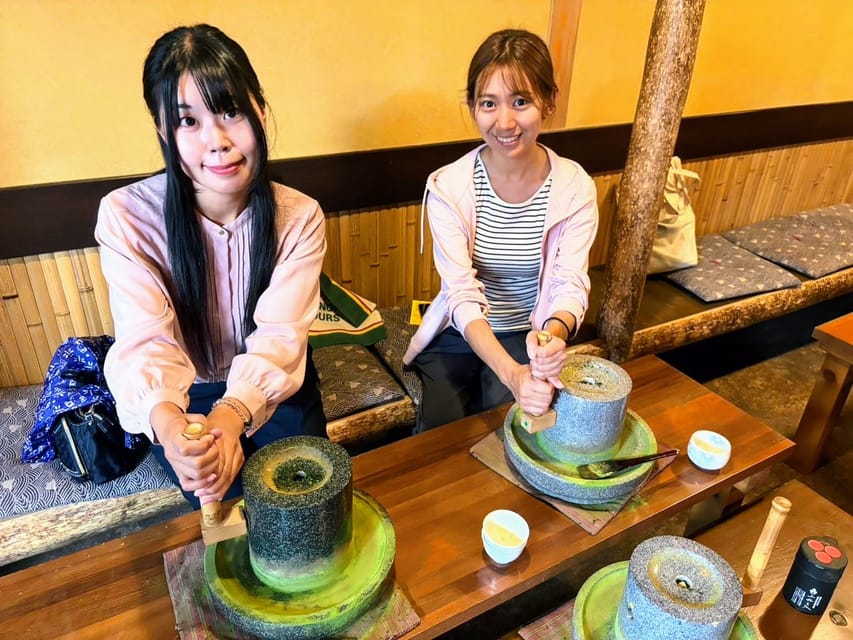
The final major activity is the matcha experience in Uji, with about 70 minutes for free time and tea preparation.
Uji is known for matcha, the powder made from finely ground green tea leaves. The activity explains the process and lets you prepare the tea yourself. That hands-on step gives meaning to the tea shops you see afterward, and to matcha’s wider use in sweets and cooking.
Do not confuse this with simply being handed a cup of green tea. You take part in making the drink, which makes the experience more active and more memorable. The tea you prepare yourself may taste special because you now understand some of the work behind it.
The Uji area also gives you time for shops, restaurants, and souvenirs. This is where you can buy matcha products, though purchases are not included in the tour price. The free time is valuable because it lets you slow down after the tightly timed Nara visits.
One previous guide described the activity as a historical matcha experience with a matcha champion. The supplied details do not promise that a champion will lead every departure, so treat the core promise as the matcha-making session itself.
The guides are a major part of the value
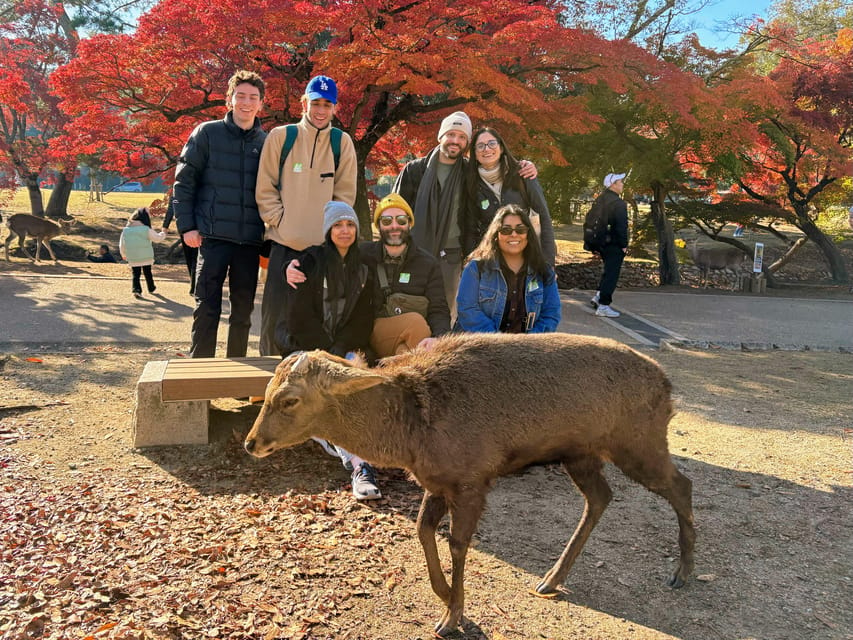
The operator assigns different guides, so you cannot count on a specific person unless your booking confirms one. Guides named in past departures include At-chan, Rino, Nanami, Mai, Yuta, Tsubasa, Aoi, Den, Harry, Sakura, and Rina.
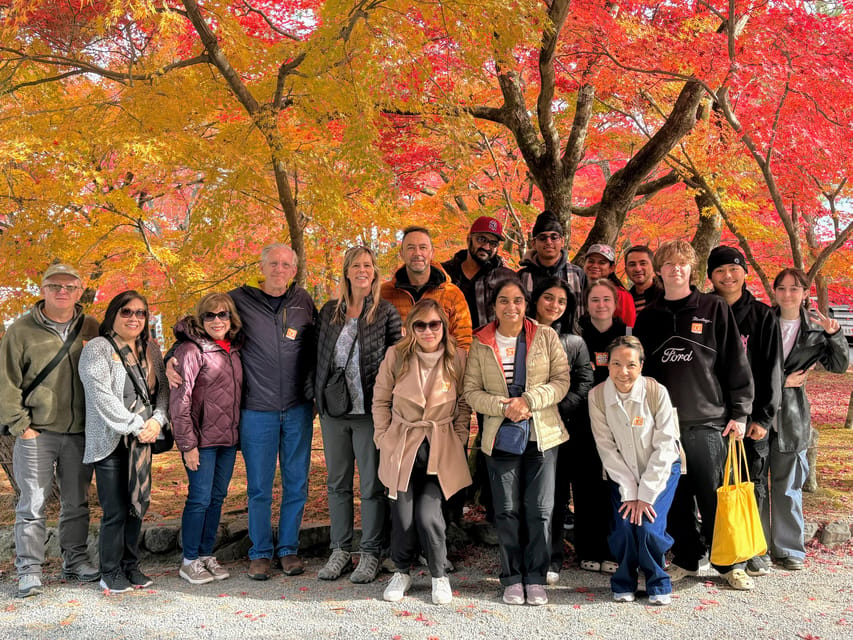
The strongest pattern is practical, lively guiding. At-chan has taught basic Japanese words, phrases, and numbers on the bus, while Mai has used handmade visual material to explain the stops. Tsubasa and Yuta have also added language lessons and cultural context.
That matters because this tour crosses temples, a shrine, a deer park, and a tea center in one day. A guide keeps the transitions clear and helps you understand local customs instead of simply pointing out buildings.
The care can be quite practical. One guide helped someone find the Tsuen tea shop during free time. Another helped a visitor who was struggling in the heat by finding a neck fan. These details suggest the guide role is not limited to speaking into a microphone.
There is also multilingual audio support in French, German, Italian, Portuguese, Spanish, and Ukrainian. The live guide language is English. Audio headsets are useful if you do not want to rely on every spoken explanation from the front of the group.
Walking, weather, and the pace of the day
This is an active sightseeing day. You will walk through temple grounds, shrine paths, and Nara Park, with stairs and hills along the way. The tour is not suitable for people with mobility impairments or wheelchair users.
Wear comfortable shoes. Bring water, cash, and protection from the weather appropriate to the season. Summer departures can feel hot, while the early start may be cool at first.
The schedule works best if you enjoy seeing several important places without managing transport yourself. It works less well if your ideal day means lingering at one temple, wandering without a clock, or taking a long lunch.
The coach makes the day easier than arranging Nara and Uji separately. Traffic can still affect the route, and the order of stops may change. The bus gives you rest between locations, but it cannot guarantee an exact return time beyond the planned arrival back at Tully’s Coffee near Kyoto Station.
Who should book this tour
I would choose this for a first visit to the Kyoto area when you want Nara’s essential sights plus Uji in one day. It is especially useful if you like a guide who explains customs, gives directions, and keeps a large sightseeing day organized.
Families may appreciate the deer and the clear structure, but children must be watched around the animals. The matcha activity adds a calmer, hands-on moment for anyone who wants more than temple viewing.
This is also a good choice for solo visitors who prefer not to solve regional transport on their own. The guide, coach, and fixed meeting points remove much of the day’s planning work.
I would think twice if you have trouble with stairs and hills, dislike early starts, or want extensive free time. You should also compare the total cost with a self-guided day if you already feel confident using trains and local buses.
Should you book it?
Book this tour if you want a well-organized day that combines Nara’s Great Buddha and deer with Uji’s Phoenix Hall and matcha-making. The $122 cost is reasonable when you value admissions, transport, guiding, and a hands-on activity in one package.
Skip it if you want to explore Nara slowly or prefer choosing your own restaurants and departure times. For most first-time visitors with good walking ability, the mix is hard to beat: grand temple, living shrine, mischievous deer, historic Uji, and tea you make yourself.
FAQ
How long does the Kyoto, Nara, and Uji tour last?
The tour lasts 510 minutes, or eight and a half hours. It departs Kyoto in the morning and returns to the Tully’s Coffee meeting point near Kyoto Station.
Where does the tour meet?
Meet in front of Tully’s Coffee at the Kyoto Avanti Store, 31 Higashikujo Nishisannocho, Minami Ward, Kyoto. Check-in is at 7:50 a.m., and departure is at 8:00 a.m.
Is hotel pickup included?
No. Hotel pickup and drop-off are not included. You must reach the Kyoto Avanti meeting point yourself.
Is lunch included?
Lunch is included only if you select the lunch option when booking. Additional food and drinks are not included.
Can vegetarian meals be arranged?
Yes. Vegetarian meal arrangements can be made up to two days before the tour date. Last-minute bookings receive the regular meal.
Which languages are available?
The live tour guide speaks English. Audio guides are available in French, German, Italian, Portuguese, Spanish, and Ukrainian.
Does the tour include temple admission?
Yes. Admission to Todaiji Temple and Byodoin Temple is included, along with the matcha experience fee.
Can I feed the deer in Nara Park?
Yes. Rice crackers are sold at roadside stalls in and around Nara Park. The deer are wild, so feed them carefully and remember that they may bite.
Is the tour suitable for wheelchair users?
No. The tour is not suitable for wheelchair users or people with mobility impairments. You will need to walk up stairs and hills.
Just added around Kyoto
- Taste of Nishiki Market Walking Food Tour with Local guide★ 5.0 · 17 reviews
- Kyoto: Sushi Making Class with Sushi Chef★ 4.8 · 64 reviews
- Kyoto: City Secrets eBike Tour★ 4.9 · 196 reviews
- Sacred Pathways: Discover the Philosopher’s Path of Kyoto★ 4.9 · 20 reviews
- Private Tour to Monkey Park and Arashiyama Highlights★ 5.0 · 22 reviews
- Private Nara Tour from Osaka – Meet at Your Hotel★ 5.0 · 22 reviews
- Private Sake Tasting in Central Kyoto with Sake Sommelier★ 5.0 · 13 reviews
- Kyoto : Private Custom Walking Tour With A Local Guide★ 4.6 · 144 reviews
Nara Day Trips, compared.
World Heritage Kyoto & Nara Uji Authentic Matcha Experience
Read our review →
Kyoto/Osaka: Nara, Fushimi Inari Taisha, Arashiyama Bus Tour
Read our review →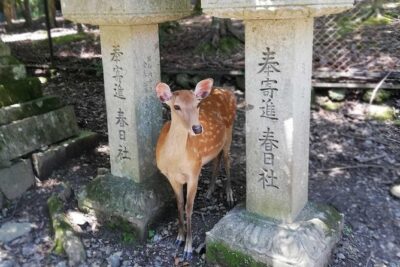
Nara Half Day Trip Walking Tour (Private Option Available)
Read our review →
Osaka/Kyoto: Arashiyama, Nara & Fushimi Inari Shrine w/Lunch
Read our review →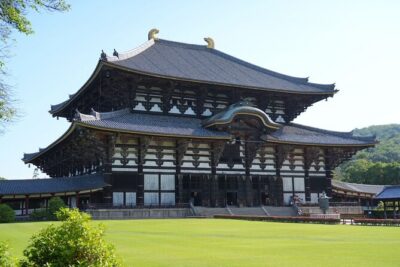
Nara Early Morning Tour (Kyoto or Osaka Departure Available)
Read our review →
Full Day Guided Tour to Kyoto and Nara from Osaka by Van
Read our review →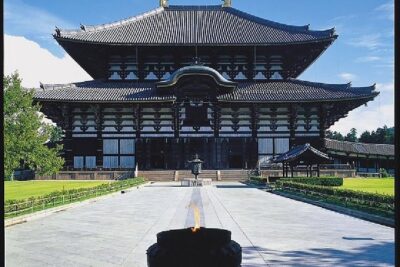
Browse the lists this tour appears in