
REVIEW · NARA DAY TRIPS
KYOTO-NARA: Giant Buddha Deer Pagoda “Geisya” (Italian, full day)
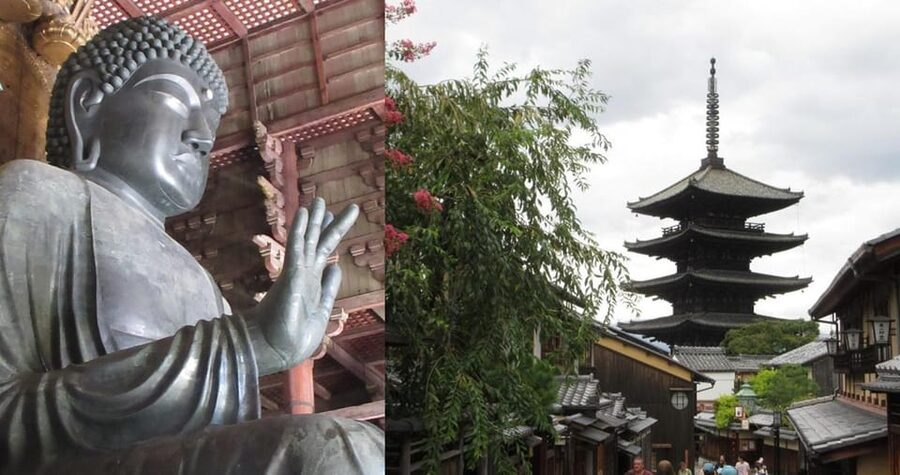
Nara’s giant Buddha is the star here, but the real pleasure is the contrast: a quiet encounter with one of Japan’s great Buddhist monuments, followed by deer wandering through the park as if they own it. By afternoon, you are back in Kyoto, walking the old approach to Kiyomizu-dera and finishing near Gion and Pontocho.
I like the way the tour handles the long day with public transport already arranged, and I like the small-group limit of 15 people. Guide Omae earns special mention for polished Italian, a good sense of humor, and stories that reach beyond the usual temple facts. The possible drawback is the pace: Nara, Kyoto, two major sights, and several walks make this a full day with limited room for lingering.
In This Review
- Key points at a glance
- Why this full-day route works
- Meeting at Kyoto Station without confusion
- The 45-minute train ride to Nara
- Meeting the deer around Todai-ji
- Entering Todai-ji and facing the Great Buddha
- Ukimido and the return to Kyoto
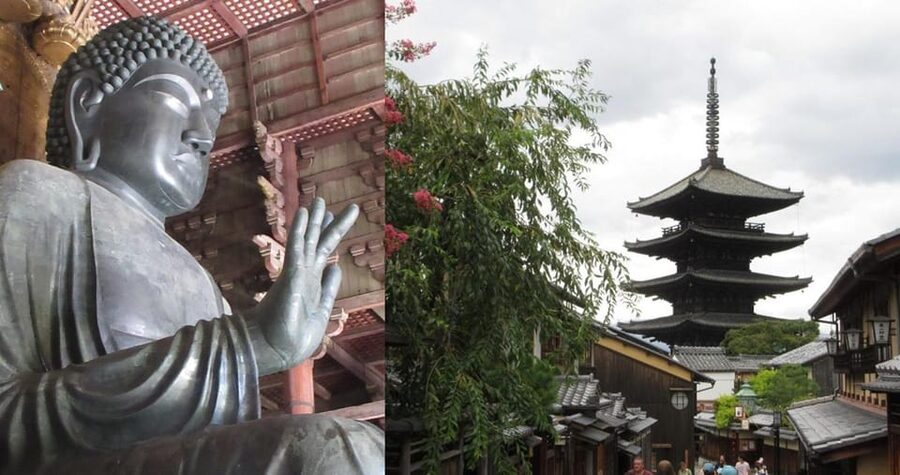
- Walking the old approach to Kiyomizu-dera
- Gion, Maiko, Geiko, and the walk to Pontocho
- The guide makes the difference
- Is $176 a fair price?
- Who should book this tour?
- FAQ
- Where does the tour start?
- How can I identify the meeting point?
- What language is the tour conducted in?
- How long does the experience last?
- Is transportation included?
- Are entrance fees included?
- Is the tour wheelchair accessible?
- How large is the group?
Key points at a glance
- One day, two historic capitals: Leave modern Kyoto for ancient Nara in the morning, then return for Kyoto’s best-known temple district.
- Omae’s Italian guidance: Omae is a Japanese guide who lived in Italy for more than a decade and explains monuments, legends, and customs in fluent Italian.
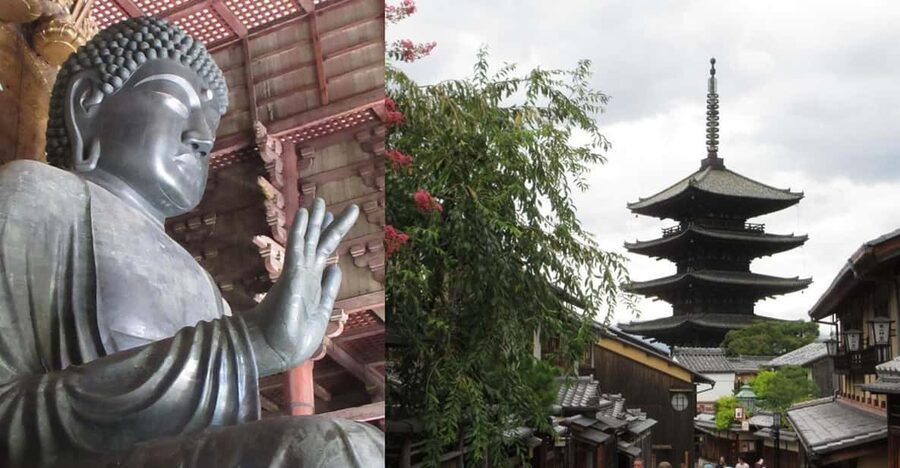
- Todai-ji and the Great Buddha: Spend about 90 minutes at one of Japan’s most important Buddhist temples, with admission included.
- Deer in Nara Park: Buy special crackers and feed the tame deer roaming around the temple grounds.
- Kiyomizu-dera to Gion: Walk an old pilgrimage route lined with sweets, souvenirs, bars, and traditional entertainment districts.
- Good transport value: Scheduled train and bus fares, monument admissions, and Italian explanatory material are covered in the $176 price.
Why this full-day route works
This experience is built for you if you want the broad outline of Kansai culture without sorting out every train, bus, admission ticket, and historic street on your own. Kyoto and Nara are close on a map, but the day still involves several transfers and a fair amount of walking. Having someone direct the movement matters.
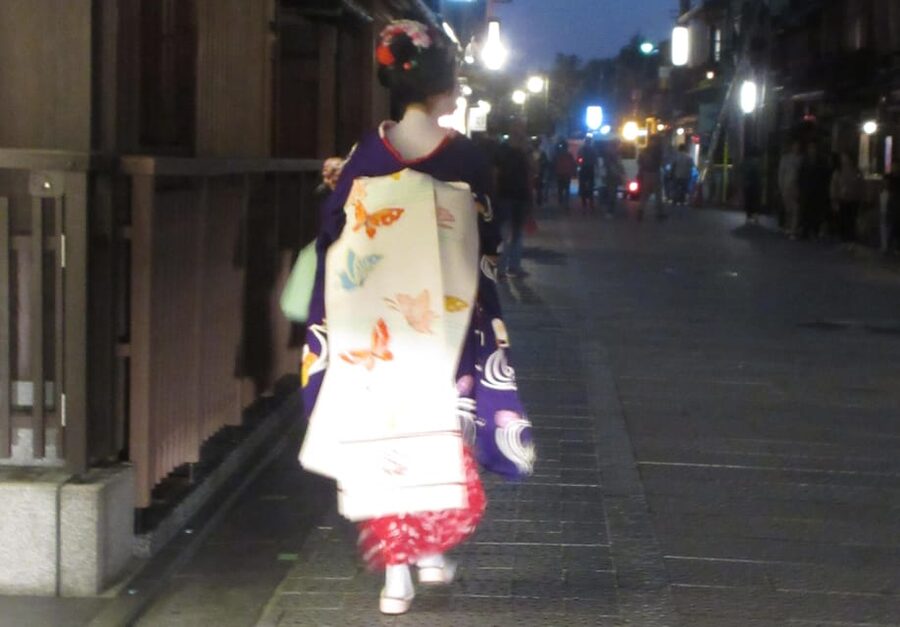
The route also gives you two different views of Japanese tradition. Nara offers monumental Buddhism, open parkland, and deer connected with the city for centuries. Kyoto provides a more urban pilgrimage setting, where temple visits blend with shops, food, narrow lanes, and the Gion-kobu area associated with professional Maiko and Geiko performers, sometimes loosely called Geisya.
You are not simply checking off temples. The guide’s role is to explain how people use and understand these places. Omae is particularly suited to Italian-speaking visitors. He lived in Italy for over ten years, and the available feedback repeatedly praises his fluent Italian, humor, patience, and ability to answer questions. He also gives you time for photographs and independent looking instead of filling every second with commentary.
More Nara Day Trips in Kyoto
- Kyoto/Osaka: Nara, Fushimi Inari Taisha, Arashiyama Bus Tour
★ 4.7 · 1,275 reviews - Osaka/Kyoto: Arashiyama, Nara & Fushimi Inari Shrine w/Lunch
★ 4.4 · 754 reviews - Kyoto and Nara Day Trip from Kyoto
★ 4.5 · 445 reviews
Meeting at Kyoto Station without confusion
The day begins at Kyoto Station, at the space between the four escalators in front of the taxi terminal. This is the taxi terminal, not the bus terminal, and it is just outside the north central entrance on the east side of the station.
Use Kyoto Tower as your visual check. From the meeting area, you should see it toward the upper left in front of the station, not to the right. That small instruction is useful because Kyoto Station is large and easy to misread when you are rushing in the morning. A confirmation email with fuller meeting details is sent the day before.
The starting point is practical. You can arrive by train, and the tour then moves directly into its Nara section. Try to arrive with enough time to find the correct exit and meeting area. The schedule is fixed enough to keep the day moving, although reasonable itinerary changes may be requested in advance.
The 45-minute train ride to Nara
The first train journey takes about 45 minutes. This is not dead time. It is your chance to watch Kyoto give way to the wider surroundings of the former imperial capital, while your guide sets up the day with historical and practical context.
Nara served as Japan’s imperial capital in the eighth century. That date matters because many of the religious and political foundations of classical Japan took shape there. The excursion helps you place Kyoto in a longer story rather than treating the two cities as interchangeable temple stops.
After the train, you take a bus for about 15 minutes to the Buddha temple. The combination of train and bus is efficient, but you should expect changes in pace and some standing or walking between stages. This is a public transport tour, not a private coach outing, so it suits you best if you are comfortable moving through stations and city streets.
Meeting the deer around Todai-ji
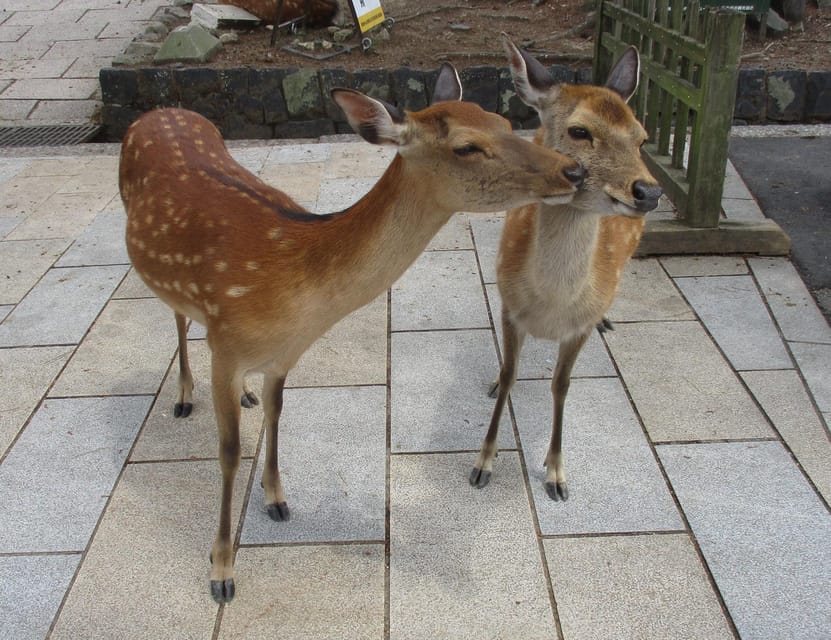
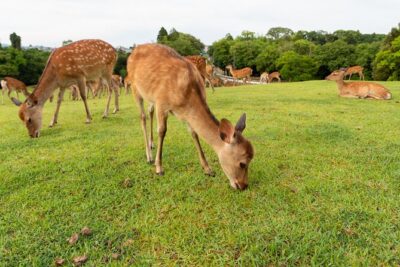
Nara’s deer are one of the day’s most memorable surprises because they are part of the public space, not a staged animal attraction. You see them roaming the large park around Todai-ji, close to residents and people visiting the temple.
Special stalls sell crackers for feeding them. Buy only the designated food, and follow the guide’s instructions. The deer are tame, but they are still animals, and a crowd of hungry deer can be more insistent than a postcard suggests. Keep your hands clear once the crackers are gone.
The deer also change the feel of the temple visit. You may be looking at an ancient monument one moment and watching a deer wander past the next. That mixture of daily life, nature, and religion is one reason Nara feels different from Kyoto’s more tightly built temple districts.
Same city, a completely different kind of day:
- PERFECT KYOTO 1-Day Bus Tour
★ 5.0 · 13,518 reviews - Kyoto: Fushimi Inari, Kinkakuji, Bamboo Grove 1 Day Bus Tour
★ 4.8 · 4,316 reviews - Kyoto: Tea Ceremony in a Traditional Tea House in Kiyomizu
★ 4.9 · 3,519 reviews - Kyoto Geisha Walking Tour: Gion District & Hidden Gems
★ 4.7 · 3,273 reviews
Entering Todai-ji and facing the Great Buddha
Todai-ji is the major morning stop, with about 90 minutes for a guided visit, sightseeing, and some shopping. The temple is famous for its enormous bronze Buddha, one of the largest Buddha statues in Japan. The scale is the immediate impression, but the guide helps give the statue and building a human meaning.
Omae explains the temple’s monuments, especially those recognized as national treasures, and places Buddhist devotion in its social setting. You can expect stories about legends, mythology, and the ways ordinary people have understood these sacred objects over time. This is the sort of information that makes a large temple easier to read instead of leaving you with only a photograph.
The 90-minute stop is enough for a focused visit, but it is not an afternoon to inspect every corner. If you want long periods for quiet reflection, detailed photography, or shopping, you may find the schedule brisk. The advantage is that the group gets a clear introduction and still has time to see the afternoon sights.
Admission to the monuments included in the program is covered. Italian explanatory illustrations are also provided for the historic monuments visited, a useful aid if you want to remember names and details after the day ends.
Ukimido and the return to Kyoto
After Todai-ji, the route includes a short walk of about five minutes, followed by a visit or pass-by at Ukimido lasting about ten minutes. This is a brief stop, so treat it as a change of setting rather than a second major temple visit.
The morning then continues with about ten minutes on foot before the return journey. A train ride of roughly 45 minutes takes you back to Kyoto Station. There is a one-hour break there before the afternoon program begins.
That break is welcome. It gives you a chance to rest after the Nara section, use station facilities, and handle food independently. No meal is listed as included, so plan on arranging your own food during this pause. Because the tour resumes after the break, do not wander too far from the station.
Walking the old approach to Kiyomizu-dera
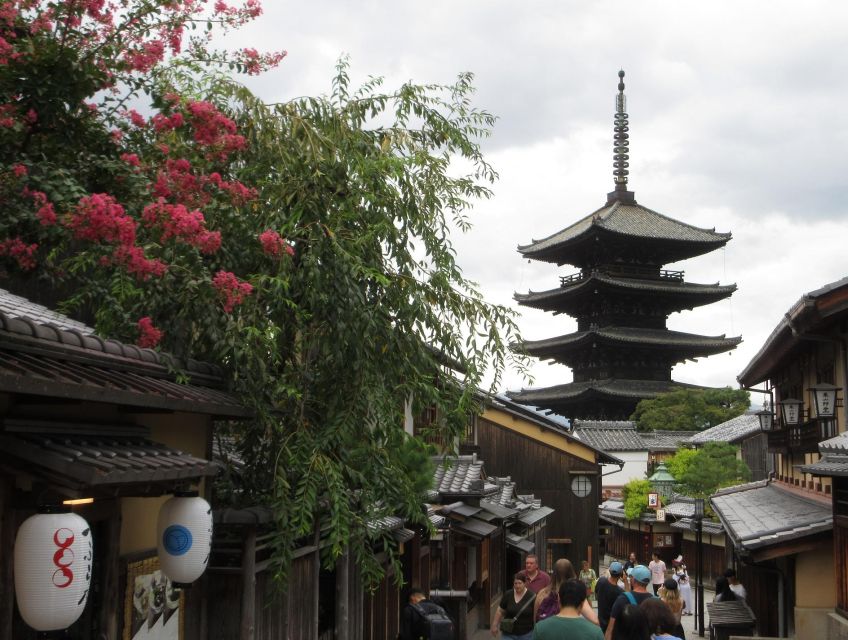
The afternoon begins with a bus ride of about 15 minutes and then a 15-minute walk to Kiyomizu-dera. The approach is part of the experience, not just a way to reach the gate. Streets are lined with souvenir shops, sweet shops, and bars, creating a lively commercial route used by people of all ages.
This section can feel more crowded and more commercial than Nara Park. That is not a flaw, but it is worth knowing. You get a clear view of how pilgrimage routes changed over time, with religious visits supported by food, gifts, entertainment, and small purchases.
Kiyomizu-dera receives about an hour with the guide. The tour focuses on the temple’s historic, cultural, and religious meaning, along with the details that make the site worth seeing in person. You should have time for the main explanation and photographs, but the schedule is not designed for a slow browse through every shop on the approach.
The temple’s hillside setting gives this stop a different character from Todai-ji. At Nara, the Buddha and temple grounds dominate a broad park. At Kiyomizu-dera, the route through the old streets and the approach to the temple are central to the experience. Your guide connects the buildings to the centuries of pilgrimage that shaped the area.
Gion, Maiko, Geiko, and the walk to Pontocho
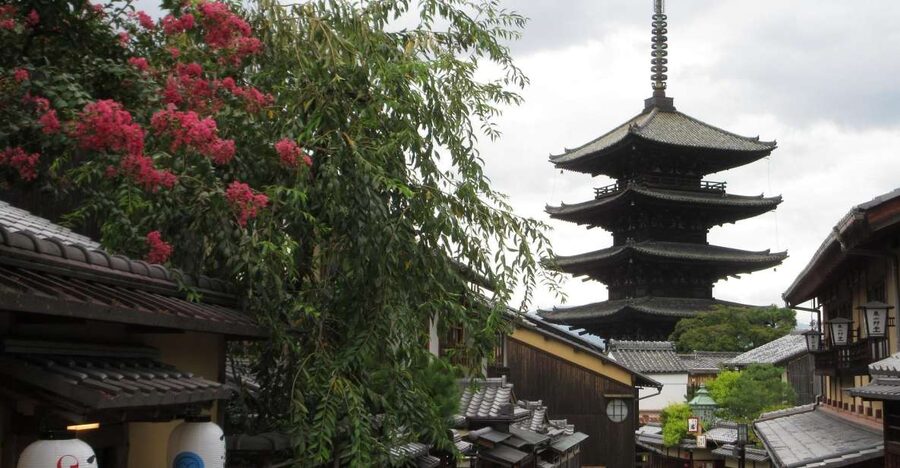
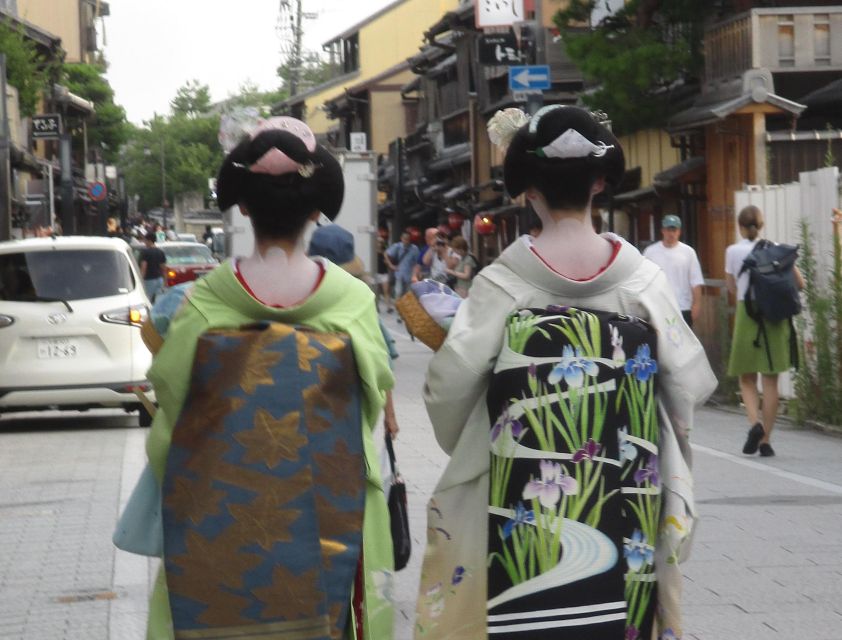
From Kiyomizu-dera, you walk for about 20 minutes before the guided visit to Gion. The Gion-kobu area is associated with professional Maiko and Geiko artists. The tour presents it as a working cultural district, not simply a backdrop for costume photographs.
That distinction is important. You should be respectful, avoid treating performers as public props, and listen to the guide’s explanation of the district’s customs. The Gion visit itself lasts about 20 minutes, so it is a compact introduction rather than a performance or a long private encounter.
A final ten-minute walk brings you to Pontocho, where the tour ends. This is a useful finish because you are already in one of Kyoto’s well-known evening areas. The tour does not list a meal or evening activity, so what you do next is up to you.
The guide makes the difference
The strongest part of this experience is the human explanation. Omae is repeatedly praised for fluent Italian and for combining clear history with legends and humor. He also seems to understand the balance a good guide needs: explain enough to make a place meaningful, then step aside so you can look, photograph, and enjoy it.
That matters at Todai-ji, where the scale can overwhelm you, and at Gion, where cultural behavior needs some care. A guide who can answer questions in your language helps you notice details you might otherwise miss.
The tour information also promises assistance throughout the itinerary and practical advice about travel in Japan on request, at no extra charge. That is useful for first-time visitors who want help beyond the formal temple commentary.
The tour is limited to 15 participants, which should make questions easier than on a large bus excursion. It is also listed as wheelchair accessible. Still, the day includes train and bus transfers plus several walks, so you should confirm that the exact transport needs of your group fit the planned route.
Is $176 a fair price?
At $176 per person, this is not the cheapest way to see Nara and Kyoto independently. You are paying for more than transportation. The price includes scheduled train and bus fares, admission to the monuments in the program, Italian explanatory material, live guidance, and help with the day’s practical details.
The value is strongest if you want Italian commentary and would otherwise need to arrange the route yourself. It is also useful for a family or small group that wants one organized day instead of researching Nara transport, temple entry, Kyoto transfers, and the Gion route separately.
The value is weaker if you already know both cities, prefer to spend hours at one temple, or want to choose your own restaurants and stops throughout the day. One lower rating noted that the experience could have been more complete for the time and price, which is a fair caution. You cover a lot, but the schedule necessarily favors breadth over deep exploration.
Flexible itineraries and schedules can be requested as far as reasonably possible. Do not assume every change can be made, though. The train and bus timing, group size, and afternoon appointments place limits on flexibility.
Who should book this tour?
I would recommend it to Italian-speaking visitors who want a guided introduction to Nara and Kyoto in one day. It is especially suited to first-time visitors, families, and people who value cultural explanation as much as sightseeing.
You should be comfortable with a long day, public transportation, several walks, and a steady pace. If your top goals are the Great Buddha, deer, Kiyomizu-dera, Gion, and a guide who can explain the cultural background in Italian, the route gives you a lot for one day.
I would choose a different plan if you want a quiet, unhurried temple day or if you already have strong knowledge of Kyoto and Nara. But for a first look at both cities, with Omae’s language skills and the practical support included, this is a well-constructed introduction.
FAQ
Where does the tour start?
It starts at Kyoto Station, in the space between the four escalators in front of the taxi terminal. This is just outside the north central entrance on the east side of the station.
How can I identify the meeting point?
Kyoto Tower should be visible in front of the station toward the upper left from the meeting area. The confirmation email sent the day before includes detailed meeting information.
What language is the tour conducted in?
The live tour guide language is Italian. Italian explanatory illustrations for the historic monuments are included.
How long does the experience last?
It is a full-day experience beginning at Kyoto Station and ending in Pontocho. The listed schedule includes the Nara visit in the morning, a one-hour break at Kyoto Station, and the Kyoto visits in the afternoon.
Is transportation included?
Yes. Scheduled train and bus fares used during the tour are included. The route includes train travel between Kyoto and Nara and bus transfers in both cities.
Are entrance fees included?
Yes. Entrance fees for the monuments included in the program are covered.
Is the tour wheelchair accessible?
The activity is listed as wheelchair accessible.
How large is the group?
It is a small-group tour limited to 15 participants.
More Full-Day in Kyoto
- 5 Top Highlights of Kyoto Full Day Bike Tour (E-bike option)
★ 5.0 · 511 reviews - Full Day Biking Tour Exploring the Best of Kyoto
★ 5.0 · 498 reviews - Full Day Guided Tour to Kyoto and Nara from Osaka by Van
★ 5.0 · 420 reviews - Kyoto: Private Full-Day Tour by Car
★ 4.9 · 109 reviews
Just added around Kyoto
- Taste of Nishiki Market Walking Food Tour with Local guide★ 5.0 · 17 reviews
- Kyoto: Sushi Making Class with Sushi Chef★ 4.8 · 64 reviews
- Kyoto: City Secrets eBike Tour★ 4.9 · 196 reviews
- Sacred Pathways: Discover the Philosopher’s Path of Kyoto★ 4.9 · 20 reviews
- Private Tour to Monkey Park and Arashiyama Highlights★ 5.0 · 22 reviews
- Private Nara Tour from Osaka – Meet at Your Hotel★ 5.0 · 22 reviews
- Private Sake Tasting in Central Kyoto with Sake Sommelier★ 5.0 · 13 reviews
- Kyoto : Private Custom Walking Tour With A Local Guide★ 4.6 · 144 reviews
Nara Day Trips, compared.
World Heritage Kyoto & Nara Uji Authentic Matcha Experience
Read our review →
Kyoto/Osaka: Nara, Fushimi Inari Taisha, Arashiyama Bus Tour
Read our review →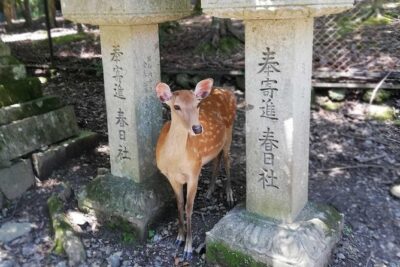
Nara Half Day Trip Walking Tour (Private Option Available)
Read our review →
Osaka/Kyoto: Arashiyama, Nara & Fushimi Inari Shrine w/Lunch
Read our review →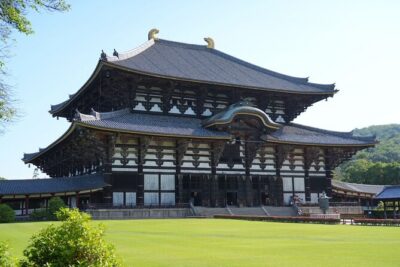
Nara Early Morning Tour (Kyoto or Osaka Departure Available)
Read our review →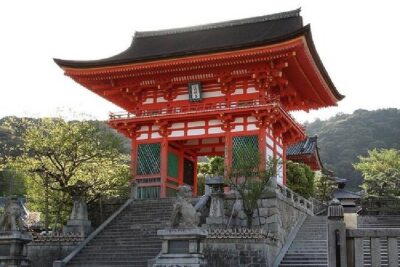
Full Day Guided Tour to Kyoto and Nara from Osaka by Van
Read our review →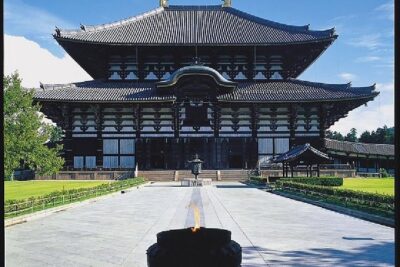
Browse the lists this tour appears in