
REVIEW · ARASHIYAMA BAMBOO TOURS
Kyoto: Fushimi, Arashiyama – Bamboo, Monkey, Torii & Secrets
Kyoto’s most famous sights are spread across town, but this tour links two big ones in a single walking day: the red torii gates of Fushimi Inari and the bamboo paths of Arashiyama. You also get Tenryuji’s Zen garden, Togetsukyo Bridge, a hillside monkey park, quiet lanes, and a guide to keep the day moving.
I like the variety. You move from Shinto shrine to bamboo grove, temple garden, river crossing, and wildlife lookout without spending your day figuring out tickets or directions. I also like the personal guide service. Guides including Aron, Teri, Max, Tim, Mari, and Marie have been praised for good pacing, photo help, local stories, and thoughtful stops.
The catch is simple: this is a long, active walk. The climb to Monkey Park is steep, the heat can be intense, and Arashiyama’s famous spots may be packed. Train fares, lunch, and drinks are extra, so the $88 price makes the most sense if you value a guide and a carefully arranged day more than a low-cost self-guided visit.
In This Review
- Key points to know before booking
- Starting beneath Fushimi Inari’s red gates
- The train connection and what the $88 price covers
- Arashiyama’s bamboo grove, with realistic expectations
- Tenryuji’s garden and the quiet side of Zen
- Togetsukyo Bridge and the river crossing
- Climbing to Iwatayama Monkey Park
- Local stories, food stops, and small extras
- Heat, rain, crowds, and the walking load
- Who will get the most from this Kyoto tour
- Should you book the Fushimi and Arashiyama tour?
- FAQ
- Where does the tour begin?
- Where does the tour end?
- Are train fees included?
- Are Monkey Park and Tenryuji Garden admissions included?
- Is food included?
- What language is the tour offered in?
- How difficult is the walking?
- Can solo visitors book?
- What should I bring?
Key points to know before booking
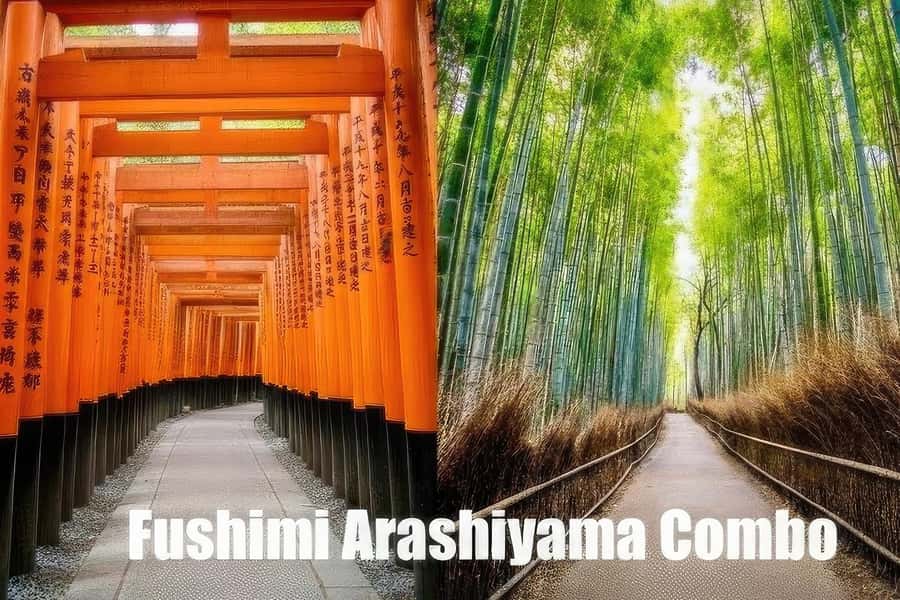
- Two major Kyoto districts in one day: Begin at Fushimi Inari, then travel by train to Arashiyama, with train fares paid separately.
- The Monkey Park climb is real: The route rises about 525 feet and can feel strenuous in hot or wet weather.
- Bamboo is only part of the Arashiyama visit: You also see Tenryuji’s garden, Togetsukyo Bridge, river views, and quieter paths.
- Guides add practical help: Aron is often praised for history, humor, photos, food stops, and small extras such as sake tasting.
- The tour suits walkers: Comfortable shoes, cash, rain gear in poor weather, and a reasonable level of fitness will make the day easier.
- The price includes key admissions: Monkey Park and Tenryuji Garden are included, but trains, food, and drinks are not.
Starting beneath Fushimi Inari’s red gates
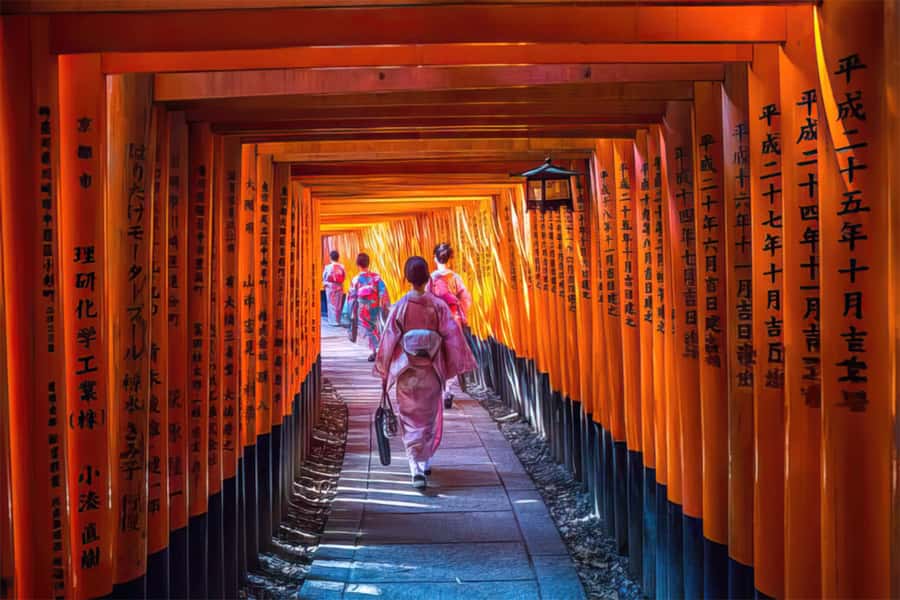
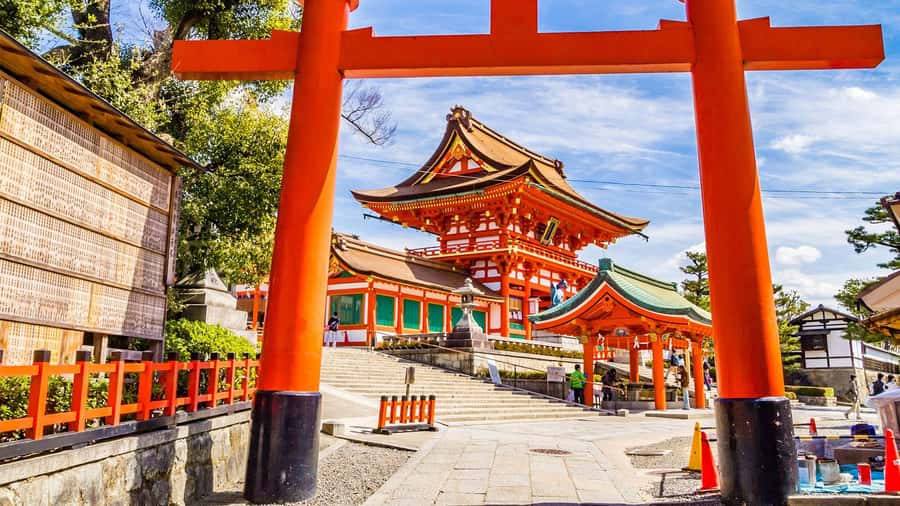
The tour begins in front of the gates at Inari Station, an easy meeting point if you arrive by train. That location matters because Fushimi Inari Taisha is right at hand, so you do not waste the first part of the morning finding the entrance.
Fushimi Inari is dedicated to Inari, the Shinto deity linked with rice, business, and prosperity. Its most famous feature is the long sequence of vermilion torii gates, donated over many years by individuals and companies. Each gate marks the boundary between ordinary space and the shrine’s sacred mountain.
You walk beneath thousands of these gates as the path climbs Mount Inari. The lower section is the most famous and usually the most crowded. Farther up, the route becomes quieter, though you should still expect an uphill walk rather than a flat shrine visit.
A guide helps here because the gates can feel repetitive when seen without context. Local stories and explanations give the route more meaning, and a guide can help you notice smaller shrines and details along the way instead of treating the torii as one long photo backdrop.
The climb is not described as a full summit hike, but it is still physical. Wear shoes with a firm sole. If you dislike stairs or uphill paths, this first section may be enough to make the tour feel demanding before Arashiyama even begins.
More arashiyama bamboo tours in Kyoto:
- Kyoto: Fushimi Inari, Kinkakuji, Bamboo Grove 1 Day Bus Tour
★ 4.8 · 4,316 reviews - Osaka/Kyoto:Kinkakuji,Arashiyama,FushimiInariShrine,NaraPark
★ 4.1 · 1,596 reviews - Kyoto/Osaka: Nara, Fushimi Inari Taisha, Arashiyama Bus Tour
★ 4.7 · 1,275 reviews
The train connection and what the $88 price covers
The tour connects Fushimi and Arashiyama by train, but your train fees are not included. Carry cash and keep a little time and attention for the transfer. Your guide handles the route, but you are still responsible for paying your own fares.
At $88 per person, this is not the cheapest way to see these places. You could visit Fushimi Inari and Arashiyama independently for less, especially if you are comfortable reading train signs, buying admissions, and planning your walking route.
The value comes from what is bundled around the basic sightseeing. Monkey Park entry and Tenryuji Garden entry are included, along with an English-speaking bilingual guide, a small-group format, local explanations, photo assistance, and a route that includes quieter corners. The guide can also point you toward lunch spots and traditional snacks, which is useful in a district where the most obvious restaurants can be crowded.
I would book it if you want one organized day with several major stops and do not want to spend vacation time sorting out the details. If you prefer a slow morning at one shrine, a long lunch, or complete control over every stop, independent visits may suit you better.
Arashiyama’s bamboo grove, with realistic expectations
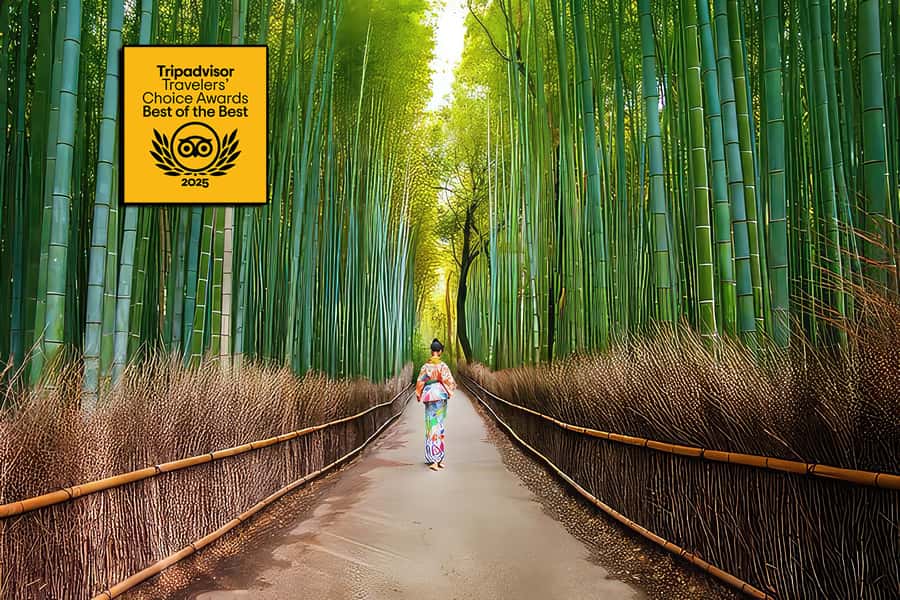
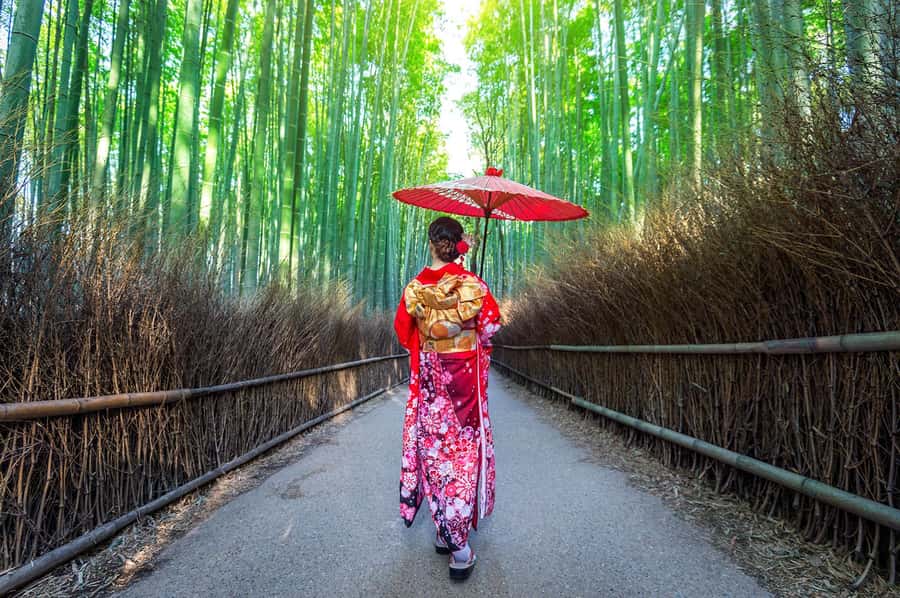
Arashiyama’s bamboo is beautiful because it changes the feel of the walk. Tall green stalks rise on both sides, and the sound of leaves moving overhead gives the path a calm, enclosed quality. It is one of Kyoto’s most recognizable scenes and a strong stop for photography.
It is also one of Kyoto’s busiest scenes. The narrow paths can fill quickly, and the famous bamboo section may not feel peaceful at every moment. One guide can help you find less crowded lanes nearby, but no tour can guarantee an empty grove.
That contrast is worth understanding before you book. The bamboo is a must-see for many people, but the best part of this tour may be the way it moves beyond the most photographed stretch. You get quiet alleys, small shrines, bridges, ponds, and river views rather than stopping at the bamboo and turning back.
Your guide may also help with photos. Aron in particular is praised for finding good angles and taking pictures, while Teri is noted for helping with photographs and keeping the group moving at a comfortable pace. That small service can be valuable when you want a picture of everyone together without handing your phone to a stranger.
Tenryuji’s garden and the quiet side of Zen
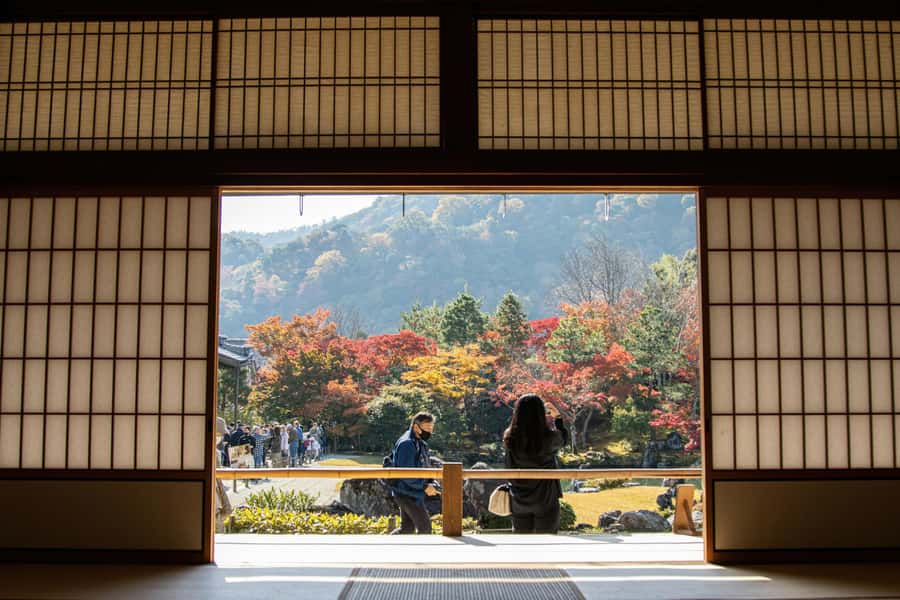
Tenryuji Temple gives the day a change of rhythm. After the crowds and repeating gates, you enter a place designed for stillness, proportion, and careful viewing. The temple’s garden is a UNESCO World Heritage Site and is included in the tour price.
The garden is known for its Zen design, with ponds, stones, trees, and borrowed scenery arranged to reward slow looking. You do not need to be an expert in Buddhism or garden design to enjoy it. A guide can explain how the elements work together and point out features you might otherwise pass without noticing.
I especially like this stop because it gives the Arashiyama visit some cultural weight. The bamboo grove is striking, but Tenryuji explains why this part of Kyoto has long attracted temples, artists, and people seeking quiet surroundings.
The garden is not a strenuous stop, though the wider day is. Take the chance to slow down, drink water, and listen. The tour has a lot packed into it, and this is one of the few places where the pace can naturally ease.
Same city, a completely different kind of day:
- PERFECT KYOTO 1-Day Bus Tour
★ 5.0 · 13,518 reviews - Kyoto: Tea Ceremony in a Traditional Tea House in Kiyomizu
★ 4.9 · 3,519 reviews - Kyoto Geisha Walking Tour: Gion District & Hidden Gems
★ 4.7 · 3,273 reviews - Kyoto: Tea Ceremony Ju-An at Jotokuji Temple
★ 4.9 · 3,207 reviews
Togetsukyo Bridge and the river crossing
Togetsukyo, or Moon Crossing Bridge, is one of Arashiyama’s defining landmarks. The bridge crosses the river at the foot of the hills and gives you a broad view of the water, wooded slopes, and town.
It is not an ornate bridge in the way some visitors expect from Kyoto. Its appeal comes from the setting and the long connection between river, mountain, and temple district. Crossing it also helps you understand Arashiyama as a real neighborhood, not just a collection of attractions.
This is a good photo stop, but it can be busy. Your guide can help you choose a useful viewpoint and keep the group together before the walk continues toward Monkey Park.
The bridge also marks a physical transition. Once across, you begin the uphill route toward the monkeys. If your legs are already tired from Fushimi Inari, take this section at a steady pace and use the pauses offered by the guide.
Climbing to Iwatayama Monkey Park
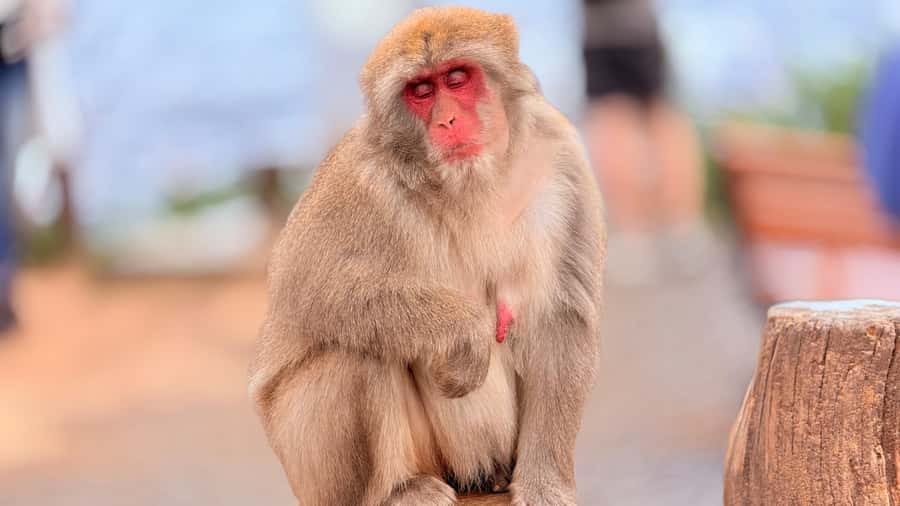
Monkey Park is the tour’s most active and unusual stop. The climb rises roughly 525 feet, and the path is described as steep enough to challenge anyone who is not used to hills. It is not a casual stroll from the bridge.
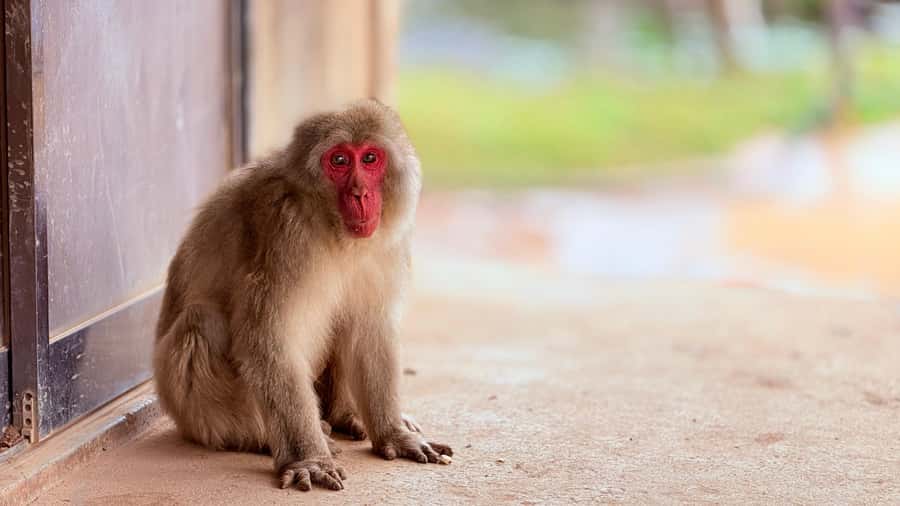
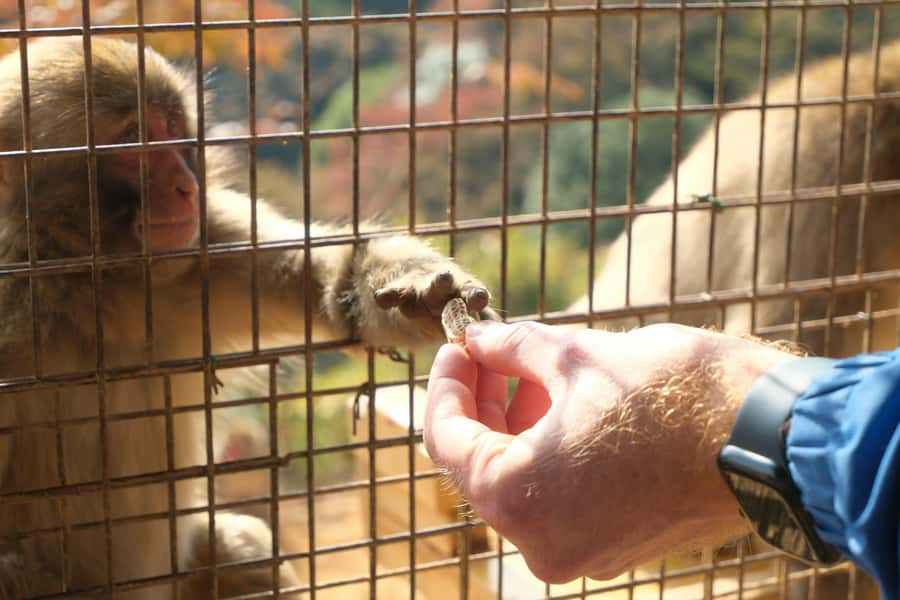
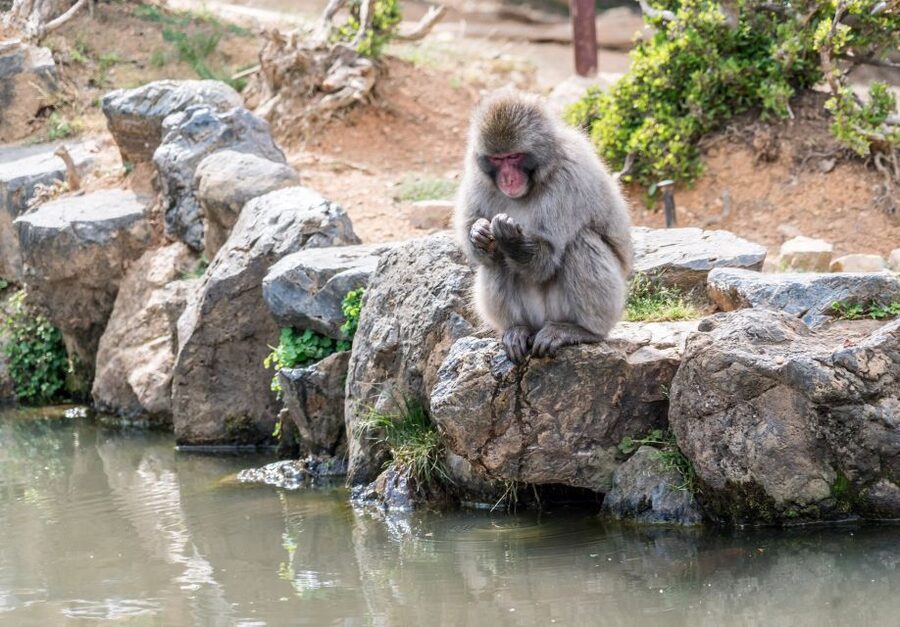
At the top, wild monkeys roam freely, and you can feed them from the designated area. The animals are the attraction, but the view across Kyoto is an important part of the stop too. From the hillside, the city opens below you, giving the day one of its best wide views.
The climb is worth taking seriously. Good shoes are essential, and hot weather can make the ascent much harder. One 60-year-old participant appreciated a guide who offered regular chances to stop and cool off, so the pace may be manageable for a reasonably fit older person, but this is not suitable for people with mobility impairments or wheelchair users.
The monkeys are not a petting-zoo display. They are wild animals, and you should follow the park’s instructions carefully. The included entry saves you a separate admission purchase, while the guide helps with timing and the route.
This is also where the tour earns some of its character. A temple garden can be serene and a torii path can be iconic, but standing above Kyoto with monkeys nearby feels less predictable. It gives the day a welcome change from shrine and temple sightseeing.
Local stories, food stops, and small extras
The best guides make a packed route feel less mechanical. Aron is repeatedly singled out for being entertaining, explaining Japanese history and daily life clearly, finding photo spots, and helping with lunch choices. He has also added small surprises such as sake tasting and pecan chocolate.
Those extras are not guaranteed, so do not book solely for a tasting. Still, they show the kind of local touch that can turn a standard sightseeing route into a more useful introduction to Kyoto.
The tour includes a lunch stop at a small food area with around four or five places to eat. Food is not included, but having several choices in one place makes the midday break simple. Bring cash, since it is specifically recommended and useful for food, drinks, train fares, and small purchases.
Guides such as Max, Tim, Mari, Marie, and Teri have also been praised for English, humor, flexibility, and attention to the group. The guide roster can change, so you should not assume you will receive a particular person. Still, the repeated praise for guide pacing and personal attention is a strong reason to consider this format.
Heat, rain, crowds, and the walking load
Weather can shape this experience more than any individual sight. The route is outdoors for much of the day, with hills, exposed paths, and substantial walking between stops. Summer heat can be intense, while rain makes the stones and paths wet.
Bring comfortable shoes and plan for changing weather. On rainy days, you need proper rain gear rather than hoping a small umbrella will carry you through several hours outside. The route can still be enjoyable in wet conditions, but only if your footwear and clothing are ready for it.
Crowds are the other major consideration. Fushimi Inari and the Arashiyama bamboo grove are famous for good reason, and quiet moments may be mixed with packed paths. The guide’s use of less crowded lanes helps, but it cannot remove the popular sights’ basic problem.
The group format can help with logistics and conversation, though it also means you follow the group’s pace. The activity is advertised as intimate and small-group, but one group described in the feedback had 11 people. If you want a private experience, confirm the group size before booking.
Strollers, non-folding wheelchairs, baby carriages, and electric wheelchairs are not allowed. Video recording is also listed as not permitted. The tour is not suitable for people with mobility impairments, so anyone with concerns about stairs or steep hills should choose a gentler Kyoto visit.
Who will get the most from this Kyoto tour
I would recommend this tour to first-time Kyoto visitors who want the main sights but also want help finding quieter paths. It is especially useful if you have only one day for Fushimi and Arashiyama, or if train transfers and shrine customs feel like a nuisance.
Photographers should like the range of settings: red gates, bamboo, temple garden, river, bridge, monkeys, and city views. The photo help from guides such as Aron and Teri is a practical bonus.
Families with older children may enjoy the variety, but small children who tire easily may struggle with the walking and the Monkey Park climb. The same applies to anyone carrying heavy bags or managing a stroller, since the tour does not allow the listed stroller and wheelchair types.
Solo visitors can book, but a minimum of two people is required for the tour to operate. If only one person books, it may be canceled with rescheduling or a full refund offered. That is worth checking before building your whole Kyoto schedule around it.
Cancellation is flexible up to 24 hours before the start for a full refund, and you can reserve now and pay later. Those terms reduce some of the risk when your Japan plans are still shifting.
Should you book the Fushimi and Arashiyama tour?
Book it if you want a full, active Kyoto day with the major torii gates, bamboo grove, Tenryuji, Togetsukyo Bridge, and Monkey Park tied together by an English-speaking guide. The included admissions, photo help, local stories, and food guidance make the $88 fee reasonable for people who value convenience and context.
Skip it if you want a relaxed pace, dislike hills, or plan to spend long stretches at one temple. You will pay extra for trains, food, and drinks, and you still need to accept crowds at Kyoto’s best-known sights.
For fit walkers who want variety, this is a strong choice. Bring good shoes, cash, water, and rain protection, then let the guide handle the route while you focus on Kyoto’s gates, gardens, river, bamboo, and monkeys.
FAQ
Where does the tour begin?
It begins in front of the gates of Inari Station.
Where does the tour end?
The activity ends back at the meeting point.
Are train fees included?
No. You must pay the train fees separately.
Are Monkey Park and Tenryuji Garden admissions included?
Yes. Entry to Monkey Park and Tenryuji Temple Garden is included.
Is food included?
No. Food and drinks are not included. The tour includes a stop at a small food area with several places to eat.
What language is the tour offered in?
The tour is offered in English with a bilingual local guide.
How difficult is the walking?
The tour involves substantial walking, including a steep climb of about 525 feet to Monkey Park. Comfortable shoes are recommended, and the activity is not suitable for people with mobility impairments or wheelchair users.
Can solo visitors book?
Yes, solo visitors can book, but at least two guests are required for the tour to operate. If only one guest books, the tour may be canceled, with rescheduling or a full refund offered.
What should I bring?
Bring comfortable shoes and cash. Rain gear is also a sensible choice in wet weather because much of the tour takes place outdoors.
Just added around Kyoto
- Taste of Nishiki Market Walking Food Tour with Local guide★ 5.0 · 17 reviews
- Kyoto: Sushi Making Class with Sushi Chef★ 4.8 · 64 reviews
- Kyoto: City Secrets eBike Tour★ 4.9 · 196 reviews
- Sacred Pathways: Discover the Philosopher’s Path of Kyoto★ 4.9 · 20 reviews
- Private Tour to Monkey Park and Arashiyama Highlights★ 5.0 · 22 reviews
- Private Nara Tour from Osaka – Meet at Your Hotel★ 5.0 · 22 reviews
- Private Sake Tasting in Central Kyoto with Sake Sommelier★ 5.0 · 13 reviews
- Kyoto : Private Custom Walking Tour With A Local Guide★ 4.6 · 144 reviews
Arashiyama Bamboo Tours, compared.
Osaka/Kyoto:Kinkakuji,Arashiyama,FushimiInariShrine,NaraPark
Read our review →
Kyoto/Osaka: Nara, Fushimi Inari Taisha, Arashiyama Bus Tour
Read our review →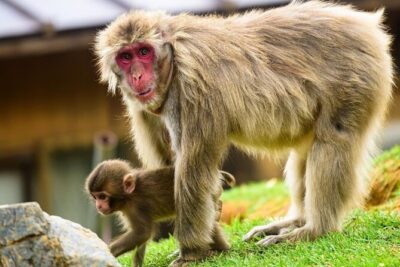
Kyoto Arashiyama Walking Tour: Bamboo, Monkeys, Gardens & Secrets
Read our review →
Arashiyama Bamboo, Temple, Monkeys, or Secret Sake Brewery
Read our review →
Arashiyama Bamboo Forest, Monkeys, Matcha & Temple Tour
Read our review →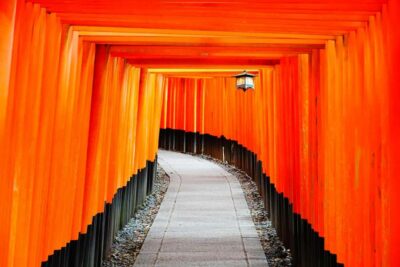
Osaka/Kyoto: Arashiyama, Nara & Fushimi Inari Shrine w/Lunch
Read our review →
Nijo, Kinkaku-ji, Arashiyama, Kiyomizu & Fushimi Inari
Read our review →
Arashiyama Bamboo Forest & Hidden Gems Bike Tour (Early Bird)
Read our review →Browse the lists this tour appears in