
REVIEW · ARASHIYAMA BAMBOO TOURS
Kyoto: Descending Arashiyama (Private)
Arashiyama is much more than its famous bamboo path. This private walking tour takes you from the busy Togetsukyo Bridge toward quieter temples, a moss garden, 1,200 stone Buddhas, and a traditional tea stop. The route gives you a fuller picture of the district instead of stopping at one crowded photo spot.
I like the mix of major sights and less familiar places, especially Otagi Nenbutsu-ji and its expressive stone statues. I also like having a guide such as Andrew to explain gardens, temple customs, and the stories behind each stop. The main drawback is cost: $690 covers up to four people, but each person also needs 5,000 yen in cash for admissions, plus lunch.
In This Review
- Key points to know before you book
- Why this Arashiyama route feels different
- Togetsukyo Bridge begins the morning
- Tenryu-ji brings in the classic Zen garden
- Otagi Nenbutsu-ji is the day’s great surprise
- Tea and sweets at Ayuchaya Hiranoya
- Adashino Nembutsu-ji trades crowds for atmosphere
- Gio-ji offers moss, shade, and a smaller scale
- Okochi Sanso Garden rewards the climb
- The final bamboo walk is famous for a reason
- What the $690 group price really covers
- Walking, strollers, and weather
- Who will get the most from this tour
- Should you book Kyoto: Descending Arashiyama?
- FAQ
- How long does the Arashiyama tour last?
- Where does the tour start and finish?
- How many people can join the tour?
- Are admission tickets included?
- Is lunch included?
- What happens if the weather is poor?
Key points to know before you book
- The route runs downhill through Arashiyama: You begin near the famous bridge and spend the day moving among temples, gardens, cafes, and bamboo paths.
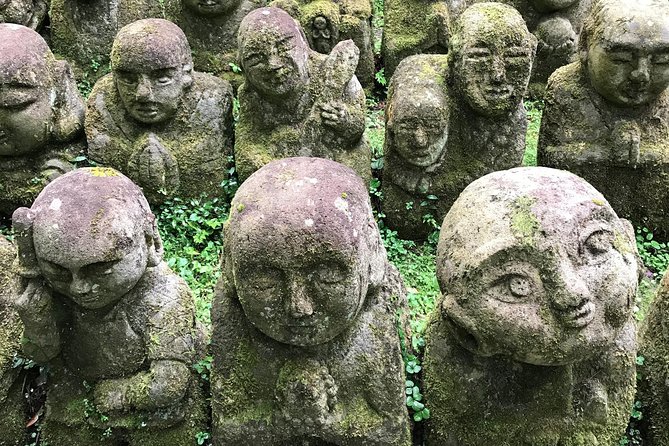
- Otagi Nenbutsu-ji is the tour’s most unusual stop: Its grounds hold about 1,200 stone Buddha figures, each with a different expression.
- You get more than the main bamboo grove: Adashino Nembutsu-ji has a smaller, picturesque bamboo section, while the final Sagano Bamboo Grove brings you to the best-known path.
- The tour is private and guide-led: Your group has the guide to itself, with the advertised small-group capacity listed as up to seven people.
- Budget for extra costs: The tour price is $690 per group of up to four, while admissions require an additional 5,000 yen in cash per person and lunch should stay under 1,500 yen per person.
- Expect a full day on foot: The experience lasts about 7 hours and 30 minutes, and a moderate level of fitness is recommended.
Why this Arashiyama route feels different
Most first visits to Arashiyama revolve around two images: Togetsukyo Bridge and the tall bamboo stalks near the train station. Both are worth seeing, but they reveal only a slice of the district. This route uses those famous sights as bookends for a longer walk through temples, gardens, old lanes, and quieter corners.
I like the direction of travel. You begin at Randen Arashiyama Station Center and move through the district rather than repeatedly retracing your steps. The day ends back at the meeting point, so you do not need to work out a complicated return plan.
The guide matters here. Arashiyama has plenty of temples, but without context they can blur together. Andrew, one of the guides associated with this experience, is praised for using stories to explain gardens, their design, and what their details may represent. That kind of explanation can turn a pretty garden into a place you understand.
The experience is private, though the general capacity is listed as a maximum of seven people. The stated price is for a group of up to four, so larger parties should confirm the exact arrangement before booking. For a couple or family of four, the group price can make more sense than paying separate per-person rates for a private guide.
More arashiyama bamboo tours in Kyoto:
- Kyoto: Fushimi Inari, Kinkakuji, Bamboo Grove 1 Day Bus Tour
★ 4.8 · 4,316 reviews - Osaka/Kyoto:Kinkakuji,Arashiyama,FushimiInariShrine,NaraPark
★ 4.1 · 1,596 reviews - Kyoto/Osaka: Nara, Fushimi Inari Taisha, Arashiyama Bus Tour
★ 4.7 · 1,275 reviews
Togetsukyo Bridge begins the morning
The first stop is Togetsukyo Bridge, one of Kyoto’s most familiar views. You have about 20 minutes here, enough to get your bearings, take photographs, and hear the opening explanation of Arashiyama.
This is a short stop, not a long sightseeing session. That is sensible. The bridge is a visual introduction to the area, while the more distinctive parts of the route come later. If you want extended time along the river, you will need to do that before or after the tour.
The meeting point is at Randen Arashiyama Station Center, and the start time is 9:30 a.m. Arrive ready to walk. The tour moves from site to site on foot, so comfortable shoes matter more than anything fancy.
Tenryu-ji brings in the classic Zen garden
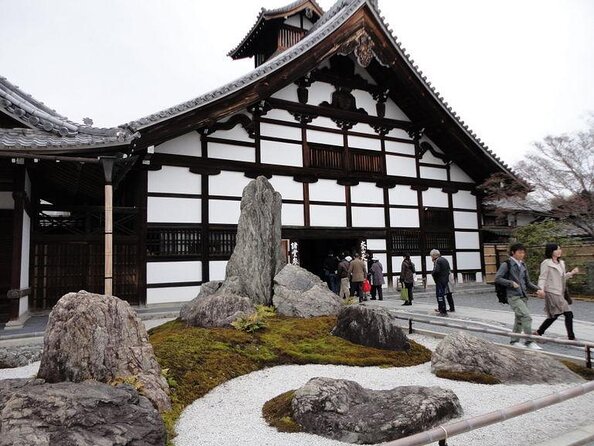
The next hour is spent at Tenryu-ji, one of Japan’s early Zen temples. Its garden is the reason to pay attention here. Rather than simply looking for a beautiful pond or a good photo, listen for how the guide explains the placement of water, rocks, plants, and borrowed scenery.
Tenryu-ji is one of the better-known stops in Arashiyama, so it gives the day a major cultural anchor. You are not only visiting a temple, but also seeing a garden that helps explain Japanese design principles.
Admission is not included. This is one reason the required cash allowance matters. The tour specifically asks each person to bring an additional 5,000 yen for admissions across the day, so keep that money separate and easy to reach.
An hour is a useful amount of time. It allows room for the garden and temple grounds without letting the first major stop consume the entire morning. If you are especially interested in Zen gardens, you may wish you had longer. The advantage is that the route continues to several very different sites.
Otagi Nenbutsu-ji is the day’s great surprise
Otagi Nenbutsu-ji is the stop I would look forward to most. The temple’s roots reach back to the Heian period, and its grounds contain about 1,200 stone Buddha statues. These are not a row of identical figures. Their faces and poses differ, giving the site a more personal and playful character than many formal temple compounds.
You get about an hour here, which gives you time to walk among the statues rather than rush past them. This is the kind of place a guide can make far more meaningful. Andrew’s storytelling style, especially his attention to garden details and their possible meanings, suits a stop where close observation matters.
Otagi Nenbutsu-ji also helps explain the value of this route. You could find the temple on your own, but the day’s appeal is not just locating it. It is understanding why the statues are there, noticing their differences, and placing the temple within Arashiyama’s wider religious setting.
Admission costs extra. The path and grounds require walking, and the tour recommends moderate physical fitness. This is not a difficult mountain hike, but it is a long sightseeing day with many stops.
A few more Kyoto trips to weigh up
- Fushimi Inari Hidden Hiking Tour (Private Option Available)
★ 5.0 · 1,750 reviews - Private Kyoto Tour with a Local, Highlights & Hidden Gems, Personalised
★ 5.0 · 1,543 reviews - Kyoto 6hr Private Tour with Government-Licensed Guide
★ 5.0 · 1,369 reviews - 10 Must-see Spots in Kyoto One Day Private Tour (up to 7 people)
★ 5.0 · 1,108 reviews
Tea and sweets at Ayuchaya Hiranoya
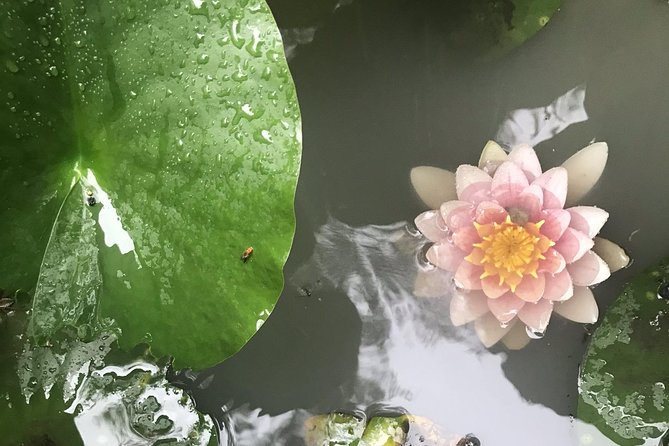
After the temple visits, the schedule allows an hour at Ayuchaya Hiranoya, a cafe with roots in the Edo period. Tea and sweets give you a welcome pause from the walking and a chance to sit with the group and guide.
This stop adds a human scale to the day. Temples can be quiet and formal. A traditional cafe offers a different way to experience Kyoto, through a small ritual of tea, sweets, and conversation.
The cost is not included, so consider this part of your daily budget. Lunch is also separate, and the instructions say it should not exceed 1,500 yen per person. That makes the overall price easier to judge: the $690 booking fee buys the private guide service, but admissions, refreshments, and lunch still come out of your pocket.
The one-hour timing may feel generous if you are not hungry or do not usually linger over tea. For people who enjoy food and local customs, it is a useful break rather than wasted time.
Adashino Nembutsu-ji trades crowds for atmosphere
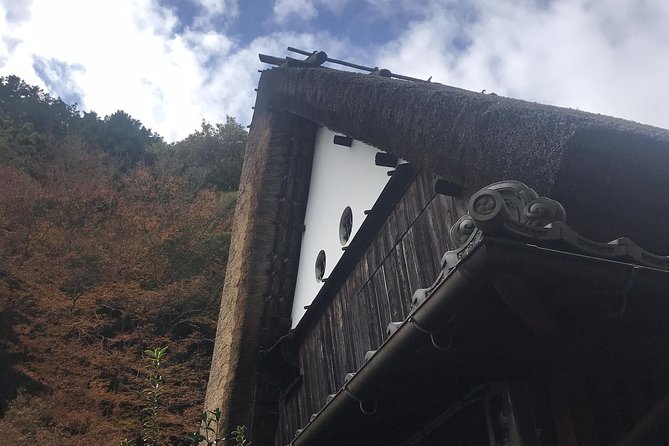
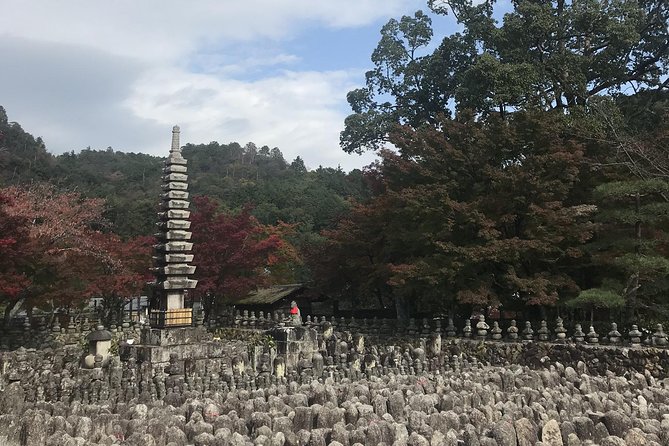
Adashino Nembutsu-ji offers one of the strongest mood changes of the day. More than 8,000 memorial stones from the surrounding mountains are gathered at the site. The scene is solemn, and it asks for a slower, more respectful visit.
You also walk through a small bamboo grove here. That detail matters because it gives you a bamboo experience without relying only on the famous Sagano path. The grove is smaller and more picturesque, while the memorial stones give the stop a deeper sense of place.
The tour spends about an hour at Adashino Nembutsu-ji. A guide can help you understand why the memorial stones were gathered and how the temple differs from the earlier Zen setting. The site is not simply another pretty stop. It brings remembrance and Buddhist practice into the day.
Admission is extra, as it is at the other temples. Keep your cash ready rather than assuming the $690 price covers every entrance.
Gio-ji offers moss, shade, and a smaller scale
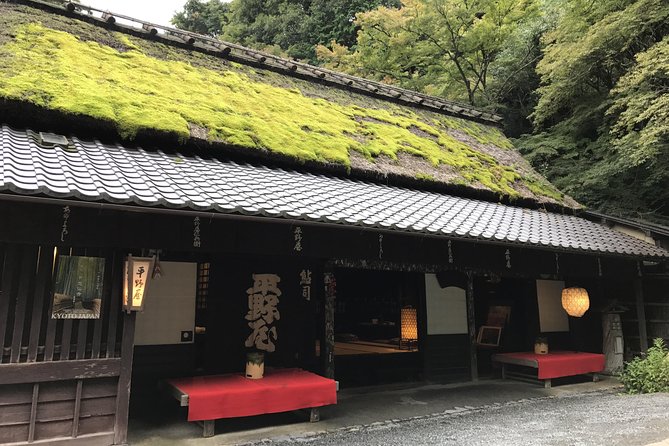
Gio-ji is a short 30-minute stop, but its character is distinct. It was once a nunnery founded by two former geisha, and its moss garden sits among bamboo.
I like the contrast with Tenryu-ji. Tenryu-ji gives you a formal, spacious garden associated with one of Kyoto’s best-known temples. Gio-ji feels more intimate, with moss and bamboo shaping the visit. The shorter timing fits the site, though anyone who loves moss gardens may want more time.
Because the tour moves through several temples in one day, you should not expect an unhurried meditation period at every one. The benefit is range. You see formal Zen design, memorial stones, stone Buddha figures, and a moss garden in one connected route.
Okochi Sanso Garden rewards the climb
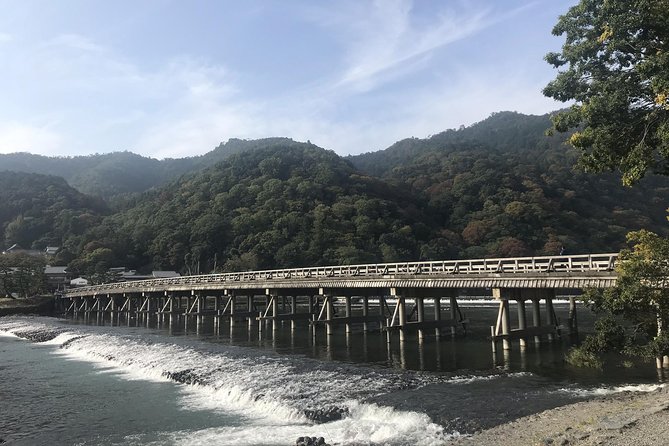
The tour then spends about an hour at Okochi Sanso Garden, the former estate of a well-known silent-film actor. The estate is spread out, and the views from here are described as some of the best in Arashiyama.
This is an important practical point: the day is not flat sightseeing. There are walks between sites, and a sprawling garden usually means more paths and changes in elevation. The moderate-fitness recommendation should be taken seriously if you have trouble walking for several hours.
The payoff is a different view of Arashiyama. Earlier stops focus closely on statues, stones, moss, and temple gardens. Okochi Sanso opens your attention outward, toward the surrounding scenery. A guide can also help you notice how the estate fits into the district instead of treating it as just another viewpoint.
Admission is not included. Allow time for the grounds rather than racing to the next stop. This is one of the places where the full-day format makes sense.
The final bamboo walk is famous for a reason
The last scheduled stop is the Sagano Bamboo Grove, with about 30 minutes on the Bamboo Forest Trail. This is the image many people associate with Arashiyama: tall bamboo rising on both sides of a narrow path.
The timing is brief, but that may be a strength. The main grove can be crowded, and a shorter walk keeps the experience from becoming a long wait for the perfect photograph. By arriving after a full day of quieter temples and gardens, you also see the bamboo in context rather than treating it as the entire destination.
The earlier bamboo section at Adashino Nembutsu-ji helps balance the famous final stop. There, the grove is part of a more reflective temple setting. Here, the bamboo path is the headline sight. Together, they give you two different versions of Arashiyama’s bamboo.
What the $690 group price really covers
The cost is $690 per group of up to four. For a private booking, that works out best when four people share the fee. For one or two people, the price is harder to justify unless having a private guide and a carefully planned route is especially important to you.
The fee includes professional guide service, not entrance tickets, lunch, tea, or sweets. Each person must bring an additional 5,000 yen in cash for admission tickets. Lunch should stay below 1,500 yen per person, and the cafe stop also costs extra.
That means you should compare the total day cost, not just the advertised booking price. In return, you get seven and a half hours of planning, navigation, interpretation, and private attention. You also avoid spending your own time deciding which temples fit together and how to reach the less familiar ones.
The value is strongest for people who want a full Arashiyama day without doing research. It is weaker for independent visitors who are comfortable using maps, choosing only one or two temples, and setting their own pace.
Walking, strollers, and weather
This is a walking tour from site to site, and a moderate level of fitness is recommended. The long duration matters more than any single difficult section. Wear shoes you can use comfortably for a full day and expect to spend much of the experience on your feet.
Strollers can be available while walking between sites, but they are not allowed inside the sites themselves. They can be stored at each site’s reception desk. If you are bringing a small child, plan for repeated transitions between walking, storage, and temple visits.
The experience requires good weather. If poor weather cancels the tour, you can choose another date or receive a full refund. The cancellation deadline for a full refund is at least 24 hours before the start time. Changes or cancellations made later are not accepted.
Who will get the most from this tour
I would choose this experience for a first-time Kyoto visitor who wants Arashiyama explained rather than simply photographed. It also suits families or friends who can share the private group price and prefer a fixed route with a guide.
It is particularly good for people interested in gardens, Buddhist sites, local stories, and quieter corners. The mix of Otagi Nenbutsu-ji, Adashino Nembutsu-ji, Gio-ji, and Okochi Sanso gives the day more depth than a bridge-and-bamboo outing.
I would hesitate if you dislike long walks, want lots of free time, or prefer to decide spontaneously how long to stay at each temple. The schedule is full, and the 30-minute visit at Gio-ji or the bamboo grove may feel short to serious photographers.
Should you book Kyoto: Descending Arashiyama?
Book it if you want a guided, private day with strong cultural variety, and if the group price works for your party. The route covers famous Arashiyama sights while giving proper time to places many people skip, especially Otagi Nenbutsu-ji and its 1,200 stone Buddhas.
Think twice if your priority is a cheap outing or a slow, self-directed temple day. The required admissions and separate meal costs raise the final bill, and the full schedule demands steady walking.
For four people who value good storytelling, smooth navigation, and a broad look at Arashiyama, this is a sensible splurge. For solo visitors or couples on a tight budget, compare the private fee with the cost of arranging a shorter independent visit.
FAQ
How long does the Arashiyama tour last?
The experience lasts approximately 7 hours and 30 minutes. It begins at 9:30 a.m. and ends back at the meeting point.
Where does the tour start and finish?
The meeting point is Randen Arashiyama Station Center at 20-2 Tsukurimichi-cho in Kyoto. The tour ends back at the same meeting point.
How many people can join the tour?
The activity is private, so only your group participates. The price covers up to four people, while the general tour information lists a maximum of seven travelers.
Are admission tickets included?
No. Each person must bring an additional 5,000 yen in cash for admission tickets. Lunch, tea, and sweets are also separate costs.
Is lunch included?
No. Lunch is not included, and the stated guidance is that lunch should not cost more than 1,500 yen per person.
What happens if the weather is poor?
The experience requires good weather. If it is canceled because of poor weather, you can select another date or receive a full refund.
Just added around Kyoto
- Private Guided Traditional Buddhist Cooking in Japan★ 5.0 · 16 reviews
- Kyoto: Gion Geisha District & Sake-in-Hand Walking Tour★ 5.0 · 37 reviews
- Your Private Vacation Photography Session In Kyoto★ 5.0 · 110 reviews
- Kyoto: Zen Meditation at a Private Temple with a Monk★ 5.0 · 25 reviews
- Traditional Japanese Washi Papermaking- Kyoto morning★ 5.0 · 77 reviews
- Kyoto Wagashi(Japanese sweets) Cooking Class near Fushimiinari★ 5.0 · 60 reviews
- Private Pewter Sake Cup Experience with a Kyoto Artisan★ 5.0 · 31 reviews
- Kyoto Private 6 hour Tour: English Speaking Driver Only, No Guide★ 5.0 · 88 reviews
Arashiyama Bamboo Tours, compared.
Osaka/Kyoto:Kinkakuji,Arashiyama,FushimiInariShrine,NaraPark
Read our review →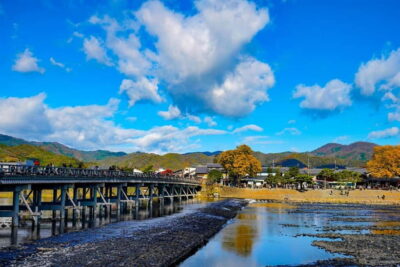
Kyoto/Osaka: Nara, Fushimi Inari Taisha, Arashiyama Bus Tour
Read our review →
Kyoto Arashiyama Walking Tour: Bamboo, Monkeys, Gardens & Secrets
Read our review →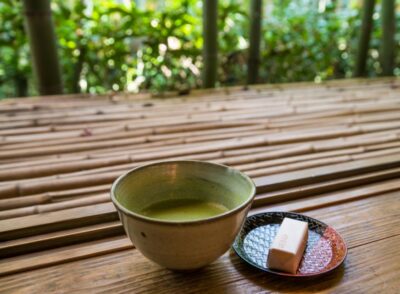
Arashiyama Bamboo, Temple, Monkeys, or Secret Sake Brewery
Read our review →
Arashiyama Bamboo Forest, Monkeys, Matcha & Temple Tour
Read our review →
Osaka/Kyoto: Arashiyama, Nara & Fushimi Inari Shrine w/Lunch
Read our review →
Nijo, Kinkaku-ji, Arashiyama, Kiyomizu & Fushimi Inari
Read our review →
Arashiyama Bamboo Forest & Hidden Gems Bike Tour (Early Bird)
Read our review →Browse the lists this tour appears in