
REVIEW · KIMONO & CULTURE EXPERIENCES
Kanazawa: Samurai Residence Remains Nomura Family admission
The Nomura Family Samurai Residence gives you a rare look at samurai life inside a 400-year-old home. The house belonged to Nomura Denbei Nobusada, a loyal retainer of Maeda Toshiie, and it remains the only publicly accessible building and garden in Kanazawa’s historic Nagamachi Samurai District.
I like two things in particular: the quiet Japanese garden, which gives the visit a calm center, and the small details of the house, from its woodwork to its historic objects. At about $3.55 per person, admission is easy to fit into a day of sightseeing. The main drawback is that this is an unescorted admission visit, so you should not expect a guide to explain every object or solve ticket problems at the door.
In This Review
- Key points to know
- Entering Kanazawa’s Nagamachi Samurai District
- The Nomura Family Home and Its 400-Year Story
- The Japanese Garden at the Center of the Visit
- Artifacts, Furniture, and Small Details
- A Possible Tea Break in a Private Area
- What the $3.55 Admission Delivers
- Rules That Shape the Visit
- Who Will Enjoy This Residence Most?
- A Simple Plan for Your Visit
- Should You Book the Nomura Residence?
- FAQ
- Where is the Nomura Family Samurai Residence?
- How much does admission cost?
- How long is the ticket valid?
- What does the ticket include?
- Do children under six need a ticket?
- Do I need to remove my shoes?
- Can I take photographs inside?
- Can I bring food, drinks, luggage, or an umbrella?
Key points to know
- A rare samurai interior: Enter the former home of Nomura Denbei Nobusada, a retainer of Maeda Toshiie.
- A garden worth slowing down for: The Japanese garden is one of the most peaceful parts of the visit.
- Shoes come off at the entrance: Wear socks and avoid bringing bulky luggage or large bags.
- Look, but do not touch: Furniture, displays, and artifacts are protected and must be left alone.
- A small extra pleasure: A private area may offer the chance to drink tea, depending on what is available during your visit.
- Check your entry code: One booking problem involved a missing QR code, so make sure your ticket is ready before arriving.
Entering Kanazawa’s Nagamachi Samurai District
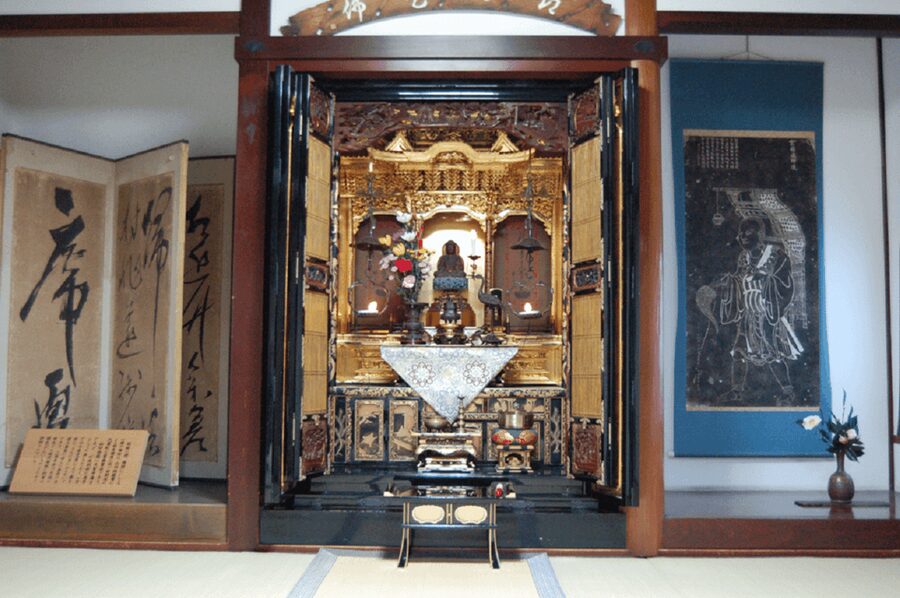
The residence is in Nagamachi, the historic samurai district of Kanazawa. You go directly to the Kanazawa Samurai Residence at 36.5642325, 136.6501985, rather than meeting a guide elsewhere.
That direct arrival is simple. You do not need to organize transport as part of this experience, and there is no group departure to catch. Your admission is valid for one day, with starting times shown when you check availability.
The location matters because the house is not an isolated museum display. It sits within the district associated with samurai households, giving the visit a stronger sense of place. The experience is still focused on one residence, but the surrounding area helps you picture the setting in which families such as the Nomuras lived.
I would plan this as one stop within a wider walk around Nagamachi. The ticket itself does not include a guided district tour, so you should arrive with realistic expectations: this is a close look at one preserved home and garden, not a full history tour of Kanazawa’s samurai quarter.
More Kimono & Culture Experiences in Kanazawa
- Kanazawa: Samurai, Matcha, Gardens and Geisha Full-Day Tour
★ 4.9 · 75 reviews - Full-Day Tour from Kanazawa: Samurai, Matcha, Gardens and Geisha
★ 5.0 · 68 reviews - Try Mindful Calligraphy Near Kanazawa’s Ninja Temple
★ 5.0 · 50 reviews
The Nomura Family Home and Its 400-Year Story
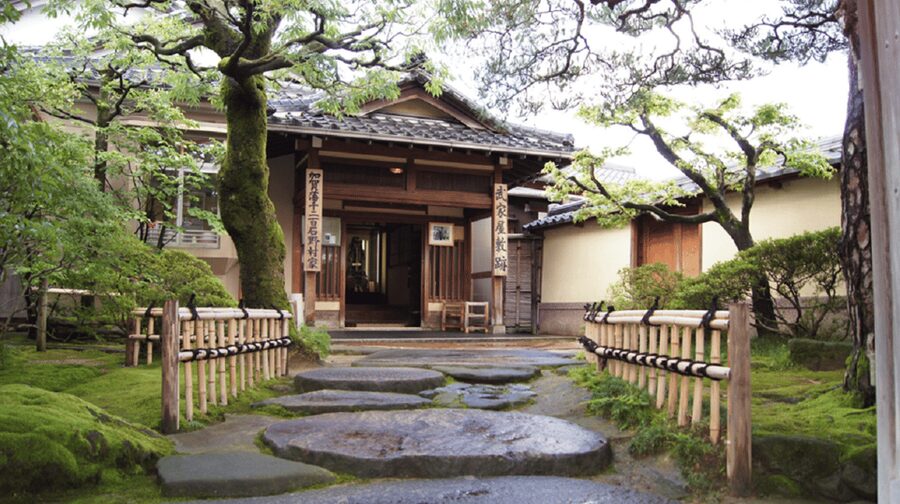
The house was the home of Nomura Denbei Nobusada, described as a loyal retainer of Maeda Toshiie. That detail gives the rooms a human focus. You are not simply looking at an anonymous old building. You are entering the former home of a named samurai family whose position was connected to one of Kanazawa’s important historical leaders.
The residence dates back more than 400 years, though you should not expect every part of the interior to look untouched or unchanged. Its value comes from the preserved architectural character and the chance to see domestic spaces linked to the samurai class.
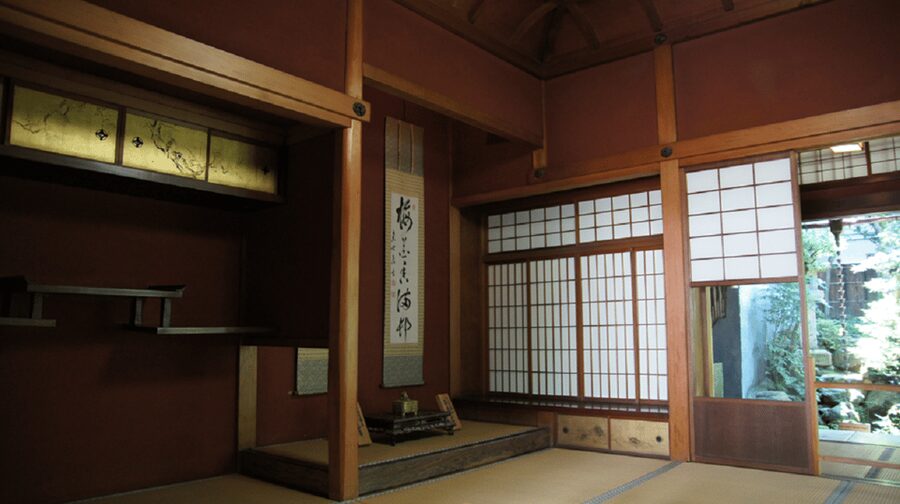
Pay attention to the construction. The appeal is not only in large rooms or grand displays. Intricate architectural details reward a slow look, especially if you are interested in Japanese woodwork, room proportions, and the way a traditional home frames views into its garden.
The house is compact enough to explore without committing half a day. That makes it useful for a busy Kanazawa schedule. At the same time, a rushed visit would miss much of its appeal. I would avoid treating it as a quick photograph stop. The house works best when you pause at each room, notice how the building opens toward the garden, and consider how different daily life must have been in a samurai household centuries ago.
Because this is a historic residence, the visit follows house rules rather than museum convenience. You remove your shoes before entering. Smoking, food, drinks, umbrellas, luggage, and large bags are not allowed. These restrictions may feel strict if you are carrying shopping or rain gear, but they protect a fragile wooden interior.
The Japanese Garden at the Center of the Visit
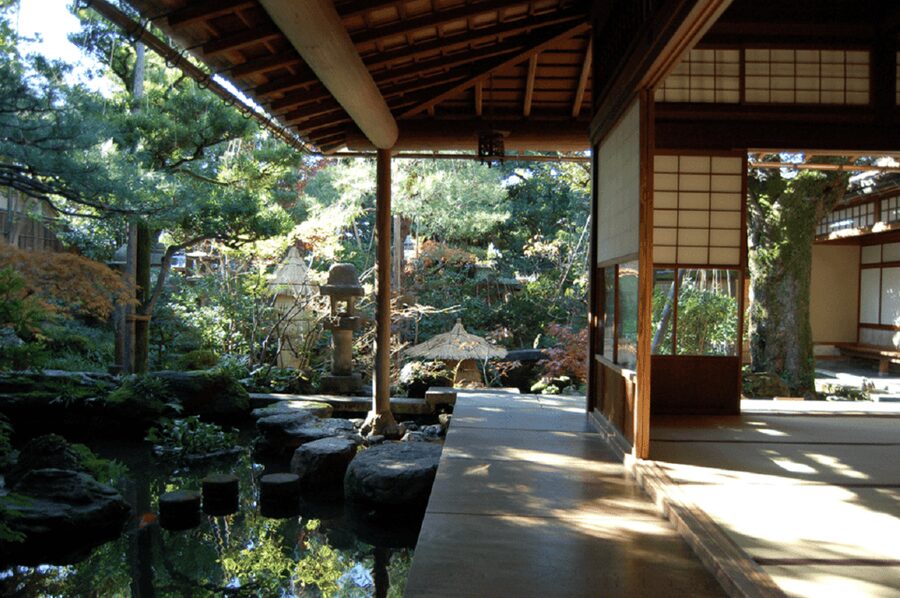
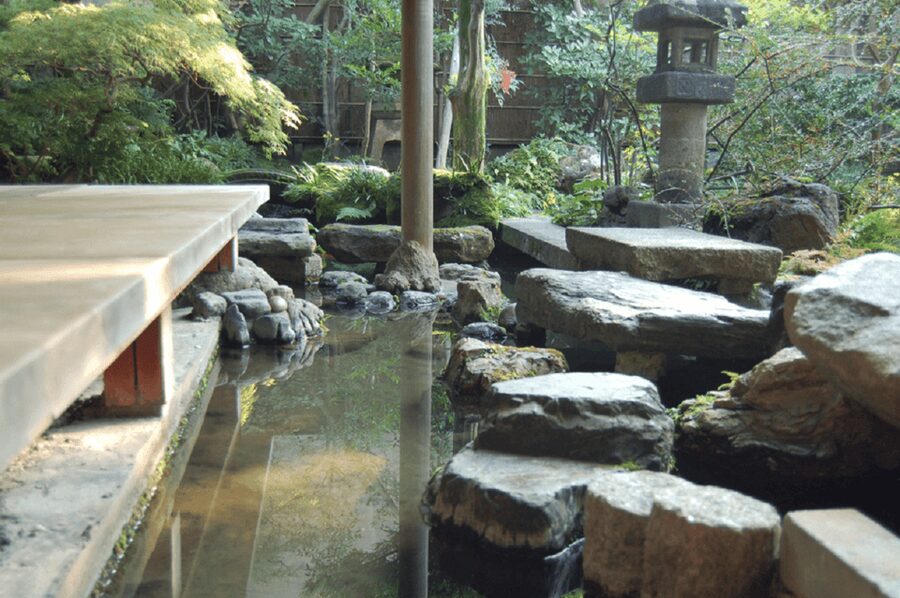
The garden is one of the strongest reasons to pay the small admission fee. It gives the residence a quiet visual focus and shows how the building and garden were meant to work together.
From inside, you can admire the garden as part of the architecture rather than as a separate outdoor attraction. Japanese homes often make careful use of framed views, and here the garden helps you understand why the rooms are arranged as they are. Even if you are not an expert in garden design, you can appreciate the contrast between the orderly interior and the softer outdoor setting.
I like this part because it slows the visit down. The artifacts tell you about the household, while the garden gives you a place to think about the setting. The two parts belong together.
The garden is serene, but do not expect a large park. This is a residence garden, not a sprawling public garden with long paths. Its appeal is in the view and the atmosphere. If you want a major garden excursion, you may need another attraction in your Kanazawa plan. If you want a compact, peaceful garden attached to a historic house, this admission is a good fit.
One useful tip: allow yourself enough time to sit or pause where permitted. The experience is not improved by racing from room to room. Quiet observation is part of the point.
Artifacts, Furniture, and Small Details
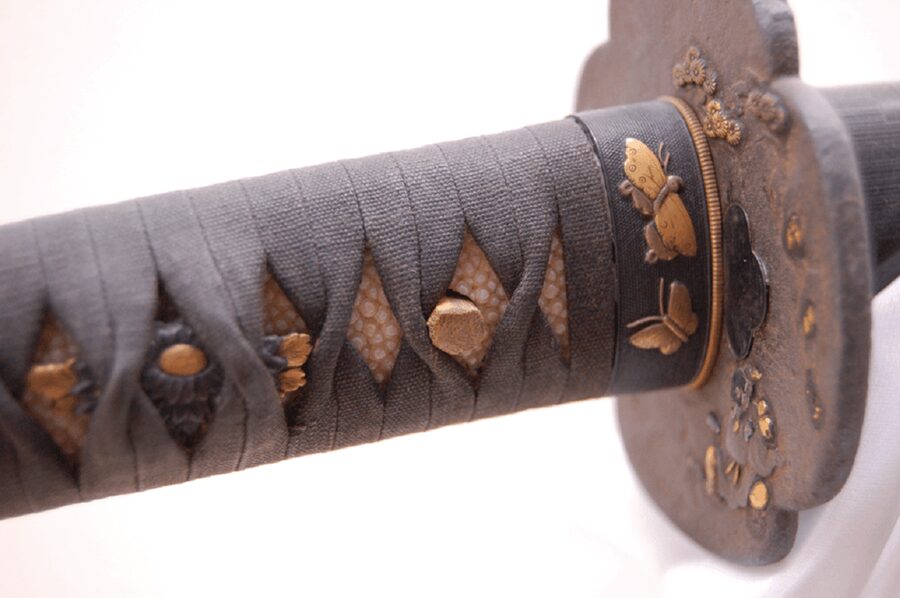
The residence contains historical samurai artifacts, furniture, and displays. These objects help make the building feel like a home connected to real people rather than an empty shell.
You must not touch anything. That includes the artifacts, furniture, and displays. Flash photography and tripods are also prohibited inside, although ordinary photography is allowed. Commercial photography or filming requires advance approval.
The no-flash rule is important for two reasons. It protects the objects and keeps the interior calm for everyone. You can take photographs, but you will get more from the visit if you first look carefully and use your camera selectively.
The objects may be especially useful if you have already seen samurai armor or weapons in larger museums and want a domestic setting to go with them. Here, the focus is not only on military identity. The house, garden, rooms, and household objects help you think about how samurai status shaped everyday surroundings.
The displays may not answer every question on their own. Since no guide is included in the admission, you should be prepared to read at your own pace and form your own understanding. That is a benefit if you like quiet museum visits. It can be a limitation if you want a detailed explanation of each artifact.
Inside, keep your voice low and follow staff instructions. The residence is a place for close attention, not a lively attraction built around entertainment.
Same city, a completely different kind of day:
- World Heritage Shirakawa-go and Experience Tours from Kanazawa
★ 5.0 · 4,049 reviews - Kanazawa: Kenrokuen Tea Ceremony Experience
★ 4.8 · 1,139 reviews - Kanazawa Half Day Tour (Private Guide)
★ 5.0 · 361 reviews - Kanazawa Full Day Tour (Private Guide)
★ 5.0 · 323 reviews
A Possible Tea Break in a Private Area
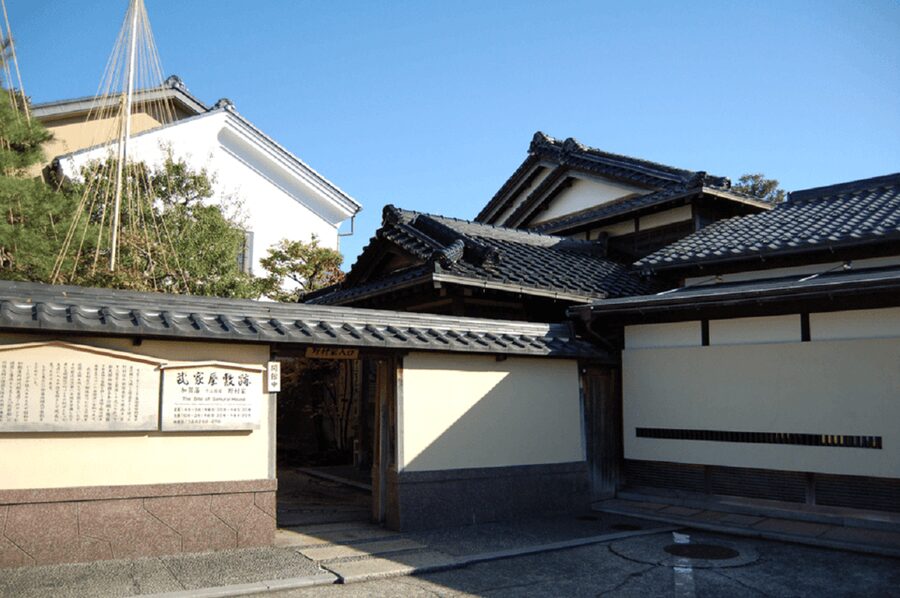
One Italian visitor described the setting as attractive and traditional, with the possibility of drinking tea in a private area. Treat this as a pleasant possibility rather than a guaranteed part of the admission. The supplied details confirm the opportunity may exist, but they do not state that tea is included in the ticket or available at every visit.
If it is offered during your visit, tea can make a natural ending to the house and garden experience. The setting suits a quiet pause after looking at the rooms and displays.
Do not plan your schedule around it unless staff confirm the arrangement. The core ticket includes admission to the Kanazawa Nomura Samurai Residence. It does not list a tea service as an included feature.
What the $3.55 Admission Delivers
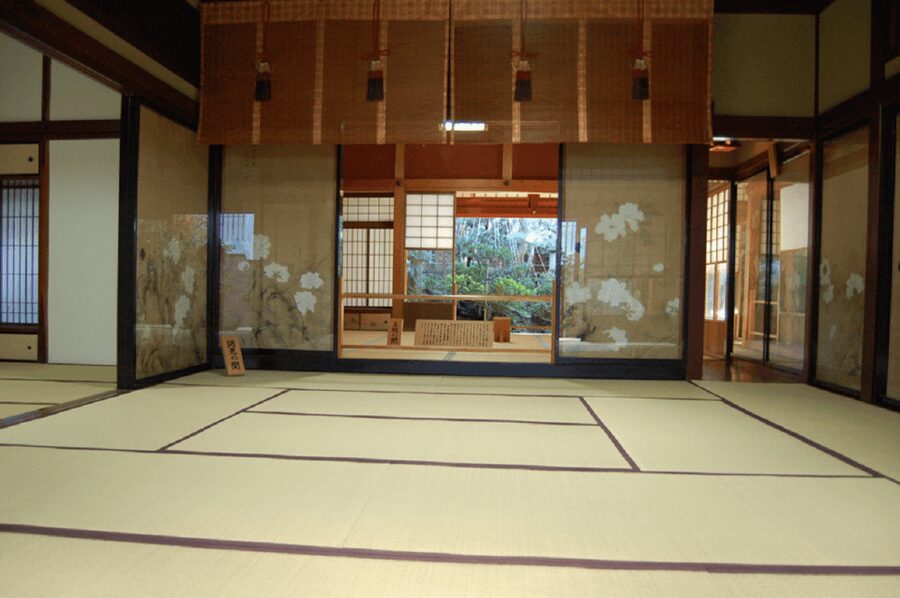
At $3.55 per person, this is a low-cost cultural stop. The value comes from the combination of access to a historic home, a garden, samurai artifacts, and architectural details in one compact visit.
You are paying for access, not a full guided program. There is no guide name provided, and the admission does not promise commentary, transport, food, or a district walking tour. If you enjoy examining historic buildings on your own, the price is excellent. If you need a detailed spoken explanation, you may find the experience less satisfying unless you bring your own background reading.
The one-day validity gives you some flexibility. You can check the available starting times and fit the visit around other plans in Kanazawa. Since the ticket is non-refundable, check the date, time, and entry instructions carefully before you pay.
There is also a practical ticket warning. One person arrived without receiving a QR code and was unable to enter. That makes it wise to confirm that your booking has produced the required code before you leave for the residence. If the code is missing, contact the booking provider, GlobalTix JP, before standing at the entrance.
This is a small price, but a failed entry would still waste time. Good preparation costs nothing and matters here.
Rules That Shape the Visit
The rules are strict because the building and its contents are historic. You remove your shoes before entering, so comfortable socks are a sensible choice. Shoes are not the only concern. Large bags and luggage are not allowed, and umbrellas must also stay out.
Food and drinks are prohibited inside. Smoking is not allowed. Photography is permitted, but you cannot use flash or tripods. Commercial photography and filming need prior approval.
These limits may affect your route through the district. If you are carrying a suitcase, a large day bag, or a wet umbrella, arrange storage before you arrive. The supplied information does not state that storage is available at the residence, so do not assume you can leave bulky items there.
Children under six enter free. The residence asks for quiet and respectful behavior, which makes it a better choice for children who can follow museum rules. The historic design also means some areas may not be wheelchair accessible. If access is essential to your plans, confirm current conditions before booking.
Who Will Enjoy This Residence Most?
I would recommend this admission to you if you like historic houses, Japanese gardens, traditional architecture, or samurai-era objects. It also suits anyone who wants a quiet cultural stop that does not require a full-day tour group.
It is particularly useful for independent sightseers. You arrive directly, enter with your ticket, and explore at your own pace. The $3.55 price also makes it an easy addition to a Kanazawa itinerary without a major budget decision.
Families should consider the shoe removal, quiet interior, and no-touch rules. Young children under six enter free, but the residence is not designed as an interactive attraction.
You may want to skip it if you are looking for a long, guided lecture, broad coverage of Kanazawa history, or an accessible building with modern facilities throughout. The house is preserved precisely because it is old, and that brings limits as well as charm.
A Simple Plan for Your Visit
Before leaving for Nagamachi, check your starting time and make sure your QR code is available. Travel light, leave large bags and umbrellas elsewhere, and wear socks you are comfortable walking in after removing your shoes.
At the entrance, proceed directly to the residence for ticket redemption. Once inside, begin with the structure itself. Notice the woodwork, room layout, and views toward the garden before concentrating on individual objects.
Next, take time with the artifacts and furniture. Do not touch displays, and use photography sparingly without flash or a tripod. If a tea opportunity is available in the private area, ask staff whether it is part of your visit or an additional option.
End with the garden view. It is easy to hurry through a small attraction, but the garden is where the house’s design makes the most sense. Keep your voice low, follow staff directions, and leave with enough time to continue exploring Nagamachi.
Should You Book the Nomura Residence?
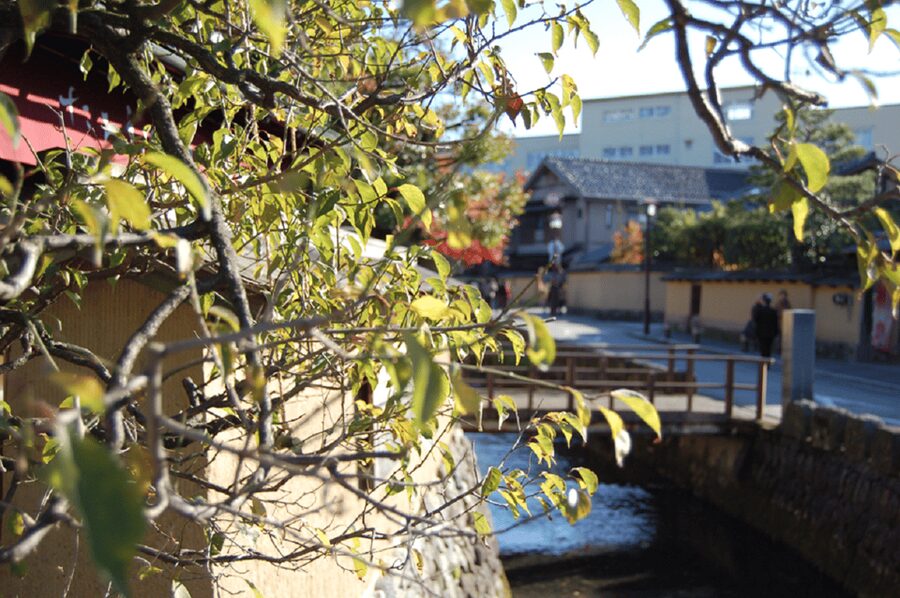
Book it if you want an affordable, self-guided look at samurai domestic life in Kanazawa. The historic home and serene garden offer more substance than the low ticket price suggests, especially for visitors who enjoy architecture and quiet cultural sites.
Skip it if you need a guided explanation at every stop or cannot manage the shoe removal and restrictions on bags. Before booking, confirm your QR code and make sure the date works, since the ticket is non-refundable. For most independent visitors already exploring Nagamachi, this is a sensible short stop with authentic atmosphere and a fair price.
FAQ
Where is the Nomura Family Samurai Residence?
The residence is in Kanazawa’s Nagamachi Samurai District, at coordinates 36.5642325, 136.6501985.
How much does admission cost?
The listed price is $3.55 per person.
How long is the ticket valid?
The admission is valid for one day. Check availability for the available starting times.
What does the ticket include?
It includes admission to the Kanazawa Nomura Samurai Residence.
Do children under six need a ticket?
Children under six years old can enter free.
Do I need to remove my shoes?
Yes. Shoes must be removed before entering the residence.
Can I take photographs inside?
Yes, photography is allowed, but flash photography and tripods are not allowed inside. Commercial photography or filming requires prior approval.
Can I bring food, drinks, luggage, or an umbrella?
No. Food, drinks, luggage, large bags, and umbrellas are not allowed. Smoking is also prohibited.
Just added around Kanazawa
- Shirakawa-go, Gokayama & Takayama Private Tour From Kanazawa★ 4.7 · 21 reviews
- From Kanazawa/Toyama: Shirakawago and Takayama Day Tour★ 4.7 · 82 reviews
- Kanazawa:Traditional Experience -kimono rent at wargo★ 4.7 · 30 reviews
- Kanazawa: Samurai Swordsmanship Lesson at a rented temple★ 5.0 · 21 reviews
- Kanazawa: Private Tour with Local Guide★ 4.9 · 70 reviews
- Kanazawa: Private Food Tasting Walking Tour★ 4.7 · 25 reviews
- Kanazawa Historic Brewery: Fermentation Tour, Tasting, Lunch★ 4.9 · 15 reviews
- Kanazawa: Private Custom Tour with Local Guide★ 4.9 · 20 reviews
Kimono & Culture Experiences, compared.
Kyoto Geisha Walking Tour: Gion District & Hidden Gems
Read our review →
Gion Magical Night Walking Tour with Geisha Trivia
Read our review →
Gion Geisha District Walking Tour – Stories of Geisha
Read our review →
Best of Kyoto: Gion, Geisha, Pagodas & Cobblestones
Read our review →
Kyoto Gion Geisha District Walking Tour – The Stories of Geisha
Read our review →
Browse the lists this tour appears in