
REVIEW · JAPANESE COOKING CLASSES
Kanazawa: Sushi & Japanese Cooking Class at a Historic School
Kanazawa’s best food lesson may be the one that puts a knife in your hand. At the 56-year-old Nakata Cooking School, chef Seiji Nakata guides you through five Japanese dishes, from fresh fish nigiri to Jibuni, a local chicken stew with samurai-era roots. You cook every dish yourself, rather than watching a chef work from the sidelines.
I like the class’s small maximum of eight people, which leaves room for personal help, and I like the clever live translation system on a large screen. The premium fish from Omicho Market and the chance to learn dashi, the base of so much Japanese cooking, add real value.
The main limitation is dietary: the school cannot accommodate vegan diets or anyone avoiding fish-based dashi. The class also moves at a friendly, practical pace, so serious home cooks may find some techniques introductory rather than advanced.
In This Review
- Key points at a glance
- A cooking class three minutes from Kanazawa Station
- Meeting Seiji Nakata and the live translation screen
- Making five Japanese dishes from scratch
- Nigiri sushi with fish from Omicho Market
- Jibuni, Kanazawa’s local stew
- Dashi, the foundation of the meal
- Dashi-maki tamago
- Seasonal side dish and miso soup
- Why the premium knives matter
- What the meal and extras add to the price
- Who will enjoy this class most
- Planning the timing and cancellation
- Should you book the Nakata Cooking School class?
- FAQ
- How long does the cooking class last?
- Where does the activity start and finish?
- How many people can join the class?
- What dishes will I make?
- Can the class accommodate vegan diets?
- What is included in the price?
Key points at a glance
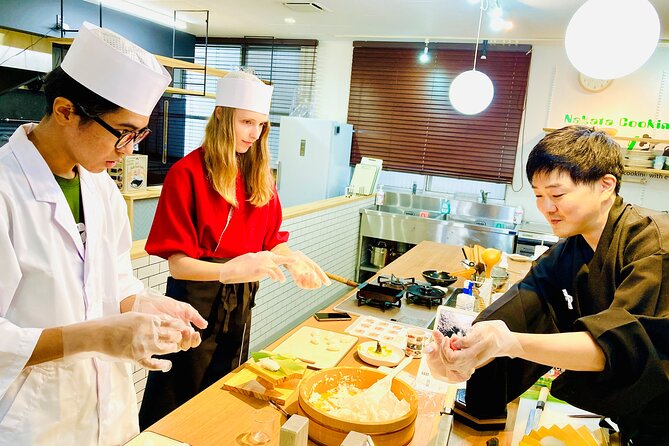
- Five dishes in 2.5 hours: Make nigiri sushi, Jibuni, dashi-maki tamago, dashi broth, and a seasonal side dish with miso soup.
- Three minutes from Kanazawa Station: The central location makes this easy to fit into a short visit.
- Chef Seiji Nakata leads the class: His lively style, Japanese humor, and patient instruction are part of the experience.
- Live AI translation on a large screen: English voice and text support keeps the teaching clear and adds a little comedy.
- Fresh seafood from Omicho Market: The sushi uses seasonal fish selected from Kanazawa’s famous food market.
- Photos, an aperitif, and a certificate: You finish with a meal, a plum wine or sake, and a named Japanese certificate of completion.
A cooking class three minutes from Kanazawa Station
The location is one of the easiest parts of this activity. Nakata Cooking School and Knife Shop sits about three minutes from Kanazawa Station, at Konohanamachi 4-13, on the second floor. That matters in Kanazawa, where you may be fitting a cooking lesson between the station, Omicho Market, Kenrokuen Garden, and the Higashi Chaya district.
The class lasts about two and a half hours. It begins and ends at the school, so you do not spend part of your booked time traveling across town. Transportation is not included, but you are unlikely to need it if you are staying near the station or arriving by train.
This is an appointment-only activity. You receive confirmation when booking, and the class has a maximum of eight people. That small size is a real advantage. Cooking is much more useful when you can ask someone to check your knife angle, rice portion, or omelet technique before the dish reaches the plate.
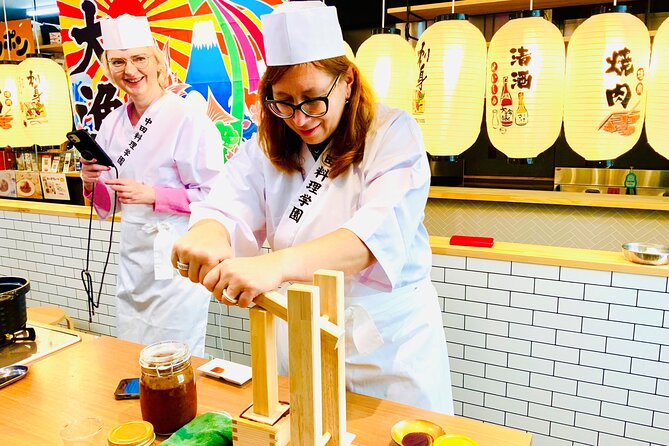
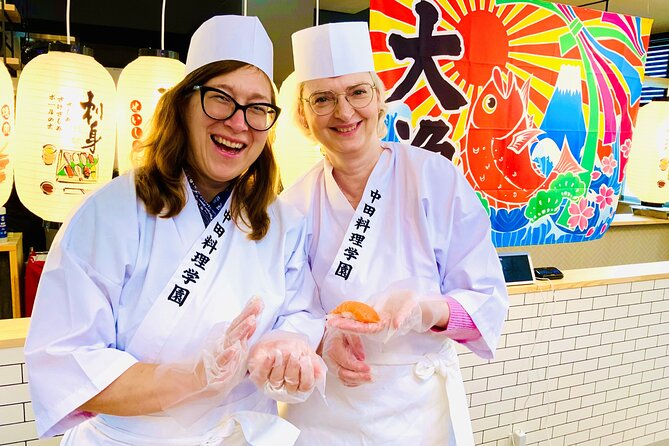
At arrival, you change into a sushi chef-style uniform or apron. It is a small touch, but it helps turn an ordinary cooking lesson into a focused kitchen session. The school is described as warm, clean, and modern, while still carrying the identity of a long-established culinary school.
More japanese cooking classes in Kanazawa:
- Sushi Making Tokyo Roll and Authentic Japanese Sushi Class
★ 5.0 · 3,971 reviews - Tokyo: Roll and Authentic Sushi Making Class in Asakusa
★ 4.9 · 1,957 reviews - Ramen Cooking Class at Ramen Factory in Kyoto
★ 5.0 · 1,937 reviews
Meeting Seiji Nakata and the live translation screen
Chef Seiji Nakata is the main personality of the class. His teaching style is lively, humorous, and hands-on. He also uses some English, but the key communication tool is real-time AI translation displayed on a large screen.
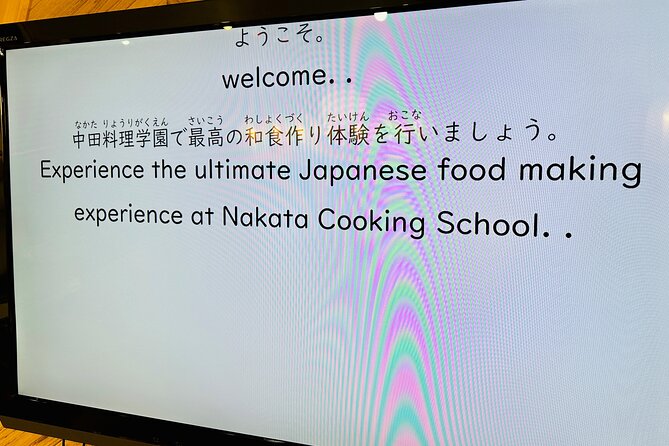
The system provides both voice and text translation. It is practical when Seiji explains a cooking step, but it is also part of the fun. Japanese humor does not always cross a language barrier intact, yet the screen helps everyone follow the conversation and gives the class a relaxed rhythm.
You should not expect a formal lecture delivered in perfect English. Instead, expect a working kitchen where Seiji demonstrates a point, translates it, and then has you try it. The approach suits people who learn by doing. It also works well for families and mixed-age groups, including teenagers who may lose interest in a long cultural talk but enjoy making and eating their own food.
Seiji’s wife, Ikumi, may also help with the class. The atmosphere is welcoming and personal rather than stiff. Photos are taken throughout the session, so you can concentrate on cooking instead of trying to document every step yourself.
Making five Japanese dishes from scratch
The menu gives you a broad look at Japanese home and restaurant cooking. You do not spend the entire class making sushi. That is important, because sushi is only one part of the meal, while dashi, seasoning, knife work, and careful presentation appear across Japanese cuisine.
Nigiri sushi with fish from Omicho Market
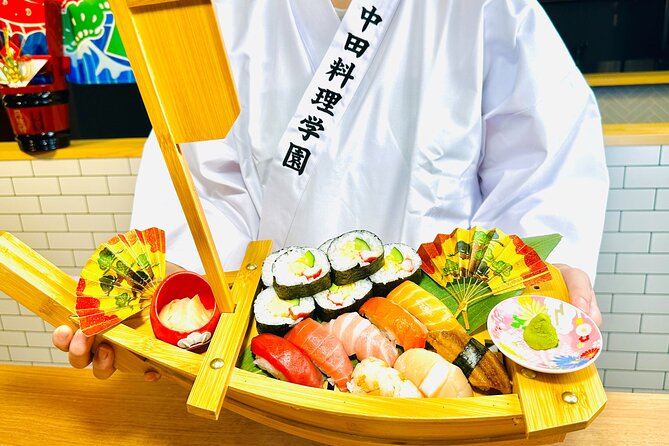
The sushi course uses wild, seasonal fish from Omicho Market, Kanazawa’s best-known food market and a major source for local restaurants. The quality of the seafood is one of the strongest reasons to book this class instead of attempting a supermarket version at home.
You learn how to shape the rice and place the fish correctly. One useful detail from the class is the attention to portion: around 15 grams of rice gives the fish and rice a balanced relationship in your mouth. That sounds small, but it shows the care behind a piece of nigiri that looks simple.
You may also find that sushi is more difficult to shape than it appears. The class is not just about piling fish onto rice. You handle the rice, work on proportions, and learn how small differences affect the finished piece.
The sushi is eaten as part of your final meal. Because you have made it yourself, the course gives you a clearer sense of the work behind a dish that often arrives at a restaurant in a few elegant bites.
A few more Kanazawa trips to weigh up
- Ramen & Gyoza Cooking Class in Tokyo with Local Supermarket Visit
★ 5.0 · 823 reviews - Kyoto: Ramen Cooking Class at a Ramen Factory with Souvenir
★ 4.9 · 532 reviews - Kyoto: Ramen, Gyoza, and Onigiri Cooking Class
★ 5.0 · 445 reviews - Kyoto: Japanese Washoku Bento Small Group Cooking Class
★ 5.0 · 380 reviews
Jibuni, Kanazawa’s local stew
Jibuni is the most place-specific dish on the menu. This Kanazawa specialty is a chicken stew associated with the city’s samurai-era food culture. Learning it gives the class a stronger local connection than a menu made only of internationally familiar dishes.
Jibuni is also a useful reminder that Japanese food is not just sushi and ramen. The dish introduces you to a warm, carefully seasoned preparation that belongs to Kanazawa’s own culinary tradition. Cultural background is explained as you cook, so the meal connects technique with place.
If you are looking for a dish you can repeat at home, Jibuni may be one of the most useful lessons. The sushi is fun and memorable, but a local stew can become part of your regular cooking routine.
Dashi, the foundation of the meal
You make traditional dashi from bonito and kelp. This is one of the most valuable parts of the class because dashi forms the base of many Japanese soups, sauces, and simmered dishes.
The lesson helps you understand why Japanese food can taste full and layered without being heavy. You also use the dashi in other preparations, so you can see how one stock supports several dishes rather than existing as an isolated recipe.
This detail comes with an important restriction. The school cannot accommodate anyone avoiding fish-based dashi, and vegan diets cannot be accepted. If you have another dietary restriction, tell the school at booking. Same-day changes are not possible.
Dashi-maki tamago
The rolled omelet, or dashi-maki tamago, is made with a soft texture and a recipe described as Michelin-style. It is another dish that looks easy until you try to roll it evenly.
You work with the pan and build the omelet in layers. The aim is a tender roll rather than a dry block of egg. This is the sort of skill that benefits from immediate correction, especially when the pan temperature or timing is slightly off.
The omelet adds a welcome change of texture to the meal. It also gives you a practical Japanese breakfast or bento idea to take home.
Seasonal side dish and miso soup
The final elements are a seasonal side dish and miso soup. The exact side dish changes with the season, so the menu reflects what is available rather than following a fixed international script.
You also learn more about knife work and presentation. One example is cutting a star pattern into a mushroom. The step is not required to make the mushroom edible, but Japanese cooking pays close attention to how food looks in the bowl.
That small detail captures the spirit of the class. You are not simply combining ingredients. You learn how shape, texture, aroma, and appearance work together.
Why the premium knives matter
The class provides premium Japanese kitchen knives for use during the lesson. You get a knife skills tutorial before starting, which helps you work with more confidence and care.
This is useful even if you already cook. Japanese knives have their own feel, and learning how to handle one properly is more valuable than being handed a knife and told to chop. The instructor can show you the right approach for the ingredients used in the class.
The school also operates a knife shop, and participants can buy selected Japanese knives at a special price. This is optional, not part of the basic cost. A knife purchase makes sense only if you have room in your luggage, understand your country’s import rules, and genuinely want to maintain and use it at home.
There is also an in-house Knife Museum planned to open in July 2025, with a 10 percent discount for class participants. Since opening details can change, check the current status when booking if the museum is important to your plans.
What the meal and extras add to the price
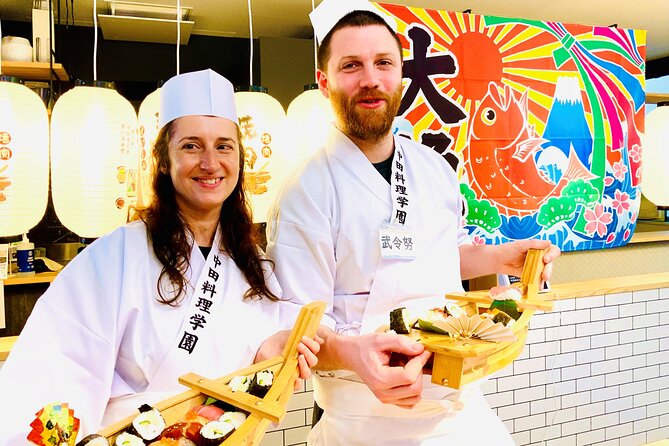
The class costs $99.10 per person. That is not a bargain-basement cooking lesson, but the price includes more than instruction.
You receive:
- Hands-on teaching for five dishes
- All ingredients and a full tasting of what you prepare
- Use of premium Japanese knives
- A chef-style apron or uniform
- One aperitif, either Kanazawa plum wine or local sake
- Live English translation by voice and text
- Photos taken during the class
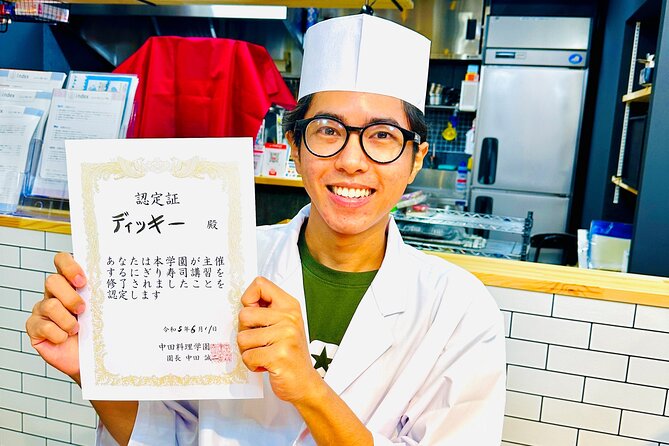
- A Japanese certificate of completion with your name
- An English recipe sent by email the day before the class
The food itself helps justify the cost. Fresh seafood from Omicho Market is not the same as ordinary fish bought for a casual home lesson, and you are preparing a complete meal rather than one recipe.
The photos are another practical benefit. The school takes pictures while you cook and provides them afterward, including by AirDrop when possible. That means you can keep your hands clean and stay focused on the lesson.
The certificate is a pleasant souvenir rather than a professional qualification. It works especially well for families and first-time cooking-class participants who want a tangible reminder of the day.
Additional drinks such as sake, beer, and soft drinks cost extra. Tips are not required.
Who will enjoy this class most
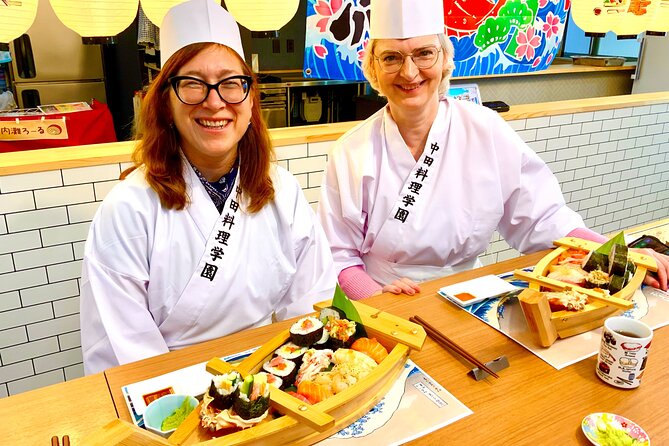
I would recommend this class to you if you like food but also want to understand how it is made. It suits home cooks, curious beginners, couples, families, and small groups of friends.
It is especially good for:
- People with limited time in Kanazawa
- Families with teenagers
- Visitors who want a meal and an activity in one booking
- Home cooks interested in sushi, Japanese stock, and knife work
- Anyone who values local food rather than a generic cooking menu
- Visitors who prefer a small class with direct instruction
You do not need to be an experienced cook. The dishes are practical and the instruction is step by step. At the same time, people who already make sushi may still pick up useful details about rice weight, egg texture, knife handling, or dashi.
This may not suit you if you want a high-level professional course, a quiet class with little conversation, or a fully plant-based meal. The AI translation makes communication possible, but it is still a live class with translation technology, not a lesson conducted entirely in polished English.
Planning the timing and cancellation
The school is near Kanazawa Station, making the class easy to place on an arrival or departure day. Still, allow time to find the appointment-only entrance and arrive ready to start. The activity ends back at the meeting point.
Mobile tickets are provided. You can cancel for a full refund if you do so at least 24 hours before the local start time. Cancellations or changes inside 24 hours are not accepted and are not refunded.
The class requires a minimum number of participants. If the school cancels because that minimum is not met, you are offered another date or experience, or a full refund.
Should you book the Nakata Cooking School class?
Book it if you want a hands-on introduction to Kanazawa food, not just another meal out. The combination of Omicho Market seafood, local Jibuni, dashi instruction, Japanese knives, and a small class gives the experience a strong sense of place.
The best reason to choose it is the balance. You get cultural context, useful cooking skills, a complete meal, and a friendly host without giving up half a day. The live translation system removes much of the language problem, and the photos and certificate make the memory easy to carry home.
Think twice if you need vegan food, must avoid bonito and kelp dashi, or want advanced culinary training. For everyone else, $99.10 is a fair price for a two-and-a-half-hour lesson that combines instruction, ingredients, drinks, photos, and a meal near the station.
FAQ
How long does the cooking class last?
The class lasts approximately 2 hours and 30 minutes.
Where does the activity start and finish?
It starts and finishes at Nakata Cooking School and Knife Shop, at Konohanamachi 4-13, second floor, in Kanazawa. The school is about three minutes from Kanazawa Station.
How many people can join the class?
The activity has a maximum of eight participants.
What dishes will I make?
You will make nigiri sushi, Jibuni chicken stew, dashi-maki tamago rolled omelet, traditional bonito and kelp dashi, plus a seasonal side dish and miso soup.
Can the class accommodate vegan diets?
No. Vegan diets and guests avoiding fish-based dashi cannot be accommodated. Other dietary restrictions must be reported when booking because same-day changes are not possible.
What is included in the price?
The price includes the five-dish hands-on class, ingredients and tasting, premium knife use, chef-style apron rental, one plum wine or sake aperitif, live AI translation, photos, a Japanese certificate with your name, and an English recipe sent by email the day before the class.
More Historical Tours in Kanazawa
- World Heritage Shirakawa-go and Experience Tours from Kanazawa
★ 5.0 · 4,049 reviews - [One-day bus tour departing from Kanazawa Station] Shirakawa-go and Gokayama – Two World Heritage Villages Enjoyable Bus Tour
★ 5.0 · 253 reviews - World Heritage Shirakawa-go Perfect Guided Tour from Kanazawa
★ 5.0 · 220 reviews - [Day trip bus tour from Kanazawa Station] Weekend only! World Heritage Shirakawago Day Bus Tour
★ 5.0 · 46 reviews
More Workshops in Kanazawa
- Kanazawa: Samurai Swordsmanship Lesson at a rented temple
★ 5.0 · 21 reviews - Kyoto: 45-Minute Tea Ceremony Lesson Experience
★ 4.3 · 2,378 reviews - Tokyo Shinjuku Chopsticks Making Class
★ 5.0 · 1,763 reviews - Tokyo: Sushi Making Class in a Happi Coat near a Famous Spot
★ 4.9 · 1,377 reviews
Just added around Kanazawa
- Taste of Kanazawa (Food tasting in Omicho Market & Higashi Chaya)★ 5.0 · 58 reviews
- Takayama and Shirakawago/Photoshoot by professional photographer★ 5.0 · 67 reviews
- Shirakawago & Kanazawa from Kanazawa★ 5.0 · 51 reviews
- Photoshoot session by professional photographer in Kanazawa★ 5.0 · 42 reviews
- Kanazawa private 1 day/Photoshoot by professional photographer★ 5.0 · 33 reviews
- Private Tour of Shirakawago from Kanazawa (Half Day)★ 5.0 · 24 reviews
- Kanazawa private half day/Photoshoot by professional photographer★ 5.0 · 38 reviews
- Omicho Market & Kanazawa Ramen Tasting Tour★ 5.0 · 15 reviews
Japanese Cooking Classes, compared.
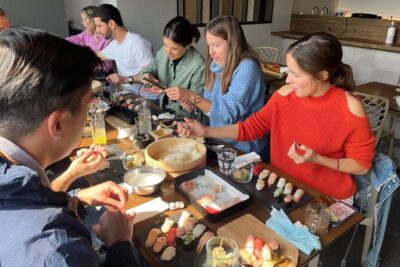
Sushi Making Tokyo Roll and Authentic Japanese Sushi Class
Read our review →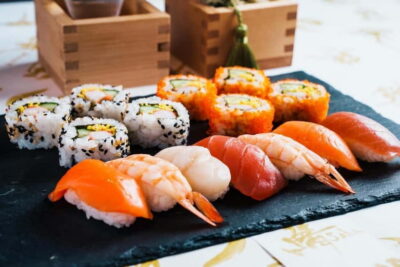
Roll and Authentic Sushi Making Class in Asakusa
Read our review →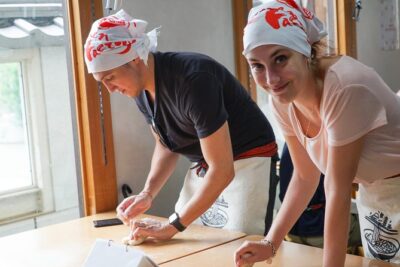
Ramen Cooking Class at Ramen Factory in Kyoto
Read our review →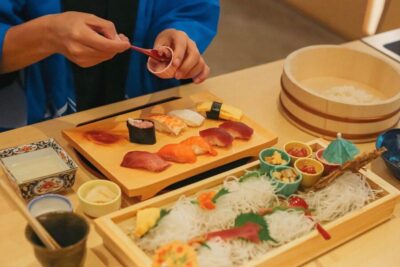
Sushi Making Class in a Happi Coat near a Famous Spot
Read our review →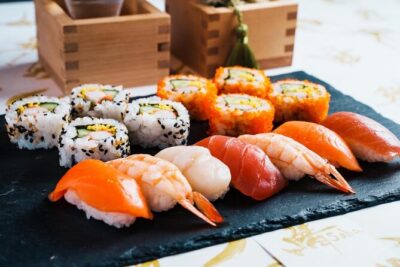
Sushi Making Osaka Roll and Authentic Japanese Sushi Class
Read our review →
Tokyo Sushi Making Class in Tsukiji with Professional Chef
Read our review →
Ramen & Gyoza Cooking Class in Tokyo with Local Supermarket Visit
Read our review →
Tsukiji Fish Market Guided Tour and Sushi Making with Pro Chef
Read our review →Browse the lists this tour appears in