
REVIEW · KIMONO & CULTURE EXPERIENCES
Kanazawa Private Tour: Highlights of an Old Samurai Town
Kanazawa’s best sights fit together neatly on this seven-hour private walking tour, from the seafood stalls of Omicho Market to the quiet rooms of a preserved samurai house. You get a clear look at the city’s castle town past without having to sort out every bus ride or museum entrance yourself.
I like the private format and the guides’ flexibility. Yumiko, Yuri, Kazu, Makiko, Toshiko, and other named guides are praised for friendly English, useful local advice, and adjusting the day to suit food tastes and questions. I also like the route itself: Kenrokuen Garden and Kanazawa Castle give you the grand sights, while the D. T. Suzuki Museum and Nomura Family Samurai House add quieter, more thoughtful stops.
The main caution is physical. This is a walking day over uneven surfaces, and the tour notes that you should wear easy walking shoes and have moderate fitness. Also confirm the pickup details before booking, since the description mentions hotel pickup and drop-off, while the stated meeting point is Kanazawa Station.
In This Review
- Key points at a glance
- Why this route works for a first day in Kanazawa
- Omicho Market: Kanazawa’s kitchen in 40 minutes
- Kanazawa Castle: the Maeda family’s former seat
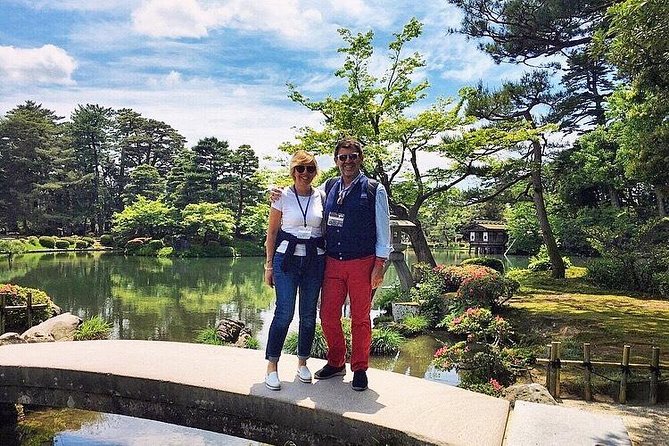
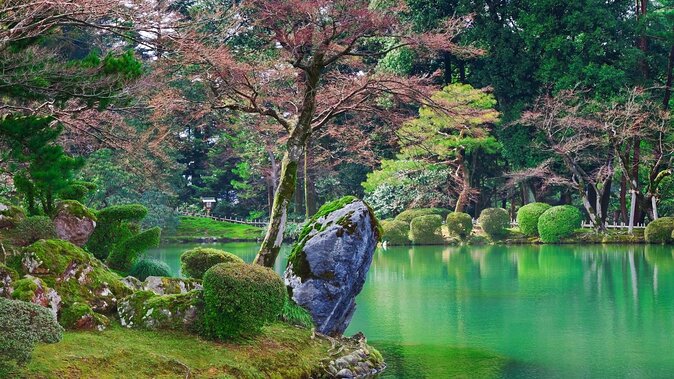
- Kenrokuen Garden: one hour among Japan’s famous gardens
- D. T. Suzuki Museum: a quiet change of pace
- Nomura Family Samurai House: seeing status at home
- What the private guide adds
- Seven hours on foot, with a few practical limits
- Who will get the most from this Kanazawa tour
- Is the Highlights of an Old Samurai Town tour worth booking?
- FAQ
- Where does the tour start?
- Where does the tour end?
- How long does the tour last?
- Is this a private tour?
- Is an English guide included?
- Are entrance fees included?
- Are bus tickets included?
- Is food included?
- What should I wear?
- Can I cancel for a full refund?
Key points at a glance
- Omicho Market starts the day with local flavor: Allow time for seasonal seafood, fruit, and famous Sea of Japan crabs.
- Kanazawa Castle explains the city’s power: You’ll see the former seat of the Maeda family, who ruled the Kaga domain.
- Kenrokuen changes with the seasons: The garden is especially appealing if you want a calm break from city streets.
- The D. T. Suzuki Museum slows the pace: Its simple design and Zen focus offer something different from standard sightseeing.
- Nomura Family Samurai House brings daily life into view: The preserved rooms, displays, and small garden make the old class system easier to understand.
- A private guide adds practical value: Guides can answer side questions, help with buses, and may adjust food or sightseeing choices.
Why this route works for a first day in Kanazawa
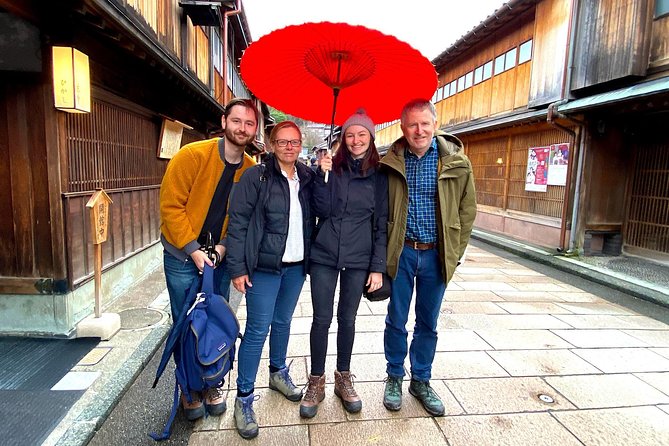
Kanazawa can feel spread out if you are seeing it for the first time. The main sights are walkable in a broad central area, but the city’s story is split between market streets, castle grounds, gardens, museums, and old residential districts. A private guide gives you a thread to follow.
The route also avoids making the day all about one type of attraction. You begin with food and commerce, move into political power at the castle, find beauty in Kenrokuen, pause for Zen thought at the D. T. Suzuki Museum, and finish with samurai life at Nomura Family Samurai House.
That mix is the tour’s real strength. If you visited only the castle and garden, you would see Kanazawa’s grand public face. The samurai house and Suzuki museum add a more personal side.
The group limit is eight people, but this is sold as a private activity, so only your own party participates. That matters if you want to ask plenty of questions or set the pace around children, older relatives, or a particular interest. The exact rhythm will depend on your guide and group, but the planned stops account for roughly four hours and five minutes, leaving the rest of the seven-hour day for walking, buses, transitions, and conversation.
More Kimono & Culture Experiences in Kanazawa
- Kanazawa: Samurai Residence Remains Nomura Family admission
★ 4.4 · 111 reviews - Kanazawa: Samurai, Matcha, Gardens and Geisha Full-Day Tour
★ 4.9 · 75 reviews - Full-Day Tour from Kanazawa: Samurai, Matcha, Gardens and Geisha
★ 5.0 · 68 reviews
Omicho Market: Kanazawa’s kitchen in 40 minutes
Omicho Market is a practical opening stop because it introduces Kanazawa through its food. Seasonal fish and fruit arrive here, and the market is known as the kitchen of local residents. Seafood from the Sea of Japan is a major draw, with crab getting special attention.
The value of a guide here is not just pointing out stalls. You can ask what is seasonal, how the market fits into local life, and which foods suit your tastes. One guide, Yuri, is described as helping shape the day around food preferences and showing a traditional lunch restaurant and a pleasant place for coffee and tea. Those additions are not guaranteed parts of every departure, but the private setup gives you room to ask.
Forty minutes is enough for an introduction, not a full food crawl. If you want to buy snacks or linger over seafood, tell your guide early. Food and drinks are not included in the tour price, so any purchases are yours to cover.
Vegetarian food can be arranged if you mention it at booking. The tour also asks you to provide dietary requirements in advance, which is useful in a market where seafood is likely to dominate the choices.
Kanazawa Castle: the Maeda family’s former seat
Kanazawa Castle was built in 1583 by Toshiie Maeda and served as the residence of 14 generations of the Maeda family of the Kaga clan until 1869. It represents the political center of the old domain and helps explain why Kanazawa developed such strong arts and cultural traditions.
You have about 45 minutes here, with admission included. That is enough for a focused walk and explanation, though not a detailed architectural study of every surviving or reconstructed structure. The Ishikawa Gate and the long barracks building are among the historic elements connected with the castle site.
A guide can make the grounds easier to read. Large castle spaces can otherwise blur into walls, gates, and broad paths. With context about the Maeda rulers and Kaga Hyakumangoku, the site becomes more than a photo stop.
The castle is also a useful contrast with Omicho Market. The market shows the city as a place of work and trade. The castle shows the authority that shaped the region. You get both within the same morning or early afternoon, depending on your start time.
Kenrokuen Garden: one hour among Japan’s famous gardens
Kenrokuen is one of Japan’s three famous national gardens, along with Kairakuen in Mito and Korakuen in Okayama. The garden is designed to offer appealing views in every season, and winter brings its own character through snow-covered trees and traditional supports.
I would give this stop your full attention. One hour is a reasonable amount of time to walk through the main areas without turning the visit into a rushed photo session. The garden is meant to be seen slowly, with pauses for water, stonework, trees, ponds, and changing views.
This is one of the tour’s strongest stops for people who want a breather. After the market and castle, Kenrokuen gives you space to slow down. Your guide can explain what you are seeing, but you will also want a few quiet minutes without constant narration.
Season matters here. In winter, severe weather can change the agenda, and the tour specifically warns that the plan may be adjusted. Wear shoes with good grip and expect uneven surfaces. Easy walking shoes are a better choice than stylish but stiff footwear.
Same city, a completely different kind of day:
- World Heritage Shirakawa-go and Experience Tours from Kanazawa
★ 5.0 · 4,049 reviews - Kanazawa: Kenrokuen Tea Ceremony Experience
★ 4.8 · 1,139 reviews - Kanazawa Half Day Tour (Private Guide)
★ 5.0 · 361 reviews - Kanazawa Full Day Tour (Private Guide)
★ 5.0 · 323 reviews
D. T. Suzuki Museum: a quiet change of pace
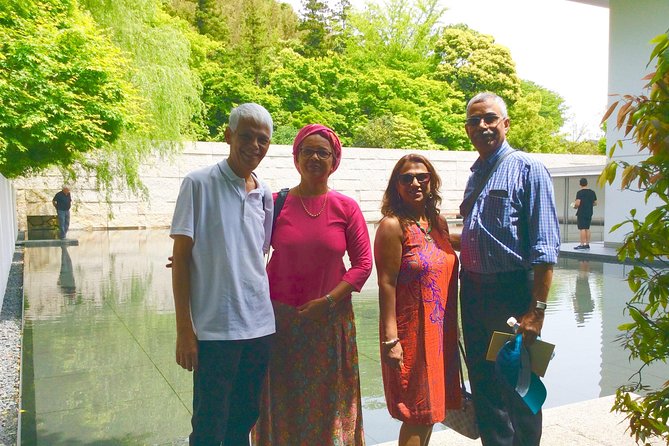
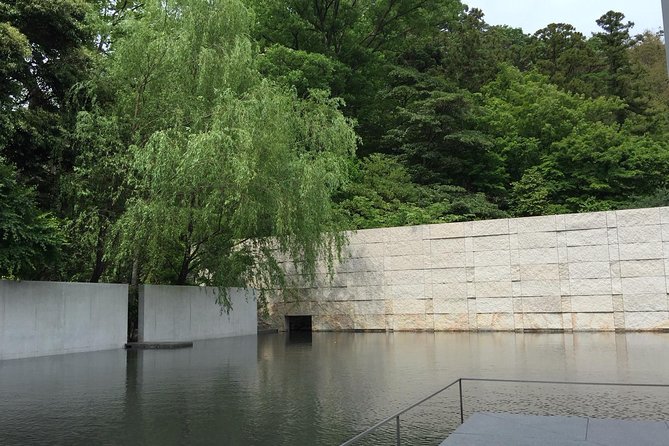
The D. T. Suzuki Museum honors Suzuki Daisetsu, the Kanazawa-born Buddhist philosopher who helped introduce Zen culture to audiences abroad. The building was designed by Yoshio Taniguchi, and the experience centers on thought, space, and quiet rather than a large collection of objects.
You have about 50 minutes here. That makes it a substantial stop, not a quick look between bigger attractions. If you enjoy philosophy, architecture, Buddhist ideas, or calm museum spaces, this may become one of the day’s most memorable visits.
If your main goal is castle architecture or food, the museum may feel more demanding. It is not the kind of place you rush through while checking off exhibits. The appeal comes from the setting and ideas, so I would tell your guide if you want more explanation or more silent time.
This stop also gives the itinerary a welcome change in mood. Kanazawa is often presented through gardens, crafts, and samurai culture. The Suzuki Museum asks you to consider how Japanese thought reached far beyond Japan. That makes the tour broader than a standard old-town walk.
Nomura Family Samurai House: seeing status at home
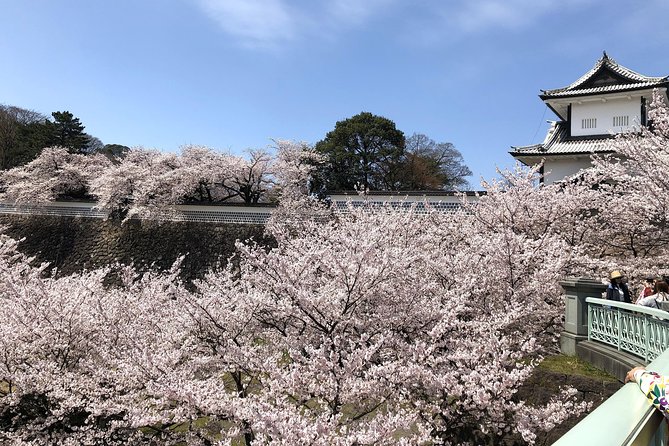
The Nomura Family Samurai House offers a closer look at how a samurai family lived. The preserved house includes displays and a small garden, giving you a more intimate picture than the castle grounds can provide.
You have about 50 minutes here. That is enough time to notice the rooms, household details, garden, and objects on display. The scale is important. A castle can feel formal and distant. A residence shows how rank and taste appeared in domestic life.
The garden attached to the house is a key part of the visit. It is compact, but that is the point. You can connect the interior rooms with the carefully shaped outdoor space and see how beauty was built into daily surroundings.
This stop is especially useful if you are curious about the samurai beyond armor and battle stories. It puts attention on home life, presentation, and the setting of an established family. Your guide can also connect the house to Kanazawa’s wider samurai district, helping you understand why the neighborhood still feels different from the market area.
What the private guide adds
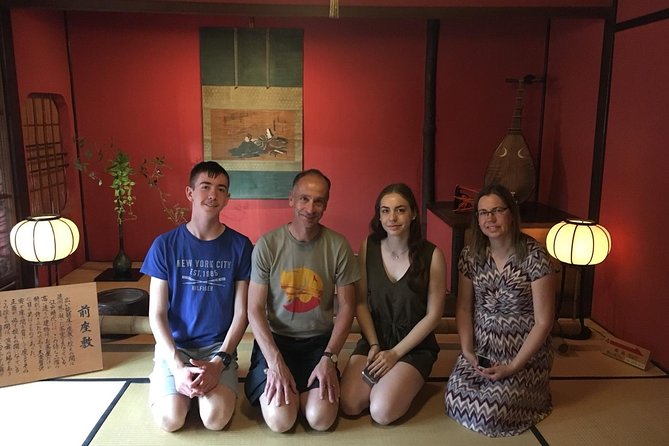
The strongest part of this experience is the human element. Several guides associated with the tour are singled out by name: Yumiko, Yumika, Yuri, Kazu, Makiko, and Toshiko. Their strengths are described in practical terms: clear English, friendliness, flexibility, local explanations, and willingness to help beyond the basic route.
That can mean answering questions about other parts of Japan, suggesting food, helping you learn the local bus system, or assisting with train arrangements. One guide arranged a visit to the Ninja Temple after it was suggested during the day. That visit is not listed as a regular stop, so do not book this tour expecting it, but it shows the kind of adjustment a private guide may be able to make.
The guide’s role is also useful for transport. Bus tickets are included, while private taxis, cars, or buses cost extra. The tour is therefore built around walking and public transportation rather than a private vehicle. That keeps the price lower than a fully chauffeured day, but it means you should expect regular walking and some time spent getting between areas.
The private format is best used actively. Tell your guide what you care about. Ask for more food time if the market interests you. Ask for more historical context at the castle. Request a slower pace at the garden or museum. The more specific you are, the more useful the day can become.
Seven hours on foot, with a few practical limits
The listed price is $171.73 per person. For a private seven-hour tour, that can be fair value if you are traveling with several people and want a guide who handles admissions and bus tickets. All fees and taxes, entrance tickets, English guiding, and bus tickets are included.
The value is weaker for a solo visitor or a couple who prefer to explore independently. Kanazawa’s major sights can be visited without a private guide, and food, drinks, and any private vehicle are extra. You are paying for structure, explanation, and personal attention rather than simply for entry to the attractions.
The tour averages booking 42 days ahead, so plan early if your dates are fixed. Confirmation is sent within 48 hours, subject to availability. The maximum booking size is eight people, and only your group takes part.
There is one logistical point to settle before you go. The experience says hotel pickup and drop-off are offered, but the meeting information identifies Kanazawa Station as the start and end point. Ask the provider to confirm exactly where your guide will meet you and whether hotel pickup applies to your accommodation.
The day is not a good fit if you have a walking disability. The route includes uneven surfaces and mountain paths, and the tour asks for moderate physical fitness. Severe winter weather may also lead to changes in the agenda. Free cancellation is available up to 24 hours before the start time, while cancellations or changes inside that window are not refunded or accepted. If poor weather cancels the experience, you are offered another date or a full refund.
Who will get the most from this Kanazawa tour
I would recommend this experience to a first-time visitor who wants the main sights explained in one organized day. It also suits families and small groups who want their own guide rather than a large shared party.
It is a good match for you if:
- You want history, gardens, food, architecture, and samurai culture in one day.
- You prefer asking questions as you go.
- You want help using buses and finding local food.
- You value a flexible schedule more than a fixed group itinerary.
- You have enough stamina for a long walking day.
I would be more cautious if you want a slow, unstructured day. Five planned stops plus transport can feel full, especially if you want extended time at the market or garden. I would also choose another format if private car transport is important, since that costs extra and is not part of the standard package.
Is the Highlights of an Old Samurai Town tour worth booking?
Book it if you want Kanazawa explained by a local English-speaking guide and you have one day to connect the city’s main sights. The route has a sensible balance: market and samurai house for everyday life, castle for power, garden for beauty, and the Suzuki Museum for quiet reflection.
The clearest reason to choose this tour is the private guide. Guides such as Yumiko, Yuri, Kazu, and Makiko are presented as warm, adaptable people who can make the day feel personal rather than mechanical. Just confirm pickup, prepare for plenty of walking, and tell the provider about dietary needs before you arrive.
If you are comfortable with buses, maps, and arranging your own entrance tickets, you can save money by touring independently. But if you want a well-shaped introduction to Kanazawa with room for questions and local help, this is a strong use of seven hours.
FAQ
Where does the tour start?
The stated meeting point is Kanazawa Station at 1 Kanazawa, Ishikawa. The experience also says hotel pickup and drop-off are offered, so confirm the exact meeting arrangement with the provider.
Where does the tour end?
The activity ends back at the meeting point.
How long does the tour last?
The tour lasts approximately seven hours.
Is this a private tour?
Yes. Only your group participates, with a maximum of eight people per booking.
Is an English guide included?
Yes. An English guide is included.
Are entrance fees included?
Yes. All fees and taxes are included, along with admission for the listed attractions.
Are bus tickets included?
Yes. Bus tickets are included. Private transportation by taxi, car, or bus is available for an extra fee.
Is food included?
No. Food and drinks are not included. Vegetarian options are available if you request them when booking.
What should I wear?
Wear comfortable shoes that are easy to walk in. The route includes uneven surfaces and mountain paths.
Can I cancel for a full refund?
Yes, if you cancel at least 24 hours before the experience start time. Cancellations or changes made less than 24 hours before the start are not refunded or accepted. If severe weather causes the tour to be canceled, you are offered a different date or a full refund.
Just added around Kanazawa
- Kanazawa: Sushi & Japanese Cooking Class at a Historic School★ 5.0 · 66 reviews
- Taste of Kanazawa (Food tasting in Omicho Market & Higashi Chaya)★ 5.0 · 58 reviews
- Photoshoot session by professional photographer in Kanazawa★ 5.0 · 42 reviews
- Takayama and Shirakawago/Photoshoot by professional photographer★ 5.0 · 67 reviews
- Shirakawago & Kanazawa from Kanazawa★ 5.0 · 51 reviews
- Private Tour of Shirakawago from Kanazawa (Half Day)★ 5.0 · 24 reviews
- Kanazawa private half day/Photoshoot by professional photographer★ 5.0 · 38 reviews
- Kanazawa private 1 day/Photoshoot by professional photographer★ 5.0 · 33 reviews
Kimono & Culture Experiences, compared.
Kyoto Geisha Walking Tour: Gion District & Hidden Gems
Read our review →
Gion Magical Night Walking Tour with Geisha Trivia
Read our review →
Gion Geisha District Walking Tour – Stories of Geisha
Read our review →
Best of Kyoto: Gion, Geisha, Pagodas & Cobblestones
Read our review →
Kyoto Gion Geisha District Walking Tour – The Stories of Geisha
Read our review →
Browse the lists this tour appears in