
REVIEW · WORKSHOPS
Japanese Cooking and Udon Making Class in Tokyo with Masako
The best part of this Tokyo cooking class is that you do not simply watch a chef work in a studio kitchen. You enter Masako’s home, make udon noodles from flour and water, cook a Japanese omelet and tempura, then sit down to eat what you prepared. She also writes your name in Kanji, giving you a personal souvenir at the end.
I like the private format, which gives your group direct help instead of leaving you to keep up with a large class. I also like the practical recipes: kneading dough, making dashi, rolling tamagoyaki, and frying tempura are skills you can use at home. The main consideration is location. Masako’s home is in Senju, Adachi City, north of central Tokyo, so allow extra time for the journey. Her English is limited, but a translator is present.
In This Review
- Key points to know before booking
- A home kitchen rather than a cooking school
- Kneading udon dough by hand
- Tamagoyaki, dashi, and simple Japanese technique
- Tempura with vegetables and shrimp
- Four menu choices and what to request
- The meal is part of the lesson
- Calligraphy and thoughtful personal touches
- Timing, group size, and practical limits
- Who will enjoy this class most
- Should you book Masako’s Tokyo cooking class?
- FAQ
- Where does the cooking class take place?
- How long does the experience last?
- Is this a private activity?
- What dishes will I make?
- Are ingredients included?
- Are drinks included?
- Can children attend?
- Is hotel transportation included?
- What language is the class taught in?
- Can I cancel for a refund?
Key points to know before booking
- Make udon from scratch: You knead, rest, flatten, cut, and cook the dough rather than simply assembling a prepared dish.
- Cook several Japanese classics: The class can include udon, soup, tamagoyaki, vegetable and shrimp tempura, with other menu possibilities available.
- Learn in a real home kitchen: The setting offers a closer look at everyday Japanese cooking than a polished restaurant classroom.
- Receive personalized calligraphy: Masako writes your name in Japanese characters and may create a fan or other small calligraphy gift.
- Private and beginner-friendly: Only your group participates, and the instructions suit people with little cooking experience.
- Plan for an outlying Tokyo location: The meeting point is in Senju, Adachi City, and hotel transportation is not included.
A home kitchen rather than a cooking school
This experience begins at Masako’s home at 120-0034 Tokyo, Adachi City, Senju, 4-chōme275, 長円寺. The address is near public transportation, but it is not a central Tokyo meeting point such as Shibuya, Asakusa, or Shinjuku. Check the route carefully and give yourself breathing room, especially if you are making a dinner reservation afterward.
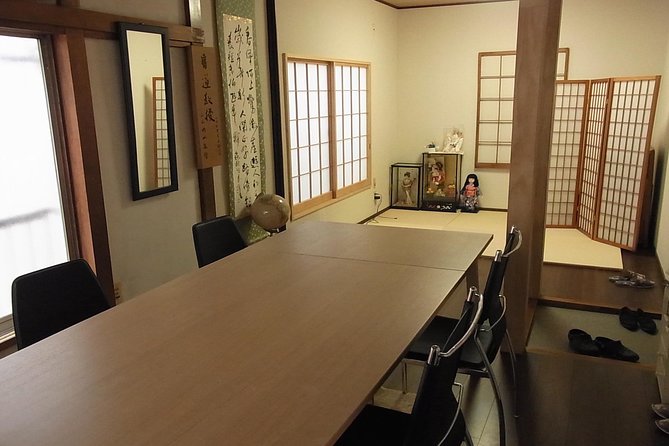
The home setting is important. You see the scale and rhythm of a normal Japanese kitchen, not a large demonstration room built for tour groups. That makes the class feel personal, though it also means the space may be more compact and informal than a commercial cooking studio.
Masako welcomes you with green tea. Before cooking begins, she writes your name in Kanji. This is more than a quick souvenir handed over at the door. Her calligraphy is part of the visit, and the characters can become a keepsake with a direct connection to your time in Japan.
A translator is scheduled to be present because Masako speaks limited English. That should not put off English-speaking visitors. The class is hands-on, and demonstrations make many of the cooking steps easy to follow. Still, if you want long, detailed conversation about every ingredient or technique, communication may sometimes take a little patience.
A few more Tokyo trips to weigh up
- Ramen & Gyoza Cooking Class in Tokyo with Local Supermarket Visit
★ 5.0 · 823 reviews - Tokyo: Easy Ramen Cooking Experience in Kabukicho, Shinjuku
★ 4.6 · 321 reviews - Ramen and Sushi Cooking Class with Sake Pairing Set in Tokyo
★ 5.0 · 291 reviews
Kneading udon dough by hand
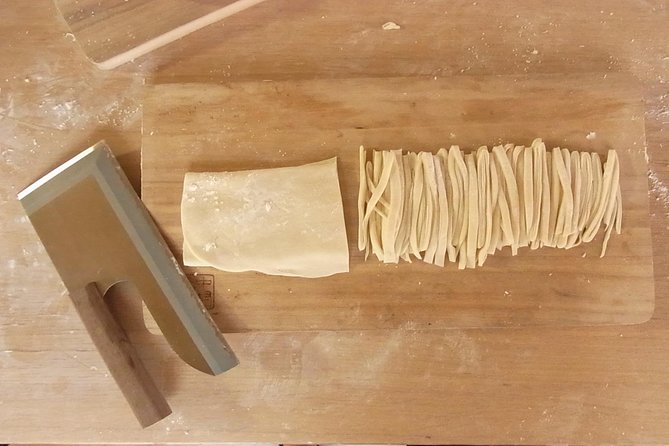
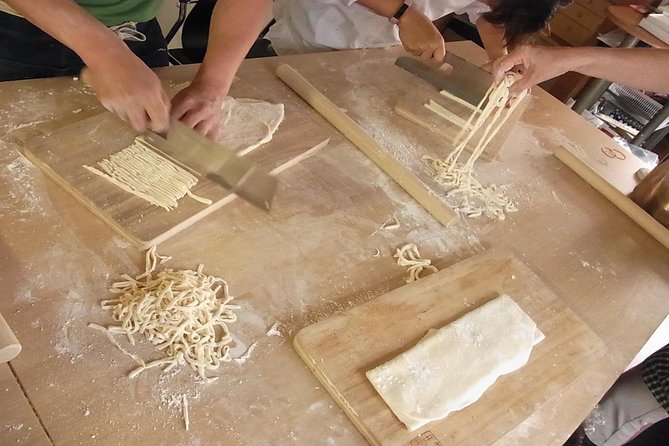
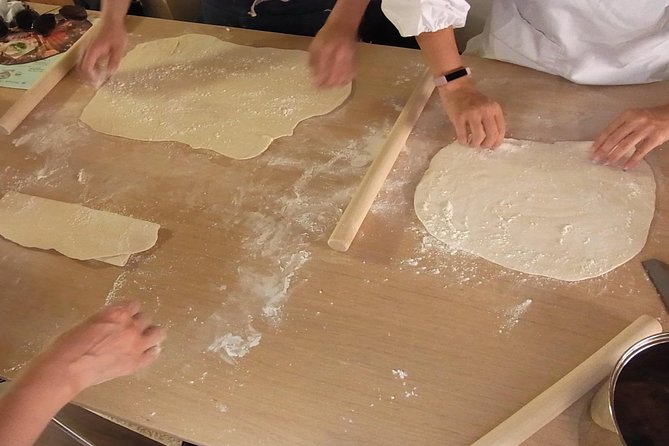
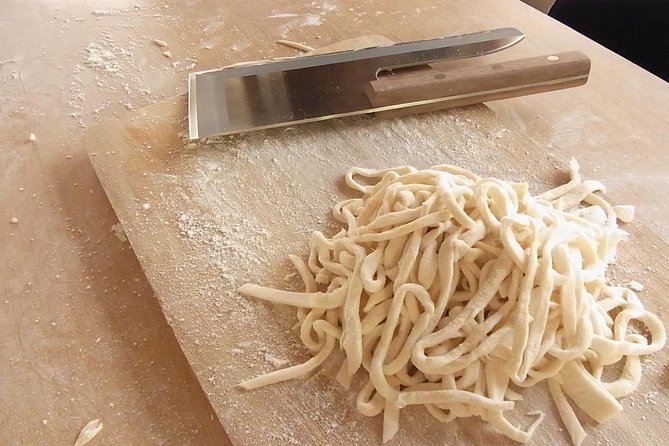
The udon portion is the heart of the class. You begin with the dough, learning about the flour, water ratios, kneading, resting, flattening, and cutting. This is useful because handmade udon depends less on a complicated recipe than on understanding texture and timing.
Expect to work the dough properly. Kneading is not a quick photo opportunity, and the physical work helps you understand why udon has its springy bite. You then flatten the dough and cut it into noodles before cooking them. The process gives you a clear path to repeat at home, even if your first batch is not perfectly uniform.
I like this part because it turns a familiar Japanese food into a craft. Many cooking classes show you a finished dish and move quickly through the basics. Here, the slow steps matter. You learn what the dough should feel like, how it changes as it rests, and how the finished noodles reach the pot.
The recipe is approachable for beginners. You do not need professional knife skills or previous experience, though you should be ready to take part rather than sit back and watch. If you have limited hand strength or do not enjoy working dough, this may be the most demanding part of the class.
Tamagoyaki, dashi, and simple Japanese technique
The menu commonly includes tamagoyaki, the rolled Japanese omelet. You may prepare the egg mixture with ingredients such as sugar and miso, then cook and roll it in layers. Each person may get a chance to make their own omelet, which is a good way to practice the technique instead of watching Masako do it for you.
Tamagoyaki looks simple, but the rolling takes attention. The egg sets quickly, and each layer must be folded at the right moment. Masako’s step-by-step teaching helps turn an unfamiliar motion into something manageable. It is exactly the sort of skill that can transfer to your own kitchen.
The class can also cover dashi, the savory stock used in Japanese cooking. This matters because dashi gives udon soup and other dishes much of their character. You are not just learning a noodle recipe. You are learning how a few basic ingredients build flavor in Japanese home cooking.
Masako’s approach centers on food that is straightforward and practical for family meals. That makes the class a better fit for you if you want recipes you can repeat, rather than a once-only restaurant trick requiring hard-to-find equipment.
Tempura with vegetables and shrimp
Tempura adds a different kind of cooking to the session. You prepare and fry vegetables, and the menu may include shrimp. The class focuses on useful handling tips, from preparing the ingredients to getting a light coating and managing the frying process.
Tempura is also the point where safety matters most. Hot oil requires attention, so Masako does not accept children for this cooking class. Families with older teenagers should read the age rules carefully rather than assume the activity is open to every child.
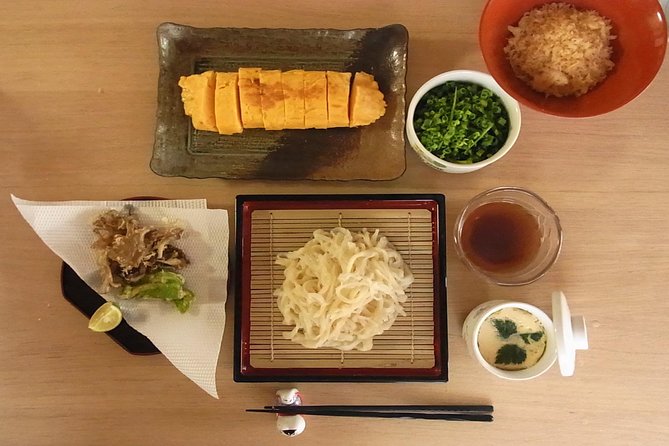
The finished meal is a strong reason to arrive hungry. You eat the udon, omelet, tempura, and other dishes you prepare, along with drinks. Alcoholic beverages are included, though you should make your menu preference clear before the class and mention dietary restrictions ahead of time.
One especially useful feature is the chance to discuss substitutions or restrictions with Masako. She has accommodated dietary needs, but you should not leave this conversation until the day of the class. Send the information when you choose your menu so the ingredients can be planned properly.
Same city, a completely different kind of day:
- Mt Fuji and Hakone 1-Day Bus Tour Return by Bullet Train
★ 5.0 · 26,383 reviews - 1-Day Tokyo Bus Tour
★ 5.0 · 14,250 reviews - Tokyo: TOKYO SKYTREE® Admission ticket
★ 4.5 · 11,192 reviews - Tokyo: teamLab Planets TOKYO Digital Art Museum Entry Ticket
★ 4.6 · 9,779 reviews
Four menu choices and what to request
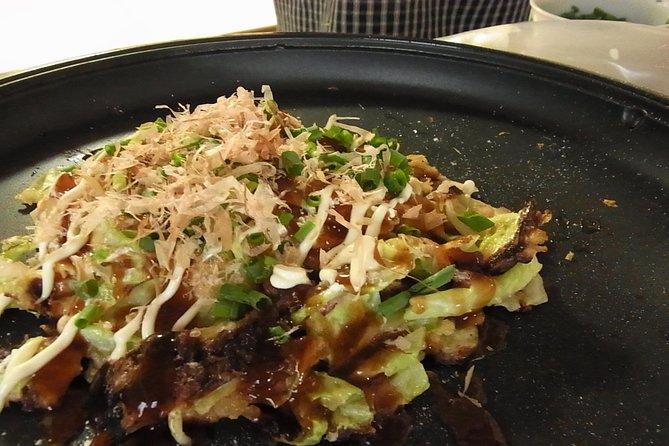
Masako offers four meal choices. The exact options are not set out in the booking details provided here, so you need to message her with your preferred meal rather than assume that every dish will be prepared at every session.
The dishes most often associated with the class are handmade udon, udon soup, tamagoyaki, and vegetable or shrimp tempura. Other Japanese classics, including okonomiyaki, may also be possible. Ask directly about the menu you want, especially if one particular dish is the main reason you are booking.
This small piece of planning affects the value of the class. At $142 per person, you are paying for more than a recipe lesson. You are paying for a private session, ingredients, drinks, a prepared multi-course meal, personal instruction, and calligraphy. To make that worthwhile, choose the menu that best matches your interests.
If you are comparing this with a cheaper group class, remember what you may give up. A larger class can offer a more formal setup or a central location, while Masako’s class gives your own group the attention and home setting. For couples, families with adult children, or a small group of friends, the private format can justify the higher cost.
The meal is part of the lesson
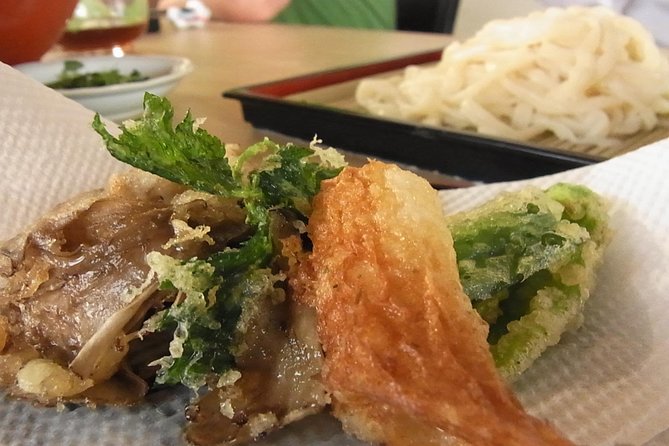
Once the cooking is complete, you sit down and eat. This is not an afterthought. The meal lets you taste the results while the techniques are still fresh, and it gives Masako time to explain more about the food and daily life in Japan.
The experience includes alcoholic drinks, and specific sessions have included sake. Nonalcoholic green tea is served at the welcome, but if you have drink preferences or restrictions, confirm them in advance.
Come hungry, but do not expect a luxury restaurant meal with a long tasting menu. The appeal is the satisfaction of eating food you helped make, in a family setting, with simple Japanese dishes prepared from included ingredients. The food is likely to feel generous and comforting rather than theatrical.
The meal also creates a relaxed finish after the more active work of kneading and frying. You can ask questions, compare your noodles, and talk with Masako through the translator. That informal time is one of the strongest parts of the experience for anyone who wants contact with everyday food culture.
Calligraphy and thoughtful personal touches
The calligraphy is a memorable close to the class. Masako is a qualified calligraphy professional, and she writes your name in Japanese characters. Depending on the session, she may also create a fan with your name or words suited to you, and provide small origami gifts.
These extras are not the reason to book the class, but they add real value. A paper souvenir takes up little luggage space and has a clear connection to the person who hosted you. Some sessions have also included a small cooking-related gift, such as the pan used for tamagoyaki, though you should not assume a particular gift is guaranteed.
The calligraphy also slows the pace at the end. After a busy cooking session, you get a chance to watch a traditional art form rather than rush straight out. If you enjoy crafts, writing, or personal mementos, this part may be as appealing as the food.
Timing, group size, and practical limits
The full activity lasts about two hours and 30 minutes. That is enough time for several dishes, but the class is busy. You will be working through multiple steps, eating a full meal, and watching the calligraphy demonstration within one session.
Only your group participates, so you do not share the class with unrelated bookings. That makes it a good choice for couples and small groups that want to ask questions freely or work at their own pace. Private does not mean completely one-to-one for every second, since Masako may move among different tasks, but the instruction is directed to your party.
The class does not include hotel pickup or drop-off. You finish back at the meeting point in Senju. Since the location is some distance from many sightseeing areas, pair it with plans in northern Tokyo or treat the journey as part of the time commitment.
Confirmation is sent within 48 hours, subject to availability. The experience is often booked well ahead, with an average booking time of about 52 days before the date. If your schedule is fixed, reserve early and send your menu choice promptly.
Free cancellation is available up to 24 hours before the start time for a full refund. Changes or cancellations made less than 24 hours ahead are not accepted, and the local start time controls the cutoff.
Who will enjoy this class most
I would recommend this to you if you value personal contact, practical food skills, and a meal that grows out of the lesson. It works especially well for couples, adult families, and small groups of friends. Beginners should feel comfortable, since the cooking is taught step by step.
It is also a good pick if you have already seen Tokyo’s major sights and want something slower and more personal. You learn about food from inside a Japanese home, rather than only eating at restaurants.
This is less suitable if you need a central Tokyo activity, want a short demonstration with minimal hands-on work, or are traveling with young children. You should also think twice if you dislike seafood, fried food, or noodle preparation, unless Masako confirms a menu that fits you.
Should you book Masako’s Tokyo cooking class?
Book it if the combination of handmade udon, a home meal, and personal calligraphy sounds better to you than another formal sightseeing stop. The private setup, included ingredients and drinks, several dishes, and personal keepsake make the $142 price easier to justify for a couple or small group.
Skip it if getting to Adachi City would disrupt your schedule or if you prefer a large professional kitchen in central Tokyo. For the right visitor, though, this is a warm, hands-on way to learn useful Japanese cooking and leave with something you can recreate at home.
FAQ
Where does the cooking class take place?
The class takes place at Masako’s home in Senju, Adachi City, Tokyo. The meeting point is Japan, 120-0034 Tokyo, Adachi City, Senju, 4-chōme275, 長円寺.
How long does the experience last?
The cooking class lasts approximately two hours and 30 minutes.
Is this a private activity?
Yes. Only your group participates in the activity, and the private format provides direct teaching assistance.
What dishes will I make?
The class can include handmade udon, udon soup, tamagoyaki, and vegetable or shrimp tempura. Other Japanese dishes, such as okonomiyaki, may also be possible. Masako offers four menu choices, so send her your preferred option before the class.
Are ingredients included?
Yes. All ingredients and cooking class fees are included, so you do not need to shop before arriving.
Are drinks included?
Yes. Alcoholic beverages are included. The experience also begins with green tea.
Can children attend?
No. Masako does not accept children for the cooking class because of safety concerns.
Is hotel transportation included?
No. Hotel pickup and drop-off are not included. The activity ends back at the meeting point.
What language is the class taught in?
Masako speaks limited English, and a translator will be present during the experience.
Can I cancel for a refund?
You can cancel at least 24 hours before the start time for a full refund. Cancellations or changes made less than 24 hours before the start time are not accepted for a refund.
Just added around Tokyo
- Private Memorable Tokyo Tour with English Speaking Driver★ 5.0 · 30 reviews
- Private Tokyo Custom Full-Day Tour by Chartered Vehicle★ 5.0 · 16 reviews
- Private Sightseeing to Mt Fuji and Hakone with English Driver★ 5.0 · 51 reviews
- Tokyo Photography Masterclass – Private Photography Lesson★ 5.0 · 25 reviews
- Private Mt. Fuji Day Trip from Tokyo with English-Speaking Driver★ 5.0 · 33 reviews
- 4 Day Tour – Mount. Fuji, Tokyo, Hakone, Kamakura and Yokohama★ 5.0 · 19 reviews
- Private Unforgettable Mt Fuji Tour with English Speaking Driver★ 5.0 · 142 reviews
- Private Tokyo Food Tour – A Journey Through Time Through Food★ 5.0 · 36 reviews
Workshops, compared.

Sushi Making Tokyo Roll and Authentic Japanese Sushi Class
Read our review →

Roll and Authentic Sushi Making Class in Asakusa
Read our review →
Ramen Cooking Class at Ramen Factory in Kyoto
Read our review →
Sushi Making Class in a Happi Coat near a Famous Spot
Read our review →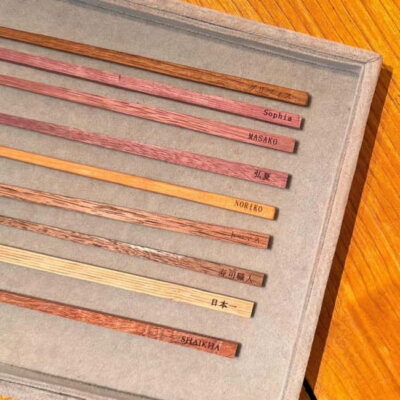

Sushi Making Osaka Roll and Authentic Japanese Sushi Class
Read our review →
Tokyo Sushi Making Class in Tsukiji with Professional Chef
Read our review →Browse the lists this tour appears in