
REVIEW · GARDEN & PALACE TOURS
Imperial Palace East Garden and Edo Castle Walking Tour in Tokyo
Tokyo’s Imperial Palace grounds offer a rare look at Tokyo before the skyscrapers took over. On this 2.5-hour walking tour, you move from Wadakura Fountain Park into the East Gardens, once part of Edo Castle, with castle ruins and gardens providing the setting for stories about shoguns, samurai, emperors, and modern Japan.
I like the small group size, capped at 12, and the way a good guide can turn a quiet stone wall or garden path into a useful history lesson. I also like the sensible price of $25, which buys you context you would likely miss on a solo stroll.
The main consideration is simple: you do not enter the Imperial Palace buildings, and the gardens may not deliver dramatic flowers in every season. This is best for history and atmosphere, not for grand interiors or a nonstop parade of famous sights.
In This Review
- Key points to know before you go
- Why Edo Castle is the real focus
- Wadakura Fountain Park sets a calm tone
- Inside the East Gardens, the past is in the ground
- What the guides add to a quiet site
- The walking is manageable, but plan for the ground
- Is $25 a fair price?
- Who will enjoy this Imperial Palace walk
- Practical ways to get more from the tour
- Should you book it?
- FAQ
- Does the tour enter the Imperial Palace buildings?
- How long does the walking tour last?
- Where does the tour start and finish?
- How large is the group?
- Are admission fees included?
- What happens if bad weather cancels the tour?
Key points to know before you go
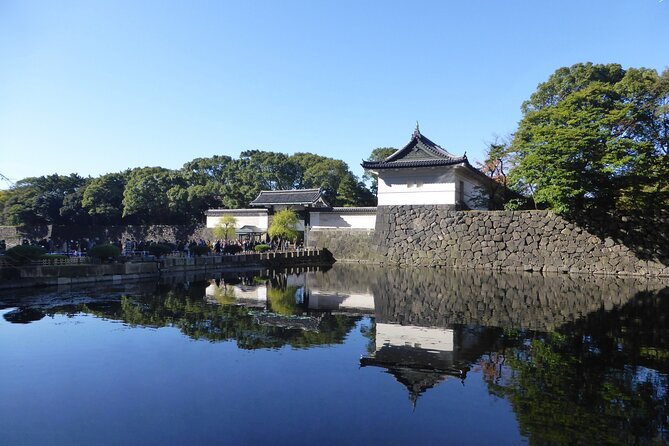
- Edo Castle survives in walls, stones, moats, and ruins, rather than intact rooms or towers.
- Wadakura Fountain Park is the meeting point and first stop, with about 30 minutes for its fountains and background.
- The East Gardens take about two hours, so expect a genuine walking tour, not a quick palace photo stop.
- Groups are limited to 12 people, which helps you hear the guide and ask questions.
- Guides use stories, photos, and visual aids, with Kenta, Glenda, Sato, Kei, Miko, and others praised for clear English and strong presentation.
- Comfortable shoes matter, since the route includes hills and, at times, steep paths, though one account noted no stairs.
Why Edo Castle is the real focus
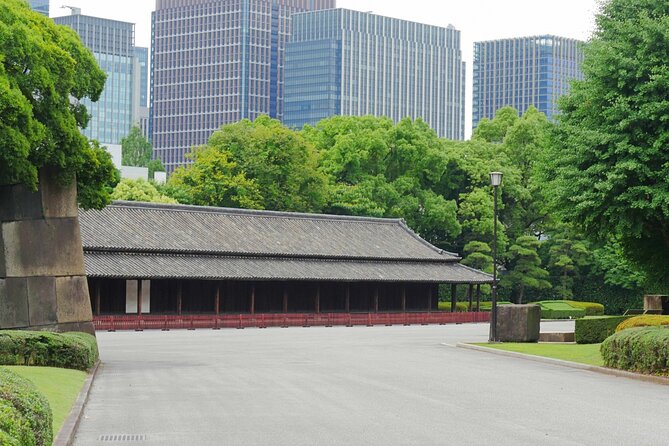
The name Imperial Palace can create the wrong picture. You are not touring elegant palace rooms or entering the emperor’s private residence. Public access to the palace buildings is not permitted, so this experience stays outdoors in the surrounding grounds and the East Gardens.
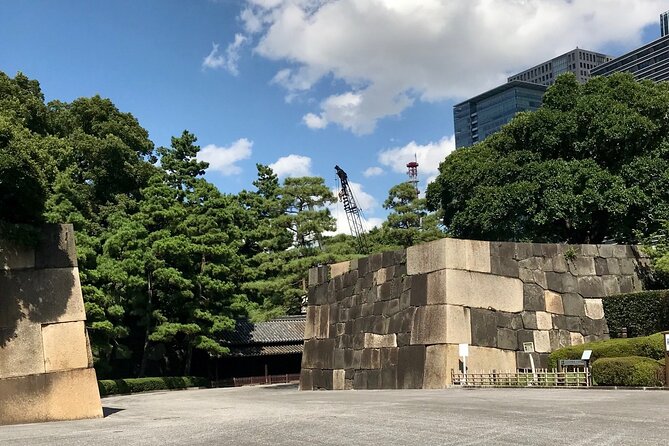
That limitation is also part of the appeal. The East Gardens occupy land once associated with Edo Castle, the center of political power during Japan’s shogun-led period. Instead of polished interiors, you see the physical remains of a much older capital: stone foundations, defensive structures, open castle areas, planted gardens, ponds, and carefully maintained paths.
A guide gives those remains a timeline. Without help, you may see a broad lawn and a weathered wall. With a strong explanation, you begin to understand how the castle worked, what the different sections were used for, and how power shifted from the shoguns to the imperial family.
The best guides seem to make this transition easy. Kenta is praised for using visual pages and humor, while Miko used photographs to explain the former castle tower and garden layout. Glenda has been especially effective at connecting emperors, shoguns, samurai, and daily life. These details matter because Edo Castle is not a preserved European-style castle with obvious rooms and furniture. Much of its story must be supplied by words.
More Garden & Palace Tours in Tokyo
- Tokyo: Imperial Palace and Shogun Historical Walking Tour
★ 5.0 · 2,251 reviews - Tokyo Castle & Imperial PalaceーShogun Walking Tour
★ 4.7 · 1,068 reviews - Tokyo: Imperial Palace Japanese History Walking Tour
★ 4.9 · 987 reviews
Wadakura Fountain Park sets a calm tone
The tour begins near Starbucks Coffee at Wadakura Fountain Park, at 3-1 Kōkyogaien in Chiyoda City. This is a practical meeting place near the Imperial Palace, though you should still allow time to identify your guide and group before the walk begins.
Wadakura Fountain Park is more than a place to wait. It has a quiet, carefully planned feel and attractive water features. The original park was created in 1961 to mark the wedding of Emperor Akihito and Empress Michiko. It was redesigned and reopened in 1995 for the wedding of Crown Prince Naruhito and Crown Princess Masako.
That gives the opening stop a useful link between present-day Japan and the imperial institution. You get about 30 minutes here, enough to look at the fountains, hear the basic orientation, and settle into the pace of the group.
The park is not the main event, so do not expect a full garden visit before the castle grounds. Its value is as a gentle introduction. Tokyo can feel hurried and crowded, but this first stop gives you a few quiet minutes before the historical walk begins.
Inside the East Gardens, the past is in the ground
The East Gardens are the heart of the experience. You spend about two hours walking through former Edo Castle grounds, with the guide explaining the remains and pointing out details that are easy to miss.
The Honmaru area is one important stop. It once formed part of the central castle compound, and today it is known for open spaces and castle remnants rather than intact buildings. Your guide may use photos or diagrams to help you picture what once occupied the site.
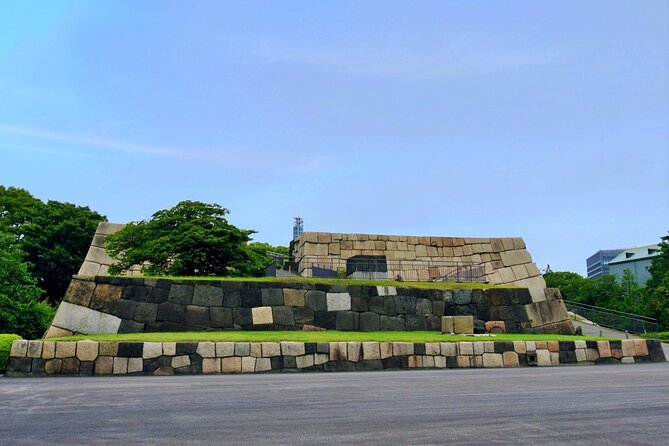
The former castle tower is another key subject. The tower itself no longer survives, but its scale and importance can be explained from the remaining base and surrounding grounds. This is where a guide earns the fee. A ruin alone can be brief and abstract. A clear explanation helps you understand why the tower mattered and how the castle served as a seat of authority.
The Ninomaru Garden provides a different mood. Its traditional Japanese design, ponds, plantings, and peaceful paths contrast with the heavy stonework and defensive purpose of the castle remains. You get both sides of the site: power and ceremony on one hand, quiet garden design on the other.
The grounds are attractive, but keep your expectations in check. One of the few less enthusiastic assessments found the gardens less impressive than expected. Another noted plenty of greenery and neat plantings in October but little in bloom and no strong autumn color. Seasonal timing matters here. Spring can bring cherry blossoms, while autumn may offer foliage, but neither is guaranteed on your date.
The gardens are often at their best as a setting for the history. You may see a lovely pond, a line of trees, or a broad patch of lawn, but the guide’s explanation connects each view to a larger story. If you want flower displays above all else, this may not be the right garden visit.
What the guides add to a quiet site
This tour depends heavily on the person leading it. The setting is pleasant, but the stone foundations and garden paths do not explain themselves. A good guide keeps the two and a half hours moving with stories, visual references, and time for questions.
Several guides receive especially strong praise for different reasons. Kenta is described as energetic, funny, and well prepared, with printed visuals that help explain the site. Miko is noted for clear English and photographs. Glenda is praised for speaking slowly and clearly while covering Japanese history and culture. Sato is described as friendly and well organized, giving the group enough information without burying everyone in detail.
Kei has handled rainy conditions thoughtfully by moving the group to more sheltered locations while continuing the discussion. Kaz has also been praised for keeping a steady pace in the rain. Those details suggest that the guide’s judgment matters when conditions are less than perfect.
You should not book this expecting a lecture delivered without pause. The strongest version of the tour appears to balance facts with questions, humor, and personal perspective. Guides have also offered suggestions for other Tokyo sights, which can be useful early in your visit.
The small group limit is a real advantage. With no more than 12 people, you are less likely to be stranded at the back of a large crowd. You can ask about a detail, hear the answer, and keep pace without the stop-and-start feel of a big coach excursion.
More Walking Tours in Tokyo
- Tokyo Tsukiji Fish Market Food and Culture Walking Tour
★ 5.0 · 3,184 reviews - Tokyo: Shinjuku Local Bar and Izakaya Guided Walking Tour
★ 4.9 · 1,794 reviews - Tokyo: Tsukiji Fish Market Food and Walking tour
★ 5.0 · 1,724 reviews - Tokyo: Asakusa Walking Tour with Sensoji Temple Visit
★ 4.8 · 1,583 reviews
The walking is manageable, but plan for the ground
This is an outdoor walking tour, not a short transfer between monuments. Wear shoes you would trust for two and a half hours on paved paths, garden routes, and uneven sections.
The route includes hills, and one account specifically warns of some steep paths. Another describes the walk as easy, with hills but no stairs. Conditions and the exact route can affect how it feels, so I would not treat the tour as completely flat.
Rain also changes the experience. The tour requires good weather, and poor conditions can lead to a different date or a full refund. Even in workable weather, wet paths may slow the group. Bring sensible rain protection if the forecast looks uncertain.
The experience is suitable for most people, and service animals are allowed. A guide has also helped a tired and dizzy participant obtain a wheelchair, but you should still consider your own stamina before booking. Since the route is outdoors and involves hills, anyone needing a fully level route should ask for current details before committing.
There are no snacks included. Bring water or plan to eat before or after the walk, especially if you are booking it near lunchtime. The tour ends back at the meeting point, so it is easy to continue into central Tokyo afterward.
Is $25 a fair price?
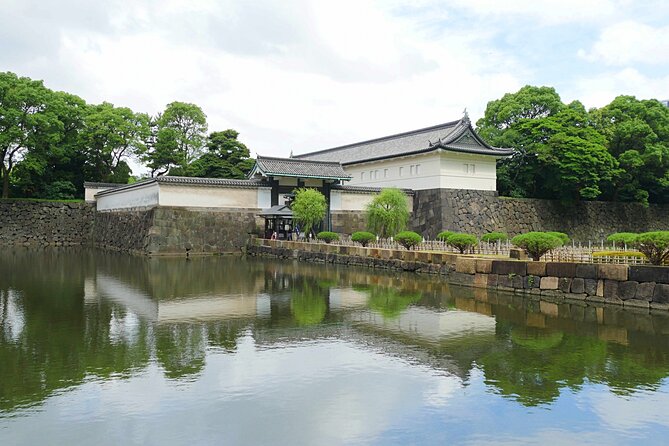
At $25 per person, this is a modestly priced guided experience in central Tokyo. You are not paying for admission, since both listed stops are free. You are paying for interpretation, organization, and the chance to ask questions while walking through a site whose meaning is not always obvious.
That is good value if Japanese history is new to you or if you want a clear introduction at the start of your visit. A guide can explain the difference between Edo-era military rule and the modern imperial period, identify castle areas, and show how the gardens fit into the story.
The value is weaker if you mainly want beautiful gardens without historical commentary. You can explore free public grounds on your own, and the flowers may be limited outside peak seasons. The tour earns its price through the guide, not through exclusive access.
A 4.9 rating from 510 reviews and a 98 percent recommendation rate suggest a strong overall experience, but the less positive reaction is worth taking seriously. The gardens will not impress everyone equally, and the two-and-a-half-hour duration can affect a tightly planned day.
One person expected a much shorter walk and found the longer timing disruptive. Plan on the full 2 hours and 30 minutes, not an hour or an hour and a half. Add a little breathing room for meeting the guide and moving between stops.
Who will enjoy this Imperial Palace walk

I would recommend this tour to first-time visitors who want a firm introduction to Tokyo’s political and cultural past. It is also useful for anyone who has looked at Edo Castle ruins and thought, What exactly am I seeing?
Families can benefit from the storytelling format, especially with a guide who uses humor and visual material. One guide was praised for being patient with children. The small group also makes it easier to keep young participants involved than on a large sightseeing outing.
History fans should find plenty to enjoy, especially if they want connections between samurai society, the shoguns, the emperor, and castle life. The tour also suits visitors who prefer a calm morning outdoors rather than a packed museum schedule.
I would hesitate to recommend it to you if your main goal is entering the palace, seeing furnished castle rooms, or finding a guaranteed flower display. None of those is promised. You should also think twice if your Tokyo schedule is packed tightly, since the full duration is significant.
Practical ways to get more from the tour
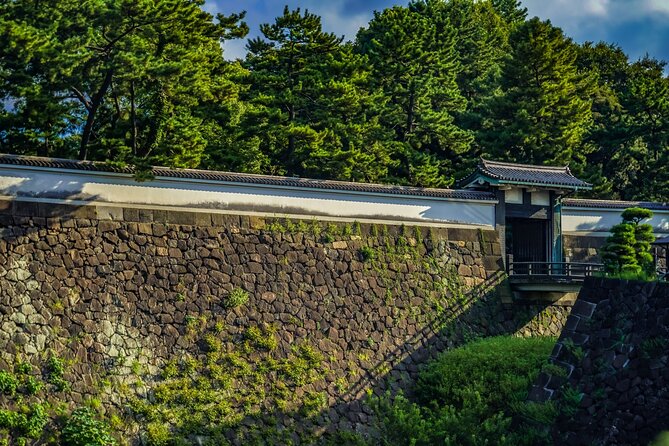
Meet at the Starbucks Coffee near Wadakura Fountain Park and keep the location details handy. The meeting point is close to public transportation, but Tokyo’s streets and station exits can still take time to sort out.
Wear comfortable shoes and dress for the weather. You will be outside for most of the experience, and the route can include hills. A small bottle of water is sensible because snacks are not supplied.
If you want seasonal scenery, consider spring for cherry blossoms or autumn for foliage, but treat those as possibilities rather than guarantees. October may bring tidy greenery without flowers or strong fall color.
Listen for the guide’s explanation of the castle layout and ask questions as you go. The best use of the tour is not simply taking photos. It is learning how to read the site, so you can understand the stones, walls, open spaces, and gardens after the group has gone.
Free cancellation is available up to 24 hours before the start time for a full refund. Cancellations or changes made inside that window are not refunded or accepted. Since poor weather can cancel the tour, keep the provider’s alternative-date or refund arrangement in mind.
Should you book it?
Book this Imperial Palace East Garden and Edo Castle walk if you want clear historical context, a friendly English-speaking guide, and a quiet outdoor break in central Tokyo. The $25 price is fair, especially for a small group and a guide who uses photos, stories, and humor well.
Skip it if you want palace interiors, a short photo stop, or guaranteed blossoms. The site is subtle rather than flashy, and its appeal grows when you care about the stories behind the ruins. For a first visit to Tokyo, I think the tour makes the free gardens far more meaningful, provided you reserve a full two and a half hours and arrive ready to walk.
FAQ
Does the tour enter the Imperial Palace buildings?
No. Public entry to the palace buildings is not permitted. The tour visits the East Gardens and surrounding grounds, with historical explanations and photo opportunities.
How long does the walking tour last?
The experience lasts approximately 2 hours and 30 minutes. Plan for the full duration, since it is longer than a quick one-hour garden visit.
Where does the tour start and finish?
It starts at Starbucks Coffee in Wadakura Fountain Park, 3-1 Kōkyogaien, Chiyoda City, Tokyo. The tour ends back at the same meeting point.
How large is the group?
The maximum group size is 12 people.
Are admission fees included?
Yes. All fees and taxes are included, and both Wadakura Fountain Park and the East Gardens are listed as free-entry stops. Snacks are not included.
What happens if bad weather cancels the tour?
If poor weather causes cancellation, you will be offered another date or a full refund. You can also cancel up to 24 hours before the start time for a full refund.
Just added around Tokyo
- Tokyo: Customizable Private Guided Walking Tour★ 4.5 · 129 reviews
- Private Harajuku Omotesando Architecture Tour★ 4.9 · 18 reviews
- Tokyo: Guided Helicopter Ride★ 4.9 · 24 reviews
- Tokyo: Guided Walking Tour of Tsukiji Market with Lunch★ 4.4 · 24 reviews
- Tokyo: Private Personalized Local Food Tour★ 4.5 · 101 reviews
- Tokyo GINZA: KONPARU Japanese Cabaret Show with Drink★ 4.8 · 38 reviews
- Tokyo: Guided Walking Tour of Tsukiji Market with Breakfast★ 4.4 · 134 reviews
- Tokyo: Gotokuji Cat Temple, Shinjuku Cat Cafe & 3D Cat Tour★ 4.9 · 38 reviews
Garden & Palace Tours, compared.

Imperial Palace and Shogun Historical Walking Tour
Read our review →
Tokyo Castle & Imperial PalaceーShogun Walking Tour
Read our review →
Nijo-jo Castle and Ninomaru Palace Guided Tour
Read our review →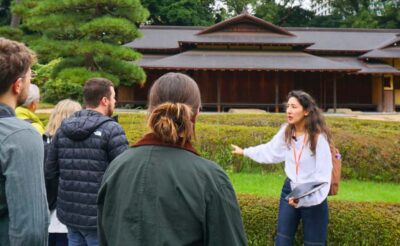

Ultimate Osaka Walking Tour: Castle, Dotonbori & Hidden Gems
Read our review →Tokyo Castle & Imperial PalaceーShogun Walking Tour
Read our review →Browse the lists this tour appears in