
REVIEW · KIMONO & CULTURE EXPERIENCES
Honor – Experience Samurai & traditional Culture to the fullest
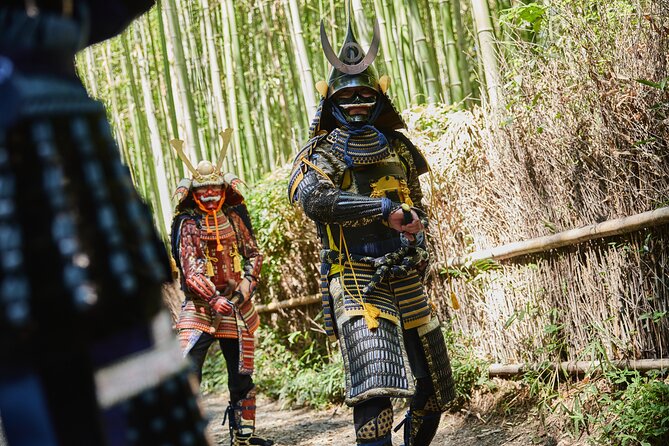
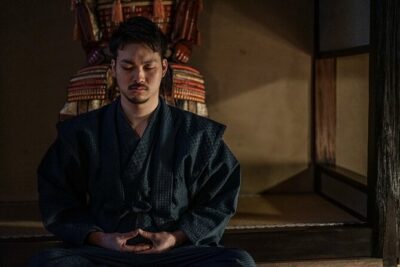
The sharpest hook here is simple: you do not just pose in a studio costume. You put on a well-made replica samurai armor, learn controlled sword movements, and walk around Osaka Castle Park for photographs. The day also brings calligraphy, powdered green tea, Japanese sweets, and a lesson in the manners tied to samurai culture.
I like the mix of hands-on arts and martial practice. I also like that the photographer follows the session and sends professional images and files, rather than leaving you with a few hurried phone snapshots. The main consideration is price: at $181.19 per person, this is a costly three-hour activity, and the armor and sword work may not suit anyone with back or heart problems.
In This Review
- Key points to know before booking
- What your three hours actually include
- Starting with the brush and the samurai mindset
- Matcha, wagashi, and the manners of tea
- Sword instruction with safety at the center
- Dressing in hakama and armor
- Walking through Osaka Castle Park in costume
- How the guides shape the day
- Is $181.19 a fair price?
- Who will enjoy this most
- Practical details that can make the day easier
- Should you book Samurai Honor?
- FAQ
- How long does the Samurai Honor experience last?
- Where does the activity meet?
- Is transportation included?
- Is the experience private?
- What language is provided?
- Are photographs included?
- Can I wear any armor size or style I choose?
- Can I take photographs with my smartphone?
- What happens if I arrive late or need to cancel?
Key points to know before booking
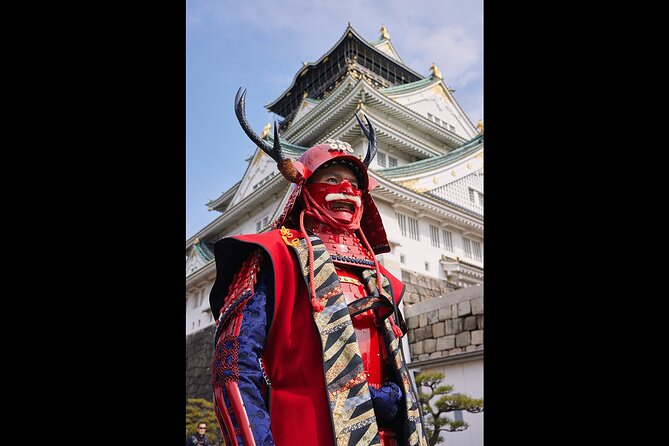
- You walk through Osaka Castle Park in armor: The outdoor photo session gives this more life than a standard indoor costume shoot.
- Calligraphy is a real activity, not a quick photo prop: You practice brush handling, then create a large piece to keep.
- Sword work includes instruction and bamboo cutting: An instructor with 10 years of swordsmanship experience handles the Japanese sword and explains each step.
- The tea ceremony adds quiet balance: Matcha and wagashi introduce etiquette, gestures, and hospitality after the more dramatic sword practice.
- The session is private: Only your group takes part, which allows time for questions and patient help with dressing.
- Plan around the armor: Hakama and armor can become hot, the clothing is fitted by assistants, and late arrival can mean refused entry.
Samurai Honor gives you a compact lesson in several parts of traditional Japanese culture. In about three hours, you move from brush and tea to swordsmanship and armor, then head outside for photographs near one of Osaka’s best-known sights.
This is not a history lecture with a costume photo added at the end. You handle tools, make calligraphy, learn tea ceremony manners, practice sword movements, and take part in a supervised cutting exercise. The activities are staged for safety and instruction, but the day is designed to feel active rather than purely decorative.
The meeting point is in Joto Ward, at 2-chōme 3-19 Shiginonishi, near public transportation. The activity returns to this same point at the end, so you should allow time to travel there and back rather than treating Osaka Castle as the start and finish.
What your three hours actually include
The advertised duration is about three hours, while the timed sections for sword practice, armor, and photography add up to roughly 90 minutes. The calligraphy and tea ceremony fill out the rest, with time also needed for explanations, changing clothes, and walking to the castle grounds.
Because this is a private activity, the pace can feel personal. You have room to ask questions and receive help instead of being pushed through a large group. That said, do not arrive late and expect the schedule to stretch. More than 30 minutes late can mean refused entry, even if you have contacted the operator.
The order may vary, but the experience follows a clear arc: prepare yourself, work with the brush, sit for tea, study the sword, put on armor, and step into the setting of Osaka Castle.
More Kimono & Culture Experiences in Osaka
- Osaka: Sumo Show & Experience w/ Optional Kimono & Hot Pot
★ 4.5 · 609 reviews - Samurai Training Experience KENDO in Osaka
★ 5.0 · 515 reviews - OSAKA NIGHT FUSION Japanese Taiko Kabuki Samurai Dance Show
★ 4.8 · 155 reviews
Starting with the brush and the samurai mindset
The first activity introduces the tools and posture used in Japanese calligraphy. You learn how to prepare, hold the brush, and use the ink and paper before making your own characters.
This part deserves more time than you might expect. It slows the day down and gives you a physical sense of control and concentration. One particularly memorable version of the activity uses an oversized brush and a sheet of paper about 150 by 150 centimeters. You may also write a large character or a word of your choice, depending on the session.
The material connected to this activity is not only decorative. The program refers to words of resignation, meaning words written as a person prepares to leave this world. That idea reflects the serious side of samurai training, where duty, discipline, and awareness of death were part of the culture.
You should not expect to become a calligrapher in one sitting. The value is in learning the basic gestures and leaving with a large piece of your own work. Several participants have found calligraphy to be the favorite part because it is quiet, tactile, and easier to share with family than sword practice.
Matcha, wagashi, and the manners of tea
The tea ceremony provides a change of pace. A tea master prepares and serves powdered green tea, with traditional Japanese sweets called wagashi included as a snack.
The focus is not simply on drinking matcha. You learn about etiquette, careful movements, manners, and hospitality. The ceremony gives you a look at how traditional arts can turn ordinary actions into a form of practice.
I would pay close attention here, even if you are most excited about the armor. The tea portion helps explain that samurai culture was not only about weapons and battle. It also involved discipline in daily conduct, respect, and control of movement.
The setting is described as relaxed, but you should still expect traditional procedure rather than a casual café stop. If you dislike green tea, the activity remains worthwhile for the gestures and explanation, and wagashi is provided alongside it.
Sword instruction with safety at the center
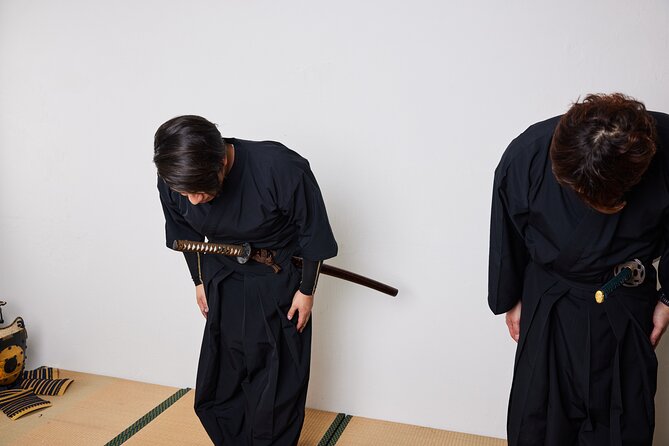
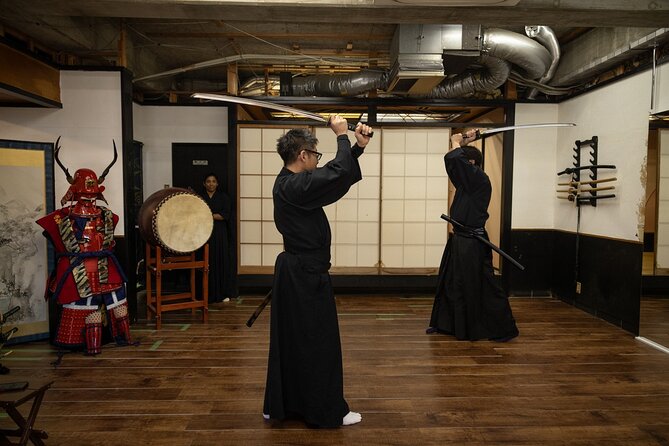
The sword segment is one of the main draws, but it is also the part that demands the most care. You learn basic movements connected with Iaido, a Japanese martial art centered on Japanese swordsmanship. The instructor handles the sword and gives directions before you attempt anything.
An instructor with 10 years of swordsmanship experience supervises this portion. The program also includes trial cutting, described as cutting bamboo with a Japanese sword, in a section lasting about 30 minutes.
This is not a free-form chance to draw and swing a katana. Drawing a sword without permission is prohibited, and you must follow the instructor closely. That matters because the activity involves a real blade and controlled cutting, not a plastic prop used for photographs.
The appeal is the concentration. You learn where to place your hands, how to move, and how much control is needed for a clean action. The cutting exercise creates a stronger physical memory than simply holding a sword for a picture.
Families have found this section especially engaging, including a session with a 12-year-old participant. Still, the operator does not present the activity as suitable for everyone. If you have back problems or a heart condition, this is not recommended.
Same city, a completely different kind of day:
- Osaka Go Karting Tour with Funny Costume
★ 5.0 · 2,658 reviews - Osaka Castle: Museum and Tower Entry Ticket
★ 4.5 · 2,380 reviews - Osaka: Shinsekai Food Tour with 13-15 Dishes at 5 Eateries
★ 4.8 · 2,204 reviews - Osaka Food Tour: 13 Dishes at 5 Local Eateries
★ 5.0 · 2,149 reviews
Dressing in hakama and armor
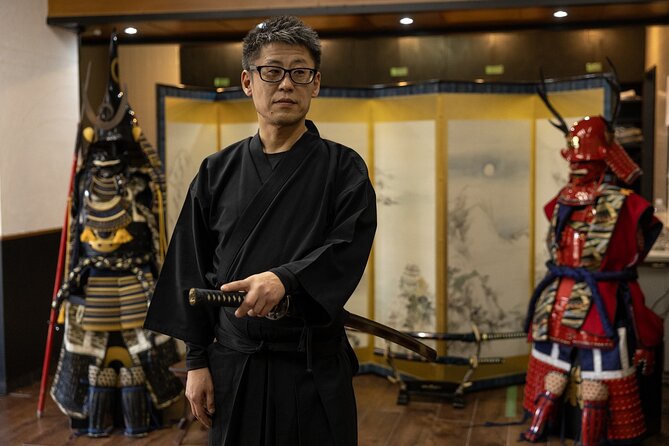
Assistants help you put on the hakama and samurai armor. You cannot dress yourself, and you should use the restroom before changing.
The armor is a replica, but it is described as well made and authentic in appearance. That distinction is important. You are not wearing original battlefield equipment, yet the outfit gives the photo session weight and structure that a lightweight costume may not provide.
Armor choice depends on your height, weight, and body shape. Preferred armor may not be available, and the general size guidance is up to about 185 centimeters in height and 100 kilograms in weight. Ask at the front desk about the available suits before you assume a particular style will fit.
Hakama and armor can make you sweat, especially when combined with sword practice and walking outdoors. Wear comfortable clothes underneath, and avoid arriving in anything that will make changing or movement difficult. The practical advice is plain: dress for heat, allow time for assistance, and treat the armor as equipment rather than a quick jacket.
Walking through Osaka Castle Park in costume
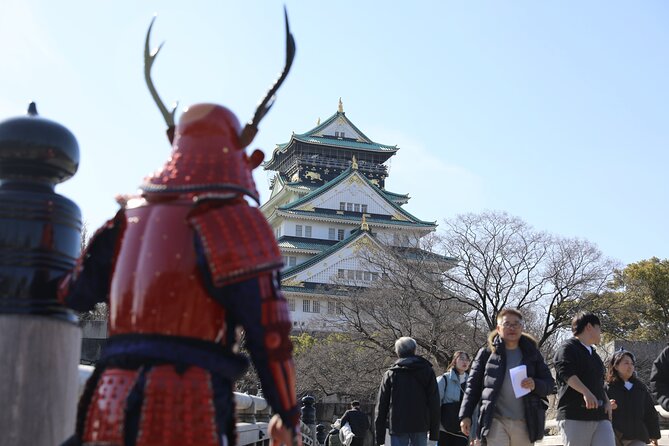
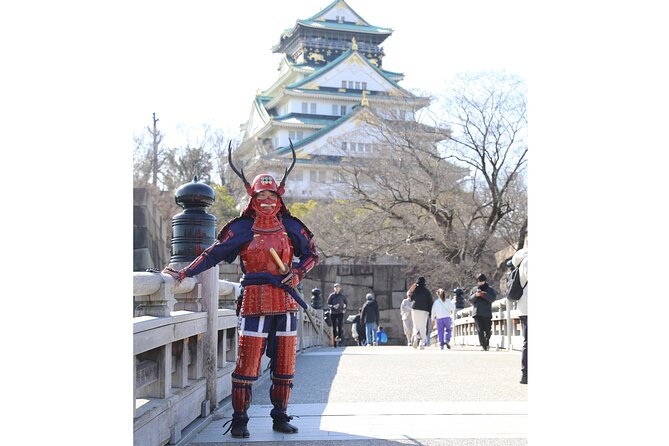
The outdoor portion is what separates this from many costume photo sessions. After dressing, you walk through Osaka Castle Park and around the Osaka Castle area while a professional photographer records the scene.
The setting adds scale and context. Instead of standing against a studio backdrop, you pose with the castle grounds around you and take on the role of a soldier connected with the Osaka Summer Battle of 1615. The program frames the scene from the Toyotomi side, placing you in the story as a soldier heading into battle.
You should understand what is included: the stops are Osaka Castle Park and Osaka Castle, with photographs taken on the grounds. The information does not promise entry into the castle interior, so think of this as an exterior castle and park visit in armor.
The walk may also attract attention from people nearby. One participant noted that many people took photographs during the castle visit. That can be fun if you enjoy a little public attention, but it may feel awkward if you prefer a private photo shoot.
The photographer takes pictures throughout the activities, not only at the castle. Professional prints and digital files are included, with the files sent to the email address you designate. A video upgrade is available for an additional charge, while fixed tripods and personal video recording are not permitted.
You may use a smartphone for personal photographs, but no selfies or pictures of other participants are allowed. The restrictions are sensible in a small teaching space where tripods and filming can interrupt the session.
How the guides shape the day
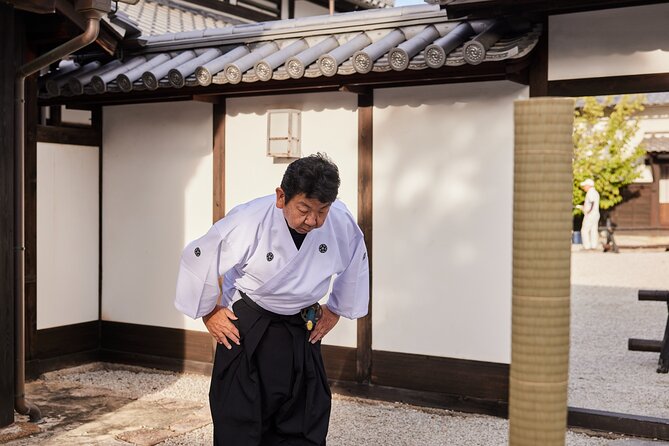
The people leading the activities are a major part of the value. Sessions have included sword expert Taguchi San, calligraphy teacher Sakuma San, and interpreter Camila San. Staff availability can change, so you should not assume every named person will lead your particular booking.
The format allows instructors to correct your grip, help with clothing, and explain the purpose behind each activity. English is the default language. Italian, Spanish, French, Chinese, Thai, and Indonesian may be requested, but limited staff availability means those languages cannot be guaranteed.
If clear communication is especially important to you, contact the operator before booking rather than relying on a last-minute language request. This matters most during sword practice, where understanding instructions is part of staying safe.
The private format also suits people who ask many questions. You can take more time with a brush stroke, ask about a piece of armor, or clarify a tea ceremony gesture without holding up a large group.
Is $181.19 a fair price?
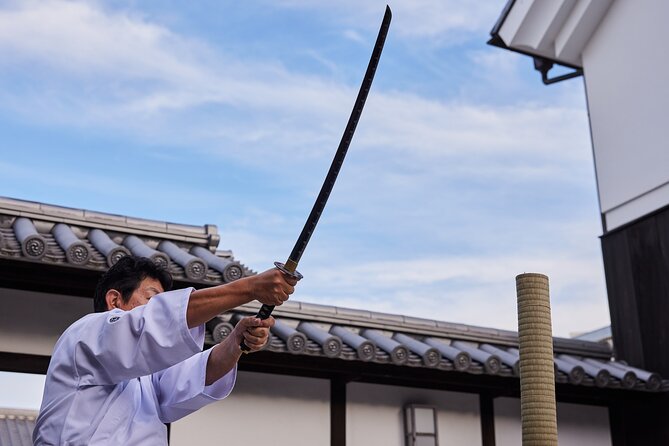
At $181.19 per person, this is one of the more expensive short activities you can add to an Osaka itinerary. The price makes more sense if you use all the parts: instruction in several traditional arts, supervised sword work, assistance with dressing, a private group, a walk near Osaka Castle, and professional photographs and digital files.
It is less convincing if your main goal is a five-minute armor portrait. Osaka Castle Park is easy to visit without booking an activity, and you can find simpler costume photo options for less money.
The included photographs improve the value. You are paying for a record of the full session, not only for access to the clothing. If you would otherwise hire a photographer, pay for a cultural workshop, and arrange a separate castle visit, the combined price becomes easier to justify.
Matcha, wagashi, taxes, and gratuities are included. Public transportation, parking, private transportation, personal expenses, and a video upgrade are not. There is a small inconsistency in the supplied inclusions, where matcha and Japanese sweets also appear under items not included, but the main program clearly describes them as included snacks.
Who will enjoy this most
I would recommend this to you if you want active cultural learning instead of a sightseeing stop that ends with a quick explanation. It works especially well for couples, families, and small private groups who want a shared activity with photographs to take home.
Calligraphy makes it appealing to someone who is not interested in martial arts. The tea ceremony adds a calmer cultural element, while the sword and armor portions bring energy and a strong visual payoff.
It is also a good choice if you are staying in Osaka but considering a day trip to Kyoto for traditional culture. You can combine the experience with time around Osaka Castle rather than spend a full day moving between cities.
I would think twice if you dislike heat, have trouble standing or walking in heavy clothing, or have a back or heart condition. The operator also says the activity is not stroller accessible and does not allow pets.
Practical details that can make the day easier
Bring the booking confirmation on your phone, since the activity uses a mobile ticket. Check the route to the meeting point in advance, and build in extra time.
Arrive dressed for warmth and movement. You will sweat in hakama and armor, particularly after sword practice, and assistants will handle the clothing. Use the restroom before changing.
Do not plan to bring a tripod or record the complete session on video. Smartphone photographs are allowed under the stated rules, but you cannot take selfies or photograph other people.
The activity requires a liability waiver. Read the safety instructions carefully, especially those concerning the sword. You should never draw or use it without permission.
Free cancellation is available if you cancel at least 24 hours before the start time. Cancellations or changes made less than 24 hours before the start time are not refunded or accepted.
Should you book Samurai Honor?
Book it if you want a full cultural program with real participation, not just a costume rental. The strongest combination is the large-brush calligraphy, carefully taught sword work, tea ceremony, and outdoor photographs around Osaka Castle.
The price is the clear hurdle. I would choose it for a special day, a family memory, or a once-only Japan trip where professional photographs matter. I would skip it if you only want to see Osaka Castle or take a single samurai picture.
For the right person, the day has a satisfying rhythm: quiet brushwork, formal tea, focused sword practice, then the drama of armor in the castle grounds. That range is what makes the experience worth considering.
FAQ
How long does the Samurai Honor experience last?
The activity lasts approximately three hours. The sword practice, armor session, and photography portions are each described as taking about 30 minutes, with calligraphy, tea, changing, explanations, and walking making up the remaining time.
Where does the activity meet?
The meeting point is Japan, 536-0014 Osaka, Joto Ward, Shiginonishi, 2-chōme 3-19, at Excellence Takayama. The activity ends back at the same meeting point.
Is transportation included?
Public transportation, parking, and private transportation are not included. The meeting point is near public transportation.
Is the experience private?
Yes. Only your group participates in the activity.
What language is provided?
English is the default language. Italian, Spanish, French, Chinese, Thai, and Indonesian may be requested, but availability is limited and cannot be guaranteed.
Are photographs included?
Professional photographs are included, with data sent to your designated email address. Professional prints and files are also described as included, and a video upgrade is available for an additional charge.
Can I wear any armor size or style I choose?
Not necessarily. Armor depends on your height, weight, and other physical factors, so your preferred type may not be available. General sizing is suitable for heights up to about 185 centimeters and weights up to 100 kilograms.
Can I take photographs with my smartphone?
Personal smartphone photography is permitted, but selfies and photographs of other participants are not allowed. Fixed tripods and video recording are also prohibited because they may disturb the activity.
What happens if I arrive late or need to cancel?
If you are more than 30 minutes late, entry may be refused, even if you contact the operator. You can cancel for a full refund up to 24 hours before the start time. Cancellations and changes made less than 24 hours before the start time are not accepted.
Just added around Osaka
- Samurai dress-up and shows, plus Tea Ceremony & Calligraphy★ 5.0 · 27 reviews
- Kyoto & Nara Private customized tour with English speaking Guide★ 4.5 · 99 reviews
- Well-balanced BENTO (lunch box) Cooking Class★ 5.0 · 35 reviews
- Urban Canvas: Osaka Street Art Bike Tour★ 5.0 · 47 reviews
- OSAKA:Feel the Power! Learn Taiko Drum from Professionals★ 5.0 · 28 reviews
- Volleyball in Osaka & Kyoto with Locals!★ 5.0 · 21 reviews
- 1.5〜2 Hours Traditional Kintsugi Work Shop in Namba Osaka★ 5.0 · 75 reviews
- Umami Town Street Food Tour★ 5.0 · 120 reviews
Kimono & Culture Experiences, compared.
Kyoto Geisha Walking Tour: Gion District & Hidden Gems
Read our review →
Gion Magical Night Walking Tour with Geisha Trivia
Read our review →
Gion Geisha District Walking Tour – Stories of Geisha
Read our review →
Best of Kyoto: Gion, Geisha, Pagodas & Cobblestones
Read our review →
Kyoto Gion Geisha District Walking Tour – The Stories of Geisha
Read our review →
Browse the lists this tour appears in