
REVIEW · WORKSHOPS
Hiroshima:Private lacquer workshop experience tour(gift included)
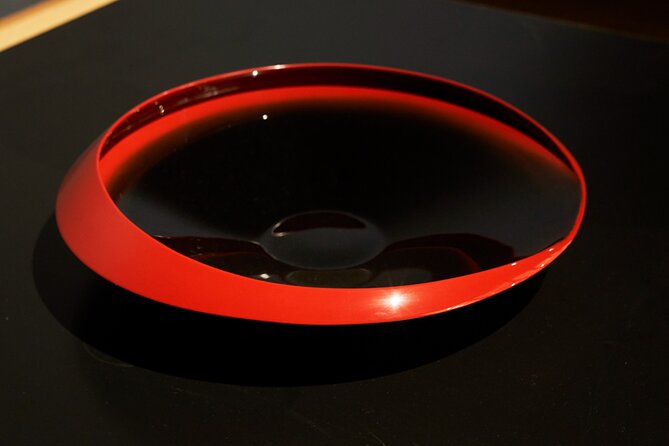
Hiroshima’s lacquer tradition comes alive in a small studio where artist Naoya Takayama connects Buddhist altar craftsmanship with tableware made for daily use. You learn how natural lacquer is handled, why the work takes such patience, and then try the craft yourself. I like the direct access to an active artist and the small group limit of six. I also like that the gift is made by the instructor, not a generic souvenir.
The main drawback is the price: $287.41 per person for about two hours is a serious spend. This makes the workshop a better choice for art lovers, craft-minded visitors, and anyone seeking a personal Hiroshima experience than for visitors simply looking for a quick activity.
In This Review
- Key points before you book
- A close look at Hiroshima’s lacquer craft
- What happens during the two-hour workshop
- Why the artist-led format matters
- The hands-on part is worth your attention
- A meaningful gift, with one thing to clarify
- Is $287.41 good value?
- Who will enjoy this most
- Location and timing in your Hiroshima plans
- What the strongest feedback tells you
- Cancellation and practical booking notes
- Should you book this Hiroshima lacquer workshop?
- FAQ
- Where does the Hiroshima lacquer workshop begin?
- Where does the activity end?
- How long does the lacquer workshop last?
- How many people can join?
- Who leads the lacquer experience?
- Is a gift included?
- Can I cancel for a refund?
Key points before you book
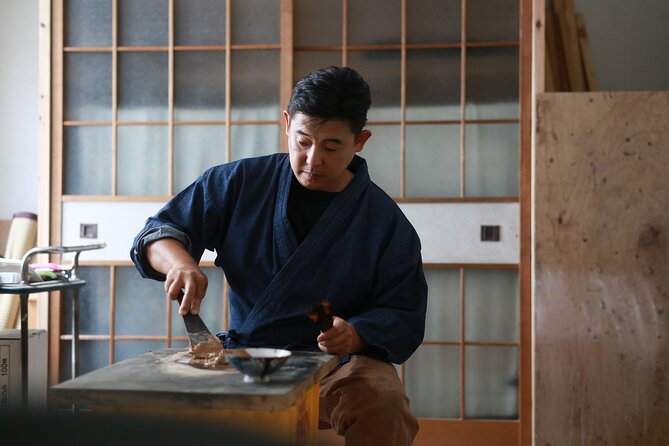
- Meet Naoya Takayama’s lacquer tradition: Learn how techniques used for Hiroshima Buddhist altars are being adapted for everyday tableware.
- Try lacquer painting yourself: The workshop includes hands-on practice, not only a demonstration.
- See award-winning work: Takayama’s pieces were selected as gifts for the G7 Summit.
- Keep an artist-made gift: Your booking includes a work made by the instructor.
- Small private setting: The group is limited to six people, allowing a closer look at the tools, materials, and technique.
- Plan for a focused two hours: This is a craft lesson and studio visit, not a broad sightseeing tour of Hiroshima.
A close look at Hiroshima’s lacquer craft
Many visitors come to Hiroshima for the Peace Memorial Park, Miyajima, and the city’s wartime history. This workshop gives you a different view of the city, one built around careful handwork and a local craft tradition.
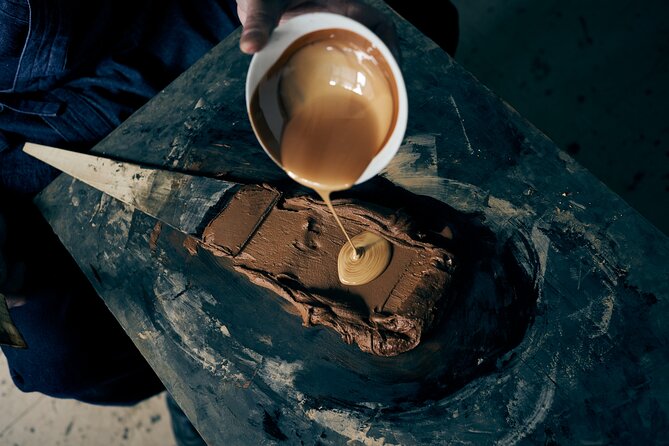
The central subject is urushi, the natural lacquer used in Japanese lacquerware. Here, the craft is tied to Hiroshima Buddhist altars, where lacquer work has long required precision, repeated preparation, and a steady hand. Naoya Takayama has taken those established skills and applied them to objects used in ordinary life.
That change matters. Instead of treating lacquerware only as something displayed in a temple or reserved for formal occasions, Takayama works with tableware that fits into modern homes. You get to see how an old method can remain useful without being frozen in the past.
The experience is led around the work of Naoya Takayama, who learned traditional Kyoto lacquer painting and later refined his practice with the roiro, or wax color, technique. His pieces have received awards, and some were chosen as gifts at the G7 Summit. That detail gives you a clear sense of the level of work on display, but the workshop is still designed to explain the craft in approachable terms.
A few more Hiroshima trips to weigh up
- Private Japanese Cooking Class in Hiroshima with Machiko’s Family
★ 5.0 · 35 reviews - Experience the Soul of Hiroshima: A Peaceful Koto Workshop
★ 5.0 · 32 reviews - Calligraphy Workshop at Traditional Folk Craft Shop in Hiroshima
★ 5.0 · 26 reviews
What happens during the two-hour workshop
The session begins with the background of Hiroshima Buddhist altar craftsmanship. You learn about the origins of the work and the techniques used to build the polished surfaces associated with lacquerware.
This opening is more than a short history lesson. It helps you understand why the finished pieces look so smooth and controlled, and why the process cannot be rushed. The workshop also addresses the current decline of traditional crafts and the practical ideas being explored to keep those skills alive.
That discussion adds useful context. You are not only shown a beautiful object and asked to admire it. You are encouraged to think about how crafts survive, who learns them, and how makers can connect old skills with present-day use.
Next comes an introduction to Takayama’s own work. This is where you can compare the traditional foundation with his more personal approach. His use of the roiro technique and his focus on everyday tableware show how one artist is testing new directions while keeping the underlying discipline intact.
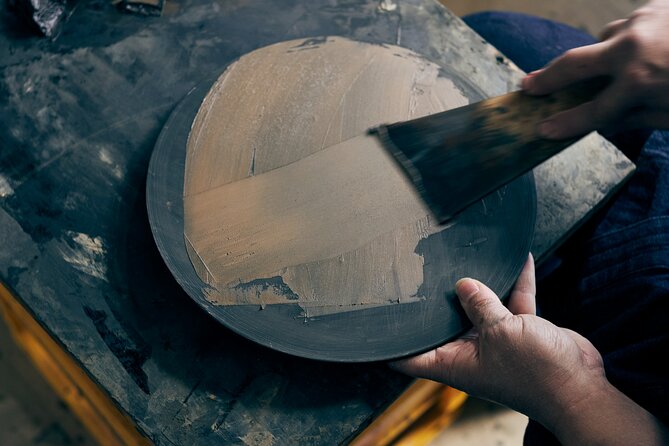
The hands-on lacquer painting follows. Exact project details are not specified, so you should expect an introduction to the technique rather than a full apprenticeship in every stage of lacquer production. Still, trying the material yourself changes the way you look at the finished pieces. Small movements, surface control, and attention to detail become easier to appreciate once you have made an attempt.
The session ends with a gift made by the instructor. Since the item is created by Takayama, it gives you a lasting connection to the workshop and a more meaningful keepsake than a mass-produced souvenir.
Why the artist-led format matters
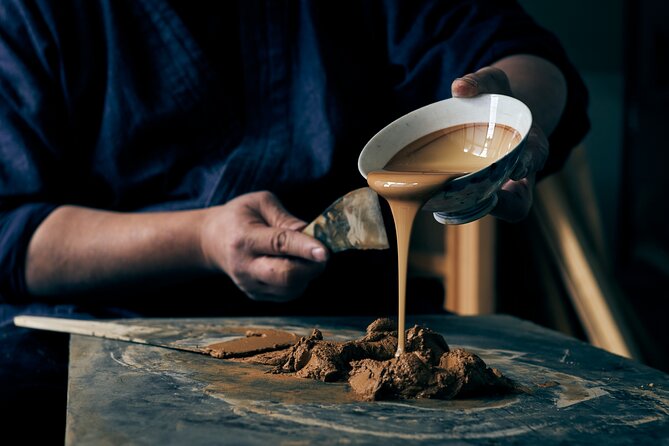
A museum display can show you the final surface of lacquerware. An artist-led session can explain the decisions behind it. That difference is the strongest reason to consider this experience.
Takayama’s background links several strands of Japanese craft. He learned Kyoto lacquer painting, developed his own style, and inherited traditional skills and spirit from Kiyoshi Takayama, the founder of the company. The workshop therefore covers both continuity and change.
You also get a look at the gap between the public image of Japanese craft and the work required to sustain it. Traditional lacquerware is often admired for its flawless finish, but the labor behind that finish is easy to miss. The lesson about declining crafts helps put the object in a wider social and economic setting.
The small group size helps here. With a maximum of six people, the setting should feel more personal than a large demonstration. You can focus on the artist’s hands, ask questions, and take part without being lost at the back of a room.
One guide named in the experience feedback is Michi, who was praised for being kind and professional. The workshop is built around Takayama’s craft, while a guide such as Michi can help explain the process and keep the session moving for an international audience.
The hands-on part is worth your attention
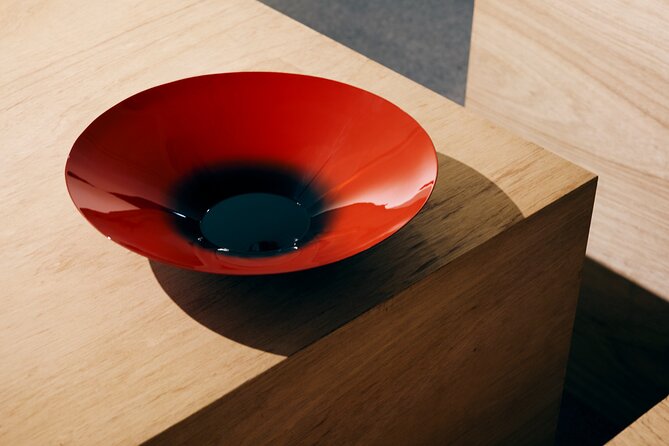
I would not book this simply to watch someone else paint. The most useful part is having the chance to try lacquer painting yourself.
The technique can look simple from a distance. A brush touches a surface, a pattern takes shape, and the result appears calm and refined. Once you take part, you begin to notice the control involved. Lacquer work depends on restraint, and a small mistake may be much more visible than it would be on an ordinary painted object.
You should approach the activity with curiosity rather than expectations of producing a professional piece. The available information does not specify the exact item you will paint or how long it will need to cure. The value is in learning the feel and logic of the technique, not in completing a major work of art in two hours.
This is also a good activity for people who enjoy seeing how materials behave. The workshop uses natural materials, and Takayama’s everyday lacquerware is noted for its refined texture. That tactile quality is difficult to understand from photographs alone.
The practical result is a better eye. Afterward, you may notice the depth, sheen, and surface finish of Japanese lacquerware in a way you would have missed before.
Same city, a completely different kind of day:
- Peaceful Hiroshima & Miyajima UNESCO 1 Day Bus Tour
★ 5.0 · 5,309 reviews - Hiroshima: Hiroshima and Miyajima UNESCO Sites 1-Day Tour
★ 4.9 · 2,330 reviews - Hiroshima / Miyajima Full-day Private Tour with Government Licensed Guide
★ 5.0 · 1,298 reviews - Hiroshima Historical Walking Tour – Why A-Bomb was Dropped
★ 4.8 · 893 reviews
A meaningful gift, with one thing to clarify
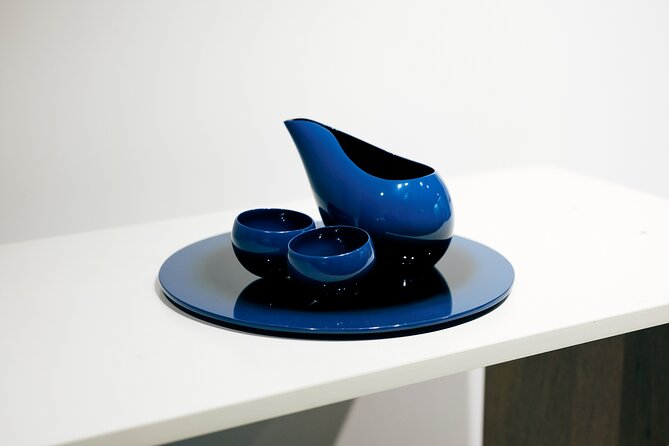
The included gift is one of the strongest value points. It is made by the instructor, so it carries the mark of the same studio and tradition you have just studied.
The exact size and type of gift are not stated. You should not book expecting a particular bowl, plate, or decorative object unless the provider confirms it before your visit. What is clear is that you receive a work made by the instructor.
That uncertainty is minor for most people, but it matters if you are comparing the $287.41 price with the cost of buying lacquerware in a shop. The gift should be viewed as part of the personal workshop experience, not as a guaranteed high-value retail purchase.
Pack it carefully for the rest of your trip. No special shipping or packing service is listed, so you may want to ask how the gift is protected before you leave the studio.
Is $287.41 good value?
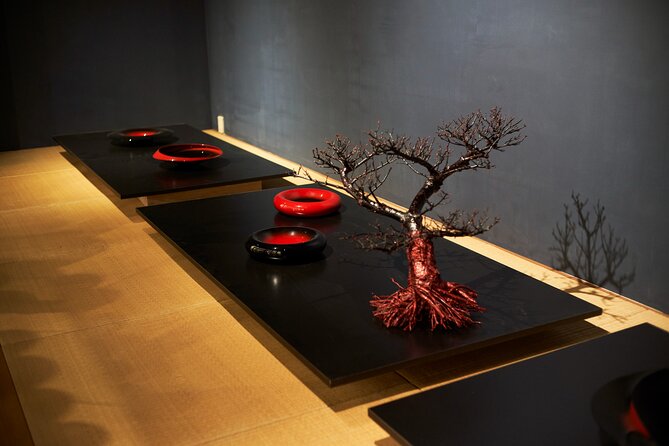
At $287.41 per person, this is expensive for a two-hour activity. The price makes sense only if you value access, instruction, and a small-group craft setting more than sightseeing time or a low-cost souvenir.
A cheaper craft class might let you make a simple object with less focus on the artist’s background. A museum might offer more information for a lower admission price but no hands-on work and no artist-made gift. This experience combines a working studio, instruction, practical participation, and a keepsake.
The group limit of six improves the value because the workshop is not built around moving a large crowd through a quick demonstration. You are paying for a close encounter with a specialist and for the chance to ask questions in a focused setting.
I would consider the price reasonable for a serious art and culture enthusiast, especially if this is one of the few paid cultural activities in your Hiroshima schedule. I would be more cautious if you are traveling on a tight budget, have little interest in Japanese craft, or want a broad introduction to the city.
The fact that the experience is commonly booked well in advance also matters for planning. It averages 39 days of advance booking, so leaving it until the last moment may not be wise, particularly if your Hiroshima dates are fixed.
Who will enjoy this most
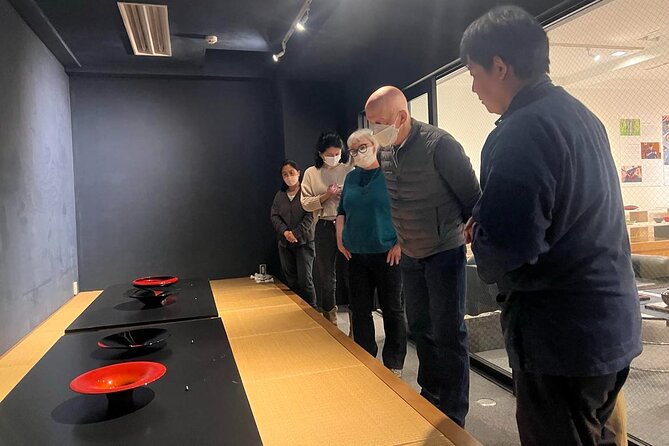
This workshop fits you well if you enjoy:
- Japanese decorative arts and traditional making
- Small, personal cultural activities
- Meeting artists and seeing work in a studio
- Hands-on activities with a clear cultural background
- Thoughtful souvenirs with a direct connection to the place you visited
It is also a good choice if you have already seen Hiroshima’s major sights and want an activity that slows the pace. Two hours is long enough to focus on one subject without taking up a full day.
Families and mixed-age groups may also find it appealing, since most people can participate. Still, the activity is based on careful instruction and fine handwork. Very young children or anyone expecting a fast, playful class may not find it a natural fit.
You do not need to be an artist. The point is not to arrive with skill. It is to listen, watch, and make an informed attempt.
Location and timing in your Hiroshima plans
The meeting point is at 2-17 Horikawachō, Naka Ward, Hiroshima, postal code 730-0033. It is near public transportation, which makes it practical to reach without arranging a private car.
The tour begins and ends at the same meeting point. That is useful when you are fitting it between other plans, since you are not left at a different part of the city at the end.
The duration is about two hours. I would avoid scheduling a major timed attraction immediately afterward. The workshop itself may finish on schedule, but you will want enough room for the hands-on portion, questions, and collecting your gift.
Mobile tickets make the booking simple. Confirmation is received at the time of booking, so keep the ticket available on your phone when you arrive.
The activity is offered in a maximum group of six, and most people can participate. No special accessibility details are provided, so if you have specific mobility or participation needs, ask the provider before booking.
What the strongest feedback tells you
The most consistent praise centers on three things: the quality of the lacquer work, the chance to try the techniques, and the personal welcome at the studio.
That combination is important. A beautiful demonstration alone can feel passive. A hands-on activity without strong craftsmanship can feel like a basic souvenir class. Here, the appeal comes from seeing work at a high professional level and then using some of the same ideas yourself.
The experience has received a five-star rating from 13 reviews, with 100 percent recommending it. That is a small sample, so I would not treat it as proof that every visitor will find the price right. It does show a clear pattern of satisfaction with the artistic quality and the way the workshop is presented.
One particularly strong reaction described it as the best experience of a 17-day Japan trip. That kind of response points to the workshop’s emotional value. It can become memorable because it gives you time with a craftsperson, rather than another quick look at a famous site.
The feedback also describes the studio staff as welcoming and the chance to try the techniques as a key part of the experience. If you enjoy learning by doing, that is the reason to choose this over a standard cultural talk.
Cancellation and practical booking notes
You can cancel for a full refund up to 24 hours before the experience begins. Cancellations made less than 24 hours before the start time are not refunded, and changes inside that period are not accepted.
The cut-off follows local Hiroshima time. Check your schedule carefully before booking, especially if your Japan itinerary includes several train connections or changes of city.
The experience is provided by 一般社団法人My Japan. Confirmation arrives at booking, and the mobile ticket can be used for entry.
Should you book this Hiroshima lacquer workshop?
Book it if you want a close look at Japanese craft, value time with an artist, and like the idea of making something with your own hands. The small group, artist-made gift, and connection to Hiroshima Buddhist altar techniques give it substance beyond a standard souvenir class.
Think twice if $287.41 feels too high for two hours, or if your main goal is to cover Hiroshima’s major historical sights. This is a specialized experience, not a general city tour.
For the right visitor, it offers something difficult to find elsewhere: a direct introduction to a living craft, an honest look at the challenge of keeping traditional skills alive, and a personal object to carry home. If that sounds like your kind of afternoon, book well ahead and ask about the exact hands-on project and gift before you go.
FAQ
Where does the Hiroshima lacquer workshop begin?
It begins at 2-17 Horikawachō, Naka Ward, Hiroshima, 730-0033, Japan.
Where does the activity end?
The activity ends back at the meeting point.
How long does the lacquer workshop last?
The experience lasts approximately two hours.
How many people can join?
The activity has a maximum of six participants.
Who leads the lacquer experience?
The workshop features Hiroshima artist Naoya Takayama. Guide Michi is also named in the experience information as a kind and professional guide.
Is a gift included?
Yes. You receive a work made by the instructor.
Can I cancel for a refund?
Yes. You can cancel up to 24 hours before the start time for a full refund. Cancellations or changes made less than 24 hours before the start time are not accepted or refunded.
Just added around Hiroshima
- The Peace Memorial to Miyajima : Icons of Peace and Beauty★ 4.5 · 31 reviews
- Hiroshima & Miyajima All-Inclusive Tour w/Licensed guide Pancho★ 5.0 · 54 reviews
- Private Full Day Hiroshima Tour★ 4.5 · 29 reviews
- Okunoshima Rabbit Island Cycling Tour with Local Guide★ 4.5 · 17 reviews
- Shore Excursion from Hiroshima Port : Private Tour in Hiroshima★ 5.0 · 17 reviews
- Hiroshima Saijo Sake Tasting Tour with visit to 7 Breweries★ 5.0 · 104 reviews
- Miyajima Guided Tour and Fresh Oyster Farm Tour★ 5.0 · 20 reviews
- Hiroshima Country Cycling: Explore Rural Life 1 HR from City★ 5.0 · 22 reviews
Workshops, compared.

Sushi Making Tokyo Roll and Authentic Japanese Sushi Class
Read our review →

Roll and Authentic Sushi Making Class in Asakusa
Read our review →
Ramen Cooking Class at Ramen Factory in Kyoto
Read our review →
Sushi Making Class in a Happi Coat near a Famous Spot
Read our review →

Sushi Making Osaka Roll and Authentic Japanese Sushi Class
Read our review →
Tokyo Sushi Making Class in Tsukiji with Professional Chef
Read our review →Browse the lists this tour appears in