
REVIEW · WORKSHOPS
Hands-on Japanese Cooking in a Shinjuku Home Kitchen with Satoru
The most unusual part of this Tokyo food experience is not the cooking lesson. It is the walk from JR Shinjuku Station to Satoru’s apartment, where you leave the city’s bright signs and packed streets behind for a simple home kitchen. There, you cook Japanese food from scratch and sit down with your host to eat it.
I like two things right away: the private setting gives you time to ask real questions, and the weekday menu makes the food more focused than a broad, one-size-fits-all class. Satoru also explains ingredients such as dashi and organic honey, so you learn why the dish tastes the way it does, not only how to copy it.
The main consideration is the small kitchen and the fixed menu schedule. This is home cooking in a real apartment, not a polished culinary studio. Check the menu before booking, and tell Satoru about dietary needs or requested changes at least one week ahead.
In This Review
- Key points to know before booking
- A Tokyo cooking class that begins at Shinjuku Station
- The cooking lesson: from dashi to finished dishes
- Choosing between teishoku and popular Japanese dishes
- Sitting down to eat with Satoru
- What the small apartment setting means for you
- Is $130 a fair price?
- Who will enjoy this Shinjuku experience most?
- Practical planning for your booking
- Should you book Hands-on Japanese Cooking in Shinjuku?
- FAQ
- Where does the cooking experience begin?
- Who leads the cooking class?
- How long does the experience last?
- How many dishes will I cook?
- What food is prepared on Saturday through Tuesday?
- What food is prepared on Wednesday through Friday?
- Is a vegetarian option available?
- Are drinks included?
- Can I cancel for a refund?
Key points to know before booking
- Meet at JR Shinjuku Station: Satoru picks you up there and walks with you to his apartment.
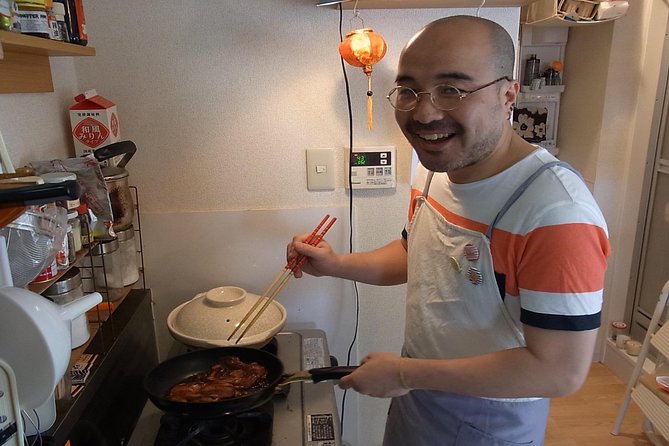
- Cook in a real home kitchen: The apartment is simple and cozy, with a small but efficient cooking area.
- Menu depends on the day: Teishoku runs Saturday through Tuesday. Popular dishes such as ramen, gyoza, and okonomiyaki are offered Wednesday through Friday.
- Private meal and conversation: Your group cooks, eats, and talks with Satoru without joining a larger class.
- Local alcohol is included: You receive one or two glasses with the meal.
- Plan ahead for food restrictions: Vegetarian cooking is available, but requests must be made when booking and menu changes need one week of notice.
A Tokyo cooking class that begins at Shinjuku Station
This experience lasts about two and a half hours, starting at the designated meeting point at JR Shinjuku Station. You do not receive hotel pickup, so you need to make your own way to the station. The activity ends back at the same meeting point after the visit.
That station meeting matters. Shinjuku is enormous, and the listed meeting point is at 3-chōme-38-1 Shinjuku. Give yourself extra time to reach the correct exit and location. Once you meet Satoru, the walk to his home becomes part of the experience. You are not simply being delivered to a classroom. You are being introduced to the everyday side of one of Tokyo’s best-known districts.
The activity is private, which is a real advantage. You can ask questions at your own pace, work as a family, or focus on food details that interest you most. A couple may prefer a quiet meal and conversation, while a family with teenagers can share tasks without worrying about slowing down a larger group.
The small apartment kitchen sets the tone. You should expect a practical home cooking lesson rather than a restaurant kitchen with rows of workstations and professional equipment. That limitation is also part of the appeal. You see how Japanese food can be prepared in an ordinary urban home, using an efficient space and familiar household methods.
A few more Tokyo trips to weigh up
- Ramen & Gyoza Cooking Class in Tokyo with Local Supermarket Visit
★ 5.0 · 823 reviews - Tokyo: Easy Ramen Cooking Experience in Kabukicho, Shinjuku
★ 4.6 · 321 reviews - Ramen and Sushi Cooking Class with Sake Pairing Set in Tokyo
★ 5.0 · 291 reviews
The cooking lesson: from dashi to finished dishes
The cooking portion takes about an hour and a half. Satoru teaches you how to prepare two to five authentic Japanese dishes from scratch, with the exact number depending on the menu and the food selected for the day. The general description refers to two or three dishes, while the detailed schedule allows for as many as five, so you should think of this as a flexible range rather than a guaranteed number.
Satoru’s teaching style is a major part of the value. He gives background on the ingredients and shares stories connected to his choices. You can ask about savory dashi, sweet organic honey, and other components as you work. This helps you understand the balance behind Japanese home cooking, where a dish may rely on a few well-chosen ingredients rather than a long list of complicated steps.
You also get useful kitchen guidance instead of a simple demonstration. The class is hands-on, so you take part in preparing the food. If you are new to Japanese cooking, the private format lets you ask for clarification without feeling lost. If you already cook, you have room to ask about substitutions, seasoning, and how the food fits into everyday Japanese meals.
The experience is especially suitable for families. Satoru is described as patient, funny, welcoming, and courteous, and his approach has worked well for families with teenage daughters. Teenagers can lose interest in formal sightseeing, but cooking gives them something active to do, followed by a meal they helped make.
Choosing between teishoku and popular Japanese dishes
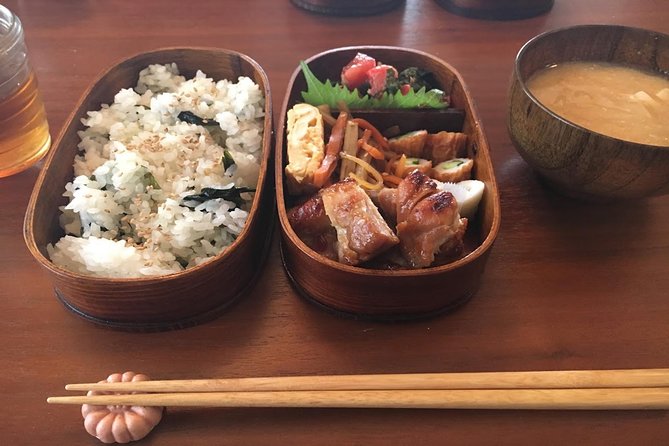
The menu changes by day, so your booking date affects what you cook. From Saturday through Tuesday, the menu is teishoku, a Japanese set meal built around miso soup, rice, and two side dishes. This is the best choice if you want a look at the structure of an everyday Japanese meal.
Teishoku is useful cultural context because it shows how a meal is balanced. Rice provides the staple, miso soup adds warmth and savoriness, and the side dishes bring variety. You are not just making one famous dish. You are learning how several small parts come together at the table.
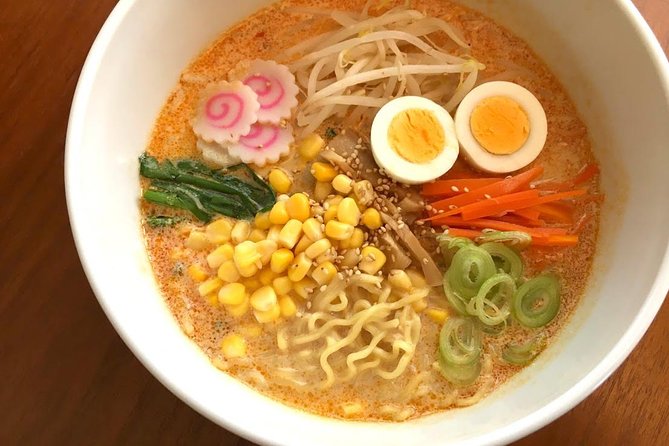
From Wednesday through Friday, the menu features popular Japanese comfort foods. Options include okonomiyaki, karaage, yakisoba, katsu curry rice, ramen, and gyoza. Each gives you a different window into Japanese home-style cooking.
- Okonomiyaki is a Japanese savory pancake.
- Karaage is Japanese fried chicken.
- Yakisoba is pan-fried noodles.
- Katsu curry rice combines breaded cutlet, curry, and rice.
- Ramen is a noodle dish served with broth and toppings.
- Gyoza are Japanese dumplings.
Do not assume you can choose any of these on any date. The menu is tied to the day, and the menu of the day is cooked unless you share a preference or request a change in advance. If you have your heart set on ramen, gyoza, or another listed dish, check the schedule before paying.
Food restrictions need the same attention. Vegetarian cooking is available, but you must state that requirement at booking. For other dietary needs or menu changes, contact the host one week before the experience. Waiting until the day of the class may leave you with the scheduled menu.
Sitting down to eat with Satoru
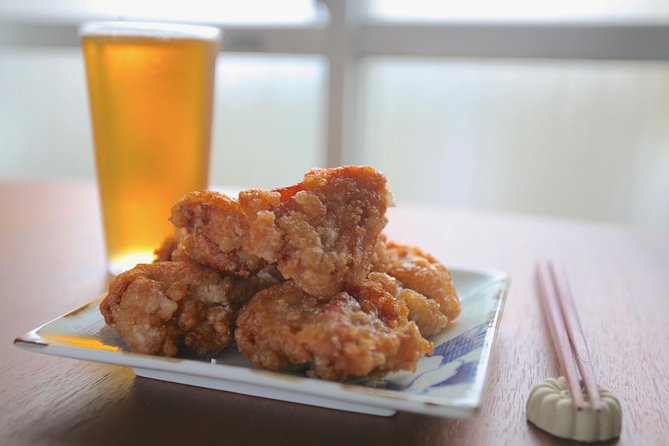
After cooking, you sit down in the apartment and share the meal with Satoru. This is where the class shifts from instruction to conversation. The food has a stronger connection to place because you have prepared it in his home and can ask about the ingredients while eating.
One or two glasses of local alcohol are included. This can be a pleasant part of the meal, but it is not the reason to book the class. If you do not drink, the food and conversation remain the central parts of the experience. The provided information does not specify alternative beverages, so mention any preference when booking if that matters to you.
The meal also gives you a chance to discuss everyday Japanese food beyond the menu. Satoru can explain why he uses certain ingredients and offer stories connected with them. That personal exchange is difficult to get in a restaurant, where you may enjoy a good dish but never learn how it fits into someone’s home life.
The format works particularly well for people who value conversation. You are not rushed through a series of cooking stations, and you are not sharing the table with a large group. Your time with Satoru is limited to your own party, which makes the meal feel more like a hosted visit than a standard sightseeing stop.
Same city, a completely different kind of day:
- Mt Fuji and Hakone 1-Day Bus Tour Return by Bullet Train
★ 5.0 · 26,383 reviews - 1-Day Tokyo Bus Tour
★ 5.0 · 14,250 reviews - Tokyo: TOKYO SKYTREE® Admission ticket
★ 4.5 · 11,192 reviews - Tokyo: teamLab Planets TOKYO Digital Art Museum Entry Ticket
★ 4.6 · 9,779 reviews
What the small apartment setting means for you
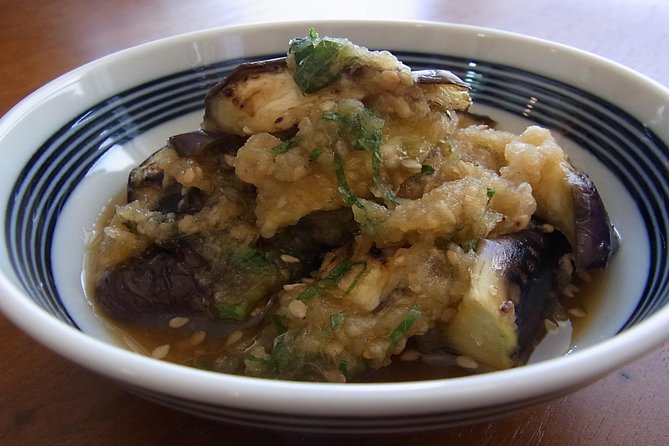
The setting is cozy and efficient, but it is also small. This experience suits you if you are comfortable working in a compact kitchen and sharing close quarters with your own group. It may not suit you if you expect a spacious studio, restaurant-style equipment, or a polished demonstration area.
The modest setting is valuable because it shows how Japanese dishes can be made in a normal city home. Shinjuku is a dense, central part of Tokyo, and the apartment gives you a different view of the area than department stores, observation decks, and neon streets. You get a brief look at ordinary domestic life in one of the city’s most famous neighborhoods.
Still, keep your expectations sensible. The class is about food, teaching, and personal exchange, not apartment sightseeing. The home is described as simple and cozy, and the kitchen is small but efficient. That is enough space for the private cooking activity, but it may feel tight for people who need lots of room to move.
Is $130 a fair price?
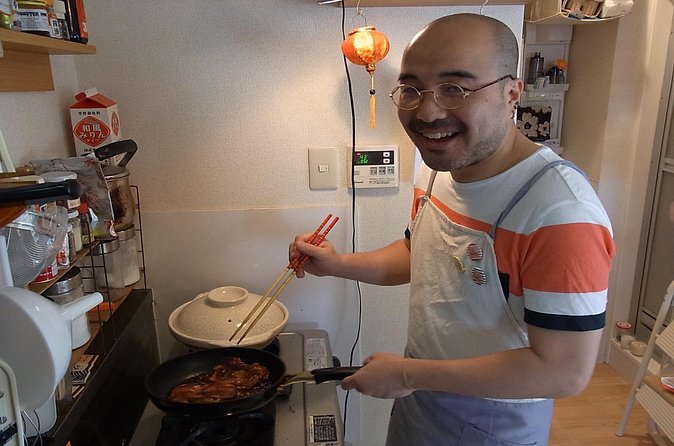
At $130 per person, this is not a cheap meal. You are paying more than you would for a casual bowl of ramen or a standard Japanese set meal. The value comes from what is bundled with the food: a private class, a host-led visit to a home, a guided walk from JR Shinjuku Station, one or two glasses of local alcohol, and the meal you help prepare.
The price makes the most sense for you if you place a high value on personal contact. A restaurant can serve you excellent food, but it cannot offer the same chance to ask Satoru about dashi, honey, menu choices, and home cooking while you prepare the dishes together.
It is also a strong choice for a family activity. The class gives parents and teenagers something to do together, and the private setup removes the pressure of keeping up with strangers. You leave with a shared meal and a story about the people you met, not just another restaurant receipt.
The value is weaker if you mainly want to eat. If cooking is not important to you, the cost may feel high for the amount of food involved. You should book this for the combination of instruction, conversation, and access to a local home, not simply for dinner.
A Japanese utensil and an ingredient are also provided as gifts. These are small extras, but they give you something practical to take home and connect with the meal after your trip.
Who will enjoy this Shinjuku experience most?
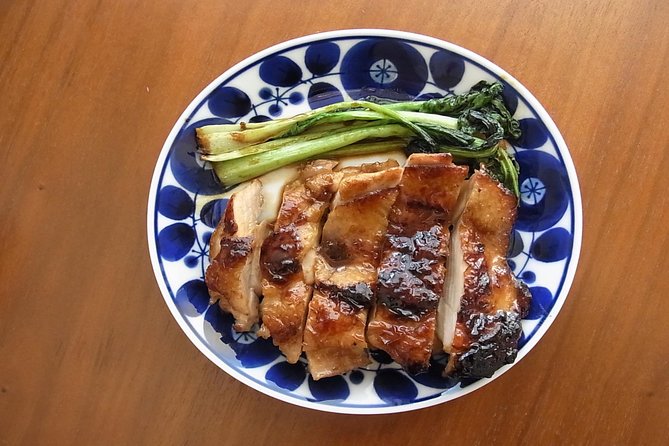
I would recommend it most strongly to families, couples, and small private groups who want a personal food activity. It is also a good fit if you have already seen major Tokyo sights and want a slower, more intimate activity in the middle of the city.
You will likely get the most from it if you:
- Enjoy asking questions while you cook
- Want to learn Japanese home-style food
- Like sharing a meal with a local host
- Are comfortable in a compact apartment kitchen
- Can commit to checking the menu before booking
- Have enough notice to arrange vegetarian or other dietary needs
The class may be less suitable if you need a fully accessible kitchen, though the supplied information does not give accessibility details. It may also disappoint you if you want a large class with many participants, since only your group takes part.
The experience has received a five-star rating with 100 percent recommendation across 19 ratings, which fits the strongest features: patient instruction, a relaxed host, good food, and laughter during the class. Those qualities matter more here than fancy equipment.
Practical planning for your booking
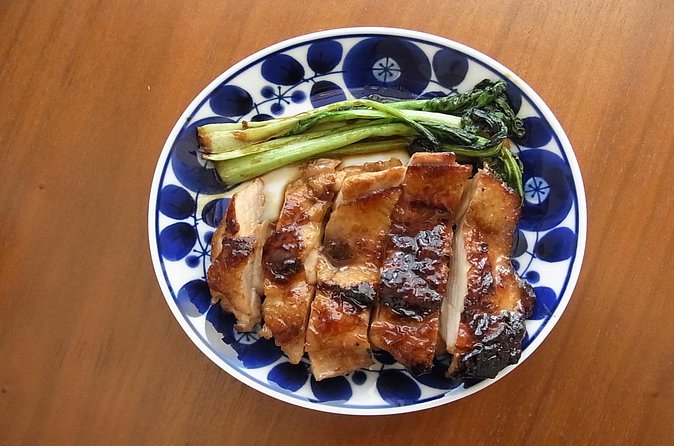
Book with the menu in mind. Saturday through Tuesday gives you teishoku, while Wednesday through Friday offers the rotating popular-food choices. Since the menu may also vary by season, confirm the current plan before you commit.
Add dietary requests in the special requirements field when booking. Vegetarian cooking is possible, but the host needs advance notice. For menu changes or other restrictions, give Satoru at least one week of notice. Confirmation arrives within 48 hours, subject to availability, and this experience is often booked about 72 days ahead, so waiting until the last minute may not work.
Your ticket is mobile, which is convenient for meeting at the station. Bring the booking details on your phone and allow time to find the correct meeting location at Shinjuku Station. Hotel pickup and drop-off are not included.
Free cancellation is available if you cancel at least 24 hours before the start time. Cancellations or changes made inside that window are not refunded or accepted. The cut-off follows Tokyo local time, so keep that in mind if you are arranging the activity from another time zone.
Should you book Hands-on Japanese Cooking in Shinjuku?
Book it if you want Japanese food with a personal story attached. Satoru’s apartment, the hands-on preparation, the set meal or comfort-food menu, and the shared drink create a more personal experience than a restaurant visit.
I would choose the Wednesday through Friday schedule if you are excited about ramen, gyoza, okonomiyaki, karaage, yakisoba, or katsu curry rice. Choose Saturday through Tuesday if you want to understand the everyday structure of a Japanese teishoku meal.
Skip it if you want a low-cost dinner, a spacious cooking school, or a flexible menu arranged at the last minute. For everyone else, especially families with teenagers and food-focused visitors, this is a thoughtful way to spend two and a half hours in Tokyo.
FAQ
Where does the cooking experience begin?
It begins at JR Shinjuku Station, at 3-chōme-38-1 Shinjuku, Shinjuku City, Tokyo 160-0022, Japan.
Who leads the cooking class?
Satoru leads the private cooking class and meets you at JR Shinjuku Station.
How long does the experience last?
The experience lasts approximately two hours and 30 minutes. The cooking portion takes about an hour and a half, followed by the shared meal and conversation.
How many dishes will I cook?
The experience teaches two to three homestyle dishes in the general description, while the detailed information gives a range of two to five dishes. The exact number depends on the menu.
What food is prepared on Saturday through Tuesday?
The menu is teishoku, a Japanese set meal that includes miso soup, rice, and two side dishes.
What food is prepared on Wednesday through Friday?
The menu features popular Japanese dishes, which can include okonomiyaki, karaage, yakisoba, katsu curry rice, ramen, or gyoza.
Is a vegetarian option available?
Yes. You must request the vegetarian option when booking.
Are drinks included?
Yes. One to two glasses of local alcohol are included.
Can I cancel for a refund?
Yes, if you cancel at least 24 hours before the experience start time. Cancellations made less than 24 hours in advance are not refunded.
Just added around Tokyo
- Private Memorable Tokyo Tour with English Speaking Driver★ 5.0 · 30 reviews
- Tokyo Photography Masterclass – Private Photography Lesson★ 5.0 · 25 reviews
- Private Tokyo Custom Full-Day Tour by Chartered Vehicle★ 5.0 · 16 reviews
- Private Sightseeing to Mt Fuji and Hakone with English Driver★ 5.0 · 51 reviews
- Private Mt. Fuji Day Trip from Tokyo with English-Speaking Driver★ 5.0 · 33 reviews
- 4 Day Tour – Mount. Fuji, Tokyo, Hakone, Kamakura and Yokohama★ 5.0 · 19 reviews
- Private Unforgettable Mt Fuji Tour with English Speaking Driver★ 5.0 · 142 reviews
- Private Tokyo Food Tour – A Journey Through Time Through Food★ 5.0 · 36 reviews
Workshops, compared.
Sushi Making Tokyo Roll and Authentic Japanese Sushi Class
Read our review →
Roll and Authentic Sushi Making Class in Asakusa
Read our review →
Ramen Cooking Class at Ramen Factory in Kyoto
Read our review →
Sushi Making Class in a Happi Coat near a Famous Spot
Read our review →
Sushi Making Osaka Roll and Authentic Japanese Sushi Class
Read our review →
Tokyo Sushi Making Class in Tsukiji with Professional Chef
Read our review →Browse the lists this tour appears in