REVIEW · MORNING
Explore Hidden Alleyway with a Local Expert (Morning tour)
Kyoto reveals itself especially well from a bicycle seat. On this three-hour private e-bike tour, you pedal from old geisha quarters to the Imperial Palace and the Kamo River, covering ground that would take serious effort on foot. The small-group format lets you ask questions, pause for coffee, or adjust the pace.
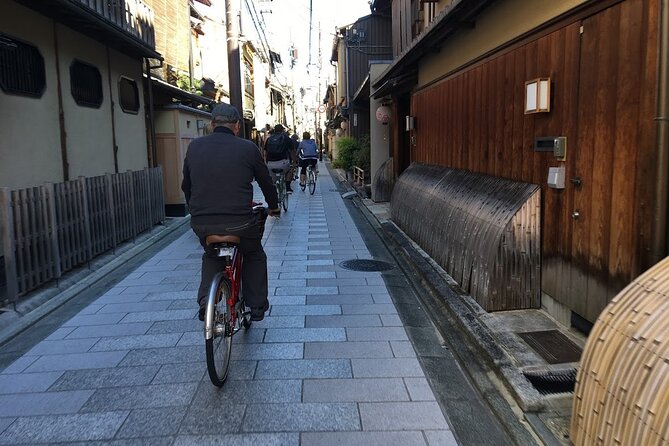
I like the route’s variety, especially Miyagawacho and Gion, where traditional wooden houses and narrow lanes still shape the view. I also like that the e-bike takes the sting out of a hot morning, while the guide handles directions and adds context. The main drawback is rain: the tour operates, but a wet morning may mean switching to buses or the metro, with less personal exchange if your guide’s English is limited.
In This Review
- Key points to know
- Why an e-bike works so well in Kyoto
- Starting at 9:00 near Kyoto Station
- Miyagawacho: Kyoto’s wooden lanes
- Gion: Kyoto’s best-known geisha quarter
- Tatsumi Bridge and the willow-lined stream
- Kyoto Imperial Palace on two wheels
- Kamo River: a local pause at Kashiwayacho
- What your guide adds to the morning
- Rain, heat, and riding comfort
- Who should book this Kyoto e-bike tour?
- Should you book it?
- FAQ
- How long is the Kyoto e-bike tour?
- What time does the tour begin?
- Where does the tour begin and end?
- Is the e-bike rental included?
- How many people can join a private group?
- Can one person book the tour?
- What happens if it rains?
- What places does the route visit?
- Can children join?
- Is the tour suitable for most people?
Key points to know
- Five very different Kyoto stops: See geisha districts, a willow-lined bridge, the Imperial Palace grounds, and a local riverside rest.
- Private groups of two to six: Your guide can adjust the pace and respond to your interests.
- E-bike rental included: The battery assistance helps on a hot day and makes the route less tiring.
- A smart first or second day activity: You get a broad look at Kyoto and can collect ideas for the rest of your stay.
- Rain plans are built in: You can continue by bike with a free poncho or switch to walking with public transportation.
- Plan for the saddle: If you rarely cycle, padded shorts or padded clothing may make the ride more comfortable.
Why an e-bike works so well in Kyoto
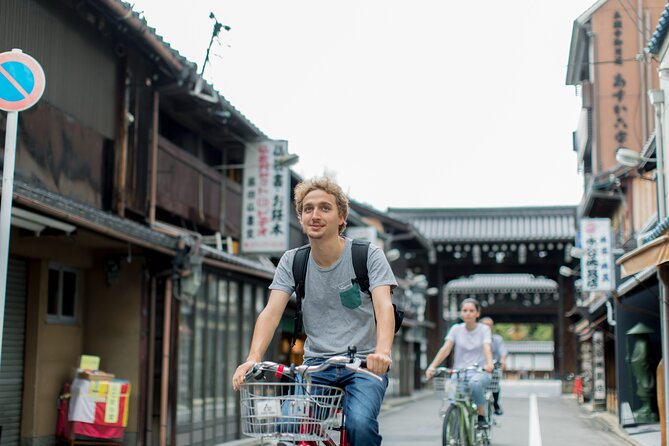
Kyoto’s sights are spread across a wide area. Gion lies southeast of the Imperial Palace, while the Kamo River offers a natural break between busy streets and older neighborhoods. Walking between all these places can eat up much of a morning, especially in summer.
The e-bike solves part of that problem. You still pedal, but battery assistance makes the ride easier, particularly when the day is hot or you have several more sights planned afterward. You also avoid the stop-and-start rhythm of a bus route and see the small streets between major attractions.
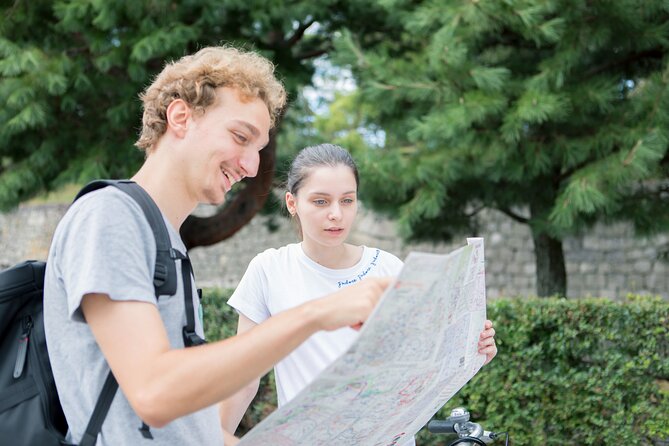
Your guide leads the way, so you do not have to keep checking a phone map. That matters in Kyoto, where a short lane can lead into a quiet pocket of traditional houses, while a larger road may feel much less appealing for cycling.
This is a private activity for two to six people per guide. A solo booking is not accepted, and groups of seven to twelve can arrange an additional guide. The private setup is useful if one person wants photo stops, another wants historical background, or the group needs a slower pace.
A few more Kyoto trips to weigh up
- Kyoto Early Morning Tour with English-Speaking Guide
★ 5.0 · 1,427 reviews - Kyoto: Early Morning Tour with English-Speaking Guide
★ 4.9 · 1,128 reviews - From Kyoto: Nara Guided Morning Tour
★ 4.6 · 335 reviews
Starting at 9:00 near Kyoto Station
The meeting point is at 552-13 Higashiaburanokōjichō in Shimogyo Ward. The tour begins at 9:00 a.m. and returns to that same point, which makes it easy to plan another Kyoto activity afterward.
A morning start is a good choice. The route includes outdoor riding, and an early departure gives you a better chance of avoiding the worst heat. It also leaves the afternoon open for a temple visit, shopping, or a longer lunch.
Confirmation is sent within 48 hours, subject to availability. Since the tour is often booked well ahead, an average of 47 days, I would not leave it until the last minute if your Kyoto dates are fixed.
The listed price is $103.04 per person. That is not the cheapest way to move around Kyoto, but the price includes the e-bike and guide, and you are paying for a private outing rather than simply renting a bicycle. For a group that wants a clear introduction to several parts of the city in one morning, the value is strongest.
Miyagawacho: Kyoto’s wooden lanes
The first stop is Miyagawacho Kaburenjo, in one of Kyoto’s five traditional geisha districts. It is the city’s second-largest geisha quarter, and its character comes from the narrow alley lined with traditional wooden houses.
You spend about 15 minutes here. That is enough for an introduction and a few photographs without turning the stop into a long formal visit. The appeal is the quiet mood. Compared with Kyoto’s major temple approaches, this area feels more like a neighborhood shaped by old customs and working buildings.
The district is connected with geiko and maiko culture, but remember that this is a living area, not a stage set. Your guide can help explain the difference between the terms and the role these districts play in Kyoto. You should be polite with photographs and avoid blocking doorways or treating residents as scenery.
Because admission is free, the value here comes from the setting and the guide’s explanation. Without local context, you might cycle past and see only attractive wooden facades. With a guide, the lane becomes a way to understand how entertainment districts were organized and why their architecture remains so distinctive.
Gion: Kyoto’s best-known geisha quarter
The route continues to Gion, perhaps Kyoto’s most famous geisha district. You have another 15-minute stop to see its refined streets and older atmosphere.
Gion can be crowded, and a bicycle is not useful on every narrow lane. Your guide should direct you through the appropriate roads and identify the sections where it is better to slow down or walk the bike. This is one reason the guided format helps. You are not trying to navigate while also watching pedestrians and searching for the next turn.
The short stop is an introduction, not a full tour of Gion. If you want a longer look at its streets, return later on foot. The e-bike morning gives you the framework first, then you can decide which parts deserve more time.
I particularly like the contrast between Miyagawacho and Gion. Both relate to geisha culture, but they do not feel identical. Seeing both in one morning gives you a better sense of Kyoto’s traditional entertainment quarters than visiting only the most famous street.
Same city, a completely different kind of day:
- PERFECT KYOTO 1-Day Bus Tour
★ 5.0 · 13,518 reviews - Kyoto: Fushimi Inari, Kinkakuji, Bamboo Grove 1 Day Bus Tour
★ 4.8 · 4,316 reviews - Kyoto: Tea Ceremony in a Traditional Tea House in Kiyomizu
★ 4.9 · 3,519 reviews - Kyoto Geisha Walking Tour: Gion District & Hidden Gems
★ 4.7 · 3,273 reviews
Tatsumi Bridge and the willow-lined stream
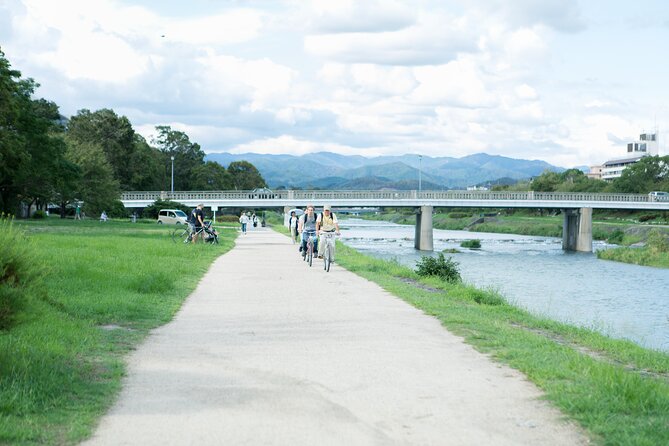
At Tatsumi Bridge, the city slows down. The bridge crosses a small stream, and willow trees line the water. You spend about 15 minutes here, with time to enjoy the view and take a breather from the streets.
This is a compact stop, but it gives the tour a change of pace. The geisha districts focus on buildings, lanes, and cultural traditions. Tatsumi Bridge offers a quieter scene shaped by water, trees, and the sound of the stream.
Do not expect a major monument or a long riverside walk. The attraction is the atmosphere. If you are looking for the Kyoto of gentle waterways and old lanes, this short pause may be one of the morning’s most pleasing moments.
The bridge also shows why cycling fits this route. You can move from one small area to another without spending half the morning on foot, then stop whenever the setting deserves attention.
Kyoto Imperial Palace on two wheels
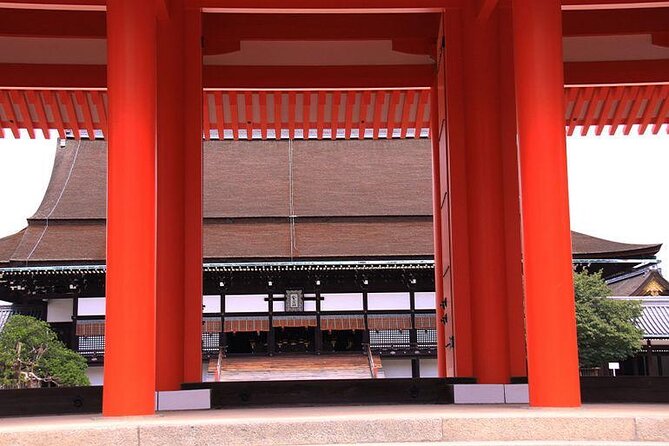
The tour then heads toward Kyoto Imperial Palace, the former residence of Japan’s Imperial Family. Today, the palace area is open to the public as a national garden, with seasonal flowers and broad grounds.
You spend about 20 minutes cycling along gravel paths. This is a different kind of Kyoto from Gion. Instead of tight lanes and wooden facades, you get open space, trees, and the scale of a former imperial center.
The gravel is worth noting. Riding on an unpaved path may feel less smooth than cycling on a paved street, especially if you are not used to bicycles. Stay attentive, follow your guide, and do not assume the e-bike will handle every surface like a road bike.
The tour does not promise a full palace building visit or an extended garden walk. You see the grounds from the bicycle route, which makes this a good overview rather than a substitute for a dedicated Imperial Palace visit.
Still, the stop adds useful historical range. In a single morning, you move from entertainment districts to imperial grounds, seeing how different parts of Kyoto served different roles. Your guide can also answer questions about Japan’s imperial history, religions, and culture. Guides such as Rich, Yuichi, and Annie have been praised for giving clear explanations and responding patiently to questions, though guide assignment can vary.
Kamo River: a local pause at Kashiwayacho
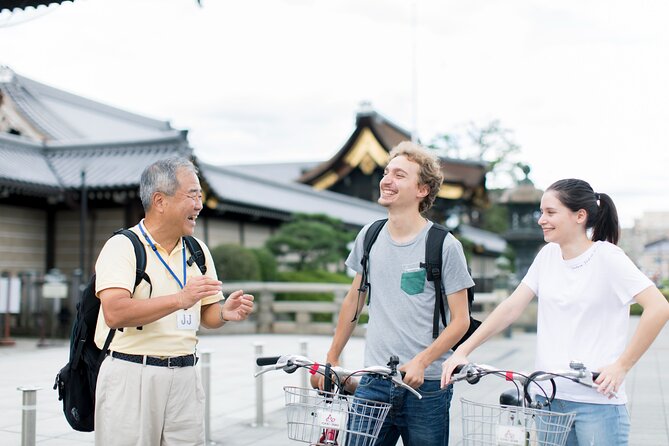
The final listed stop is Kashiwayacho, where you relax beside the Kamo River for about 20 minutes. The river is a favorite place for local residents, and it gives you a chance to sit rather than simply collect another photograph.
This pause is important because the morning covers several neighborhoods. A short rest keeps the ride from feeling like a race between checkpoints. You can chat with your guide, ask about places to eat or visit later, and let the city pass at a slower pace.
One group requested a coffee break during the tour, and the schedule allowed room for it. That suggests some flexibility, but you should ask your guide rather than assume every request can be added. The tour lasts about three hours, so an extended café stop would reduce time at the planned locations.
The river stop is also a practical ending. After seeing Kyoto’s historic quarters and formal gardens, you finish in a place connected to ordinary city life. That balance is one of the route’s strengths.
What your guide adds to the morning
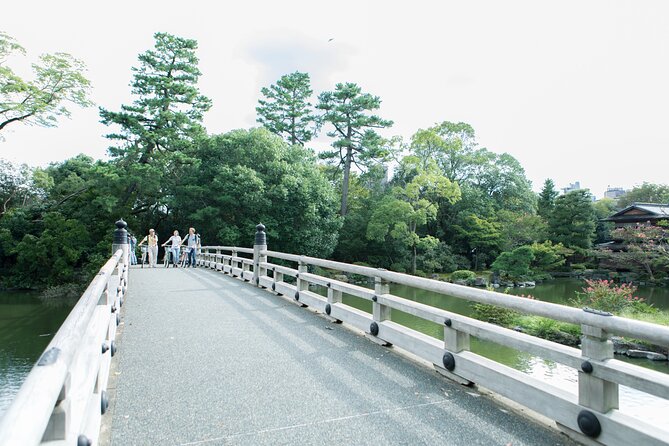
The guide is more than a person pointing out turns. You can ask about Kyoto’s history, religion, customs, food, and daily life as you ride. The private format gives you room to ask follow-up questions instead of waiting for a large group to move on.
Past guide assignments have included Rich, Yuichi, and Annie. Rich has been praised for answering a steady stream of questions, while Yuichi has helped groups shape the ride around interests such as the river and Imperial Palace gardens. Annie has been described as careful, well informed, and generous with her time.
That said, guide quality can vary, and language ability is worth considering. One rainy-day group found its guide pleasant but not able to discuss the tour in English as fully as hoped. On a bike ride, this may matter less because the route and sights carry part of the experience. If you switch to a walking tour in heavy rain, conversation becomes more central.
The best way to get value from the guide is to arrive with questions. Ask about geiko and maiko, the role of the five geisha districts, Kyoto’s religious traditions, or places to return later. This is not just a transport service. It is a chance to get local orientation early in your visit.
Rain, heat, and riding comfort
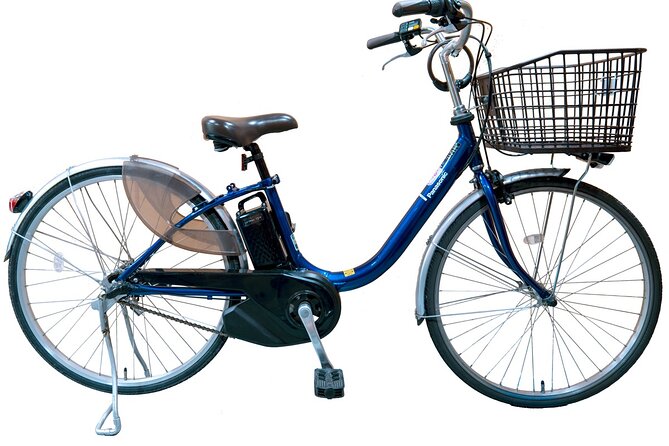
The tour operates in rain. You can continue by bicycle with a free rain poncho, or switch to a walking tour using buses or the metro, with that transportation included in the tour fee.
I would make the decision based on the forecast and your priorities. Light rain may be manageable on an e-bike, especially with a poncho. Heavy rain can make cycling unpleasant and may reduce the charm of the narrow lanes. The public-transport option keeps the tour running, but it changes the experience and may offer less relaxed conversation.
Hot weather is less of a concern because the electric assistance reduces physical effort. Still, you are outside for three hours, so bring water, wear comfortable clothing, and expect a bicycle saddle. If you are not used to cycling, padded shorts or padded clothing can help.
Children must be at least 10 years old, at least 145 centimeters tall, and able to ride safely on the road without help. Most people who meet those requirements can participate, but the tour is not designed for a child who is still learning to cycle.
Who should book this Kyoto e-bike tour?
I would choose this tour for a first or second day in Kyoto. It covers several areas quickly and gives you practical ideas for the rest of your stay. You can return to Gion on foot, spend longer at the Imperial Palace, or follow the Kamo River after you know the city’s layout.
It suits couples, families with older children, and small groups of friends who want a private pace. It is also a good fit if you like asking many questions, since your guide is not managing a large crowd.
You may prefer a walking tour or a dedicated palace visit if you want long periods inside one district. This route gives you breadth rather than depth. It also requires basic cycling confidence, attention on shared roads, and some tolerance for weather changes.
The 4.9 rating from 61 reviews and 98 percent recommendation suggest a strong record, with particular praise for the route, the guides’ patience, and the amount of Kyoto covered in a short time. The most useful practical warning is comfort: three hours may feel short for enthusiastic cyclists, but a saddle can feel long if you rarely ride.
Should you book it?
Book it if you want a fast, personal introduction to Kyoto without spending the morning walking several miles. The combination of geisha districts, the Imperial Palace, Tatsumi Bridge, and the Kamo River gives you a good spread of old Kyoto, while the e-bike keeps the route manageable in hot weather.
Skip it if rain would spoil your day, if you want an indoor-focused activity, or if your group includes anyone unsure about cycling on roads. Also check the final cancellation terms carefully before paying. The supplied conditions conflict: one note says cancellation three days ahead may allow a refund, while the stated policy says the experience is non-refundable and cannot be changed. The final terms shown at booking should guide your decision.
FAQ
How long is the Kyoto e-bike tour?
The tour lasts approximately three hours.
What time does the tour begin?
It starts at 9:00 a.m.
Where does the tour begin and end?
It begins at 552-13 Higashiaburanokōjichō in Kyoto’s Shimogyo Ward and ends back at the same meeting point.
Is the e-bike rental included?
Yes. Equipment rental for the e-bike tour is included in the price.
How many people can join a private group?
Each guide accepts a minimum of two and a maximum of six people. Groups of seven to twelve can arrange an extra guide.
Can one person book the tour?
No. The tour does not accept one-person participants.
What happens if it rains?
You can continue by bicycle with a free rain poncho, or switch to a walking tour using buses or the metro. The public transportation cost is included in the tour fee.
What places does the route visit?
The route includes Miyagawacho Kaburenjo, Gion, Tatsumi Bridge, Kyoto Imperial Palace, and Kashiwayacho beside the Kamo River.
Can children join?
Children must be at least 10 years old, 145 centimeters or taller, and able to ride a bicycle safely on the road without assistance.
Is the tour suitable for most people?
Most people can participate, provided they meet the cycling and age requirements. You should be comfortable riding a bicycle safely on the road and on the gravel paths at Kyoto Imperial Palace.
Just added around Kyoto
- Private Guided Traditional Buddhist Cooking in Japan★ 5.0 · 16 reviews
- Kyoto: Gion Geisha District & Sake-in-Hand Walking Tour★ 5.0 · 37 reviews
- Your Private Vacation Photography Session In Kyoto★ 5.0 · 110 reviews
- Kyoto: Zen Meditation at a Private Temple with a Monk★ 5.0 · 25 reviews
- Traditional Japanese Washi Papermaking- Kyoto morning★ 5.0 · 77 reviews
- Kyoto Wagashi(Japanese sweets) Cooking Class near Fushimiinari★ 5.0 · 60 reviews
- Private Pewter Sake Cup Experience with a Kyoto Artisan★ 5.0 · 31 reviews
- Kyoto Private 6 hour Tour: English Speaking Driver Only, No Guide★ 5.0 · 88 reviews
Morning, compared.
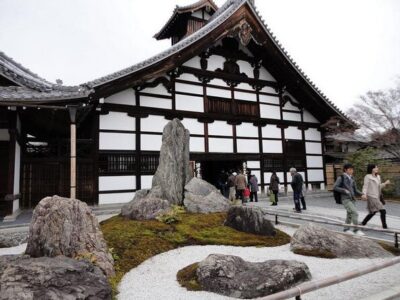
Kyoto Early Morning Tour with English-Speaking Guide
Read our review →Early Morning Tour with English-Speaking Guide
Read our review →
World Heritage Shirakawa-go Morning Guided Tour
Read our review →
Nara Early Morning Tour (Kyoto or Osaka Departure Available)
Read our review →
Hiroshima in a Nutshell: Morning Bike Adventure
Read our review →