
REVIEW · ARASHIYAMA BAMBOO TOURS
Arashiyama & Nara Highlights: One-Day Private Tour Adventure
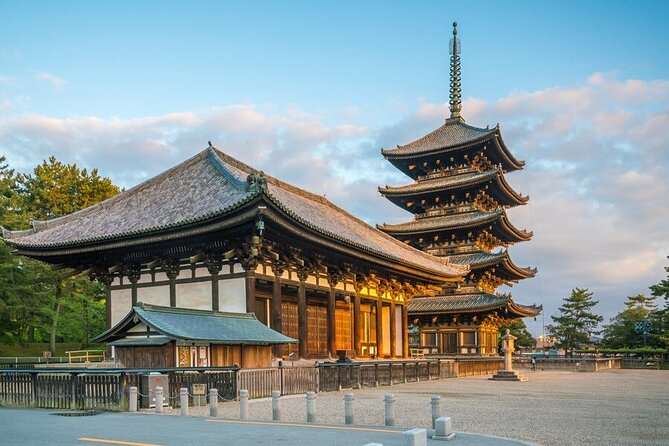
Seeing Arashiyama and Nara in one day gives you two very different sides of Japan. In the morning, you walk beneath Arashiyama’s tall bamboo and through the gardens of Tenryu-ji. Later, you meet the famously polite deer of Nara Park, enter Todai-ji’s enormous Buddha Hall, and finish at lantern-lined Kasuga Shrine.
I like the private format, since your group can discuss the timing and ask for changes rather than follow a fixed bus schedule. I also like the cultural range: bamboo, Zen gardens, Buddhist temples, Shinto worship, deer, and old Nara all fit into one day.
The main caution is cost. The advertised price is $490 per group of up to eight, but transportation is listed separately at ¥110,000 for up to five people, with entry fees of ¥4,800 per person. Confirm the full total before booking, because the car or van charge can change the value of the experience considerably.
In This Review
- Key points to know before booking
- Why combine Arashiyama and Nara in one day?
- Arashiyama bamboo and Tenryu-ji at 10:00
- Togetsu Bridge and the Hozu-gawa River
- Meeting Nara’s deer in Nara Park
- Entering Todai-ji’s Great Buddha Hall
- Lanterns and quiet paths at Kasuga Grand Shrine
- The real price: $490 plus transport and admissions
- Guide quality can shape the whole day
- Who will get the most from this day?
- Should you book the Arashiyama and Nara day?
- FAQ
- How long does the private tour last?
- Where does the tour start and end?
- Is transportation included in the booking price?
- What happens if my group has more than five people?
- Which attractions are included?
- Are admission fees included?
- Can the schedule be customized?
- What is the cancellation policy?
Key points to know before booking
- Two major destinations in one day: You cover Arashiyama in the morning and Nara in the afternoon, with Kyoto hotel pickup and return.
- A private car or van is central to the plan: Public transportation is not the basis of this experience, and the transport fee is extra.
- The day includes Japan’s biggest visual hits: Bamboo Forest, Tenryu-ji, Nara Park, Todai-ji, and Kasuga Shrine.
- The schedule is brisk but sensible: Arashiyama begins at 10:00, Nara starts at about 14:30, and you return to Kyoto around 19:00.
- Guide quality matters: Past guides have included Ahmed, Kingo, Moto, and Miyako, with praise for clear English, cultural knowledge, patience, and family-friendly help.
- The price needs careful checking: The group price does not cover the vehicle or temple admissions, so ask for a written all-in figure.
Why combine Arashiyama and Nara in one day?
Arashiyama and Nara are often treated as separate outings. Arashiyama is part of Kyoto, while Nara lies farther away, so fitting both into one day by ordinary public transportation can be tiring and time-consuming. A private vehicle makes the combination practical, though not inexpensive.
You begin with Kyoto’s scenic west side, where the bamboo paths and Tenryu-ji garden offer a calm start. After that, the route heads toward Nara, where the mood changes from refined temple gardens to broad parkland, free-roaming deer, and some of Japan’s most important Buddhist and Shinto sites.
I see this as a greatest hits day for someone with a short stay. You will not explore either district at a slow, local pace, but you will get a useful first look at both. The private setup also lets you request changes, rearrange stops, or use extra time for another Kyoto sight if the guide agrees.
The schedule gives you roughly eight hours, from a 09:00 hotel meeting to a 19:00 finish. That is a full day, and you should expect plenty of walking once you leave the vehicle.
More Nara Day Trips in Kyoto
- Kyoto/Osaka: Nara, Fushimi Inari Taisha, Arashiyama Bus Tour
★ 4.7 · 1,275 reviews - Osaka/Kyoto: Arashiyama, Nara & Fushimi Inari Shrine w/Lunch
★ 4.4 · 754 reviews - Kyoto and Nara Day Trip from Kyoto
★ 4.5 · 445 reviews
Arashiyama bamboo and Tenryu-ji at 10:00
The morning begins with Kyoto’s famous Bamboo Forest. Tall green stalks rise on both sides of the path, creating one of the city’s most recognizable scenes. The walk itself is not long in the planned schedule, around 30 minutes, so you will see the main stretch without spending the whole morning there.
The bamboo is photogenic, but it is best understood as one part of Arashiyama rather than the entire experience. A short visit gives you the signature view, while the guide can explain the nearby cultural sites and help you move on before the day becomes too compressed.
The route also includes Nonomiya Shrine, a small Shinto site associated with the Arashiyama area. Its inclusion adds a useful contrast to Tenryu-ji, since you move from a natural setting to a shrine and then to a Zen temple garden.
Tenryu-ji’s Sogenchi Teien is the stronger stop for anyone who enjoys gardens. The garden is a UNESCO World Heritage site, designed around water, rocks, trees, and views toward the surrounding hills. You should allow for the separate admission fee, listed as part of the ¥4,800-per-person entry total.
The planned visit to the garden is about 30 minutes. That is enough for a quick walk and photographs, but not enough if you want to linger over every detail. If gardens are your main interest, ask the guide in advance if more time can be shifted here from another stop.
Togetsu Bridge and the Hozu-gawa River
After the bamboo and temple garden, the route continues to the Hozu-gawa River and Togetsu Bridge at about 11:00. The bridge is one of Arashiyama’s best-known views and gives you an open setting after the enclosed bamboo path.
The stop is useful because it shows another side of the district. Instead of looking upward through bamboo, you get water, hills, and a broad view around the bridge. The exact amount of time here may depend on traffic, walking speed, and how much time you spend at Tenryu-ji.
The supplied schedule then places the journey to Nara at 13:00. That leaves a little time between the Arashiyama sights and the drive, though the day still moves quickly. This is where a private vehicle helps most. You can rest between destinations instead of changing trains and working out connections with a group.
Still, a car does not erase road traffic. The advertised times are best treated as a framework rather than a guarantee. If your group wants long photo stops, a leisurely meal, or extra temple interiors, both Arashiyama and Nara may require more than one day.
Meeting Nara’s deer in Nara Park
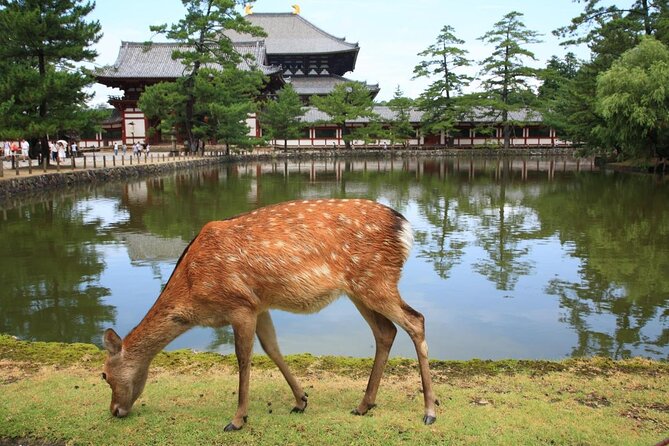
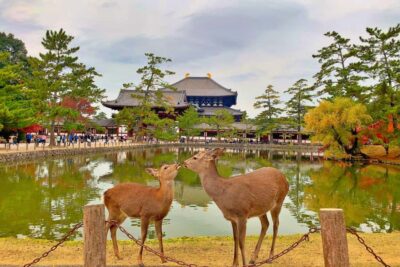
The Nara portion begins around 14:30 at Nara Park. Deer roam freely through the park, making this one of Japan’s most unusual city experiences. The park admission is free, and the deer are a natural draw for families, children, and anyone who wants a lighter moment between temple visits.
You should treat the deer with care and follow local instructions. The tour description presents them as gentle and accustomed to people, but they are still animals. Keep your attention on children around them and do not assume every deer will behave in the same way.
The scheduled visit lasts about an hour. That gives you time to walk through the park and enjoy the setting before heading to Todai-ji. One useful detail from the past experiences is that guides have helped with family photographs and stayed attentive to group needs. That sort of practical help matters when everyone wants pictures but nobody wants to spend the day managing the camera.
Nara Park is also the point where the day feels less formal. After the quiet garden in Arashiyama, you have open space, deer, and a more casual atmosphere. If you are traveling with children, this may be the most immediately enjoyable stop.
Same city, a completely different kind of day:
- PERFECT KYOTO 1-Day Bus Tour
★ 5.0 · 13,518 reviews - Kyoto: Fushimi Inari, Kinkakuji, Bamboo Grove 1 Day Bus Tour
★ 4.8 · 4,316 reviews - Kyoto: Tea Ceremony in a Traditional Tea House in Kiyomizu
★ 4.9 · 3,519 reviews - Kyoto Geisha Walking Tour: Gion District & Hidden Gems
★ 4.7 · 3,273 reviews
Entering Todai-ji’s Great Buddha Hall
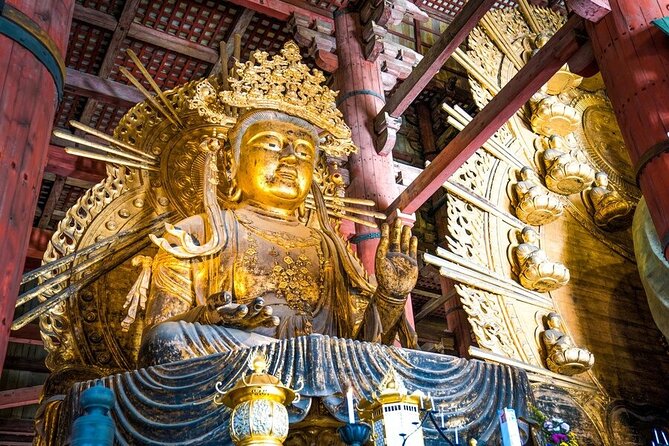
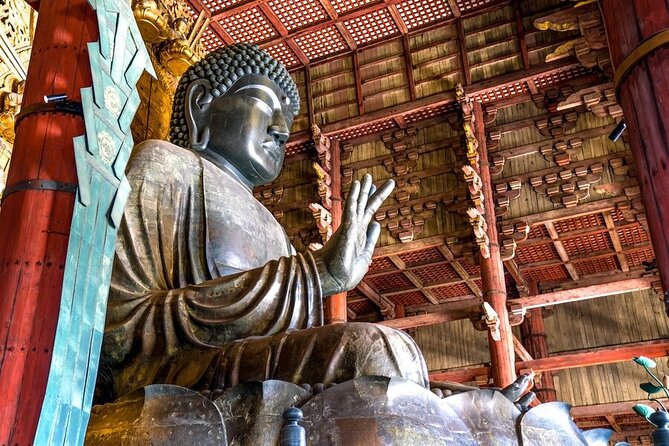
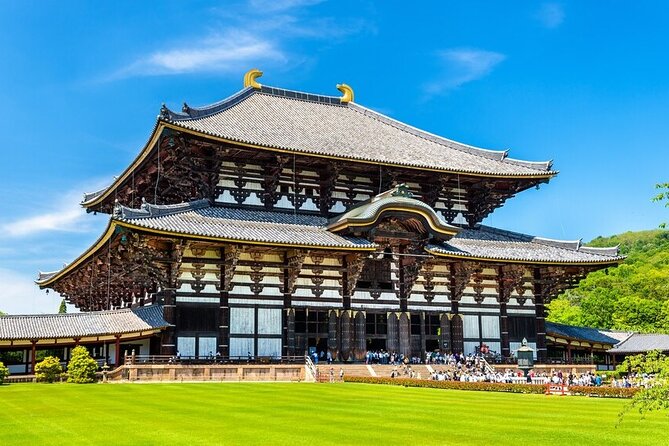
Todai-ji is the day’s major architectural and religious sight. The temple is a UNESCO World Heritage site and is famous for its Great Buddha Hall, home to one of the world’s largest bronze Buddha statues.
The scale is the point. You enter a huge wooden hall and face a bronze figure that makes ordinary temple statues seem small. Even if you have seen many temples in Kyoto, Todai-ji feels different because of its size and the directness of the interior experience.
The planned visit lasts about an hour. Admission is not included, and the overall entry cost is listed as ¥4,800 per person. Since the pricing information groups the admission fees together, ask exactly which sites are covered and whether the amount is fixed before the tour begins.
A guide can add real value here by explaining Buddhist images, the temple’s role, and the details you might otherwise pass without noticing. The guide names associated with past bookings include Ahmed, Kingo, Moto, and Miyako. Availability of any particular guide is not guaranteed, so if fluent English or a specific guide matters to you, request confirmation before paying.
Todai-ji is also where the time pressure is most noticeable. An hour is enough to see the Great Buddha Hall, but the temple grounds and surrounding Nara Park deserve more time if you are interested in architecture or religious art. You will need to decide whether seeing both cities matters more than a slower visit to one.
Lanterns and quiet paths at Kasuga Grand Shrine
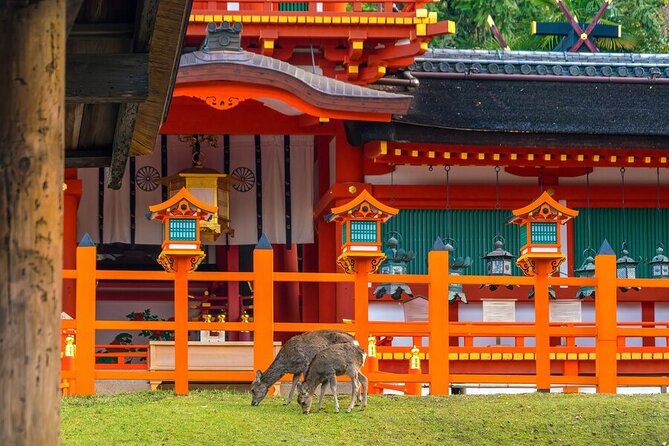
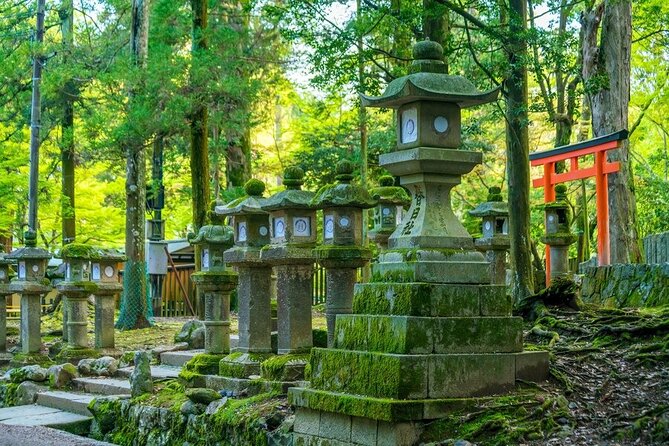
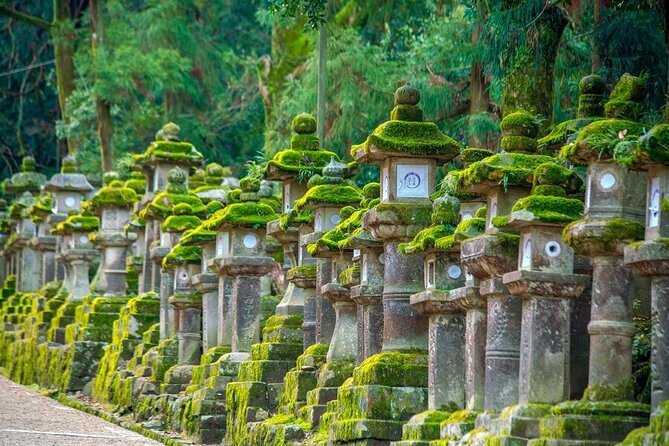
The final main stop is Kasuga Grand Shrine, scheduled for around 16:30 with about 30 minutes allowed. This Shinto shrine is known for bronze and stone lanterns lining its paths and for its wooded setting.
Half an hour gives you a focused introduction. You can see the lanterns, reach the main shrine area, and get a sense of the place before returning to Kyoto. It is not enough for a long walk through every path, so tell the guide if Kasuga is a priority for you.
Kasuga also completes the cultural contrast of the day. Tenryu-ji represents Zen temple design, Todai-ji shows the power of large Buddhist worship spaces, and Kasuga offers a Shinto setting shaped by lanterns, gates, and forest paths.
The listed admission for Kasuga Shrine is free. That helps keep the additional expenses manageable, though the private vehicle remains the major extra charge.
The real price: $490 plus transport and admissions
At first glance, $490 per group sounds reasonable for a private eight-hour tour, especially for a group of several people. But the advertised price is not the full cost. Transportation is excluded, with a cash payment of ¥110,000 for up to five passengers. Groups larger than five are asked to contact the operator in advance.
The price structure needs close attention. A group of five paying together may find the vehicle cost easier to share. A couple or small family will feel it much more sharply. Add the stated ¥4,800 entry fee per person, and the final amount can be far above the headline price.
You should ask these questions before booking:
- Is the ¥110,000 vehicle cost definitely separate from the $490 booking price?
- Does the transport fee cover the complete eight-hour route, including pickup and return to Kyoto?
- What vehicle will be used for your group size?
- Which admissions make up the ¥4,800 per-person amount?
- Is the amount paid in cash directly to the driver on the day?
The private format does offer value beyond simple transportation. You receive guiding and management, a planned route, hotel pickup in Kyoto, and the ability to request a custom arrangement. If you are trying to see both areas in one day and value convenience, that may justify the expense.
If your main goal is to save money, train travel and self-guided visits will likely be more economical, though you lose the private vehicle and guide. This experience makes the strongest financial sense for a full group, not for one or two people.
Guide quality can shape the whole day
The guide is especially important here because the route covers two destinations and several types of culture. You are not simply being driven to five photo stops. Good explanations can help connect the deer park, Buddhist temples, Zen gardens, and Shinto shrine.
Ahmed has been described as using fluent English and giving clear regional explanations. Kingo has been praised for his passion for local culture and for making the day work well for families. Moto has led a pleasant day that included deer and monkeys, while Miyako has been described as kind and well informed.
Those names show the range of guides connected with the experience, but they do not mean you will receive a particular person. The provider is Ahmed Abu Tayeh, and you should confirm guide arrangements if language ability or guide identity is important.
Past scores show a 4.8 rating with 94 percent recommending the experience, based on 16 reviews. That is a strong result, but the small number of ratings means you should still read the cost terms carefully. One serious complaint concerned guide availability on short notice and the unexpected effect of the separate vehicle charge.
That criticism is worth taking seriously. Book well ahead if possible, especially since the experience is booked an average of 51 days in advance. A short-notice booking may require changes, so get the pickup time, guide, car, and full price confirmed in writing.
Who will get the most from this day?
I would recommend this tour most strongly to:
- Families who want a private guide and easy transport
- First-time visitors with only a short stay in Kyoto
- Groups of several people who can divide the vehicle cost
- Visitors who want both famous sights and cultural explanation
- Anyone who prefers a flexible private day to a large group excursion
It is less suitable if you want a slow, deep visit to one district. The bamboo forest, Tenryu-ji, Todai-ji, and Kasuga Shrine all deserve more time than the schedule allows if you are a serious photographer, garden enthusiast, or temple specialist.
It may also disappoint if you expect the $490 price to include the vehicle. The separate ¥110,000 transport charge is the single most important booking detail.
Wear comfortable shoes and expect walking at several stops. The experience allows service animals, is near public transportation, and says most people can participate, but the supplied information does not give detailed mobility guidance for every path or temple area. Ask the operator if your group has specific access needs.
Should you book the Arashiyama and Nara day?
Book it if your priority is seeing the signature sights of Arashiyama and Nara in one private day, with a guide handling the route and a car or van connecting the two. The combination is ambitious but appealing, and the cultural variety is excellent.
Before you commit, confirm the total cost, the vehicle arrangement, the guide’s language, and how much freedom you have to adjust the schedule. If you have three to eight people sharing the transport expense, the value improves. For a couple, the separate vehicle fee may make independent train travel a better choice.
You can cancel free of charge up to 24 hours before the local start time. Changes made within 24 hours are not accepted, and poor weather may lead to a different date or a full refund. With the price clarified in advance, this is a practical way to cover two major Japanese destinations when time matters more than a leisurely pace.
FAQ
How long does the private tour last?
The experience lasts about eight hours. The planned day begins with a 09:00 meeting at your Kyoto hotel and finishes around 19:00.
Where does the tour start and end?
The tour starts in Kyoto, Japan, with the stated meeting point at your hotel in Kyoto. It ends back in Kyoto.
Is transportation included in the booking price?
No. Transportation is listed as an additional charge. For up to five passengers, the vehicle cost is ¥110,000 per booking, paid in cash to the driver on the tour day.
What happens if my group has more than five people?
The supplied details say to contact the operator in advance if your group has more than five passengers. The tour can accommodate up to eight people per group at the advertised group price.
Which attractions are included?
The route includes Nara Park, Todai-ji Temple, Kasuga Grand Shrine, the Arashiyama Bamboo Forest, Nonomiya Shrine, Togetsu Bridge, the Hozu-gawa River, and the Tenryu-ji Temple garden.
Are admission fees included?
No. Entry fees are listed separately at ¥4,800 per person. The information also specifies that admission to Todai-ji and Tenryu-ji is not included, while Nara Park, Kasuga Shrine, and the Bamboo Forest are listed as free.
Can the schedule be customized?
Yes. The planned route can be customized in arrangement with the guide. Any changes should be discussed in advance or during the tour, depending on timing.
What is the cancellation policy?
You receive a full refund if you cancel at least 24 hours before the experience start time. Cancellations or changes made within 24 hours are not accepted for a refund. If poor weather causes the tour to be canceled, you will be offered another date or a full refund.
More Arashiyama Bamboo Tours in Kyoto
- Osaka/Kyoto:Kinkakuji,Arashiyama,FushimiInariShrine,NaraPark
★ 4.1 · 1,596 reviews - Kyoto Arashiyama Walking Tour: Bamboo, Monkeys, Gardens & Secrets
★ 5.0 · 1,216 reviews - Arashiyama Bamboo, Temple, Monkeys, or Secret Sake Brewery
★ 4.8 · 886 reviews - Kyoto: Arashiyama Bamboo Forest, Monkeys, Matcha & Temple Tour
★ 5.0 · 759 reviews
Just added around Kyoto
- Private Guided Traditional Buddhist Cooking in Japan★ 5.0 · 16 reviews
- Kyoto: Gion Geisha District & Sake-in-Hand Walking Tour★ 5.0 · 37 reviews
- Kyoto: Zen Meditation at a Private Temple with a Monk★ 5.0 · 25 reviews
- Your Private Vacation Photography Session In Kyoto★ 5.0 · 110 reviews
- Traditional Japanese Washi Papermaking- Kyoto morning★ 5.0 · 77 reviews
- Kyoto Wagashi(Japanese sweets) Cooking Class near Fushimiinari★ 5.0 · 60 reviews
- Private Pewter Sake Cup Experience with a Kyoto Artisan★ 5.0 · 31 reviews
- Kyoto Private 6 hour Tour: English Speaking Driver Only, No Guide★ 5.0 · 88 reviews
Arashiyama Bamboo Tours, compared.
Osaka/Kyoto:Kinkakuji,Arashiyama,FushimiInariShrine,NaraPark
Read our review →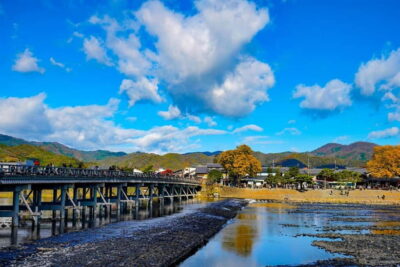
Kyoto/Osaka: Nara, Fushimi Inari Taisha, Arashiyama Bus Tour
Read our review →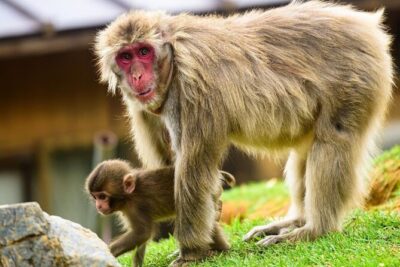
Kyoto Arashiyama Walking Tour: Bamboo, Monkeys, Gardens & Secrets
Read our review →
Arashiyama Bamboo, Temple, Monkeys, or Secret Sake Brewery
Read our review →
Arashiyama Bamboo Forest, Monkeys, Matcha & Temple Tour
Read our review →
Osaka/Kyoto: Arashiyama, Nara & Fushimi Inari Shrine w/Lunch
Read our review →
Nijo, Kinkaku-ji, Arashiyama, Kiyomizu & Fushimi Inari
Read our review →
Arashiyama Bamboo Forest & Hidden Gems Bike Tour (Early Bird)
Read our review →Browse the lists this tour appears in