
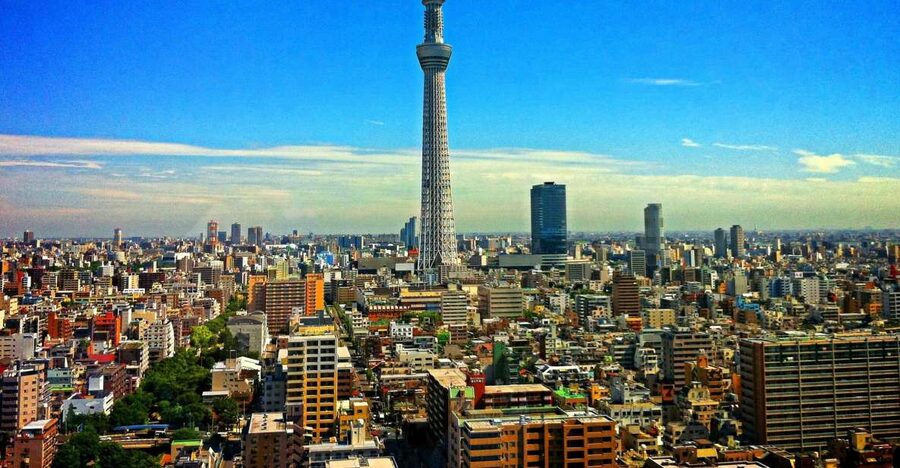
REVIEW · WALKING TOURS
Tokyo: Private Walking Tour with a Local
Tokyo is easier to enjoy once someone shows you how its pieces fit together. This private walk pairs you with a local guide who can help with the Tokyo metro, explain neighborhood customs, and shape the day around what you actually want to see. You might visit a temple, browse an old market, find a quiet café, or simply learn how to get from Shinjuku to your next stop without staring at a station map in despair.
I like two things especially: the tour is fully private and flexible, and it treats practical help as part of sightseeing. Guides have helped visitors buy rail passes, use train and subway tickets, find lunch, locate a Pokémon Centre, and reach gardens or viewpoints. The main consideration is that $82 per person does not include transport, food, attraction tickets, or optional activities. For a solo visitor, the price is harder to justify than it is for a family or small group.
In This Review
- Key points at a glance
- Why a local orientation helps in Tokyo
- Meeting your Lokafyer in central Tokyo
- What the walking route can include
- Tokyo transport help may be the best part
- Old customs, new Tokyo, and everyday life
- How much Tokyo can you cover in three hours
- Private touring and the right pace
- Price and what the $82 covers
- Guide quality and language
- Who should book this Tokyo walk
- Should you book the private Tokyo walking tour?
- FAQ
- How long is the private Tokyo walking tour?
- What is included in the price?
- Are transportation costs included?
- Does the guide meet me at my hotel?
- What languages are available?
- Do attraction admission fees come with the tour?
- Can children join the tour?
- Can I cancel the tour for a refund?
Key points at a glance
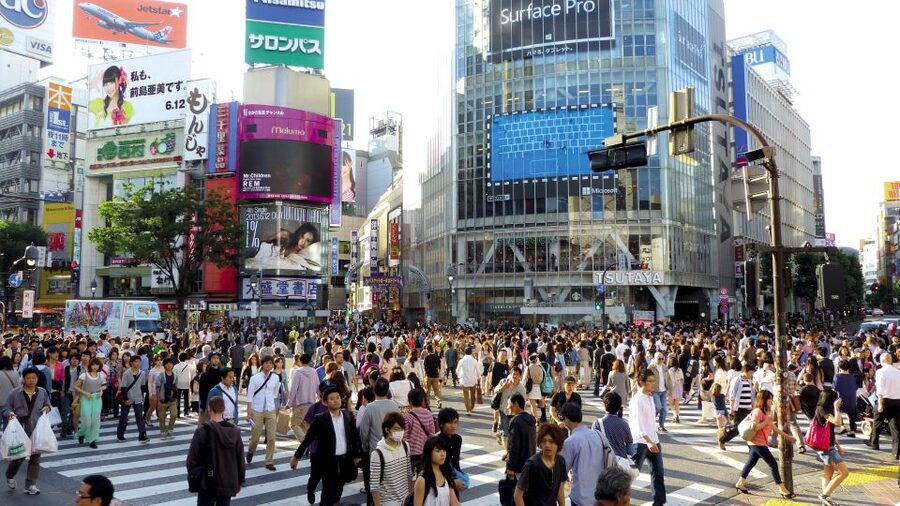
- Learn Tokyo transport early: Guides such as David, Lily, Eduardo, and Elizabeth have shown visitors how to use the subway, rail system, buses, passes, and ticket machines.
- Build your own route: You can request temples, gardens, markets, food, shopping, modern districts, traditional streets, or quiet local areas.
- Meet at a convenient central location: Your guide can meet you at a hotel, landmark, café, or another agreed place in or near central Tokyo.
- Private means a better pace: The guide can slow down for older visitors, add rest stops, or adjust plans when weather or energy levels change.
- Expect practical local advice: You can finish with suggestions for food, shopping, sightseeing, and places to visit on your own.
- Allow for extra costs: Train fares, taxis, meals, drinks, admission fees, and optional activities are not covered.
Why a local orientation helps in Tokyo
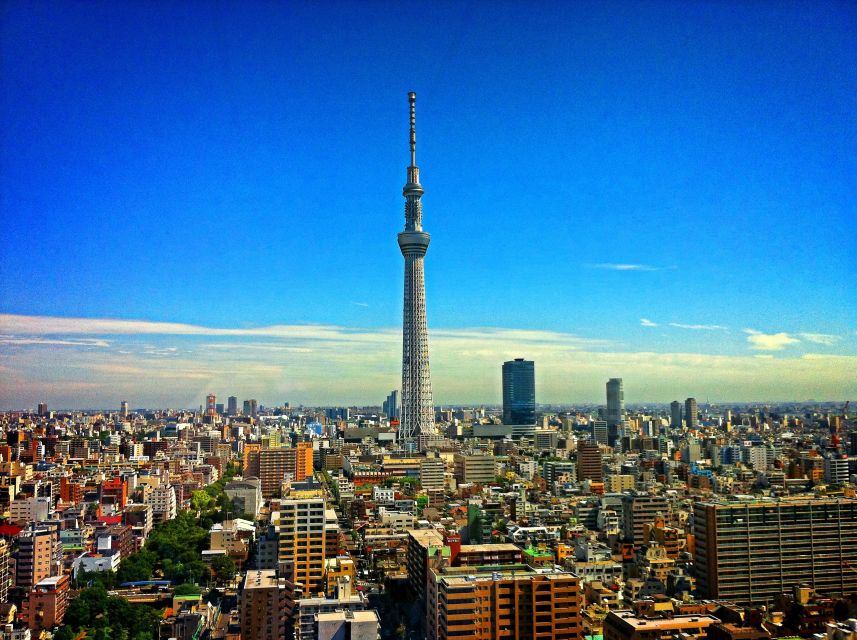
Tokyo is not one tidy sightseeing district. It is a huge collection of areas, each with its own mood and rhythm. A shrine visit in Harajuku, a department store in Shinjuku, a market street in old Tokyo, and a high-rise view over Shibuya can all feel like separate cities.
That is why I see this experience less as a standard sightseeing tour and more as a first-day setup for Tokyo. You can use the time to work out the subway, learn how to read a station sign, understand where you are staying, and get suggestions for the rest of your trip.
Several guides have been particularly useful in this role. Eduardo has helped visitors connect Shinjuku, Ikebukuro, and Asakusa in a short outing, while also finding lunch suggestions and elevated city views. David has taught visitors how to handle public transport before taking them to gardens or less expected parts of the city. Lily has combined metro instruction with Shibuya views, a coffee stop, and a walk toward Meiji Jingu.
The benefit is not just seeing more places. It is feeling less dependent on taxis and less worried about getting lost after the guide leaves.
More Walking Tours in Tokyo
- Tokyo Tsukiji Fish Market Food and Culture Walking Tour
★ 5.0 · 3,184 reviews - Tokyo: Imperial Palace and Shogun Historical Walking Tour
★ 5.0 · 2,251 reviews - Tokyo: Shinjuku Local Bar and Izakaya Guided Walking Tour
★ 4.9 · 1,794 reviews
Meeting your Lokafyer in central Tokyo
Your Lokafyer can meet you at your hotel, a well-known landmark, a quiet café, or another preferred location, as long as it is in or near central Tokyo. This makes the start easy, particularly if you are staying in an area such as Shinjuku or another busy district with several large stations.
You can request a specific start time, and the available booking length ranges from three to eight hours. Three hours works well for a focused introduction. You could use it to learn the metro and see one or two nearby districts. A longer booking gives you room to cross the city, stop for food, visit several types of neighborhoods, and still leave time for questions.
Tell your guide what you want before the meeting. A list such as temples, local food, gardens, shopping, and transport help is much more useful than simply saying you want to see Tokyo. At the same time, you do not need a finished plan. The tour is designed for people who arrive with questions, interests, or no clear route.
The language options are English, Spanish, and French. This can be useful when you want to ask detailed questions about customs, food, transport, or daily life rather than just hear a short explanation at each stop.
What the walking route can include
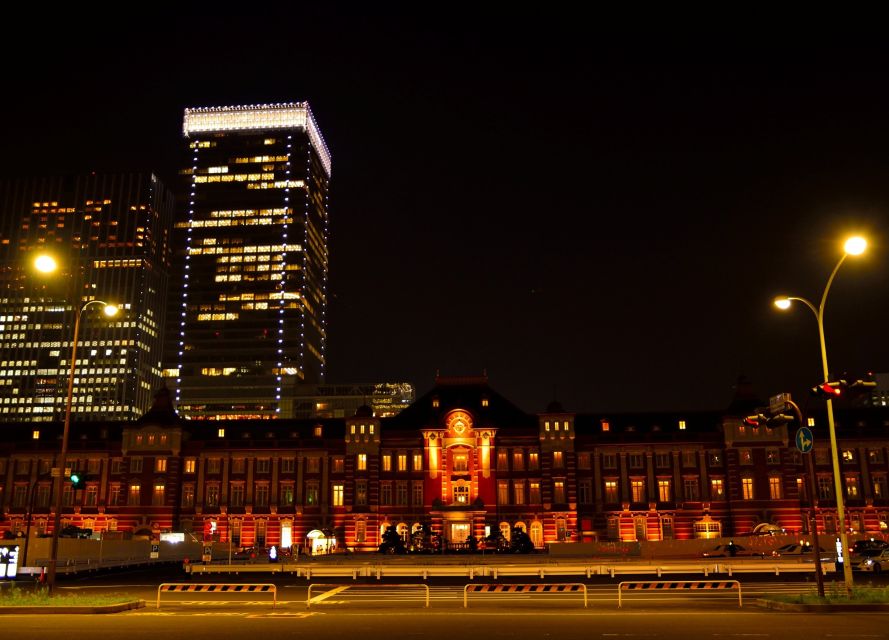
There is no fixed sequence of sights. The route depends on your interests, the meeting point, the time you book, and how far you want to travel.
A first-time visitor might combine an old temple, a traditional neighborhood, a modern shopping district, and a train station tutorial. One visitor used the time to see a main temple, understand the train system, experience both traditional and modern Tokyo, and cover a large amount of ground in one outing.
You might instead focus on a single part of the city. A walk through Harajuku and Shibuya can include Meiji Jingu, Cat Street, side roads, city views, and cafés. This option is useful if you want a concentrated introduction without spending the day crossing Tokyo.
Another route could focus on old Tokyo markets and a temple, followed by a park or garden. During cherry blossom season, one guide combined markets, a temple, public transport, and a park in a short afternoon. The tour cannot guarantee seasonal flowers or a particular view, but your guide can help you use your limited time sensibly.
For a traveler interested in modern city life, the route might include Shinjuku, Ikebukuro, Shibuya, street art, shopping, or an aerial view. Guides have also helped with special interests such as finding a Pokémon Centre, locating a cat café, and seeking out a sushi restaurant near Shibuya.
The important point is that these are possibilities, not promises. The value is the planning conversation, not a guaranteed checklist of attractions.
Tokyo transport help may be the best part
Tokyo’s rail network is efficient, but the first encounter can be confusing. Large stations have multiple operators, several exits, and signs that seem to multiply just when you are in a hurry.
This tour is unusually useful if you want to learn the system instead of avoiding it. Guides have helped visitors buy rail passes, use metro tickets, understand train and bus passes, and find the right route back to their hotels.
That practical lesson can save money and time for the rest of your trip. It also changes how much of Tokyo feels reachable. Once you understand the basic system, you can visit a neighborhood on your own instead of paying for a taxi or limiting yourself to the area around your hotel.
The guide may use trains, subways, buses, or taxis as part of the day, but transportation is not included. You pay your own fares and any taxi costs. The tour is described as a walking experience, so wear comfortable shoes even if public transport links several sections.
Be realistic about distance. One visitor enjoyed a route that included Meiji Jingu, but their companion struggled with the walk. Lily adjusted well and explained how to return to the hotel, yet the example is a useful warning: tell your guide about mobility limits before setting off.
Same city, a completely different kind of day:
- Mt Fuji and Hakone 1-Day Bus Tour Return by Bullet Train
★ 5.0 · 26,383 reviews - 1-Day Tokyo Bus Tour
★ 5.0 · 14,250 reviews - Tokyo: TOKYO SKYTREE® Admission ticket
★ 4.5 · 11,192 reviews - Tokyo: teamLab Planets TOKYO Digital Art Museum Entry Ticket
★ 4.6 · 9,779 reviews
Old customs, new Tokyo, and everyday life
The strongest moments are likely to come from the contrast between places. A guide can show you how modern residents use Tokyo today, then explain customs at a shrine or temple. You may hear personal stories about neighborhoods rather than only memorized dates.
One guide, Siih, brought special knowledge of kimonos and explained traditional clothing from personal experience. Other guides have introduced visitors to local cafés, small restaurants, markets, gardens, and quieter streets away from the main attractions.
Food can also shape the walk. Guides have suggested lunch places, helped with restaurant lines, and taken visitors to a small local restaurant. Keep in mind that the meal itself is your expense, but the benefit is having someone help you decide where to eat and how the place works.
This is not a formal food tour, and you should not book it expecting a set tasting menu. It is better for food guidance woven into a broader city walk. Tell the guide what you eat, what you avoid, and how much time you want to spend at a meal.
How much Tokyo can you cover in three hours
Three hours is enough for a useful introduction, but not for all of Tokyo. The best plan is to choose one main goal and perhaps two nearby sights.
For example, you could spend the time learning the metro, visiting a temple, and exploring a traditional market area. Or you could concentrate on Shibuya, with a city view, a café, and guidance for continuing toward Harajuku.
Some guides have covered several districts in three hours by using public transport efficiently. Eduardo helped one group travel from Shinjuku to Ikebukuro and Asakusa while fitting in transport advice, a high-rise view, a cultural stop, and lunch suggestions. That is impressive, but it also shows how tightly you need to plan.
A longer booking is better if you want a relaxed pace, a meal, several neighborhoods, or time for photography. Six to eight hours gives the guide more room to adjust when you stop for a view, browse a market, or need a break.
Do not measure the tour only by the number of stops. A calm explanation of the metro and a clear plan for your next day may be worth more than racing past five famous sights.
Private touring and the right pace
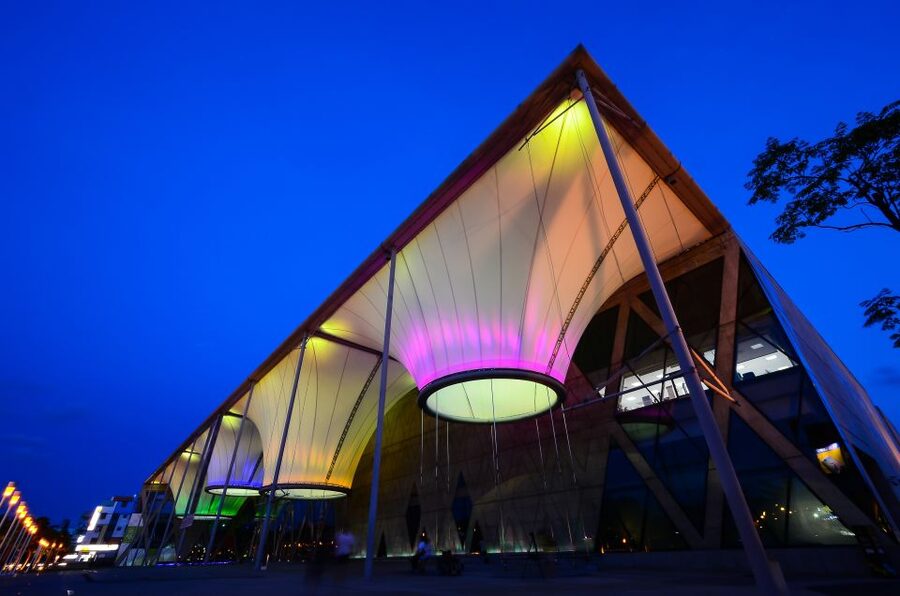
A private group changes the feel of the day. You are not waiting for strangers, following a rigid script, or stopping at places that do not interest you.
Guides have adjusted routes for changing plans, rain, age, energy, and special requests. Elizabeth arranged umbrellas on a rainy day and still helped a visitor see much of the city. Faustine changed the start time when plans shifted. Eduardo adjusted walking speed and added rest stops for older visitors.
That flexibility is a real advantage, but it depends on clear communication. Tell your guide if you want a gentle walk, frequent breaks, fewer station changes, or more time for photographs. If you want a packed day, say so too.
The tour is listed as wheelchair accessible, which makes it worth considering if access is important to you. Still, because the experience involves walking and public transport, discuss your needs in advance and keep the route realistic.
Price and what the $82 covers
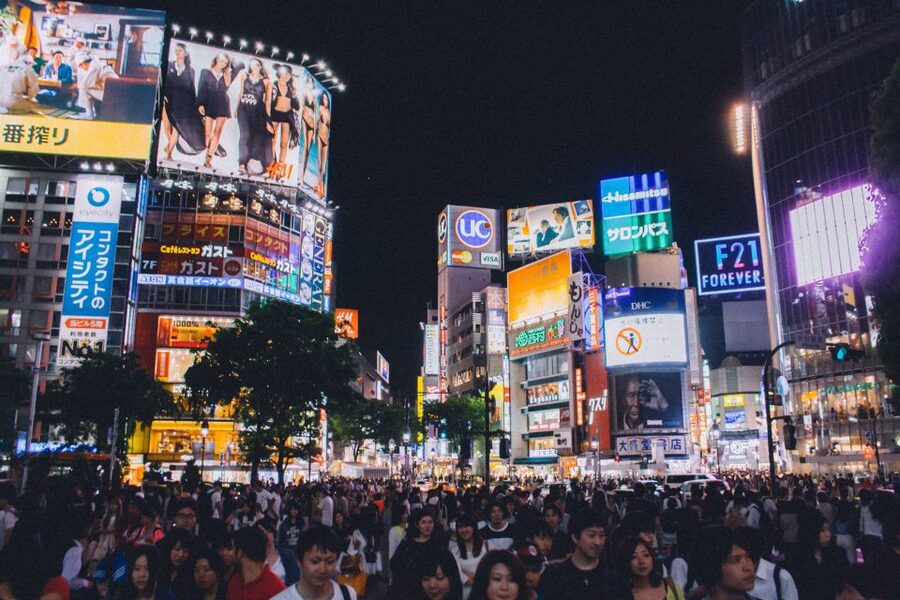
At $82 per person, this is not the cheapest way to see Tokyo. It becomes better value when two or more people share the private guide and use the time for several useful tasks.
The fee includes a local guide and a customized private walking tour. It does not include meals, drinks, personal spending, entrance fees, transport, or optional activities. If you want your guide to enter a paid attraction with you, you cover the guide’s admission as well.
I would think of the price as paying for three services at once:
- A local introduction to Tokyo
- Help with transport and city orientation
- A flexible companion who can reshape the route around your interests
For a first day in Tokyo, that combination can be worthwhile. It may prevent expensive transport mistakes and help you plan the rest of your stay. For a repeat visitor who already knows the subway and has a firm sightseeing plan, the value is less obvious unless you want local company or access to a different side of the city.
The cancellation terms are sensible: you can cancel up to 24 hours ahead for a full refund. Children under three can join free, and children from three to twelve receive a 50 percent discount.
Guide quality and language
The guide makes or breaks a private tour. The strongest matches described here are friendly, patient, flexible, and easy to talk with.
Amanda has been praised for her upbeat manner and willingness to adjust. Romana has helped visitors feel comfortable using public transport on their own. Eduardo appears repeatedly as a strong choice for transport help, local food, city orientation, and bilingual communication. Other named guides include David, Lily, Elizabeth, Gonul, Océane, Faustine, Antonina, and Siih.
You cannot assume you will receive a particular guide unless the provider confirms it. If you have a language preference, mobility concern, or special interest, state it clearly when booking. The available languages are English, Spanish, and French, but individual guide assignments can affect how well the tour matches your needs.
The casual style will suit you if you prefer conversation over a lecture. If you want exact historical dates, a formal script, or a specialist art tour, ask about that before booking. This experience is built around a local connection, not a standard academic presentation.
Who should book this Tokyo walk
I would recommend it most strongly to:
- First-time visitors who feel unsure about Tokyo’s rail network
- Families who want a route adjusted to different ages and interests
- Older visitors who need a slower pace and planned rest stops
- Solo visitors who want company and practical help on their first day
- Repeat visitors looking for markets, cafés, backstreets, or local food advice
- People who want to combine famous places with less obvious corners
It is less suitable if you want a fixed list of major attractions with guaranteed entry. It is also not the best fit if you dislike walking, do not want to pay separate transport and food costs, or prefer a large group tour with a formal guide script.
Should you book the private Tokyo walking tour?
Book it if you want to get your bearings fast and learn skills you can use for the rest of your trip. The metro lesson alone may remove much of the stress of moving around Tokyo, while the private format lets you choose between temples, markets, gardens, food, shopping, modern districts, and quiet streets.
For the best result, book it early in your stay, prepare a short wish list, and tell the guide your walking pace. Choose three hours for a focused orientation, or a longer session if you want several districts and a meal stop.
Skip it if you already know Tokyo well or want a formal, attraction-heavy tour with admission included. At $82 per person plus your own transport and activity costs, it needs to serve a clear purpose. For the right visitor, that purpose is simple: start your Tokyo trip with a friendly local, a workable route, and enough confidence to continue exploring alone.
FAQ
How long is the private Tokyo walking tour?
The tour lasts between 3 and 8 hours. You can check available starting times when booking and request a specific time.
What is included in the price?
The price includes a local guide and a customized private walking tour.
Are transportation costs included?
No. You pay separately for trains, subways, buses, taxis, and other transportation used during the tour.
Does the guide meet me at my hotel?
Pickup is included when your preferred meeting place is in or near central Tokyo. The meeting point can be your hotel, an iconic landmark, or a quiet café.
What languages are available?
Live guiding is available in English, Spanish, and French.
Do attraction admission fees come with the tour?
No. Entrance fees are not included. If you want to visit a paid attraction, you also cover the entrance cost for your local guide.
Can children join the tour?
Children under three years old can join free of charge. Children from three to twelve receive a 50 percent discount.
Can I cancel the tour for a refund?
Yes. You can cancel up to 24 hours in advance for a full refund.
Just added around Tokyo
- Tokyo: Customizable Private Guided Walking Tour★ 4.5 · 129 reviews
- Private Harajuku Omotesando Architecture Tour★ 4.9 · 18 reviews
- Tokyo: Guided Helicopter Ride★ 4.9 · 24 reviews
- Tokyo: Guided Walking Tour of Tsukiji Market with Lunch★ 4.4 · 24 reviews
- Tokyo: Private Personalized Local Food Tour★ 4.5 · 101 reviews
- Tokyo GINZA: KONPARU Japanese Cabaret Show with Drink★ 4.8 · 38 reviews
- Tokyo: Guided Walking Tour of Tsukiji Market with Breakfast★ 4.4 · 134 reviews
- Tokyo: Gotokuji Cat Temple, Shinjuku Cat Cafe & 3D Cat Tour★ 4.9 · 38 reviews
Walking Tours, compared.
Kyoto Geisha Walking Tour: Gion District & Hidden Gems
Read our review →
Tokyo Tsukiji Fish Market Food and Culture Walking Tour
Read our review →
Gion Magical Night Walking Tour with Geisha Trivia
Read our review →
Imperial Palace and Shogun Historical Walking Tour
Read our review →
Gion Geisha District Walking Tour – Stories of Geisha
Read our review →
Asakusa Walking Tour with Sensoji Temple Visit
Read our review →
Kyoto Gion Geisha District Walking Tour – The Stories of Geisha
Read our review →Browse the lists this tour appears in