
REVIEW · WALKING TOURS
Tokyo: Private Walking Tour with a Local Guide
Tokyo is easiest to enjoy when someone helps you make smart choices. This private tour puts a local guide beside you, then lets you choose the mix: old temples and shrines, food markets, pop-culture districts, shopping streets, or quieter local corners.
I like the personal planning before the tour and the practical help with Tokyo’s train system. I also like the chance to see the city through guides such as Momo, Miwa, Rika, Hina, and Kanako, who bring different local interests and personalities. The main catch is that Tokyo is enormous, so trying to fit too many districts into a short tour can mean long train rides, packed platforms, and plenty of walking.
In This Review
- Key points to know before booking
- A private Tokyo day shaped around you
- What the guides add to Tokyo
- Sensō-ji and Asakusa: the traditional opening
- Ueno and Ameya-Yokocho: food, shopping, and local movement
- Akihabara: Tokyo’s modern side
- Shibuya and Harajuku: famous sights with different energy
- Meiji Shrine: a quieter spiritual pause
- Tsukiji Outer Market: Tokyo through its food
- Ginza, the Imperial Palace, and Chiyoda
- Shinjuku: a practical ending or a full half-day
- How to choose two, four, six, or eight hours
- The real cost beyond the $53 price
- Walking, weather, and practical comfort
- Who will get the most from this private tour
- Should you book the Tokyo private walking tour?
- FAQ
- How long does the private Tokyo walking tour last?
- Where does the guide meet me?
- What language does the guide speak?
- Is the tour private?
- Are public transport fares included?
- Are temple and shrine entrance fees included?
- What should I bring?
- Can I cancel the booking?
Key points to know before booking
- Your guide contacts you before the day: You share interests, food needs, and places you hope to see through WhatsApp.
- The route is genuinely flexible: The sample stops may change, with the final plan set with your guide about 24 hours beforehand.
- Public transport is part of the experience: You walk between sights and use Tokyo’s trains and subway, while fares remain your responsibility.
- The guide can make a first day much easier: Several guides help visitors learn the rail network, use transport cards, and get oriented.
- Four hours is a useful middle ground: Two hours gives you a taste of one area, while six or eight hours can connect several districts.
- This is an active day: Comfortable shoes matter, and the experience is not suitable for wheelchair users or people with mobility impairments.
A private Tokyo day shaped around you
The best feature here is not a fixed route. It is the conversation that happens before you arrive. You tell the operator what matters to you, and your guide works out a practical plan based on your time, interests, and starting point.
You might ask for Tokyo’s traditional side, with Sensō-ji, Meiji Shrine, and the Imperial Palace. You might prefer food and shopping, pairing Tsukiji Outer Market with Ginza or Ameya-Yokocho. If this is your first visit, you can ask for a broad introduction to several districts. If you have already seen the headline sights, ask for local neighborhoods and lesser-known streets.
Your guide meets you at your hotel in central Tokyo or another agreed location in Tokyo. There are pickup choices across areas including Shinjuku, Shibuya, Taito, Chiyoda, Minato, Sumida, Bunkyo, Meguro, Koto, Toshima, and Shinagawa.
That wide pickup area is useful, but do not mistake flexibility for unlimited mileage. A four-hour visit cannot comfortably cover every stop listed in the sample plan. The sensible move is to group nearby districts and leave the cross-city marathon for a longer booking.
The final route is normally discussed through WhatsApp within 24 hours before the tour. Download the app and keep an eye out for your guide’s message. This is also the time to mention dietary restrictions, shopping goals, walking concerns, and any sights you have already visited.
More Walking Tours in Tokyo
- Tokyo Tsukiji Fish Market Food and Culture Walking Tour
★ 5.0 · 3,184 reviews - Tokyo: Imperial Palace and Shogun Historical Walking Tour
★ 5.0 · 2,251 reviews - Tokyo: Shinjuku Local Bar and Izakaya Guided Walking Tour
★ 4.9 · 1,794 reviews
What the guides add to Tokyo
The people leading this experience are the real reason to book it. Recent guides include Momo, Miwa, Rika, Hina, Momoha, Yossy, Kanako, Yoshie, Nao, and Saya. You cannot choose a particular guide with certainty from the information provided, so the experience may vary in personality and emphasis. The pattern is clear, though: guides focus on local customs, history, daily life, and practical orientation rather than simply pointing at buildings.
Momo is frequently described as warm, energetic, and easy to spend a full day with. She has helped visitors combine temples, food, matcha, udon, shopping, and quieter local spots. Miwa is especially useful if you want clear explanations, cultural context, and support using the rail network. Rika is often praised for efficient transport planning and for taking and sharing group photos.
Hina is a good fit if you want a relaxed pace with explanations about Japanese history and local culture. Kanako has shown patience with older visitors, switching from trains to taxis when needed. That last point is important: the standard experience uses public transport, but your guide may help find a taxi if the group needs it. You would pay for that extra transport.
The strongest guides explain without burying you in dates and names. They answer questions about spiritual customs, pop culture, food, etiquette, and ordinary life. Several guides also give suggestions for the rest of your trip, which makes a morning booking particularly useful at the start of a Tokyo stay.
Sensō-ji and Asakusa: the traditional opening
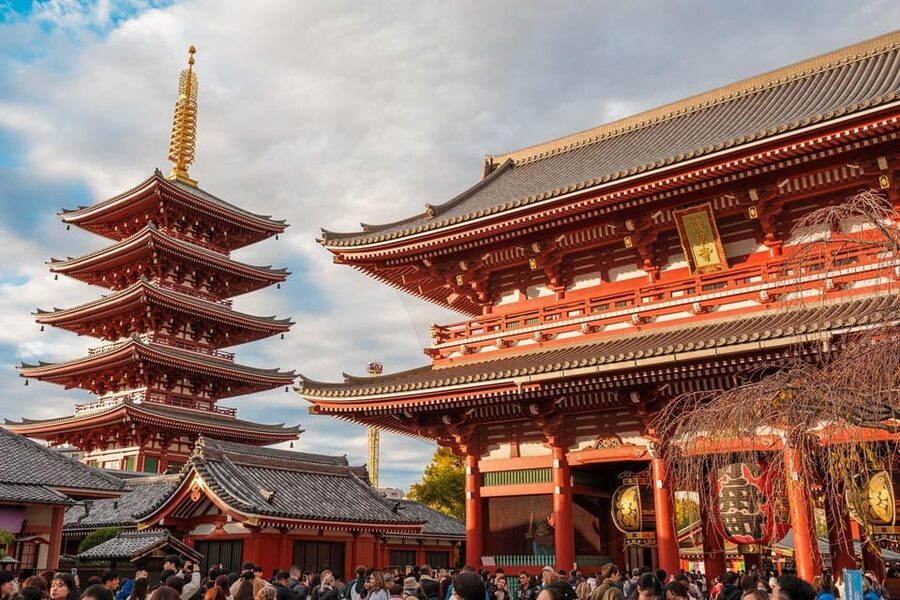
Sensō-ji Temple is one of the most natural places to begin a Tokyo introduction. A guide can explain what you are seeing at the temple, how visitors behave at a Buddhist site, and how the surrounding streets fit into Asakusa’s older character.
The nearby Asakusa district gives the temple visit more room to breathe. You are not just checking off a religious building, but walking through an area with food, shops, side streets, and everyday activity. This pairing works well for first-time visitors who want a clear sense of Tokyo’s traditional face.
Asakusa can also be crowded, especially around the best-known temple approaches. A private guide cannot remove the crowds, but can help you move with purpose and point out quieter corners nearby. If you have only two hours, Asakusa and Sensō-ji make a sensible compact choice.
Ueno and Ameya-Yokocho: food, shopping, and local movement
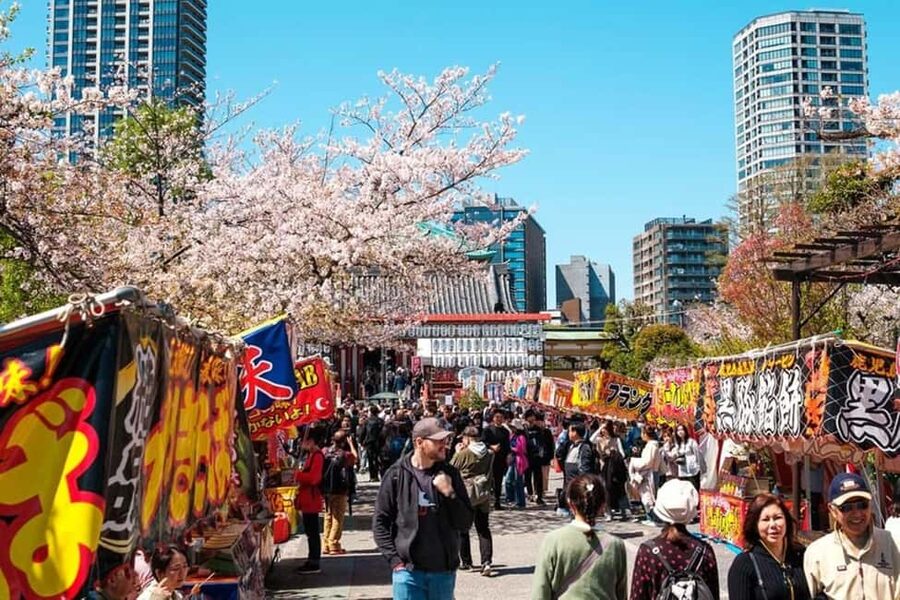
Ueno changes the mood. It is a useful district for seeing a more practical, lived-in side of Tokyo, and Ameya-Yokocho adds a market atmosphere with food stalls, shops, and opportunities for small tastings.
This is a strong choice for you if food matters more than grand architecture. A guide can help explain what you are looking at, identify things to try, and handle some of the uncertainty that comes with a busy market. Bring cash and a credit card, since both are listed as useful items for the day.
Do not expect a slow, seated food tour. Meals and drinks are not included. If you decide to eat with your guide, you are asked to cover the guide’s meal too, so settle that plan in advance. You can also tell the operator if you would rather not share a meal, avoiding an awkward moment later.
Same city, a completely different kind of day:
- Mt Fuji and Hakone 1-Day Bus Tour Return by Bullet Train
★ 5.0 · 26,383 reviews - 1-Day Tokyo Bus Tour
★ 5.0 · 14,250 reviews - Tokyo: TOKYO SKYTREE® Admission ticket
★ 4.5 · 11,192 reviews - Tokyo: teamLab Planets TOKYO Digital Art Museum Entry Ticket
★ 4.6 · 9,779 reviews
Akihabara: Tokyo’s modern side
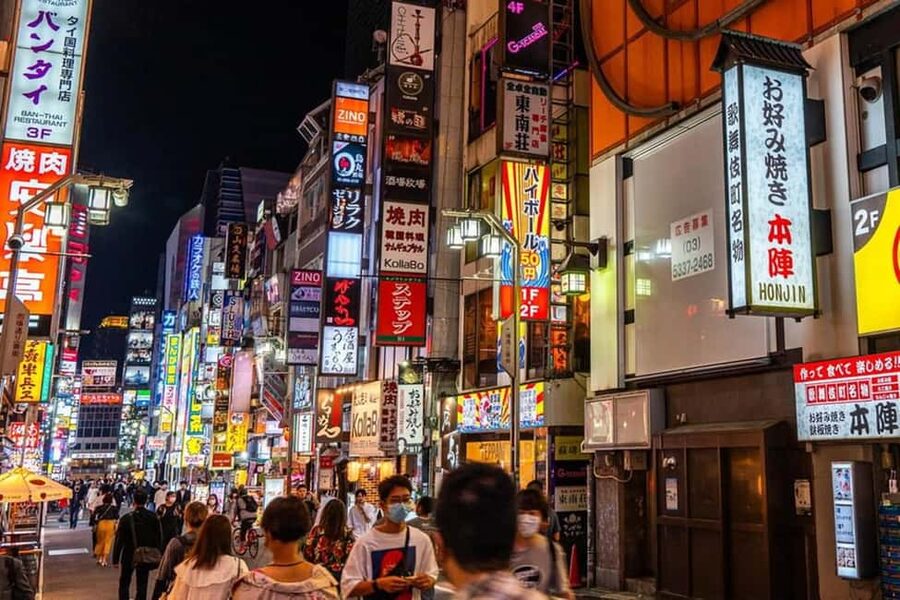
Akihabara offers a sharp contrast to Asakusa and Ueno. It is associated with electronics, anime, manga, games, and Japanese pop culture. The value of having a guide here depends on your interests. If you already know exactly what you want to see, the guide can help organize the visit. If the district is new to you, local context can make the bright signs and specialist shops easier to understand.
Akihabara is not essential for every visitor. Someone focused on gardens, food, or traditional culture may prefer to use those hours elsewhere. Tell your guide plainly what you want from the district instead of accepting it as an automatic stop.
Shibuya and Harajuku: famous sights with different energy
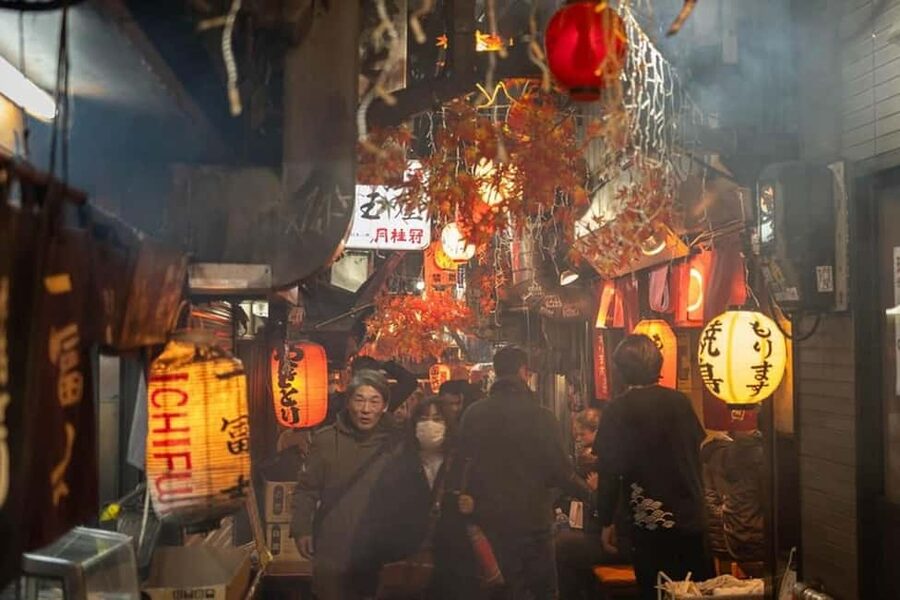
Shibuya Crossing is one of Tokyo’s best-known photo stops, but it is also a brief experience. You watch the crossing, take pictures, and move on. One useful lesson from the feedback is that not everyone finds it worth the time, especially when reaching it involves a crowded train and a cross-city ride.
I would include Shibuya if you want the iconic image or enjoy modern shopping and city energy. I would skip it on a short booking if your priority is temples, food, or quieter neighborhoods. The guide can help you make that call before the day.
Harajuku gives you another modern district, with youth fashion, shops, cafés, and access to Meiji Shrine. Combining the area with the shrine makes practical sense because they are close enough to link without wasting as much time in transit.
Meiji Shrine: a quieter spiritual pause
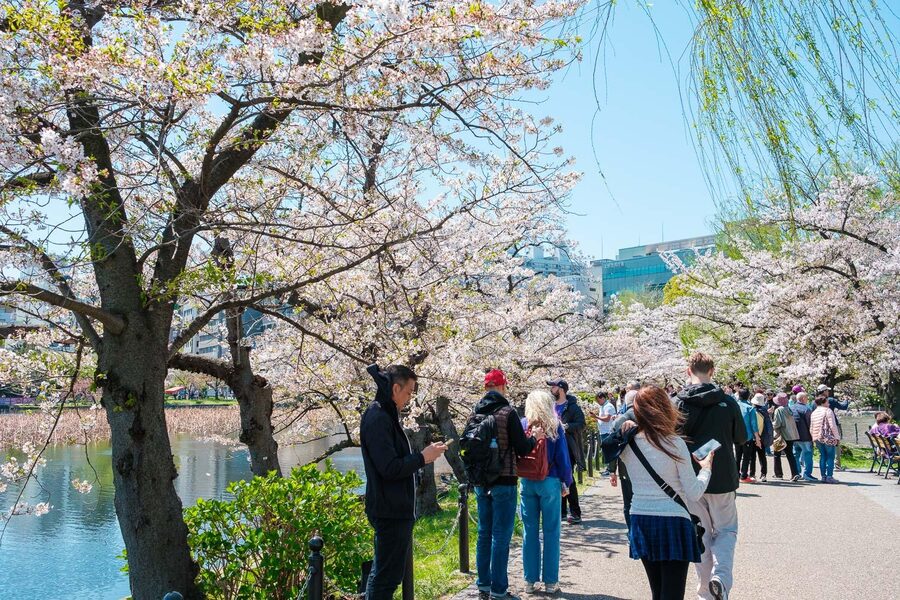
Meiji Shrine offers a useful change of pace after Shibuya or Harajuku. The visit introduces Shinto customs and gives your guide a chance to explain the difference between a shrine and a Buddhist temple in clear, everyday terms.
The shrine is best enjoyed at a measured pace. You will walk, stand, and observe rather than rush from one display to another. If you are visiting Tokyo for the first time, this stop gives cultural meaning to rituals you may otherwise see only as decoration.
Entrance fees for temples and shrines are covered by the activity. That does not include tickets for other attractions or special requests. If your chosen route adds a paid attraction, you must pay both your own admission and the guide’s admission.
Tsukiji Outer Market: Tokyo through its food
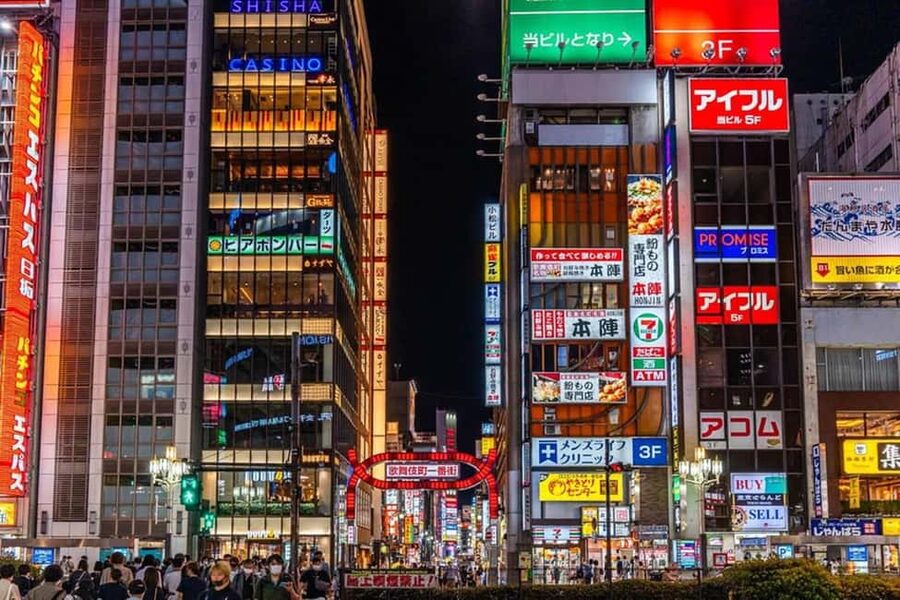
Tsukiji Outer Market is a good pick for people who want to taste and browse. The market visit can include free samples, grilled seafood, and nearby religious sites. One guide, Rika, is especially associated with showing visitors around the market and connecting it with a nearby Buddhist temple and Shinto shrine.
The market works well in the morning, though the exact starting time depends on availability. You should not assume that a meal is included in the $53 price. Food and drinks are extra, and popular items may add quickly to your spending.
I like Tsukiji as a first-day choice because it is active without requiring you to understand Tokyo’s whole rail system first. Your guide can explain what to buy, answer food questions, and help you avoid spending your limited time wandering without a plan.
Ginza, the Imperial Palace, and Chiyoda
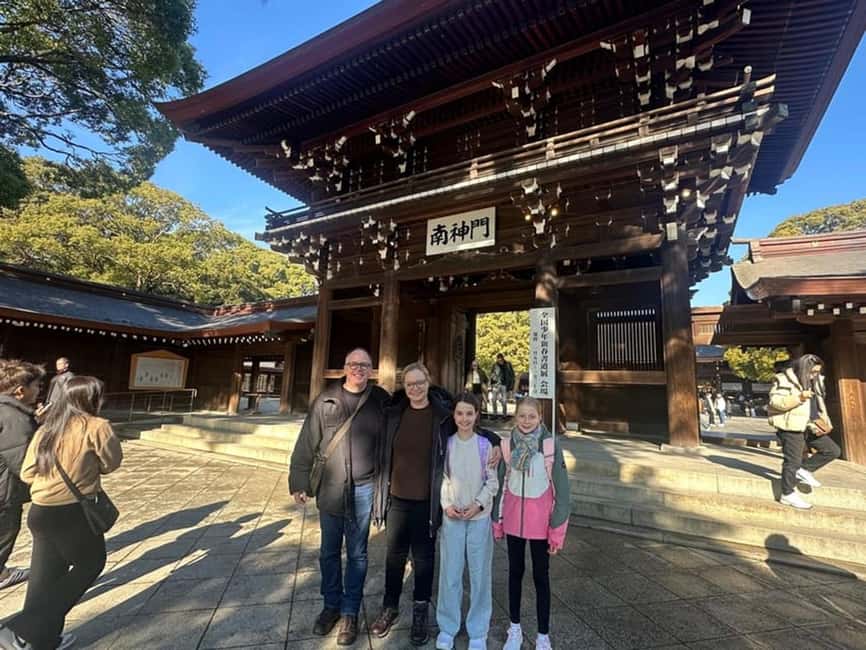
Ginza is Tokyo’s polished shopping district, and it pairs naturally with the Imperial Palace area. Choose this combination if you want department stores, central Tokyo streets, architecture, and a look at the city’s formal side.
The Imperial Palace is more about setting and national history than a simple interior sightseeing stop. Your guide can provide context and help you understand what can actually be visited during your chosen time. Since the activity description does not promise special palace interior access, you should ask before booking if a particular section or paid attraction is important to you.
Ginza may feel less personal than a market or neighborhood. It is a good use of time for shoppers and architecture fans, but not necessarily for someone seeking the most local food or quiet streets.
Shinjuku: a practical ending or a full half-day
Shinjuku can serve as a final stop because it offers shopping, restaurants, transport connections, and a strong contrast with the older districts. It is also a sensible starting point if your hotel is there and you want to finish near your accommodation.
A guide can help you make sense of the district’s scale and point out places that suit your interests. But Shinjuku, like Shibuya, can absorb time quickly. If you want both districts, reserve at least four hours and expect a brisk pace. For a more relaxed day, choose Shinjuku plus one nearby focus rather than trying to pair it with every major Tokyo sight.
How to choose two, four, six, or eight hours
The shortest two-hour option is best for a focused introduction. Choose one compact area, such as Asakusa and Sensō-ji, or Tsukiji with nearby sights. You will get useful cultural explanations without spending most of the booking on trains.
Four hours is the most practical choice for many first-time visitors. You can combine two or three connected areas, learn how to use public transport, and still stop for photos and short breaks. It is enough for a useful overview, but not enough for every famous district.
Six hours gives you room to mix old and new Tokyo. You might connect Asakusa, Ueno, and Akihabara, or combine Meiji Shrine, Harajuku, Shibuya, and Shinjuku. Expect plenty of walking and train travel, so tell your guide if you need a slower pace.
Eight hours suits energetic visitors who want a full orientation day. It can cover several parts of the city, but Tokyo’s size remains the limiting factor. One person noted that too much time walking and standing on crowded trains reduced the enjoyment, and a mix of taxis and trains would have cost more. That is sound advice: agree on the transport style before the tour begins.
The real cost beyond the $53 price
At $53 per person, this can be strong value for a private experience, especially if you are splitting the cost within a small group and use the guide to avoid navigation mistakes. You are paying for personal planning, live cultural explanation, hotel pickup, and help with public transport, not just a sequence of photo stops.
The advertised price does not cover everything. You pay train and subway fares, meals, drinks, taxis, and tickets for extra attractions. Temple and shrine entrance fees are covered, but special attractions can also require an admission fee for your guide.
Bring a Suica card or another convenient transport method if you already have one. Several visitors found that a loaded transport card made station transfers faster. The guide can help you learn the system, but you still need to budget for the rides.
Walking, weather, and practical comfort
This is an active sightseeing day. Wear comfortable shoes and expect walking between stations, streets, markets, temples, and shrines. Tokyo’s train stations can also involve long corridors, stairs, and crowded platforms.
The experience is not suitable for wheelchair users or people with mobility impairments. Baby strollers and baby carriages are not allowed. If you are older, tire easily, or prefer fewer trains, say so before the route is finalized. Kanako’s handling of taxis for older visitors shows that adjustments may be possible, but extra transport costs are yours.
Warm weather deserves planning too. One guide paced a summer visit with cooling rest stops, which is exactly the sort of request you should make in advance. Carry water, take breaks, and do not measure success by the number of neighborhoods completed.
Who will get the most from this private tour
I would recommend this experience most strongly to first-time visitors, solo travelers, couples, families, and anyone who wants a friendly introduction without joining a large group. It is also useful for a short Tokyo stay, since a guide can help you see the districts that matter most to you and give advice for the days that follow.
It works particularly well if you are nervous about trains, unsure how temples and shrines differ, or interested in everyday Japanese customs. The guides speak English, and clear communication is a recurring strength. You can ask for food, shopping, spiritual sites, pop culture, local neighborhoods, or a blend of all four.
I would be more cautious if you want a specialist museum tour, guaranteed access to a particular attraction, or a completely slow-paced day. This is a flexible city orientation, not a fixed expert tour of one subject. You also need to take an active role in choosing the route.
Should you book the Tokyo private walking tour?
Book it if you want Tokyo to feel manageable on your first day and you value a guide who can adjust the plan as your interests become clearer. Momo, Miwa, Rika, Hina, and the other guides bring warmth, clear English, local advice, and practical help with trains. The high 4.9 rating from 469 bookings reflects how consistently those personal qualities land well.
For the best value, choose four or six hours, limit the route to nearby districts, and send a clear wish list before the tour. Add your walking limits, food preferences, and transport budget. If you do that, the $53 starting price can buy more than sightseeing: it can give you the confidence to explore Tokyo on your own afterward.
FAQ
How long does the private Tokyo walking tour last?
You can book a tour lasting from 2 to 8 hours. Available options include 4, 6, or 8 hours, with starting times shown during the booking process.
Where does the guide meet me?
Pickup is included from your hotel in central Tokyo or another preferred meeting place in Tokyo. Pickup options cover many Tokyo districts.
What language does the guide speak?
The live tour guide speaks English.
Is the tour private?
Yes. This is a private group experience with a local guide.
Are public transport fares included?
No. The tour uses walking and convenient public transport, but you pay for trains and other transport yourself.
Are temple and shrine entrance fees included?
Entrance fees for temples and shrines are covered. Tickets for additional attractions or special requests are not included, and you may need to pay admission for both yourself and your guide.
What should I bring?
Bring a passport or ID card, comfortable shoes, a credit card, and cash. A transport card such as Suica is also useful if you already have one.
Can I cancel the booking?
You can cancel up to 24 hours before the tour for a full refund. You can also reserve now and pay later, subject to the booking conditions.
Just added around Tokyo
- Tokyo: Customizable Private Guided Walking Tour★ 4.5 · 129 reviews
- Private Harajuku Omotesando Architecture Tour★ 4.9 · 18 reviews
- Tokyo: Private Personalized Local Food Tour★ 4.5 · 101 reviews
- Tokyo: Guided Helicopter Ride★ 4.9 · 24 reviews
- Tokyo: Guided Walking Tour of Tsukiji Market with Lunch★ 4.4 · 24 reviews
- Tokyo GINZA: KONPARU Japanese Cabaret Show with Drink★ 4.8 · 38 reviews
- Tokyo: Guided Walking Tour of Tsukiji Market with Breakfast★ 4.4 · 134 reviews
- Tokyo: Gotokuji Cat Temple, Shinjuku Cat Cafe & 3D Cat Tour★ 4.9 · 38 reviews
Walking Tours, compared.
Kyoto Geisha Walking Tour: Gion District & Hidden Gems
Read our review →
Tokyo Tsukiji Fish Market Food and Culture Walking Tour
Read our review →
Gion Magical Night Walking Tour with Geisha Trivia
Read our review →
Imperial Palace and Shogun Historical Walking Tour
Read our review →
Gion Geisha District Walking Tour – Stories of Geisha
Read our review →
Asakusa Walking Tour with Sensoji Temple Visit
Read our review →
Kyoto Gion Geisha District Walking Tour – The Stories of Geisha
Read our review →Browse the lists this tour appears in