
REVIEW · WALKING TOURS
Tokyo: Private Custom Walking Tour with Local Guide
Tokyo is easiest to understand when someone local helps you connect the dots. This private custom tour can take you from Senso-ji and Asakusa to Shibuya, Shinjuku, Odaiba, or the Imperial Palace area, with public transport joining the neighborhoods.
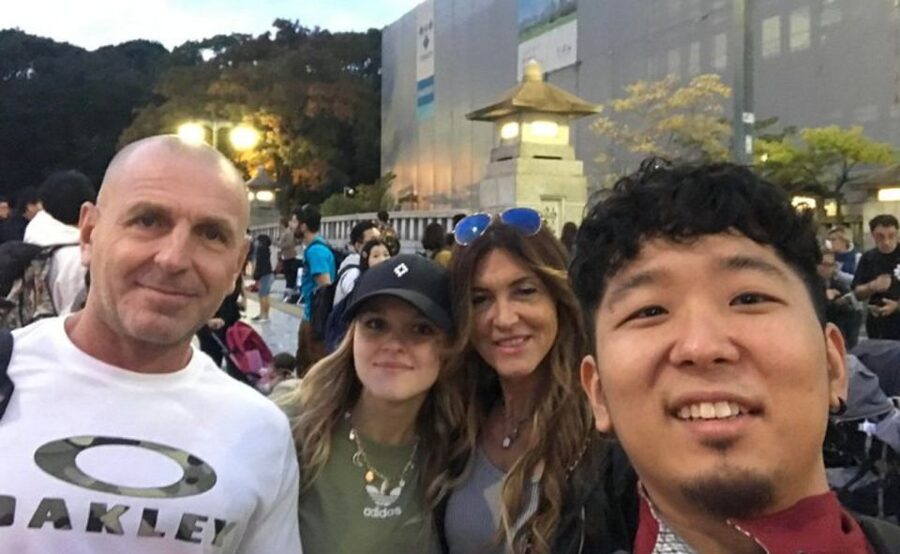
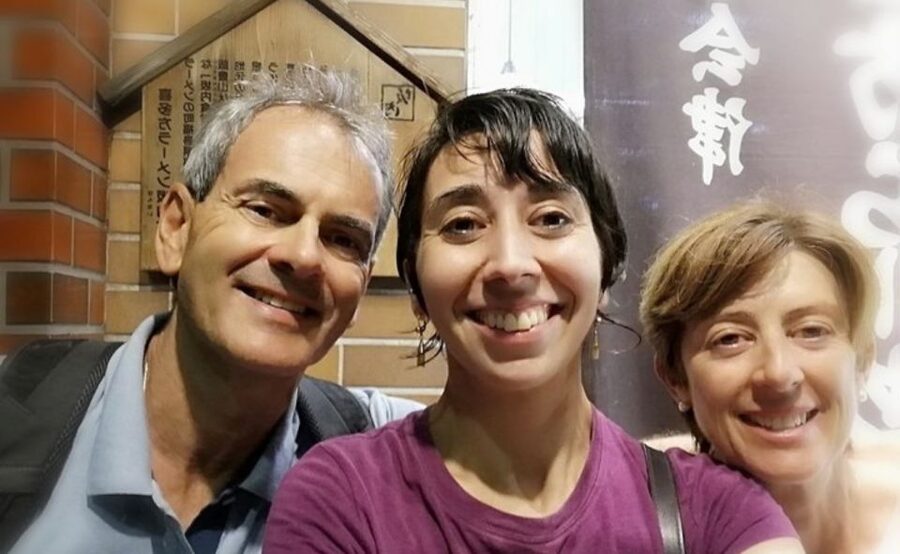
I especially like two things: you can learn the Tokyo train system while actually using it, and your guide can adjust the day around your interests, energy, and family needs. Guides including Francine, Karl, Enrique, and Shaban have helped visitors with temple manners, Suica cards, food choices, station navigation, and lesser-known viewpoints.
The main consideration is that this is a walking tour, and ambitious plans can mean a very long day. Tickets, food, and drinks cost extra, and a short two-hour booking cannot cover much of a city this large.
In This Review
- Key points to know before booking
- Why a private guide helps in Tokyo
- Building your Tokyo route before you arrive
- Senso-ji and Asakusa: Tokyo’s traditional starting point
- Tokyo Skytree and the value of seeing the city from above
- Shibuya and Shinjuku: modern Tokyo with room for personal interests
- Imperial Palace Gardens and Marunouchi
- Akihabara, Odaiba, and the less expected choices
- Learning the trains without feeling lost
- What the guide adds beyond the sights
- Is $53 per person a good value?
- Who should book this private Tokyo walk?
- Practical planning tips for a better day
- Should you book it?
- FAQ
- How long does the private Tokyo walking tour last?
- Is hotel pickup included?
- Can I choose where the tour goes?
- Are attraction tickets included?
- Is public transport included?
- Which languages are available?
- Can I cancel the tour for a refund?
Key points to know before booking
- Your guide contacts you before the tour: Share your must-see sights, food needs, mobility concerns, and preferred pace in advance.
- Public transport is part of the lesson: Guides can help with trains, subway routes, tickets, and Suica cards while you move between districts.
- The route can cross several sides of Tokyo: Past outings have included Asakusa, Shibuya, Shinjuku, Akihabara, Odaiba, Marunouchi, and the Imperial Palace Gardens.
- You can choose two to eight hours: Two hours offers a quick introduction, while six to eight hours gives you room for several neighborhoods and breaks.
- It suits different kinds of groups: Families, couples, solo visitors, and people with mobility concerns can request a pace and plan that fit them.
- Attraction admission is separate: Your guide can help book desired visits, but museum and observation-deck tickets are not included.
Why a private guide helps in Tokyo
Tokyo is not hard because it lacks signs or services. It is hard because the city is enormous, its rail network has many operators, and its best experiences are spread across separate districts. A private guide gives you a practical starting point instead of asking you to solve the whole city on your first morning.
I like this tour most as an opening activity. You can meet your guide at your centrally located hotel, learn how to reach a station, practice using public transport, and finish with a clearer idea of how Tokyo fits together. One visitor used the outing to collect JR rail passes and learn local transport, then still had time for famous sights.
The guide does more than lead you from one landmark to the next. You can ask how to behave at a shrine, where to find a restroom, how to order a meal, or what to do in a neighborhood after the tour ends. That everyday advice can be more useful than a long speech at a monument.
The experience is private, so you are not locked into the pace of a large group. If your children need regular breaks, if you want to linger at a temple, or if a station transfer takes longer than expected, the plan can change. One eight-hour outing even adjusted its schedule when the group spent extra time at favorite stops.
More Walking Tours in Tokyo
- Tokyo Tsukiji Fish Market Food and Culture Walking Tour
★ 5.0 · 3,184 reviews - Tokyo: Imperial Palace and Shogun Historical Walking Tour
★ 5.0 · 2,251 reviews - Tokyo: Shinjuku Local Bar and Izakaya Guided Walking Tour
★ 4.9 · 1,794 reviews
Building your Tokyo route before you arrive
Your pre-tour conversation matters. Tell the guide the three or four things you most want to see, rather than simply asking for all of Tokyo. A good plan might pair Asakusa with Tokyo Skytree, Shibuya with Shinjuku, or the Imperial Palace Gardens with Marunouchi.
You can also state what you do not want. If shopping is not your priority, the guide can give more time to temples, food, architecture, or daily life. If you are traveling with teenagers, mention interests such as Pokémon, Akihabara, or unusual city views.
The length you choose changes the character of the outing:
- Two hours: Best for a first look, a single district, or a gentle introduction after a long flight.
- Three to four hours: Enough for one main area plus a nearby neighborhood, with some rail practice.
- Five to six hours: A useful middle ground for several districts, lunch planning, and slower visits.
- Eight hours: The fullest option, with time for major sights, transport practice, food, breaks, and changes of plan.
Do not treat the tour length as a race. Tokyo rewards focus. A relaxed visit to Asakusa followed by a careful train lesson may serve you better than rushing through five districts just to collect names.
Senso-ji and Asakusa: Tokyo’s traditional starting point
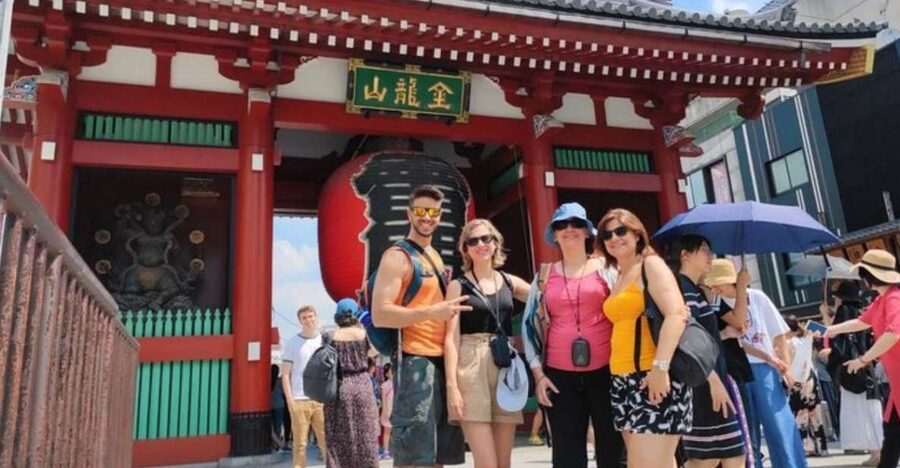
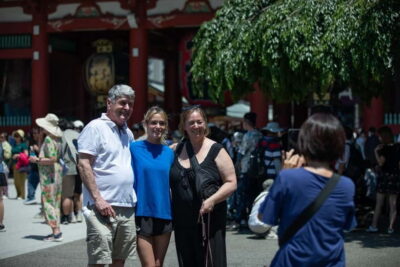
Asakusa is one of the most natural choices for a first Tokyo tour. Senso-ji gives you a clear introduction to Buddhist temple customs, traditional streets, and the contrast between old religious spaces and the modern city around them.
Your guide can explain how to enter a shrine or temple respectfully, something several visitors found useful during their first days in Japan. That small lesson changes the experience. You are not just taking pictures of a gate or incense burner. You understand how to move through the space.
The approach to Senso-ji can be busy, with shops and snack stalls along the route. Your guide can help you decide where to pause and may point out treats worth trying. The area also offers a useful chance to ask about local food, etiquette, and the difference between a quick snack stop and a sit-down meal.
A particularly useful addition is a higher viewpoint over Senso-ji and the surrounding streets. Guides have taken groups to the top of a building for this kind of view, giving you a better sense of the temple layout and the scale of Asakusa.
The drawback is simple: Asakusa is popular, so it may not feel quiet or secluded. If you want a calmer side of Tokyo, ask about pairing it with Odaiba, a residential-feeling neighborhood, or another less crowded stop.
Tokyo Skytree and the value of seeing the city from above
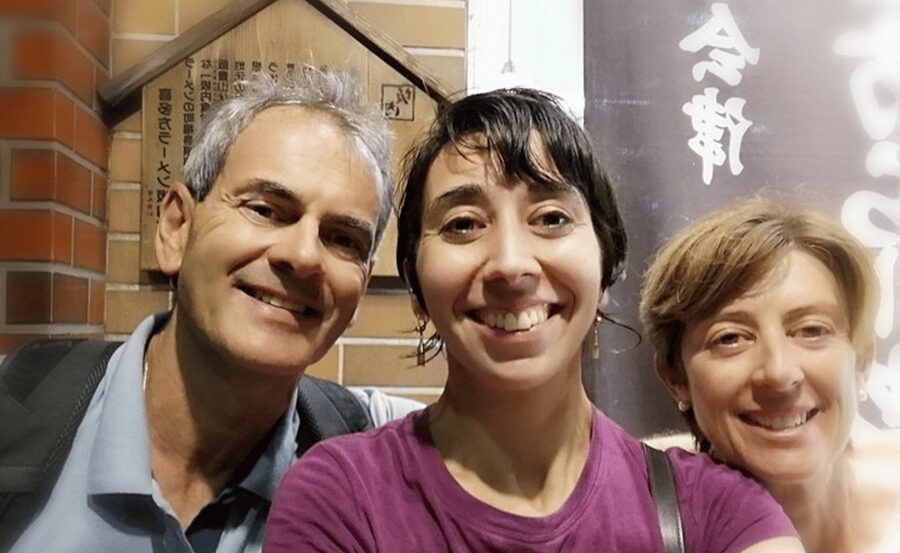
Tokyo Skytree can fit well with Asakusa because the two areas are close enough to connect without making the day feel scattered. A guide can help you decide if the tower fits your available time and can assist with desired tickets, but admission is not part of the tour price.
The tower is useful not only for the view. It gives you a visual lesson in Tokyo’s size. After seeing the city spread out below, the long train rides and separate districts make more sense.
If your main goal is to go up the tower, confirm ticket arrangements before the day. The guide can help your team book tickets for desired visits, but you should budget separately for admission and allow time for any scheduled entry.
A short booking may not leave enough room for both a major observation deck and several walking areas. For a tower visit, temple exploration, and transport instruction, I would favor at least four hours.
Same city, a completely different kind of day:
- Mt Fuji and Hakone 1-Day Bus Tour Return by Bullet Train
★ 5.0 · 26,383 reviews - 1-Day Tokyo Bus Tour
★ 5.0 · 14,250 reviews - Tokyo: TOKYO SKYTREE® Admission ticket
★ 4.5 · 11,192 reviews - Tokyo: teamLab Planets TOKYO Digital Art Museum Entry Ticket
★ 4.6 · 9,779 reviews
Shibuya and Shinjuku: modern Tokyo with room for personal interests
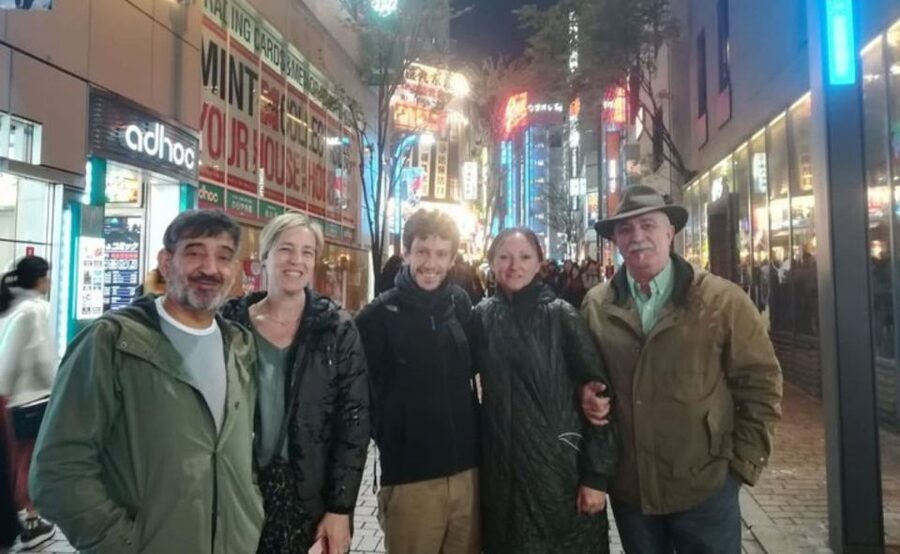
Shibuya and Shinjuku show a different side of the city. These districts are useful if you want modern buildings, shopping, nightlife advice, busy public spaces, and a look at how Tokyo functions after dark.
The tour can be shaped around your interests rather than reduced to one famous crossing. One guide took a group through different parts of Shinjuku and Shibuya, mixing iconic buildings with temples and quieter streets. That balance is valuable because modern Tokyo is more than giant signs and crowds.
Shinjuku also offers an excellent city view from the Tokyo Metropolitan Government Building. A guide can help you include it when the timing works, and one outing added the building as a bonus stop. Check the day’s opening arrangements before relying on any particular attraction, since this tour does not include admission tickets.
You can ask for practical recommendations for bars, restaurants, and karaoke. Those tips are especially helpful if you are staying in the area and want evening options after the guide leaves.
The challenge is distance. Shibuya and Shinjuku are large districts, and walking between points can use more time and energy than expected. Make your priorities clear. If you want shopping, architecture, a view, and food in one session, a longer booking is more sensible than trying to force everything into two hours.
Imperial Palace Gardens and Marunouchi
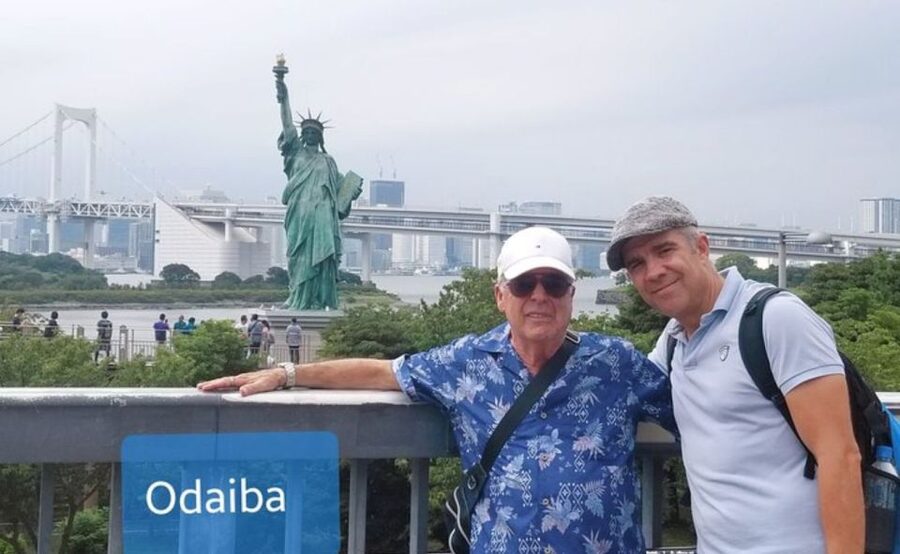
The Imperial Palace Gardens and Marunouchi provide a quieter, more formal contrast to Asakusa and Shibuya. This pairing works well if you enjoy historic sites, open space, office architecture, and a slower walk.
You mainly explore exterior areas on this experience. Museums and other interiors can be added if arranged ahead of time, but their tickets are separate. Do not assume that a standard walking route includes entry to every building you pass.
Marunouchi is also a useful place to see Tokyo’s business center. The polished streets and large office buildings show a side of the capital that feels different from temple lanes, electronics shops, and youth districts.
Season matters here. A winter visit can feel spare and elegant, while spring brings a different look to the gardens. Your guide can explain what you are seeing and adjust the pace if you need more time outdoors or prefer to move on.
Akihabara, Odaiba, and the less expected choices
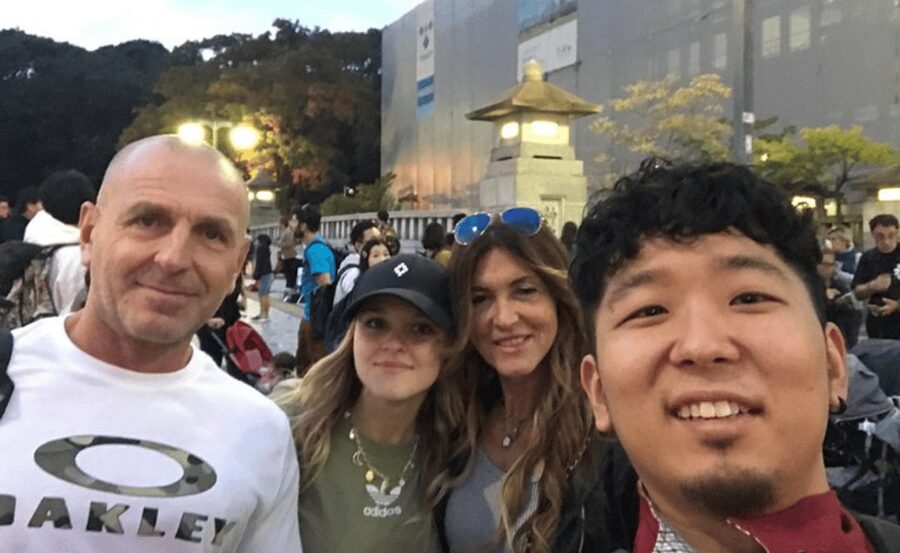
Akihabara is a natural request for electronics, games, anime, and pop culture. One solo visitor chose it alongside Asakusa and found the cultural explanations and local etiquette advice useful. If you have a specific shop or interest, tell your guide before the tour so the route does not become a general walk through the district.
Odaiba gives you a different Tokyo. A marina visit there can feel peaceful and spacious, far removed from the tight streets of central neighborhoods. It is a good choice if you want waterfront scenery or a break from the city center.
The tradeoff is transport time. Odaiba is not the best choice when your goal is to cover several central districts in a short booking. It works better as the focus of a half-day route or as a deliberate change of pace.
You might also ask for a local food market or a special-interest stop. One guide showed a group behind-the-scenes areas of a fish market and helped locate suitable food for a visitor with celiac disease. That is a good reason to share dietary needs early, since food planning takes time and not every stop will suit every person.
Learning the trains without feeling lost
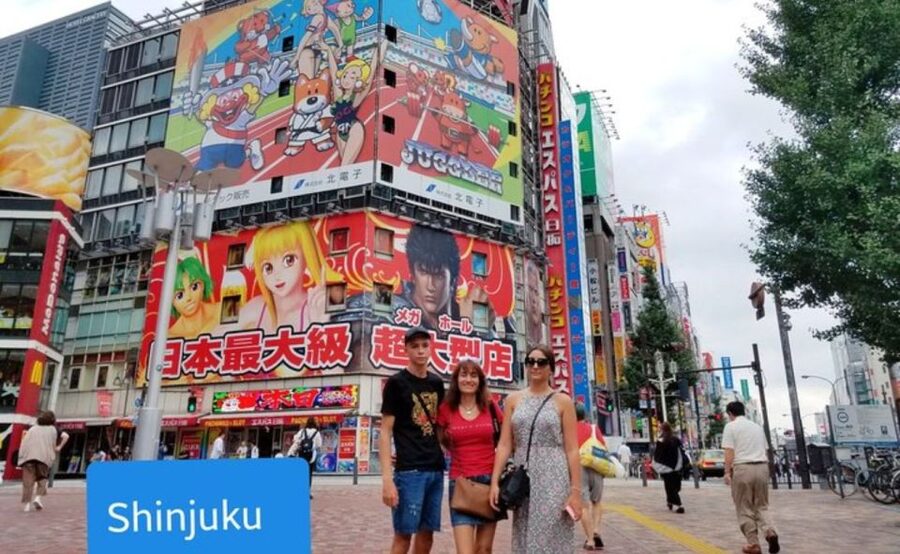
For many first-time visitors, the rail system is the biggest practical gain. Your guide can walk you through stations, show you how to move between lines, help with tickets, and explain how to obtain a Suica card. You learn by doing, not by memorizing a map at the hotel.
This is especially valuable on your first day. You can practice following signs, entering the right gate, finding transfers, and reaching a new neighborhood with someone beside you. Later, you are more likely to explore on your own.
Station walking can be tiring. Tokyo connections may involve long corridors, stairs, crowds, and confusing platform changes. Mention mobility limits when you plan the outing. Past guides have adjusted routes for medical concerns and mobility issues, but you should still discuss the amount of walking you can manage.
The tour is described as wheelchair accessible, but a customized route should still be discussed in advance. Ask for a plan that fits your needs rather than assuming every station or stop will be equally easy.
What the guide adds beyond the sights
The strongest part of this experience is the personal exchange. Guides such as Karl, Francine, Enrique, Albert, Cristiano, Himena, and Shaban have been praised for adapting routes, explaining local life, and helping people feel more capable on their own.
The guide names are not guaranteed, so you should not book solely for one person. Still, the repeated strengths are clear: careful planning before the meeting, friendly conversation, good local suggestions, and calm changes when the day does not go exactly to plan.
A guide may help order food, arrange attraction tickets, take photos, locate a restroom, or suggest what to do after the tour. These are small services, but they remove the friction that can make a first day in Tokyo feel harder than it needs to be.
You should also ask questions. Find out why a neighborhood matters, what a ritual means, how a district has changed, and where the guide would spend a free evening. The more specific your questions, the more this private format earns its price.
Is $53 per person a good value?
At $53 per person, the tour can be a strong value for a couple or family, especially when the guide helps with transport and prevents wasted time. The price covers a private walking tour, customization, hotel pickup within Tokyo, and public transport used during the tour.
It does not cover food, drinks, or attraction admission. You should add those costs when comparing this with a standard sightseeing ticket or a group excursion. The guide can assist with booking desired visits, but you still pay for the tickets.
The value is highest when you use the outing as a practical introduction. Learning the rail system, finding the right neighborhood for your interests, and getting food or etiquette advice can improve the rest of your stay, not just the tour hours.
For a solo visitor, the per-person price may feel less attractive than it does for a family sharing a private guide. For a family, the ability to pause, change direction, and accommodate children can justify the extra cost over a fixed group route.
Who should book this private Tokyo walk?
I would choose this tour if you are visiting Tokyo for the first time, feel unsure about public transport, or have a short stay and a clear list of priorities. It also suits solo visitors who want conversation and families who need a flexible pace.
It is a good fit for anyone with a special request, including food restrictions, mobility concerns, modern Japanese culture, temples, shopping, gardens, views, or neighborhood life. Tell the guide what matters before you arrive.
I would be more cautious if you want a tightly scripted historical tour with guaranteed entry to named attractions. This experience focuses on a flexible walking route, and tickets are extra. It is also not ideal to cram into a packed schedule if you dislike long walks or frequent rail transfers.
Practical planning tips for a better day
Send a short priority list before the tour. Include your hotel, must-see places, food restrictions, mobility needs, preferred language, and whether you want museums or other paid attractions.
Wear comfortable shoes and bring water, since the day can involve substantial walking. An eight-hour outing reached about 23,000 steps for one group, so do not underestimate the distance.
Ask where the tour will finish. It may end somewhere different from the starting point unless you request otherwise in advance. That can be useful if you want to continue exploring in Shibuya or Asakusa, but less convenient if you need to return to your hotel immediately.
The tour is offered in English, French, Italian, Japanese, Spanish, and Portuguese. It is a private group experience, with hotel pickup available when your accommodation is in Tokyo. If your hotel is outside the city center, a central meeting point will be arranged.
Cancellation is free up to 24 hours before the tour for a full refund, and you can reserve now and pay later. Those terms help if your Tokyo schedule is still shifting.
Should you book it?
Book this tour if you want Tokyo to feel manageable quickly, rather than simply ticking off famous places. The best use of your time is a custom first-day route that combines two or three priorities with a hands-on lesson in trains, local manners, and daily life.
Choose two hours for a focused neighborhood introduction. Choose four to six hours for a balanced city sampler. Choose eight hours only if you are ready for a serious walking day and want the flexibility to cross several parts of Tokyo.
At $53 per person before transport-related extras, meals, and attraction tickets, I see the tour as a practical orientation with sightseeing attached. It is especially worthwhile for first-time visitors, families, solo visitors, and anyone who wants a friendly local guide to turn Tokyo’s size into a plan they can handle.
FAQ
How long does the private Tokyo walking tour last?
You can book the experience for between two and eight hours. Available starting times depend on the date you select.
Is hotel pickup included?
Pickup is included when your accommodation is located in Tokyo. If your hotel is outside the city center, the team will choose a convenient central meeting point.
Can I choose where the tour goes?
Yes. The tour is customizable, and the guide contacts you beforehand to understand your interests. You can request specific neighborhoods, sights, museums, or other visits.
Are attraction tickets included?
No. Tickets to attractions, museums, and other paid visits are not included. The team can help you book tickets for the visits you want.
Is public transport included?
Walking and public transport used during the tour are included, except when you select an option with different arrangements. Your guide can also help you learn the Tokyo rail system.
Which languages are available?
Guides are available in English, French, Italian, Japanese, Spanish, and Portuguese.
Can I cancel the tour for a refund?
You can cancel up to 24 hours in advance for a full refund. The reserve-now, pay-later option also lets you keep your plans flexible.
Just added around Tokyo
- Tokyo: Customizable Private Guided Walking Tour★ 4.5 · 129 reviews
- Private Harajuku Omotesando Architecture Tour★ 4.9 · 18 reviews
- Tokyo: Guided Helicopter Ride★ 4.9 · 24 reviews
- Tokyo: Guided Walking Tour of Tsukiji Market with Lunch★ 4.4 · 24 reviews
- Tokyo: Private Personalized Local Food Tour★ 4.5 · 101 reviews
- Tokyo: Guided Walking Tour of Tsukiji Market with Breakfast★ 4.4 · 134 reviews
- Tokyo: Gotokuji Cat Temple, Shinjuku Cat Cafe & 3D Cat Tour★ 4.9 · 38 reviews
- Tokyo GINZA: KONPARU Japanese Cabaret Show with Drink★ 4.8 · 38 reviews
Walking Tours, compared.
Kyoto Geisha Walking Tour: Gion District & Hidden Gems
Read our review →
Tokyo Tsukiji Fish Market Food and Culture Walking Tour
Read our review →
Gion Magical Night Walking Tour with Geisha Trivia
Read our review →
Imperial Palace and Shogun Historical Walking Tour
Read our review →
Gion Geisha District Walking Tour – Stories of Geisha
Read our review →
Asakusa Walking Tour with Sensoji Temple Visit
Read our review →
Kyoto Gion Geisha District Walking Tour – The Stories of Geisha
Read our review →Browse the lists this tour appears in