
REVIEW · GARDEN & PALACE TOURS
Tokyo: Full-Day Japanese Garden Private Guided Tour
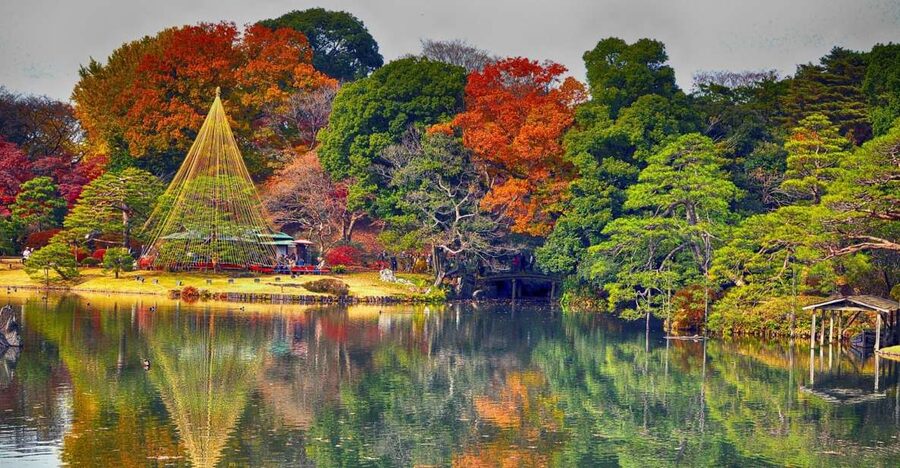
Tokyo’s best gardens are scattered across a huge city, and this private tour turns that challenge into the main attraction. You can link formal palace grounds, a shrine garden, a teahouse pond, and Shinjuku Gyoen’s Japanese, French, and English sections in one carefully planned day. The route is flexible, so you are not locked into a fixed sightseeing script.
I like the personal service, especially the pre-tour planning that guides such as Yoshi, Hiro, Yoko, Kumi, and Tachi have provided. I also like the chance to see places that fit your interests, from spring cherry blossoms to quiet ponds and traditional garden design. The main drawback is simple: six hours can mean a lot of walking and train travel, and poor route planning may leave you spending too much of the day in transit.
In This Review
- Key points to know before booking
- Why a private garden tour works well in Tokyo
- Imperial Palace gardens: a grand opening
- Meiji-Jingu and a quiet teahouse pond
- Lunch in Harajuku and the cost of flexibility
- Shinjuku Gyoen’s three garden styles
- Choosing from Tokyo’s other garden stops
- What the guides add to the day
- Walking, trains, weather, and accessibility
- Who will get the best value
- Should you book this private Tokyo garden tour?
- FAQ
- How long is the Tokyo Japanese garden tour?
- Is the tour private?
- Can I customize the itinerary?
- Which languages are available?
- Where does the tour begin?
- Is hotel pickup included?
- Are transportation costs included?
- Are garden entrance fees included?
- Is food included?
- Is the tour wheelchair accessible?
- Does the tour run in bad weather?
- When is the booking confirmed?
Key points to know before booking
- A genuinely private route: You choose the gardens, pace, meeting place, and general focus of the day.
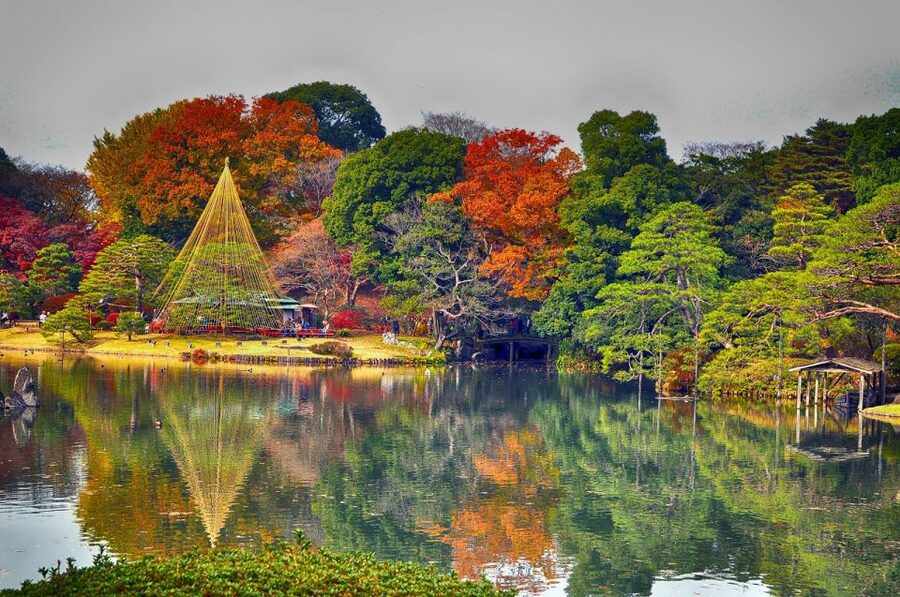
- Several gardens in one outing: A well-planned route can include Imperial Palace gardens, Meiji-Jingu, and Shinjuku Gyoen.
- Guides who help beyond the gardens: Transport tips, restaurant suggestions, and Tokyo sightseeing advice can be part of the day.
- Public transport is central: Trains are included in the practical plan, but fares and taxis cost extra.
- Good for seasonal visits: Hiro helped one party find better cherry blossom sites during a crowded peak season.
- Plan for walking: This is an active city tour, not a vehicle-based garden circuit.
Why a private garden tour works well in Tokyo
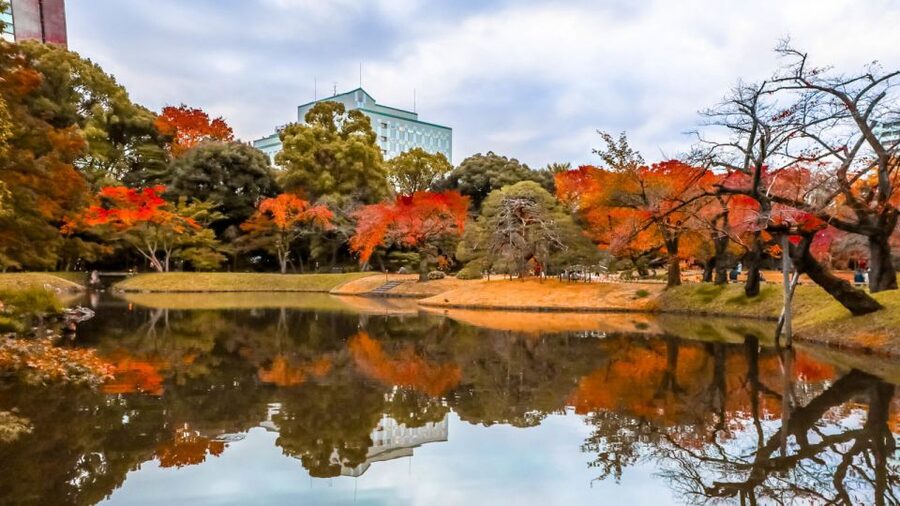
Tokyo’s gardens are not gathered in one convenient park. They are spread among palace grounds, shrine precincts, old feudal estates, museums, and large public parks. You can visit one or two alone without much trouble, but connecting several in a single day takes route planning and a good sense of the train system.
That is where this experience earns its price. For $151 per person, you receive six hours with a licensed local guide in a private group. The value improves when you are traveling with family or friends, since you are paying for a private service rather than joining a large group with a fixed schedule.
The guide can meet you at your hotel or another requested location, normally on foot if it is within a reasonable distance. A train station meeting point is also possible. If you want to begin with the Imperial Palace and finish near Shinjuku, the guide can shape the day around that plan instead of sending you back to the starting point.
You pay separately for entrance fees, food, drinks, and public or private transport. That keeps the base cost clear, but you should budget for train fares or taxis and for each garden that charges admission. The guide can conduct the day by public transportation, or you can request taxis at an additional cost.
More Garden & Palace Tours in Tokyo
- Tokyo: Imperial Palace and Shogun Historical Walking Tour
★ 5.0 · 2,251 reviews - Tokyo Castle & Imperial PalaceーShogun Walking Tour
★ 4.7 · 1,068 reviews - Tokyo: Imperial Palace Japanese History Walking Tour
★ 4.9 · 987 reviews
Imperial Palace gardens: a grand opening
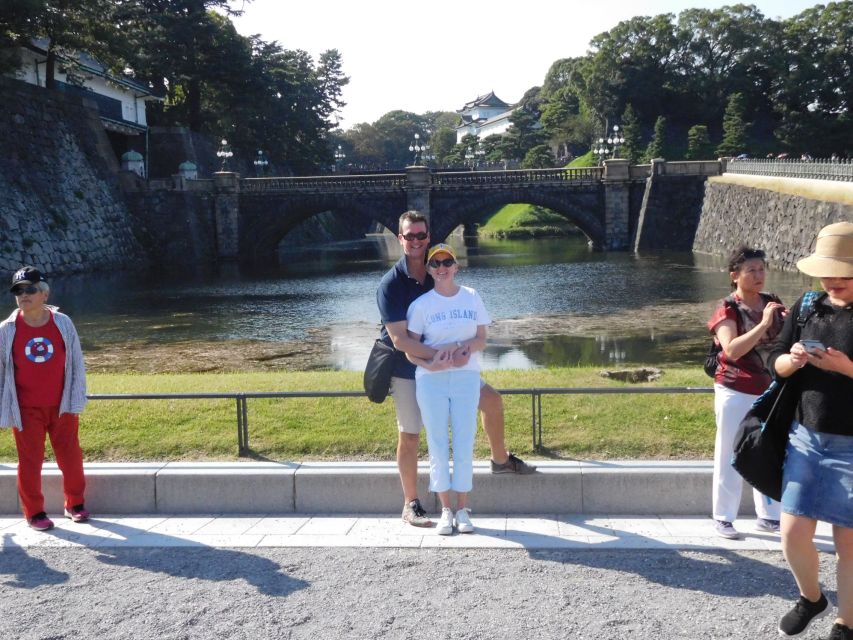
A sample route begins at the Imperial Palace gardens. This is a sensible first stop because the setting gives you an immediate introduction to formal Japanese garden design within the center of modern Tokyo.
Expect broad grounds, carefully arranged plantings, stone features, and the stately feel of a former seat of power. The appeal is not only pretty scenery. A guide can explain how the garden relates to the palace area and point out the choices behind the arrangement rather than leaving you to admire it as a series of pleasant views.
This stop can also set the pace for the rest of the day. If you want history and design, spend longer here. If you prefer small ponds, seasonal flowers, or quieter corners, tell your guide early so the later gardens receive more attention.
The phrase garden of the Imperial Palace covers a large area, so this is not a quick photo stop. Comfortable shoes matter. The tour is conducted on foot and by public transport, and the total day can feel long if you try to see every major site at a hurried pace.
Meiji-Jingu and a quiet teahouse pond
The next suggested stop is Meiji-Jingu Shrine, one of Tokyo’s best-known religious sites. It gives the tour a useful change of mood. After the formal character of the palace grounds, you move into a shrine setting where trees, paths, and ritual space shape the experience.
The guide’s cultural explanation is particularly useful here. You can ask about shrine customs, the role of the grounds, and how a sacred site differs from a garden designed mainly for strolling. The experience is not limited to identifying plants. It connects gardens with Japanese culture, religion, and public life.
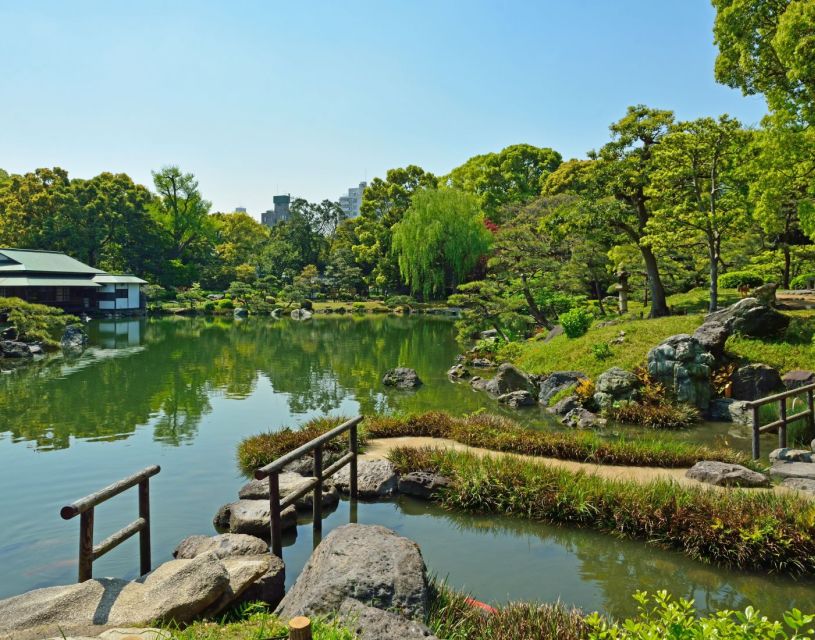
The proposed route then adds a quieter garden with a teahouse and pond. The exact garden depends on your preferences and the guide’s plan. This flexibility is important because Tokyo offers several gardens with different styles, sizes, and seasonal strengths.
I would tell your guide if you prefer peaceful spaces over famous landmarks. You might spend less time at the busiest sites and more time near water, bridges, teahouses, or carefully framed views. If you want the classic Tokyo checklist, say so clearly. A private tour is most useful when the guide understands what you value before the day begins.
Lunch in Harajuku and the cost of flexibility
Harajuku is a practical lunch area in the example route because you have many food choices. Food is not included, and you choose and pay for your own meal, so this is a chance to keep the day within your budget or make lunch part of the experience.
The guide may also suggest a restaurant. Kumi, for example, took one party to a favorite Roman restaurant, which became an especially memorable part of the day. That does not mean the same restaurant is promised for every booking. It does show how a private guide can add local food advice to a tour that is officially focused on gardens.
Lunch also gives you a needed pause. Six hours of walking, stairs, station transfers, and garden paths can wear you down. If you are traveling with older family members or anyone who needs a slower pace, use lunch to reset rather than squeezing in another rushed stop.
Same city, a completely different kind of day:
- Mt Fuji and Hakone 1-Day Bus Tour Return by Bullet Train
★ 5.0 · 26,383 reviews - 1-Day Tokyo Bus Tour
★ 5.0 · 14,250 reviews - Tokyo: TOKYO SKYTREE® Admission ticket
★ 4.5 · 11,192 reviews - Tokyo: teamLab Planets TOKYO Digital Art Museum Entry Ticket
★ 4.6 · 9,779 reviews
Shinjuku Gyoen’s three garden styles
Shinjuku Gyoen is the strongest all-round stop in the sample itinerary. It is large and varied, so you can see several garden traditions without crossing the city again.
The Japanese section offers the features most people expect from a traditional garden: ponds, planted views, bridges, and carefully controlled sight lines. A guide helps you notice how the scenery is arranged and why a path may reveal a view gradually instead of showing everything at once.
The formal French garden brings a sharp contrast, with roses planted in broad, ordered displays. It is more geometric and open than the Japanese section. The English-style area uses a looser park arrangement, giving you a third way to understand how gardens can express different ideas about nature and design.
This variety makes Shinjuku Gyoen a good choice if your group cannot agree on one type of garden. It also makes the park a smart final major stop after smaller and more focused sites.
The tradeoff is size. You cannot treat Shinjuku Gyoen as a tiny garden visit. If you want to see all three sections at a relaxed pace, you may need to limit the number of other gardens earlier in the day. During cherry blossom season, the park can also be crowded. Hiro helped one group find the best sakura areas more efficiently during peak bloom, but you should still expect heavier foot traffic at that time.
Choosing from Tokyo’s other garden stops
The tour can include other recommended sites, but you should discuss them before the day starts. Each one changes the feel of the outing.
Koishikawa Korakuen Garden is a strong pick if you want a classic strolling garden and a more traditional atmosphere. It is best paired with another nearby or easily reached stop rather than treated as one piece of a citywide race.
Hama Rikyu Gardens gives you a different view of Tokyo garden culture, with a historic garden setting surrounded by the modern city. It is a good choice if you like contrasts between old spaces and skyscrapers.
Rikugien Garden suits you if your priority is traditional design and quiet scenic composition. Ask the guide to focus on the garden’s layout and viewing points instead of simply walking its full path at speed.
Yoyogi Park and Ueno Park are broader public green spaces. They are useful if you want a less formal break from ponds, teahouses, and ornamental plantings, or if your group enjoys watching everyday Tokyo life.
Koishikawa Botanical Garden may appeal to you if plants matter more than grand architecture. Kiyosumi Teien and Former Shiba Rikyu Gardens offer further options for pond-centered strolling.
The route can also include the Nezu Museum or Happo-en Garden, depending on your interests and the day’s practical limits. These choices make the tour personal, but they also create a risk: too many requests can turn six hours into a transport schedule. Choose two or three priorities, then let the guide build around them.
What the guides add to the day
The most praised part of this experience is the guide service. Communication before the tour has been a major strength. Yoshi worked out a clear sense of one party’s hopes ahead of time, adjusted the route to its pace, and offered advice on transport and restaurants.
Hiro was praised for prompt hotel pickup, clear communication, and efficient sightseeing during cherry blossom season. Yoko was credited with understanding what a group wanted to see and learn. Tachi received strong marks for hosting a very customizable day, while Kumi added a favorite restaurant to the garden route.
These details matter because a private tour can be excellent or merely expensive depending on how well the guide listens. Contact the local partner or guide promptly when asked about your interests. Explain your walking tolerance, preferred garden style, food needs, and must-see locations.
There is one warning in the feedback. One booking became disappointing after two uninteresting gardens, a closed final garden, and a great deal of time on the metro. The guide was courteous but moved too quickly. This is a reminder to confirm opening days, travel times, and the order of stops before you set out.
Walking, trains, weather, and accessibility
The tour lasts six hours and takes place rain or shine. You should bring shoes suitable for extended walking and be ready for outdoor conditions. The experience is listed as wheelchair accessible, but you should still discuss your exact route and mobility needs with the local partner before the tour, since garden paths and train transfers can vary.
Pickup is included when your accommodation is within a reasonable walking distance. Your guide waits in the hotel lobby or at the requested train station 10 minutes before the scheduled pickup time. Transport during the tour is not included in the price.
Public transport is the normal way to connect the gardens. It keeps the tour tied to Tokyo’s real rhythm, but station transfers take time and can make a long day feel longer. Taxis are possible if you request them and pay the added cost.
The timing of the tour matters. Spring blossom season can bring larger crowds, while a closed garden can disrupt a tightly packed plan. Ask for a route with a backup stop. A private tour gives you the chance to change course, but only if you and the guide leave room to do so.
Who will get the best value
I would recommend this tour to first-time Tokyo visitors who want context rather than a simple list of gardens. It also suits repeat visitors who have already seen the main shrines and want help finding a more personal mix of gardens, parks, and food stops.
It works especially well for families, couples, and small private groups with different interests. One person can focus on history, another on plants, and another on restaurants or transport advice. A fixed group tour rarely handles those competing priorities as well.
You may want a different option if you dislike walking, want every entrance and train fare bundled into one price, or prefer a fixed itinerary with no planning required. You should also reconsider if your main goal is to see as many gardens as possible. More stops do not always mean a better day in Tokyo.
Should you book this private Tokyo garden tour?
Book it if you value a flexible route, personal explanations, and help fitting Tokyo’s scattered gardens into one day. At $151 per person, the price is reasonable for a private six-hour guide, especially when shared by a small group, but you must add entrance fees, meals, and transport.
Before booking, send a short priority list and ask the guide to limit long train transfers. Confirm the opening status of your top gardens and request a backup plan for rain or seasonal crowds. If you want a relaxed day with thoughtful sightseeing, this can be a very good fit. If you want a rapid garden-collecting mission, the experience may feel tiring and uneven.
FAQ
How long is the Tokyo Japanese garden tour?
The private tour lasts six hours.
Is the tour private?
Yes. All bookings are for a private group.
Can I customize the itinerary?
Yes. You can choose the gardens you want to visit, or ask the guide to plan the route around your preferences.
Which languages are available?
The tour is offered with a live guide in English or Japanese.
Where does the tour begin?
Your guide can meet you at your hotel or another chosen location. Pickup is on foot when the accommodation is within a reasonable distance. A train station meeting point can also be requested.
Is hotel pickup included?
Pickup from your accommodation on foot is included when it is within a reasonable distance. The guide waits in the lobby 10 minutes before the scheduled pickup time.
Are transportation costs included?
No. Public transportation and private transportation during the tour are not included. The tour can use trains or taxis, with taxi costs paid separately.
Are garden entrance fees included?
No. Entrance fees are paid separately.
Is food included?
No. Food and drinks are not included. The sample route includes lunch in Harajuku, where you can choose from many food options.
Is the tour wheelchair accessible?
Yes, the experience is listed as wheelchair accessible. Discuss your preferred gardens and route with the local partner before the tour.
Does the tour run in bad weather?
Yes. The experience takes place rain or shine.
When is the booking confirmed?
The tour is not confirmed until a guide contacts you. Most guides make contact within seven days, but a guide may not accept the booking until closer to the tour date.
More Full-Day in Tokyo
- From Tokyo: Mount Fuji Full-Day Sightseeing Trip
★ 4.5 · 4,970 reviews - Mount Fuji Full-Day Private Tour from Tokyo (Customizable)
★ 4.9 · 1,470 reviews - Tokyo Private Full-Day Tour by Car or Van
★ 5.0 · 684 reviews - From Tokyo: Must-Visit Mount Fuji Highlight Full-Day Tour
★ 4.7 · 532 reviews
Just added around Tokyo
- Private Memorable Tokyo Tour with English Speaking Driver★ 5.0 · 30 reviews
- Private Tokyo Custom Full-Day Tour by Chartered Vehicle★ 5.0 · 16 reviews
- Private Sightseeing to Mt Fuji and Hakone with English Driver★ 5.0 · 51 reviews
- Tokyo Photography Masterclass – Private Photography Lesson★ 5.0 · 25 reviews
- 4 Day Tour – Mount. Fuji, Tokyo, Hakone, Kamakura and Yokohama★ 5.0 · 19 reviews
- Private Mt. Fuji Day Trip from Tokyo with English-Speaking Driver★ 5.0 · 33 reviews
- Private Unforgettable Mt Fuji Tour with English Speaking Driver★ 5.0 · 142 reviews
- Private Tokyo Food Tour – A Journey Through Time Through Food★ 5.0 · 36 reviews
Garden & Palace Tours, compared.

Imperial Palace and Shogun Historical Walking Tour
Read our review →
Tokyo Castle & Imperial PalaceーShogun Walking Tour
Read our review →
Nijo-jo Castle and Ninomaru Palace Guided Tour
Read our review →

Ultimate Osaka Walking Tour: Castle, Dotonbori & Hidden Gems
Read our review →Tokyo Castle & Imperial PalaceーShogun Walking Tour
Read our review →Browse the lists this tour appears in