
REVIEW · FOOD MARKET TOURS
Tokyo: Food Tour in Ueno with 10+ Tastings of Japanese Classics
Ueno’s best food stops are often easy to miss: a small counter here, a grill under the train tracks there, and a market stall that makes more sense when someone explains what you’re seeing. This 3.5-hour food walk links those places with Ueno’s shrines, temple grounds, and public park.
I like the generous range of food, from sushi, gyoza, and yakitori to seasonal fruit, tea, beer, and matcha ice cream. I also like the guide-led format, since guides such as Harumi, Natsumi, Yumi, and Mari add food tips and local context that can be hard to pick up on your own. The main drawback is the $142 price, which is a lot in a city where excellent food can be bought cheaply if you already know where to go.
In This Review
- Key points about the Ueno food walk
- What you are paying for in Ueno
- Starting at Ueno Station and entering the local food scene
- The market stop: food, gifts, and everyday Ueno
- Under the elevated tracks for yakitori and local atmosphere
- Ueno Park adds breathing room between tastings
- The 1627 Shinto shrine and what it adds
- A Buddhist worship site with quieter surroundings
- The tasting list: what you will likely eat
- How much cultural guidance should you expect?
- Who should book this Ueno experience?
- Timing, weather, and cancellation details
- Is the $142 price justified?
- Should you book the Ueno food tour?
- FAQ
- How long does the Tokyo Ueno food tour last?
- How much does the tour cost?
- Where does the tour begin?
- Where does the tour end?
- How many food tastings are included?
- What food and drinks are included?
- Is a guide included?
- How large can the group be?
- Does the tour include hotel pickup and drop-off?
- Can dietary requirements be accommodated?
- What happens if the weather is poor?
- What is the cancellation policy?
Key points about the Ueno food walk
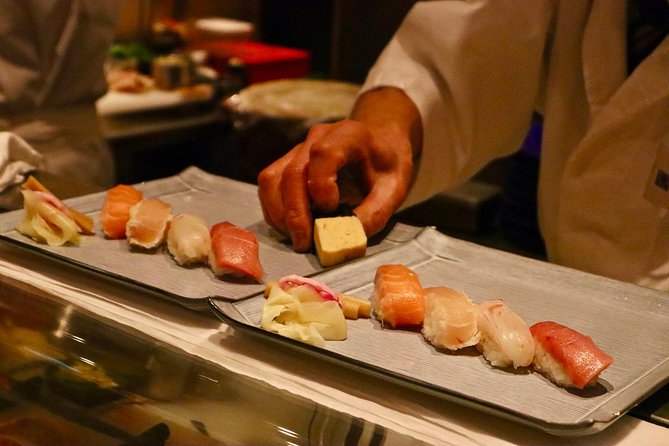
- Ten or more tastings: Expect sushi, gyoza, yakitori, fruit, tea, matcha ice cream, beer, and a secret dish.
- Ueno beyond the main sights: The route joins a market, train-track food area, Ueno Park, a Shinto shrine, and a Buddhist worship site.
- A useful first-day tour: The short format gives you food ideas and neighborhood bearings without taking a full day.
- Guide support: An English-speaking local guide helps with ordering, customs, and the language barrier.
- Small-group format: The maximum is 15 people, though the exact group size can vary.
- Come hungry: The portions add up quickly, and one review noted feeling full by the third stop.
What you are paying for in Ueno
The tour costs $142 per person and lasts about three and a half hours. That is not a bargain food crawl in Tokyo. You can eat very well for much less if you are happy choosing restaurants and market stalls by yourself.
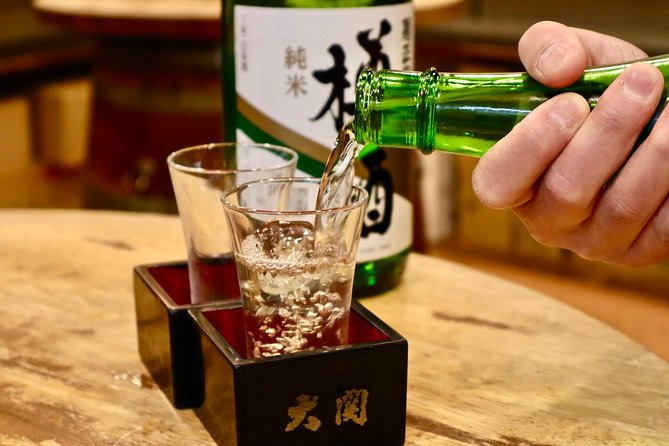
The value comes from the combination of food, guiding, and structure. You are not just paying for a series of snacks. You are paying for someone to lead you through a district with many choices, explain what to order, and take you to places you might otherwise pass without noticing. The included food is also substantial: sushi, crispy gyoza, grilled chicken skewers, seasonal fruit, traditional matcha ice cream, two kinds of tea, water, one draft beer, and a secret dish.
I would judge the price by your travel style. If you are already comfortable navigating Japanese menus and enjoy making your own food discoveries, the cost may feel high. If you want an easy introduction to Japanese classics, especially early in your trip, the tour can save time and reduce guesswork.
The tour is booked an average of 46 days ahead, so it is worth reserving early if your Tokyo dates are fixed. Confirmation is sent within 48 hours, subject to availability.
More Food Market Tours in Tokyo
- Tokyo: Shinjuku Food Tour (13 Dishes at 4 Local Eateries)
★ 5.0 · 6,603 reviews - Tokyo Tsukiji Fish Market Food and Culture Walking Tour
★ 5.0 · 3,184 reviews - Tokyo: Shinjuku Food Tour (15 Dishes and 4 Eateries)
★ 4.9 · 2,033 reviews
Starting at Ueno Station and entering the local food scene
The meeting point is Ueno Station at 7 Chome-1 Ueno, Taito City. The tour ends back at the same meeting point, which makes it simple to continue sightseeing or return to your hotel afterward.
Ueno is a useful base for a food tour because several different sides of Tokyo sit close together. You have shopping streets, covered and open-air market areas, train infrastructure, parkland, Shinto worship, and Buddhist prayer sites. The route uses those contrasts well.
Expect a fair amount of walking. Comfortable shoes matter, especially because the experience combines food stops with outdoor sightseeing. This is not a sit-down meal in one restaurant. You will move from place to place, often eating small portions along the way.
The group limit is 15 people. Some departures may feel intimate, while others may have a fuller group. If you are expecting a one-on-one experience, clarify the format when booking, since the tour information refers to a private guide while also giving a maximum group size and describing a group setting.
The market stop: food, gifts, and everyday Ueno
The first market area is a practical introduction to Ueno. It has indoor and outdoor sections, with shops selling food, gifts, clothing, and other everyday goods. This is the kind of place where the setting matters as much as the snack in your hand.
A guide gives the market some order. Without help, you might notice rows of stalls but miss the customs, ingredients, and small differences between one food counter and the next. With an English-speaking guide, you can ask questions as you go and focus on tasting rather than trying to translate every sign.
This stop is also a good reminder that Japanese food culture is not limited to polished restaurants. Markets show food in a more direct way. You see what is being sold, how it is presented, and how the neighborhood uses the space.
The drawback is that market areas can be busy and crowded. You may not have a quiet place to sit for every tasting. If you prefer long meals with plenty of room, this format may feel rushed. If you enjoy moving through a food district and sampling several things, it should suit you well.
Under the elevated tracks for yakitori and local atmosphere
Another stop takes place beneath the elevated train tracks. The Japanese term for this kind of area refers to being under the girders. It is a distinctly urban setting, with the railway overhead and food businesses using the space below.
This is where the tour’s setting becomes part of the meal. You are not simply being taken from one restaurant to another. You are seeing how food fits into Tokyo’s working city, including places that may look ordinary until a guide points out their role in local life.
Yakitori is one of the named tastings, with grilled chicken served on skewers. The appeal is straightforward: smoky cooking, small portions, and a style of eating that works well during a walking tour. Gyoza is also included, adding a crisp, savory contrast to the grilled food.
I would not expect every stop to have the atmosphere of a quiet traditional dining room. The appeal here is the setting and the variety. You are likely to eat standing or in compact spaces, depending on the location available that day.
Same city, a completely different kind of day:
- Mt Fuji and Hakone 1-Day Bus Tour Return by Bullet Train
★ 5.0 · 26,383 reviews - 1-Day Tokyo Bus Tour
★ 5.0 · 14,250 reviews - Tokyo: TOKYO SKYTREE® Admission ticket
★ 4.5 · 11,192 reviews - Tokyo: teamLab Planets TOKYO Digital Art Museum Entry Ticket
★ 4.6 · 9,779 reviews
Ueno Park adds breathing room between tastings
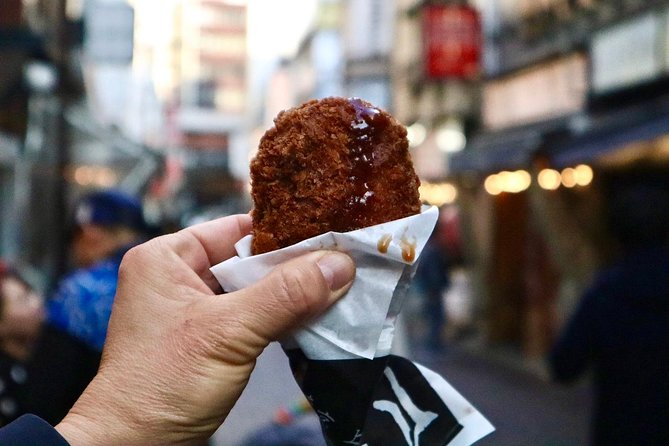
Ueno Park brings a change of pace. It is a spacious public park in the Taito district, and it is particularly well known in spring for cherry blossoms and hanami, the Japanese custom of enjoying the flowers.
The park portion helps keep the tour from becoming a nonstop food list. You get a chance to walk off some of the earlier tastings while hearing about Ueno and Tokyo more generally. The route is not only about what you eat. It also shows how food, religion, public space, and transport fit together in one neighborhood.
Do not assume the park will be at its best in every season. Its famous cherry blossoms are a spring highlight, but the tour operates in changing weather and the itinerary can shift. The park is still useful as an open public space, but your experience will depend on the day.
This is one reason the tour works well near the start of a Tokyo visit. You can learn the shape of Ueno while collecting ideas for later meals. Guides have also offered recommendations for other restaurants and places to visit, which can be useful once the tour is over.
The 1627 Shinto shrine and what it adds
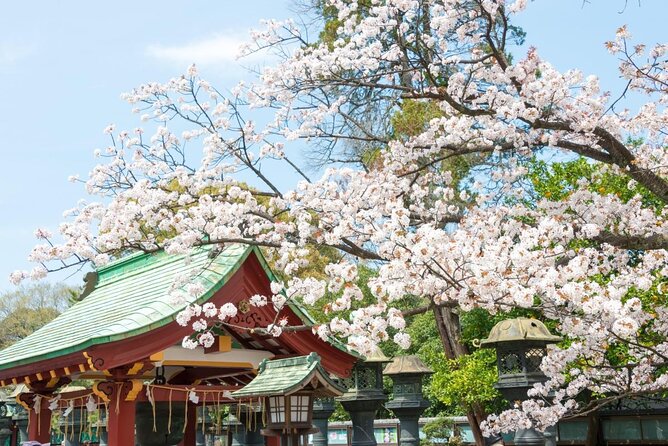
The route includes a Shinto shrine built and dedicated in 1627 in memory of Tokugawa Ieyasu, the founder of the Tokugawa Shogunate. This gives the food walk a clear historical layer without turning it into a full sightseeing lecture.
A shrine stop is valuable because it introduces customs and religious spaces alongside the food. Your guide can help you understand how to behave respectfully and explain the role of the site. The exact amount of detail may vary by guide, so it is reasonable to ask questions if history and culture are a major reason for booking.
The shrine also creates a useful contrast with the market and railway area. In a short distance, you move from commerce and street food to a place built for prayer and remembrance. That variety is what makes Ueno a stronger choice than a tour limited to restaurant counters.
A Buddhist worship site with quieter surroundings
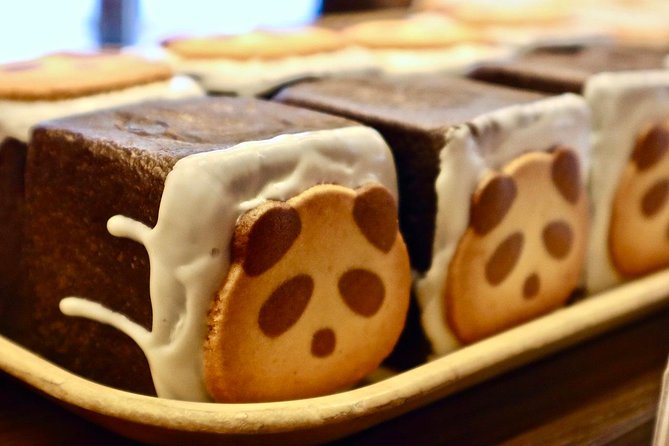
The itinerary also includes a long-established Buddhist center for worship and prayer, set among calm surroundings. After the noise of the market and the movement near the train tracks, this stop offers a quieter part of the neighborhood.
The religious sites are not separate from the food experience. They explain why Ueno feels more layered than a simple shopping district. You are seeing a part of Tokyo where eating, shopping, transport, public parks, Shinto practice, and Buddhist prayer all exist close together.
The tour does not provide a detailed written schedule for how long you spend at each place. The order and stops can change because of weather, location availability, and other circumstances. Treat the itinerary as a framework rather than a promise of exact timing.
The tasting list: what you will likely eat
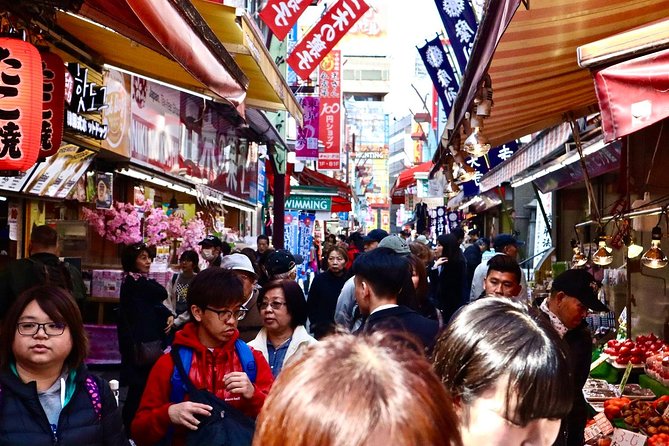
The included menu covers a wide section of Japanese comfort food and classic dishes:
- Fresh sushi
- Crispy gyoza
- Grilled yakitori
- Seasonal fresh fruit
- Two different types of tea
- Traditional matcha ice cream
- One draft beer
- Water
- A secret dish
The secret dish is part of the fun, but it also means you will not know every food in advance. The experience is best for people who enjoy some surprise and are willing to try unfamiliar dishes.
The quantity appears to be one of the strongest features. The food comes in multiple stops, and the portions can leave you full before the final tasting. I would skip breakfast or eat only a light meal beforehand. You want enough room for the later dishes, particularly dessert and the surprise course.
Families can join, and children aged 8, 9, and 10 have enjoyed the straightforward format. Still, young children with narrow diets may find the changing menu less predictable. Ask about requirements in advance rather than waiting until the morning of the tour.
How much cultural guidance should you expect?
The tour promises an experienced local English-speaking guide, and the best guides add much more than food delivery. Harumi has been praised for being informative and fun. Natsumi has offered restaurant suggestions and local tips, while Yumi has combined food stops with background about Ueno and Tokyo. Mari has also been described as strong on both food and area history.
That guide element is important because the experience crosses several parts of Japanese life. You may need help understanding ingredients, dining customs, shrine behavior, and how to approach small local businesses.
Guide quality can vary from one departure to another. One poor experience raised concerns about the price and the amount of explanation provided. That criticism matters, especially at $142. The tour is strongest when your guide explains the food and places rather than simply leading you from one bite to the next.
If you care deeply about culinary history, ask questions throughout the walk. The format gives you a chance to shape the conversation, and the itinerary can be tailored to your tastes. Dietary needs should also be shared in advance so the team has the best chance of accommodating them.
Who should book this Ueno experience?
I see this tour working best for several types of visitors:
- First-time visitors to Japan who want an easy introduction to familiar and unfamiliar Japanese food
- People with only a short stay in Tokyo
- Solo visitors who like meeting other people while eating
- Families who want a guided activity with plenty of food
- Anyone nervous about ordering in small Japanese eateries
- Food fans who want recommendations for later meals
It is less suitable for budget-minded eaters who are happy to explore on their own. It may also disappoint anyone expecting a long, formal meal at each stop. This is a walking sampler with cultural stops, not a luxury dining itinerary.
The menu has enough variety for many tastes, but food requirements need advance notice. The provider specifically asks you to contact them before the tour about dietary needs. That is especially important for allergies, vegetarian diets, or ingredients you avoid.
Timing, weather, and cancellation details
The tour lasts approximately three hours and 30 minutes and requires good weather. If poor weather cancels the experience, you are offered another date or a full refund. The same applies if the minimum number of participants is not reached and the operator cancels.
You can cancel for a full refund up to 24 hours before the start time. Cancellations or changes made within 24 hours are not refunded or accepted. Cutoff times use Tokyo local time, so check the clock carefully if you are changing plans from another time zone.
Because the walk includes outdoor areas, markets, a park, and religious sites, weather can affect both comfort and the route. Wear comfortable shoes and dress for the conditions. The itinerary may change because of weather, availability, or other practical issues.
Is the $142 price justified?
The honest answer depends on what you want from a food tour. The included tasting list is generous, and you receive a full afternoon or morning of food rather than one snack and a short talk. The guide also helps you make sense of a district that can be confusing at first.
Still, Tokyo is a city where independent eating offers excellent value. You could spend $142 on several self-guided meals and perhaps eat more food. The tour earns its price only if the guiding, access to small food spots, and cultural context matter to you.
I would book it near the beginning of a Japan trip, not the end. You can use the restaurant suggestions later, return to foods you liked, and gain confidence with menus and customs. Booking it late in your visit reduces that advantage.
Should you book the Ueno food tour?
Book this experience if you want many Japanese classics in one organized walk, help with the language barrier, and a taste of Ueno beyond the headline sights. The market, train-track food area, park, shrine, and Buddhist site give the tour more range than a basic restaurant crawl.
Think twice if you are watching your budget or prefer to discover Tokyo’s food independently. At $142, the tour needs to deliver good explanations as well as good food. I would reserve it for the first few days of your stay, arrive hungry, wear comfortable shoes, and contact the provider early about dietary needs.
FAQ
How long does the Tokyo Ueno food tour last?
The experience lasts approximately three hours and 30 minutes.
How much does the tour cost?
The listed price is $142 per person.
Where does the tour begin?
It begins at Ueno Station, 7 Chome-1 Ueno, Taito City, Tokyo 110-0005, Japan.
Where does the tour end?
The activity ends back at the meeting point at Ueno Station.
How many food tastings are included?
The tour includes 10 or more tastings of Japanese classics and other foods.
What food and drinks are included?
Included items are sushi, gyoza, yakitori, seasonal fruit, two types of tea, matcha ice cream, one draft beer, water, and a secret dish.
Is a guide included?
Yes. The tour includes a passionate, experienced local English-speaking guide.
How large can the group be?
The maximum group size is 15 people.
Does the tour include hotel pickup and drop-off?
No. Hotel pickup and drop-off are not included.
Can dietary requirements be accommodated?
You should contact the provider in advance with any dietary requirements so they can try to accommodate them.
What happens if the weather is poor?
If the tour is canceled because of poor weather, you will be offered a different date or a full refund.
What is the cancellation policy?
You can cancel at least 24 hours before the start time for a full refund. Cancellations made less than 24 hours before the start time are not refunded.
More Food in Tokyo
- Tokyo Night Foodie Tour in Shinjuku – Seasonal Sushi, Wagyu Beef
★ 5.0 · 1,161 reviews - Tokyo: Tsukiji Fish Market Food and Culture Walking Tour
★ 4.7 · 757 reviews - Tsukiji Fish Market: Street Food & Culture Walking Tour
★ 5.0 · 669 reviews - Tsukiji Fish Market Small-Group Food Walking Tour
★ 5.0 · 621 reviews
More Food & Drink in Tokyo
- Best of Shinjuku: Izakaya Food Tour (4 Stops, 14+ Tastings)
★ 5.0 · 1,863 reviews - Tokyo: Tsukiji Fish Market Food and Walking tour
★ 5.0 · 1,724 reviews - Eat and Drink Like a Local: Tokyo Ueno Food Tour-Taverns&Ramen
★ 5.0 · 957 reviews - Tokyo: Shibuya Food Tour (13 dishes and 4 Eateries)
★ 5.0 · 770 reviews
Just added around Tokyo
- Tokyo: Customizable Private Guided Walking Tour★ 4.5 · 129 reviews
- Private Harajuku Omotesando Architecture Tour★ 4.9 · 18 reviews
- Tokyo: Guided Helicopter Ride★ 4.9 · 24 reviews
- Tokyo: Guided Walking Tour of Tsukiji Market with Lunch★ 4.4 · 24 reviews
- Tokyo: Private Personalized Local Food Tour★ 4.5 · 101 reviews
- Tokyo GINZA: KONPARU Japanese Cabaret Show with Drink★ 4.8 · 38 reviews
- Tokyo: Guided Walking Tour of Tsukiji Market with Breakfast★ 4.4 · 134 reviews
- Tokyo: Gotokuji Cat Temple, Shinjuku Cat Cafe & 3D Cat Tour★ 4.9 · 38 reviews
Food Market Tours, compared.
Shinjuku Food Tour (13 Dishes at 4 Local Eateries)
Read our review →
Tokyo Tsukiji Fish Market Food and Culture Walking Tour
Read our review →
Shinsekai Food Tour with 13-15 Dishes at 5 Eateries
Read our review →
Osaka Food Tour: 13 Dishes at 5 Local Eateries
Read our review →
Shinjuku Food Tour (15 Dishes and 4 Eateries)
Read our review →
Best of Shinjuku: Izakaya Food Tour (4 Stops, 14+ Tastings)
Read our review →
Hungry Osaka Street Food Tour:15 Tastings & 3 Drinks with a Local
Read our review →
Browse the lists this tour appears in