
REVIEW · GARDEN & PALACE TOURS
Tokyo: Edo Castle & East Garden of the Imperial Palace Tour
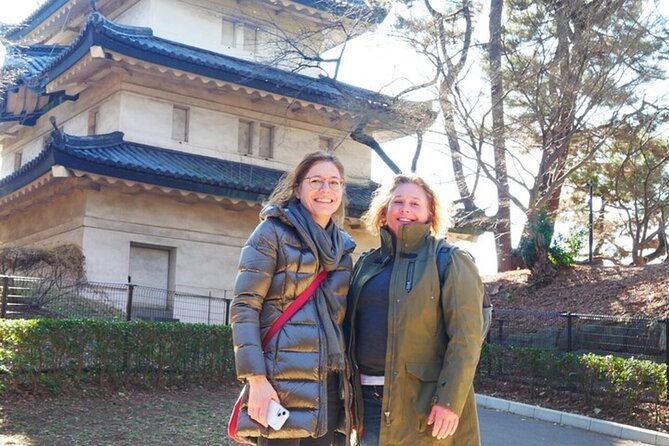
Tokyo’s East Gardens give you the clearest look at where Edo Castle once ruled Japan. In two gentle hours, you walk past old stone walls, castle foundations, formal gardens, and ponds while your guide connects the site to shoguns, daimios, emperors, and modern Tokyo. The castle itself is gone, but the ground plan and surviving remains still make the story easy to picture.
I like the way the guides bring visual aids and old images to the walk. Guides such as Hitoshi, Naoko, Shigeru, Mikio, and Masahito have been especially praised for explaining history in clear English, answering questions, taking photographs, and adjusting the pace for older visitors. I also like the small details, including the garden plants and the special breed of koi fish. The main catch is simple: you do not enter the Inner Palace, and the East Garden closes on Mondays and Fridays.
In This Review
- Key points to know before you book
- Why Edo Castle still matters in modern Tokyo
- Meeting at Wadakura Fountain Park
- Entering the East Gardens on Edo Castle’s old ground
- Gardens, plants, ponds, and the famous koi
- The stories that make the stones speak
- A two-hour walk that does not feel rushed
- What the $42 price really buys you
- Who will enjoy this tour most
- Practical planning for your morning
- Should you book the East Gardens tour?
- FAQ
- Where does the tour meet?
- How long does the tour last?
- What part of the Imperial Palace does the tour visit?
- Can I enter the Inner Palace?
- Which days is the East Garden closed?
- Is the tour offered in English?
- Is admission to the garden included?
- Will my bag be inspected?
- What should I do with knives bought before the tour?
Key points to know before you book
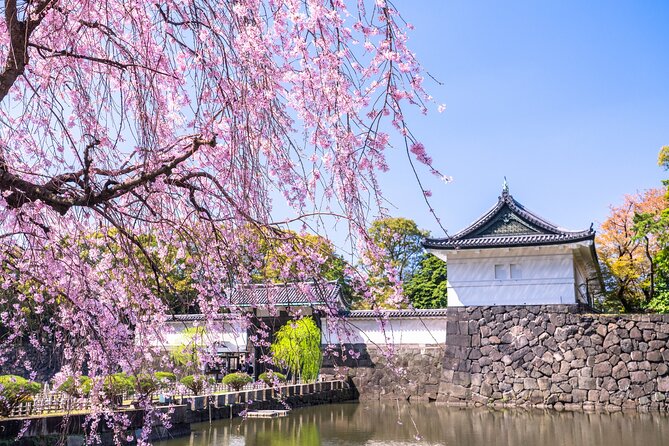
- See Edo Castle’s former grounds: Walk among surviving walls, foundations, gates, and open spaces where the shogun once held power.
- A guide adds the missing story: Old photographs, simple explanations, and stories about shoguns and the imperial family help you understand what is no longer standing.
- The pace is deliberately easy: The two-hour walk suits visitors who prefer time for questions, photographs, and short rests.
- Look for the distinctive koi: The ponds contain a special breed highlighted as one of the garden’s memorable sights.
- Meet at Wadakura Fountain Park: Your guide waits in front of the fountain with a Gotcha sign.
- Plan around closures and security: The garden is closed Mondays and Fridays, and bags are checked at entry.
Why Edo Castle still matters in modern Tokyo
Tokyo can feel like a city of trains, towers, neon, and tight urban streets. The East Gardens offer a useful pause, but this is not just a pretty park. You are walking across the main grounds of Edo Castle, the seat of the shogun during the Edo period.
That setting gives the tour its purpose. The gardens are free to enter, but it is easy to stroll through them without grasping the scale or political importance of the castle that once occupied the site. A guide helps you read the ground beneath your feet. A wall fragment becomes part of a defensive system. A broad open area suggests the size of a vanished castle compound. A garden view connects Japanese design with the power of the rulers who commissioned it.
The walk also links two eras. You hear about shoguns and daimios, then about the imperial family and present-day Japan. That broad context is useful if Japanese history is new to you. Guides have been praised for giving a short introduction before entering the gardens, then adding details as the group moves along.
More Garden & Palace Tours in Tokyo
- Tokyo: Imperial Palace and Shogun Historical Walking Tour
★ 5.0 · 2,251 reviews - Tokyo Castle & Imperial PalaceーShogun Walking Tour
★ 4.7 · 1,068 reviews - Tokyo: Imperial Palace Japanese History Walking Tour
★ 4.9 · 987 reviews
Meeting at Wadakura Fountain Park
The tour begins at the fountain in Wadakura Fountain Park. Your guide holds a sign marked Gotcha, so the meeting point is designed to be easy to identify. The park provides a pleasant start, with a little breathing room before you enter the palace grounds.
Give yourself time to find the fountain. The Imperial Palace area is large, and a hurried arrival can take the pleasure out of the first few minutes. Once the group is together, the guide leads you toward the East Gardens and sets the scene for the walk.
At the entrance, expect a baggage inspection. This is worth planning around. If you have bought Japanese knives or another item that could be treated as a weapon at Tsukiji, Asakusa, or elsewhere, leave it in a coin locker before meeting the group. Do not assume a wrapped purchase will pass without questions.
Entering the East Gardens on Edo Castle’s old ground
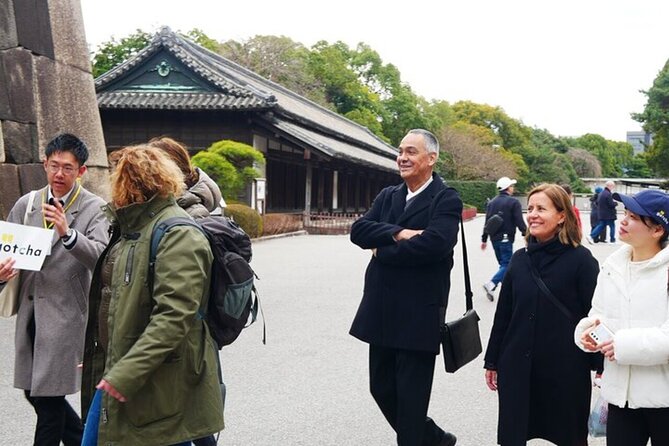
The main part of the experience is a two-hour guided walk through the East Gardens. The garden was built on the former grounds of Edo Castle, so you see a mix of clipped greenery, open lawns, ponds, stonework, and remnants of castle construction.
Do not expect a complete castle complex. Much of Edo Castle no longer survives, and the tour’s pleasure comes from learning how to imagine what stood here. This is where the guide matters most. Mikio, for example, has used photographs and stories to show how the site looked in earlier times. Other guides have brought visual explanations that make architectural remains easier to understand.
You might stop at the remains of old buildings, walls, and entrances associated with the castle grounds. The exact order can vary with the guide and conditions, but the focus stays on the site’s political past, its architecture, and its gardens.
I appreciate that this is not treated as a race from one photo stop to another. Visitors have described the walk as slow paced, with enough time to look around. That makes a real difference in a garden. You can listen, then take in the view without trying to keep up with a fast-moving group.
Gardens, plants, ponds, and the famous koi
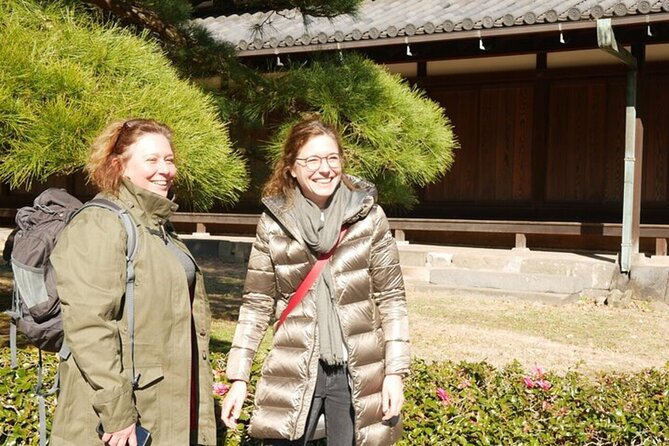
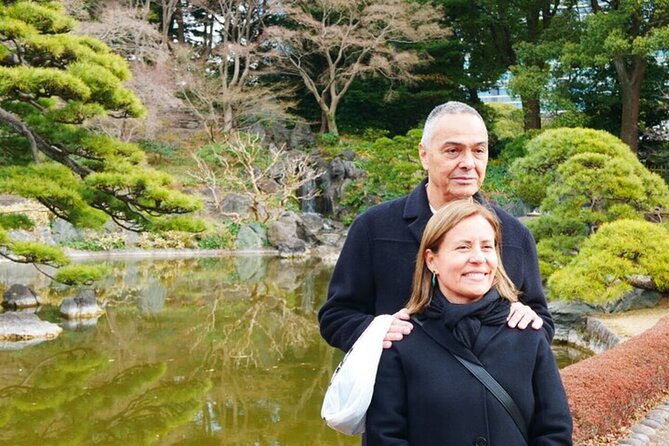
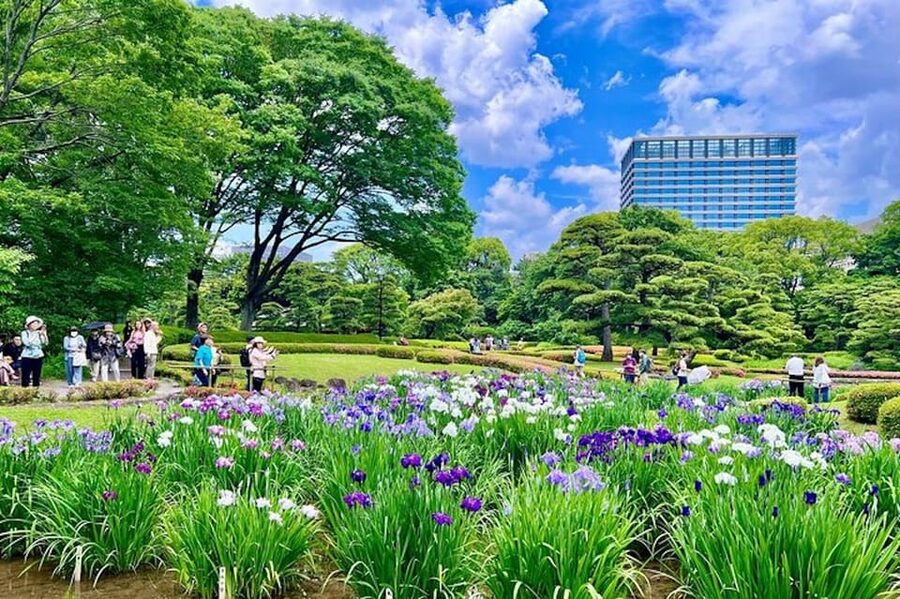
The East Gardens are not simply a collection of ruins. Their planted areas and ponds soften the military story, showing how Japanese gardens use space, water, trees, and carefully placed views.
Your guide may point out the meaning or significance of particular plants and explain how the garden fits Japanese culture. That extra layer is easy to miss on a self-guided visit. Without it, you may see a handsome tree or pond. With it, you begin to notice how the garden combines beauty with order and historical purpose.
The koi are one of the tour’s specific highlights. The experience calls attention to a special, one-of-a-kind breed, so keep an eye on the water rather than treating the ponds as background scenery. Koi can be a small detail, but it gives younger visitors and anyone who enjoys gardens something immediate to look for while the guide explains the larger story.
Photography is part of the fun. Guides have helped with group pictures and pointed out attractive places for photos. Shigeru has even been praised for taking pictures at good spots, while other guides have added small personal touches such as an origami crane or a farewell gift. Those gestures are not guaranteed, but they reflect the friendly tone you can expect from the guiding team.
Same city, a completely different kind of day:
- Mt Fuji and Hakone 1-Day Bus Tour Return by Bullet Train
★ 5.0 · 26,383 reviews - 1-Day Tokyo Bus Tour
★ 5.0 · 14,250 reviews - Tokyo: TOKYO SKYTREE® Admission ticket
★ 4.5 · 11,192 reviews - Tokyo: teamLab Planets TOKYO Digital Art Museum Entry Ticket
★ 4.6 · 9,779 reviews
The stories that make the stones speak
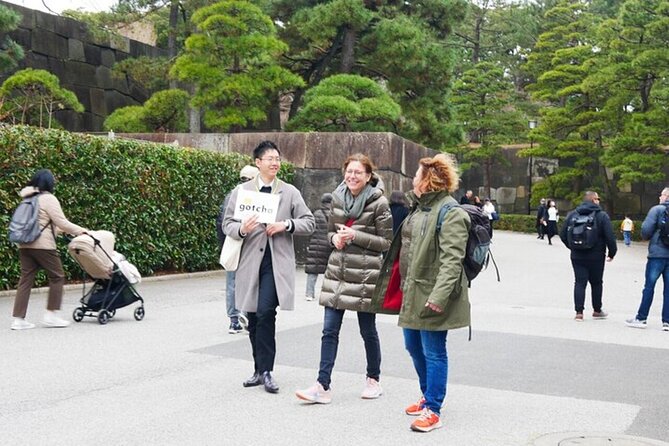
A good palace-ground tour needs more than dates. The strongest part of this walk is the way guides connect physical details with human stories.
You may hear about the shoguns who ruled Japan from Edo, the daimios who served within the feudal system, and the changing role of the imperial family. Guides have also discussed ninjas, architecture, gardens, and everyday aspects of Japanese culture. The result is a wider picture than a simple castle tour.
Hitoshi has been praised for combining castle and garden history with stories about shoguns and the imperial royal family. Shigeru has offered a general introduction to Japanese history before adding cultural facts along the route. Naoko has used pictures and a lively teaching style, which can help children follow the tour.
That variety matters because no two guides will tell the story in exactly the same way. Some are especially good at broad historical context. Others focus on small details, photographs, or questions from the group. Names frequently associated with particularly warm and helpful guiding include Hitoshi, Naoko, Masahito, Shigeru, Mikio, Ayako, Hirashima, and Yoshikawa.
English ability has been praised across the guiding team, though any live tour can have small differences in speaking style. The best approach is to ask questions as you go. Guides have shown patience with groups of seniors, families with children, and visitors who wanted a slower pace.
A two-hour walk that does not feel rushed
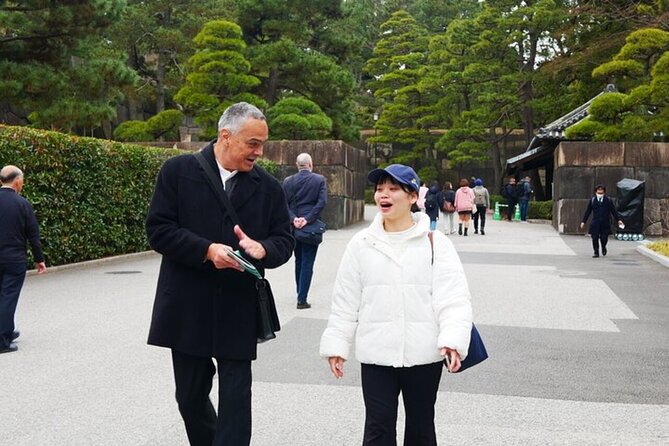
Two hours is a sensible length for this experience. It gives you enough time to enter the gardens, hear the main historical story, stop for photographs, and return to Wadakura Fountain Park without turning the visit into an all-day commitment.
The pace is one of the tour’s strengths. Visitors have described guides stopping often, walking slowly, and making room for questions. Mikio adjusted the walk for a pair who wanted frequent pauses, while Hitoshi assisted a visitor using a wheelchair. That does not mean every route or surface will suit every mobility need, so you should still discuss your requirements when booking. It does show that the guides have a record of paying attention to comfort.
The walk ends back at Wadakura Fountain Park. Some guides have gone beyond the formal finish by helping visitors reach a subway station or guiding them through the station to the correct platform. That assistance is not part of the published tour, but it can be very useful when you are still learning Tokyo’s transport system.
What the $42 price really buys you
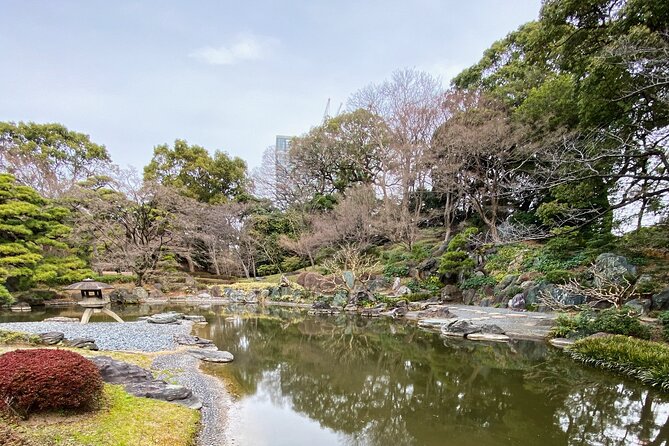
At $42 per person, this is not a cheap way to enter a garden, since the park itself is free. You are paying for interpretation, structure, and the chance to ask questions in English.
That can be good value if Japanese history is unfamiliar to you or if you want more than a quiet walk. The site has plenty of visual interest, but the meaning of the ruins is not always obvious. A guide fills that gap and helps you use your time well.
The value is less clear if you are happy reading signs, wandering alone, and researching Edo Castle beforehand. You can visit the garden without a paid guide, and this tour does not provide access to areas closed to the public. One visitor fairly noted that the same money can cover a much longer day trip to Nikko or Mount Fuji. That comparison is worth considering.
Still, a two-hour tour fits neatly into a Tokyo schedule. You can pair it with nearby central Tokyo sights instead of spending a full day on transport. For a first visit, I think the fee is reasonable if personal explanation is important to you. For repeat visitors who already understand Edo-period history, a self-guided walk may offer better value.
Who will enjoy this tour most
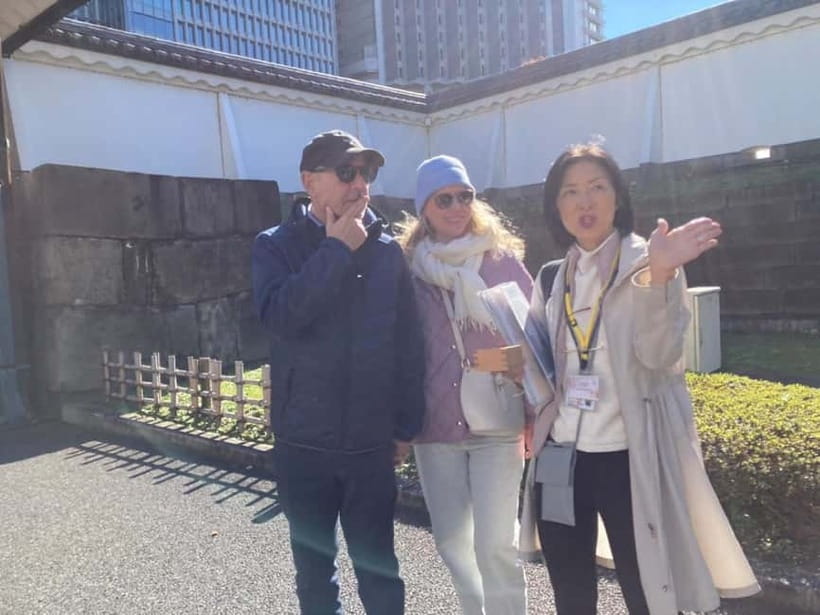
I would choose this for first-time visitors who want a clear introduction to Japanese history without committing to a museum-heavy morning. It also works well for families, since the koi, castle remains, photos, and stories give children several ways into the subject.
Older visitors may appreciate the unhurried pace and the guides’ willingness to stop. Couples and solo visitors benefit from having someone explain the site and take photographs. If you are interested in Japanese gardens, architecture, military history, or the imperial family, the tour brings those subjects together in one compact visit.
It is less suitable if you expect palace rooms, royal interiors, or a view of the Inner Palace. Those areas are not part of the experience. You are touring the East Gardens on the former castle grounds, not entering the private palace compound.
Practical planning for your morning
Check the operating day before reserving. The East Garden is closed on Mondays and Fridays, so those dates will not work for this tour.
Wear comfortable shoes. The activity is a walking tour, and even a relaxed two-hour route is more enjoyable when you are not thinking about sore feet. Bring water and protection from the weather, though the supplied details do not specify a required dress code or equipment.
The tour is offered in English with a live guide. Starting times vary, so check availability for your date. You can reserve and pay later, and cancellation is free up to 24 hours before the start time, which gives you some flexibility while arranging a busy Tokyo itinerary.
Allow extra time for the meeting point and the bag inspection. Most practical problems are avoidable if you arrive without newly purchased knives or similar objects.
Should you book the East Gardens tour?
Book it if you want the former Edo Castle grounds to make sense, not just look attractive. The strongest reason to go with a guide is the human explanation: old images, stories of shoguns, details about Japanese culture, and help seeing what has disappeared.
I would especially recommend it for a first Tokyo visit, families, seniors, and anyone who values a calm pace and clear English. The 4.7 rating from 112 reviews fits the pattern of praise for patient guides, strong historical explanations, helpful photographs, and thoughtful assistance after the tour.
Skip it if your main goal is entering the Inner Palace, or if you prefer a free, independent garden walk. Also skip Mondays and Fridays, when the East Garden is closed. For everyone else, $42 buys a focused history lesson in one of Tokyo’s most meaningful open spaces, with enough garden beauty to keep the past from feeling like homework.
FAQ
Where does the tour meet?
Meet your guide in front of the fountain at Wadakura Fountain Park. The guide will hold a sign that says Gotcha.
How long does the tour last?
The guided walking tour lasts two hours and returns to Wadakura Fountain Park.
What part of the Imperial Palace does the tour visit?
The tour visits the East Gardens of the Imperial Palace, built on the former grounds of Edo Castle.
Can I enter the Inner Palace?
No. The tour does not enter the Inner Palace, which is not open to the public through this experience.
Which days is the East Garden closed?
The East Garden is closed on Mondays and Fridays.
Is the tour offered in English?
Yes. The activity includes a live English-speaking tour guide.
Is admission to the garden included?
The experience includes the guided walking tour. The East Garden itself is free to enter, according to the tour information.
Will my bag be inspected?
Yes. Visitors are subject to a baggage inspection when entering the Imperial Palace grounds.
What should I do with knives bought before the tour?
Leave Japanese knives or other objects that could be used as weapons in a coin locker or similar storage place before arriving at the meeting point.
Just added around Tokyo
- Tokyo: Customizable Private Guided Walking Tour★ 4.5 · 129 reviews
- Private Harajuku Omotesando Architecture Tour★ 4.9 · 18 reviews
- Tokyo: Guided Helicopter Ride★ 4.9 · 24 reviews
- Tokyo: Guided Walking Tour of Tsukiji Market with Lunch★ 4.4 · 24 reviews
- Tokyo: Private Personalized Local Food Tour★ 4.5 · 101 reviews
- Tokyo GINZA: KONPARU Japanese Cabaret Show with Drink★ 4.8 · 38 reviews
- Tokyo: Guided Walking Tour of Tsukiji Market with Breakfast★ 4.4 · 134 reviews
- Tokyo: Gotokuji Cat Temple, Shinjuku Cat Cafe & 3D Cat Tour★ 4.9 · 38 reviews
Garden & Palace Tours, compared.

Imperial Palace and Shogun Historical Walking Tour
Read our review →
Tokyo Castle & Imperial PalaceーShogun Walking Tour
Read our review →
Nijo-jo Castle and Ninomaru Palace Guided Tour
Read our review →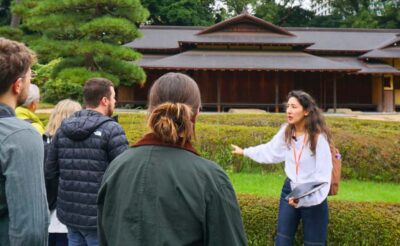

Ultimate Osaka Walking Tour: Castle, Dotonbori & Hidden Gems
Read our review →Tokyo Castle & Imperial PalaceーShogun Walking Tour
Read our review →Browse the lists this tour appears in