
REVIEW · WALKING TOURS
Tokyo: Customizable Private Guided Walking Tour
Tokyo is too large for a standard walking route to do it justice. This private four-hour tour lets you choose your priorities, then uses a local guide to connect the dots. You might focus on the Imperial Palace and Meiji Shrine, chase street food and local restaurants, or mix famous sights with quiet lanes and small shops. I like the personal pace, and I like that guides such as Mika, Niza, Brian, and Lauren have helped visitors with subway tickets, restaurant choices, kimono rentals, and last-minute changes.
The main catch is distance. Tokyo’s sights are spread across a huge city, so a four-hour outing may include a fair amount of subway travel and walking. Food, drinks, entry fees, and transportation cost extra, and you will need to explain your interests clearly before the tour so the guide can shape a useful route.
In This Review
- Key points at a glance
- Why a custom tour works well in Tokyo
- A practical route through Tokyo’s famous sights
- The less polished Tokyo you may prefer
- Food routes, from market snacks to local restaurants
- Learning Tokyo’s subway system
- What the guides add to the day
- Pace, heat, and physical effort
- Price and what the $87 covers
- Who should book this private Tokyo walk?
- Should you book it?
- FAQ
- How long is the Tokyo custom walking tour?
- What languages are available?
- Is the tour private?
- Does the price include hotel pickup?
- Are food, transportation, and entry fees included?
- Can I cancel for a full refund?
Key points at a glance
- Your hotel is the starting point: The guide meets you and returns with you on foot, a helpful service in a city where the first train ride can feel like a puzzle.
- The route is genuinely flexible: Choose major sights, food, shopping, history, neighborhoods, or a mix of all four.
- Subway help is part of the value: Guides including Jack, Shish, Marco, and Brian have helped visitors learn how to use Tokyo’s rail network independently.
- Four hours goes quickly: You can cover several districts, but long train rides and tower visits can reduce time at each stop.
- Private means personal attention: This works well for solo visitors, couples, families, and small groups with different interests.
- Walking ability matters: The tour is listed as wheelchair accessible, yet some routes involve considerable walking and subway transfers.
Why a custom tour works well in Tokyo
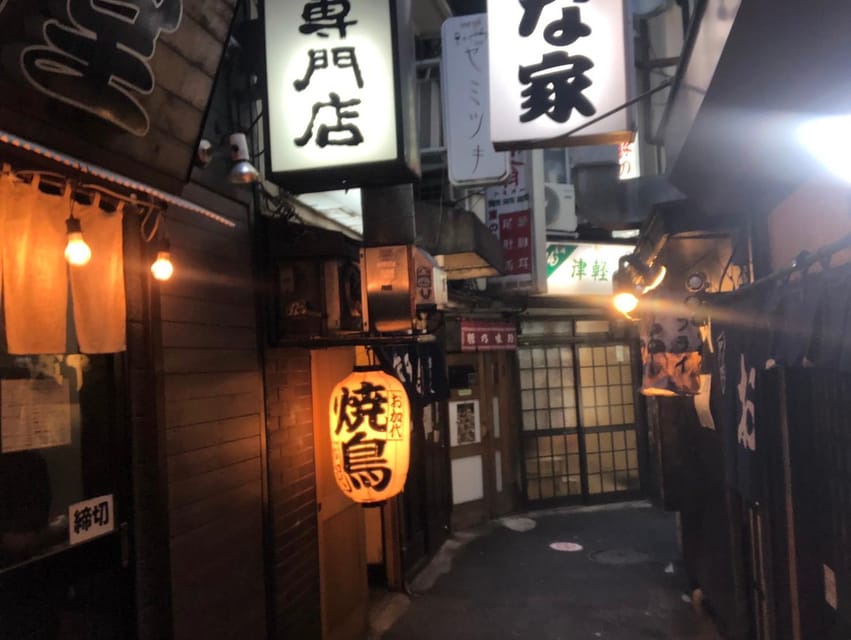
Tokyo can feel less like one city than a collection of very different cities joined by trains. Imperial gardens, neon shopping streets, temple grounds, youth fashion districts, office towers, and old restaurant lanes may all be part of the same afternoon, but they are rarely close together.
That makes a custom tour more useful than a fixed route for a first visit. You can tell the guide what matters most, then let that person decide how to make the time work. If you have only one day in Tokyo, you may want the major sights. If you have several days, the guide can avoid places already on your schedule and show you a side of the city you might otherwise miss.
The private format is especially useful if your group has mixed interests. One person may want Japanese history, another may care about food, and a teenager may want Harajuku or the Pokémon Centre. Guides have adjusted routes for solo visitors, couples, families with teenagers, and people who wanted to avoid crowded areas.
I would contact the operator with a short wish list rather than a vague request to see Tokyo. Name two or three priorities, mention any mobility concerns, and say if you want food included in the route. That gives the guide something solid to work with.
More Walking Tours in Tokyo
- Tokyo Tsukiji Fish Market Food and Culture Walking Tour
★ 5.0 · 3,184 reviews - Tokyo: Imperial Palace and Shogun Historical Walking Tour
★ 5.0 · 2,251 reviews - Tokyo: Shinjuku Local Bar and Izakaya Guided Walking Tour
★ 4.9 · 1,794 reviews
A practical route through Tokyo’s famous sights
The tour can include Tokyo Tower, the Imperial Palace, and Shibuya Crossing, though no four-hour route can treat all three as a full visit. Think of these as possible anchors rather than guaranteed stops.
Tokyo Tower gives you one of the city’s most recognizable views and an easy way to understand Tokyo’s mix of old neighborhoods and high-rise districts. If you want to go up the tower, allow extra time and budget for admission. A short exterior visit keeps the tour moving, while an observation deck visit may mean dropping another stop.
The Imperial Palace offers a quieter contrast to Tokyo’s commercial streets. Palace grounds and nearby gardens bring history into the middle of the modern capital. The exact areas you can enter depend on access and timing, so tell your guide if the palace is a must-see rather than simply one option on your list.
Shibuya Crossing is the city’s famous human tide, surrounded by signs, shops, cafés, and elevated viewpoints. It is a good stop for first-time visitors because it shows Tokyo’s modern energy in one glance. It is also crowded, so stay close to your guide, particularly when crossing streets and moving through stations.
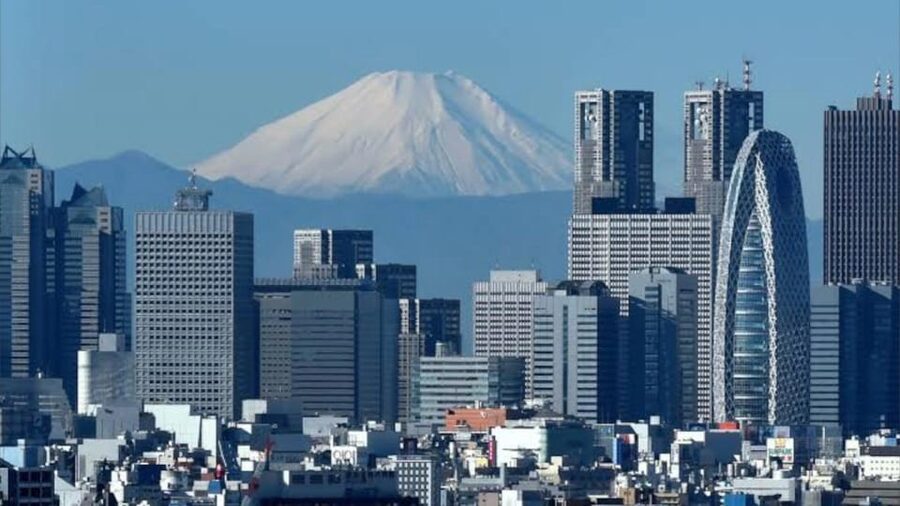
Other routes have included Meiji Shrine, Takeshita Street in Harajuku, Shinjuku Gyoen National Garden, Tsukiji Fish Market, Buddhist temples, and government observation areas. One guide took a visitor to a government building observation tower where Mount Fuji could be seen. That kind of extra stop depends on conditions, timing, and your guide’s judgment, so treat it as a possibility, not a promise.
The less polished Tokyo you may prefer
Tokyo’s character often appears between the headline attractions. A narrow alley, a traditional teahouse, a small shrine, or a modest neighborhood restaurant can tell you more about daily life than another large viewpoint.
The tour description specifically allows time for characteristic alleys, small local businesses, and street performances. Those details are valuable because they are hard to plan from a map. A guide can point out an interesting lane or shift the route when a quieter area fits your mood better.
This is also where the guide’s personal style matters most. Niza has helped arrange a kimono rental, visit Hanami spots, and find playful food stops such as panda ice cream parfaits. Other guides have focused on traditional restaurants, history, or local customs. If you want a polished cultural route, say so. If you prefer odd, colorful, or food-focused stops, say that instead.
You should not expect every stop to be a major attraction with an entrance gate. The reward is often a better feel for how districts connect and how Tokyo’s ordinary streets work. The tradeoff is that the route may seem less efficient if you measure success only by the number of famous sights checked off.
Food routes, from market snacks to local restaurants
Food is one of the strongest ways to customize this experience. You can ask for street food, local shops, traditional Japanese cooking, or a restaurant-focused outing. The guide can suggest places suited to your interests, but you pay for food and drinks separately.
Tsukiji Fish Market has appeared in a route alongside Ginza and Shinjuku Gyoen. It can be a good choice if you want food, shopping, and a taste of Tokyo’s market culture in one outing. The drawback is time: combining distant districts with a meal means fewer long visits at each place.
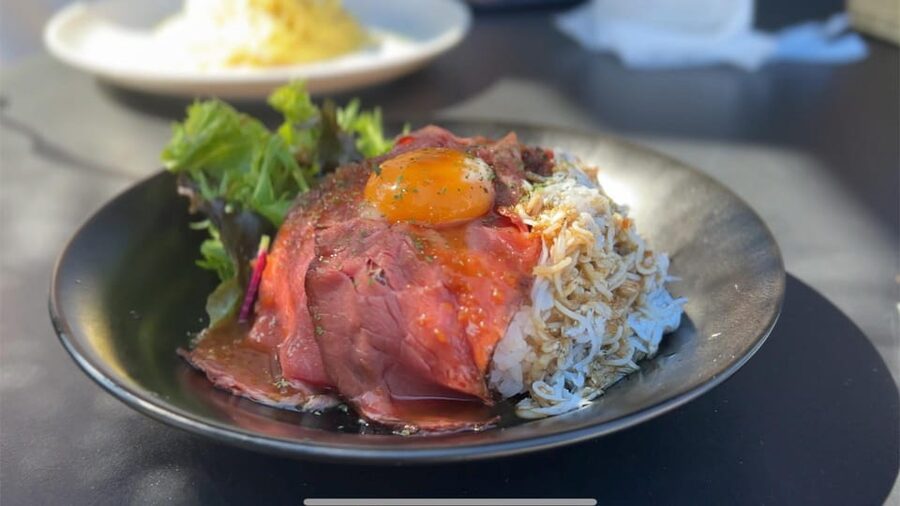
Guides have also taken visitors to traditional Japanese restaurants and helped groups try dishes they might not have ordered alone. Okonomiyaki and karaage have featured on one route. Another outing included a traditional restaurant selected to match the visitor’s interest in Japanese culture.
I like this arrangement because it avoids the pressure of buying a fixed meal package. You choose the price and style of food yourself. Still, do not assume a restaurant reservation or meal is included. If you need a particular restaurant, dietary accommodation, or a set mealtime, raise it before the tour.
Same city, a completely different kind of day:
- Mt Fuji and Hakone 1-Day Bus Tour Return by Bullet Train
★ 5.0 · 26,383 reviews - 1-Day Tokyo Bus Tour
★ 5.0 · 14,250 reviews - Tokyo: TOKYO SKYTREE® Admission ticket
★ 4.5 · 11,192 reviews - Tokyo: teamLab Planets TOKYO Digital Art Museum Entry Ticket
★ 4.6 · 9,779 reviews
Learning Tokyo’s subway system
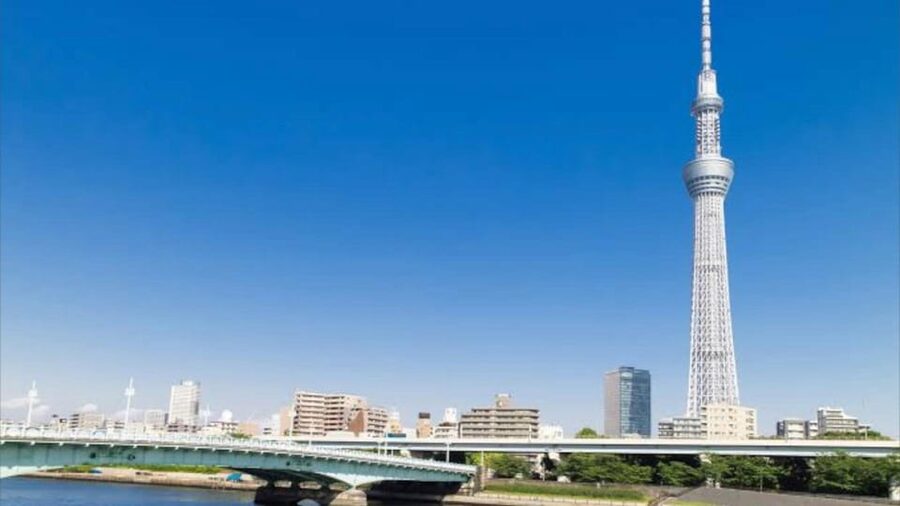
For many visitors, the best souvenir from this tour is not a photograph. It is the confidence to use Tokyo’s trains alone afterward.
The guides regularly help with the subway and rail network. Jack showed a visitor how to use the system and explained how to get back to the hotel. Shish, Marco, Brian, and others have also spent part of the tour teaching routes, transfers, and basic navigation.
This can change the shape of the outing. Instead of walking between every district, you may ride the train from one area to another and use the time to reach sights that would otherwise be impossible in four hours. It also means the tour is not a pure walking tour in the narrow sense.
There is a practical warning here: stations can be confusing, and the group should stay close together. One visitor learned this the hard way after becoming separated from the guide on the subway. Keep your phone charged, pay attention at transfers, and do not rush through station gates.
Transportation is not included in the price, so you pay your own fares. That is a small extra cost, but the instruction can be worth far more if you are spending several days in Tokyo.
What the guides add to the day
The strongest part of this experience is the person assigned to you. The guide is not just there to point at buildings. A good guide can explain customs, answer questions about daily life, adjust the pace, and make a large city feel manageable.
Several guides have been praised for their English. Mika has been described as fluent and especially good at using the subway and adjusting plans around a limited schedule. Lauren has communicated with visitors before the tour to learn their interests, then changed the pace during hot and humid weather.
Brian has been singled out for his flexibility, humor, and broad knowledge of Tokyo. Trevor has been appreciated for making the experience feel like an outing with a friend while still explaining the city. Niza has helped with kimono rental, photographs, food choices, and personal requests.
The service can also matter when plans go wrong. One guide, Bryan John Smith, helped find an English-speaking doctor and pharmacy when a companion became ill, then continued with a gentler route. That is not a guaranteed medical service, of course, but it shows the practical help a private local guide may provide in an unfamiliar city.
Guide assignments can vary, so do not book solely to secure one particular person unless the operator confirms that request. What you can control is the information you provide before the tour. Mention your preferred pace, interests, food plans, mobility needs, and any district you have already visited.
Pace, heat, and physical effort
Four hours sounds generous until you add Tokyo’s station corridors, escalators, street crossings, and district changes. One visitor called the walking brisk, while another warned that you should be ready to walk a lot. Both points are useful.
You can ask for a slower route, shorter distances, or more time in fewer areas. Eduardo designed a tour around one visitor’s age and physical abilities and avoided crowded places. Lauren also adjusted the pace on an especially hot day.
The activity is listed as wheelchair accessible, but accessibility depends on the chosen route and transportation details. Tokyo stations do not all offer the same ease of movement, and a route involving several subway transfers may be tiring. Discuss this before booking rather than assuming every custom itinerary will work equally well.
The activity is not suitable for people over 95 according to the stated restrictions. For everyone else, comfortable shoes, water, and a realistic plan matter more than trying to see the whole city.
Price and what the $87 covers
At $87 per person, this is not the cheapest way to walk around Tokyo. You are paying for a private guide, hotel pickup and drop-off on foot, route planning, and personal help rather than a large group commentary.
The value is strongest for a first visit, a short stay, or a group that wants to learn the subway system. If four people share the experience, the cost buys a private guide for the group, which can compare well with several separate attraction tours. A solo visitor pays more per person but receives direct attention and a route built around personal interests.
The price does not include meals, drinks, transportation, or entry fees. That makes it easier to control your spending, but you need to allow for those extras. If you want a tower observation deck, a paid garden, a restaurant meal, or several train rides, add those costs to your planning.
The four-hour limit is the bigger value question. You can see several districts from the outside and gain a useful orientation. You cannot reasonably expect a deep visit to every major attraction, especially if you spend time eating or climbing a tower.
Who should book this private Tokyo walk?
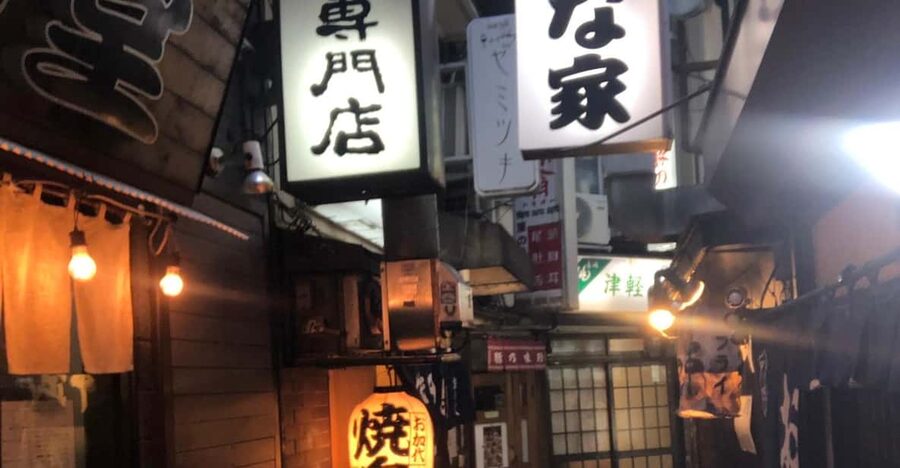
I would recommend it most strongly to:
- First-time visitors who feel uneasy about Tokyo’s size or train system.
- Solo visitors who want company and local guidance without joining a large group.
- Couples and families who need a route built around their own interests.
- Visitors with only a short window in Tokyo.
- People who care about food, everyday neighborhoods, history, or shopping as much as major sights.
- Anyone who wants help balancing famous places with less obvious stops.
I would think twice if you prefer to explore entirely alone, already know Tokyo’s train network, or want long interior visits at several major attractions. A private guide cannot remove the city’s distances, and four hours can feel short once you include transport.
Should you book it?
Book this tour if you want a useful first orientation, personal attention, and the freedom to change plans as you go. The strongest benefits are the guide’s help with trains, the ability to set your own priorities, and the chance to find food and neighborhood stops that are easy to overlook.
Before you reserve, send a focused wish list and ask the guide to rank it by importance. Put your must-see stop first, keep the route to a sensible number of districts, and decide in advance how much time you want for food or shopping. With those limits in place, the $87 price can be fair value for a private introduction to Tokyo.
FAQ
How long is the Tokyo custom walking tour?
The tour lasts four hours. Starting times depend on availability.
What languages are available?
Live guiding is available in English and Japanese.
Is the tour private?
Yes. It is offered for a private group rather than a shared tour.
Does the price include hotel pickup?
Hotel pickup and drop-off are included on foot.
Are food, transportation, and entry fees included?
No. Food, drinks, transportation, and admission costs are not included.
Can I cancel for a full refund?
Yes. You can cancel up to 24 hours in advance for a full refund. You can also reserve now and pay later.
Just added around Tokyo
- Private Harajuku Omotesando Architecture Tour★ 4.9 · 18 reviews
- Tokyo: Guided Helicopter Ride★ 4.9 · 24 reviews
- Tokyo: Guided Walking Tour of Tsukiji Market with Lunch★ 4.4 · 24 reviews
- Tokyo: Private Personalized Local Food Tour★ 4.5 · 101 reviews
- Tokyo GINZA: KONPARU Japanese Cabaret Show with Drink★ 4.8 · 38 reviews
- Tokyo: Guided Walking Tour of Tsukiji Market with Breakfast★ 4.4 · 134 reviews
- Tokyo: Gotokuji Cat Temple, Shinjuku Cat Cafe & 3D Cat Tour★ 4.9 · 38 reviews
- Tokyo: Full Course Tour: Explore 10 Must-Sees & Hidden Gems★ 5.0 · 35 reviews
Walking Tours, compared.
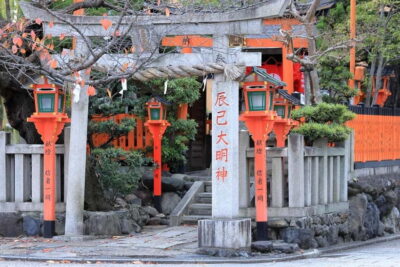
Kyoto Geisha Walking Tour: Gion District & Hidden Gems
Read our review →
Tokyo Tsukiji Fish Market Food and Culture Walking Tour
Read our review →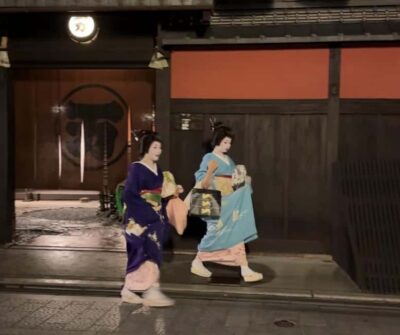
Gion Magical Night Walking Tour with Geisha Trivia
Read our review →
Imperial Palace and Shogun Historical Walking Tour
Read our review →
Gion Geisha District Walking Tour – Stories of Geisha
Read our review →
Asakusa Walking Tour with Sensoji Temple Visit
Read our review →
Kyoto Gion Geisha District Walking Tour – The Stories of Geisha
Read our review →Browse the lists this tour appears in