
REVIEW · FOOD MARKET TOURS
Tokyo: Best of Shibuya Food Tour
Shibuya is famous for one giant crossing, but its best meals hide in much smaller places. This three-hour food walk leads you away from the crowds and into narrow lanes, compact restaurants, standing counters, and a department-store food hall where Tokyo’s everyday eating culture comes into focus.
I like the wide mix of food, from sushi and okonomiyaki to ramen and handmade sweets. I also like the guides’ personal touch: Alex, Jane, Maya, Saika, and others have helped guests with cultural questions, food recommendations, photos, and even adjustments for food restrictions. The main drawback is the price, and much of the tour involves walking or standing, so it may not suit every visitor.
- Five food stops: Try a broad selection of Japanese dishes rather than one long meal.
- Backstreet Shibuya: See small restaurants and local lanes beyond the Scramble Crossing.
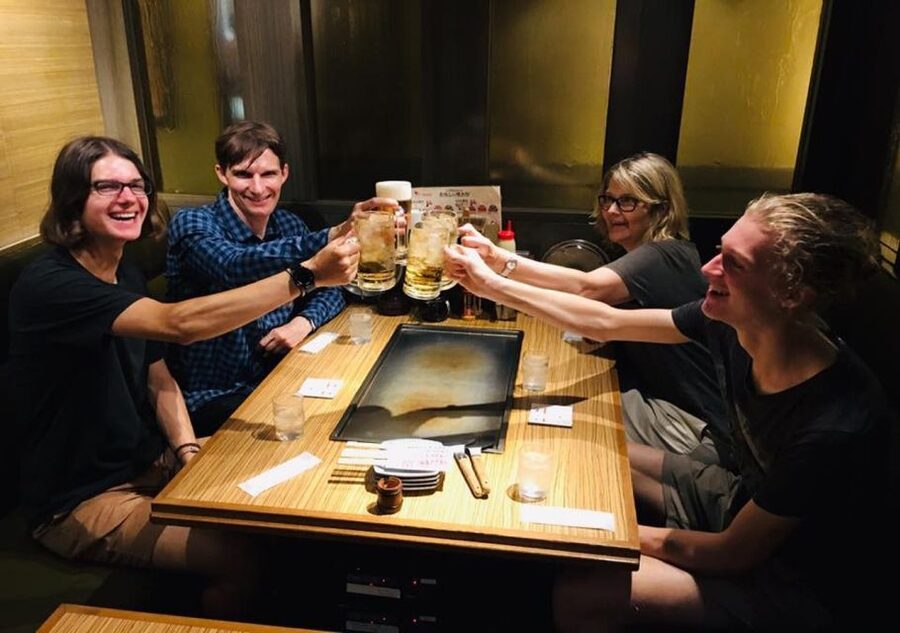
- Two drinks included: A useful touch during an evening food walk.
- Depachika finale: Finish with dessert and a look at a Japanese department-store food hall.
- Small group of up to 10: A manageable size for questions and restaurant visits.
- Strict meeting time: Find the Hachiko wall mural before the start, since the guide waits only five extra minutes.
In This Review
- Shibuya Starts at the Hachiko Wall Mural
- Five Stops That Turn Snacks Into a Meal
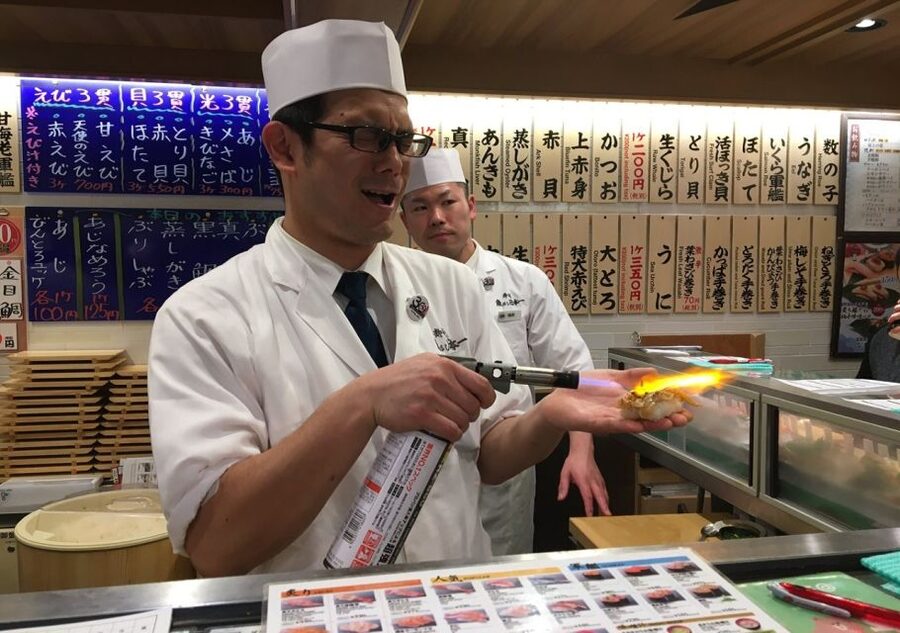
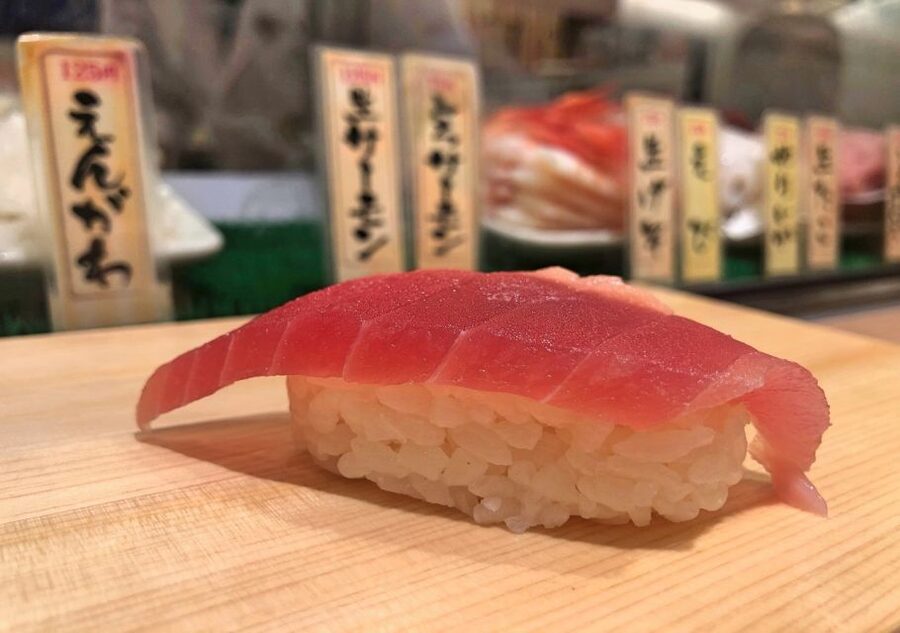
- Stop One: Sushi at a Standing Counter
- Stop Two: An Izakaya for Shared Plates
- Stop Three: Okonomiyaki on the Grill
- Stop Four: Ramen or Another Popular Local Dish
- Stop Five: Dessert in a Shibuya Depachika
- The Backstreets Matter More Than the Crossing
- Guides Make or Break the Evening
- Is $170 a Fair Price?
- Plan for Walking, Standing, and a Full Stomach
- When This Tour Fits Best
- Practical Details Before You Book
- Should You Book the Shibuya Food Tour?
- FAQ
- How long is the Tokyo Best of Shibuya Food Tour?
- How many food stops are included?
- Are drinks included?
- Is dessert included?
- Where is the meeting point?
- How late can I arrive?
- What language is the tour conducted in?
- How many people are in the group?
- Do I need to bring my passport?
Shibuya Starts at the Hachiko Wall Mural
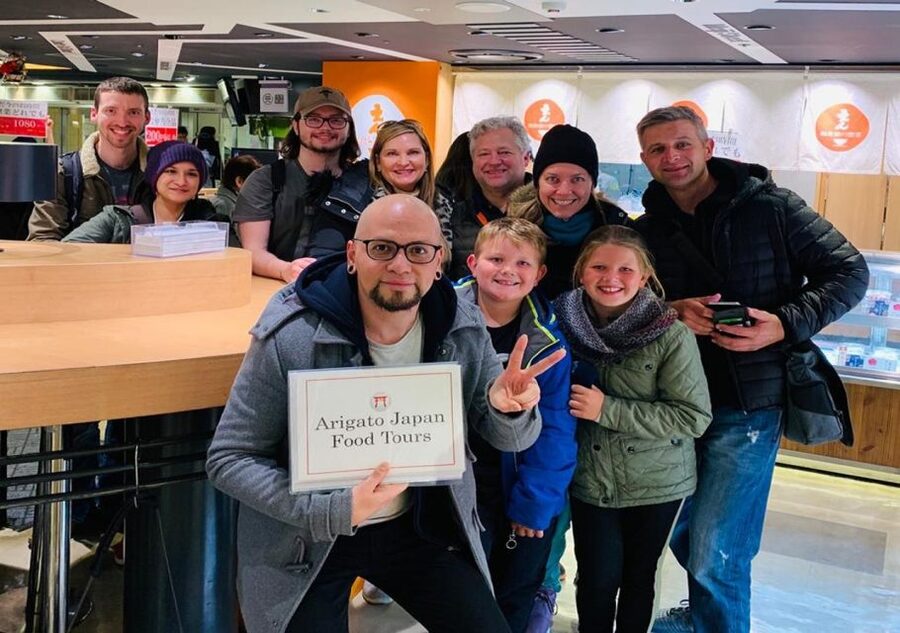
Your meeting point is outside Shibuya Station at the Hachiko exit, in front of the colorful wall mural of Hachiko. Do not wait at the famous dog statue. The mural is visible as you leave the station, and you should face the large intersection with the mural behind you.
That distinction matters. Shibuya Station is a maze of exits, crowds, signs, and meeting points, and the statue is an easy place to choose by mistake. I would arrive early, find the mural, and have the tour confirmation ready on my phone.
The operator allows only five extra minutes after the scheduled start. Once the group leaves, the guide cannot provide directions or take calls to help late arrivals. This is a firm rule, so build in extra time if you are coming from another part of Tokyo.
Five Stops That Turn Snacks Into a Meal
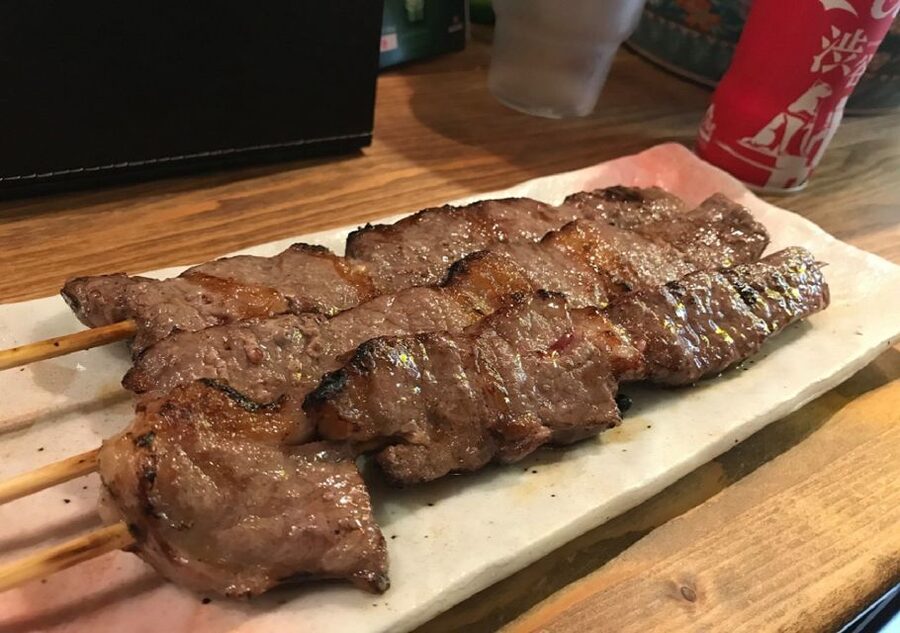
The tour visits five food stops, but the exact restaurants and dishes can vary. The most useful way to picture the experience is as a progressive meal, with each place offering a different look at Japanese food and dining customs.
Past participants have described a standing sushi restaurant, an izakaya, an okonomiyaki restaurant, a ramen stop, and a final dessert in a department-store food hall. Other food combinations have included takoyaki, Kobe beef, regional specialties, and different forms of Japanese sweets.
More Food Market Tours in Tokyo
- Tokyo: Shinjuku Food Tour (13 Dishes at 4 Local Eateries)
★ 5.0 · 6,603 reviews - Tokyo Tsukiji Fish Market Food and Culture Walking Tour
★ 5.0 · 3,184 reviews - Tokyo: Shinjuku Food Tour (15 Dishes and 4 Eateries)
★ 4.9 · 2,033 reviews
Stop One: Sushi at a Standing Counter
A standing sushi restaurant can feel very different from the polished sushi bars many first-time visitors imagine. The setting is compact and informal, and the food arrives as part of a quick, focused meal rather than a long ceremony.
This is a good place to start because your guide can explain how to approach the menu and what makes the ingredients or preparation worth noticing. One participant described the sushi as the best they had eaten up to that point in their Japan trip, though your own experience will depend on the day’s restaurant selection and personal taste.
The standing format is also a warning for anyone who needs regular seating. It saves space and gives the meal an energetic pace, but you will not be settling into a chair for every course.
Stop Two: An Izakaya for Shared Plates
An izakaya is a Japanese drinking and dining place, usually built around small dishes shared with the table. This stop helps you understand how many Tokyo residents eat after work, with food ordered in several rounds and conversation stretching around the meal.
The tour includes two drinks, and an izakaya is a natural place to use one of them. The drink is included, but extra drinks and food cost more, so keep that in mind if you are tempted to extend the evening.
Your guide can also explain the social side of izakaya dining, including how dishes are shared and how the restaurant’s atmosphere differs from a formal meal. Since these places can be small, a group of 10 may fill much of the available space. The current group limit is still far more manageable than a large coach outing, but do not expect a private room or a quiet dinner.
Stop Three: Okonomiyaki on the Grill
Okonomiyaki is often described as a savory Japanese pancake, but that simple label does not tell you much about the fun of eating it. The dish is cooked on a hot surface and can include a range of ingredients, with regional styles differing across Japan.
A past itinerary included a restaurant serving regional versions of okonomiyaki. That makes this stop especially useful because it connects a familiar dish to the wider food traditions of Japan rather than treating it as just another fast meal.
Expect heat, sizzling sounds, and a more hands-on restaurant setting. The dish can be filling, so pace yourself. The food is generous at several stops, and one person found it difficult to sample everything because the portions added up quickly.
Same city, a completely different kind of day:
- Mt Fuji and Hakone 1-Day Bus Tour Return by Bullet Train
★ 5.0 · 26,383 reviews - 1-Day Tokyo Bus Tour
★ 5.0 · 14,250 reviews - Tokyo: TOKYO SKYTREE® Admission ticket
★ 4.5 · 11,192 reviews - Tokyo: teamLab Planets TOKYO Digital Art Museum Entry Ticket
★ 4.6 · 9,779 reviews
Stop Four: Ramen or Another Popular Local Dish
Ramen provides another change of texture and pace. The tour has included a ramen restaurant in a street lined with food businesses, though other popular foods may appear depending on the route.
This part of the walk is valuable for first-time visitors who might otherwise enter the first ramen shop they see without knowing how the setting works. Your guide can help explain the meal and point out details that are easy to miss when you are focused on eating.
Ramen is also one of the stops most likely to make you feel full. Come hungry, but do not arrive starved. The better strategy is to leave room for every stop, since the tour is designed around variety rather than one large bowl.
Stop Five: Dessert in a Shibuya Depachika
The tour ends with dessert and a visit to a Shibuya depachika. The word refers to an underground department-store food hall, where carefully presented sweets, prepared foods, and specialty products fill the counters.
This is an excellent final stop because it shows a side of Japanese food shopping that is easy to miss. You are not simply eating a sweet and leaving. You are also seeing how department stores present food as an important part of daily life, gifting, and seasonal buying.
The final dessert may be a traditional local sweet, and the exact item is not specified in advance. It gives the meal a clean finish without requiring another full restaurant stop.
The Backstreets Matter More Than the Crossing
The strongest part of this experience is not any single dish. It is the change in scale.
You begin near one of Tokyo’s most recognizable intersections, surrounded by movement and bright signs. Then the route takes you into smaller streets where restaurants may be upstairs, below ground, or tucked beside businesses you would never notice during a normal sightseeing walk.
That shift helps you read Shibuya as a real neighborhood rather than a photo stop. The district includes department stores, small bars, food counters, and independent restaurants within a short walk of the famous crossing. A guide gives you the confidence to enter places where menus, signs, and ordering customs may feel hard to navigate alone.
The walk also adds context between meals. Guides have explained Japanese food traditions, regional differences, daily habits, local history, and cultural customs. Alex has been praised for adding his own perspective on both Japanese and Mexican culture, while Saika has been described as especially good at mixing food information with fun facts and photographs.
Guides Make or Break the Evening
The food matters, but the guide shapes the whole evening. This experience is conducted in English, and several guides have earned particularly warm praise for clear communication, humor, patience, and local advice.
Alex is a name worth noting if you can request a guide, though guide assignments are not guaranteed. Jane has been praised for taking groups to small independent restaurants and looking after them well. Maya has been described as good at choosing food stops and adding historical details. Saika has received praise for very good English, a friendly manner, photos, and extra time spent with a small group.
You may also meet guides such as Serena, Shion, Kumie, Michie, Ryan, or Norma. Norma has provided a Spanish-language experience when available, but the listed tour language is English, so you should not book expecting Spanish service.
The guides also help with decisions that are not obvious from a menu. They can explain unfamiliar dishes, answer questions about Japanese customs, and suggest places to eat later in Tokyo or during the rest of your Japan trip. That practical advice can be worth as much as the food itself.
Is $170 a Fair Price?
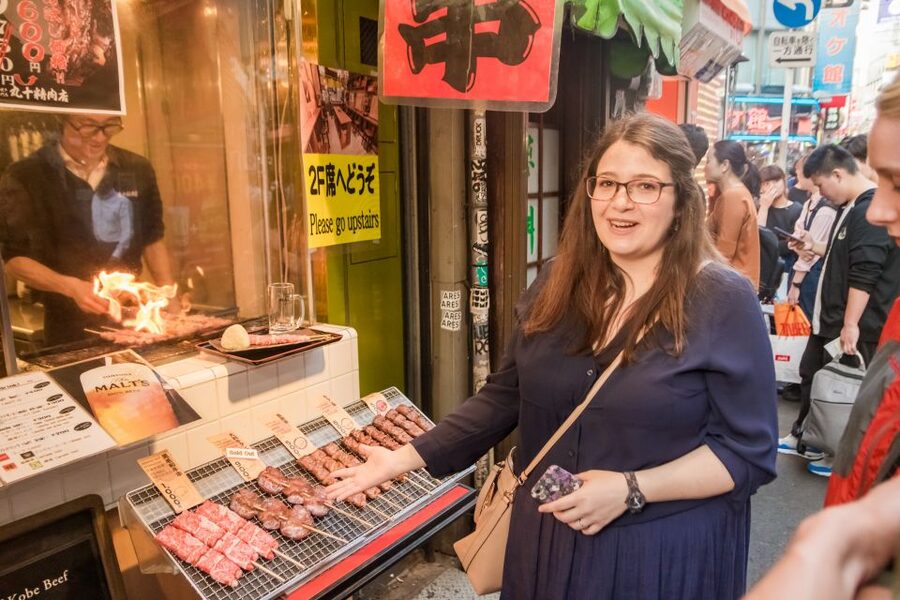
At $170 per person, this is not a cheap way to eat in Tokyo. You could spend much less buying individual dishes on your own, especially if you are comfortable navigating Shibuya’s restaurants and ordering without help.
The value comes from what is wrapped around the food. The price includes five food stops, two drinks, dessert, an English-speaking local guide, and a planned route through places you might not find easily by yourself. You are paying for access, explanation, and time saved, not just calories.
The small-group limit of 10 improves the value. A guide can answer questions and keep the group moving without the feel of a large bus tour. Still, the experience is not private, and the tour does not include hotel pickup, transportation costs, gratuity, or additional food and drinks.
I would consider the price easier to justify at the start of a Japan trip, when you need help getting oriented. It is also useful for diners who want to try unfamiliar food but prefer someone else to handle the restaurant choices. If you already know Shibuya well, speak Japanese, and enjoy choosing your own inexpensive meals, the cost may feel high.
Plan for Walking, Standing, and a Full Stomach
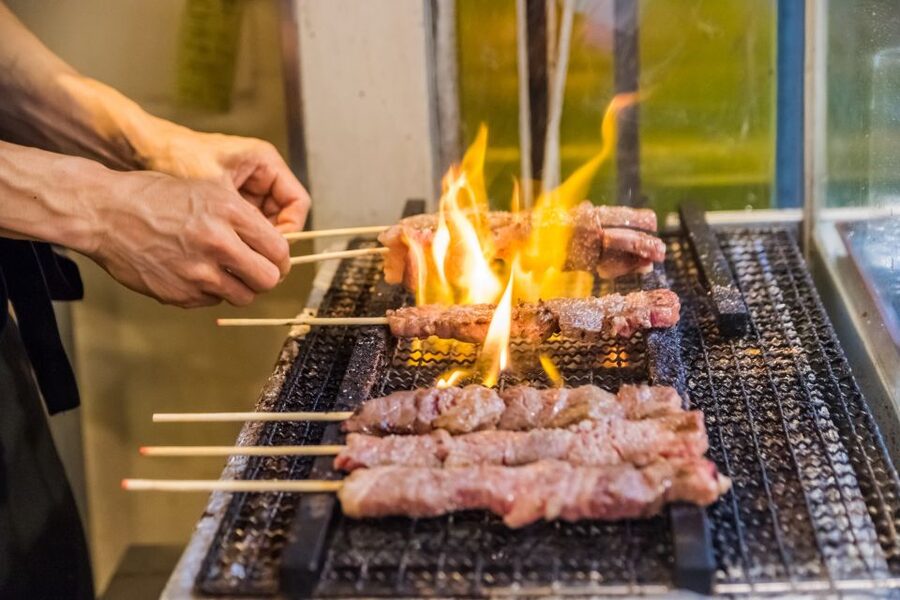
Wear comfortable shoes. The route moves through streets and restaurant areas for three hours, and not every stop offers a seat. One past family group managed the outing with children, including a six-year-old, but the adults adjusted expectations around walking, standing, and the weather.
This is not a good tour for someone who wants a slow, seated dinner. It is better for a person who enjoys moving from place to place and tasting smaller portions across several settings. You should also eat lightly beforehand, since the food can be more generous than the phrase food tasting suggests.
Families can enjoy it if children are open to unfamiliar dishes and can handle the pace. The range of foods helps, since a child may prefer ramen or dessert while an adult tries something more adventurous. The guide may be able to adjust for food restrictions, but you should raise those needs when booking rather than assume every stop can accommodate them.
Bring your passport. A copy of passport information is required for every participant aged 10 and over. The activity information does not provide a full accessibility description, so contact the operator directly if stairs, standing, or walking distance are a concern.
When This Tour Fits Best
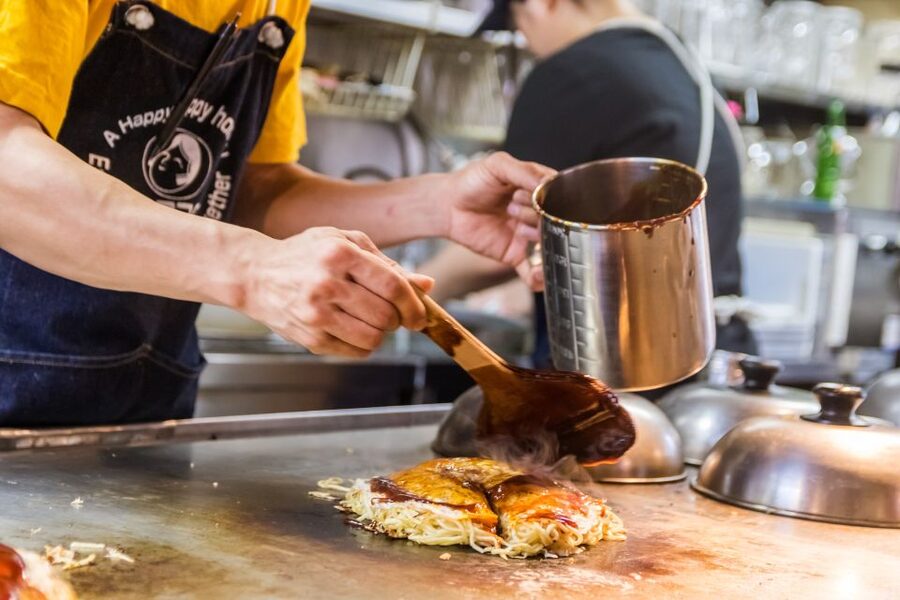
I would book this early in a Tokyo visit, especially if Shibuya is unfamiliar. You will learn how the area is laid out, gather ideas for later meals, and gain enough confidence to leave the main streets.
It also works well for couples, families with adventurous older children, and small groups who want an evening built around food rather than sightseeing landmarks. Solo diners can benefit from the company and the ease of joining restaurants as part of a group.
Food-focused visitors should enjoy the variety, but you should not expect a chef-led cooking class or a detailed lesson on every dish. This is a walking food tour with cultural commentary, not a formal culinary course.
The best mindset is curiosity. You may eat sushi in a standing restaurant, share an okonomiyaki, visit an izakaya, stop for ramen, and finish with a sweet in a depachika. The exact route can change, but the point is to experience how different parts of Japanese food culture fit into one Shibuya evening.
Practical Details Before You Book
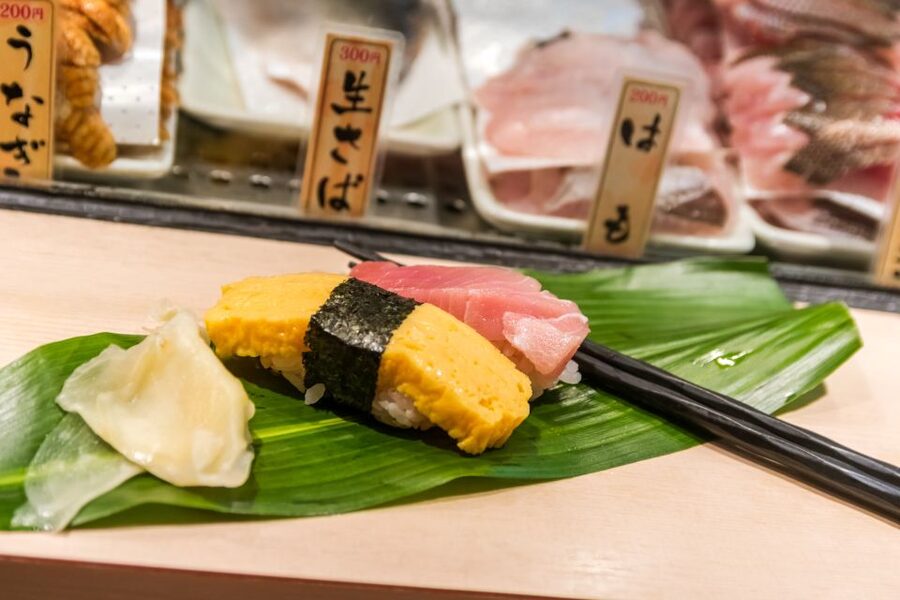
The tour lasts three hours and runs at scheduled starting times, which you can check when booking. Hotel pickup is not included, though it can be arranged for an additional charge. You are responsible for reaching the Hachiko wall mural and for any transportation costs during the outing.
Free cancellation is available up to 24 hours before the start for a full refund. You can also reserve now and pay later, which is useful when your Tokyo schedule is still changing.
The tour has a 4.7 rating from 119 reviews, with especially strong praise for the variety of food, the guides’ warmth, and the chance to find small restaurants that are difficult to locate alone. The main cautions are the cost, the amount of food, and the possibility of standing for much of the three hours.
Should You Book the Shibuya Food Tour?
Book it if you want a guided introduction to Shibuya food culture, especially on your first Tokyo visit. The route gives you five chances to taste different dishes, two drinks, a dessert, and useful cultural context without making you plan every restaurant yourself.
Think twice if you are on a tight budget, need a fully seated meal, or prefer to choose each dish independently. For everyone else, the combination of small restaurants, backstreets, regional food, and an English-speaking guide makes this a practical way to see the side of Shibuya that the famous crossing cannot show you.
FAQ
How long is the Tokyo Best of Shibuya Food Tour?
The tour lasts three hours.
How many food stops are included?
The experience includes five food stops, with a variety of dishes served across multiple locations.
Are drinks included?
Yes. Two drinks are included. Additional drinks and food can be purchased at your own expense.
Is dessert included?
Yes. Dessert is included, and the tour ends with dessert and a visit to a Shibuya depachika.
Where is the meeting point?
Meet in front of the Hachiko wall mural outside Shibuya Station at the Hachiko exit. Do not meet at the Hachiko statue.
How late can I arrive?
The guide can wait only an additional five minutes after the scheduled start. After that, the tour departs, and the guide cannot provide directions or be contacted by phone during the tour.
What language is the tour conducted in?
The tour is conducted in English with a live English-speaking guide.
How many people are in the group?
The small group is limited to 10 participants.
Do I need to bring my passport?
Yes. Bring your passport, and provide a copy of passport information for every participant aged 10 and over.
More Food in Tokyo
- Tokyo Night Foodie Tour in Shinjuku – Seasonal Sushi, Wagyu Beef
★ 5.0 · 1,161 reviews - Tokyo: Tsukiji Fish Market Food and Culture Walking Tour
★ 4.7 · 757 reviews - Tsukiji Fish Market: Street Food & Culture Walking Tour
★ 5.0 · 669 reviews - Tsukiji Fish Market Small-Group Food Walking Tour
★ 5.0 · 621 reviews
More Food & Drink in Tokyo
- Best of Shinjuku: Izakaya Food Tour (4 Stops, 14+ Tastings)
★ 5.0 · 1,863 reviews - Tokyo: Tsukiji Fish Market Food and Walking tour
★ 5.0 · 1,724 reviews - Eat and Drink Like a Local: Tokyo Ueno Food Tour-Taverns&Ramen
★ 5.0 · 957 reviews - Tokyo: Shibuya Food Tour (13 dishes and 4 Eateries)
★ 5.0 · 770 reviews
Just added around Tokyo
- Private Memorable Tokyo Tour with English Speaking Driver★ 5.0 · 30 reviews
- Tokyo Photography Masterclass – Private Photography Lesson★ 5.0 · 25 reviews
- Private Tokyo Custom Full-Day Tour by Chartered Vehicle★ 5.0 · 16 reviews
- Private Sightseeing to Mt Fuji and Hakone with English Driver★ 5.0 · 51 reviews
- Private Mt. Fuji Day Trip from Tokyo with English-Speaking Driver★ 5.0 · 33 reviews
- 4 Day Tour – Mount. Fuji, Tokyo, Hakone, Kamakura and Yokohama★ 5.0 · 19 reviews
- Private Unforgettable Mt Fuji Tour with English Speaking Driver★ 5.0 · 142 reviews
- Private Tokyo Food Tour – A Journey Through Time Through Food★ 5.0 · 36 reviews
Food Market Tours, compared.
Shinjuku Food Tour (13 Dishes at 4 Local Eateries)
Read our review →
Tokyo Tsukiji Fish Market Food and Culture Walking Tour
Read our review →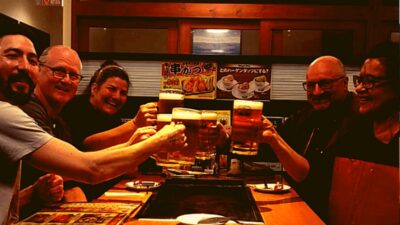
Shinsekai Food Tour with 13-15 Dishes at 5 Eateries
Read our review →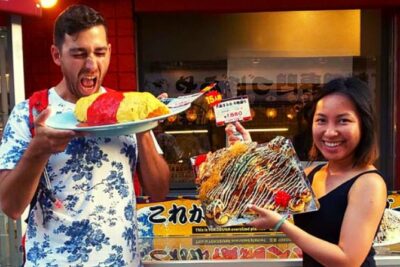
Osaka Food Tour: 13 Dishes at 5 Local Eateries
Read our review →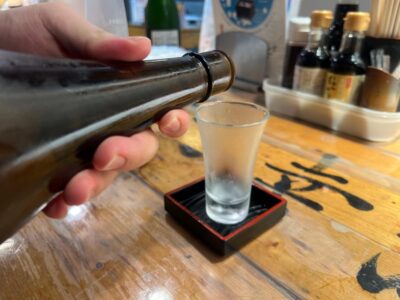
Shinjuku Food Tour (15 Dishes and 4 Eateries)
Read our review →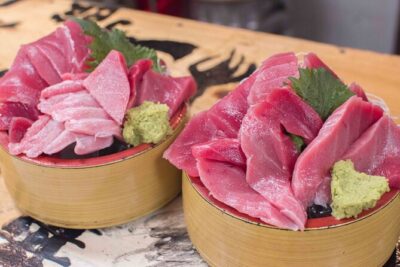
Best of Shinjuku: Izakaya Food Tour (4 Stops, 14+ Tastings)
Read our review →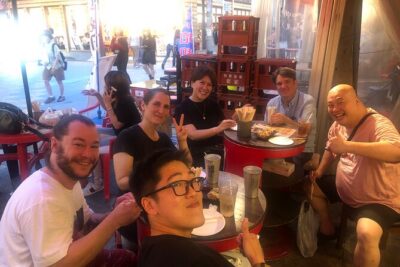
Hungry Osaka Street Food Tour:15 Tastings & 3 Drinks with a Local
Read our review →
Browse the lists this tour appears in