
REVIEW · FOOD MARKET TOURS
Tokyo: Allstar Food Tour
Tokyo’s best food lessons often happen in small places, not grand restaurants. This tour takes you from polished Ginza to the old-school alleys beneath Yurakucho’s railway tracks, where izakaya pubs, grilled skewers, and seafood give you a more local view of the city.
I like the contrast between Tokyo’s most expensive district and its rougher, more relaxed dining lanes. I also like the focus on regional and seasonal food, including rice crackers made from a recipe more than 200 years old and a visit to a snack shop with over 300 years of history. The main drawback is the $181 price for three hours, especially since transportation, extra food, and extra drinks cost more.
In This Review
- Key points at a glance
- Ginza Wako is a useful starting point
- What the Ginza portion adds
- From luxury streets to Yurakucho’s railway lanes
- The izakaya stops are the heart of the evening
- Food customs make the meal more meaningful
- The dessert provides a proper finish
- Is $181 a fair price for three hours?
- Dietary needs and practical planning
- Who will enjoy this Tokyo food tour?
- My verdict on the Ginza and Yurakucho experience
- FAQ
- How long does the Tokyo Allstar Food Tour last?
- Where does the tour meet?
- Which Ginza Station exit should I use?
- What food and drinks are included?
- Is the tour conducted in English?
- How large is the group?
- Are dietary options available?
- Can I cancel the tour or pay later?
Key points at a glance
- Ginza to Yurakucho: See two very different sides of central Tokyo in one compact evening.
- Showa-era atmosphere: Walk beneath the railway line through lantern-lit lanes lined with small izakaya.
- Regional flavors: Taste food from different parts of Japan rather than only standard Tokyo dishes.
- Historic snacks: Visit a specialty shop with more than 300 years of history and sample crisp rice crackers linked to a recipe over 200 years old.
- Small-group format: The group is limited to 10 people, with an English-speaking guide leading the way.
- Two drinks included: You get two drinks during the tour, while additional orders are paid for separately.
Ginza Wako is a useful starting point
The tour begins in front of the Ginza Wako Building, also known as Seiko House, at 4 Chome-5-11 Ginza. This is one of Tokyo’s easiest meeting points to recognize. From Ginza Station, follow signs for the Ginza 4 chome Crossing Gate, pass through the fare gate, and leave through Exit A9.
That clear meeting point matters in Tokyo. Ginza Station has several exits and connects with multiple subway lines, so following the exact exit directions can save you from starting the evening flustered and late. Give yourself a little extra time if this is your first visit to the area.
Ginza is a fitting place to begin. Its broad streets, polished department stores, grand watch and jewelry shops, and famous intersection show Tokyo at its most refined. You will not spend the whole tour in this glossy setting, though. The pleasure comes from moving away from the formal storefronts and into places with a much more ordinary dining rhythm.
More Food Market Tours in Tokyo
- Tokyo: Shinjuku Food Tour (13 Dishes at 4 Local Eateries)
★ 5.0 · 6,603 reviews - Tokyo Tsukiji Fish Market Food and Culture Walking Tour
★ 5.0 · 3,184 reviews - Tokyo: Shinjuku Food Tour (15 Dishes and 4 Eateries)
★ 4.9 · 2,033 reviews
What the Ginza portion adds
Ginza is often treated as a shopping district, but it also offers a useful introduction to Japanese food culture. Department stores and specialty food shops are known for careful presentation, seasonal products, and foods brought in from across Japan.
The tour includes regional snacks and food products, giving you a way to understand how Japanese cuisine changes from one part of the country to another. That is more useful than simply eating one famous dish. You begin to see that Japanese food is not one fixed style. Rice crackers, seafood, grilled foods, sweets, and other small bites can carry strong regional identities.
A visit to a long-established snack shop is one of the tour’s most distinctive features. The business has more than 300 years of history, and the rice crackers are made with a secret recipe dating back over 200 years. This does not mean you are visiting a museum or sitting through a formal lecture. The value is more direct: you taste an everyday snack while learning how food traditions can survive across generations.
Rice crackers may sound modest beside sushi or ramen, but that is part of their appeal. They are a common Japanese snack, and a specialist shop gives you a better sense of the care behind something you might otherwise buy casually from a convenience store. You can also purchase snacks at your own expense if something catches your eye.
From luxury streets to Yurakucho’s railway lanes
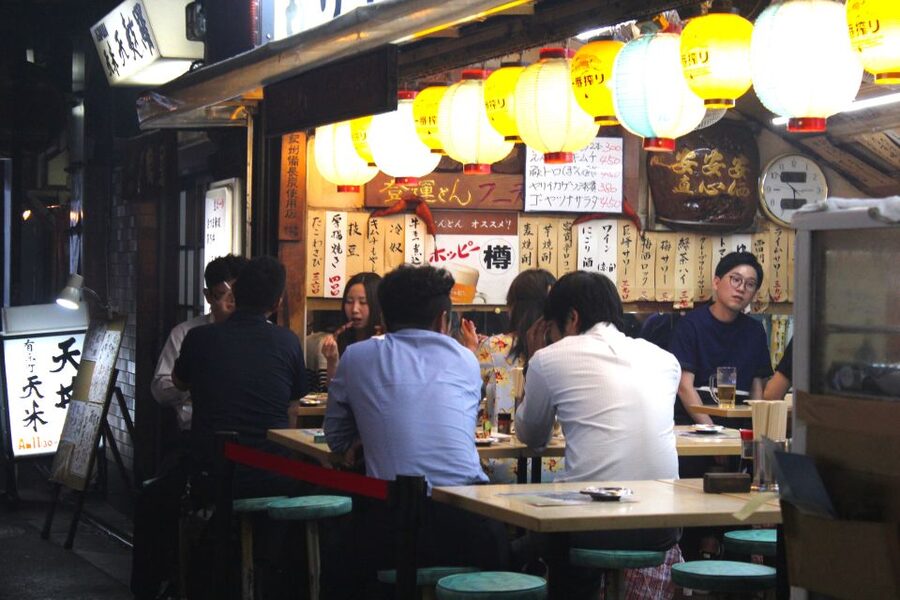
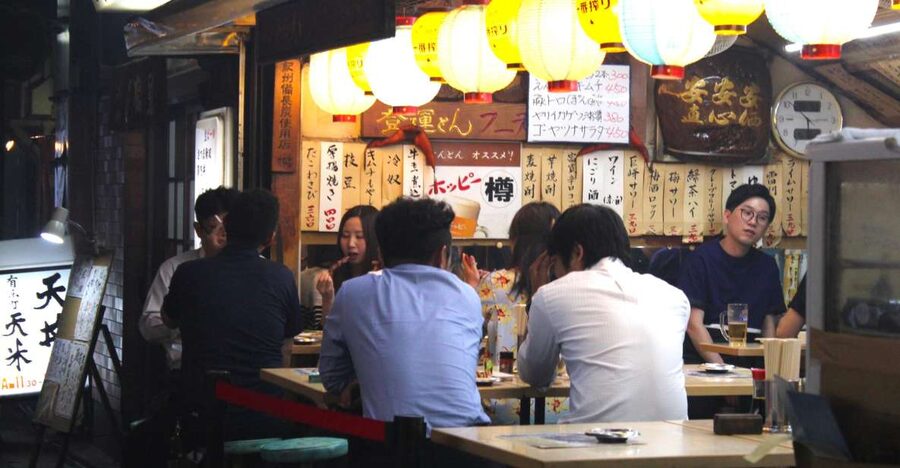
The walk then shifts toward Yurakucho, where the mood changes quickly. Beneath and around the railway tracks, narrow dining lanes hold small restaurants and bars. Red lanterns, neon signs, sizzling food, and close-set tables create an atmosphere that feels far removed from Ginza’s wide avenues.
This is the part of the experience that gives the tour its strongest sense of place. Yurakucho’s Yokocho lanes show a less polished but more intimate side of central Tokyo. The food is served in compact spaces, and the setting encourages conversation, shared plates, and a slower look at how locals use neighborhood drinking spots.
The route has been described as a trip back to the Showa era, the period associated with much of Japan’s postwar popular culture. You are not simply walking past old-looking buildings. Your guide explains the customs connected with izakaya dining, including the role these pubs play in social life and the way food and drinks are ordered and shared.
Several past guide names connected with this experience include Josh, Joshua, Motoko, Sandra, Ryan, Anne, and Satoshi. Guides naturally vary by date, so you should not book expecting one particular person unless the operator confirms it. The consistent feature is an English-speaking local guide who explains the food and customs as you go.
The izakaya stops are the heart of the evening
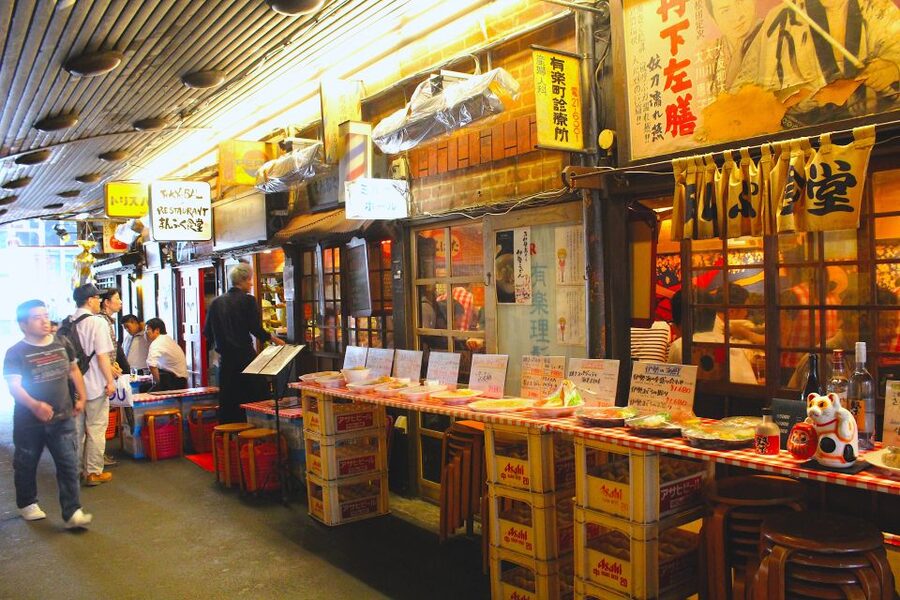
Izakaya are Japanese pubs where drinking is paired with a wide range of small dishes. They are not quite restaurants in the Western sense, and they are not simply bars. You order several plates, share them with the group, and let the meal build gradually.
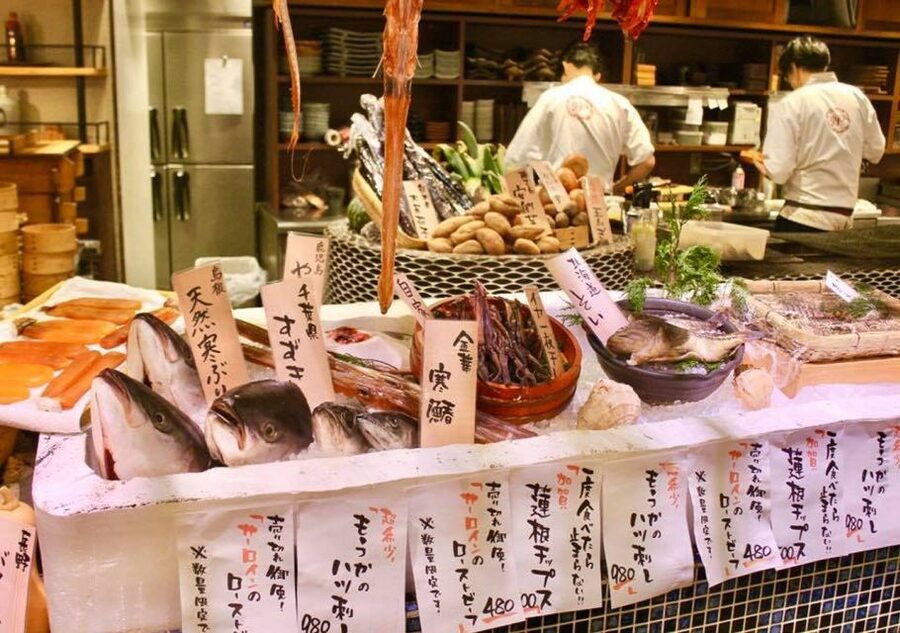
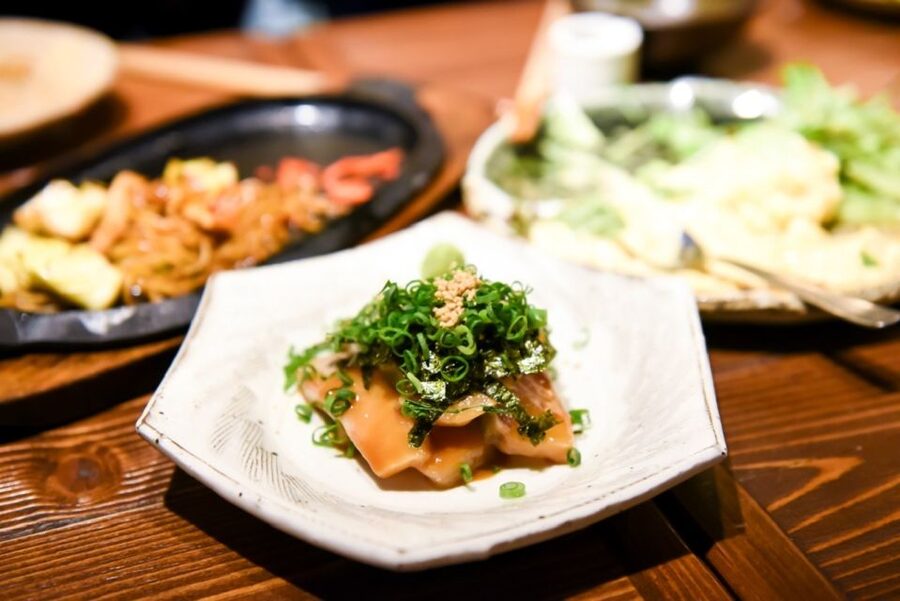
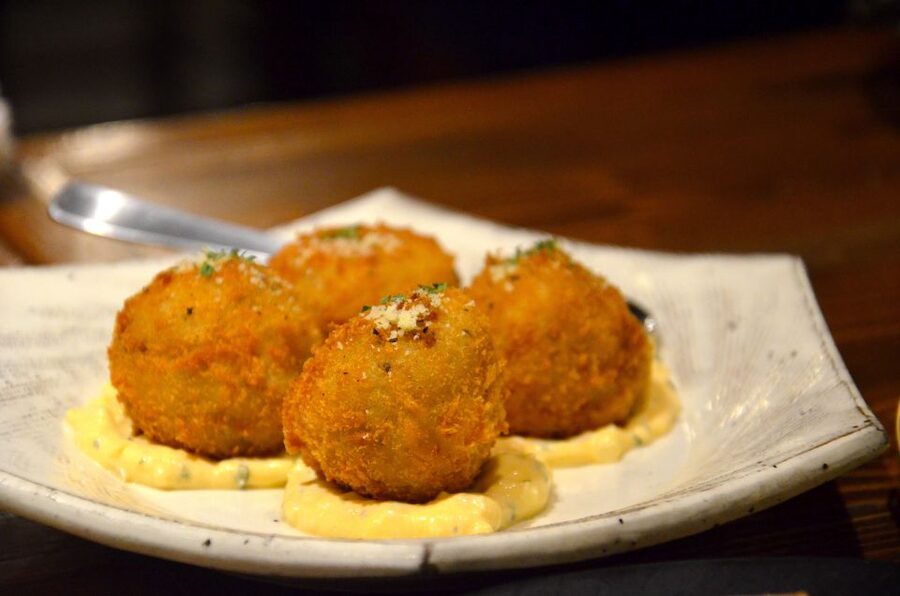
This tour uses that style to introduce you to Japanese dining customs. You might encounter grilled skewers, seafood, and other regional specialties at several stops. The exact dishes are not fixed in the information provided, which is sensible for a food tour built around seasonal and local availability.
That uncertainty can be a benefit. You are not promised a rigid menu that ignores the time of year. You are given a broad selection of dishes at multiple stops, and the guide can explain what you are eating and where it comes from. The tradeoff is that you cannot plan around a guaranteed list of sushi, ramen, or any other single dish.
One earlier tour experience included yakitori restaurants operating beneath the railway, an organic or eco-focused restaurant, a side-street bar, and department-store food counters. Treat those as examples rather than guaranteed stops, since venues and routes can change. They do show the range of settings this style of tour can include.
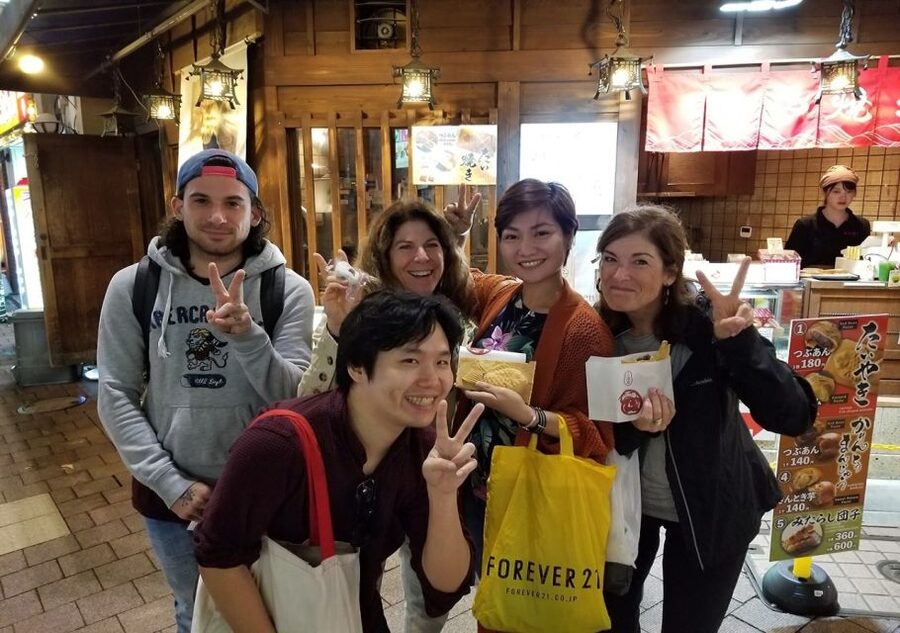
The small group helps here. With no more than 10 participants, you have a better chance of hearing the guide in a narrow lane or small restaurant. You can also ask questions without interrupting a large crowd. A past group included only one other couple, which made the meal feel social without becoming unwieldy.
Same city, a completely different kind of day:
- Mt Fuji and Hakone 1-Day Bus Tour Return by Bullet Train
★ 5.0 · 26,383 reviews - 1-Day Tokyo Bus Tour
★ 5.0 · 14,250 reviews - Tokyo: TOKYO SKYTREE® Admission ticket
★ 4.5 · 11,192 reviews - Tokyo: teamLab Planets TOKYO Digital Art Museum Entry Ticket
★ 4.6 · 9,779 reviews
Food customs make the meal more meaningful
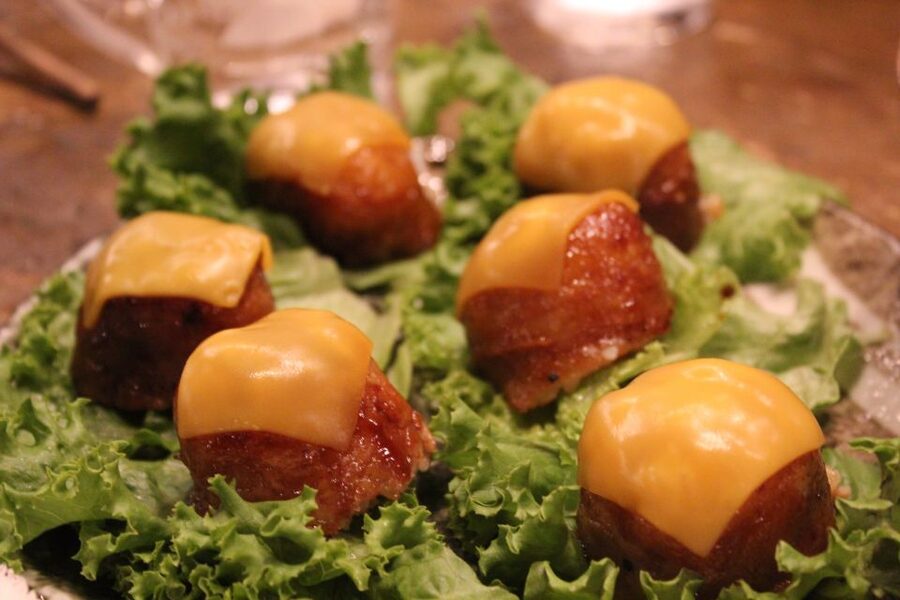
The strongest part of a guided food walk is usually the explanation between bites. Japanese dining customs can be easy to miss when you eat alone. A guide can explain what a dish is, where it comes from, and how it fits into local life.
The tour specifically focuses on cultural and food customs. That may include the way izakaya operate, the importance of seasonal ingredients, and the distinction between foods from different Japanese regions. The guide also provides background on Tokyo’s neighborhoods and their changing character.
Past guides have been praised for combining humor, local stories, and practical food advice. Josh and Joshua were described as approachable and entertaining, while Motoko was noted for connecting dishes with history and culture. Anne was praised for explaining Tokyo’s culture and past during a walking route through three distinct areas.
Those details matter because food tours can fail when they become a simple sequence of tastings. Here, the intended experience is broader. You are learning how Tokyo eats, not just filling three hours with samples.
The dessert provides a proper finish
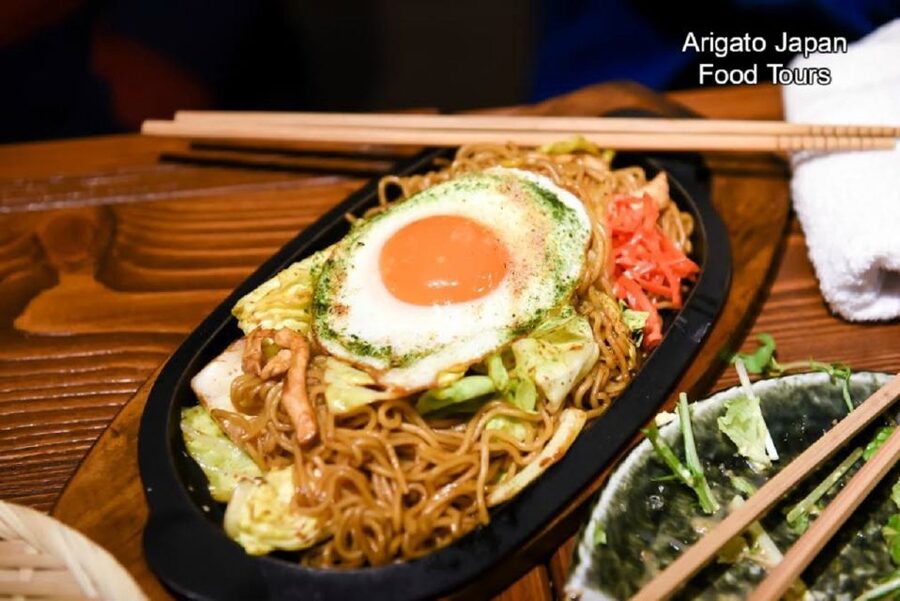
The final stop includes a dessert, along with unique snacks and the two included drinks served during the tour. Ending with something sweet gives the evening a clear shape, especially after several savory dishes and drinks.
The dessert itself is not specified, so you should not reserve this tour expecting a particular wagashi, cake, or ice cream. That can be mildly frustrating if you have a specific sweet in mind, but it also allows the guide to use what is suitable for the route and season.
You should also remember that two drinks are included, not unlimited drinks. Additional food and beverages can be purchased at your own cost. If you have a large appetite or want to linger over drinks, your final bill may rise above the tour price.
Is $181 a fair price for three hours?
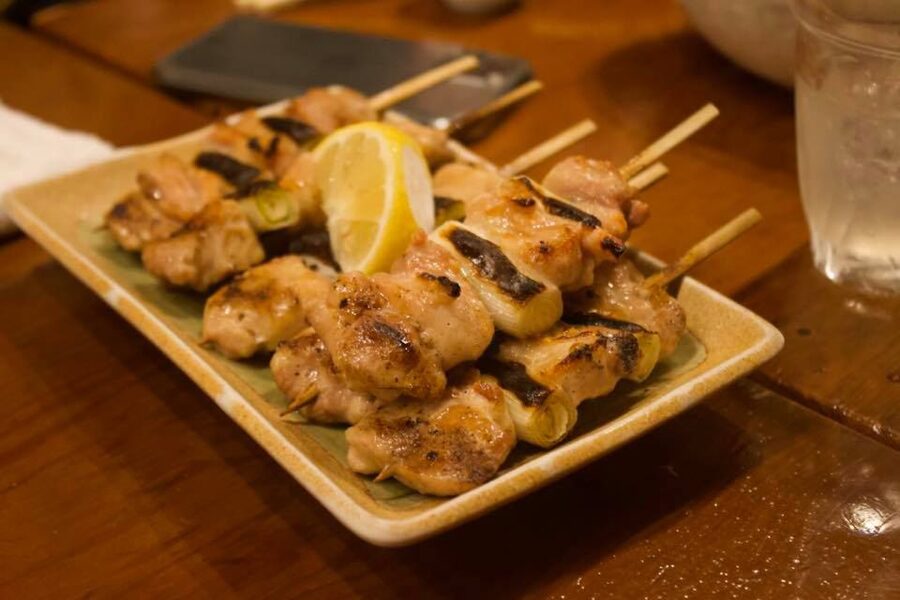
At $181 per person, this is not a cheap way to eat in Tokyo. You could spend much less by visiting Yurakucho on your own and ordering from a few casual restaurants. The price needs to be judged against the guidance, the range of stops, the small group, the included food, and the cultural context.
I see the value most clearly if you are new to Tokyo. You get an organized introduction to two central neighborhoods, an English-speaking guide, several food stops, regional products, historic snacks, dessert, and two drinks. You also avoid the guesswork of choosing a small izakaya when you cannot read the menu or do not know the local dining rules.
The value is weaker for an experienced Tokyo diner who already knows Ginza and Yurakucho. In that case, you may prefer to spend the same money on a longer meal or several independent visits. The tour is paying for access, explanation, and social ease as much as for the food itself.
The start time may also help. One earlier participant liked beginning before the heaviest dinner rush, and that is a useful point. A slightly earlier evening can make it easier to enter small restaurants and keep the group moving. Check the available start times before booking, since the exact schedule can vary.
Dietary needs and practical planning
Dietary options are available, but you should communicate your needs before the tour. Do not assume every stop can handle a request made only after you arrive. The more specific your information, the easier it is for the supplier and guide to plan.
If you are booking alone, email the supplier before booking. The activity information specifically asks single participants to make contact first, so do not treat a solo booking as automatic.
A copy of passport information is required for every participant aged 10 and over. Have that information ready during the booking process. Children younger than 10 are not included in that stated requirement.
Hotel pickup is not included. It may be arranged for an additional charge, but the standard plan begins at the Ginza Wako meeting point. Transportation costs are also separate, so you should budget for getting to Ginza and returning afterward.
Cancellation is flexible: you can cancel up to 24 hours in advance for a full refund. You can also reserve now and pay later, which is useful if your Tokyo plans are still moving around.
Who will enjoy this Tokyo food tour?
This tour suits first-time visitors who want an easy introduction to Japanese food customs without spending the evening deciphering menus. It is also a good fit if you enjoy small plates, neighborhood bars, snacks, and local stories more than a formal multi-course restaurant meal.
Couples, friends, and solo visitors who are comfortable joining a small group should find the format manageable. The limited group size keeps the walk personal, and the food is varied enough to make the three hours feel like a real sampling of Tokyo rather than one long stop.
You should think twice if you need a fully fixed menu, dislike alcohol-centered dining, or want a quiet meal. Izakaya can be close, lively, and noisy. The tour is designed around movement, conversation, and several tastings, not calm dining in one spacious room.
It may also be less suitable if you have severe dietary restrictions that require complete control over ingredients. Options are available, but the route involves multiple food businesses and shared dining settings. Contacting the supplier in advance is essential.
My verdict on the Ginza and Yurakucho experience
Book this tour if you want a guided first taste of Tokyo that combines food, neighborhoods, and everyday customs. The best reasons are the sharp contrast between luxury Ginza and railway-side Yurakucho, the historic snack stop, and the chance to eat in izakaya with an English-speaking guide.
At $181, I would not call it a bargain. I would call it a useful orientation tour, especially on your first evening or early in your Japan trip. You pay a premium for a small group, several organized stops, two drinks, and the confidence that someone can explain what is happening.
Skip it if you already know these districts or prefer to make your own restaurant choices. Choose it if you want a friendly guide, varied food, cultural background, and a practical introduction to Tokyo’s dining habits in a compact three-hour route.
FAQ
How long does the Tokyo Allstar Food Tour last?
The tour lasts three hours.
Where does the tour meet?
It meets in front of the Ginza Wako Building, also called Seiko House, at 4 Chome-5-11 Ginza. The meeting point is about one minute from Ginza Station.
Which Ginza Station exit should I use?
From Ginza Station, follow signs for the Ginza 4 chome Crossing Gate, pass the fare gate, and exit through A9.
What food and drinks are included?
The tour includes a variety of dishes at several food stops, unique desserts and snacks, and two drinks. Extra food and drinks are not included but may be purchased separately.
Is the tour conducted in English?
Yes. It is led by a live, English-speaking local guide.
How large is the group?
The tour is limited to 10 participants.
Are dietary options available?
Yes, dietary options are available. Contact the supplier before booking to explain your needs.
Can I cancel the tour or pay later?
You can cancel up to 24 hours in advance for a full refund. The tour also offers reserve now and pay later booking.
More Food in Tokyo
- Tokyo Night Foodie Tour in Shinjuku – Seasonal Sushi, Wagyu Beef
★ 5.0 · 1,161 reviews - Tokyo: Tsukiji Fish Market Food and Culture Walking Tour
★ 4.7 · 757 reviews - Tsukiji Fish Market: Street Food & Culture Walking Tour
★ 5.0 · 669 reviews - Tsukiji Fish Market Small-Group Food Walking Tour
★ 5.0 · 621 reviews
More Food & Drink in Tokyo
- Best of Shinjuku: Izakaya Food Tour (4 Stops, 14+ Tastings)
★ 5.0 · 1,863 reviews - Tokyo: Tsukiji Fish Market Food and Walking tour
★ 5.0 · 1,724 reviews - Eat and Drink Like a Local: Tokyo Ueno Food Tour-Taverns&Ramen
★ 5.0 · 957 reviews - Tokyo: Shibuya Food Tour (13 dishes and 4 Eateries)
★ 5.0 · 770 reviews
Just added around Tokyo
- Private Memorable Tokyo Tour with English Speaking Driver★ 5.0 · 30 reviews
- Private Tokyo Custom Full-Day Tour by Chartered Vehicle★ 5.0 · 16 reviews
- Private Sightseeing to Mt Fuji and Hakone with English Driver★ 5.0 · 51 reviews
- Tokyo Photography Masterclass – Private Photography Lesson★ 5.0 · 25 reviews
- Private Mt. Fuji Day Trip from Tokyo with English-Speaking Driver★ 5.0 · 33 reviews
- 4 Day Tour – Mount. Fuji, Tokyo, Hakone, Kamakura and Yokohama★ 5.0 · 19 reviews
- Private Unforgettable Mt Fuji Tour with English Speaking Driver★ 5.0 · 142 reviews
- Private Tokyo Food Tour – A Journey Through Time Through Food★ 5.0 · 36 reviews
Food Market Tours, compared.
Shinjuku Food Tour (13 Dishes at 4 Local Eateries)
Read our review →
Tokyo Tsukiji Fish Market Food and Culture Walking Tour
Read our review →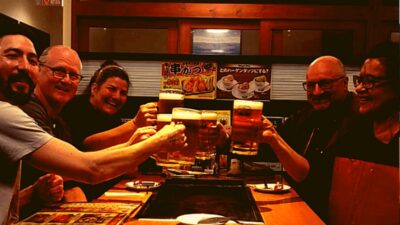
Shinsekai Food Tour with 13-15 Dishes at 5 Eateries
Read our review →
Osaka Food Tour: 13 Dishes at 5 Local Eateries
Read our review →
Shinjuku Food Tour (15 Dishes and 4 Eateries)
Read our review →
Best of Shinjuku: Izakaya Food Tour (4 Stops, 14+ Tastings)
Read our review →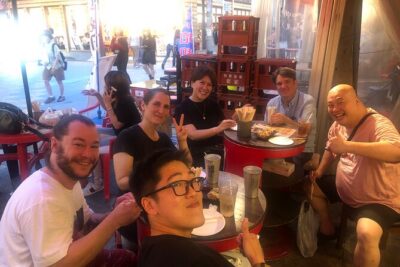
Hungry Osaka Street Food Tour:15 Tastings & 3 Drinks with a Local
Read our review →
Browse the lists this tour appears in