
REVIEW · WALKING TOURS
Takayama: Edo-Period Old Town Walking Tour
Takayama’s old town makes more sense when you know why it looks the way it does. This 45-minute walk explains how trade, craftsmanship, daily work, and town planning shaped the Edo-period streets, so the buildings stop being mere scenery and start telling you something about local life.
I like two things here: the tour gives you useful context without drowning you in dates, and it fits neatly at the beginning of a day in Takayama. The main caution is price. At $43 per person, the short running time means you should see this as an introduction, not a full historical tour.
In This Review
- Key points at a glance
- Why Takayama’s old streets need an explanation
- Beginning at the Tours & Activities sign
- Reading the town through trade and daily work
- What the 45-minute route feels like
- Why ordinary sights matter
- The guide makes the difference
- Is $43 a fair price for such a short walk?
- When to place it in your Takayama schedule
- Who will get the most from this walk
- Practical tips for a smoother experience
- Should you book the Takayama old town walk?
- FAQ
- Where does the Takayama walking tour meet?
- How long does the tour last?
- What language is the tour conducted in?
- What does the tour focus on?
- Is the tour suitable for wheelchair users?
- Does the tour operate in bad weather?
- Are food and drinks included?
- Can I cancel the booking for a refund?
Key points at a glance
- Merchant-town history: Learn how Takayama developed through trade and craftsmanship rather than castle politics.
- Ordinary details explained: Your guide points out the meaning of street layouts, buildings, and local customs.
- Short and well-paced: The walk lasts about 45 minutes and may run slightly longer with questions.
- English-led experience: Tours are conducted in English, with Yamma praised for an engaging approach.
- Easy to fit into a visit: No transport or meal is involved, so you can continue exploring the old town afterward.
- Rain or shine: Bring suitable clothing, since the walk operates in all weather.
Why Takayama’s old streets need an explanation
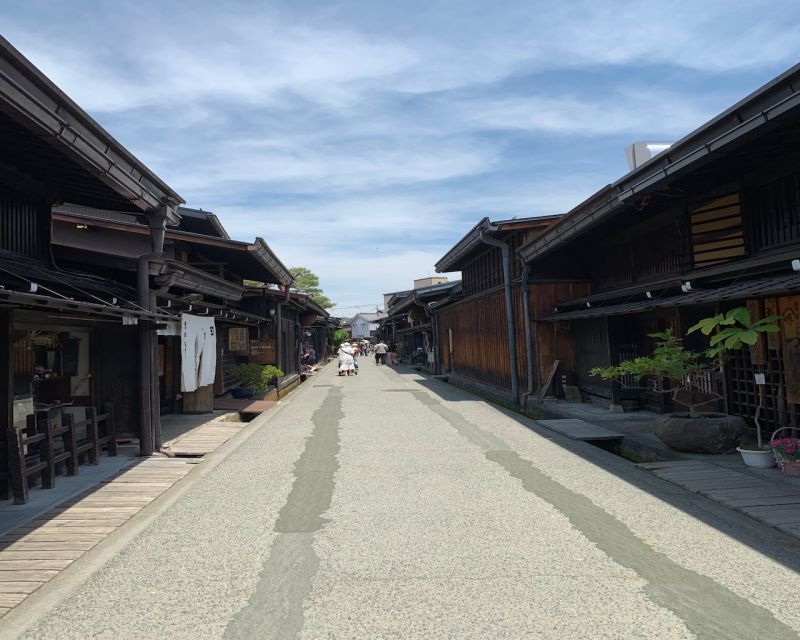
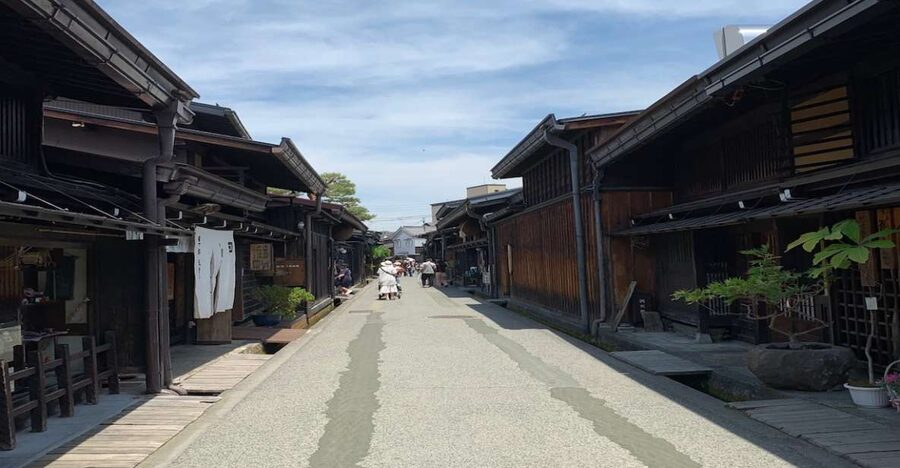
Takayama is often admired for its preserved wooden buildings, dark timber facades, narrow streets, and traditional shopfronts. You can certainly walk through the area on your own, but the visual details do not always explain themselves.
This tour focuses on the forces that shaped the town during the Edo period. That means looking beyond samurai castles and famous battles. Takayama grew as a merchant town, and the walk links its appearance to trade, skilled work, domestic routines, and the way people moved through town.
I find that a useful angle for Japan. Many historic places are presented through powerful rulers or grand religious sites. Here, the emphasis is on the people who made a town function: merchants, craftsmen, workers, and families. That gives the old streets a more grounded feel.
The guide also briefly places the Edo period between what came before and what followed. You will not receive a long academic lecture, but you should come away with a clearer sense of how Takayama developed and why its old town has kept its character.
More walking tours in Takayama:
- Takayama: Takayama Jinya & Old Town Private Walking Tour
★ 4.5 · 32 reviews - Takayama: Private Walking Tour with a Local Guide
★ 4.6 · 29 reviews - Takayama: Private Night Walking Tour with Dinner
★ 4.5 · 13 reviews
Beginning at the Tours & Activities sign
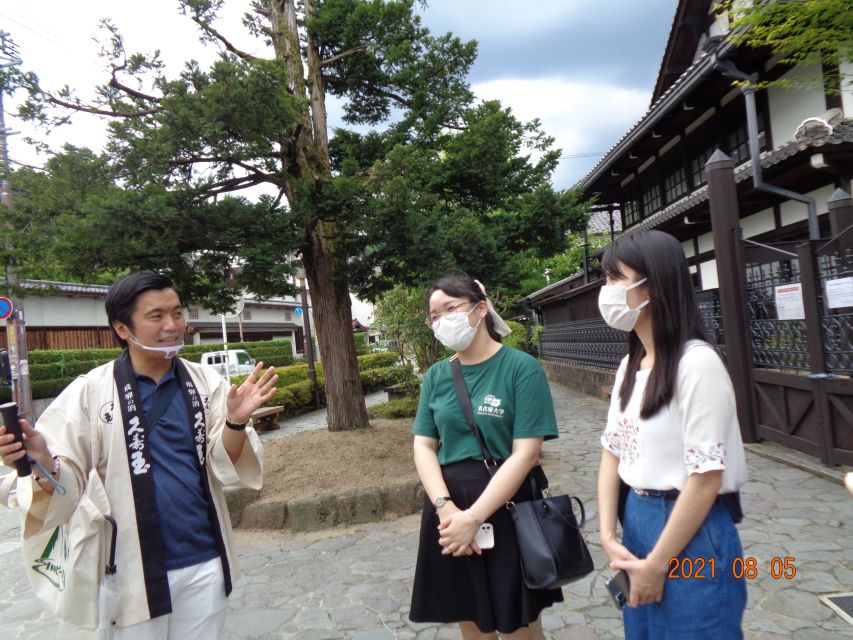
The meeting point is in front of the Tours & Activities sign board. To find it, search happyplus in Google Maps. That detail matters because a small local meeting point can be harder to identify than a major station or landmark.
I would allow a little extra time to locate the sign, especially if you are unfamiliar with Takayama. The directions provided are specific, but they do not describe a large landmark or a full street address. Arriving early gives you a calmer start and avoids losing part of a short tour.
The walk is led in English. Other languages may be available upon request, but English is the stated language for this experience. If language is especially important to you, it is sensible to confirm availability before booking.
Reading the town through trade and daily work
The first major idea is Takayama’s role as a merchant town. Your guide explains how commerce and craftsmanship shaped the place, giving you a way to read the streets as an organized working town rather than a preserved display.
You will learn how daily life affected the town layout, how people worked and traded, and why buildings and streets took the forms you see today. The information is intended to stay clear and practical. You are not expected to memorize a string of dates.
That approach suits me. A short walking tour has limited time, so the best use of it is to answer questions you will keep asking as you explore. Why are the streets arranged this way? What did these buildings do? How did people use the town? What local customs are connected to ordinary features?
The supplied details do not name every building or stop, so you should not expect a fixed list of major monuments. Instead, the guide uses the old-town setting itself as the lesson. As you walk, everyday sights become prompts for explaining how Takayama worked.
What the 45-minute route feels like
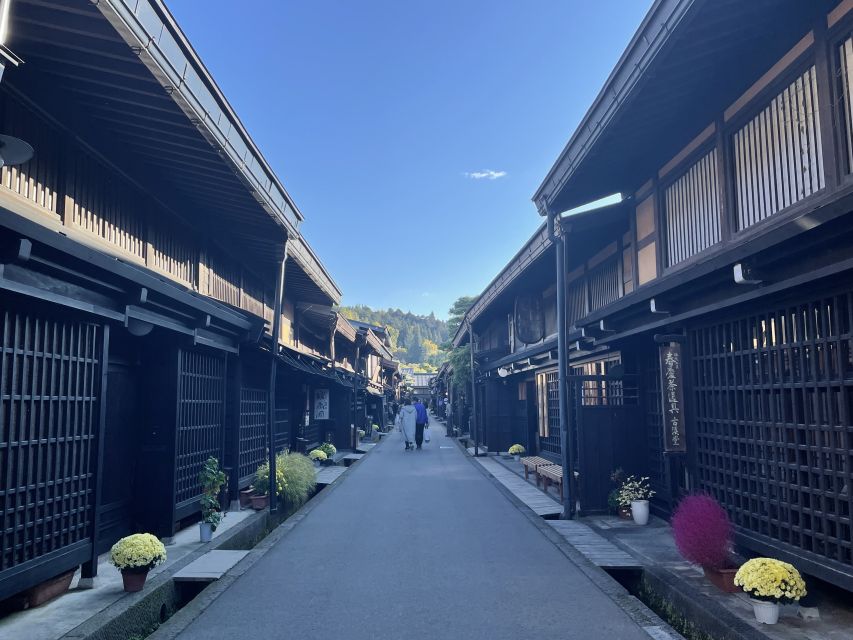
The tour is designed as a moving introduction rather than a long stop-by-stop visit. You walk through the old town while the guide connects what you see with the town’s past.
At the start, you should expect basic orientation: where you are, what period matters most, and how Takayama differs from other historic Japanese towns. The middle of the walk centers on merchant life, trade, craftsmanship, town planning, and local customs. Near the end, the pieces come together into a broader picture of Takayama’s character.
The pace is meant to be accessible. You will have time to follow the explanation while walking, and the tour may extend slightly if the group asks questions or the route takes a little longer. Still, the listed duration is approximately 45 minutes, and one important criticism is that a booking once lasted only about 20 minutes. That appears to be an exception, but it is worth keeping in mind when judging the value.
The short format can work in your favor. You do not lose half a day, and you can continue exploring independently while the information is still fresh. The tradeoff is that the guide cannot cover every corner of the old town or give a long historical account.
Same city, a completely different kind of day:
- Kanazawa: World Heritage Shirakawa-go Morning Guided Tour
★ 4.9 · 988 reviews - Kanazawa: World Heritage Shirakawa-go & Two Local Experience
★ 4.9 · 274 reviews - Kanazawa/Takayama: Shirakawago & Takayama Private Day Tour
★ 4.8 · 172 reviews - Departing from Takayama [Regular sightseeing bus] World Heritage Sites Shirakawago and Gokayama Ainokura
★ 4.5 · 137 reviews
Why ordinary sights matter
One of the most useful parts of this walk is its attention to details you might otherwise pass without a thought. A street plan, building style, or local custom can look simple until someone explains its purpose.
That kind of interpretation is valuable in Takayama because the old town is easy to admire at surface level. You see traditional architecture, but architecture alone does not tell you who used it, how commerce shaped it, or how local routines affected the way the town was arranged.
The guide’s task is to connect those pieces without making the walk feel like a classroom. Several high ratings describe the experience as interesting, well organized, and helpful for understanding local culture. Yamma, in particular, is praised for being engaging and for explaining the town in a way that kept the walk enjoyable.
There is also a useful warning in the mixed feedback. One poor experience described a roughly 20-minute tour and weak spoken English. Since the quality of a short walking tour depends heavily on the guide’s communication, language clarity can affect the value more than it would on a sightseeing activity with many physical highlights.
The guide makes the difference
The experience is sold as a local guide-led walk, not an audio route or a printed history lesson. That puts the human guide at the center of the value.
A strong guide can adjust the explanation to the group, answer questions, and point out details at the right moment. A less effective guide can make 45 minutes feel thin. The positive feedback specifically praises Yamma as engaging and well informed, and other comments describe the tour as very well organized and helpful for learning about local culture.
I would book this with realistic expectations. You are paying for interpretation and orientation, not admission to a major attraction. The guide’s voice, examples, and ability to connect the town to daily life are what you are buying.
If you have questions, ask them during the walk. The tour may run slightly beyond 45 minutes depending on questions and the flow of the route. That is one of the few ways to make the short format feel more worthwhile.
Is $43 a fair price for such a short walk?
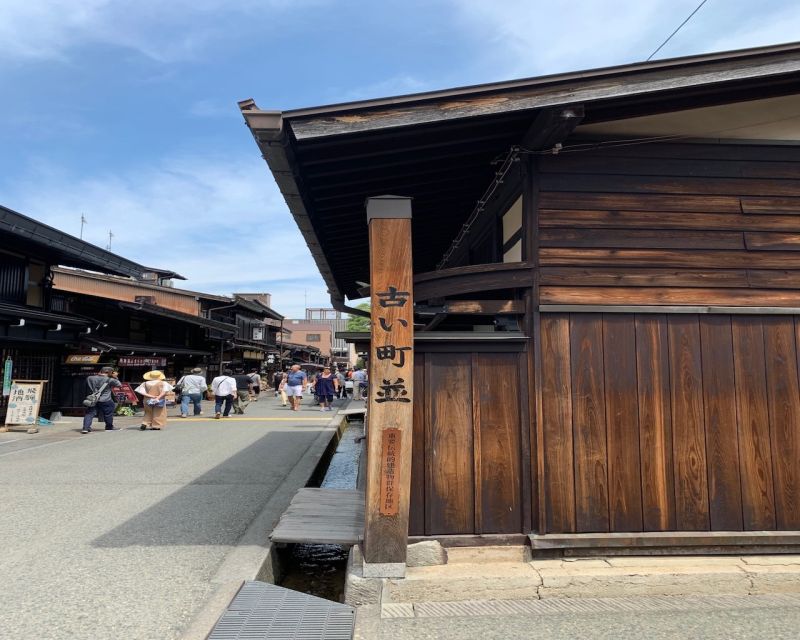
The cost is $43 per person. Food and drinks are not included, and there is no transport component. The price covers the local guide and the walking tour itself.
At approximately 45 minutes, that works out to just under $1 per minute. That is not a bargain if you measure the experience only by time. One Spanish-language comment also felt that 45 minutes was short for the amount paid.
The value improves if you use the walk as the opening chapter of your Takayama visit. A good introduction can save you from wandering through the old town without understanding what you are seeing. You can then spend the rest of your time returning to streets and buildings with a better sense of their purpose.
The tour is a weaker choice if you already know Takayama’s history or prefer to explore at your own pace. You may get more from an unhurried independent walk, especially if you want to stop for food, shopping, photographs, or detailed visits inside buildings.
The rating of 4.5 from 22 reviews suggests a generally strong experience, but the range of comments matters more than the number alone. Praise centers on the guide, organization, and cultural information. The main concerns are short duration and, in one case, English ability.
When to place it in your Takayama schedule
I would schedule this near the beginning of your time in the old town. The tour is designed to set the context for the rest of your visit, and its practical purpose is to help you understand what you see afterward.
Because it lasts less than an hour, you can place it before another activity or use it as a first look at the historic streets. You are not committing an entire morning or afternoon. Afterward, you can continue walking independently with the guide’s explanations in mind.
The experience does not include food or drinks, so plan those separately. That may be a benefit in Takayama, where you may want to choose your own meal rather than follow a group schedule.
The walk takes place rain or shine. Comfortable shoes and weather-appropriate clothing are sensible, especially because the activity is entirely outdoors. The tour is listed as wheelchair accessible, which makes it a practical option for many people who need an accessible route, though you may still want to confirm the meeting point and current route details when booking.
Who will get the most from this walk
This tour suits a first-time visitor who wants a clear explanation of Takayama before exploring alone. It also works well for anyone who enjoys local customs, town design, and social history more than a list of famous names.
Families and mixed-age groups may appreciate the short length. Forty-five minutes is long enough to add substance, but brief enough that younger participants may not lose interest. The accessible format also helps people who do not want a strenuous or lengthy excursion.
I would recommend it for visitors with only a short stay, since it gives you a fast orientation without transport time. English-speaking visitors should find the format straightforward when the guide communicates clearly.
You may want something longer if you prefer detailed history, extended building visits, or a slower photographic walk. The experience gives you a framework, not an exhaustive tour of every historic feature.
Practical tips for a smoother experience
Search happyplus in Google Maps before leaving your accommodation, then check that you are standing by the Tours & Activities sign board. The meeting instructions are simple, but a short tour leaves little room for confusion.
Arrive ready to walk in the weather. Since the tour runs rain or shine, a light rain layer or sun protection may be useful depending on the forecast. Wear shoes that are comfortable for historic streets.
Think of your questions before the tour begins. Ask about a building, street arrangement, custom, or trade practice that catches your eye. The walk can extend slightly with questions, and your own curiosity helps turn a general introduction into a more personal one.
Do not expect refreshments, tickets, or transportation to be part of the booking. You receive the guide and the walking tour, then remain free to choose your own next stop.
Cancellation is flexible up to 24 hours before the start for a full refund, and you can reserve now and pay later. Those terms help if your Takayama plans may change, but they do not alter the basic question of value: you are booking a compact guided introduction.
Should you book the Takayama old town walk?
I would book it if you are new to Takayama and want the old town explained in plain English before exploring on your own. The focus on merchants, craftsmen, daily life, and town planning gives you more than a quick stroll with dates attached.
I would be more cautious if $43 feels high for 45 minutes or if you already know the town’s history. The one report of a 20-minute tour and poor English is also a fair reason to keep expectations measured, even though the stronger feedback praises Yamma, the organization, and the cultural explanations.
For the best value, take it early, ask questions, and use the rest of your day to revisit the places the guide has explained. Book it as a short orientation to Takayama, not as the main event of your sightseeing day.
FAQ
Where does the Takayama walking tour meet?
Meet in front of the Tours & Activities sign board. Search for happyplus in Google Maps to help locate the meeting point.
How long does the tour last?
The listed duration is approximately 45 minutes. It may extend slightly depending on the flow of the walk and questions from the group.
What language is the tour conducted in?
The tour is conducted in English with a live guide. Other languages may be available upon request.
What does the tour focus on?
It focuses on Takayama’s development as an Edo-period merchant town, including trade, craftsmanship, daily life, town planning, buildings, streets, and local customs.
Is the tour suitable for wheelchair users?
The activity is listed as wheelchair accessible.
Does the tour operate in bad weather?
Yes. Tours take place rain or shine, so you should dress appropriately for the forecast.
Are food and drinks included?
No. Food and drinks are not included in the activity.
Can I cancel the booking for a refund?
Yes. You can cancel up to 24 hours in advance for a full refund. The activity also offers a reserve now and pay later option.
Just added around Takayama
- Takayama: Takayama Jinya & Old Town Private Walking Tour★ 4.5 · 32 reviews
- Takayama: Private Night Walking Tour with Dinner★ 4.5 · 13 reviews
- Takayama: Private Walking Tour with a Local Guide★ 4.6 · 29 reviews
- Takayama Private Custom Tour with Local Guide★ 5.0 · 31 reviews
- Takayama: Onigiri and miso soup making at a buddhist temple★ 4.9 · 93 reviews
- Shirakawago&HidaTakayama&GujoHachiman 1 Day Tour from Nagoya★ 4.5 · 14 reviews
- Sake Tasting: Educational Tour of Six Takayama Breweries★ 5.0 · 14 reviews
- Ninja experience in Takayama – Special Course★ 4.9 · 13 reviews
Walking Tours, compared.
Kyoto Geisha Walking Tour: Gion District & Hidden Gems
Read our review →
Tokyo Tsukiji Fish Market Food and Culture Walking Tour
Read our review →
Gion Magical Night Walking Tour with Geisha Trivia
Read our review →
Imperial Palace and Shogun Historical Walking Tour
Read our review →
Gion Geisha District Walking Tour – Stories of Geisha
Read our review →
Asakusa Walking Tour with Sensoji Temple Visit
Read our review →
Kyoto Gion Geisha District Walking Tour – The Stories of Geisha
Read our review →Browse the lists this tour appears in